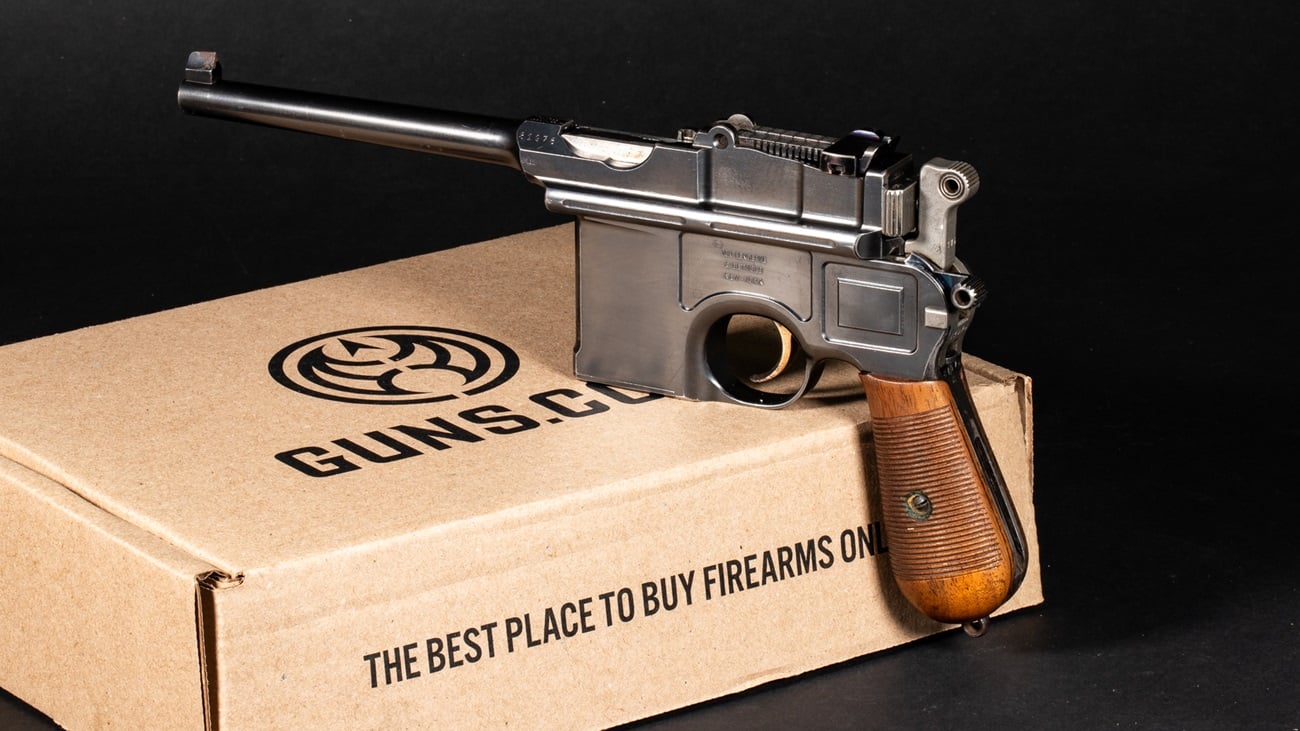
One of the household names when it came to fine sporting goods in the early 1900s was Von Lengerke & Detmold, and we have one of their special (and very collectible) commercial Mauser C96s.
Friedrich Justus Johann von Lengerke, the son of a gunsmith, was born in 1854 in the Grand Duchy of Oldenburg (now part of Germany) and came to America at age 17. There, in partnership with his brother Oswald and one Ernst Detmold, he founded Von Lengerke & Detmold on Murray Street in New York City in 1882. The company soon began to see a variety of sporting goods, accessories, and apparel, including firearms.
VL&D was very forward-looking, among one of the first companies to sell electric torches (flashlights), the Lu-Mi-Num bicycle, as well as fine imported hunting gear and firearms from the Old World including guns from JP Sauer, Greifelt, Mannlicher-Schoenauer, Purdey, and Holland & Holland.

By 1889, VL&D had become a principal importer of Francotte shotguns from Belgium. The company then soon expanded into one of the first makers of smokeless powder in the country, marketing Walsrode and Schultze Smokeless Powder – as well as guns outfitted with stronger steel barrels made by Siemens to accommodate the more powerful loads. Soon followed the company's trademarked Nitro series of reloadable waterproof shotgun shells, filled with the new powder.
Popularizing the use of the powder through public exhibition shooting events and expanding its catalog, VL&D franchised in 1892 when bother Oswald Von Lengerke moved to Chicago, where he and his hunting companion, Charles Antoine, established Von Lengerke & Antoine with much the same business model.
By 1895, VL&D had moved to Broadway and made a name for itself as something of a bespoke gun house, akin to the Beretta Gallery of today. Exceptional quality shotguns costing upward of $175 (nearly $6,000 in today's money) and an embellished $500 ($16,000 today) piece were on display at the first Sportsmen's Exhibition in Madison Square Garden.
In short, there was probably no better firm in America for Paul Mauser to partner with for his firm's innovative new autoloading pistol.
The C/96
Earning its designation from the term "Construktion 96" – the latter being the year it began production – the magazine-fed short-recoil-action C96 could be seen as the first successful semi-auto centerfire pistol, far surpassing earlier guns such as the Borchardt C93. Designed by the three co-habitating Feederle brothers (Fidel, Friedrich, and Josef) at the Mauser factory in Oberndorf-on-the-Neckar with 47-year-old Friedrich taking the lead, a working model was ready for testing by March 1895 and a series of patents immediately secured in Germany (No. 90,430, dated December 11, 1895) by Paul Mauser in his name as factory owner.

Mauser soon repeated the patent filing in Great Britain, Switzerland, Belgium, France, Spain, Norway, Italy, Brazil, Austria, Hungary, Denmark, and America, with U.S. Patent 584479A granted in June 1897. By this time, with production done under the watchful eyes of Josef Feederle, the C96 was being made in six, 10, and 20-shot models, as well as in a full-time carbine variant.
With the C96's patents fully protected across most of the large markets, and the gun under test by both the U.S. and Swiss armies for possible adoption, Mauser moved to secure an agent in America who could sell the thing.
That's where VL&D came in.
The first batch of C96 pistol and its proprietary .30 Mauser (7.63x25mm) ammunition was sold to Von Lengerke & Detmold in March 1898, a lengthy partnership would continue for the next decade, with something like 2,000 guns shipped to the New York retailer.
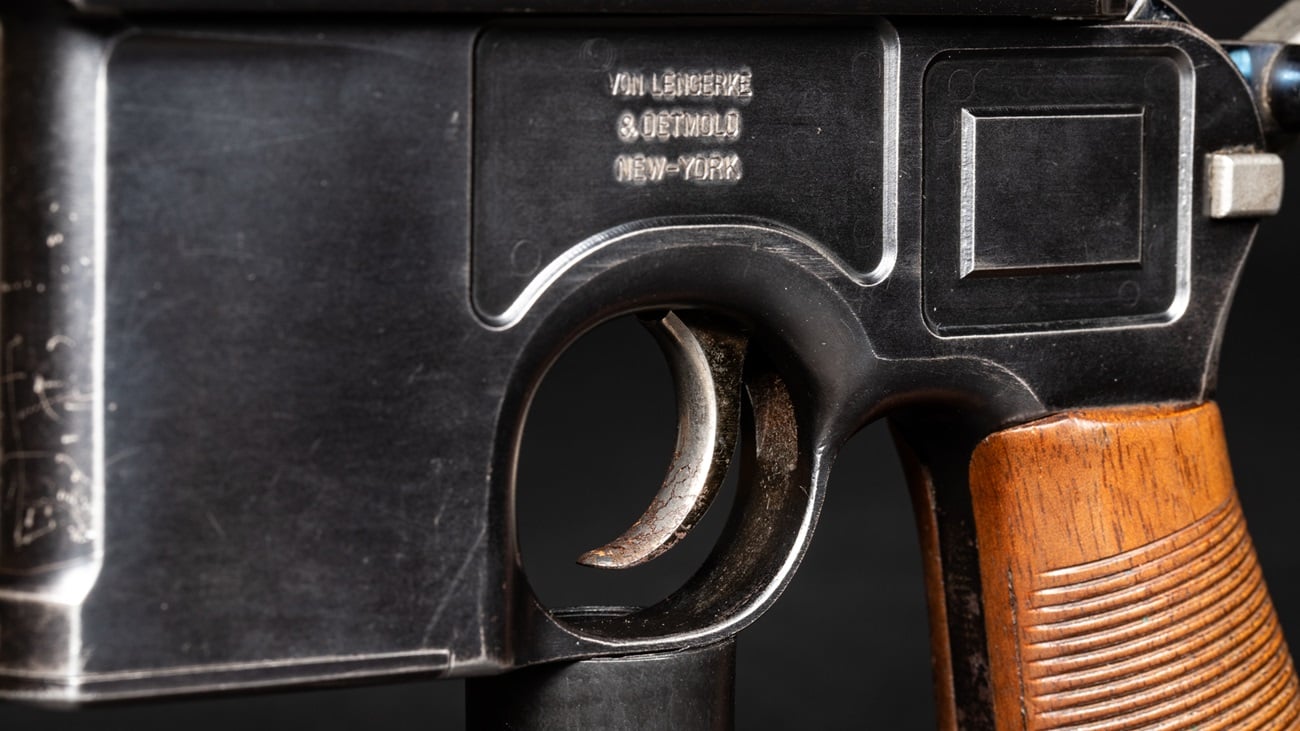
As the C96's exclusive American importer at the time, the guns headed across the Atlantic were even engraved "Von Lengerke & Detmold New York" on the left side of the receiver, with the rollmarks made at Mauser before shipment.
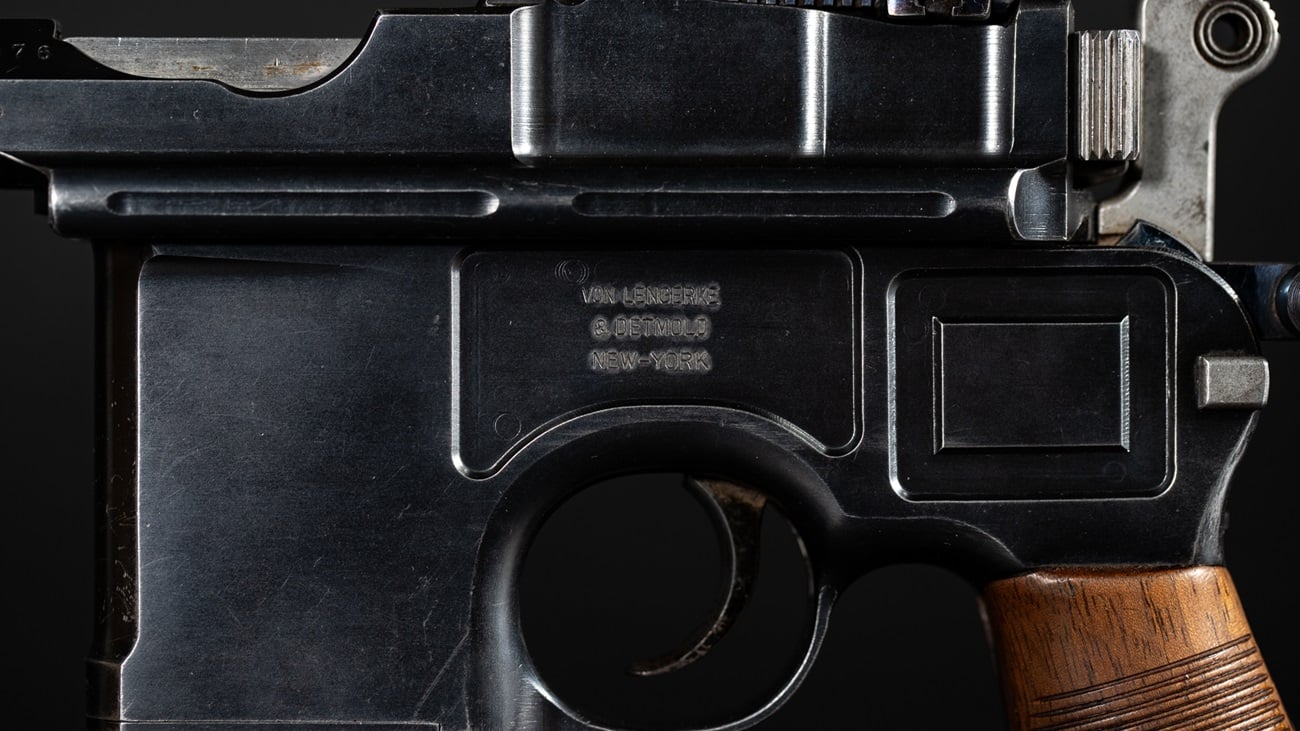
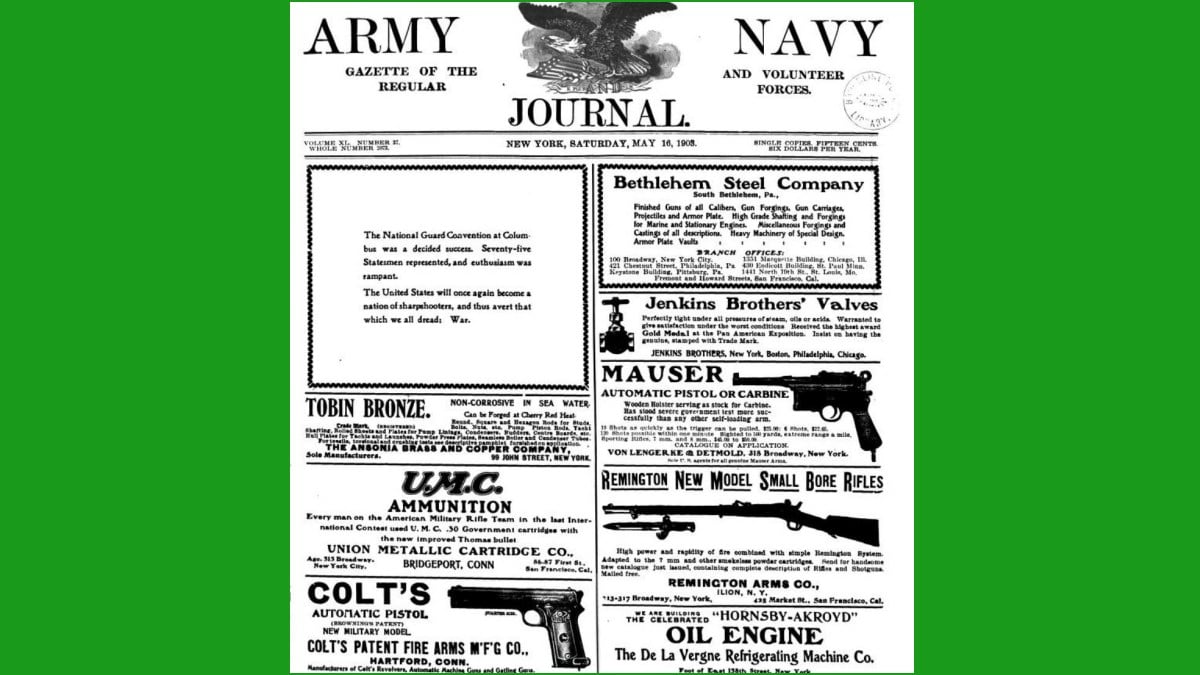
VL&D wasted no time marketing the innovative new gun, which at the time had little competition in its space. However, some of the ad copy ran verbose, stating:
"It will shoot a mile. It will penetrate 17 inches of pine. It can be fired six shots within one second and holds six or 10 cartridges, smokeless powder, soft nose or full mantled bullets. It can be reloaded in a couple of seconds and is fully guaranteed. No other weapon will command the same wholesome respect among the lawless and, as a burglary, violence, or riot preventor, there is nothing like it. It has killed bear, deer, and nearly all big game and little game to be found on this continent."
Prices ranged from $22.65 to $50 depending on the model, which is $700 to $1,600 in today's dollars.
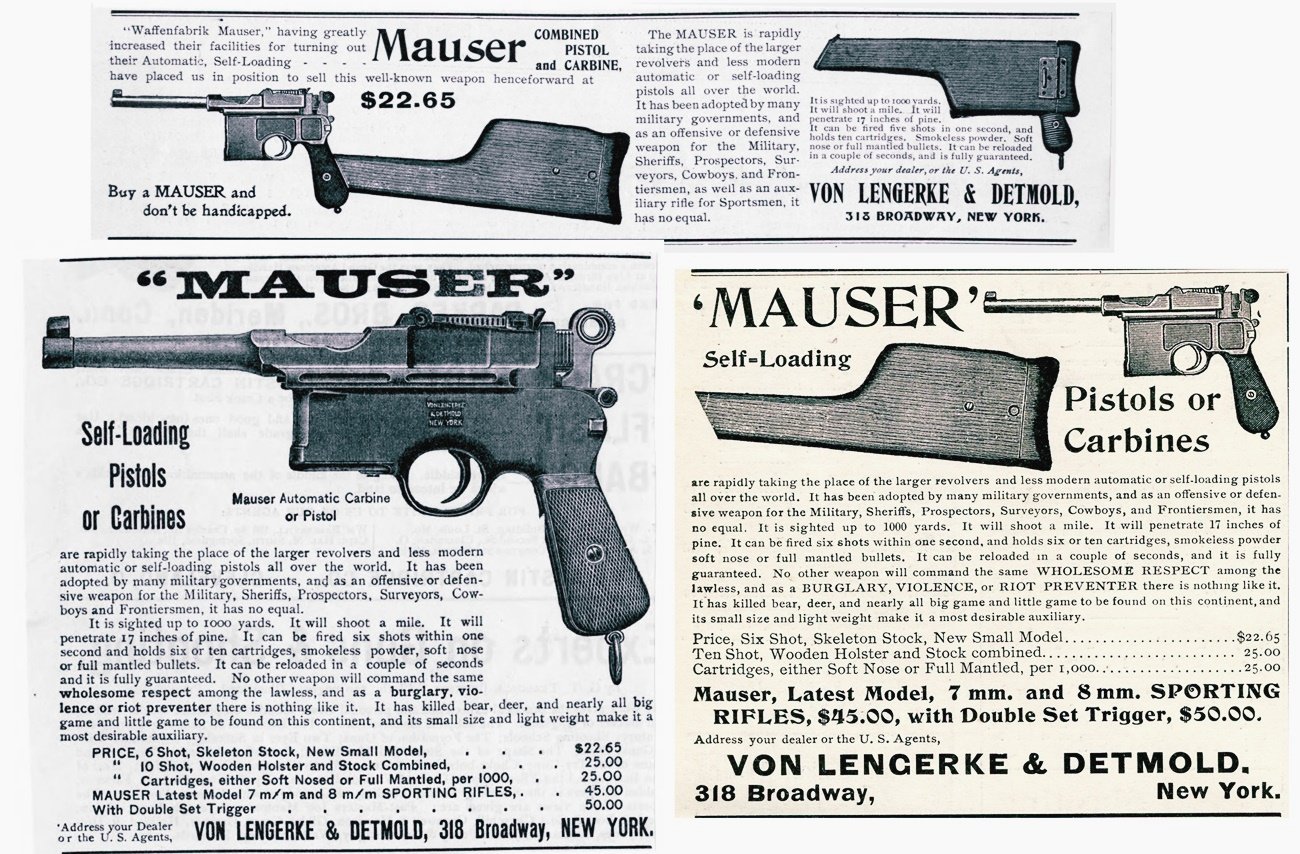
Billed as being capable of firing 130 rounds in a minute (which we'd love to see someone fast enough to reload the C96's internal top-fed magazine 13 times in 60 seconds) the pistol was pitched by VL&D as an "offensive or defensive weapon" ideal for "military, sheriffs, prospectors, surveyors, cowboys, and frontiersmen." Sure enough, turn-of-the-century cowboys and lawmen (Anadarko, Oklahoma Territory Sheriff James Thompson; Captain J. Abijah Brooks of the Texas Rangers, et. al) were spotted with the Broomhandle.
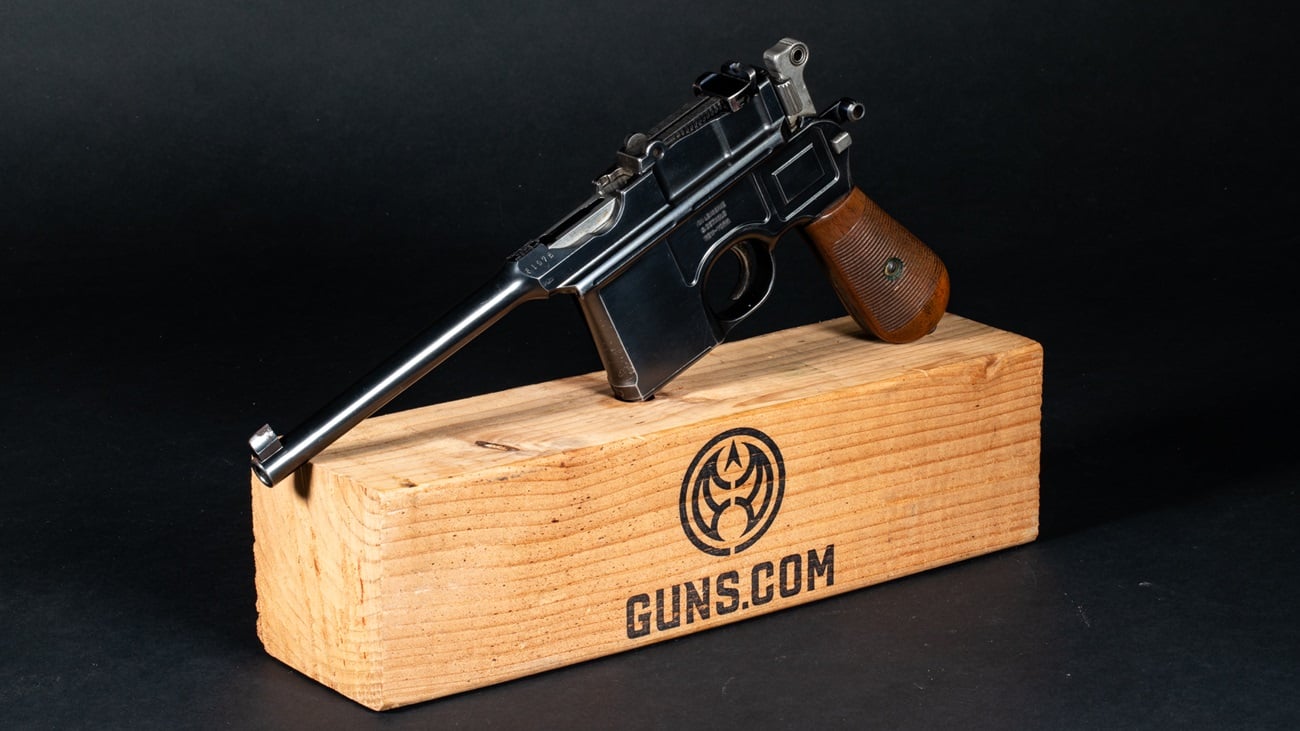
Meet No. 81976
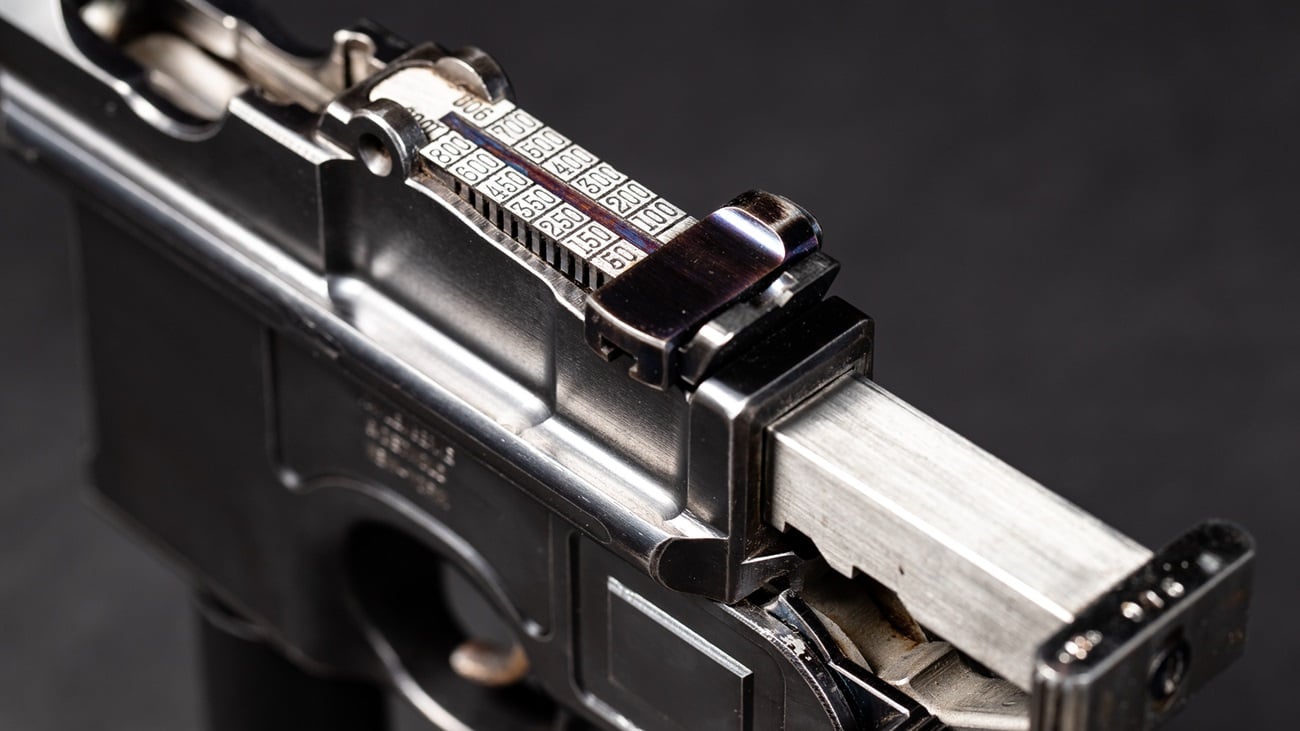
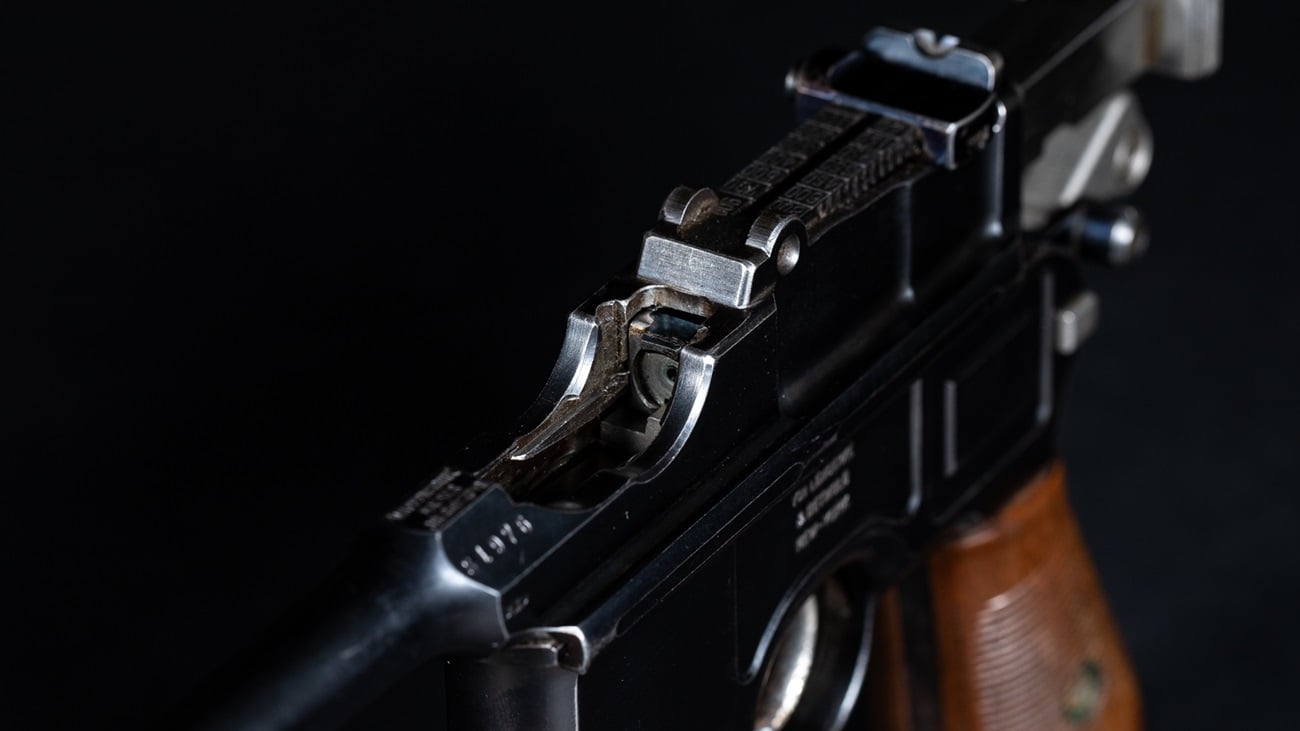
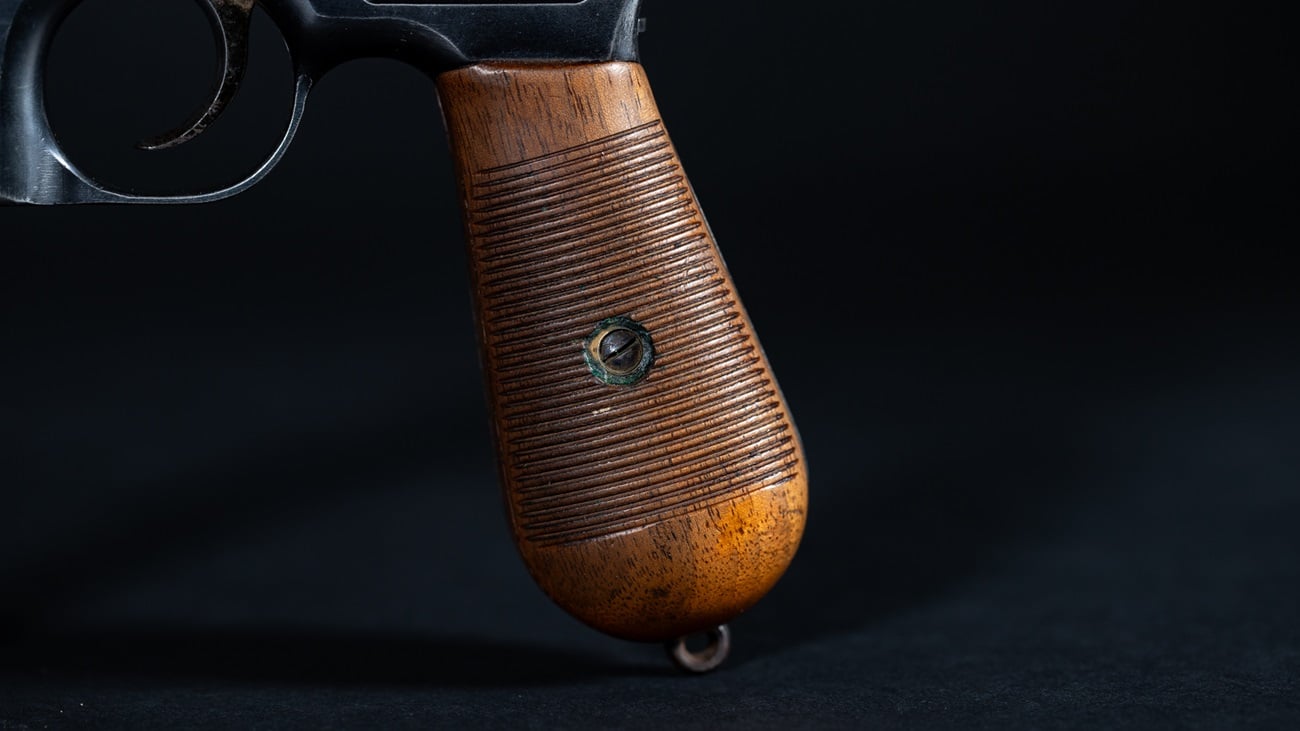
Pre-WWI commercial C96 models generally have a serial number that falls into the 30,000 to 274,000 range, and the VL&D marked pistol we have in the Guns.com Vault is No. 81976 – putting it as roughly a 1905 production handgun. As such, it hails from the peak of Mauser's golden era, with excellent fitting, fire-blued small parts, a "strawed" trigger, and deeply varnished wooden grips.
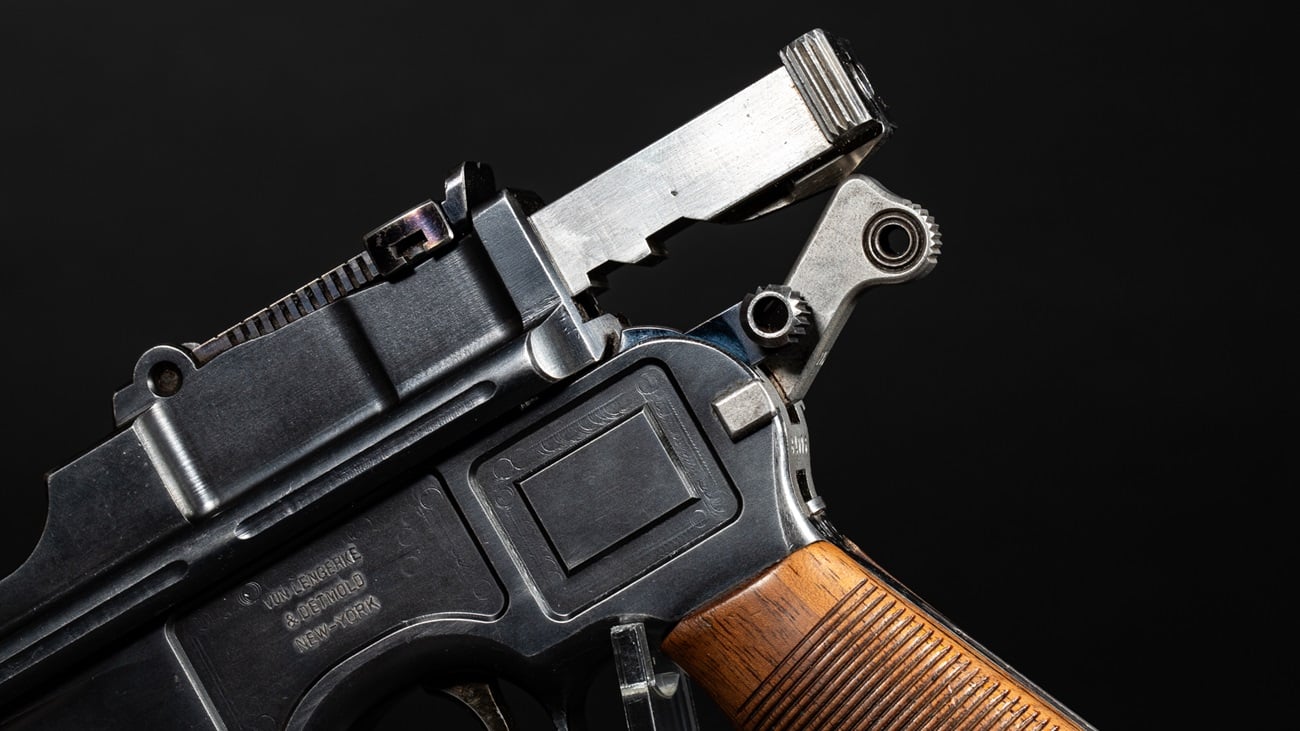
Most VL&D C96s floating around are in great condition as they were sold, in general, during a time of peace in the U.S. and, as being a more expensive to acquire firearm with a bit of panache to them, typically didn't see the same sort of daily use as, say, a more common Colt or S&W from the same era. Think of these as being akin to an HK Mark 23 or SIG P-226 X-Five of today.
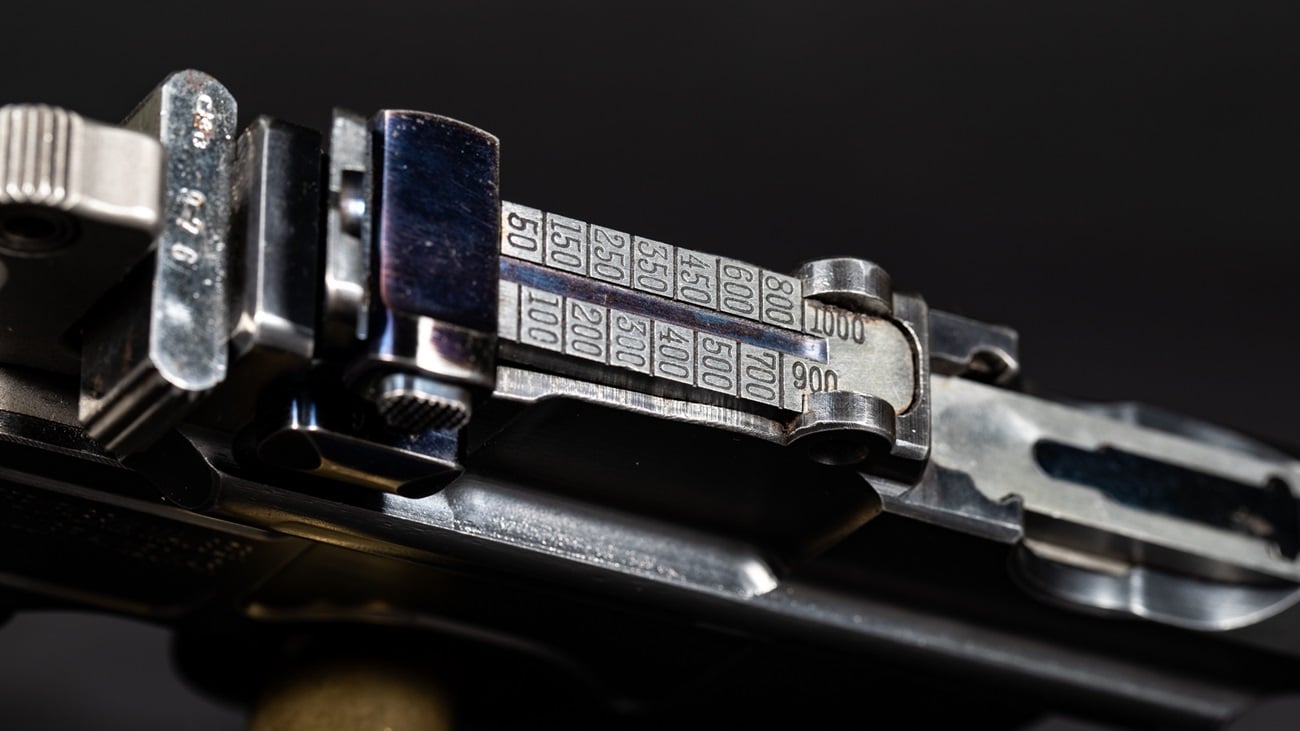
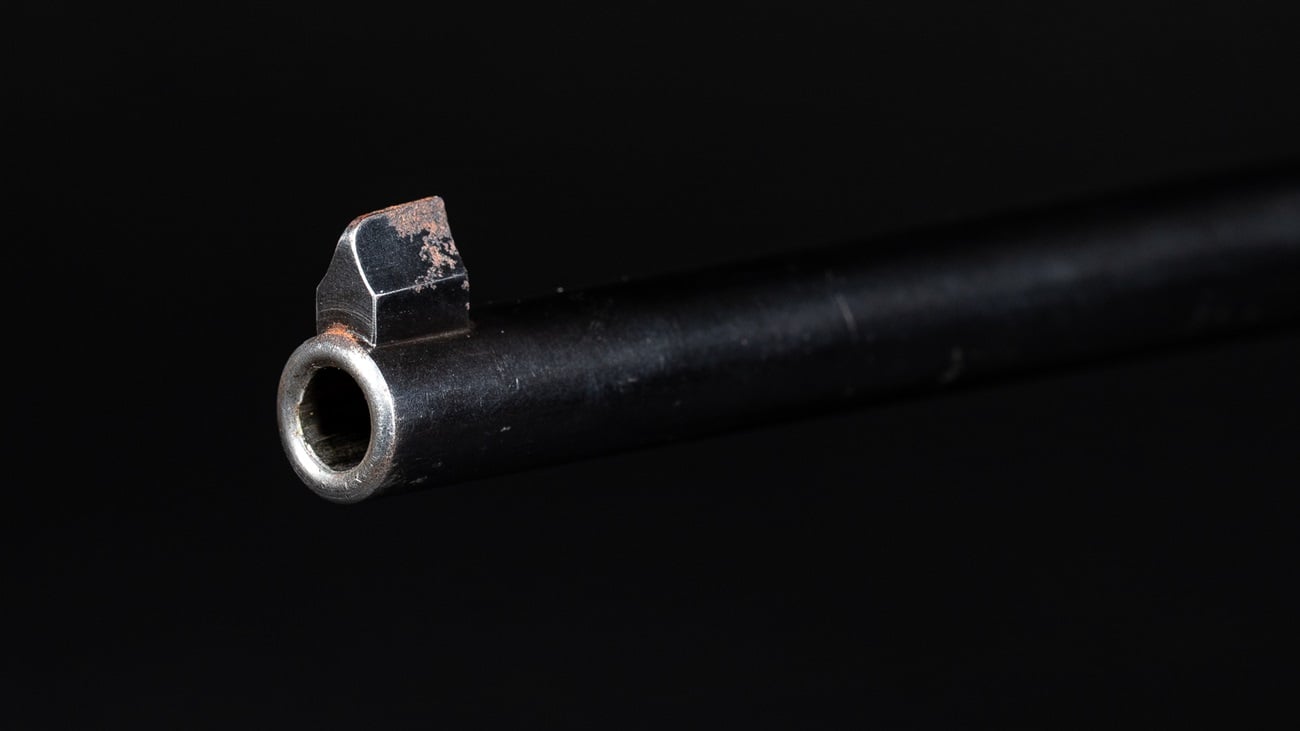
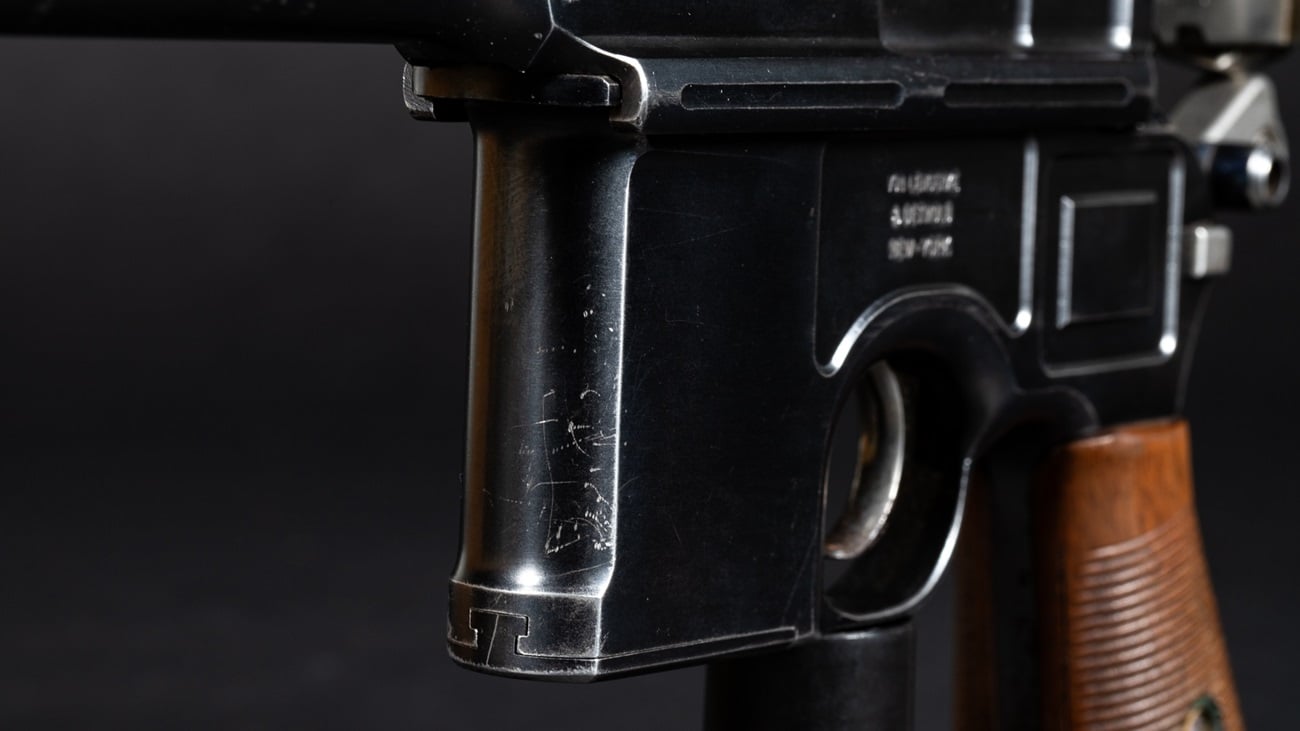
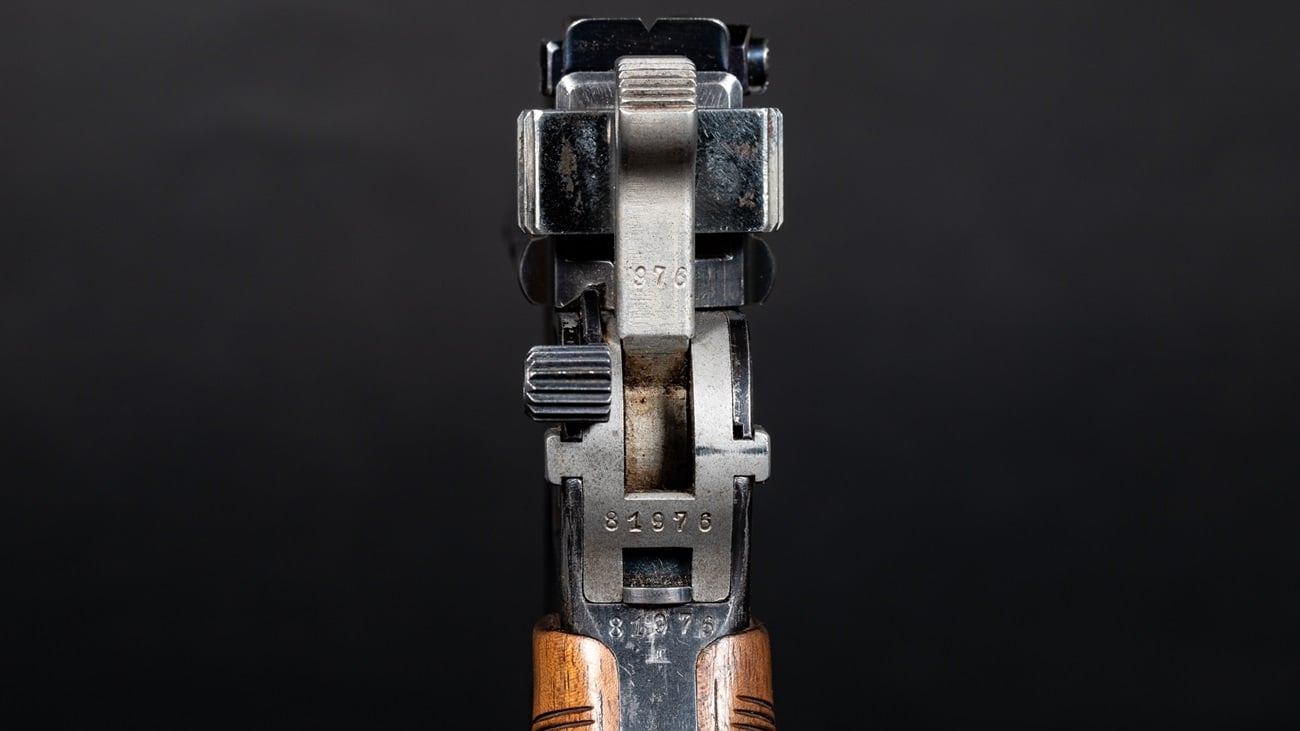
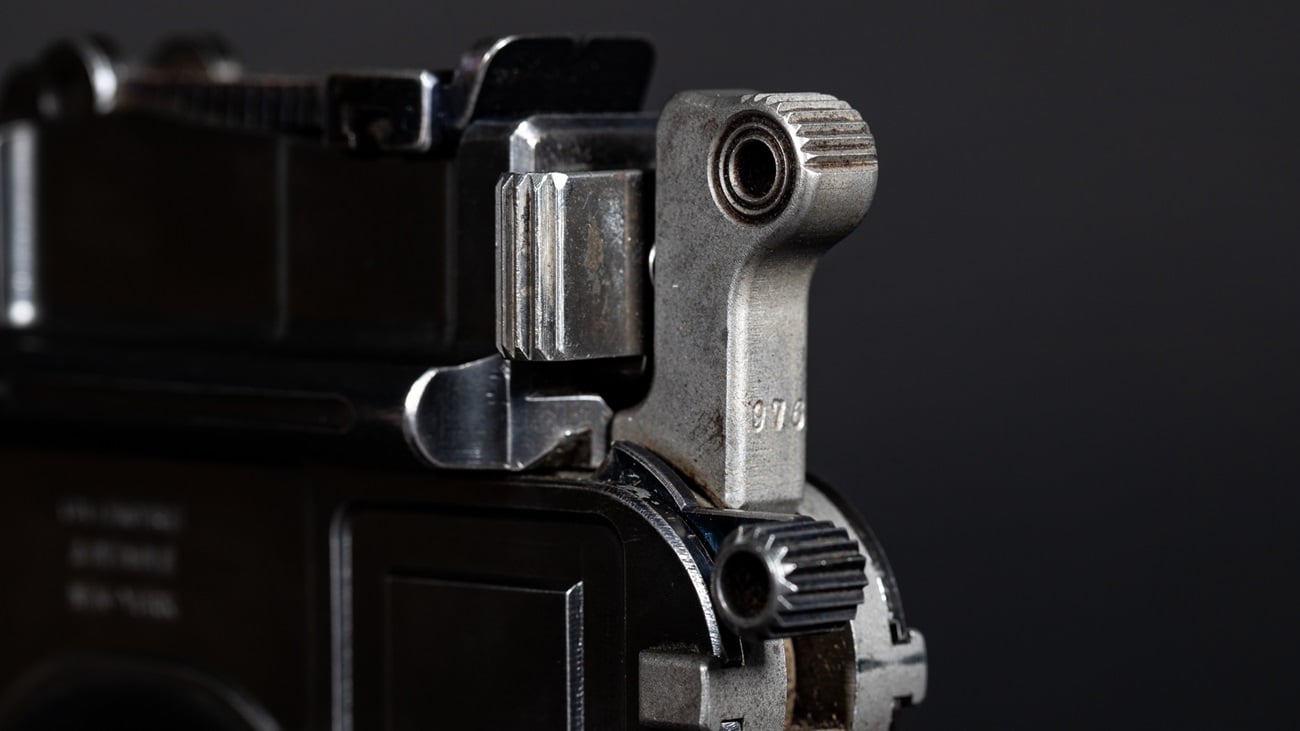
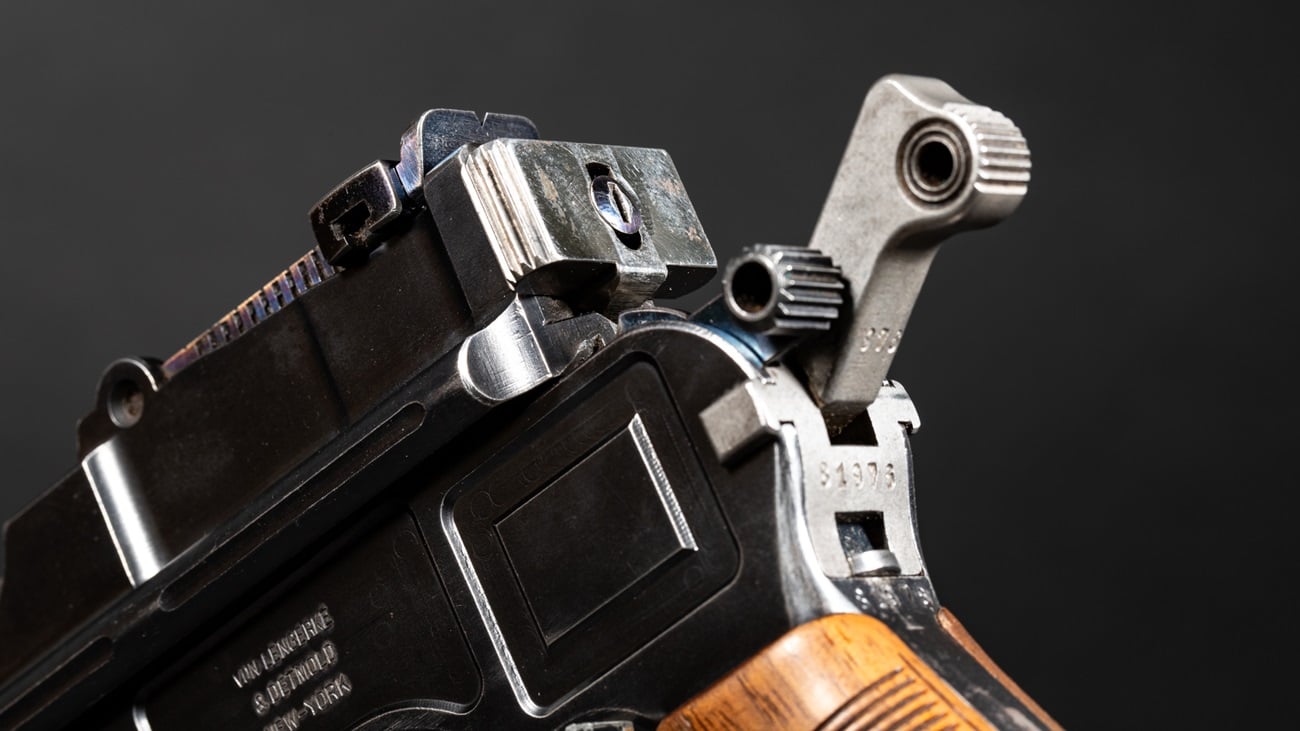
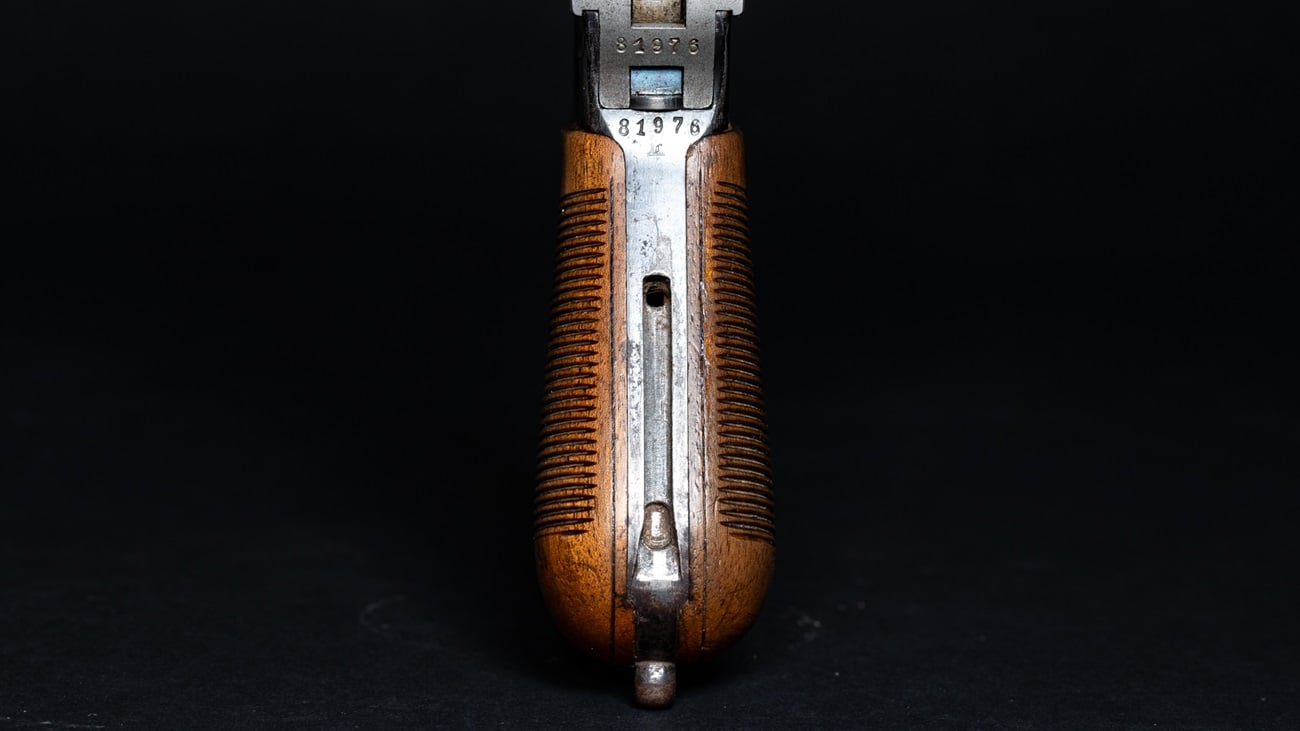
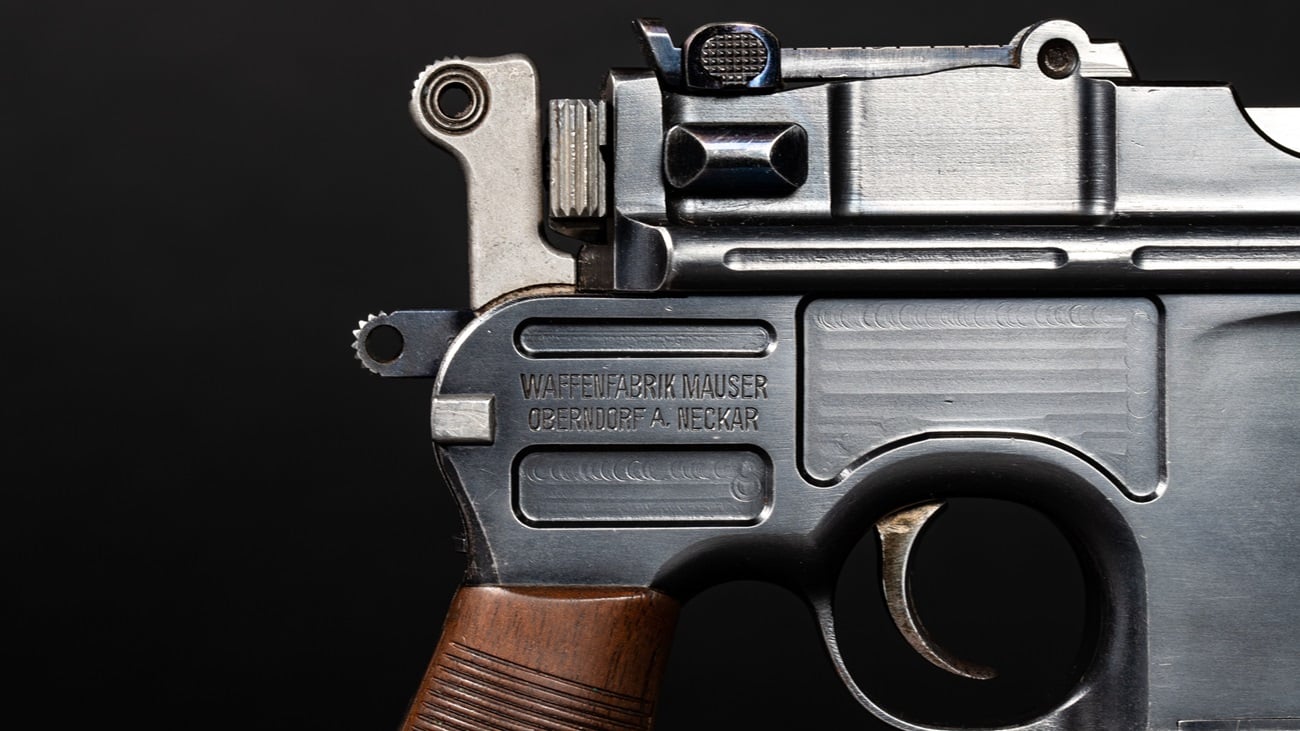
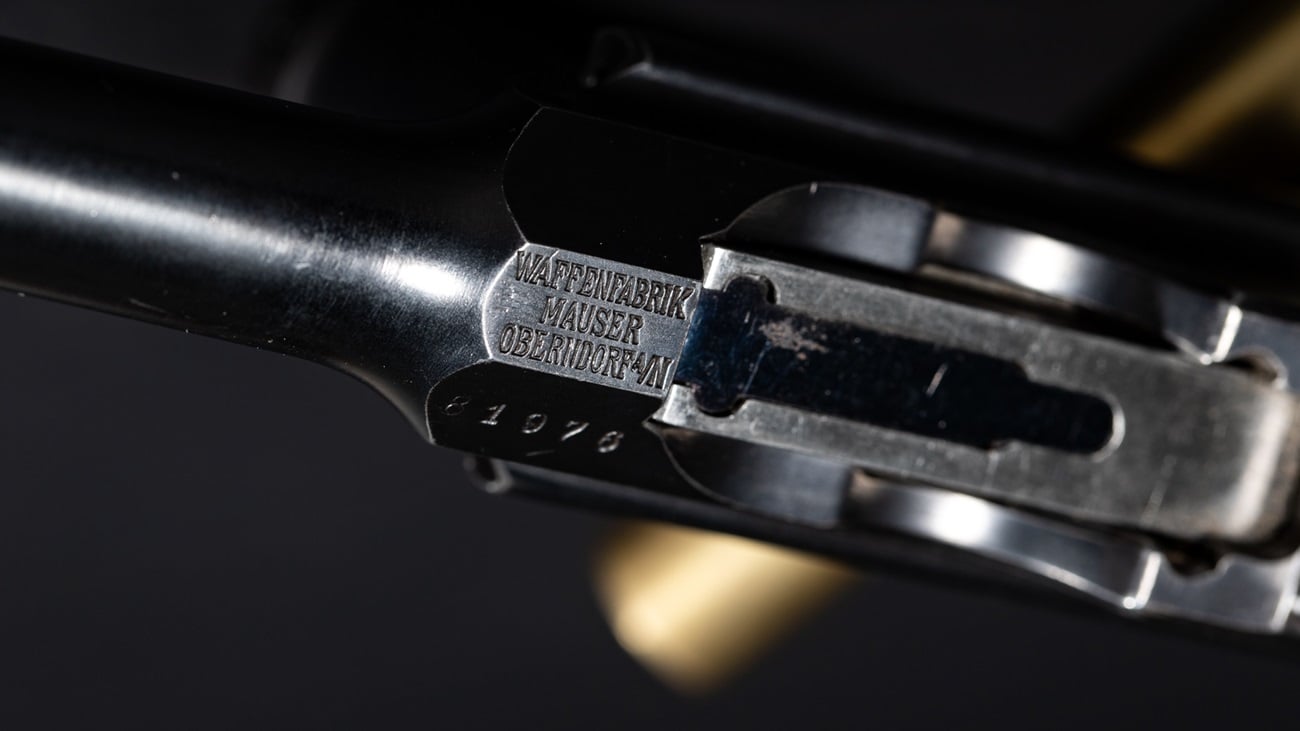
Nothing lasts forever...
As for VL&D, they continued to be Mauser's agent in the U.S. almost up to the start of World War I, selling both rifles and pistols. They served as an intermediary between Mauser and the U.S. Army in 1902 when the C96 was being trialed against a host of other pistols including those from Luger, Colt, and Savage. Mauser even assigned the U.S. rights to 16 patents to VL&D in 1905, for the regal sum of $1. This came while the retailer was working to come to a solution with the U.S. War Department over the production of the M1903 Springfield, which inadvertently crept on some of Mauser's IP. However, a royalty structure that would have seen Mauser and VL&D split some $200,000 never crossed the finish line.
The interbellum period between the two world wars spelled the end for all of those mentioned above. While over 1 million C96s and its spin-offs had been made by Mauser, it was a dated design that fell out of favor with the market, and production ceased by 1938 – although unlicensed copies in Spain and China would continue to be cranked out years. The last of the Feederle brothers employed at the factory, Josef, left Mauser in 1932 and died during World War II. Paul Mauser had long preceded them, passing in 1914.
Likewise, both VL&D and VL&A faded into history, purchased in 1928 by the sporting goods concern of Abercrombie & Fitch, which no longer sells anything that the brothers Von Lengerke would have carried in their catalog. Speaking of which, Justus Von Lengerke passed away in October 1929 after an operation for appendicitis, aged 75.
However, the elegant pistols they left behind endure.