The Human Factor
In a 2003 study, neurophysiology researcher Dr. Roger Enoka shed light on the involuntary mechanisms that can contribute to accidental discharges, identifying three key causes: sympathetic contraction, loss of balance, and startle reaction. We’ll examine each in more detail.
Enoka’s theories were later validated in a 2006 study on the risk of unintentional firearms discharge. The researchers found motor activity in other limbs can lead to a significant increase in the grip force exerted on a firearm, and the resulting pressure on the trigger can be sufficient to overcome the trigger pull of most police guns.
Sympathetic Contractions
Sympathetic contraction or muscle co-activation, also known as a mirror movement, occurs when an involuntary muscle contraction in one hand mirrors an intentional action in the other, potentially leading to unintentionally pressing the trigger. For example, imagine a homeowner quickly moving up the stairs with a finger on the trigger. As the muscles in the lower body activate, the upper body muscles could also activate and inadvertently pull the trigger.
Another scenario involves law enforcement: consider a police officer attempting to restrain a suspect with one hand while holding a handgun in the other. As the officer applies force to restrain the suspect, the muscles in the hand gripping the suspect contract forcefully. This action can trigger a sympathetic contraction in the hand holding the gun, causing the fingers to tighten and pull the trigger, resulting in an accidental discharge.
This phenomenon is a real concern in high-stress situations, as demonstrated in the following video where two police officers are working to gain control of a suspect’s handgun:
In the video, the officer’s finger is on the trigger while he is struggling to gain control of the suspect’s firearm. In this case, the officer did not discharge his handgun, but his finger was in a position that could have easily resulted in an unintentional discharge. The force applied with the hand holding the gun while performing these tasks can easily be more than enough to fully press the trigger.
To make the situation worse, the gun was also pointed at his partner’s arm off and on during the encounter. For someone to be injured unintentionally, the gun would have to be discharged in a direction that someone could be hit directly, from a ricochet, or from shrapnel.
In this case, the officer was already 50 percent there. Thankfully, he did not discharge his handgun. (It also sounded like his partner was yelling at him about his finger on the trigger.)
While the video isn't clear when the suspect’s gun fires, it is also plausible it was discharged because of a sympathetic contraction. His finger was inside the trigger guard at least some of the time prior to the gun being obscured in the video.
In another incident at a Florida gun range, a father unintentionally discharged his firearm when a “smoking hot casing flew out of the pistol and went down the back of his shirt.” While he was desperately trying to remove it, he discharged the handgun, tragically killing his 14-year-old son.
Startle Reactions
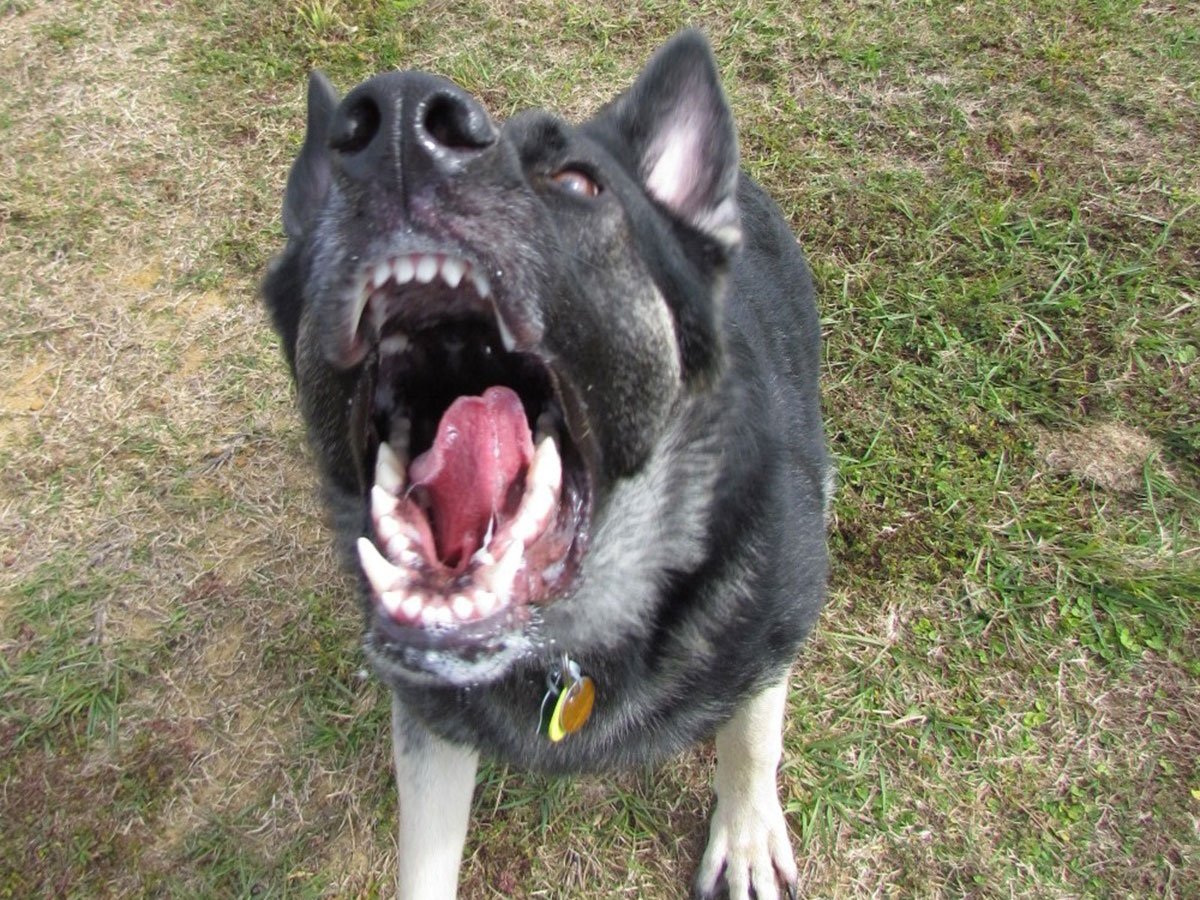
Accidental discharges can also be caused by a startle reaction, which is an automatic, reflexive response to an unexpected stimulus like a loud noise. This can lead to rapid muscle contractions, including an involuntary tightening of the hand holding the firearm.
In one example, several police officers were inside a house searching for a suspect when a large dog forced his way through his cage and charged at one of the officers. The officer was bitten, which resulted in him discharging the handgun. The round went through a door and into his partner’s back just above the protective vest. Thankfully, she made a full recovery.
Loss of Balance
Loss of balance can trigger involuntary muscle contractions as the body attempts to regain stability, possibly causing a firearm to discharge if the person is holding a gun.

Imagine a hunter navigating uneven terrain in a forest, a rocky path or a slippery hillside where the hunter might stumble or slip. As he instinctively tries to regain balance, sudden and involuntary movements can cause the muscles in the hands to contract forcefully.
If the hunter is holding a firearm, this muscle contraction may pull the trigger, leading to a discharge. In unrelated incidents during the 2023 hunting season, two Kentucky hunters shot themselves after slipping.
How to Train
Proper training can prevent the type of involuntary actions that lead to accidental or negligent discharges. To be effective, addressing the challenges in firearm safety training – especially concerning accidental discharges – calls for a nuanced approach that extends beyond traditional training methods.
Correct finger placement when handling a firearm is a key element in this approach. While the fundamental rule of keeping the finger off the trigger until ready to shoot is essential, it alone may not be sufficient. This is particularly true in preventing unintentional discharges that could result from involuntary reactions (sympathetic contraction, loss of balance, or a startle response).

Proper positioning of the trigger finger will enhance firearm safety. The recommended approach is to keep the finger not only off the trigger but also positioned higher, straight, and resting against the frame of the gun. This position significantly reduces the risk of the finger slipping onto the trigger due to unexpected muscle contractions.
This practice serves as an additional safeguard, particularly in high-stress situations when the body's involuntary responses can sometimes override conscious control. This is a critical consideration in firearm safety.
As a firearms instructor who has coached several thousand students in live-fire environments, I have frequently provided guidance on this issue. Training with this enhanced finger position can help bridge the gap between traditional teachings and the realities of live scenarios where split-second reactions can have serious consequences.
Other Factors
While the focus of this article is involuntary muscle reactions as key factors in unintentional firearm discharges, it should be noted other causes (such as complacency) and safety practices (such as keeping the gun pointed in a generally safe direction whenever possible) are at play.
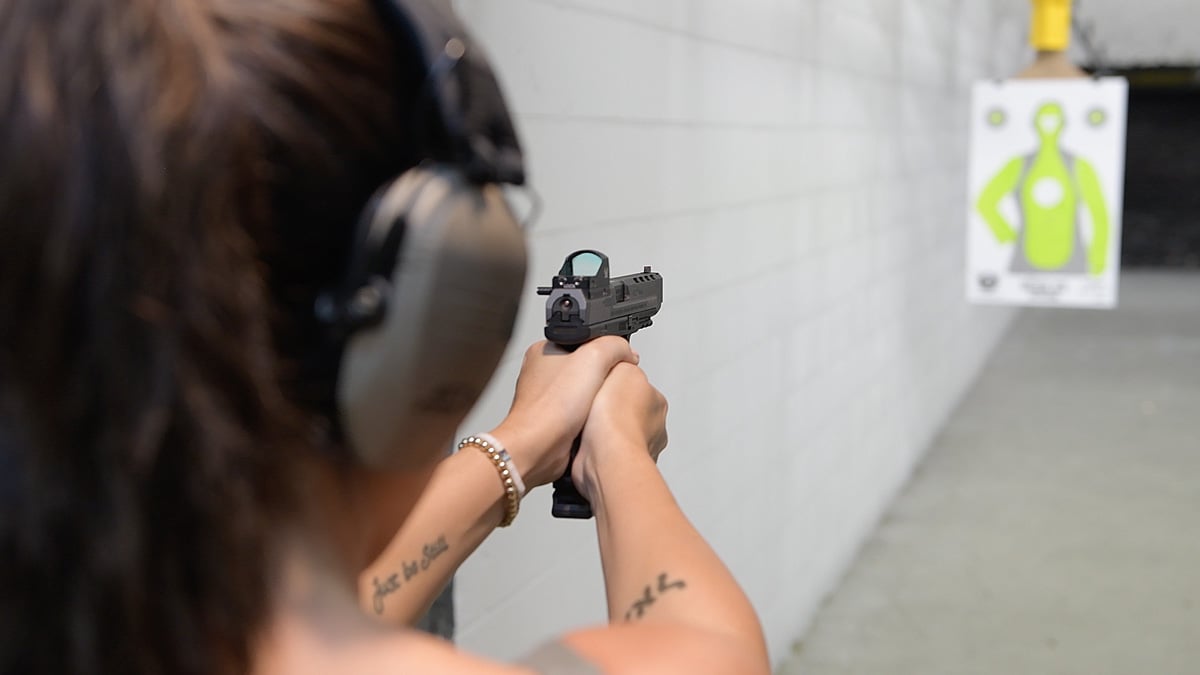
These other factors are just as important. The goal is to shed light on the less-discussed, reflexive aspects of gun safety. Every part of safe gun handling, from where the gun is pointed to how it is stored, matters in keeping everyone safe.
Conclusion
The reasons for unintentional firearm discharges are complex, underscoring the importance of a nuanced approach in firearms training and safety practices. Traditional safety rules are undoubtedly a critical foundation, but a deeper understanding of involuntary physiological responses is essential in preventing accidental discharges.
Training that specifically accounts for these reflexive actions, especially in stressful or unexpected situations, is vital. The ultimate goal is to bridge the gap between standard safety protocols and the unpredictable nature of real-life scenarios. This approach ensures a higher standard of safety and responsibility for all firearm handlers, aligning training more closely with real-world demands and challenges.
Please note: The information provided in this article is for informational purposes only and
is not intended as legal advice. For specific legal advice, please consult a qualified attorney.