Overkill?
Overkill is a bit of a myth, as you can’t really over-kill something. What you can do is kill something and destroy unnecessary amounts of meat in the process. We all have our own line to draw when it comes to that. Some people don’t care that much, and for others it is critical. In my opinion, you should use something with enough energy to quickly and surely incapacitate your target.
To narrow that down, we have to know what we’re hunting, because a whitetail deer and a grizzly require different tools. Basically, we need to ensure that enough damage (or energy) is applied to the vital areas of our prey. For a deer, this might be something like a .243, whereas a grizzly hunter would be better off with a Magnum of .30 caliber or more.
A dedicated hunter should research their anticipated prey and be sure to bring an appropriate rifle. That also means understanding the limits of their choice. For example, a .243 is a fine choice for deer, unless you anticipate shots from extensive distances. Bullets slow and lose their energy pretty quickly. So, if long shots are in your future, you’ll likely want to use something that carries more weight.
The Science Part of Shooting
You could sum up the science of shooting animals like this: the weight and velocity of a bullet determine how much energy makes it to the target. The amount of energy that makes it to the vital organs is directly responsible for the effectiveness of killing your prey.
A 150-grain bullet fired at 2,600 feet per second produces around 2,250 pounds of energy at the muzzle. At 300 yards, it might drop as low as 1,200 pounds of energy. These are pretty modest numbers from something like a .308 Winchester.
The exact same bullet can be fired from a .300 Winchester Magnum at near 3,000 feet per second. At the muzzle, it generates around 3,000 pounds of energy, and at the 300-yard line, it still has 1,700 pounds of energy.

You can see why someone would prefer a .300 WM to a .308. When this information is weighed against different animals, the difference becomes even more important. While 1,200 pounds of energy is probably fine for a deer, if you’re after a moose, you can immediately see why you might want more.
Related Review: Magnum legends – .300 Win Mag vs. 7mm Rem Mag
But I need a MAGNUM!
Extremely popular cartridges like the .30-06 Springfield and .270 Winchester have been handily bringing home deer, elk and more for longer than most of us have lived. Yet somehow, we have fallen for the marketing pitches of the new super Magnums, thinking that they are twice as good, if not better than, grandpa’s ’06.

Sure, these new Magnums have some advantage; you can’t deny that. But are they that much superior? It depends on all kinds of tedious little details summed together. Will a 28 Nosler do better than your old 7mm? Sure, it shoots bigger bullets faster. But the animal you are after probably won’t notice the difference between the two.
Or perhaps you jumped in the 6.8 Western boat with both feet. Does the 6.8 outshoot O’Connor’s old .270? Yes, but when loaded right and in the hands of a good shot, the .270 would likely perform close enough you wouldn’t know the difference. I suppose you could simply say, "what one does well, the Magnum does better." I don’t mean to talk you out of a Magnum. I, too, use them for specific purposes. I’m just suggesting you might not need all that horsepower.
A Trophy at What Cost?
For many of us, the antlers hanging in the den are what we remember. For others (myself included), a perfectly seared steak and garden veggies is the trophy. If you hunt for food, then you might be better off favoring a lighter cartridge, whereas those who hunt bones are less likely to worry about a few pounds of meat ruined by a Magnum.
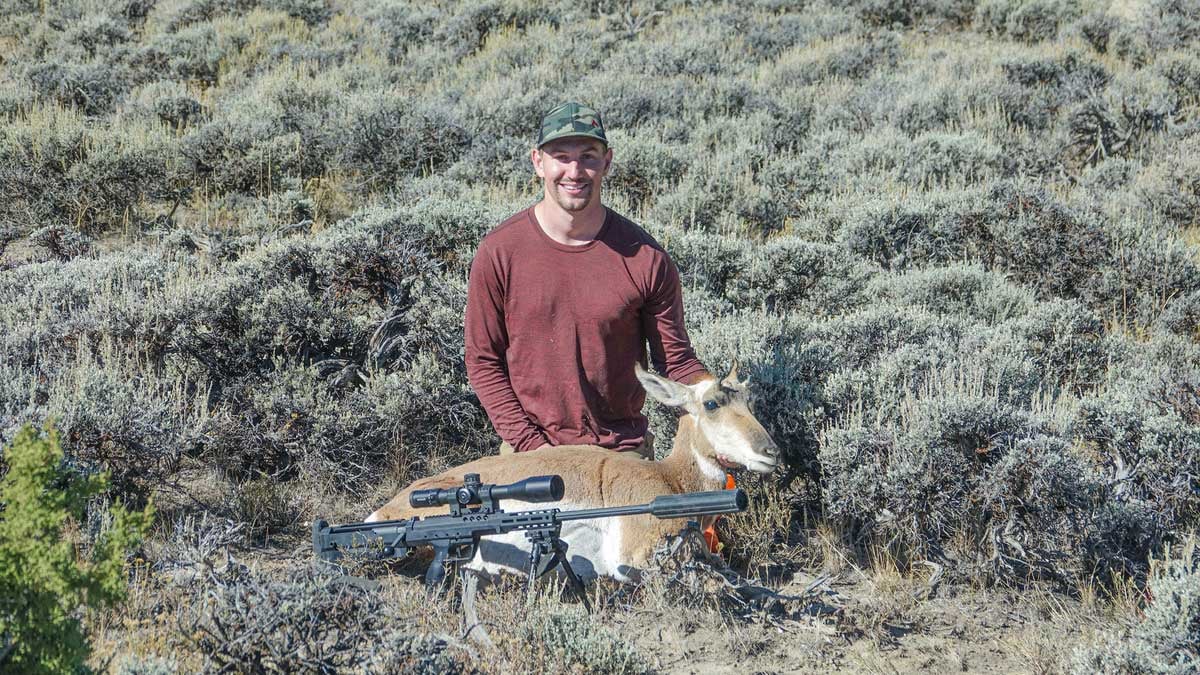
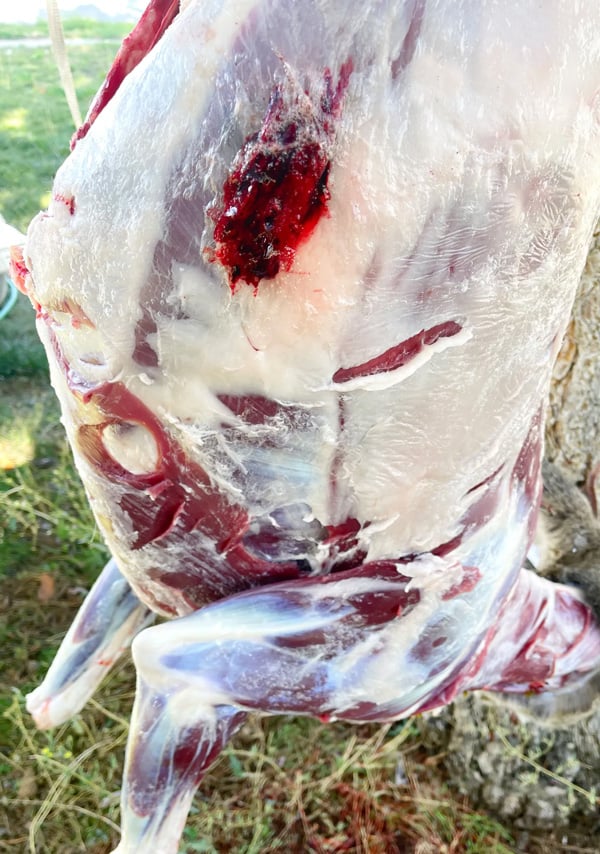
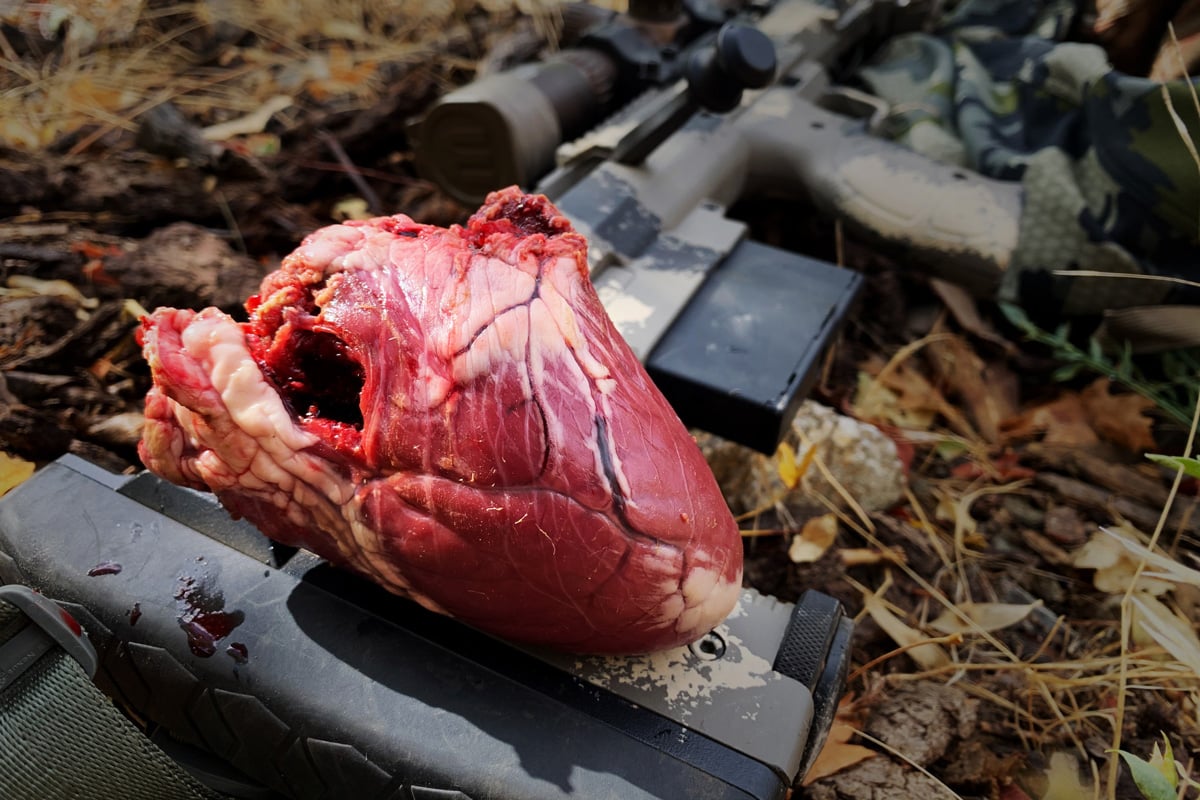
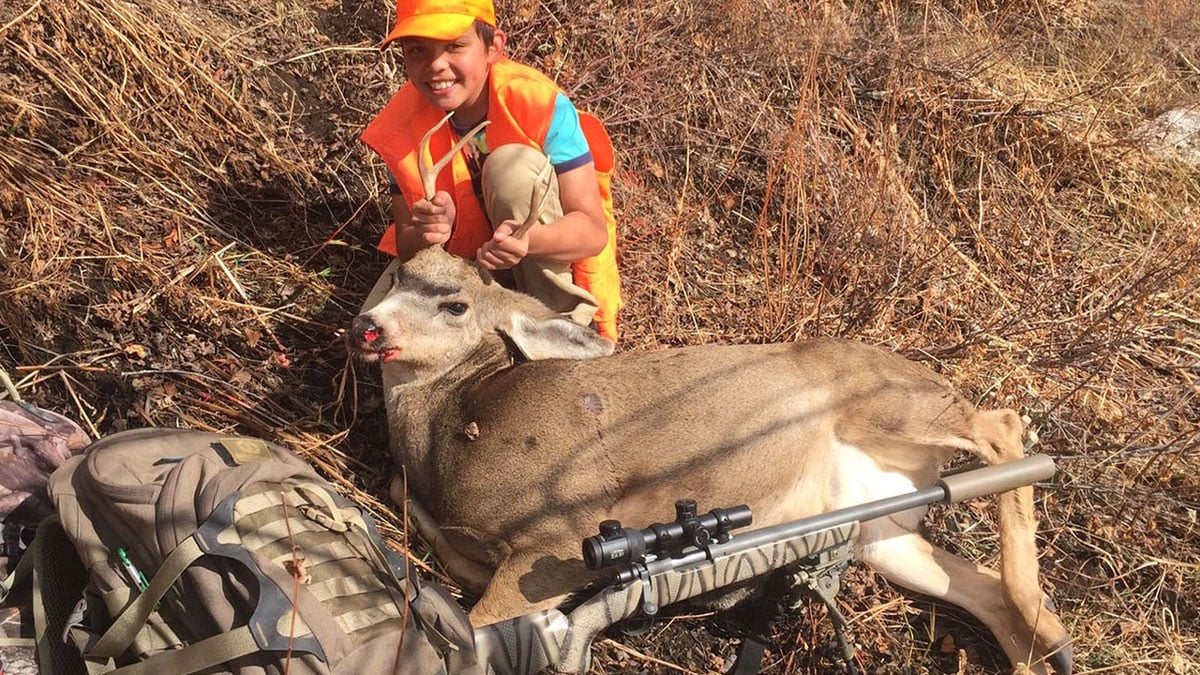
A good friend of mine hunts the local mule deer population with a .300 WM shooting 195 Hornady BTHP bullets. I’ve never seen anything escape that old Browning of his, but I also hate butchering those deer because of all the lost meat from massive wounds. I’ve used much smaller cartridges to secure my deer, and my little 6mm GT has dumped several bucks even at 500 yards or more. The benefits are thawing on my kitchen counter right now.
Related: 6mm GT – Is This the Newest Precision Ammo Niche?

The last four or five elk I’ve brought home were killed from a single shot from a 6.5 Creedmoor – two of them with a 25 Creedmoor. Boy, we’ve sure eaten well these past few years.
Related Review: Love it or Loathe It – All About the 6.5 Creedmoor Round
Shot Placement
Would you be surprised if a deer dropped dead in its tracks from a point-blank shot to the head with a .22 LR? No, because obviously a .22 to the brain is absolutely and acutely fatal. But you would be a fool to attempt the same shot from 100 yards. Forget being able to hit it, the bullet has lost so much energy by that point that it likely wouldn’t reach the brain even with a perfect shot.
We can scale this up easily: is a .223 ideal for killing deer at 200 yards? Probably not, unless you hit it in the head or neck. Is a .243 enough gun for a bull elk? If you are close and hit him with a perfect heart shot, it might be.
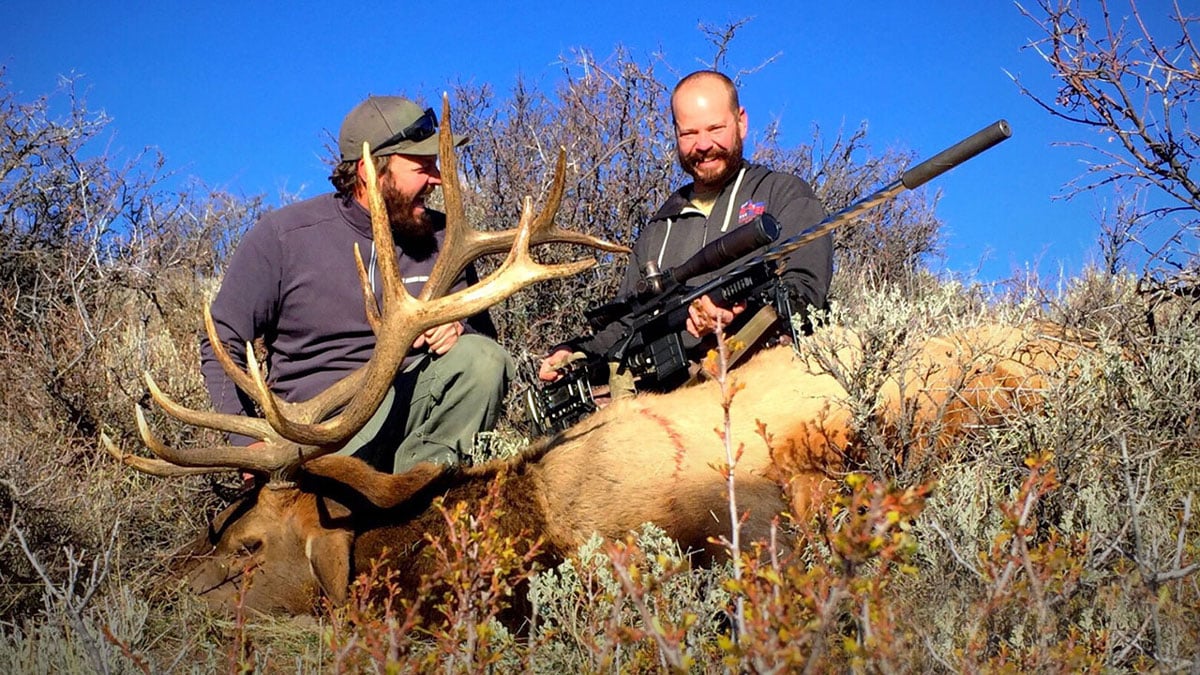
Most hunters don’t want to risk their prey betting on such shots, so they use bigger cartridges. The only problem I have with this situation is that some folks think their Magnum will make up for their poor shooting. I’d much rather a perfect shot from a small caliber over a questionable hit from a big Magnum.
Final Thoughts
Again, I am not trying to convince you one way or the other. I mean only to get the gears turning in your mind. If you’re the kind of hunter who shoots deer off a bean field from 200 yards or less, you probably don’t need that new Magnum in all the magazines. But if you hunt the open country of the West, where the next bend in the trail could be half a mile, you might benefit from those bigger cartridges.
Either way, you should always make your best shot, because nothing is more effective than a perfectly placed shot. The reduced recoil of smaller cartridges will likely translate into more practice, and more practice will likely make you a better shot and more successful hunter. Make your choices, and shoot them as best you can. We’ll see you out on the range.