The Deal vs. the Quality
Everyone is always looking to save a little money. In light of rising inflation, a downturn in the economy, and everything seemingly going up in price, dropping a hefty chunk of cash on a firearm can be a hard pill to swallow. To that point, many companies have some extremely inexpensive options on the market, which often leads to a few questions like, “Is it really worth spending the extra money on a firearm?”

As with anything, there are good and bad designs and brands. But what are the factors to consider? The fact of the matter is, especially if you are looking for a home defense firearm, an everyday carry, or anything you might have to trust to preserve your life or the lives of those around you, you don’t want to cheap out.
At the same time, there is a balance. You don’t want to overspend on a firearm, because that takes money away from accessories and ammunition. No matter what you choose, there should be a budget for ammunition so that you can train and master the platform. Here are some things I think are important to consider before buying a handgun.
Reliability
The most important factor to consider is reliability. The last thing you want is a firearm that doesn’t function when you need it most. Now, this is where the internet can come in handy. In the world we live in today, so much data and research is available at the touch of your fingertips.
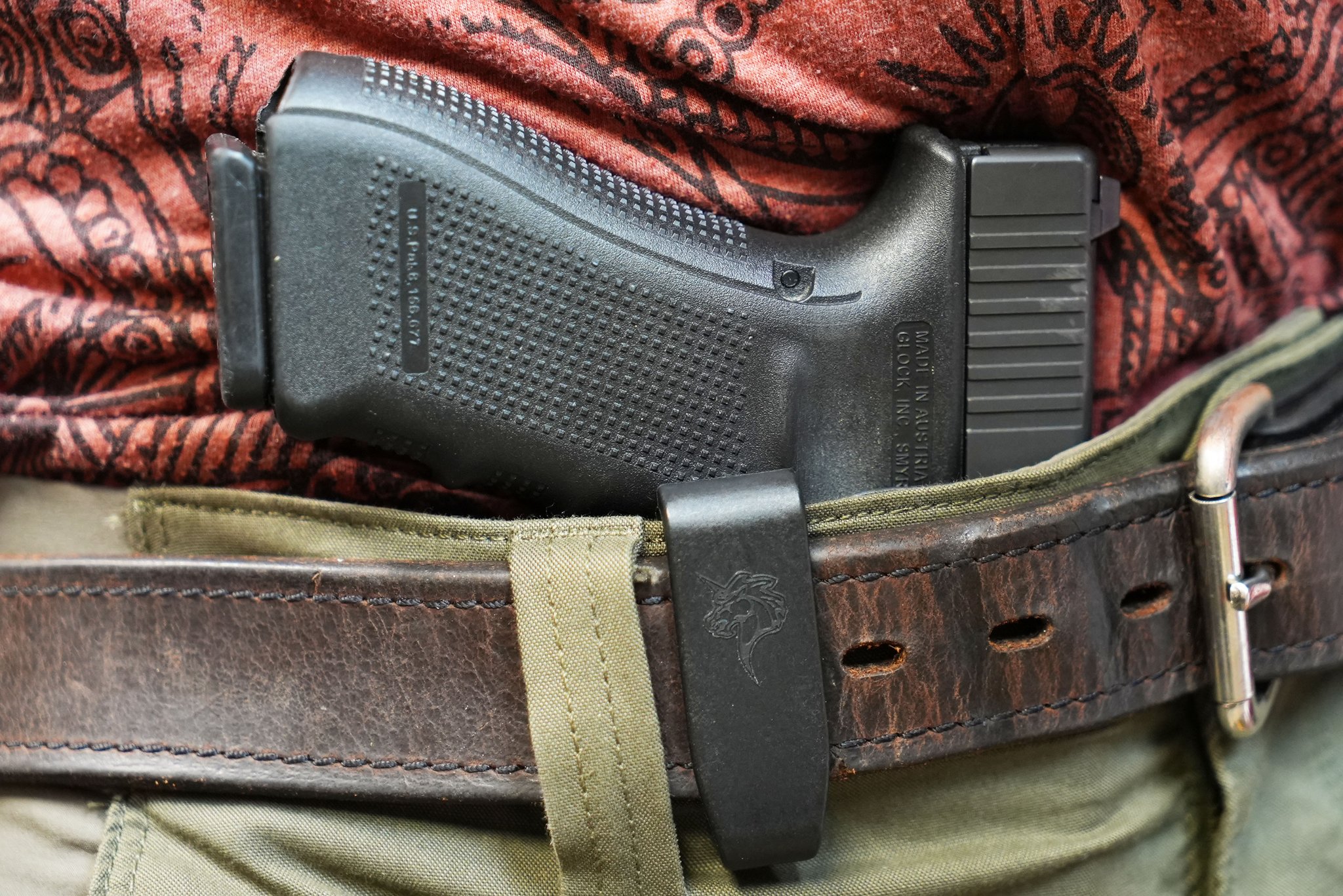
Typically, you wouldn’t walk into a car dealership, say you want a car, and trust the salesman to push whatever he thinks is best. You do your research, watch reviews, read articles, and determine if a certain brand and design will function reliably and fit your preferences.
Along those same lines, you want the reliability to have longevity. You don’t want to buy a product that skimps on the quality of the finish or materials. After all, no one wants to spend a chunk of change just to have to come back and spend another chunk a year or two later, simply because it didn’t hold up.
Fit and Features
Second, consider the ergonomics and how they affect fit and feel. If you don’t like the way something feels in your hand or if it has an uncomfortable recoil impulse, it will dictate how often you train. And remember, training is the absolute most important part.

So, take the time to visit ranges and try different models on the range. Even if you just get to a store, handle a few designs to see what fits you best. There is no universal “this is the best firearm,” it all depends on what you find comfortable.
Third, you have to consider the features of the design. Is the trigger pull crisp and solid? Is there too much take-up? What’s the weight of the trigger? Is the slide cut for optics? Is there a rail for a light? How readily available are holsters? How available and expensive are spare magazines? All these questions are important to answer.
If the trigger is too heavy and it’s exhausting to shoot, you won’t train. If the trigger reset is hard to feel, you can’t get clean follow-up shots. If there is too much take-up in the trigger, you won’t know where the break is, and you can rush shots.
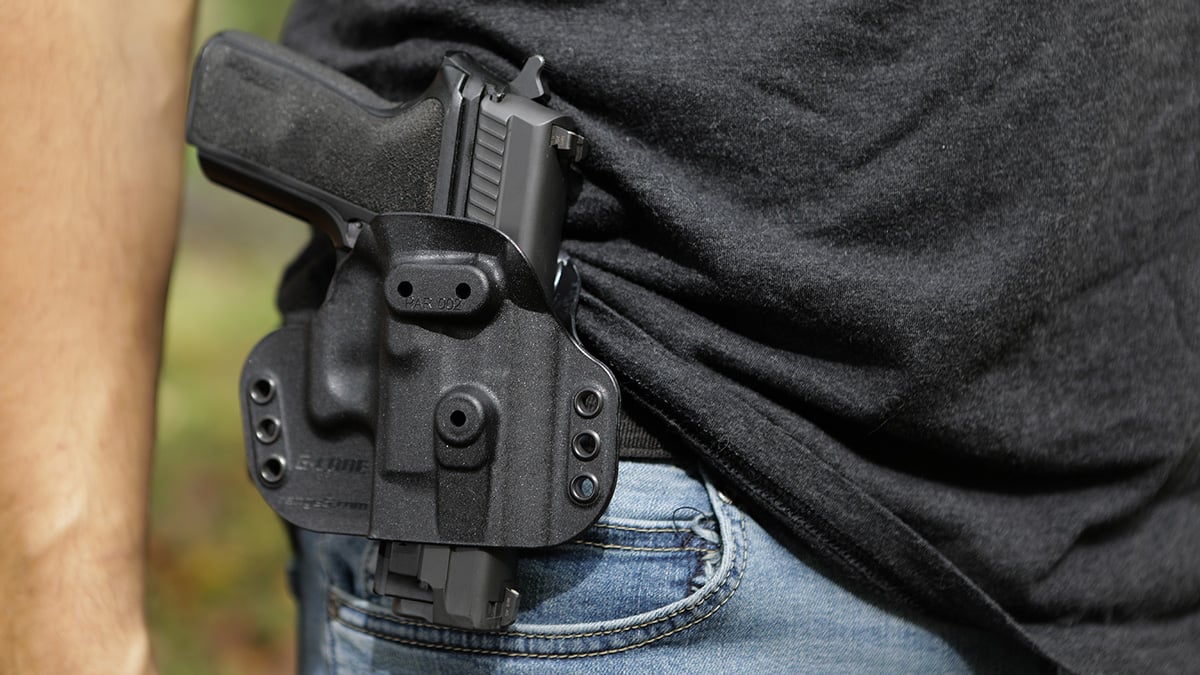
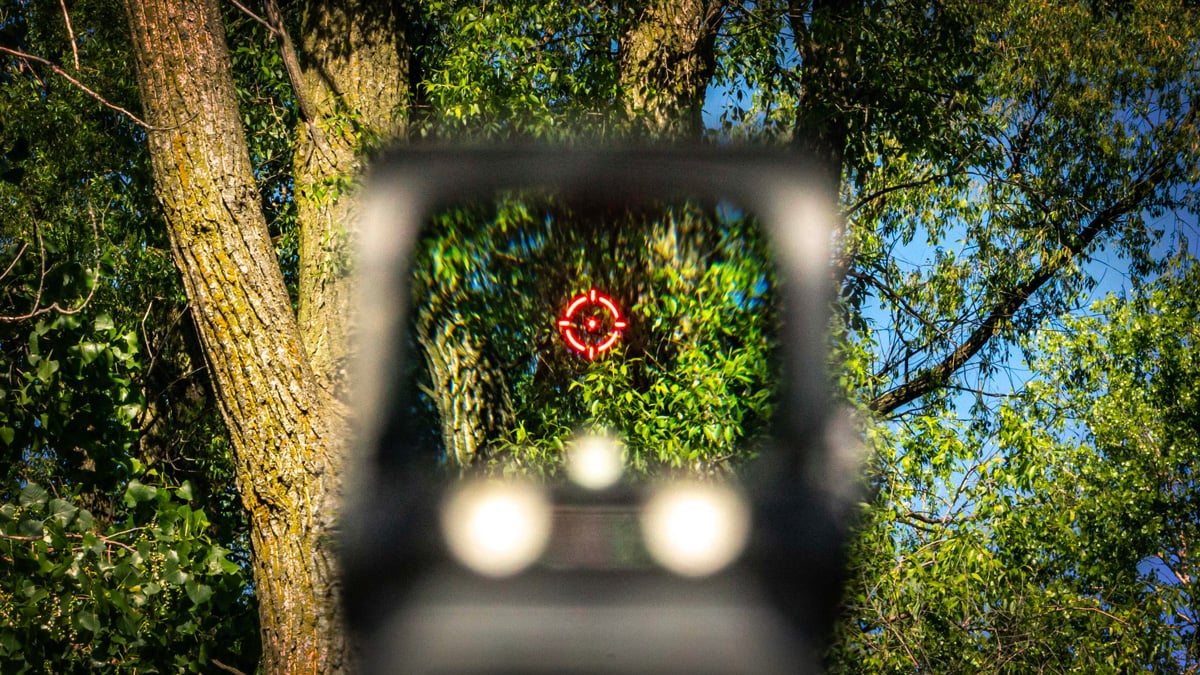
Optics make shooting easier if you train on them, and you may want to add that. Any firearm used in any serious sense should have a light on it. If you are going to carry it, you may need weather-appropriate holster options depending on season weather. If I want to carry spare magazines or use them at the range, I want to make sure there are affordable and available options.
So, what’s the answer?
The answer is simple: save up and get what you want. Unless you’re collecting, you should never buy something just because it’s a good deal. Make a list of things you like and things you don’t like, do research, and make sure you’re getting a quality product.
Cheap is great, and sometimes all the qualities you want can be found for a deal, but don’t cut your wants short for a smoking deal. Especially if the firearm will be a go-to, you don’t want to cut corners and buy something that you end up hating, never using, or that falls short of your expectations. Take a little extra time, save some more, and get something of quality that fits your wants and needs.

On the flip side, more expensive doesn’t always mean better. In fact, you can spend all the money you want on expensive and lavish designs, and if you don’t put the work in, it means nothing. It’s tough; things are expensive, but don’t cheap out when it comes to exercising your right to defend your life.

Run dry-fire drills, grab ammo and hit the range, and run through more drills. Before you carry or trust a firearm with your life, you should spend at least 500 rounds getting experience on the platform. Remember, exercise your rights and keep your powder dry.