Carrying With Confidence
Most people only carry occasionally when they start. The goal is to carry every single time you leave the house, because danger can strike anywhere and at any time. So, how do you get to that point?
In talking to hundreds of people about concealed carry over the years, I've found it's not the concealment part that holds people back. They aren't worried about how to carry or whether they are printing. It's actually the fear of carrying a loaded firearm on their person and the consequences if something goes wrong.
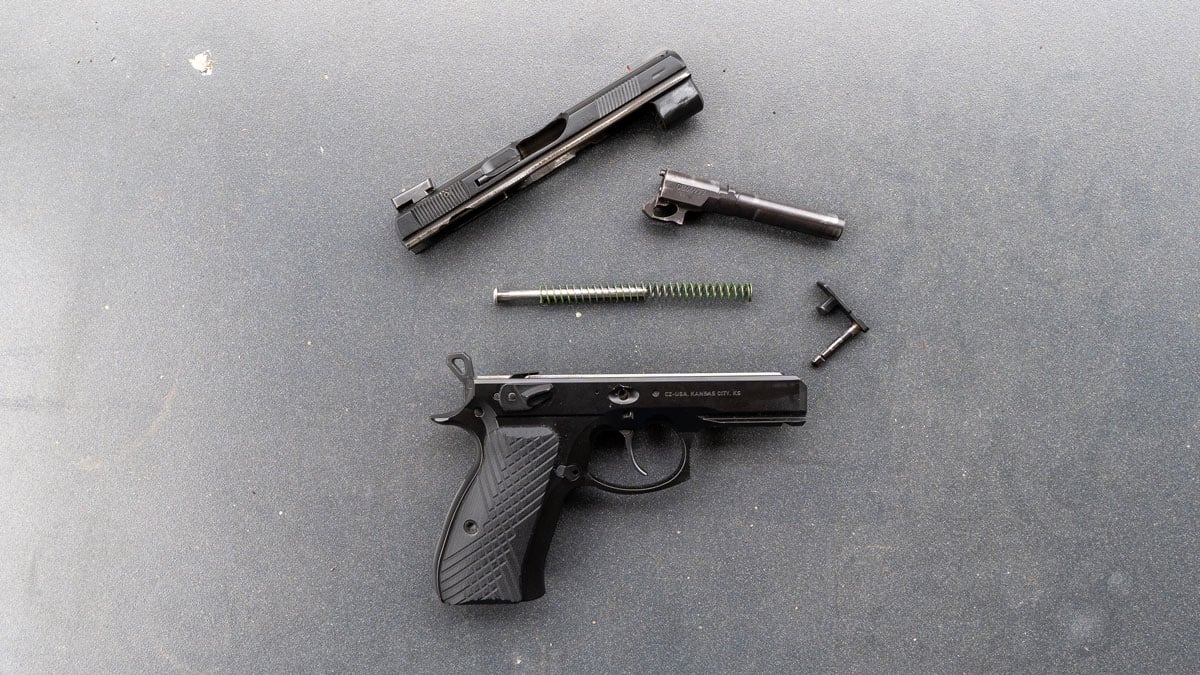
You will not feel good carrying daily until you are confident handling your firearm. Everyone who carries should know how to shoot, of course, but you need training beyond going to the range occasionally. Learning the ins and outs of how a firearm works will boost your carry confidence.
In addition, it's crucial to learn the four basic safety rules and make them a habit. The best way to build your safe handling skills is at home doing dry practice.
Holster Choice Matters
Your choice of holster can make it or break it when trying to build the habit of carrying daily. An uncomfortable holster will discourage you from even bothering to put it on. Since the goal of concealed carry is to do it daily, a holster that works for you is a must.
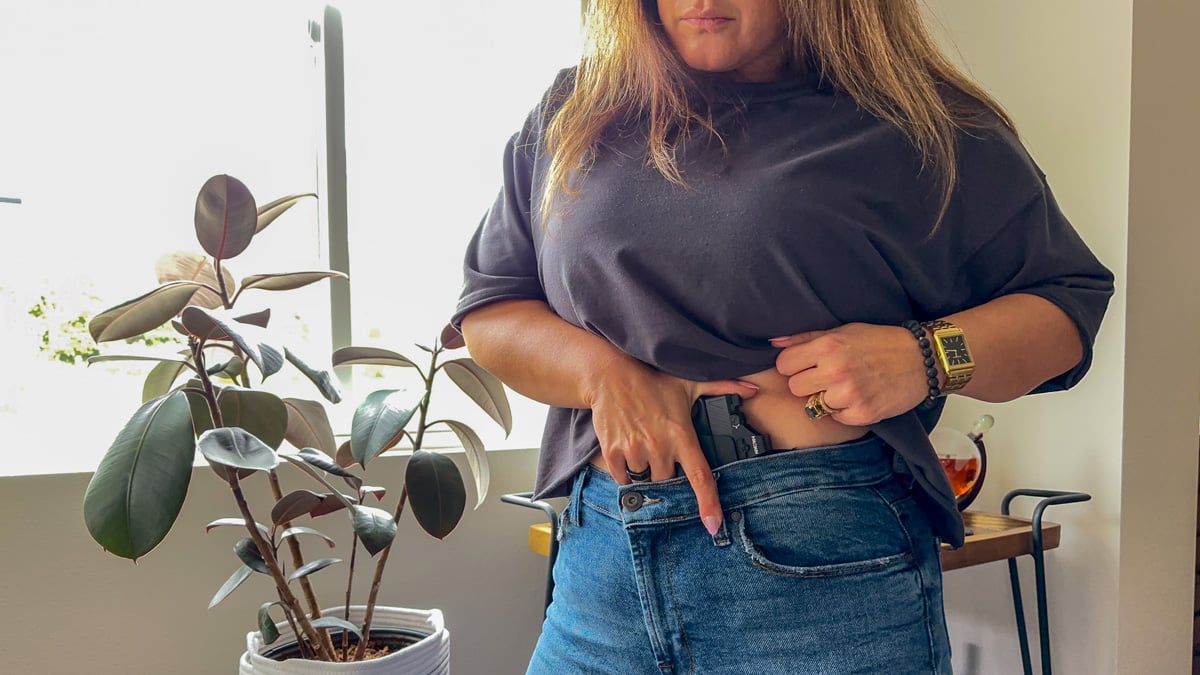
Comfort is subjective in the world of carry, because it's never completely comfortable compared to not carrying. A holster should not cause discomfort or pain, though.
Related: How to Choose a Holster
You may need to try a few different holsters to find the best one for you. Check out recommendations online and from friends first, but don't automatically assume what works for them will also work for you. It may take some trial and error.
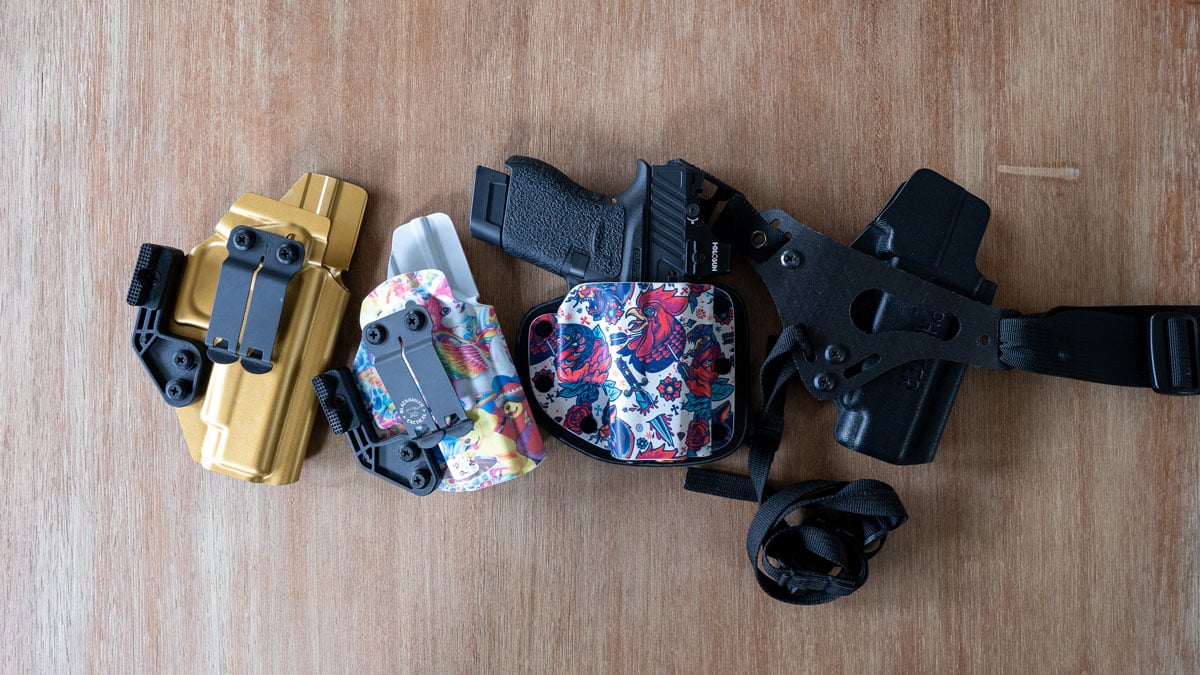
In the world of holsters, you get what you pay for. Cheap, poorly made holsters are usually uncomfortable and can be dangerous. A quality holster will run you between $50-$100, sometimes more. Don't skimp here and put yourself at unnecessary risk while carrying.
You Need Options
I usually give this advice to women specifically, but it's helpful for men, too. You'll need multiple holsters if you want to carry daily without changing your entire wardrobe. Accepting this fact early and committing to spending the money on your safety will save you a lot of headaches.
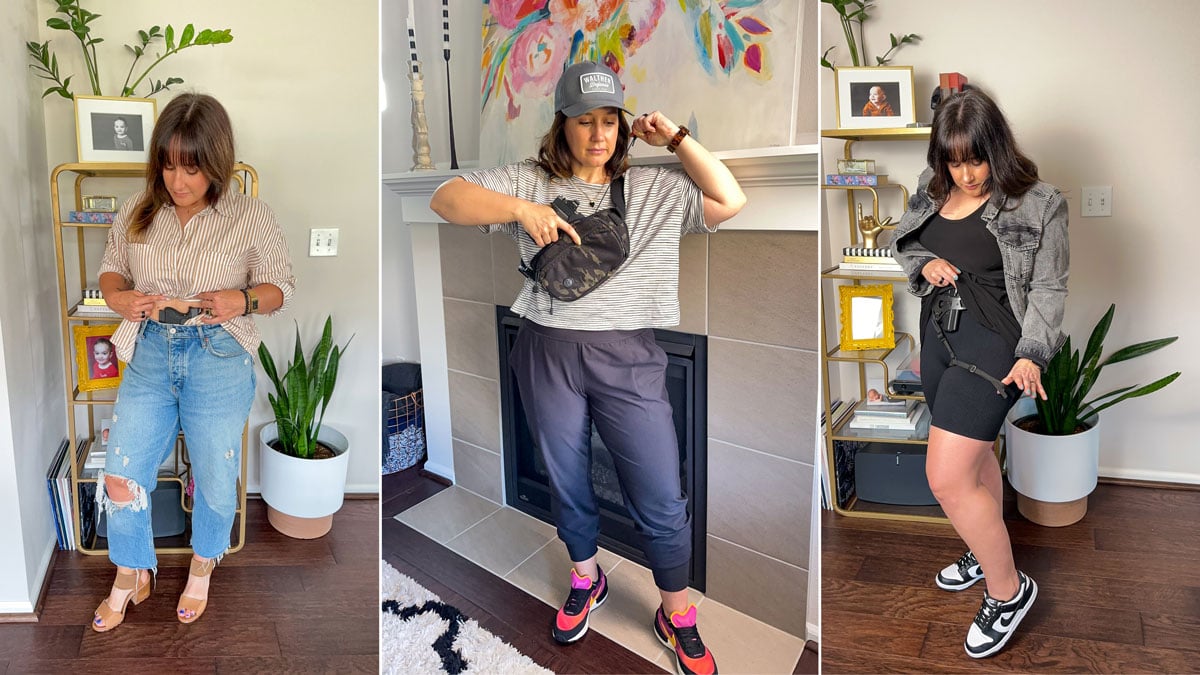
If you wear different types of outfits, you will likely not find one solution that conceals ideally across the board. For example, if you wear dress clothes to work, athletic clothes to Target, and jeans on date night, an IWB holster with a gun belt won't work across the board.
Don't be afraid to build a tool kit of options with multiple holsters. As you gain more experience, you'll easily be able to choose the right setup for any outfit you want to wear.
Finding Your Sweet Spot
Concealed carry setups are highly individualized, just like choosing your ideal pistol. What works for someone else may not work the same for you.
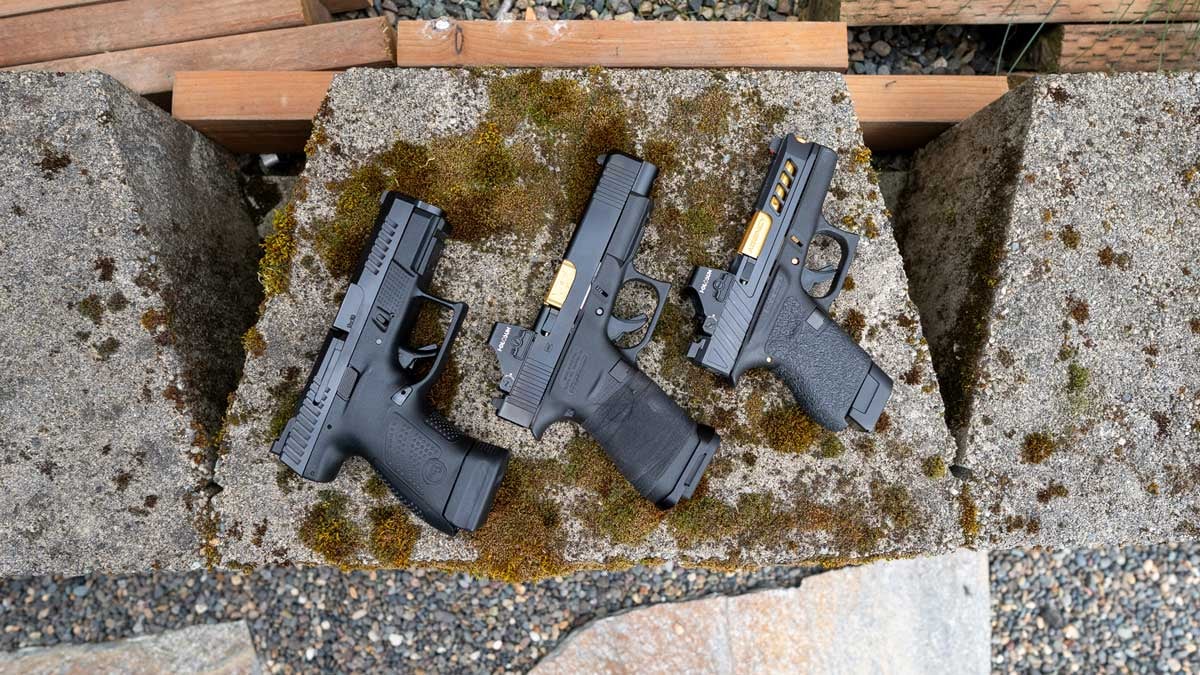
Looking online and asking friends for recommendations is a great place to start, but don't let that replace practical application. We all have different body shapes and sizes, and our needs differ. As you gain experience, personal preference comes more into play, too.
The only way to find your ideal concealed carry setup is to practice. Start where you are and carry daily. Take note of what's working and what isn't and adjust accordingly. It gets easier with time.
Stay Open to Change
Your preferences will likely change if you stick with it for the long haul. Like anything else, you start with minimal information, and as you practice, you gain experience and knowledge. With new information, you can personalize your setup so it works better for you.
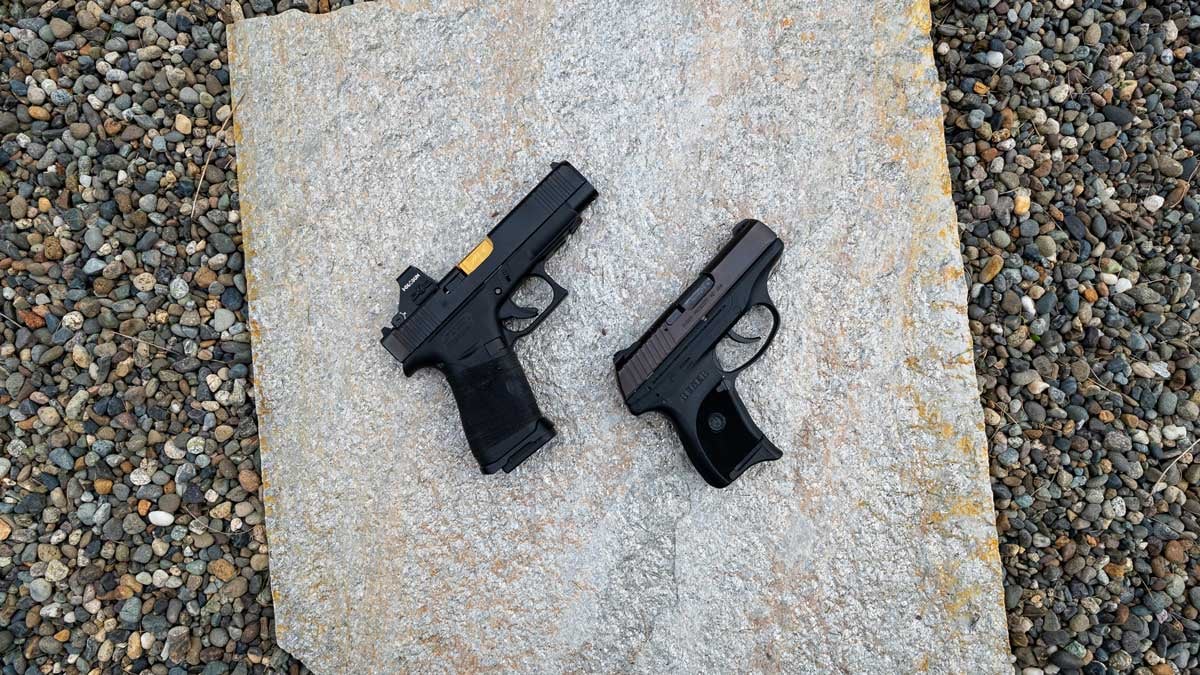
I've revised my setup multiple times in the 15 years I've carried concealed. Initially, I carried a Ruger LC9 because I was convinced tiny guns were better. I always wore an IWB holster with a rigid belt, which didn't allow me much freedom when choosing outfits. Today, I carry a Glock 43 or a Glock 48 MOS in a Phlster Enigma because it's a versatile system.
New products hit the market monthly, claiming to work better than the previous iteration. I wouldn't advise you to jump on every trend, but sometimes, your setup can be improved. It may be a pistol you can shoot more accurately, a holster that conceals better, or a belt that's more comfortable to wear.
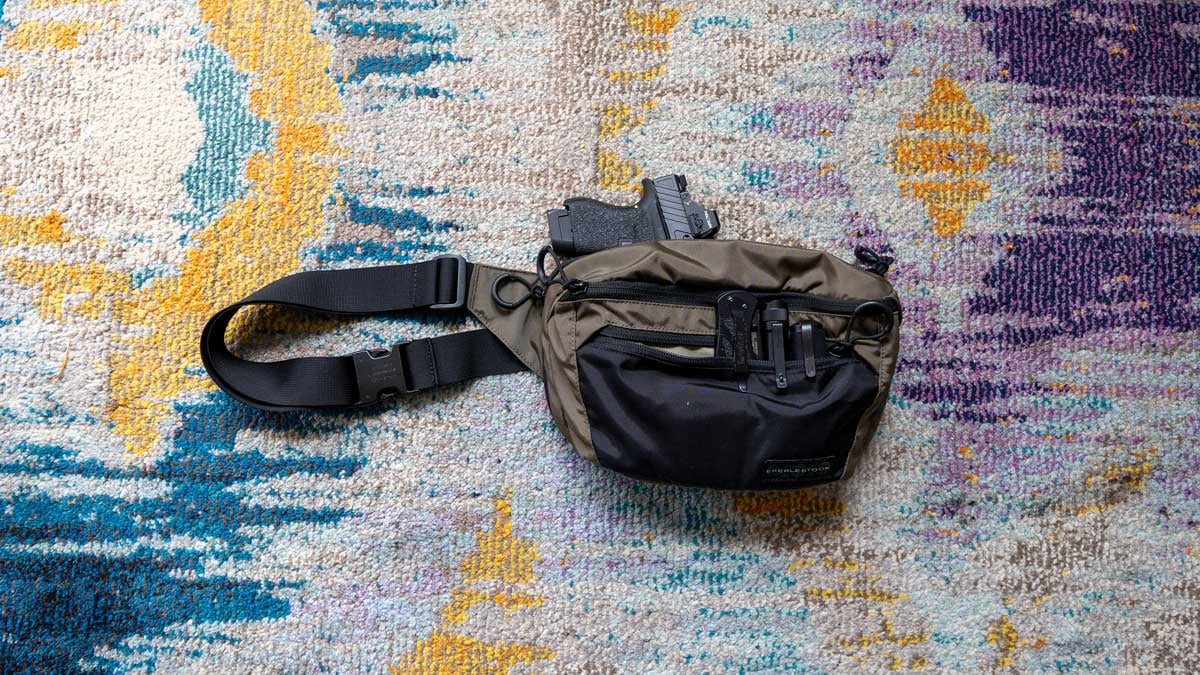
Remember that concealed carry is a journey, not a destination. It's essential to continue learning, practicing, and staying open to change.
Conclusion
Concealed carry can feel overwhelming at the beginning. Those who have carried for years tend to make it look easy, but we all encountered at least a few hiccups. If you're struggling, use the above information and stick with it. Carrying concealed gets easier the more you practice.