Legal Responsibilities
Legally speaking, if you’re pulled over by the police while carrying concealed, do you have to tell them? It would be nice to give a straightforward “yes” or “no” answer, but the truth is, it depends. Like most firearms laws these days, “duty to inform” laws vary widely from state to state.
Currently, 12 states, along with the District of Columbia, have duty-to-inform laws. That means you’re required to report the presence of a firearm immediately upon contact with law enforcement. Texas and Michigan are examples of states with these laws.
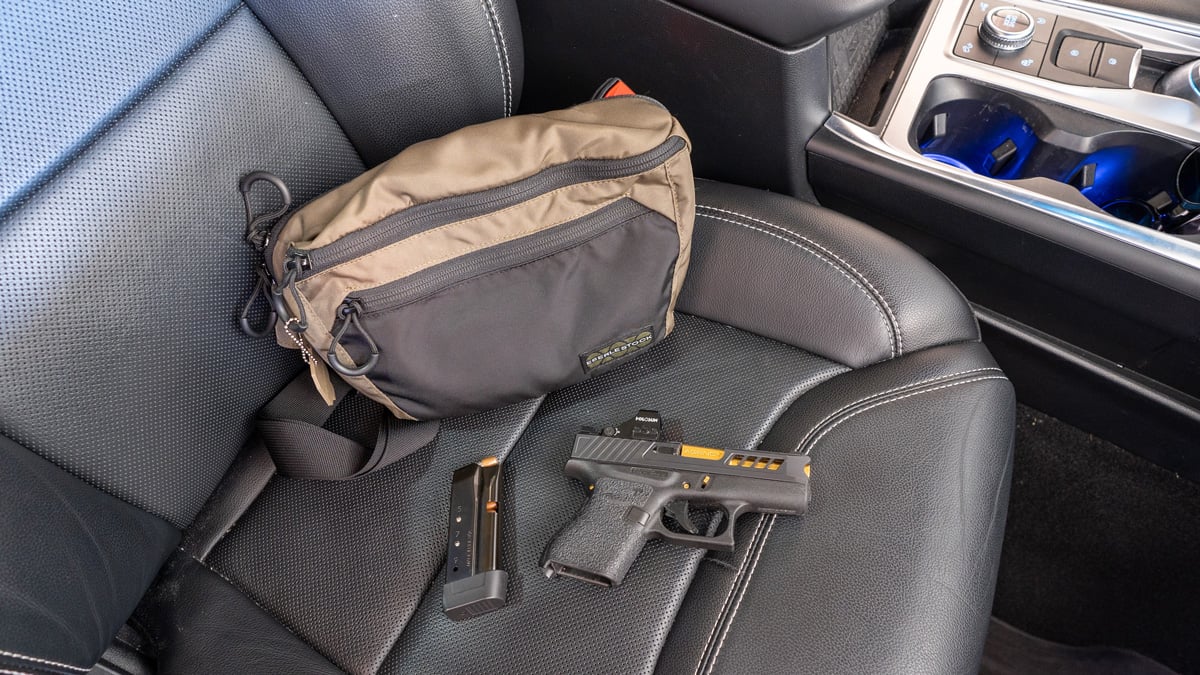
Other states, such as Montana and Idaho, have no duty to inform. In Washington, where I live, the situation is somewhere in the middle. There’s no duty to inform upon contact, but you must disclose if the officer asks.
Finally, certain states like California are more convoluted. While there is no duty to inform at the state level, some localities require you to disclose if asked by an officer. If you’re unsure where your state stands, check out USCCA's Duty To Inform map.
To Do List
Whether you’re carrying or not, there are a few things you should always do during a traffic stop:
- Turn on your interior lights, especially at night, so that the officer can see inside.
- Keep your hands where the officer can see them.
- Be polite and calm.
-
Follow instructions.
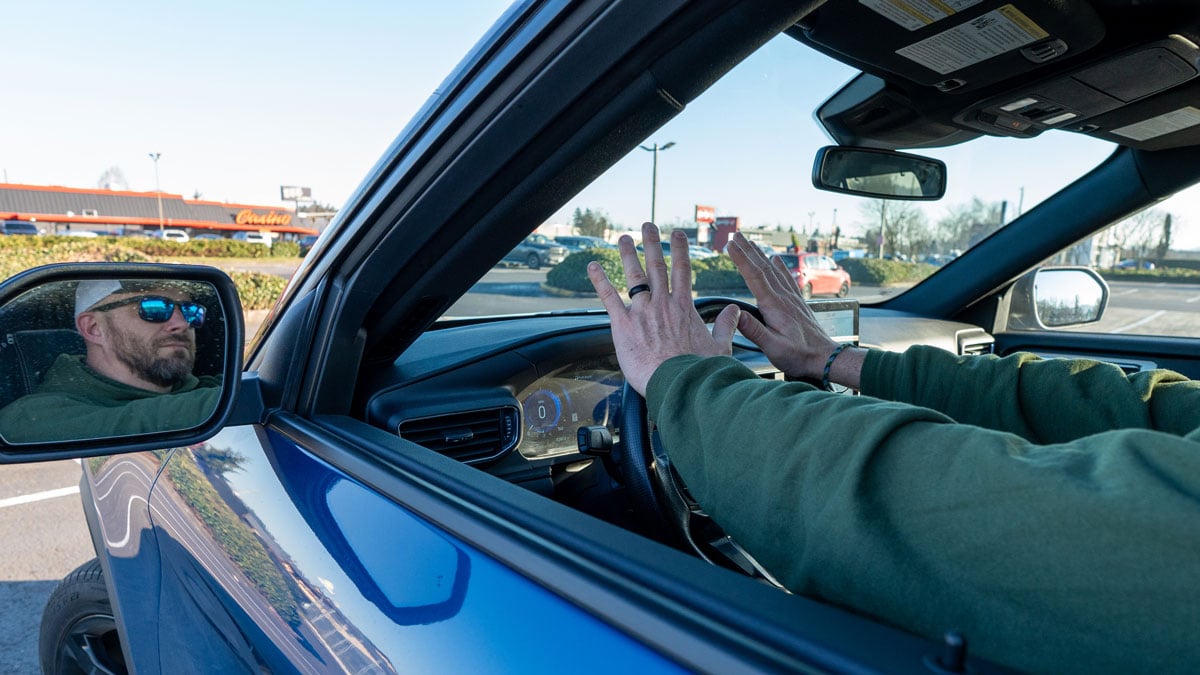
To gain clarity on how best to handle a traffic stop while carrying in a duty to inform state, I spoke with Kevin Michalowski from USCCA. He’s been a sworn law enforcement officer in rural Wisconsin for 17 years, so he’s seen both sides.
“If you’re in a state that has a duty to inform, you need to do that as early as possible,” he said. Even if the officer is talking and giving instructions, it’s best to politely interject and make it known that you are carrying a concealed firearm.
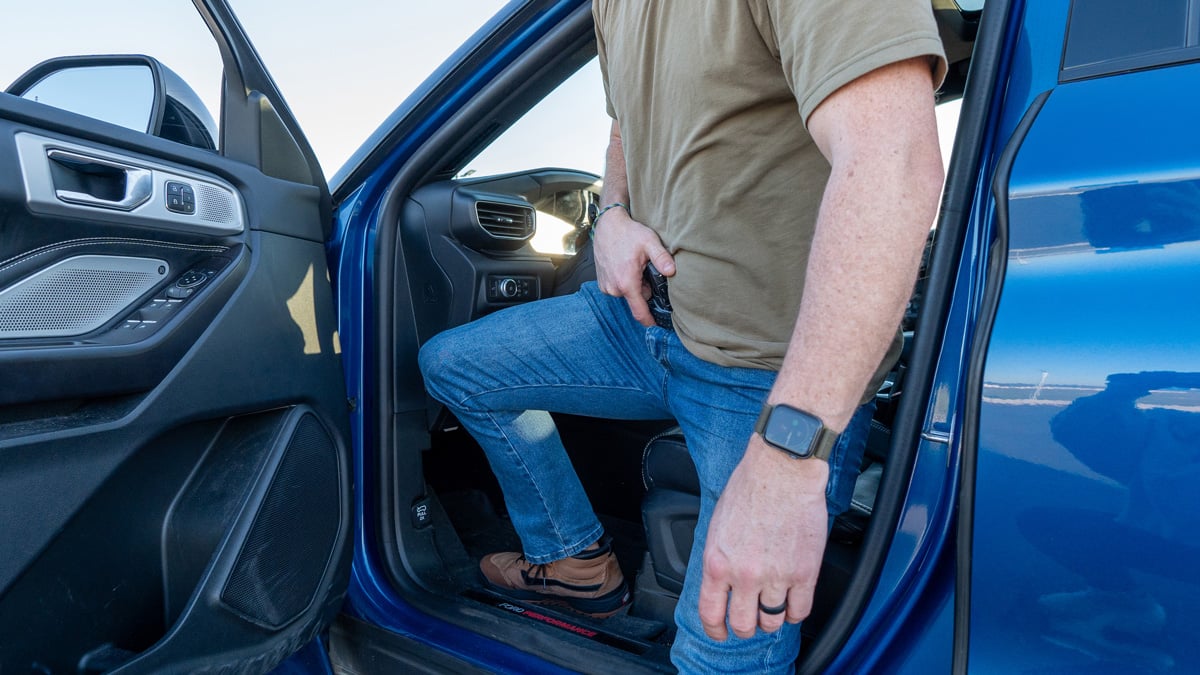
He added that from an officer’s point of view, here’s the best thing to hear: “I am carrying a legally concealed firearm, and I have my permit with me. What would you like me to do?” Let the officer tell you how to proceed, and follow the instructions. Don’t grab for your firearm or even your permit.
Never Do List
Don’t lie to the officer. If you’re in a duty to inform state or one where you must disclose if asked, and the officer finds out later, you can be charged in many states.

Don’t make any quick movements. This includes trying to exit the vehicle or reaching for your registration or permit without being told to do so.
Don’t reach for your firearm unless you are asked. If the officer wants to disarm you, which is legal in most states, follow their instructions. Ask for clarification if needed, but only do what they ask.
Don’t be rude or combative. Stay calm, take your ticket, and go about your day. It’s not the time to make a speech about your rights, either.
What If There’s No Duty to Inform?
People often wonder if they should disclose that they’re carrying even if they have no legal duty to inform. Many have strong opinions on this scenario one way or another. Some believe you should volunteer the information as soon as possible; others think it’s best to stay quiet.
It’s important to know that you can volunteer the information if you wish. You’re not incriminating yourself if you’re legally carrying a concealed firearm. If you feel that will make the traffic stop go more smoothly, it’s your right.

Those who favor staying quiet cite incidents where citizens were injured or worse while being disarmed by the police. It’s a valid concern. Just this January, a man in Jacksonville was negligently shot with his own gun by an officer who disarmed him at a traffic stop. A quick search online will bring up many similar incidents.
Administrative handling of firearms is dangerous for everyone involved. Police officers aren’t always firearms experts, and they may not be familiar with anything different than what they carry.
Related: What Should You Do after a Self-Defense Shooting?
I asked Michalowski about this. He said officers don’t want to disarm someone they don’t feel poses a threat. They’d rather not handle your firearm if they don’t have to, so it’s essential to do what you can to set the officer’s mind at ease. Anything done to put them on high alert could make them more likely to want to disarm you for their safety.
Conclusion
While I cannot give you a legal rundown of every state, the above tips will help you avoid issues should you encounter a traffic stop. In an ideal situation, if you have a duty to inform, the officer will say, “I won’t reach for mine, if you don’t reach for yours.”