THE IMMEDIATE THREAT
When you use your firearm in self-defense, the aggressor naturally becomes the focus of your physical and mental attention. Your central vision, spanning about 1 to 3 degrees, offers the clearest view, but this intense focus means you might miss what's happening in the rest of your surroundings. This is part of inattentional blindness, which refers to being so narrowly focused on something that you are blind to anything outside of that area. You have probably heard this referred to as “tunnel vision.”
Consider the other potentially 359 degrees around you. What's the person at the neighboring gas pump doing now? A potential second assailant might no longer be in sight, and someone exiting the gas station might misconstrue your actions and perceive that you just murdered someone.

How about the police officer responding who just came from around the corner? In a June 2021 encounter, a responding officer shot and killed Johnny Hurley, a good Samaritan who just shot and killed the man who had just ambushed and murdered an Arvada police officer.
Perceptions matter in these situations. To avoid being mistaken for an aggressor, be cautious about how you handle your firearm. Instead of holding it in an extended position, which could appear threatening, keep it close to your body unless you need to fire. This less aggressive stance can help ease alarm among onlookers.
Related: The Human Factor in Unintentional Discharges and How Training Can Help
Given these facts, it's crucial in training to learn to shift focus from an attacker to assess the wider environment. This involves checking for additional threats, identifying other armed individuals like law enforcement or civilians who might mistakenly perceive you as a threat, and recognizing immediate needs for assistance, either for yourself or others. This assessment could reveal a loved one who's injured or even personal injuries that you've sustained.
Should You STAY AT THE SCENE?
The common perception shaped by news headlines and TV shows is that fleeing a scene automatically implies guilt, but there are situations where leaving the scene is the most prudent course of action.

If leaving the area is safer, or if staying might lead to further use of a firearm, it may be wise to exit the scene. If you clearly explain your reasons, law enforcement investigators will likely understand your decision to leave.
Of course, it's important to distinguish between leaving for safety and calling 911 from a secure location, and attempting to hide your involvement in the incident. The latter could significantly alter how the situation is perceived by law enforcement.
Related: The Best Shotguns for Home Defense
CALLING 911
Even if you haven't fired your gun, it's important to call 911 if you've drawn or threatened to use it. Typically, the first person to call is considered the victim and listed as the complainant in the police report.
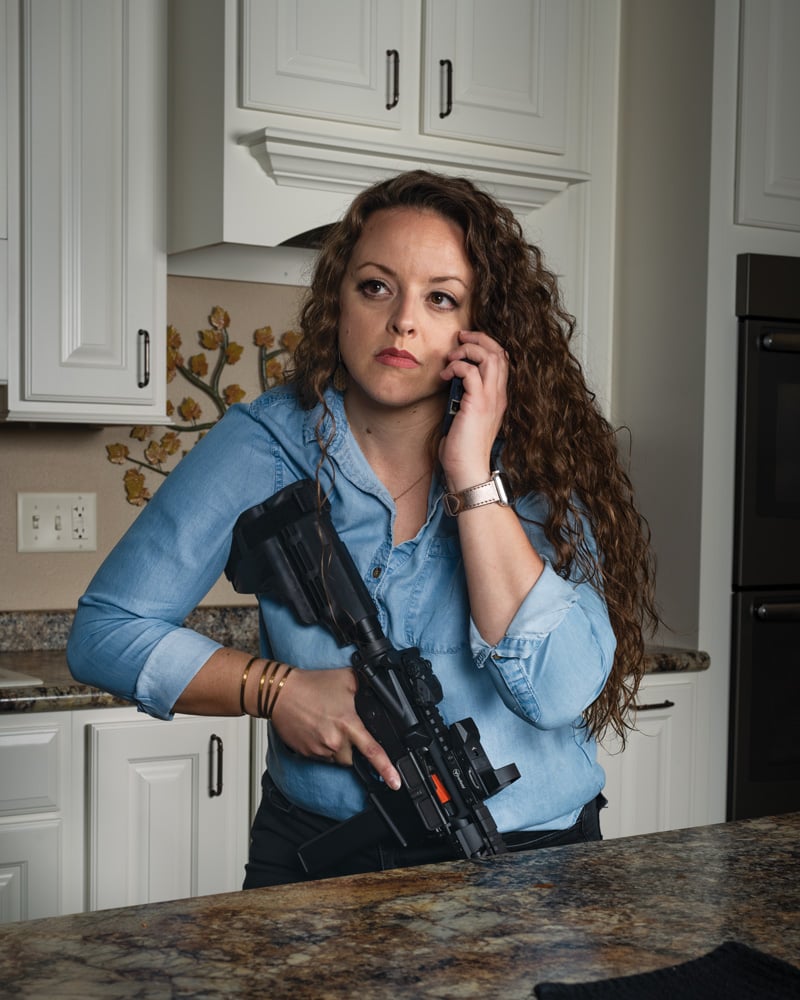
There have been instances where the actual victim didn't report the incident, but the aggressor did, falsely claiming to be threatened by someone with a gun. Such situations can lead to legal complications that might have been avoided by promptly reporting the defensive use of your firearm.
When calling 911, provide enough information to efficiently direct help and ensure arriving officers don't mistake you as a threat. The most vital detail is your location; if the operator knows this single piece, other aspects can be figured out. First, give your location, followed by the nature of the emergency.
Inform the operator that you've used a gun in self-defense. If you need to keep it unholstered, like in a situation where you're holding an assailant at gunpoint, give a clear description of yourself to avoid confusion with others at the scene. Provide a description of the threat, but don’t place yourself in more danger to obtain it. Finally, request an ambulance regardless of apparent injuries, as you may have unseen medical problems, such as cardiac issues.
WHEN THE POLICE ARRIVE
Law enforcement's priority is to secure the scene for everyone's safety, and they may initially perceive you as a threat. If you hear sirens or see flashing lights, holster your gun unless there's a clear need to keep it out.
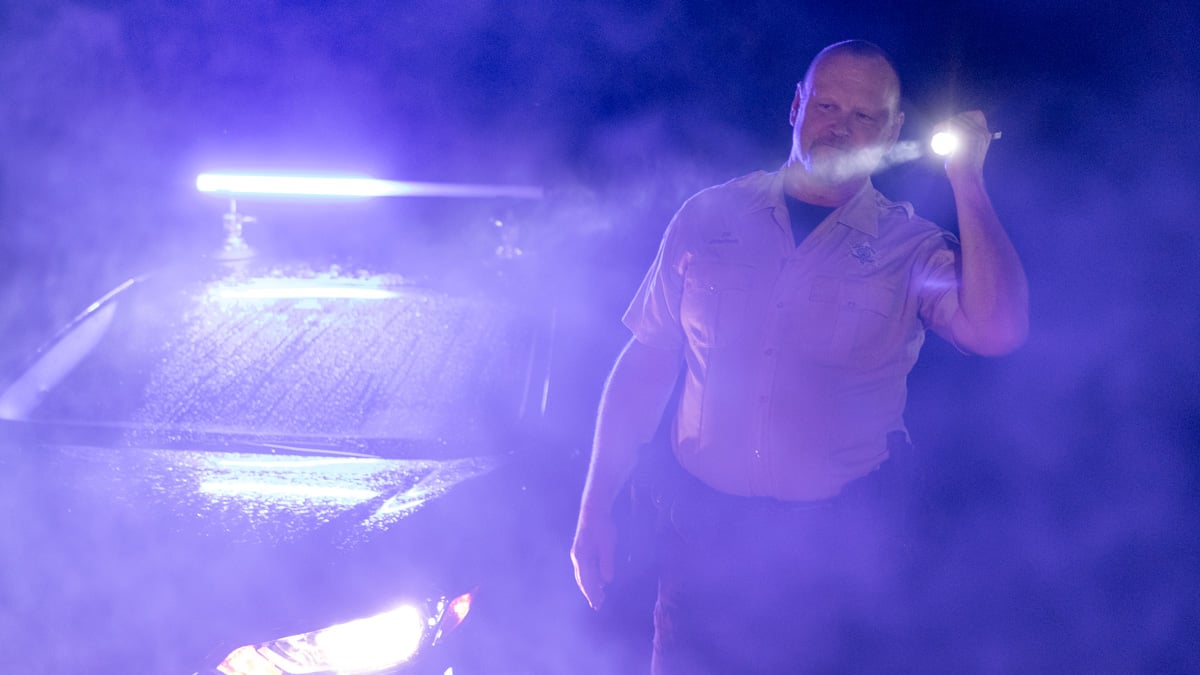
Move cautiously and comply with law enforcement instructions. When possible, inform the arriving officers that you were the one who called 911 and clarify that you are the victim. This communication is crucial for managing the situation for the most positive outcome.
FACT GATHERING AND INVESTIGATION
Law enforcement's role is to gather as much information as possible about an incident. They aim to understand the full context and determine if your response was justified. While wanting to be forthcoming with information is reasonable, remember that your immediate recollections might not be entirely accurate. This discrepancy can unintentionally appear as though you're trying to cover up a crime.
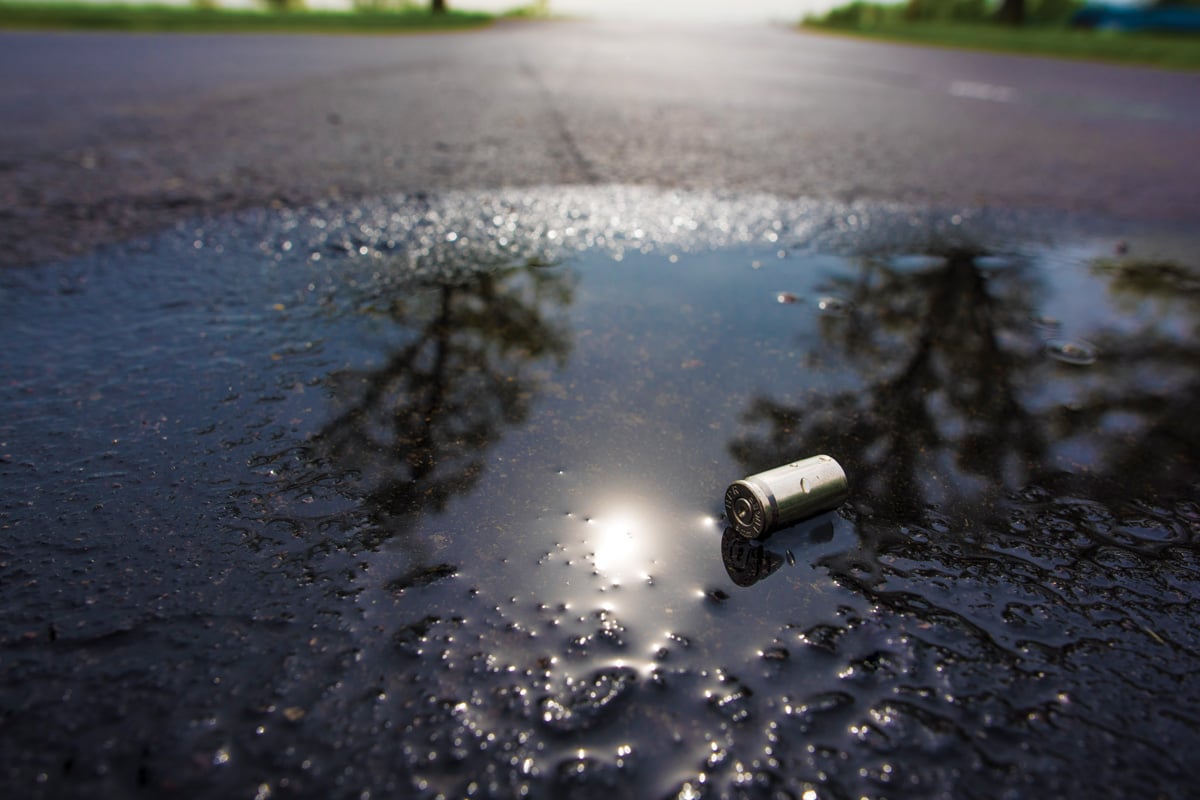
The brain doesn't record events like a video camera. Under stress, it prioritizes survival over detail retention, which means you might not remember every aspect, such as specific positions, actions, the number of shots fired, or even the order in which the events transpired. These details might become clearer after some rest, as multiple sleep cycles help consolidate memory.
Given these factors, you might wonder whether to say anything at all. However, since a crime occurred, providing some explanation is crucial, particularly to establish self-defense. It's generally safe to share indisputable facts that establish you as the victim: the identity of the attacker and any known evidence such as the attacker's weapon, threats made to you, your injuries, potential witnesses, and the presence of any cameras that might have recorded the event.
MIRANDA WARNING
The Miranda warning is a statement given by police in the U.S. to criminal suspects in police custody before they are interrogated. “You have the right to remain silent. Anything you say can be used against you in court….”
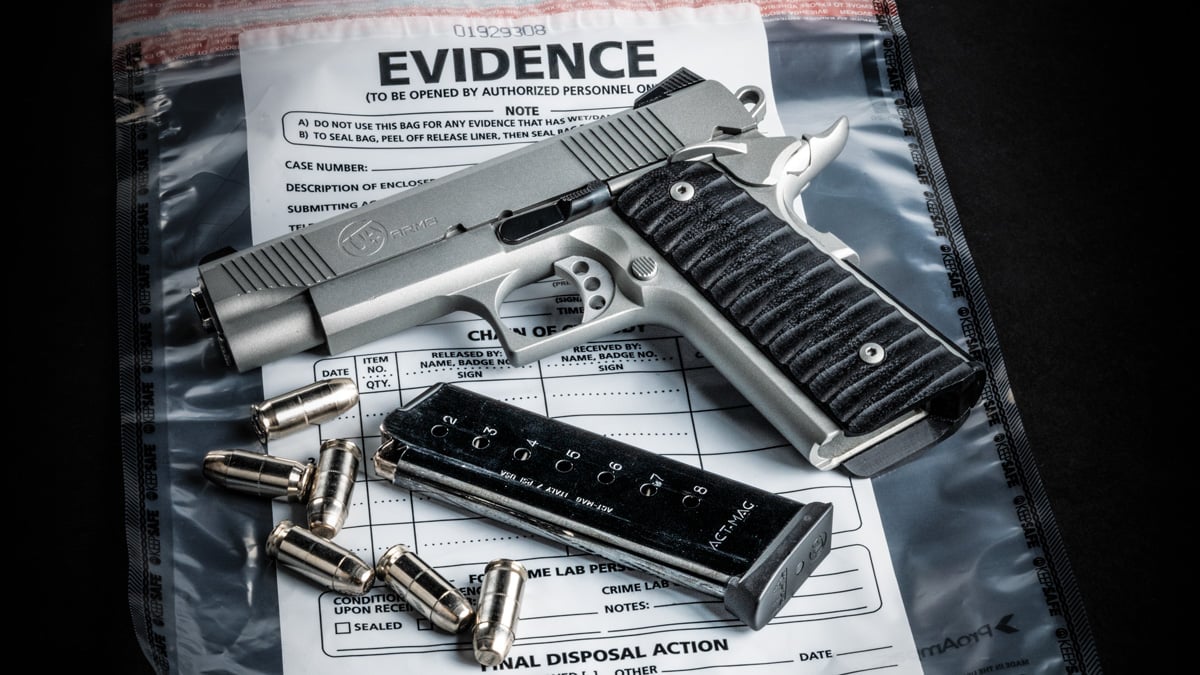
If you hear this, it's crucial to exercise your Fifth Amendment right. You can state, “I invoke my right to remain silent,” and if applicable, add, “I do not consent to a search of my person or property.” It is important to speak with your attorney before any further statements are made.
AFTER THE INCIDENT
While you didn’t want this to take place, here you are. Find a good attorney if you haven’t obtained one yet.
Do not talk to anyone else about the details of the incident. This includes family, friends, the news, and absolutely do not post anything online. Find a good support group and seek out any help you need.

The risks in a self-defense situation don't always cease once you've stopped using your firearm. It's important to incorporate these varied factors into your training, starting with shifting your focus from the target to assess the broader environment around you.
Good training can mean the difference between life and death in a situation where you're forced to draw a firearm in self-defense. Our friends at the U.S. Concealed Carry Association (USCCA) offer training resources including a new defensive pistol course meant to equip gun owners with all the knowledge and skills necessary to defend themselves effectively.