With a sci-fi look and a bit of obscure history behind it, the Walther MP is highly collectible yet rarely encountered in the wild, which is exactly why we had to shoot one.
What is the Walther MP?
Everyone knows the Walther brand, and for good reason. The company makes great guns that are often extremely innovative. The PP/PPK, P-38, P-99, PPQ, PDP, the OSP and Olympia – the list goes on. However, Walther only made one production submachine gun: the Maschinenpistole, or MP.
Designed in the late 1950s and entering production around 1963, the MP is a blowback action 9mm select-fire SMG with a tubular receiver that fires from an open bolt. It beat the much better-known Heckler & Koch MP5 to production by a few years and was made in two different variations: the MP Lang (Long), or MPL, and the MP Kurz (Short), or MPK.
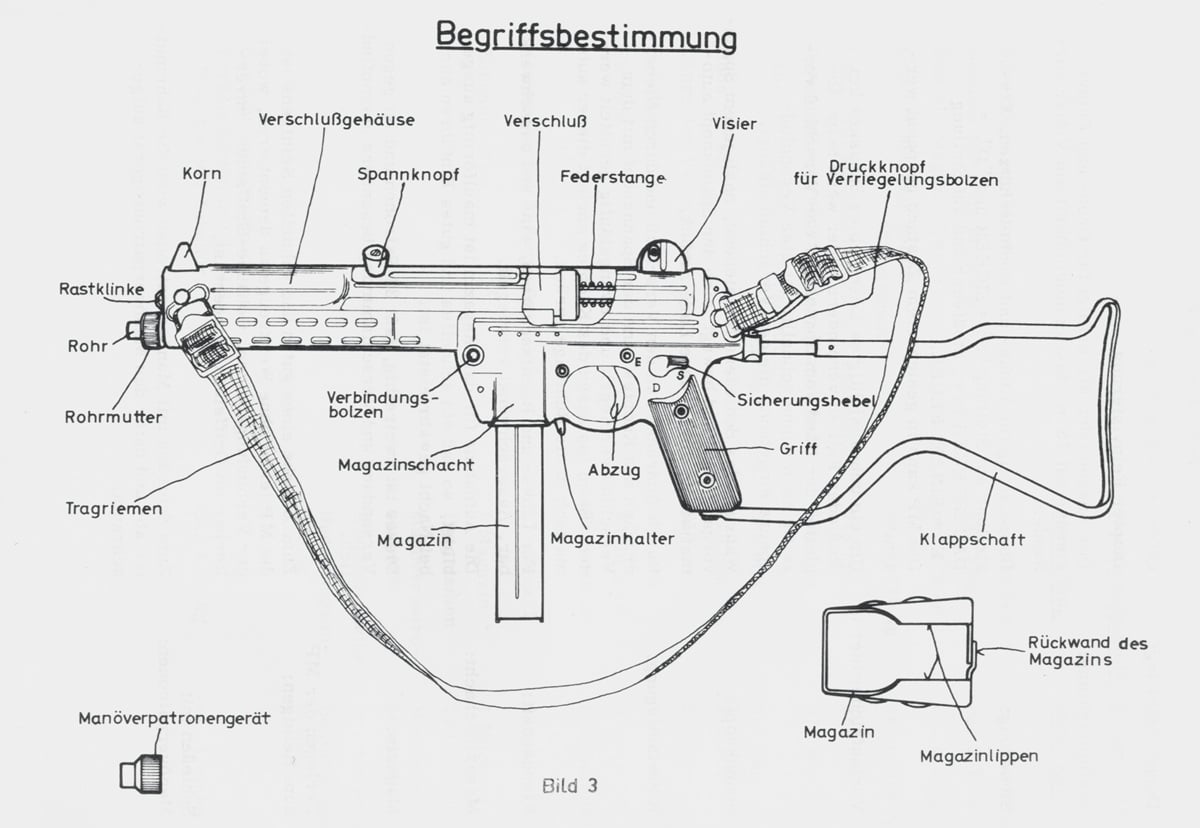
The difference in size between the two was negligible. The more full-sized MPL ran a 10.2-inch barrel for an overall length of 29.4 inches with the side-folding wire stock extended, whereas the MPK went about 3.5 inches shorter with a 6.8-inch barrel.

Although well-made, the MP never really caught on. Its only European customer, besides some German police units as the MP4 (they made several on-camera appearances during the Munich Olympics in 1972), was the Portuguese Navy – which incidentally still uses it, although it's been out of production since 1983.
Overseas, it was bought by a few third-world users and the U.S. Army, picked for use by the elite Delta Force commandos in the 1970s and the secretive Detachment A "stay behind" Special Forces unit in West Berlin.

In the end, most users today, especially in America, are perhaps most familiar with the gun's use in movies and video games such as "Call of Duty: Black Ops."
Our experience with the MP
While in town for SHOT Show earlier this year, we had a chance to swing by and visit our old friends at Battlefield Vegas. They graciously allowed us a chance to tour their vault and pick a few guns to profile and shoot.


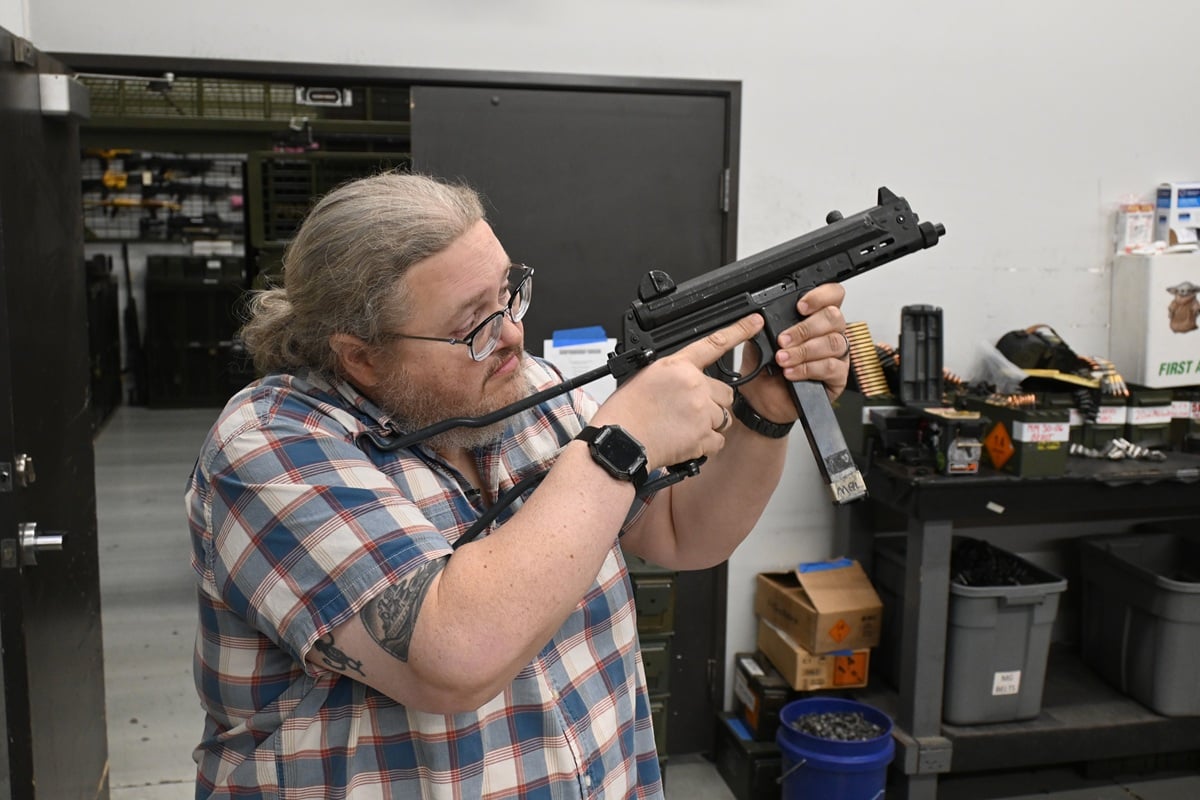

Overall, the Walther MPK we shot ran well, and with its low cyclic rate, was both comfortable and easy to keep on target even when wide open. In a perfect world, this retro-futuristic burp gun would still be a thing, and the Hughes Amendment wouldn't.
In all, we had a lot of fun getting to handle and shoot Walther's only SMG, and we thank Battlefield Vegas for allowing us to come in and "sample the goods."