When you think of Colt revolvers, the Python immediately comes to mind, and we hit the road to get the behind-the-scenes access to see just how these iconic American wheel guns are made.
Launched in 1955, the .357 Magnum six-shooter stood out with its advanced features, which surpassed many standard models of the time. Featuring a full underlug with a shrouded ejector rod, ventilated rib barrel, and adjustable sights, Pythons are distinctive and quickly identified at even a glance.
We've seen hundreds of Pythons over the years and have loved every last one of them. (All photos: Guns.com)
There is just something electric about seeing the iconic "PYTHON" on the barrel.
Over its original half-century run, the “I-frame” Python saw several variants with barrel lengths of 2.5, 3, 4, 6, and 8 inches, a few caliber experiments, and some specialty guns. The revolvers were produced in a range of finishes, including an electroless nickel – referred to as “Colt Guard” by the company – stainless, polished nickel, Royal Colt Guard, an “Ultimate Bright” stainless, blued, and Colt Royal Blue, among others.
No matter the finish or barrel length, they are always appealing. A work of art crafted in steel.
We were there at the SHOT Show in 2020 when the new Python was introduced. The event marked the debut of the updated generation of these premium revolvers for the 21st century.
The modern Python carries with it the legacy of the aristocratic revolver whose name has become a household word.
Now, with the new model in production for half a decade, we had to take a trip to New England to see how today's Python is born.
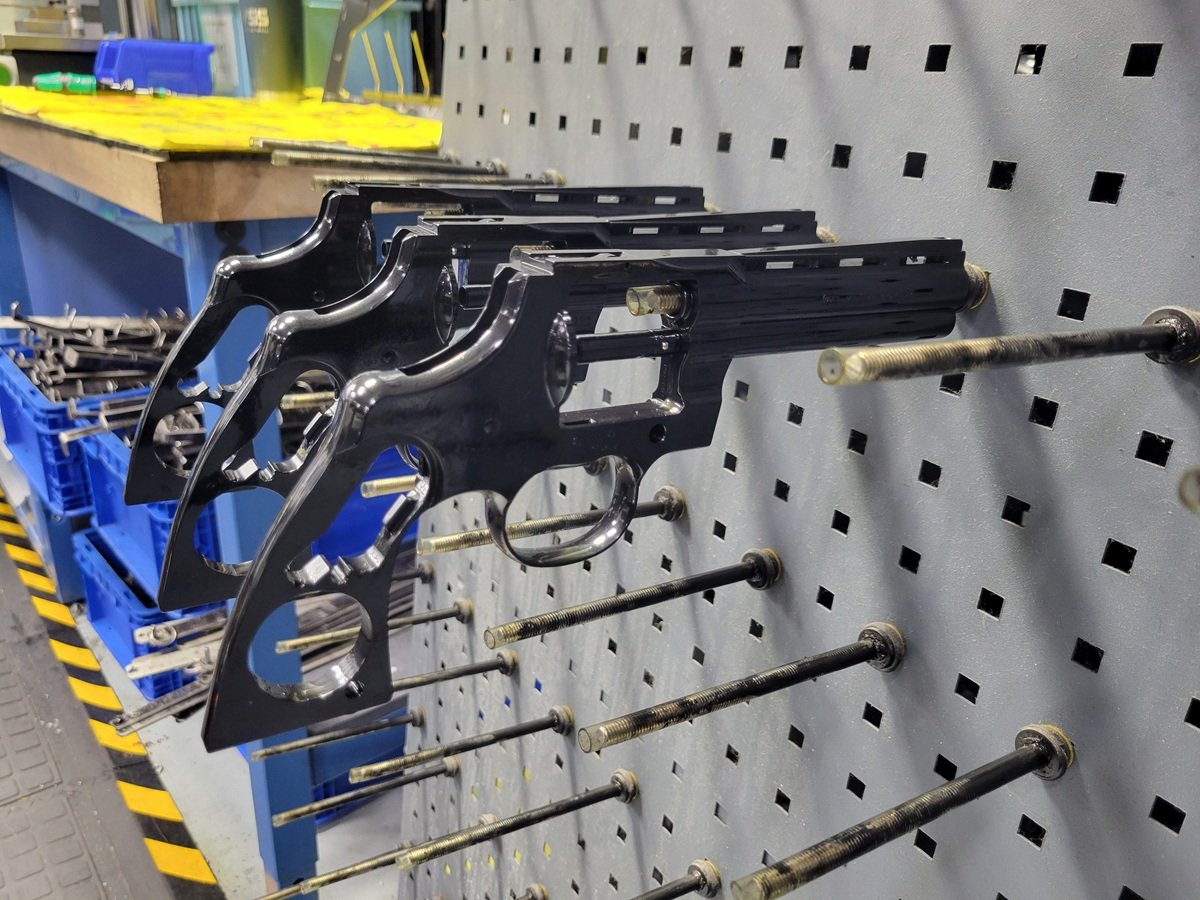
Production starts with steel parts, CNC milled and CMM inspected for precise tolerances.
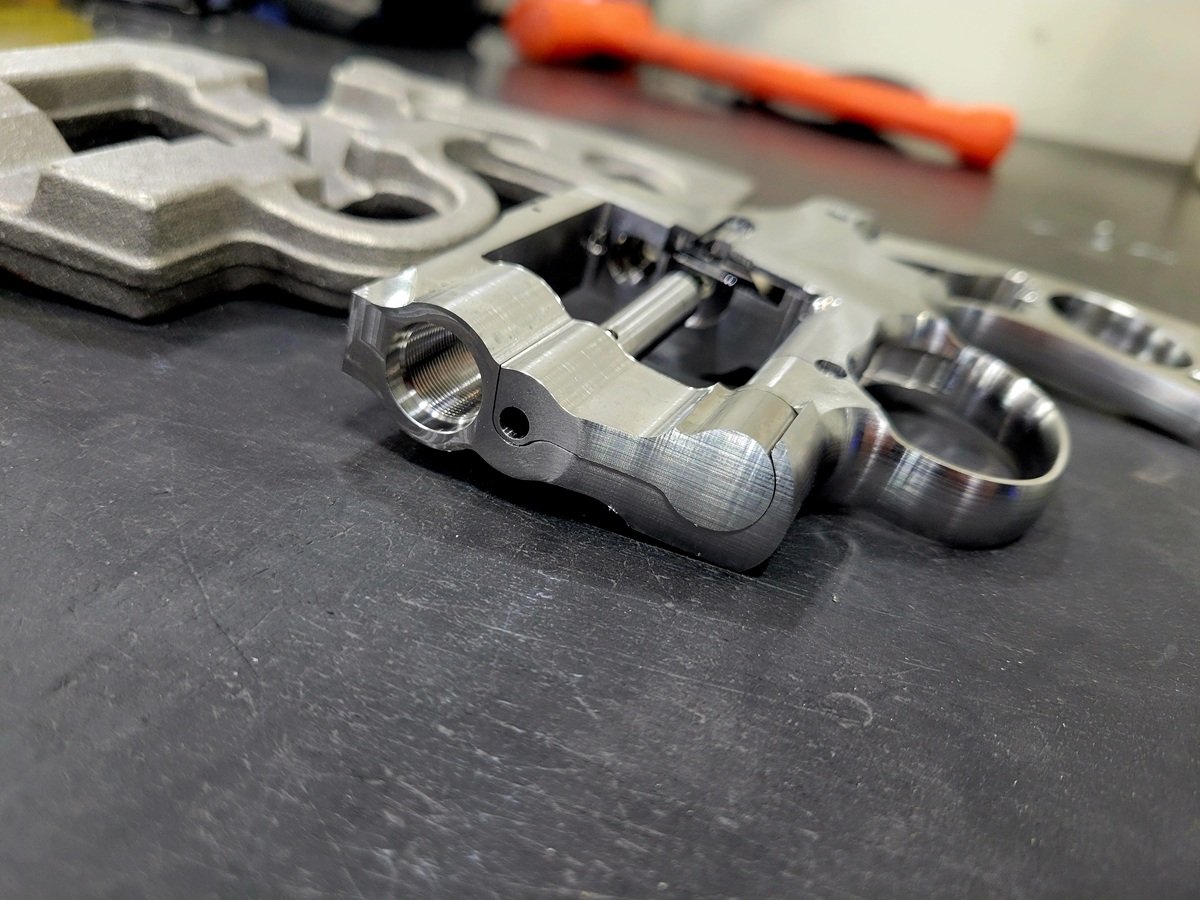
The frame, shown before and after basic milling.
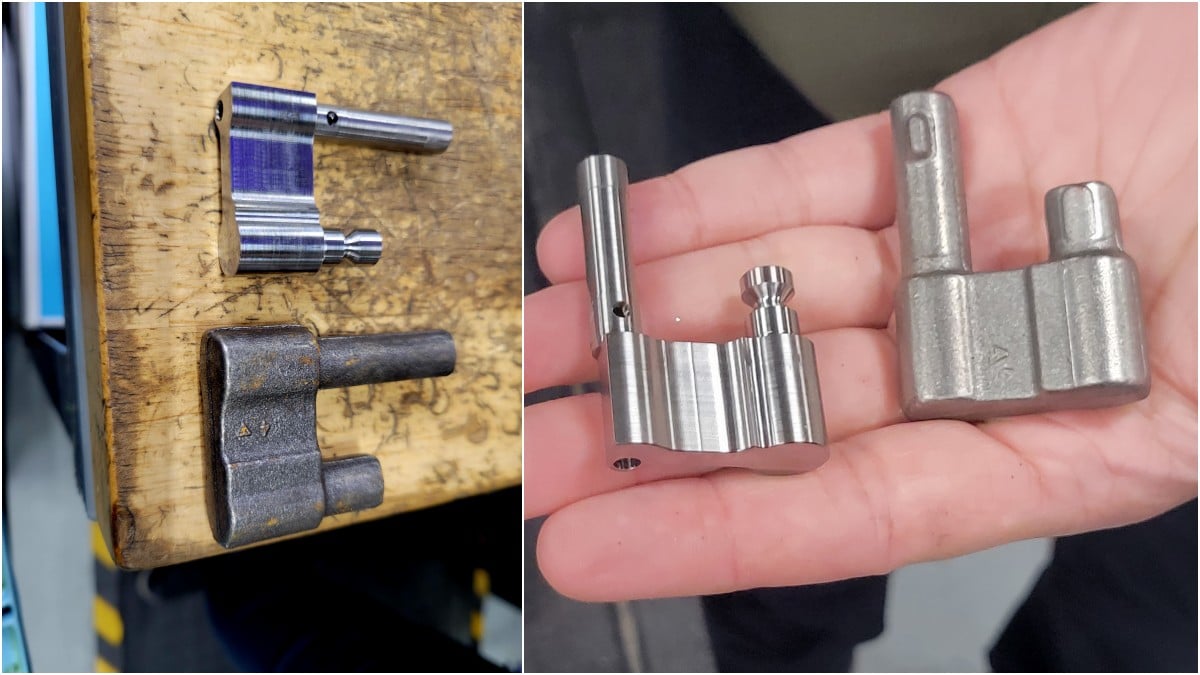
The crane.
The one-piece barrel machined from bar stock. No two- or three-piece assembly with sleeves and shrouds here.
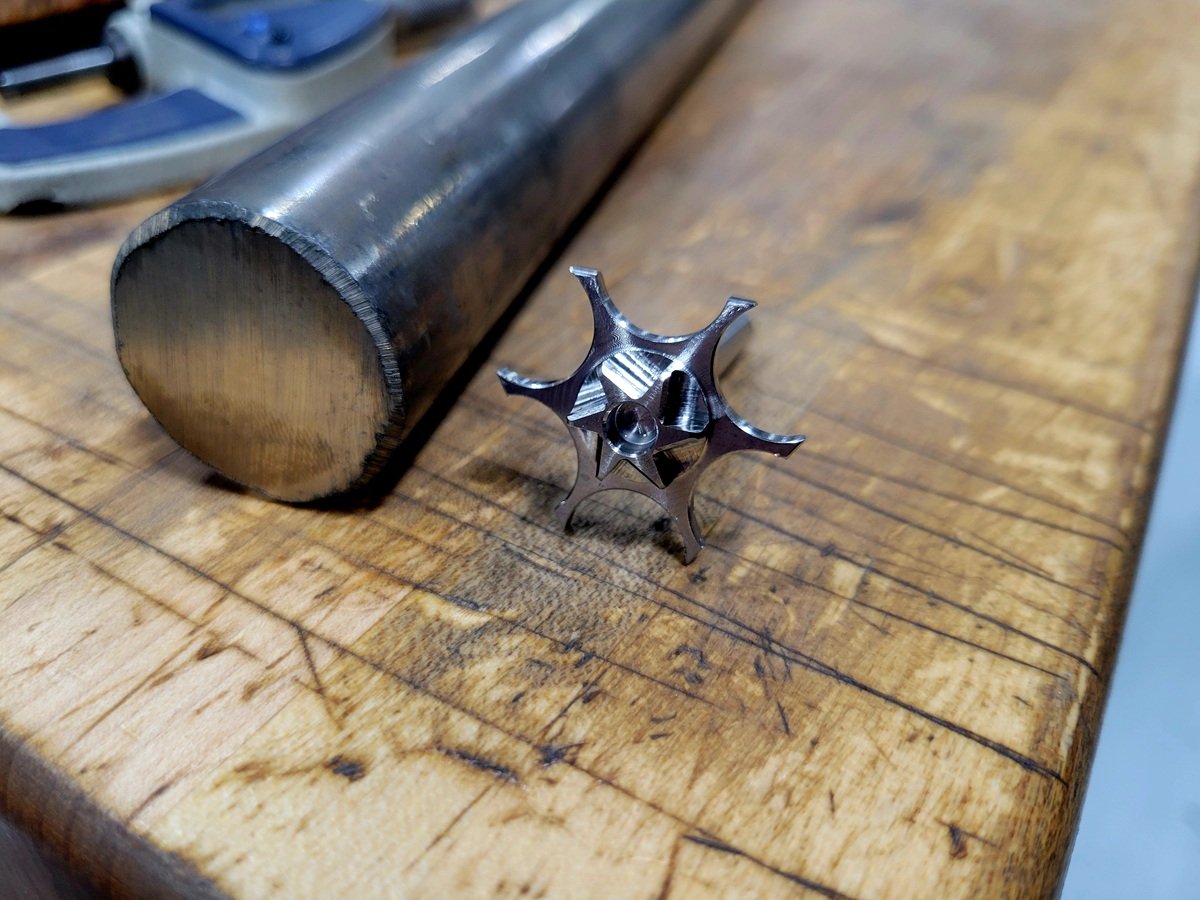
The ratchet, the heart of the cylinder. Again, this is machined in one piece from a solid piece of steel.
Even early on, when the crane and side plate are married to the frame for the first time, the fit is almost seamless, and this is on a gun not even halfway through the manufacturing process.
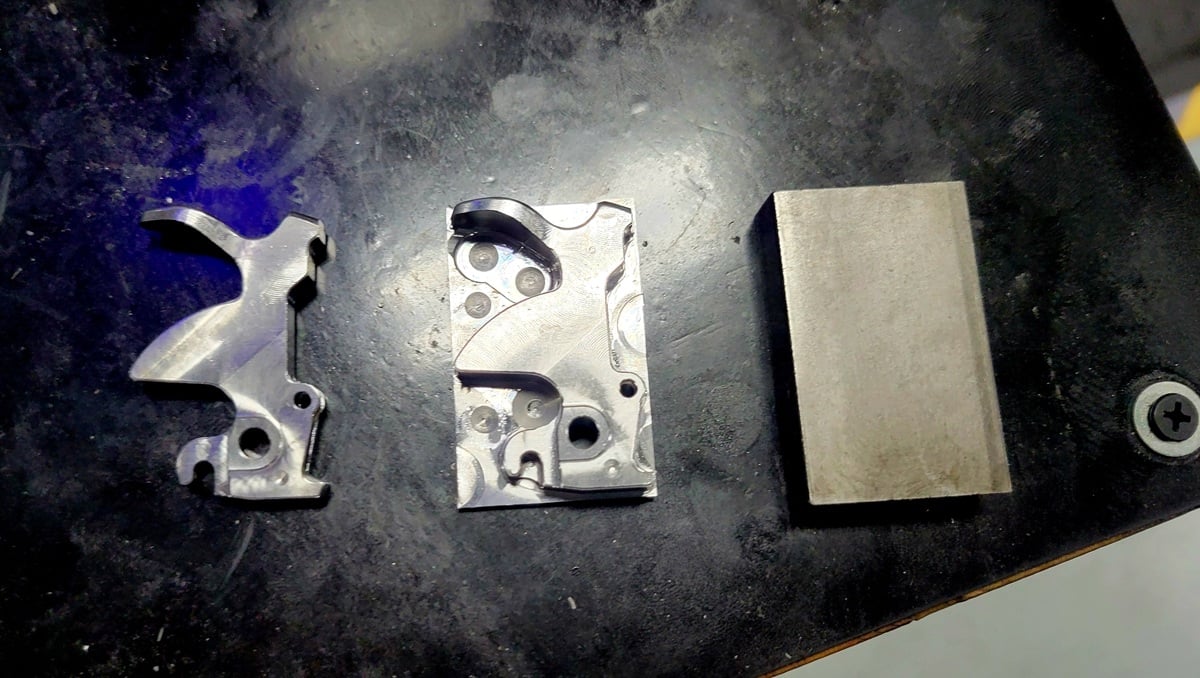
The hammer is made in two operations from bar stock.
The trigger. That's a lot of steel milled away.
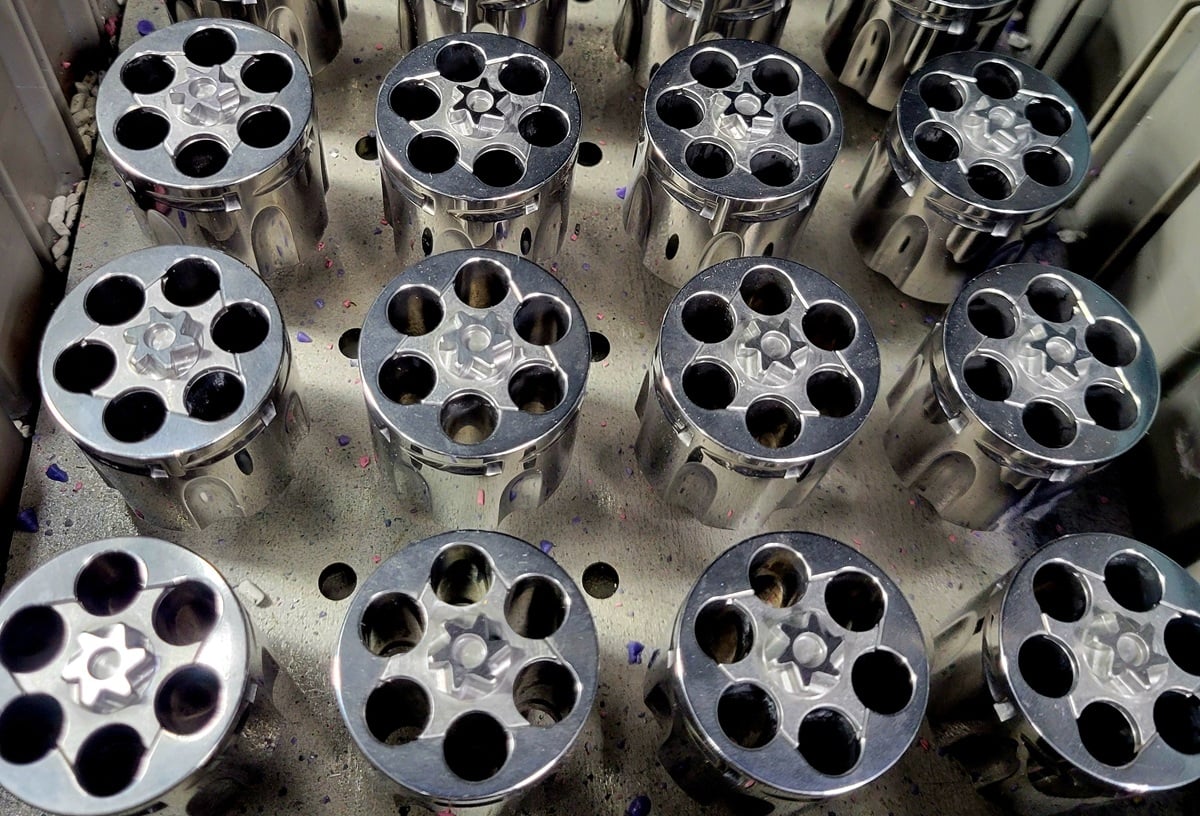
The cylinder, milled from 4-foot bars of steel with the rachet installed.
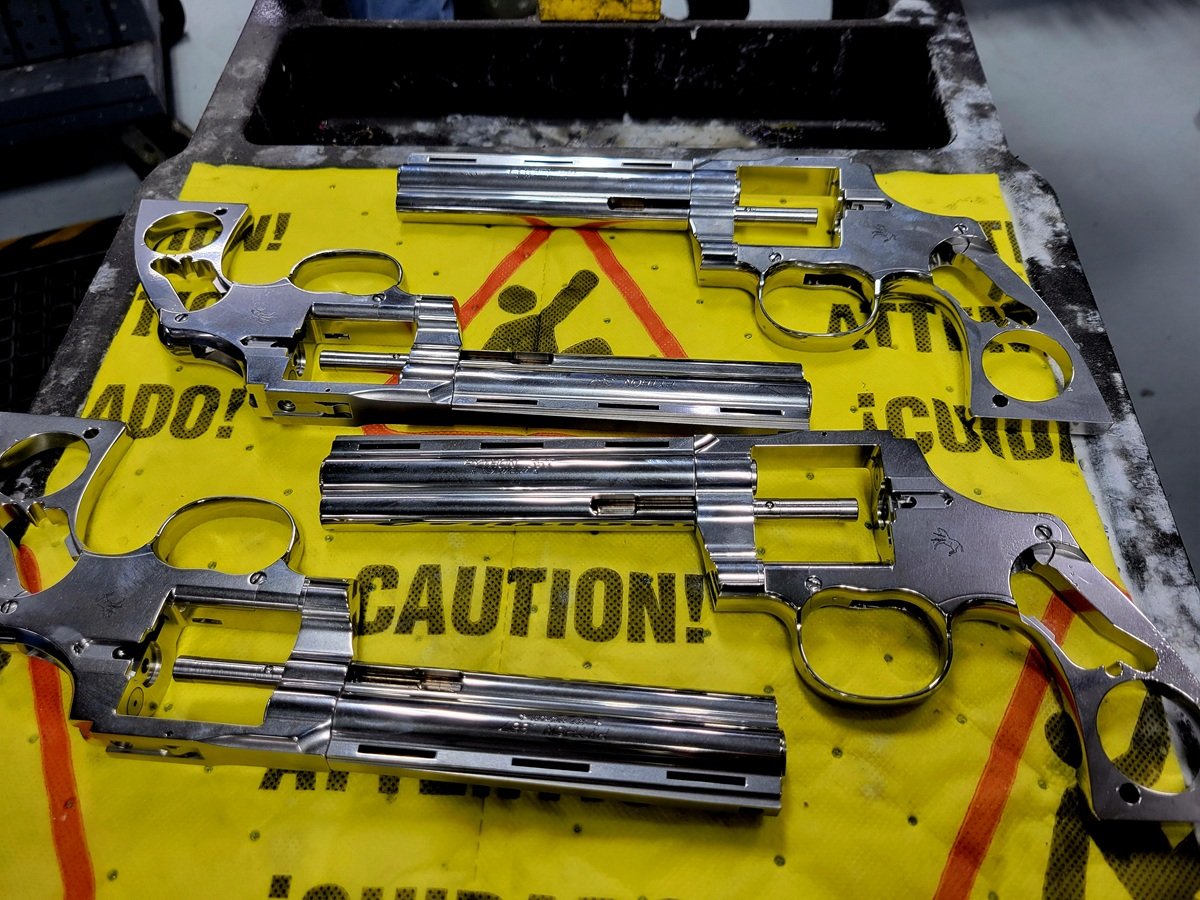
The "prancing pony" appears early on. He gets pretty later in the process.
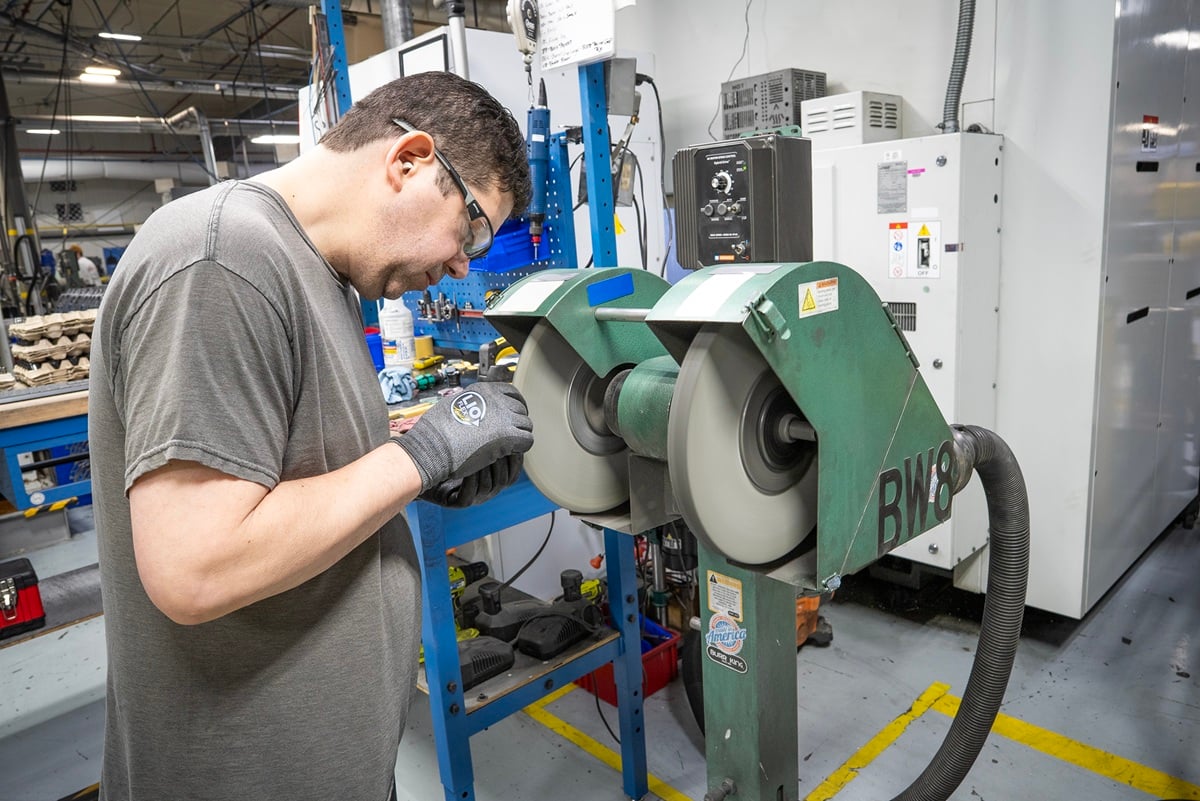
Then comes your heat treat and polishing.
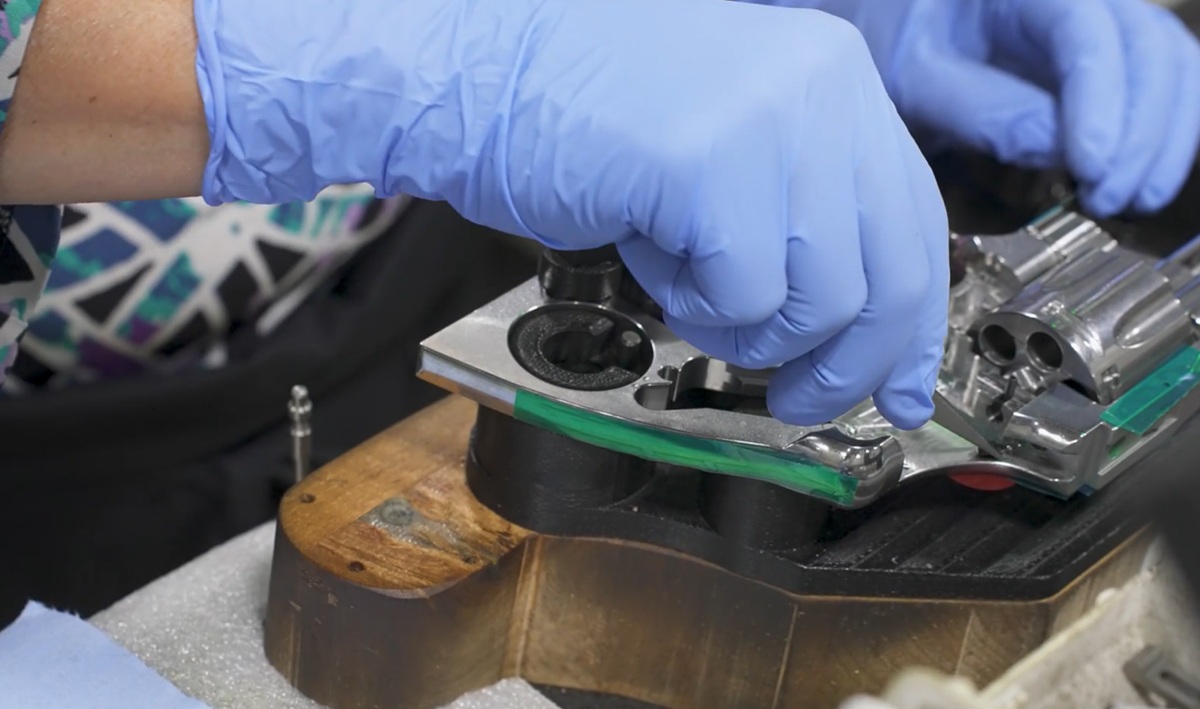
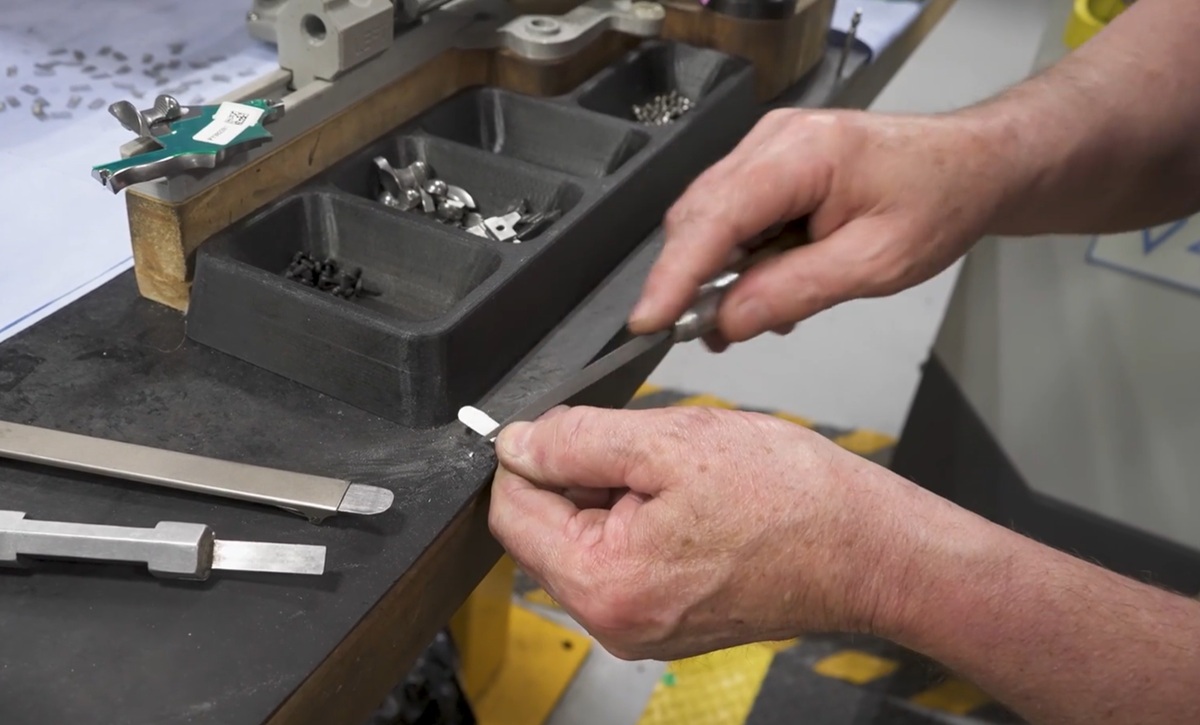
There are a myriad of small steps that are still done the old ways.
Told you those ponies were going to look better.
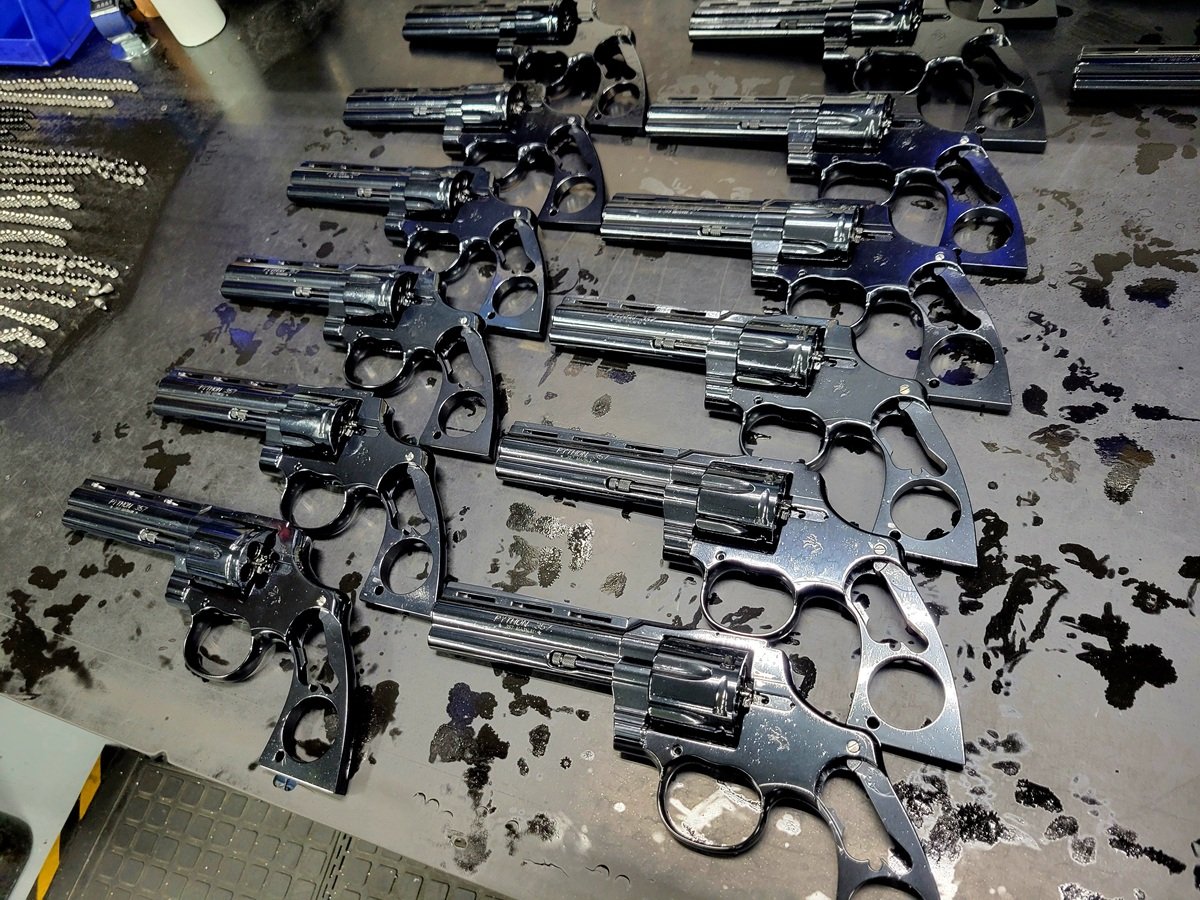
Colt has been bringing back blued Pythons as of late.
Followed by your final fitting and assembly, with QC done at every stage.
Don't let the fact that these guns have machine-fitted actions confuse you. There is still a lot of work on small parts that require a steady hand and skilled eye.
All the Pythons are tested with both proof rounds and standard pressure rounds before they are fitted with grips and packed.
We would like to thank Colt for allowing us to come by and see how the magic happens, and, as always, we look forward to seeing what's next from the company.