Founded by Arthur William Savage in 1894 – a polymath who also built some of the earliest race cars and invented radial tires – the company's bread and butter for a century was Mr. Savage's Model 99 hammerless rotary-magazine lever gun. With over a million made in dozens of variants, the Model 99 was put to pasture in 1997. Its return is unlikely, with the company fully transitioning to the bolt-action Model 10/110, which was introduced in 1958.
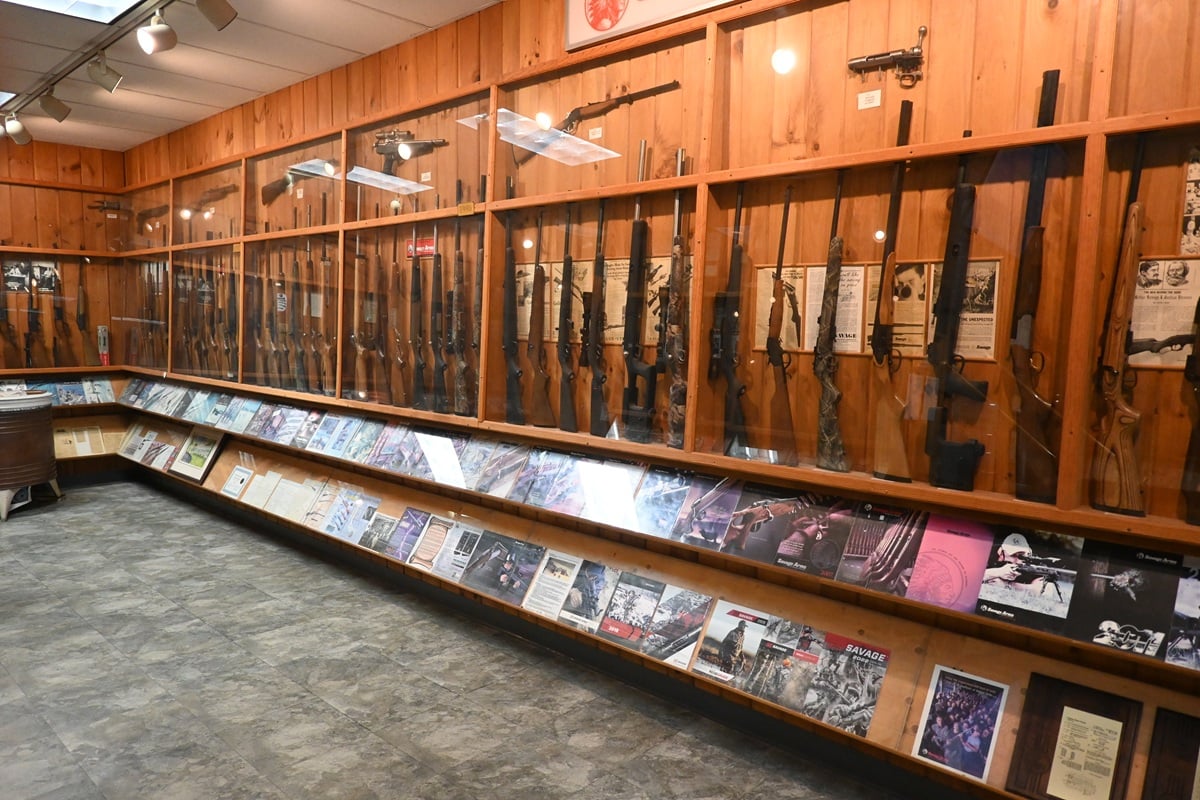
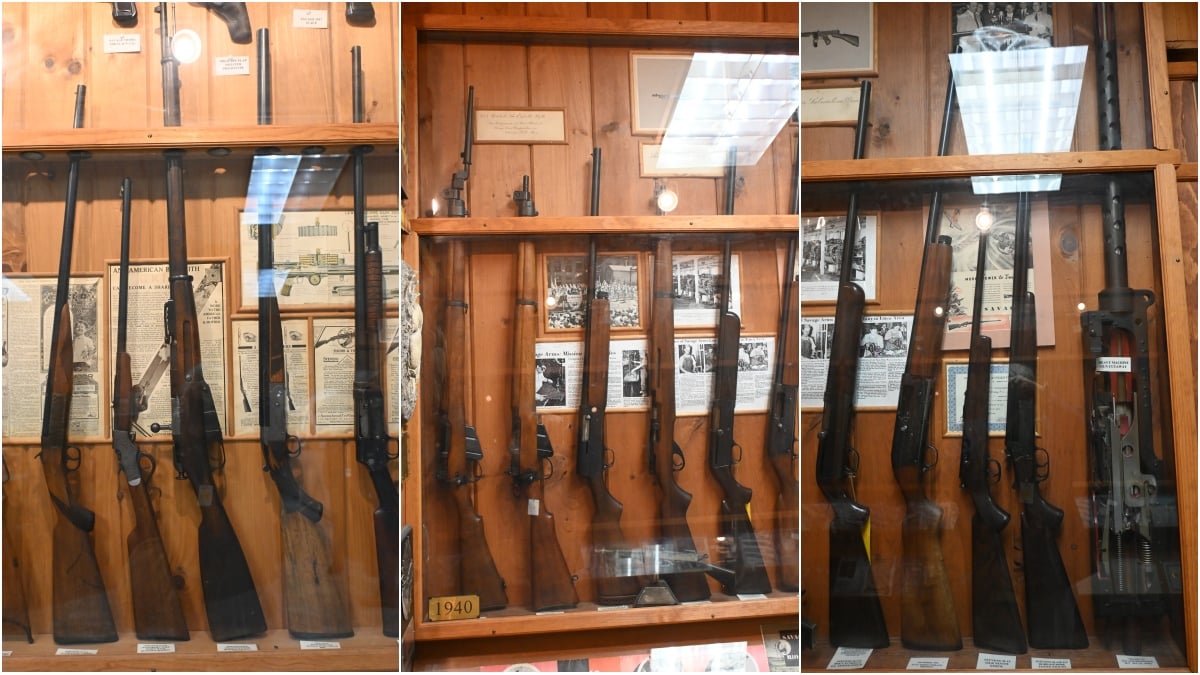
Then, in 2010, Savage, building on over half a century of experience with the 110 series (as well as production of the Enfield .303 rifle during World War II), introduced the well-built yet affordable Axis series rifle. Using detachable box magazines and a smooth-operating bolt with an introductory price of around $300, the Axis was a hit.
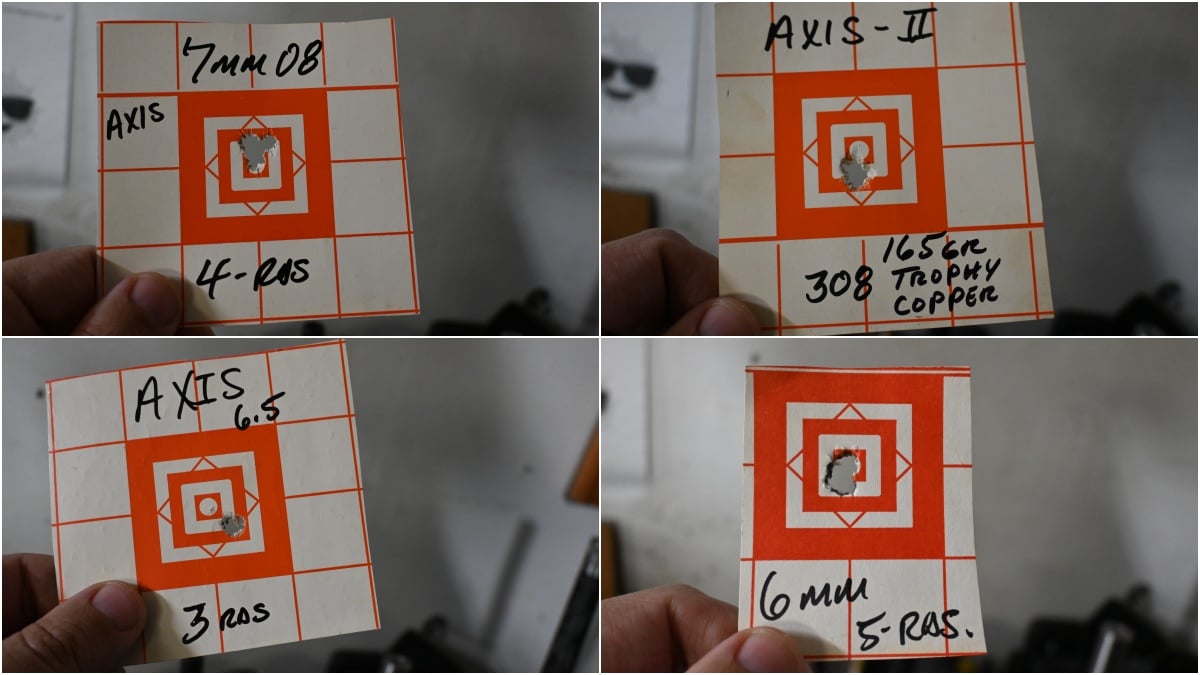
By 2014, the improved Axis II line, with the inclusion of Savage’s AccuTrigger system, hit the market and has delivered a reputation as an accurate rifle that is accessible to a wide range of hunters and sports shooters. Upgrades in ergonomics and feature sets have seen the line expand over the years, and the rifle is now made in over a dozen calibers and variants.
Related Review: Blasting Dynamite with the Savage Axis II Precision Rifle
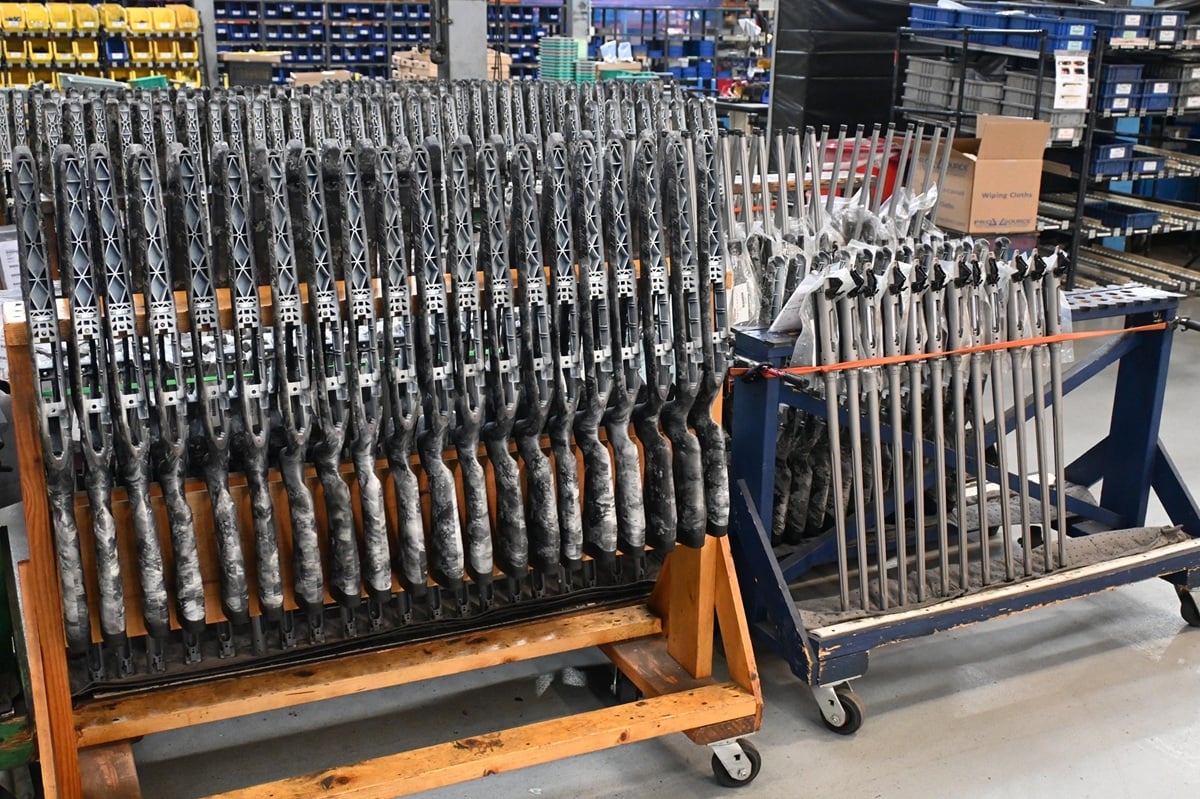
While not every Savage rifle is an Axis II – the company catalogs more than 240 rifles – it is a heavyweight when it comes to production numbers. Savage is the people's champ when it comes to rifle production. Its flagship plant in Westfield delivered 639,591 rifles of all types to the market in 2023, making it the most prolific rifle factory in the country. For reference, the runner-up was Ruger's North Carolina plant with a comparatively paltry 321,160 rifles. To put those numbers into perspective, Savage these days is besting the century-long run of the old Model 99 every two years.
And they are doing it while keeping the craftsmen in the game and retaining accuracy and reliability.
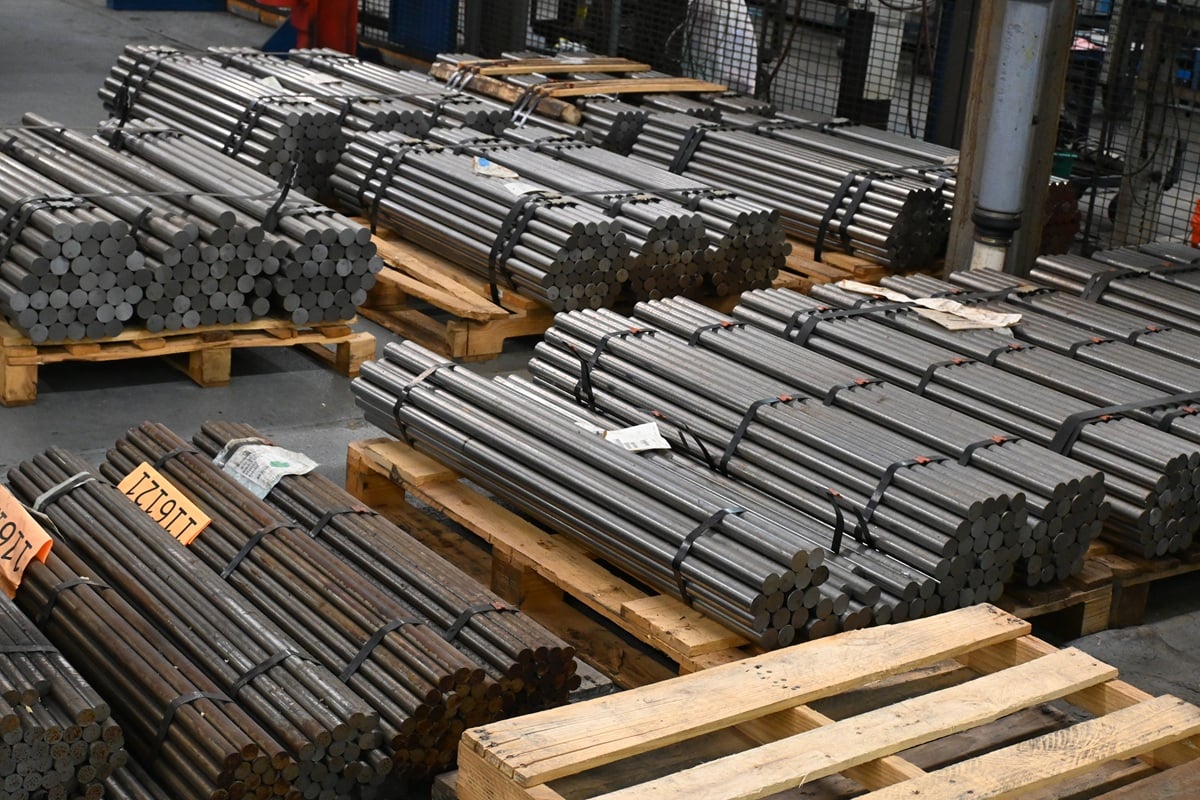
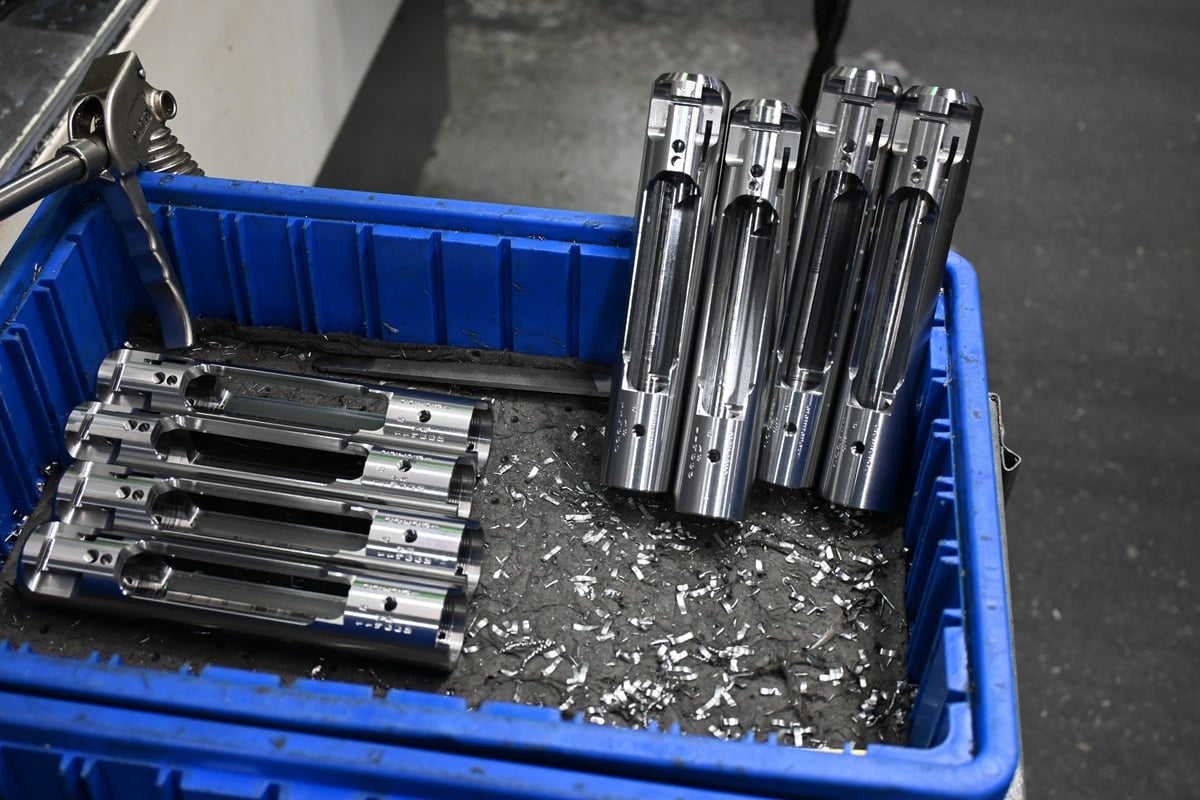
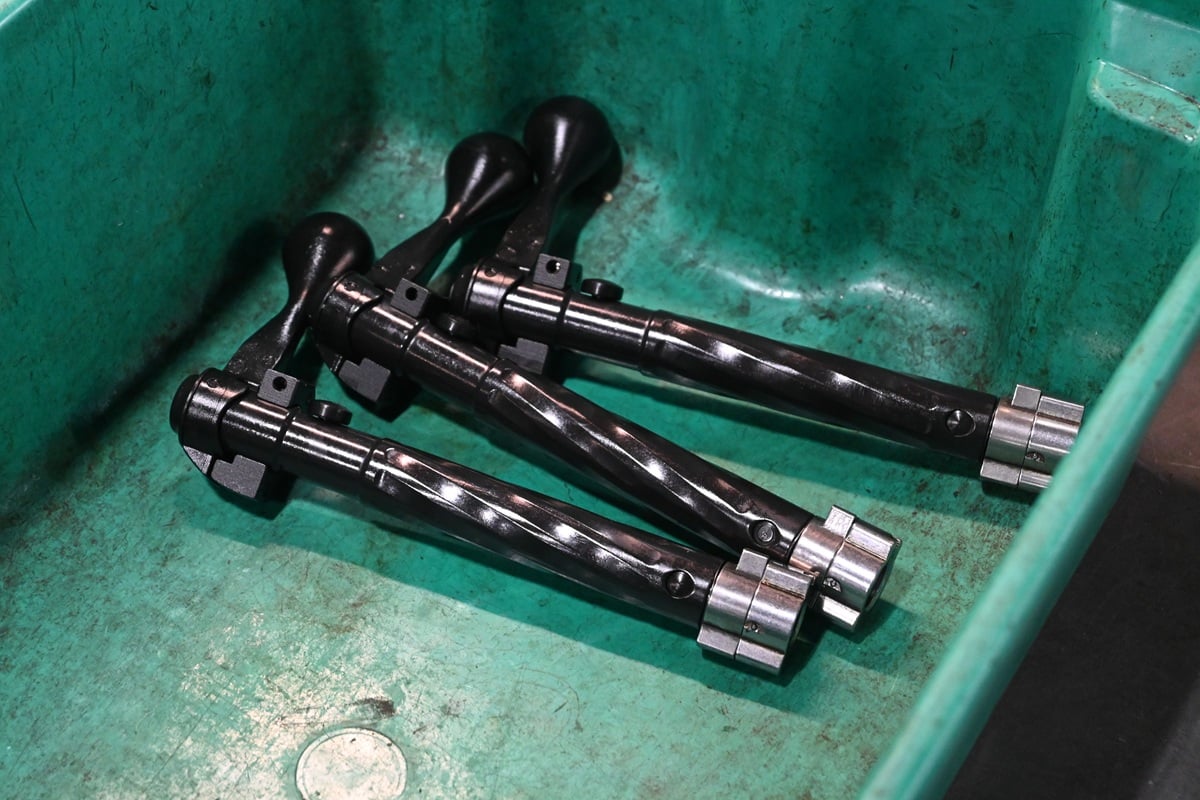
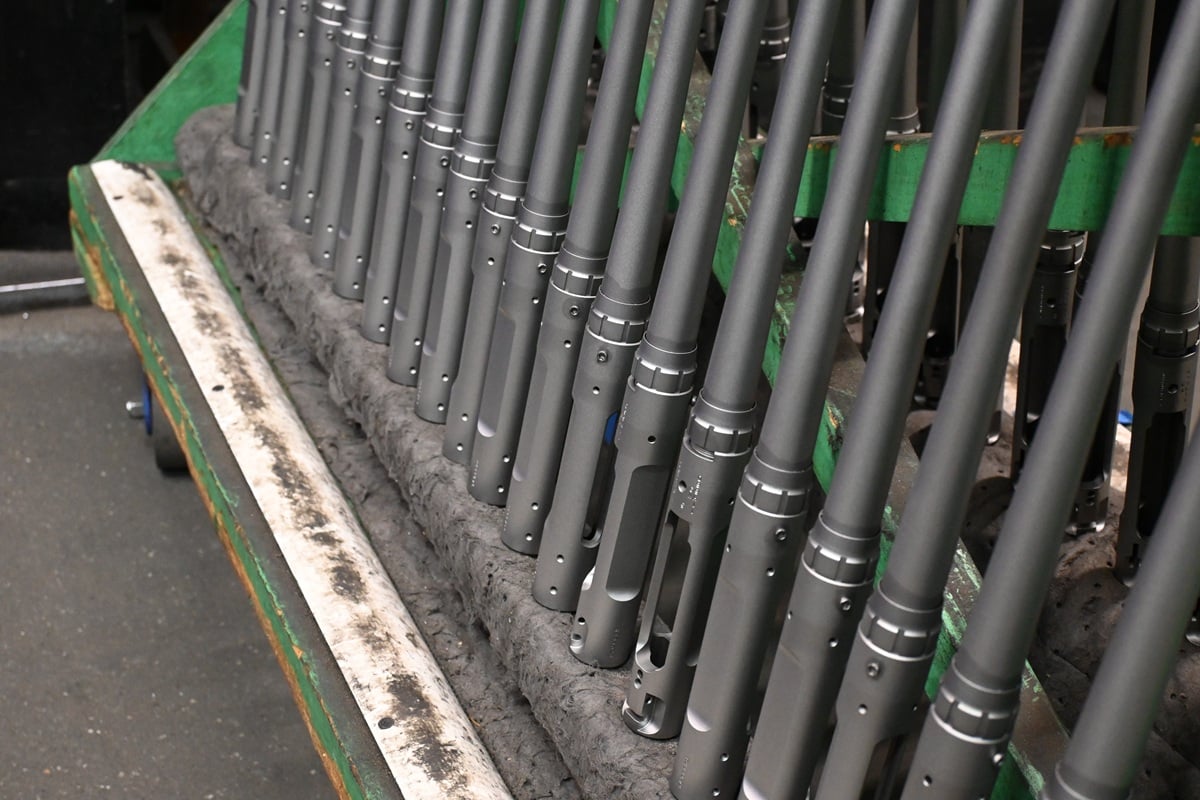
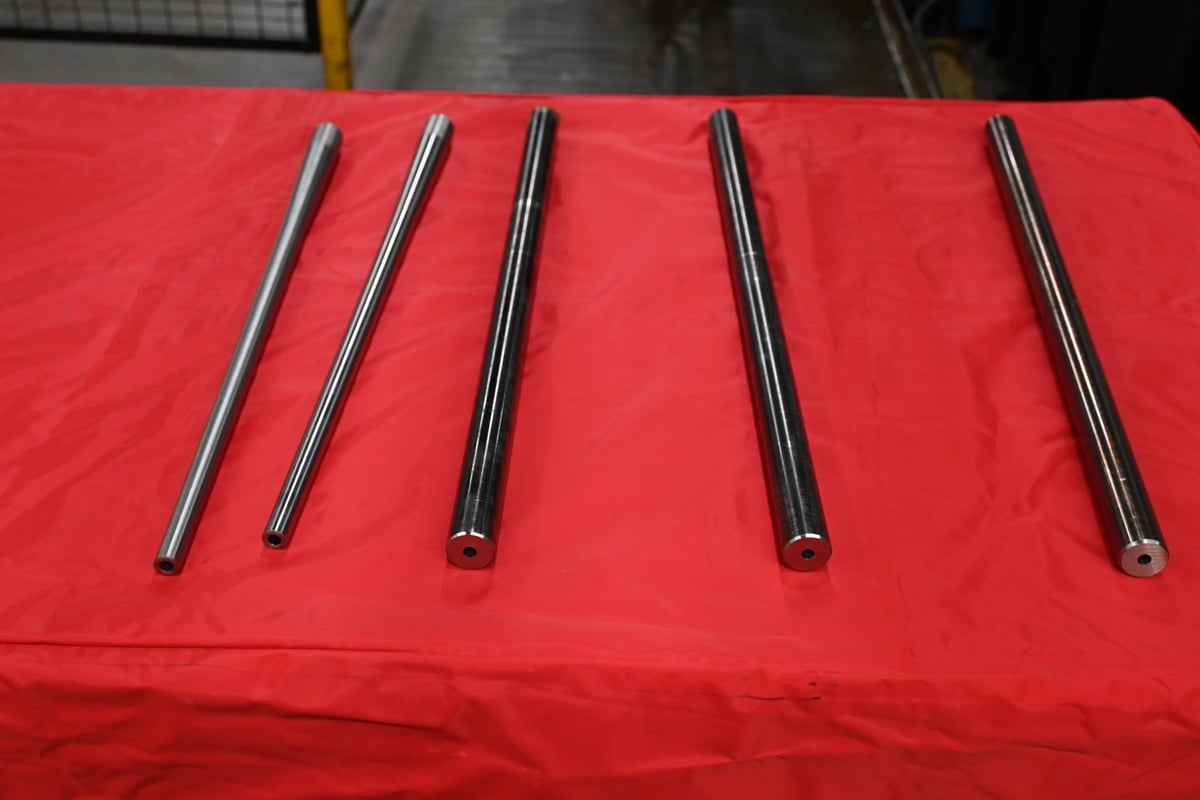
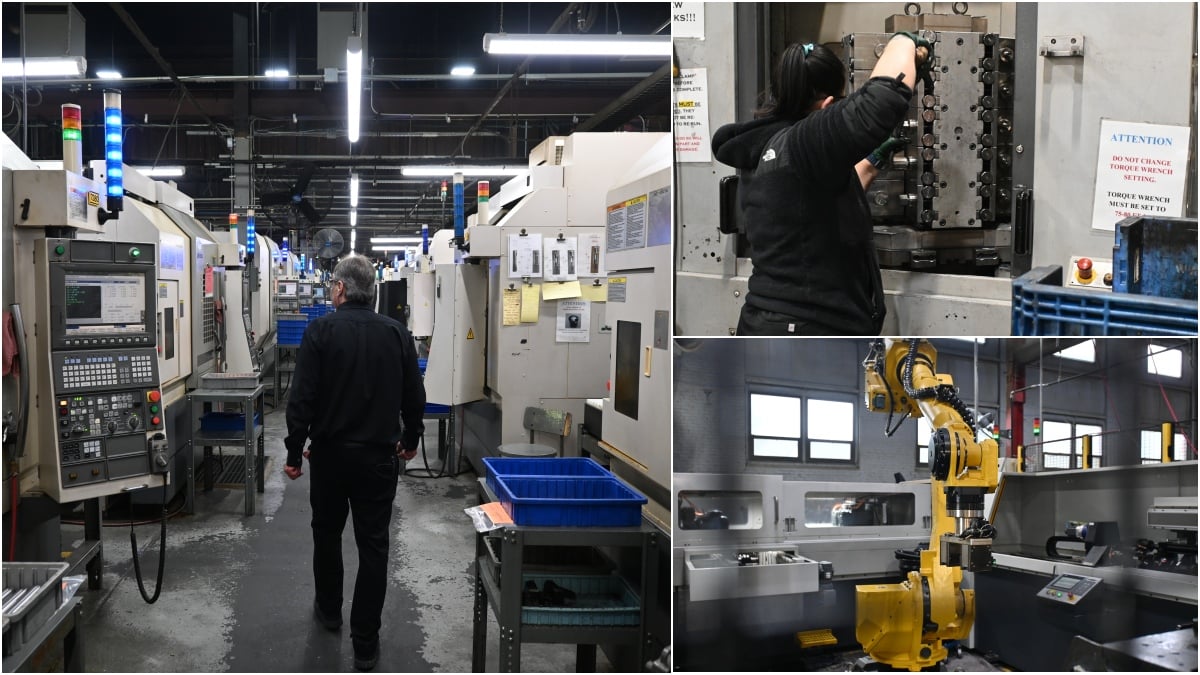
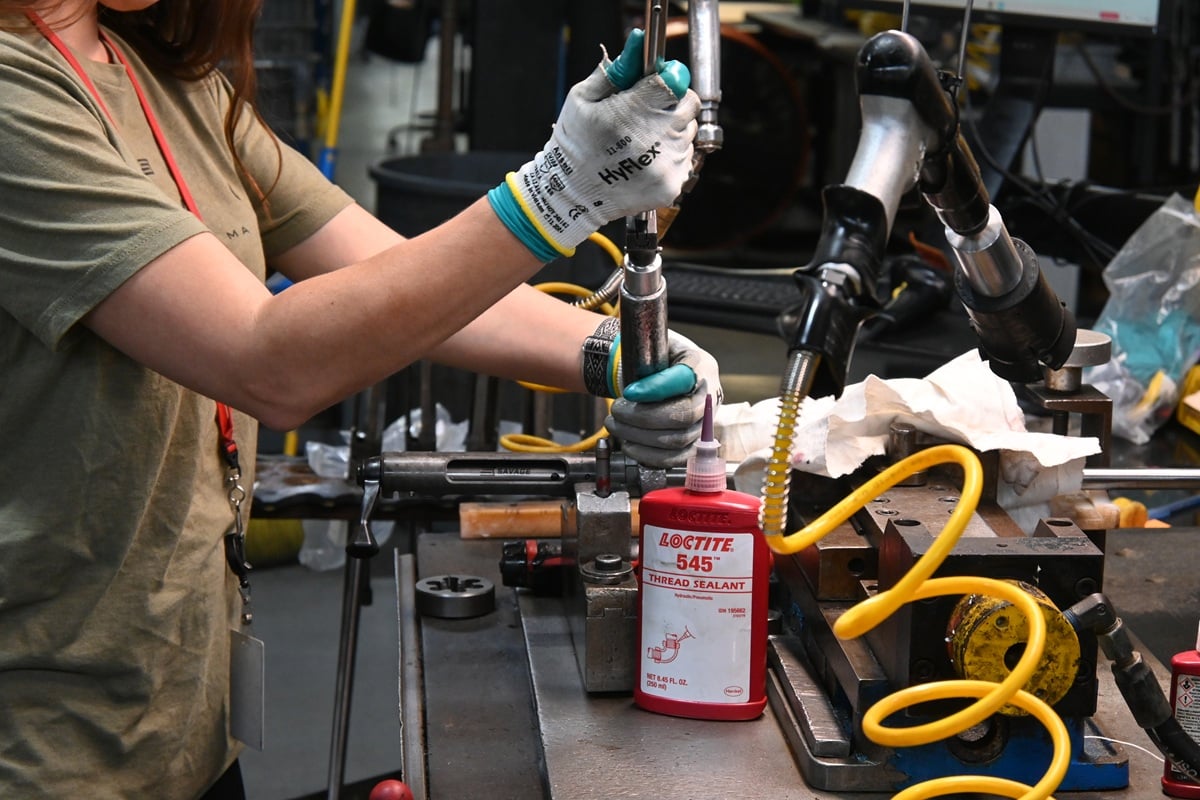
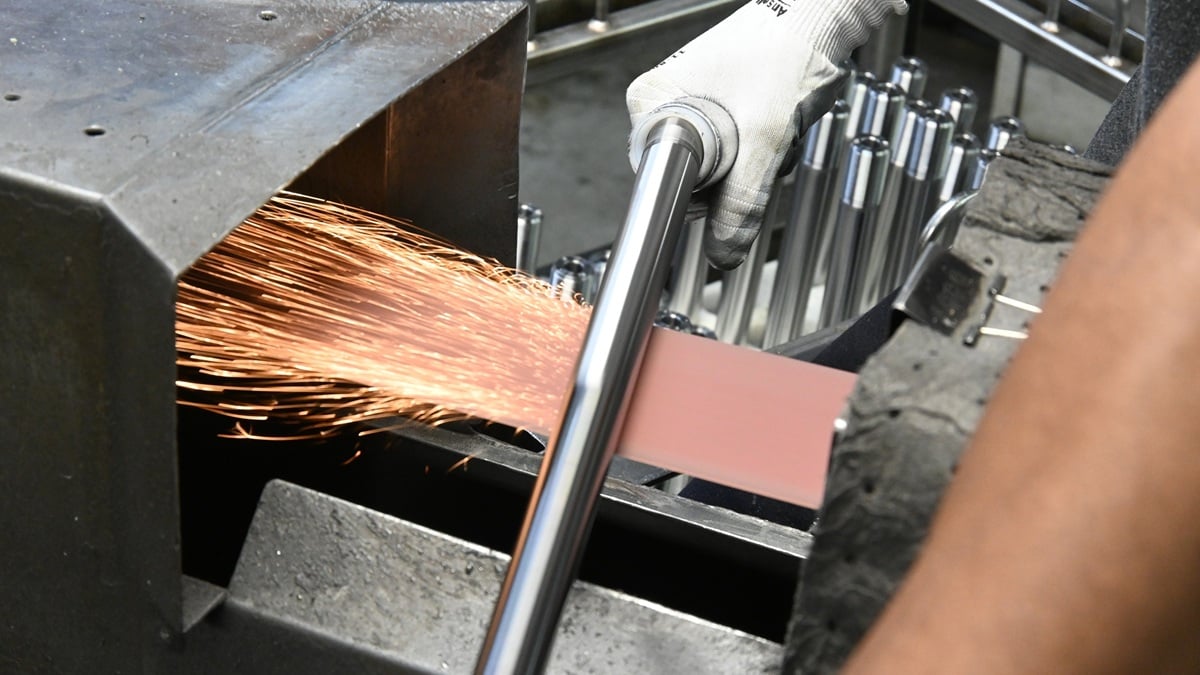
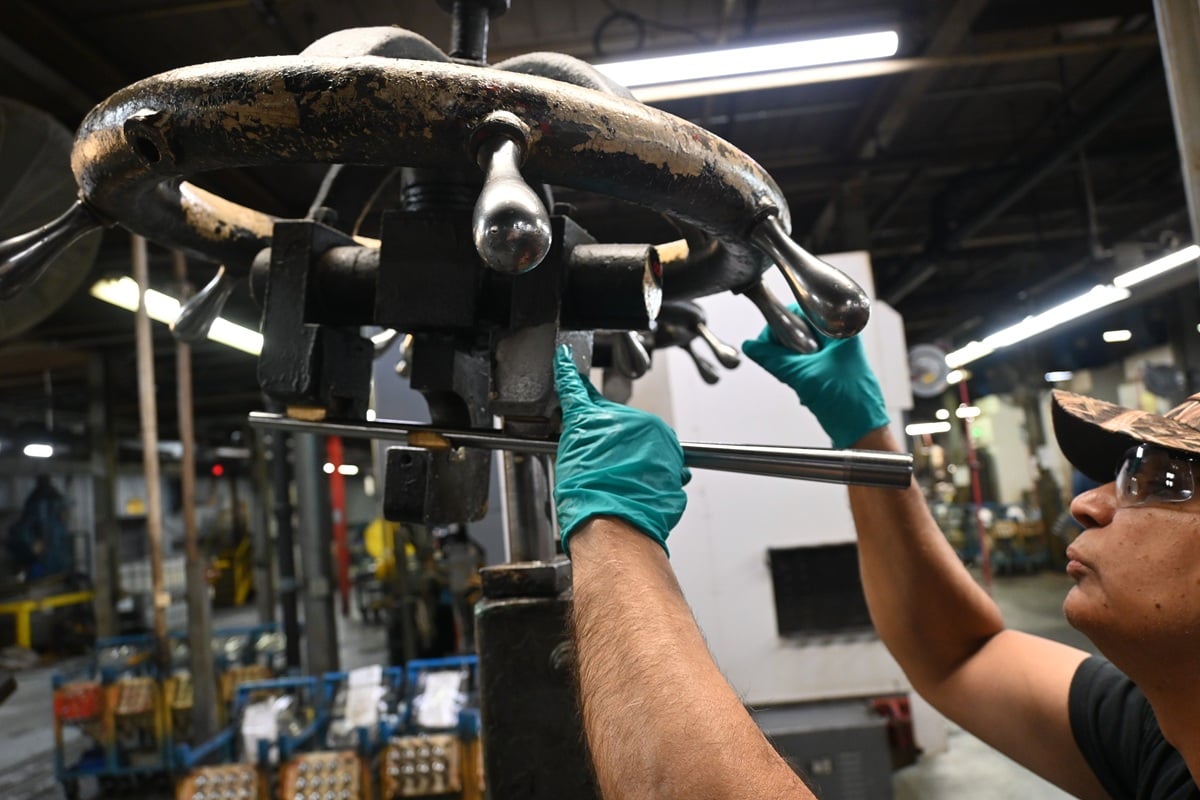
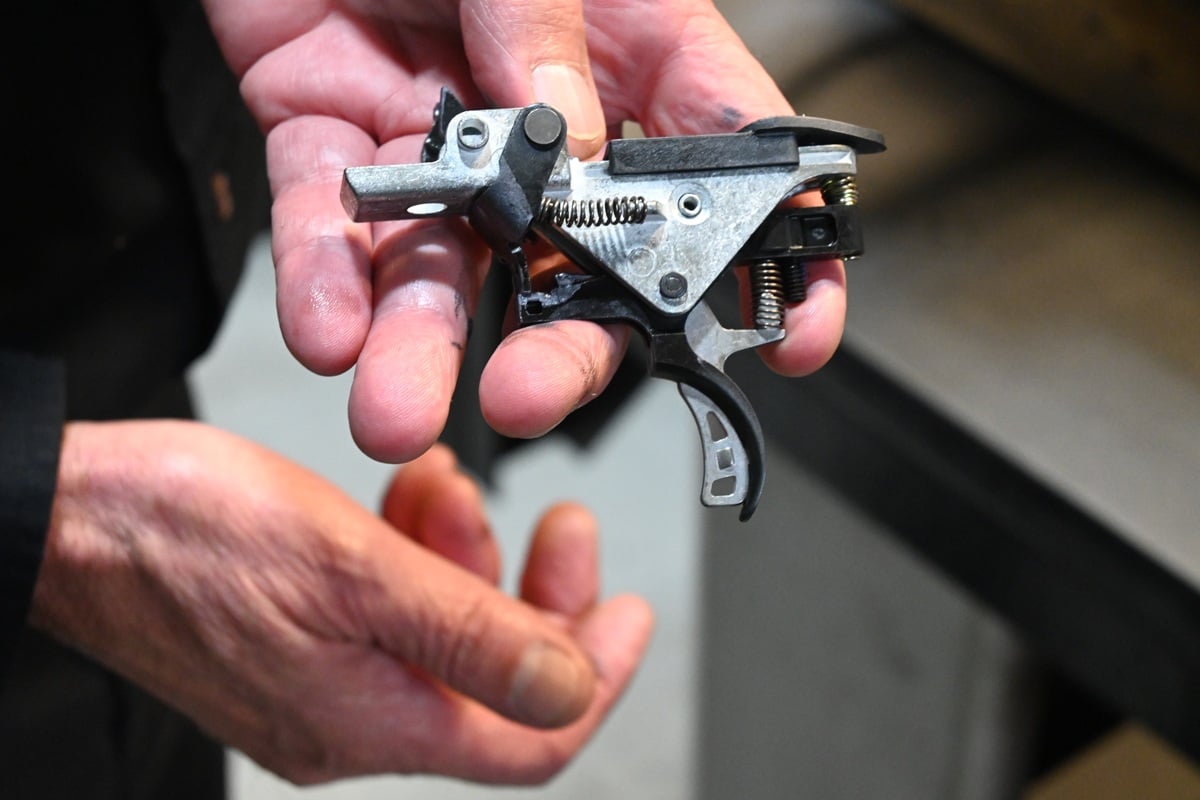
We would like to thank Savage for opening their doors so that we could see "where the magic happens."
Video by Ben Philippi and Scott Gara. Video thumbnail by Brian Vliet. Video shot on Sony cameras with Zeiss lenses. Video hosting via Cloudflare. Article and images by Chris Eger. Still shots made with Nikon equipment. Copy editing by Megan Bradley and Paul Peterson.