A Revolution
America was born of powder and bullets, so our affinity for shooting runs deep. The weapons our forefathers used, like the Brown Bess, fired huge projectiles weighing nearly 500 grains – but their effectiveness was dismal compared to even modern muzzleloaders. The accuracy and power of OG American weapons was somewhat sad, with projectiles that barely achieved supersonic speeds.
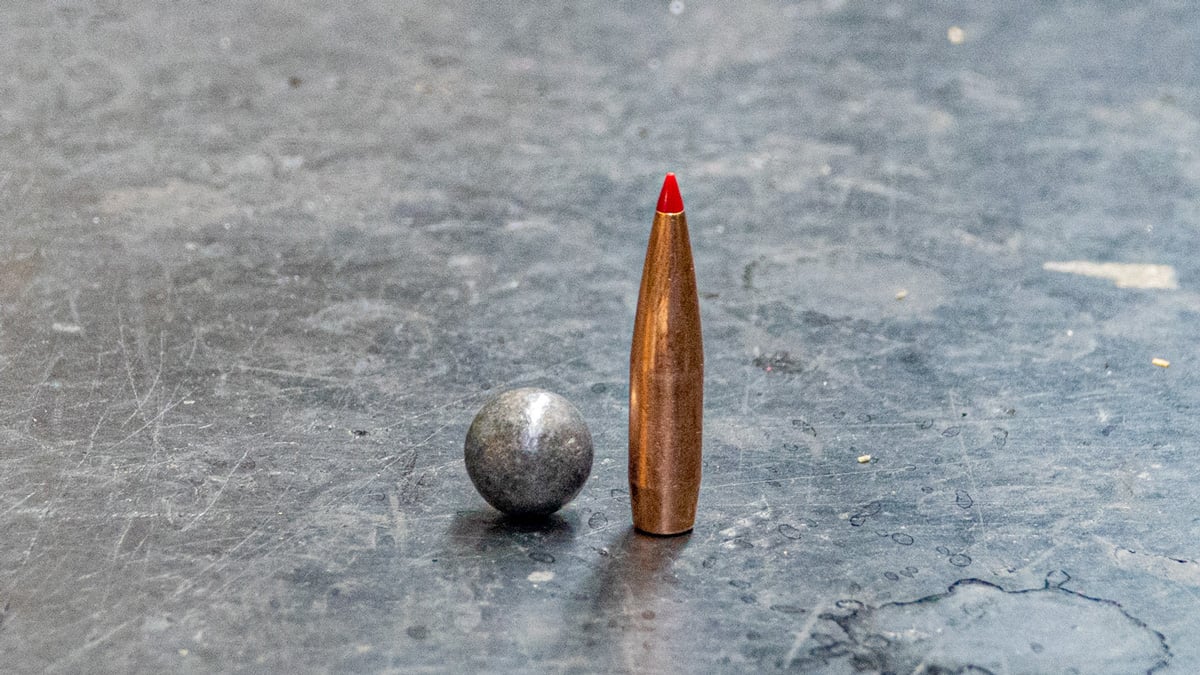
Even so, they managed to secure both a country and the food they were after. It wasn’t long before Americans started hunting everything in sight. Using old Sharps rifles and Remington rolling blocks, they hammered away at bison and other game animals. Though they were much better off with the .45 and .50-caliber cartridges, range and power were still somewhat limited.
The Advent of Bottleneck Cartridges
As smokeless powder and bottleneck cartridges have reigned over the last century, impressive improvements in powder and bullet technology have massively changed the game. I remember a time when hitting targets at 1,000 yards was exceptional, but these days, I do it frequently with a variety of rifles chambered in rounds as small as .223 Remington.

The cost of the equipment needed to shoot like this has come down significantly, too. Even manufacturers known for more affordable firearms have models capable of performing tasks that were unbelievable 30 years ago. What’s even more interesting is that folks are doing it with less and less. Even 20 years ago, people shooting 1,000 yards were typically using a large .30-caliber Magnum, or perhaps a slippery 6.5 cartridge like a 6.5-284 or 6.5-06.
Velocity
The powders we load our cartridges with these days also have much to do with these advances. Black powder muzzleloaders and cartridges were significantly slower. Smokeless powders today allow velocities double that of cartridges of the past. The increase of velocity drives the energy up significantly, which is part of the reason we can get so much out of small bullets.
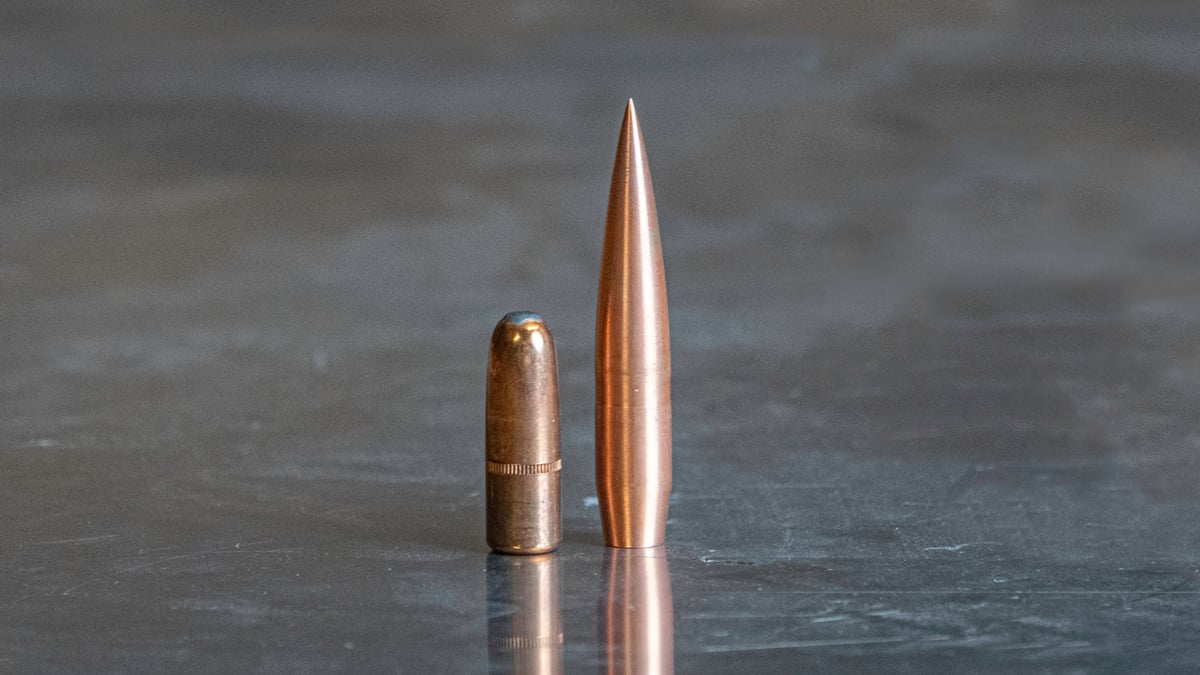
A .54-caliber muzzleloader, for example, would likely generate around 1,500 foot-pounds of energy at the muzzle. This energy would drastically drop as it gets farther downrange. By comparison, a lowly .308 Winchester could have the same energy as far away as 500 yards. Smaller cartridges like my next example have even more, at farther distances still.
Ballistic Supremacy
Ballistic enhancements from bullet manufacturers account for a good portion of the reason so many people are shooting so well at such extreme distances. I’ll share one example: the Sierra Bullets .25-caliber 131-grain Match King. I know the gentleman who designed this bullet and was part of early testing nearly a decade ago before it became part of the lineup.
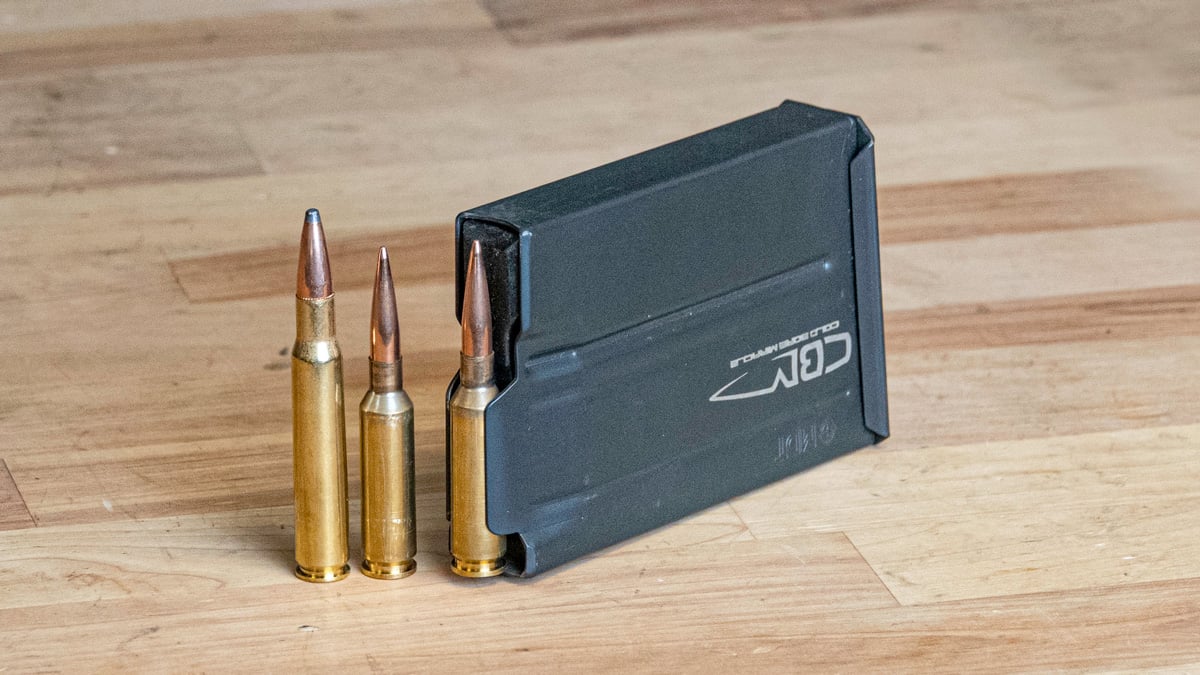
The 131 had all the right curves, with the density and ogive that gave it an exceptionally high ballistic coefficient. By being thick where it was needed, and long and slender in the right spots, the bullet gave a performance well above its nearest competition.
The result was an exceptionally accurate rifle chambered in 25 Creedmoor. It became one of the most predictable long-range shooting rifles I owned, regularly making easy first-round hits anywhere inside a kilometer. Keeping more than 1,500 foot-pounds of energy at distances like 750 yards downrange. This predictability and power also allowed first-round kills on big game animals at even farther distances – such that many would consider it ludicrous.
Doing more With Less
If you had a time machine to go back 40 years and told shooters of the day about a shot like that, you’d likely be mocked. At the time, even long-range shooters were using Magnums and such to push much bigger bullets to get comparable performance. And if you continued back into the days of buffalo hunters the story would seem mythical.

The animals of North America have been hunted for millennia, but never before have so many been taken by so little. Mighty elk were once hunted using massive 400 or 500-grain bullets, necessary at the time to be effective. Today, the same elk can be dropped in his tracks by one of my children shooting a 25 Creedmoor with basically a quarter of the bullet weight that was once used.
As our bullets get more efficient and the powders that push them improve, their flight characteristics will only improve. Not only are we doing more with less bullet, but we are also doing it farther out. The Brown Bess of the Revolution was effective as far as 100 yards.
Related: Brown Bess vs. Ballistic Gel – Testing Revolutionary War Muskets, 250 Years Later

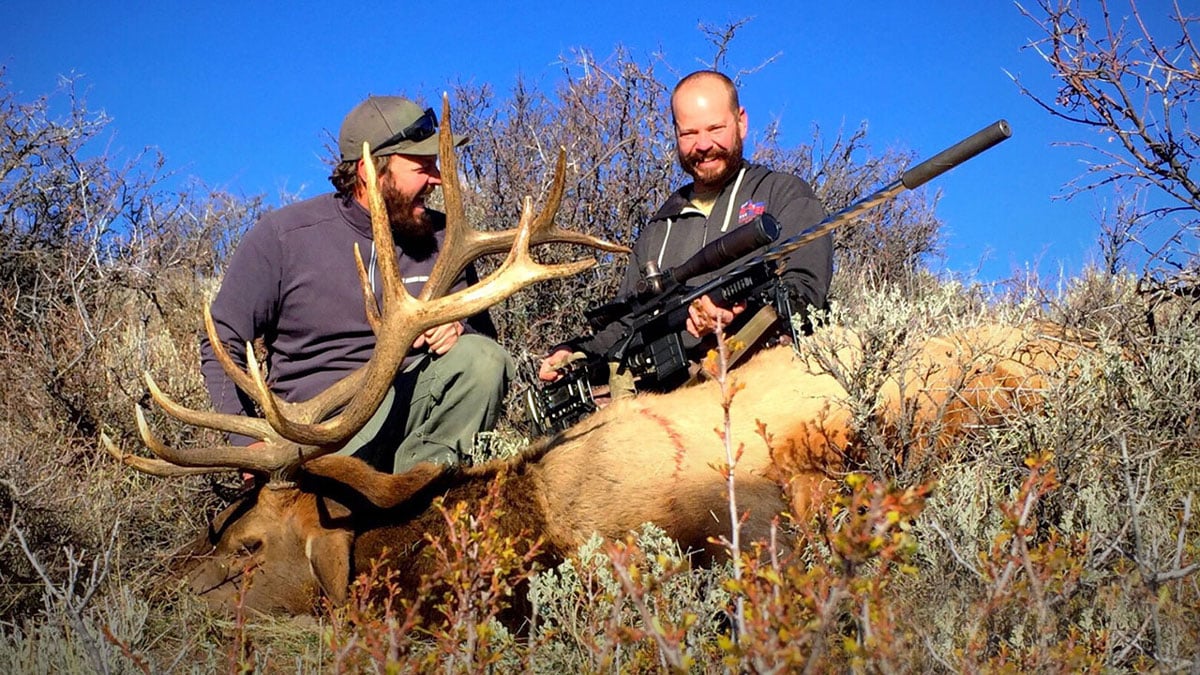
By comparison, almost every rifle I own, including the .223s, would have put some serious gaps in the redcoat formations from a distance considered safe viewing for women and children at the time. Even the big game hunters like Buffalo Bill and his associates would be stunned to see a big bull elk or bison drop from nearly a half mile away from a 140-grain bullet.
What Comes Next?
I am unsure if the next step in shooting will be even more efficient bullets and propellants. Perhaps they’ll just skip ahead to energy weapons at this point, which might be an easier option.
One thing is for sure: shooters and hunters are doing more and more things with less bullet. As we race toward the most efficient design and maximum performance, the trend of going smaller seems to continue. It is with measured optimism I look forward to seeing what comes next.