1. Forgoing the Range
One of the most common mistakes any hunter can make is skipping or not spending enough time on the shooting range. Whether you are an established hunter or a first timer, success depends upon practice. The best habits are built on the range. Bragging about only having to fire one or two rounds each year, or none at all, is not a brag. In fact, it reveals the opposite.
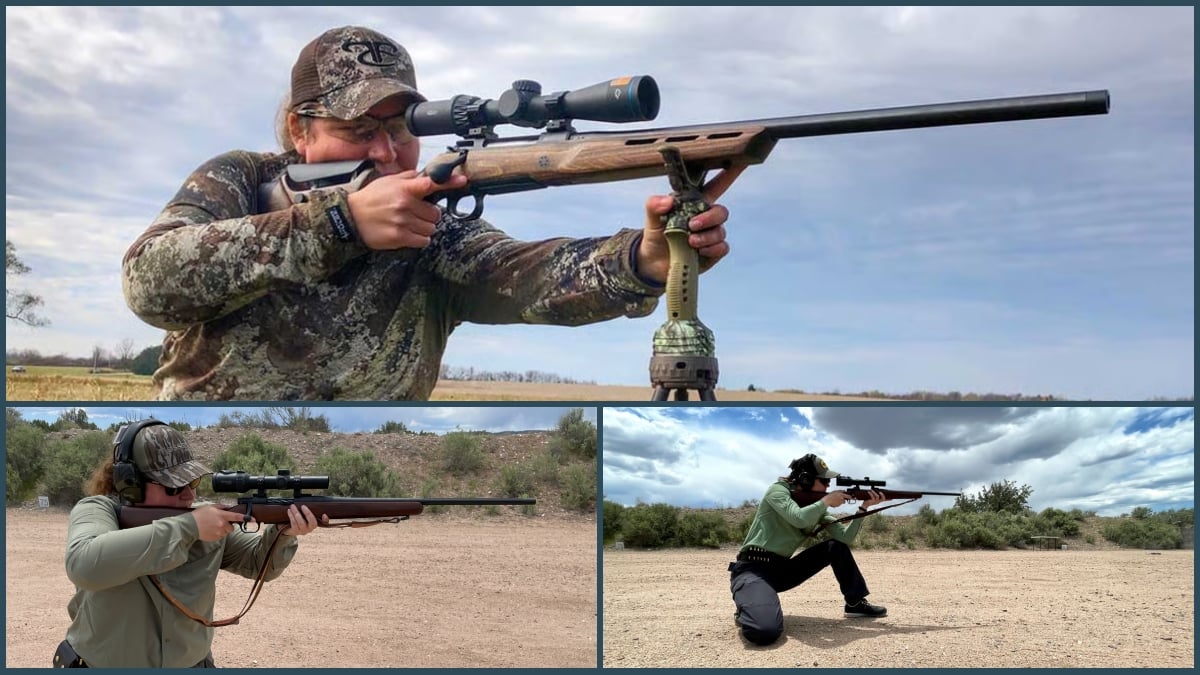
We all know ammunition is expensive, but there is no replacement for live fire. Shoot from the bench. Shoot from sticks, a bipod, offhand, or whatever manner you intend to hunt. You’ll not only build confidence, but you’ll also uncover any potential pitfalls and have the chance to correct them before the moment of truth.
2. Dressing for Style, Not Success
Don’t choose your camouflage or blaze apparel based on the latest hot name or flattering, slimming appearance. Rather, set yourself up with durable, practical, quiet, and suitable gear for the type of hunting you’ll be doing. You won’t be hunting long in the cold if you are freezing or in the sun if you’re overheated. You won’t cover miles if your boots are ill-fitting.
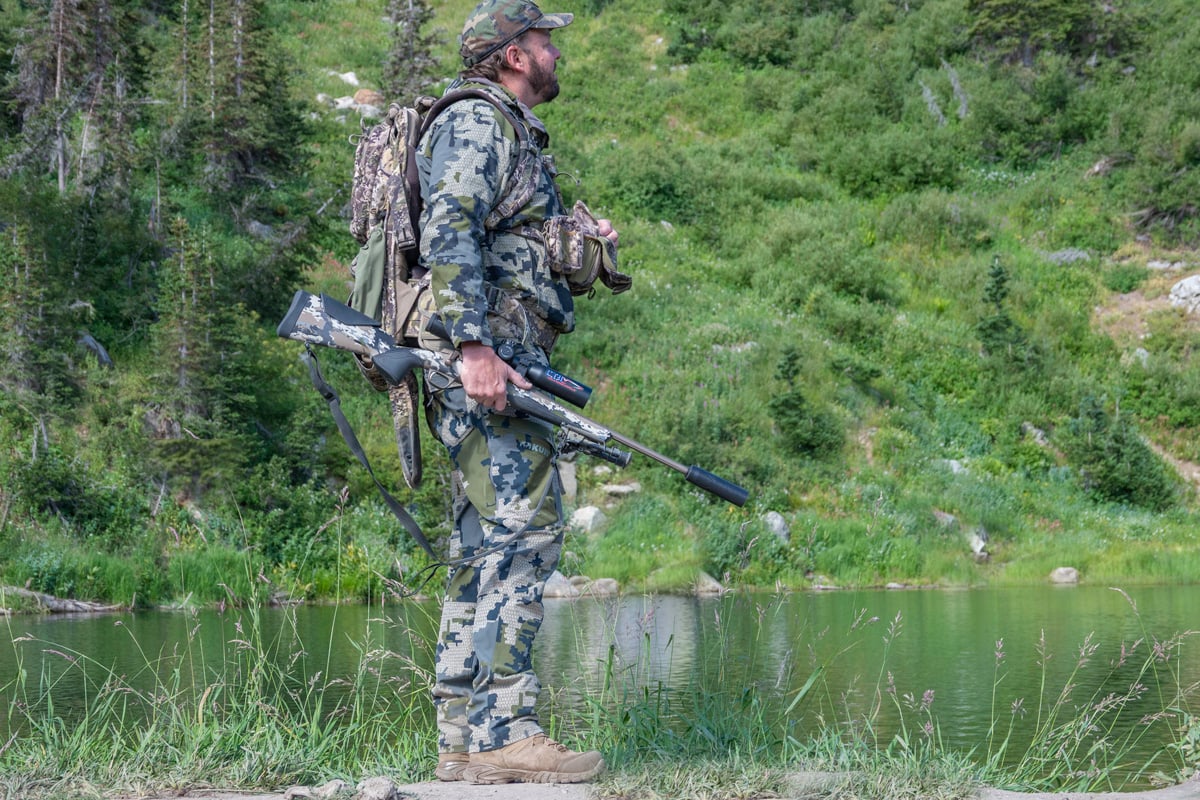
Gear without pockets is seldom practical. Cheap is not usually quality, but the buzziest brands are not necessarily the best, either. Do your research. Buy good stuff once; set yourself up with the layers, raingear, and a system that will allow you to pursue your passion for years.
3. Stinking it Up
I’ll be the first to point out our parents, grandparents, and ancestors bagged their game with no scent control sprays or specialized clothing. There’s simply no replacement for playing the wind. Ideally, the hunter will have multiple locations to leverage the wind to their advantage, keeping their smell away from approaching game.
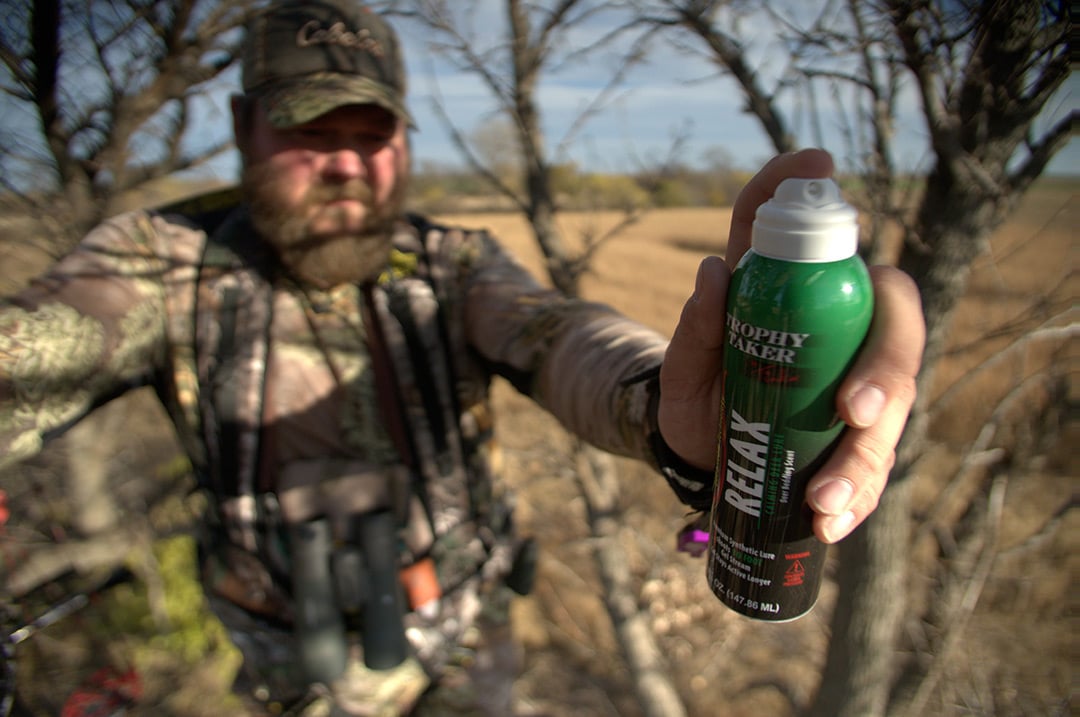
That’s not always possible, so it never hurts to be mindful of scent. Whether you hunt high in a tree, utilize ozonation, or scent control products, there’s no denying we humans carry foreign odors to the nose of wild game. Remaining mindful of that fact and mitigating as much as possible will bring more deer into range.
4. Poor Stand Placement
Don’t rush out to the woods and pop up a stand in the first location you see. Do some scouting. Consider the direction of the rising and setting sun, as you don’t want to be staring directly into it at the bewitching hour. Consider if the prevailing wind direction will carry your scent into the deer's most common approach.
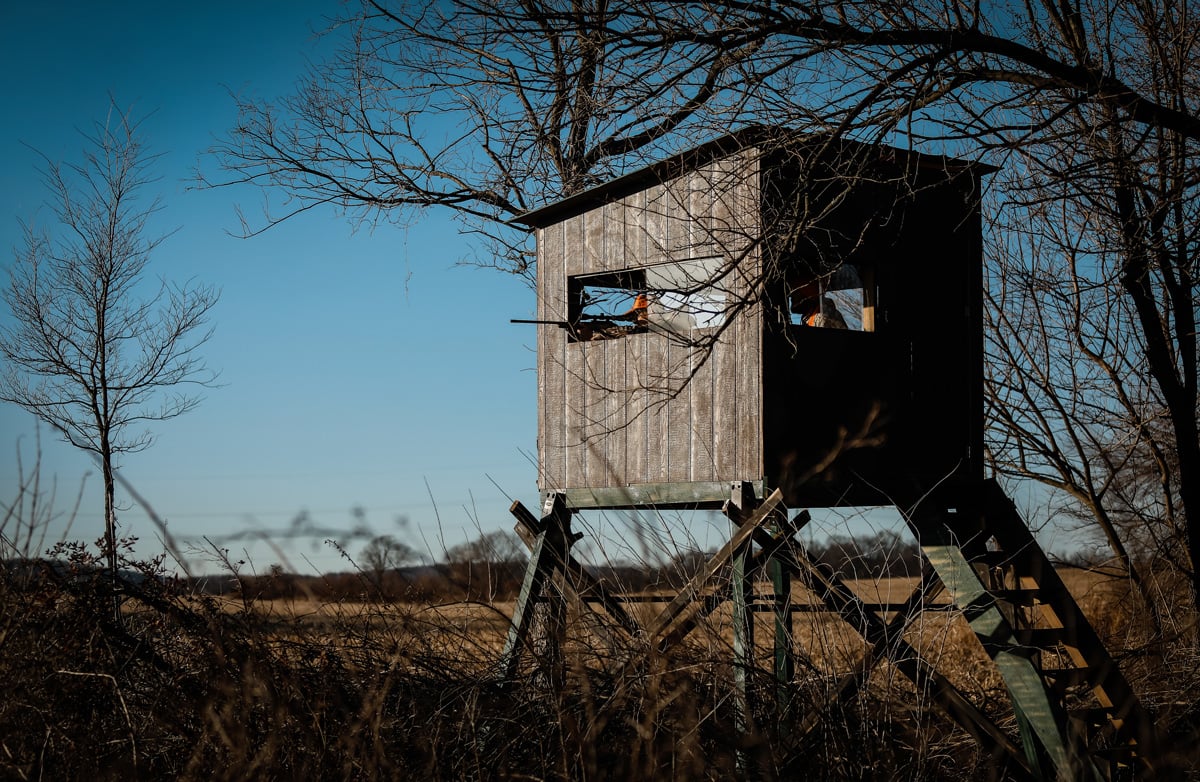
Position yourself in a prime location for animal movement, often between bedding and feeding areas, or off a well-traveled trail. Give yourself some natural cover. Blend in with your surroundings, be mindful of your placement, and you’ll be far more likely to get that shot of a lifetime.
5. Too Much Noise
Let’s face it: if you hunt enough hours, you’ll be at least a little uncomfortable, fidgeting, unwrapping Little Debbies, and trying to pass the time. Finding ways to keep that sound and movement to a minimum will help you succeed. Pack snacks that are quiet – or unwrap them ahead of time and repack in softer baggies. Take stretching breaks when the coast is clear.
Whisper with your buddy instead of talking aloud and be aware that the hard of hearing often speak louder than they realize. Wear quiet clothing. Minimize the noises that are likely to spook the game you don’t even know is nearby.
6. Under/Over Scouting
This is like the three bears. If you don’t scout enough, you won’t be in tune with the area and your quarry. If you scout too much, you’re likely to spook them into nocturnal patterns. Find a happy medium.
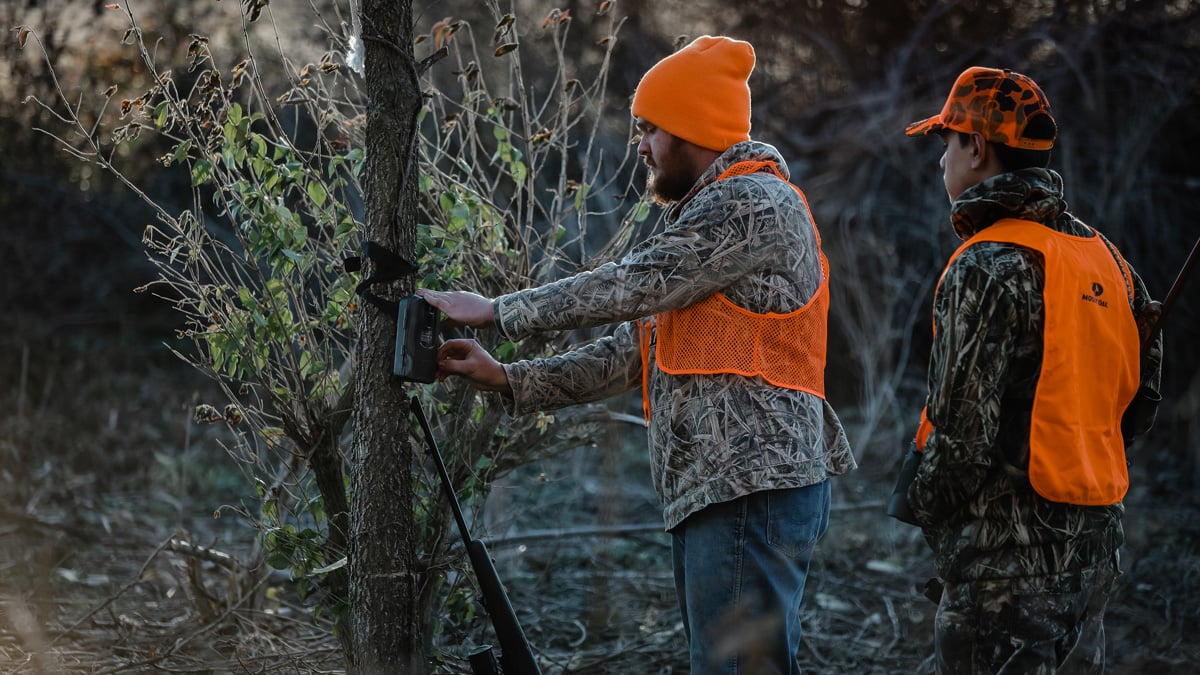
Use modern tools to your advantage. Cellular trail cameras eliminate the need to be in and out of prime areas all the time. Apps like onX allow you a birds-eye view of the terrain for scouting potential stand locations or hiking routes. Find a happy medium to scouting; therein lies success.
7. Cheaping Out
Now more than ever, budget-friendly guns are becoming incredibly feature-rich and accurate far beyond their cost. That said, buy the best you can afford. That’s especially true when it comes to optics. I can’t tell you how many hunters we’ve seen buy $1,000 rifle, only to top it with a sub-$100 scope set in $10 rings.

That may work for a while, but it will likely lead to failure and disappointment. You don’t have to spend big money to be successful, but a little research goes a long way. Don’t blow your budget on a rifle, leaving nothing for the scope, rings, binos, or other gear. Find a nice balance and run with it.
8. Not Being in the Woods
You can be prepared and have everything else correct, but if you’re not in the woods or afield, you simply can’t be successful from the couch. Of course, you always want to use weather conditions to your advantage, but often, the best hunting is uncomfortable. It’s cold. It’s windy. Your feet are sore. You’re tired. But the hunters who put in the hours and miles are the ones who succeed.
9. Ignoring Your Range & Capabilities
None of us like to admit our shortcomings. Yet in the interest of ethical hunting, it is paramount that we are honest with ourselves – if not our hunting partner or guide – about our capabilities. We should all know from our time on the range how far we can shoot repeatably well, and we should never exceed that range.

That distance will change based on shooter positioning, field conditions, chambering, terrain, and the like. Be prepared to pass on a shot or sneak in closer. Don’t shoot and hope it connects. Know your ethical range and personal capabilities to make a clean harvest. We owe that to our game and to ourselves.
10. Failing to Plan
We hunters are usually pretty good at preparing for the actual hunt. But we’re also good at two bad things: overlooking safety and forgetting to prepare for what happens after the shot. If you’re hunting elevated, use a decent harness system and learn it well. Whether you hunt from a height or on the ground, pack a first aid kit, including a tourniquet, and know how to use it.
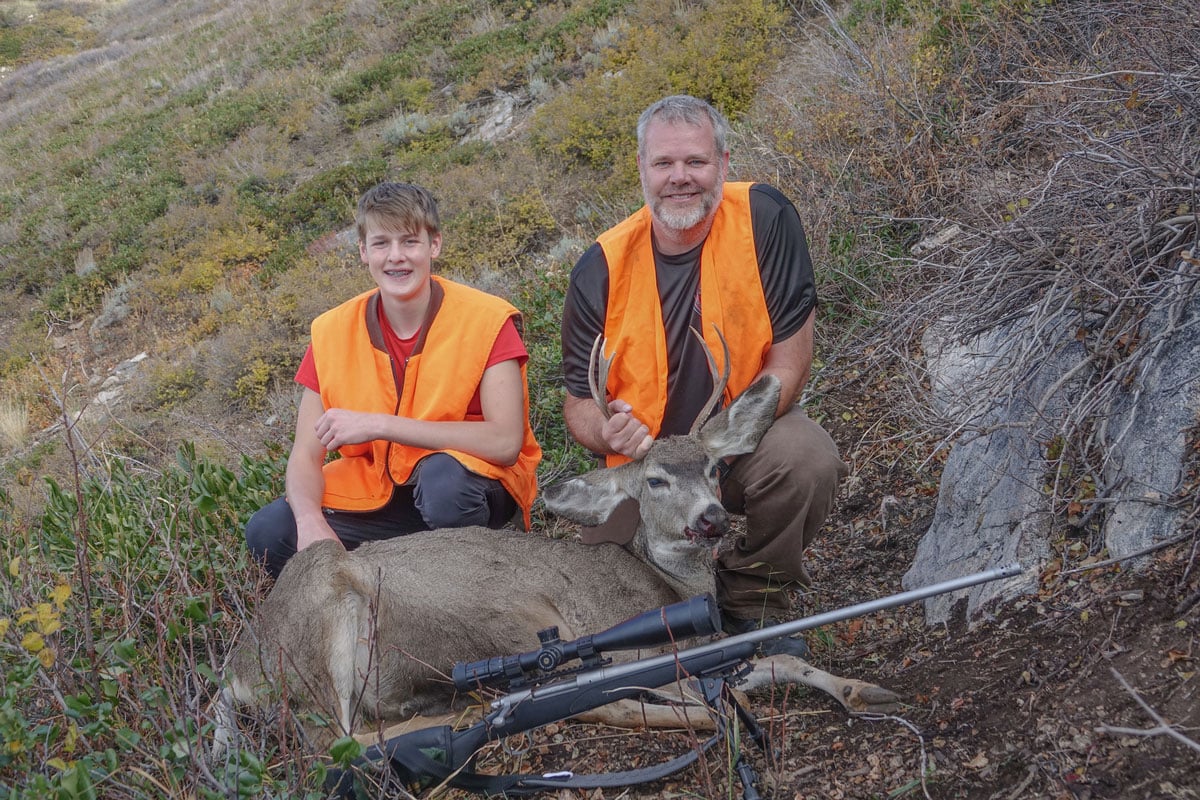
Part of that preparedness means being ready for what happens after the shot. Think of things like a headlamp or lantern, hunting knife, GPS, batteries, TP (for tracking and other missions), and a backpack or container to hold these items and pack out your animal, meat, and refuse.
Summary
As the saying goes, failing to plan is planning to fail. Put some thought into how you can avoid the most common hunting mistakes, and you’ll not only be a prepared hunter, but you’ll be ready when that big buck steps out.