Early History
As the gun writer David Lapell put it, arms development in the 19th century was a deadly game of keeping up with the Joneses. It was a time of rapid development after centuries of inertia, but the development of smokeless powder by the French ran where all other modern developments today walk.
Like the French Revolution, fervor for smokeless powder infected all those who could develop their own. Smokeless powder allowed arms makers to drive a smaller bullet with a flatter trajectory at energies double that of existing black powder cartridges, with no smoke, little residue, and no noise.
The “no noise” bit was part of the propaganda, but the other aspects were real. Overnight, an infantryman with a smokeless rifle had double the distance of his predecessor.
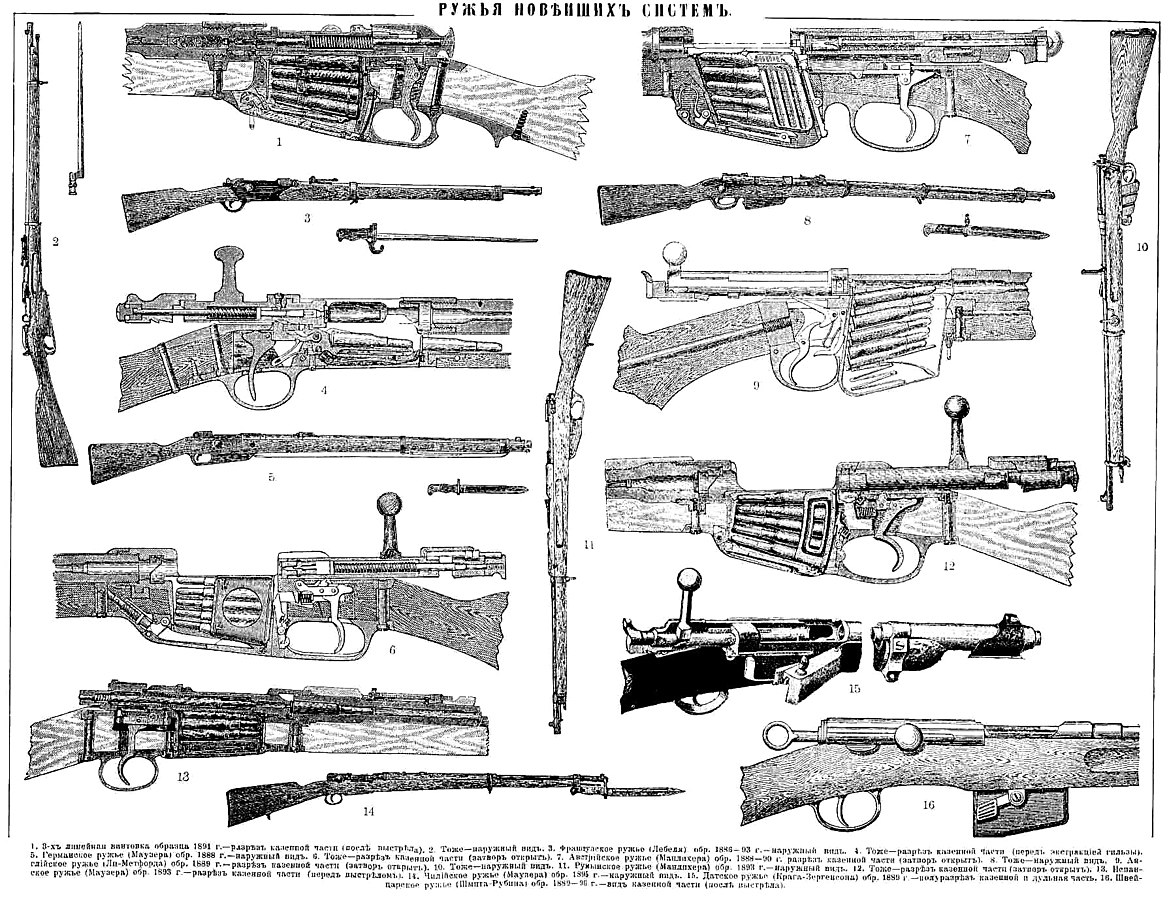
Smokeless powder also opened the door to practical auto-loading weapons. Imperial Russia was a French ally but faced an expansionist Germany to the West and Japan to the East. They needed a new rifle, lest they be left behind.
Russia ultimately chose the Model 1891 Three-Line Rifle developed by a committee led by Gen. Sergei Mosin of the Imperial Russian Army. Belgian gunmaker Leon Nagant’s competing rifle lost the contest, but some features of his rifle made their way into the final design. Hence the modern name: Mosin-Nagant.
General Specs
The Model 1891 was a five-shot bolt-action rifle with a single-stack box magazine and monolithic trigger group that protruded below the single-piece wooden stock. Like other infantry rifles of the time, it featured a wooden handguard and a partial cleaning rod housed under the barrel.
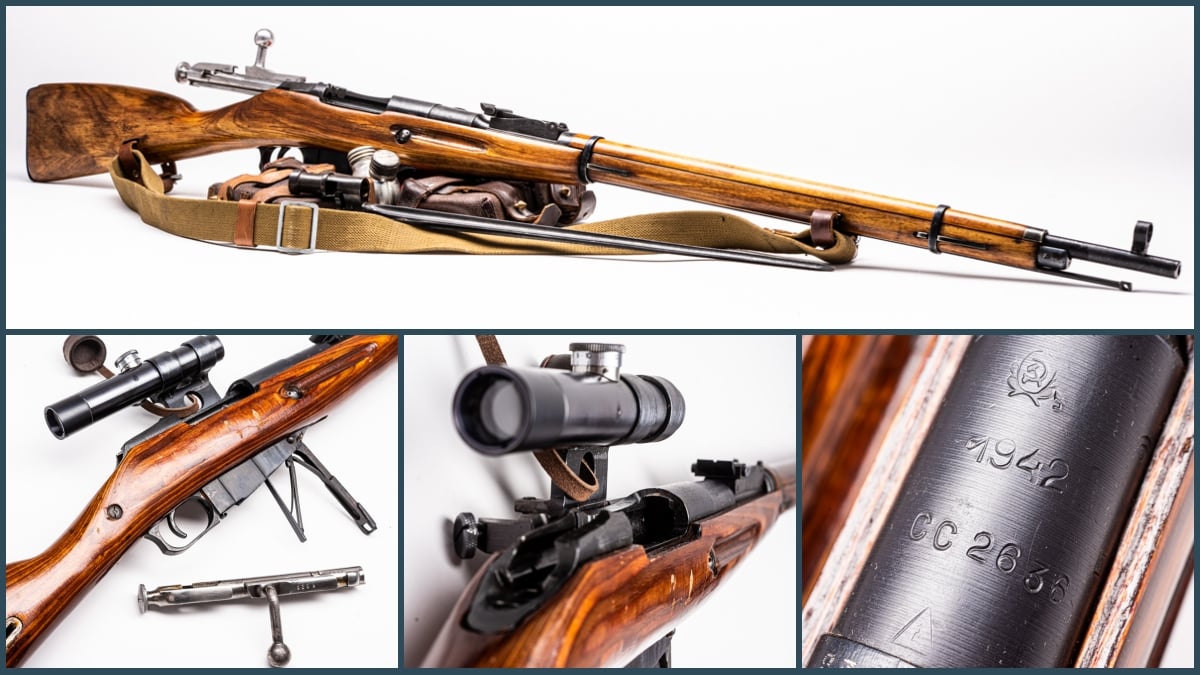
Sights were a V-notch rear that was ladder-adjustable and a barleycorn front sight that was drift-adjustable. The most prominent Nagant feature is the use of a stripper clip system for rapidly feeding the fixed magazine.
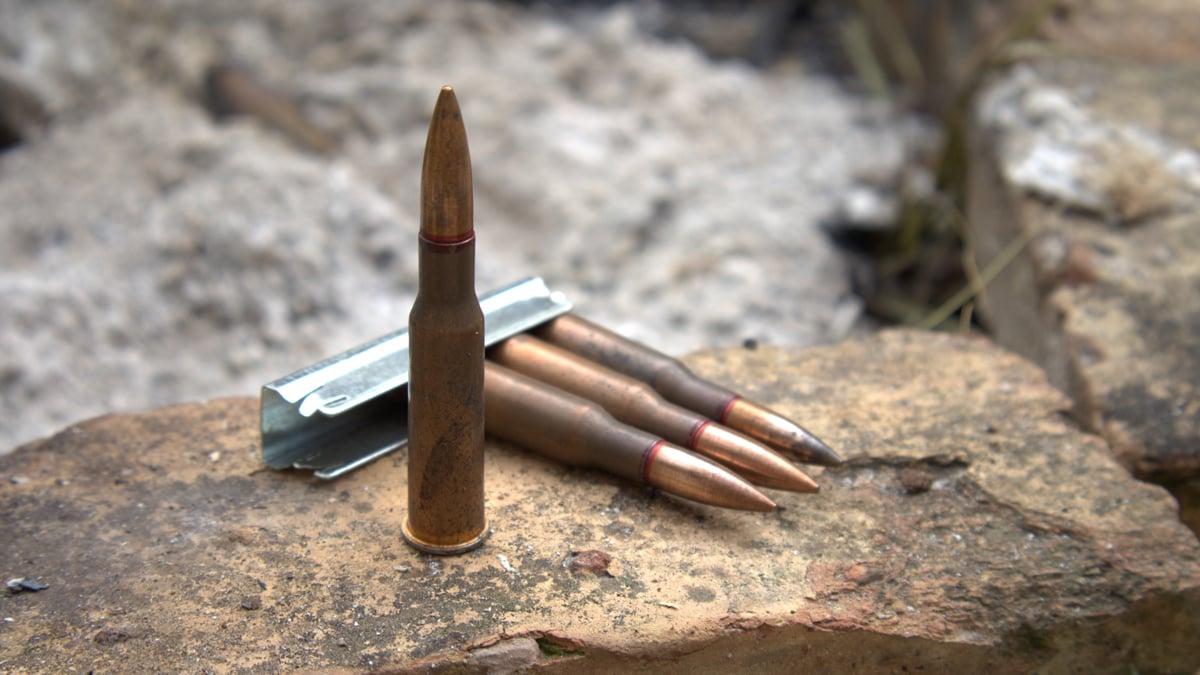
The Mosin Nagant was originally designated the Three-Line Rifle, denoting its .30-caliber bullet in the old Russian unit of measurement of one line (0.1 inch). The cartridge in question is the 7.62x54R round, which used a nominal .311-diameter copper-jacketed 210-grain round-nosed bullet housed in a rimmed, bottlenecked case.
In 1908, a 148-grain spitzer bullet was introduced – a configuration that remains the basis of 7.62x54R ammunition today.
Further Development
The rifle itself underwent a few more changes. The original Model 1891 came with a 31.5-inch barrel, while the slightly handier Dragoon model meant for mounted troops has a 27.5-inch barrel. Unlike other nations at the time, no dedicated cavalry carbine was issued in volume.
In 1930, the more economical M91/30 was adopted. It shaved the barrel length down to 29 inches and used a less expensive round receiver instead of an existing hexagonal receiver. Two years later, the Red Army began its sniper program in earnest by equipping accurized 91/30 rifles with turn-down bolts and imported German riflescopes later manufactured as the PU and PEM scopes in Soviet service.
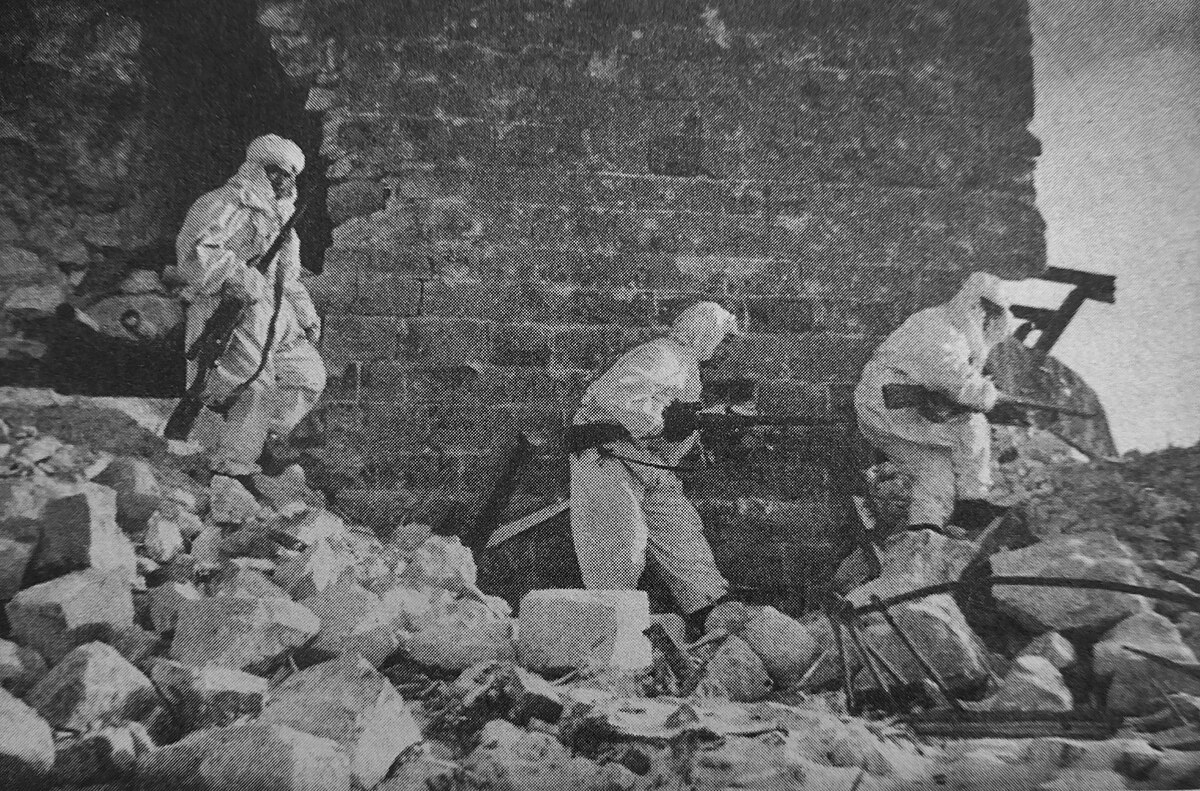
As the Red Army began expanding to meet the threat of German aggression, the need for a carbine for rear service personnel and cavalry was met with the adoption of the M38 carbine in 1938. This lighter, handier long gun has a 20.5-inch barrel but is otherwise identical to a 91/30.
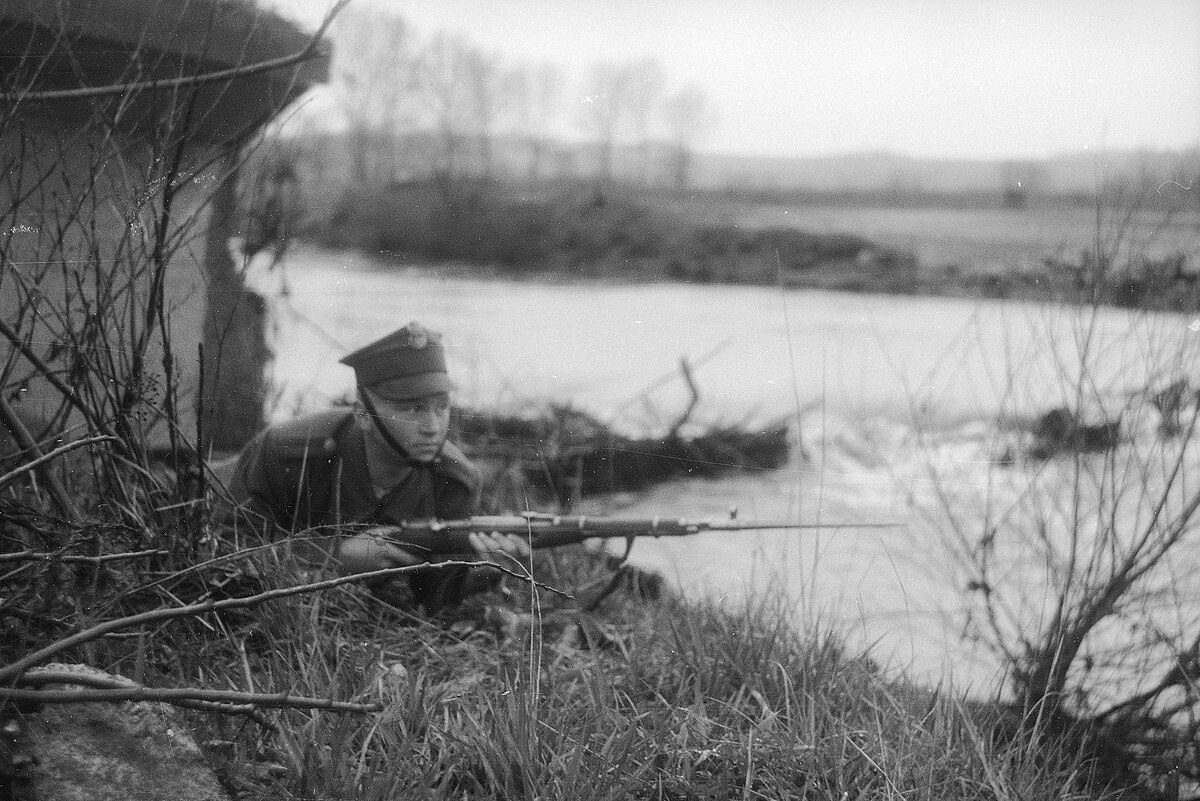
The final Russian iteration of the Mosin-Nagant is the M44 carbine, adopted in the waning days of the Second World War. In response to close combat in cities like Minsk, Kiev, and Stalingrad, the Red Army equipped its fighters with grenades, pistols, and submachine guns, as well as the M44 carbine – the uninspiring M38 with the addition of a folding bayonet.
A Colorful Resume
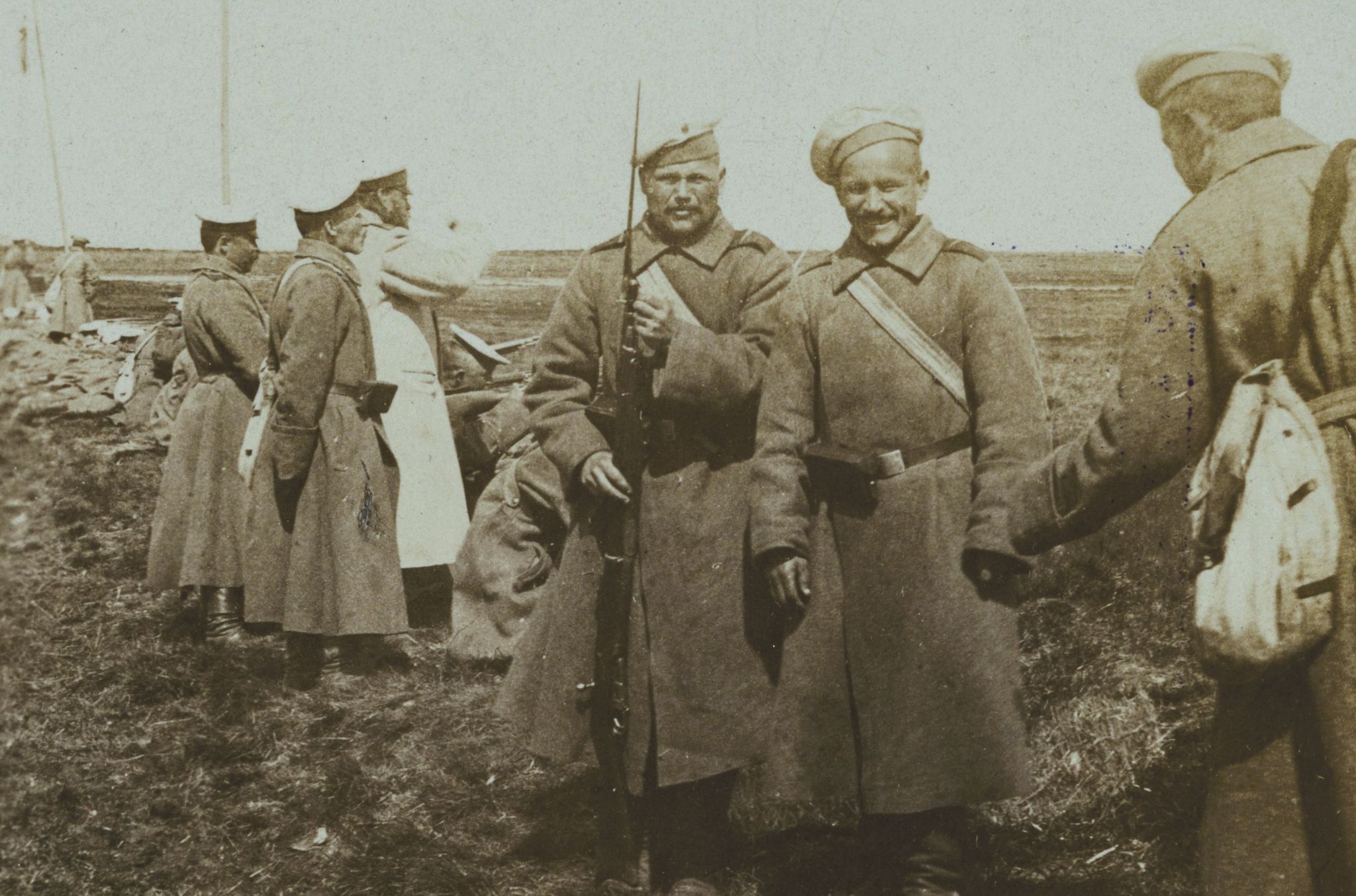
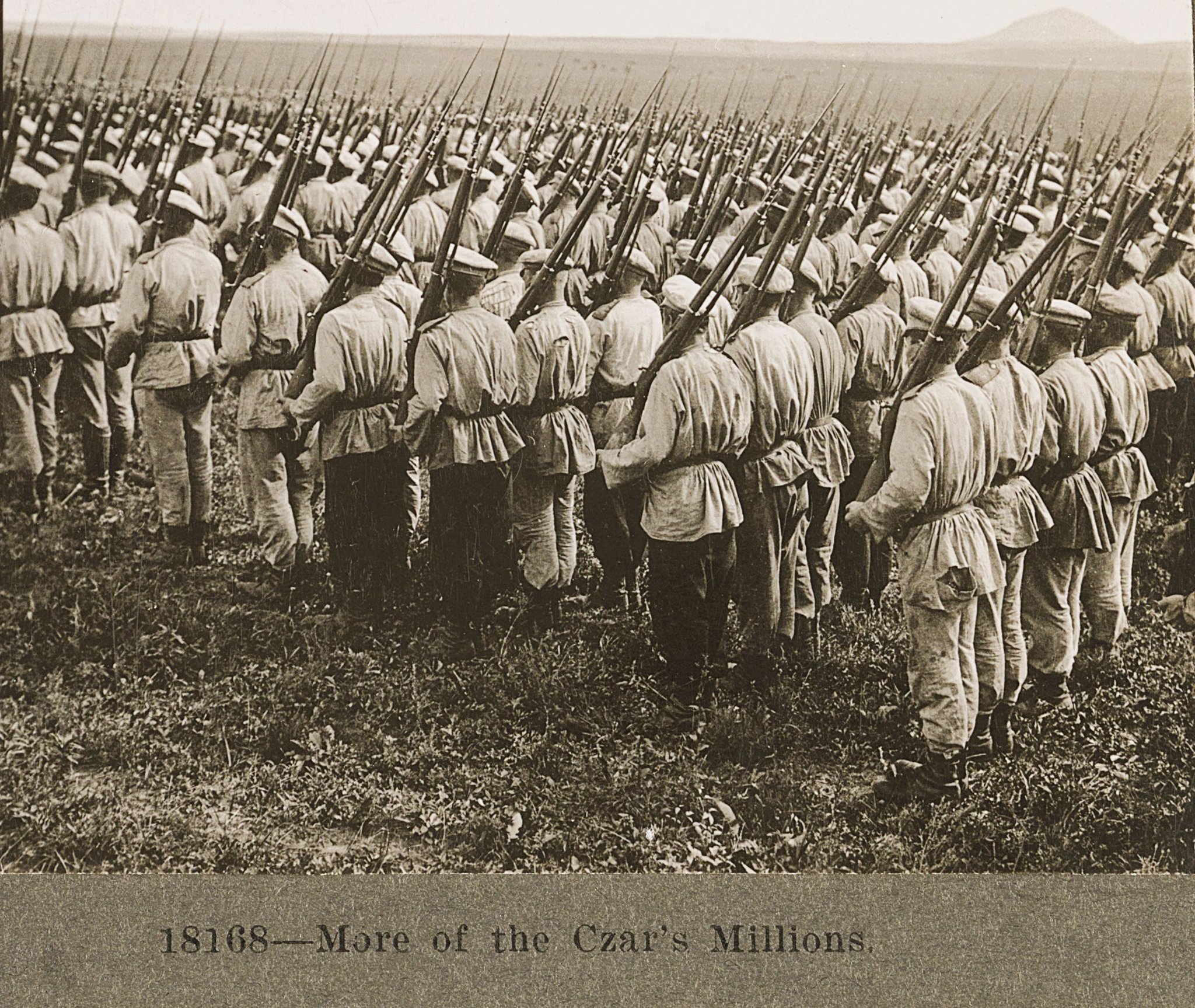
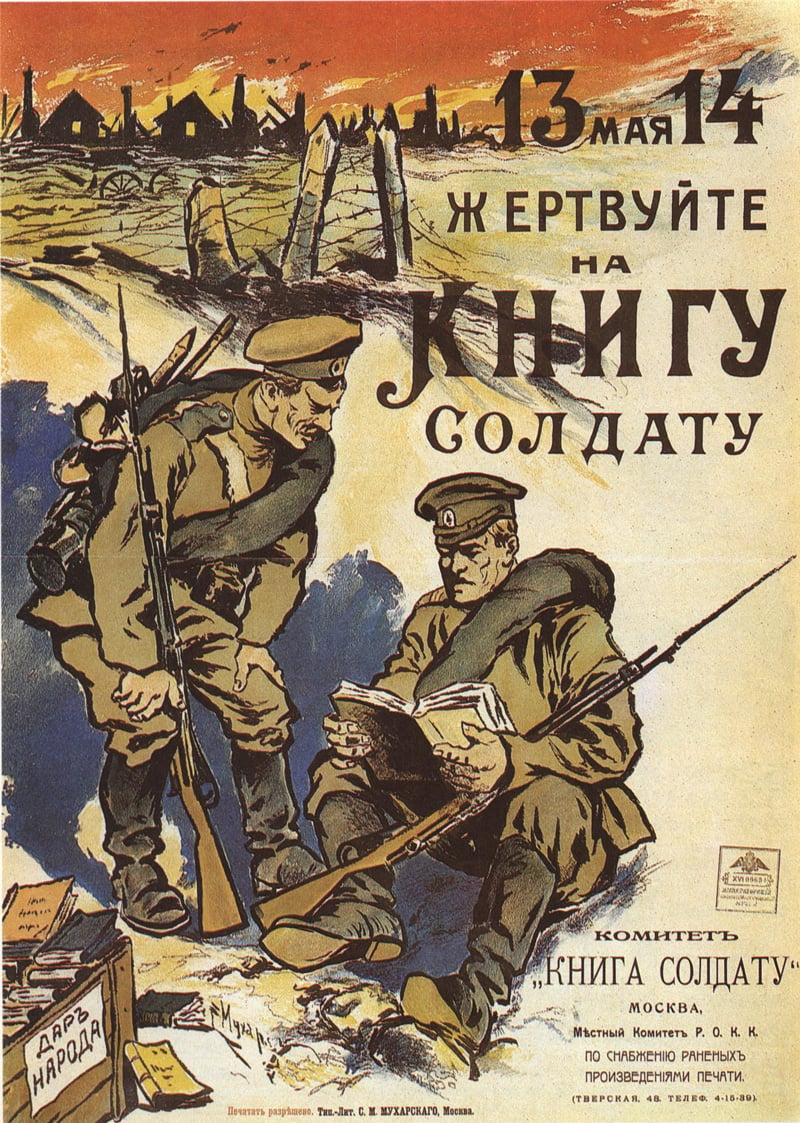
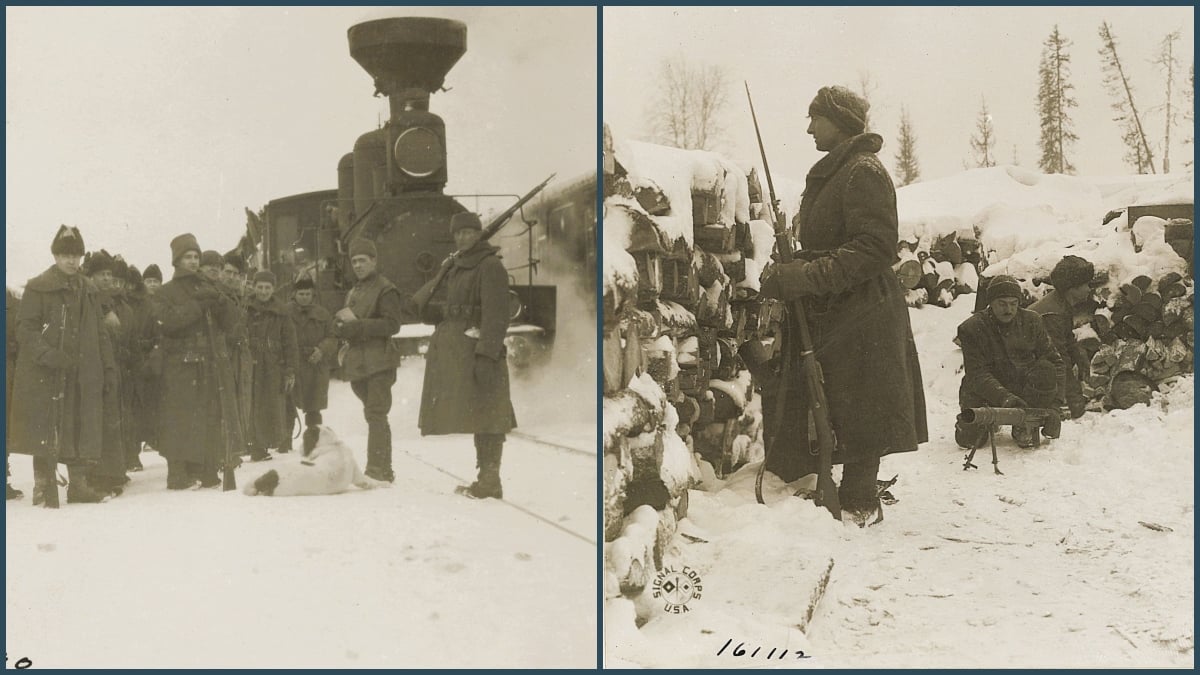
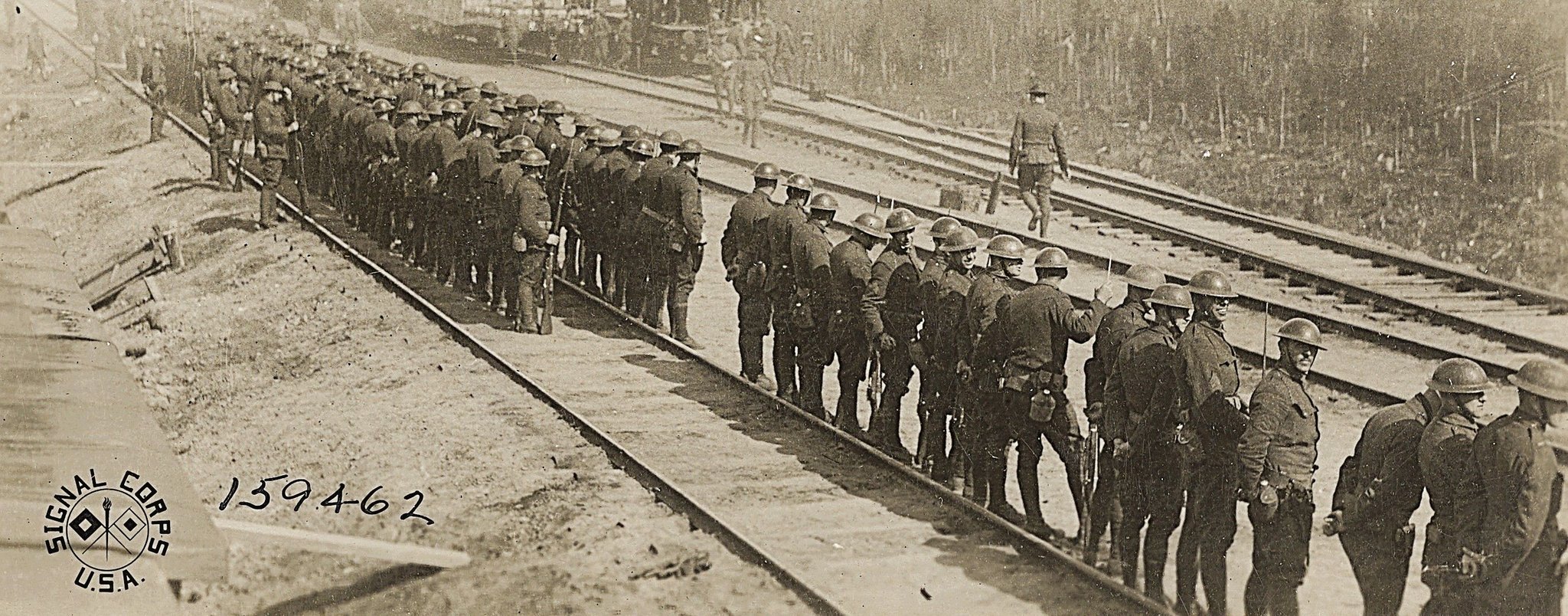
The M91 Mosin-Nagant first saw service in the Boxer Rebellion and the disastrous Russo-Japanese War, immediately followed by use on its fellow Russians during the 1905 Revolution. The Mosin was Russia’s standard rifle during the First World War, but Remington and Westinghouse were contracted to produce the M91 in the United States before the Bolshevik Revolution in 1917. Trotsky’s Red Army and its White counterparts fielded the Mosin through the Russian Civil War that turned the Russian Empire into the Soviet Union.
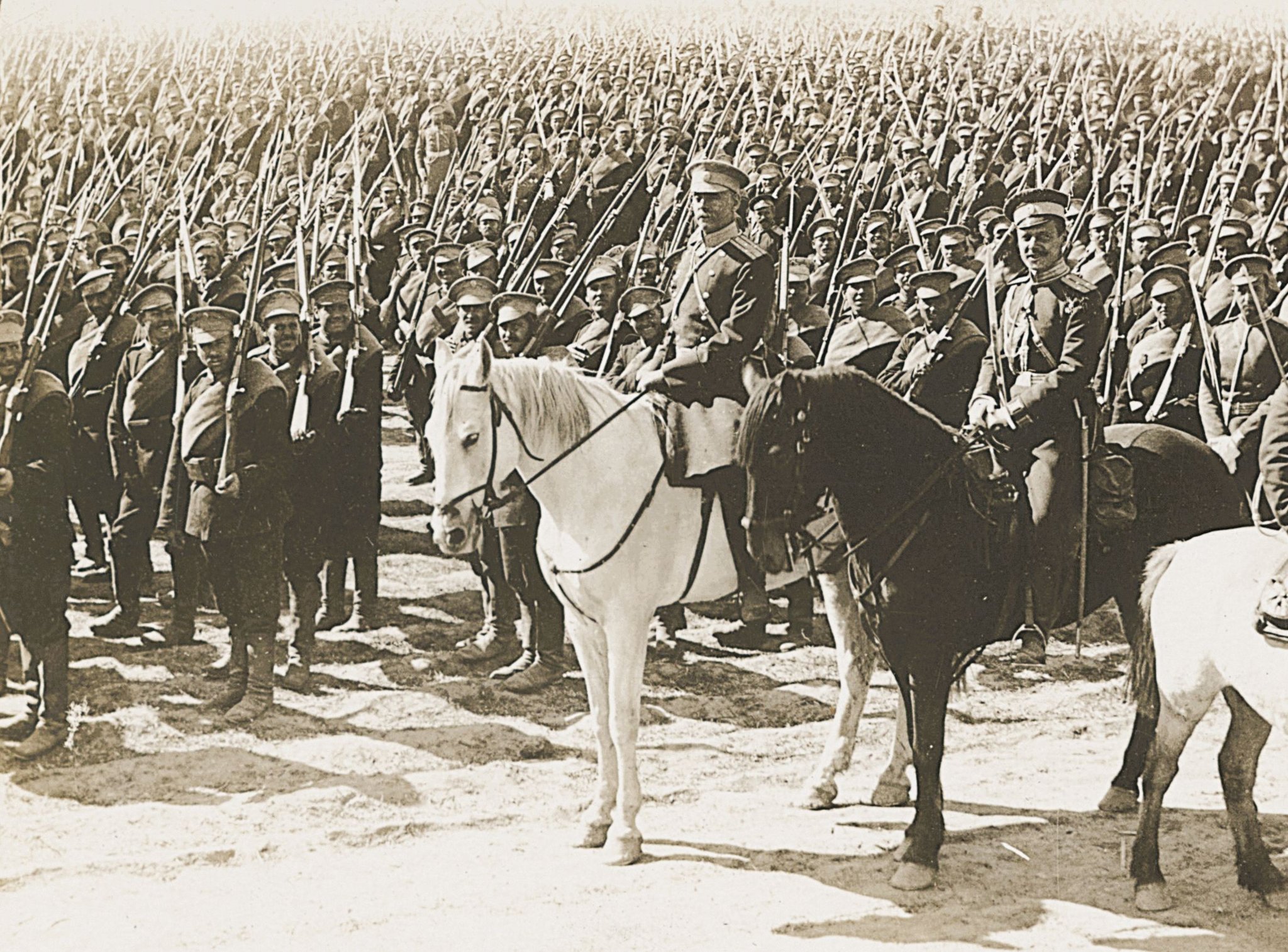
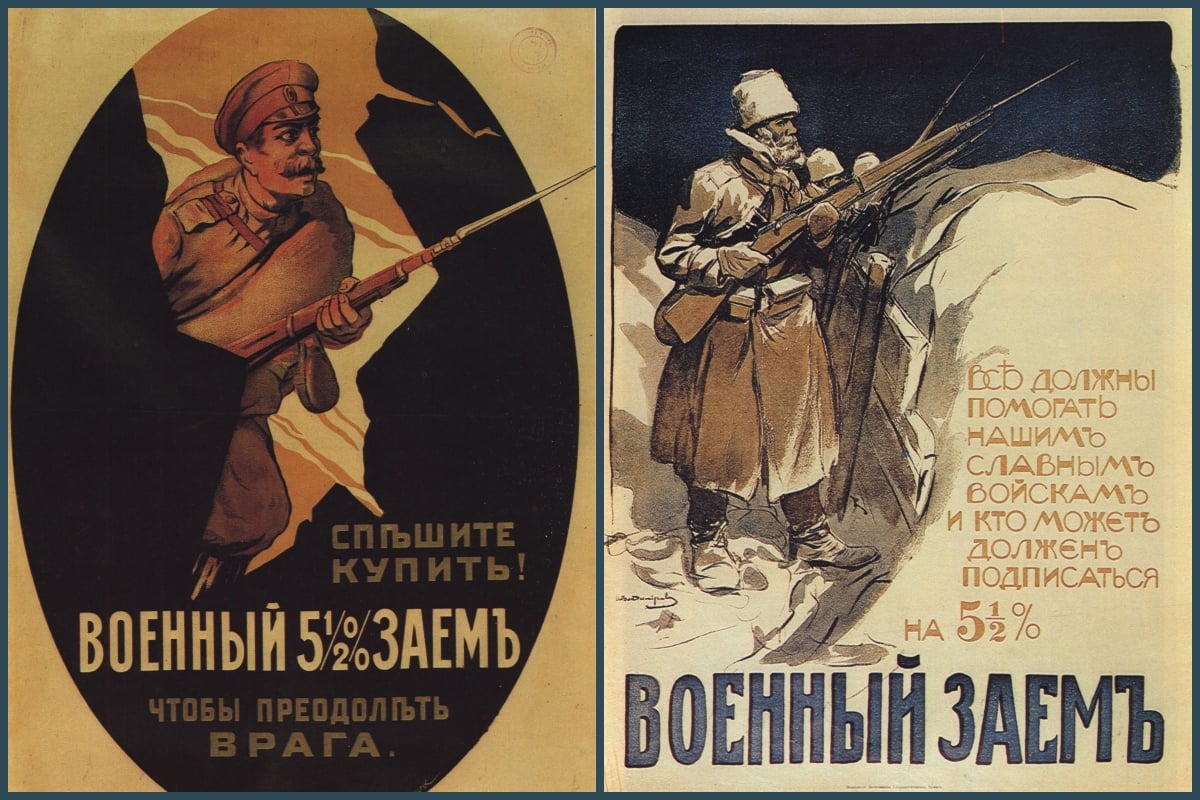
Breakaway provinces like Finland and the Baltic States also used the Mosin in their defense against Communism. Interestingly, Finland embraced the design post-war and produced fine heavy-barrel versions in its M24, M27, and M39 rifles that would be fielded against the Soviets during the Mosin’s finest hour: the Second World War.
The Mosin-Nagant was the standard rifle that saw the Red Army soldier through the struggle of worldviews that was the Eastern Front of World War II. The low maintenance and dependability of the Mosin symbolized the low maintenance of the men and women that fought on little food and inhumane conditions.
Into Retirement
As the Soviets encountered intense urban warfare while implementing a combined arms doctrine, they emphasized rapidly deployed automatic weapons and copious amounts of artillery. The Mosin’s replacement with a semi-auto rifle was cut short due to the war, but as the conflict wound down, the Mosin-Nagant was discontinued in 1944 to be replaced by the semi-automatic SKS a few years later.
From then on, the Mosin went into cold storage. Tooling was sold to countries like China and Hungary. Ultimately, more than 37 million Mosin-Nagants were made, and rifles were handed out to Marxist-sympathetic regimes as war aid for decades to come. Mosin-Nagants surfaced in the Chinese Civil War, the Korean War, and later, the Vietnam War.
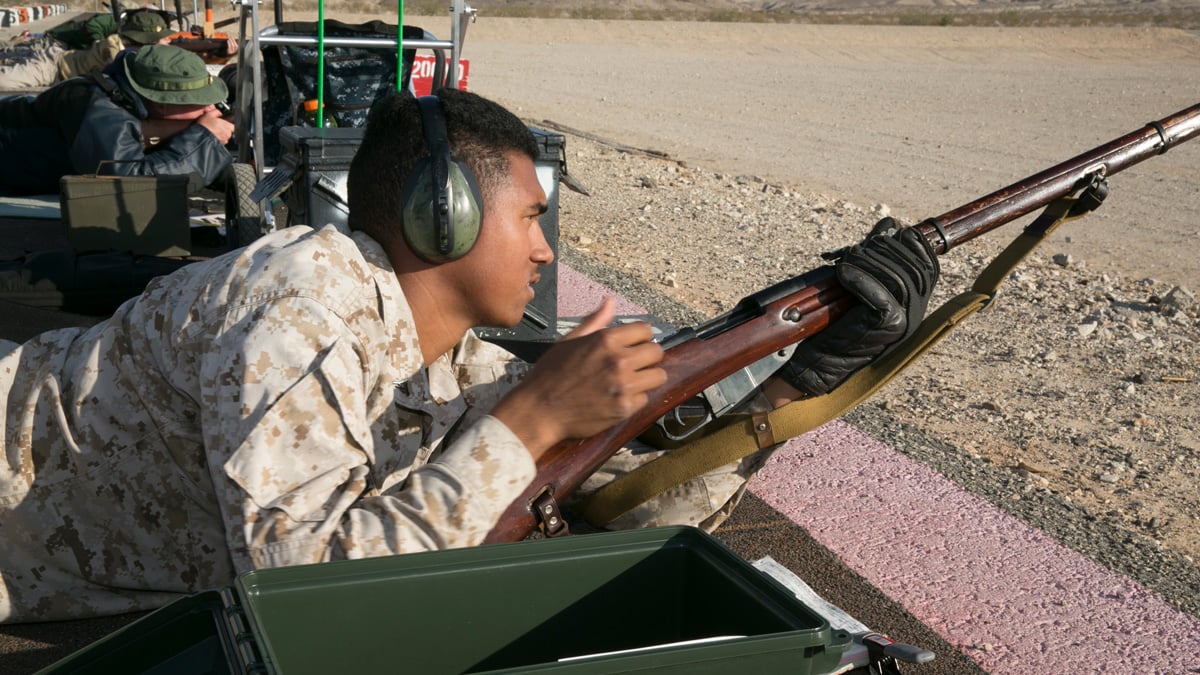
In the ongoing Russo-Ukrainian War, Russian forces armed separatist militias in the Donbas and Luhansk in their fight against Ukrainian forces, with some Mosins still appearing in the conflict. Starting in the 2000s, millions of Mosin-Nagant rifles were refurbished and sold as surplus in North America. The numbers and history alone show that the Mosin-Nagant is here to stay for the foreseeable future.
A Good Buy?
Like any surplus rifle, quantities are limited and prices rise as numbers on the open market dwindle. Early on in its run on the American commercial market, the Mosin-Nagant M91/30 was among the least expensive centerfire rifles one could buy. It was a boon to history enthusiasts and hunters looking to get their first deer or elk rifle.
Times have changed. Mosin prices have risen and modern bolt-action and semi-auto rifles have fallen. Although 7.62x54R ammunition is readily available from domestic and foreign manufacturers, the rifles are less common.
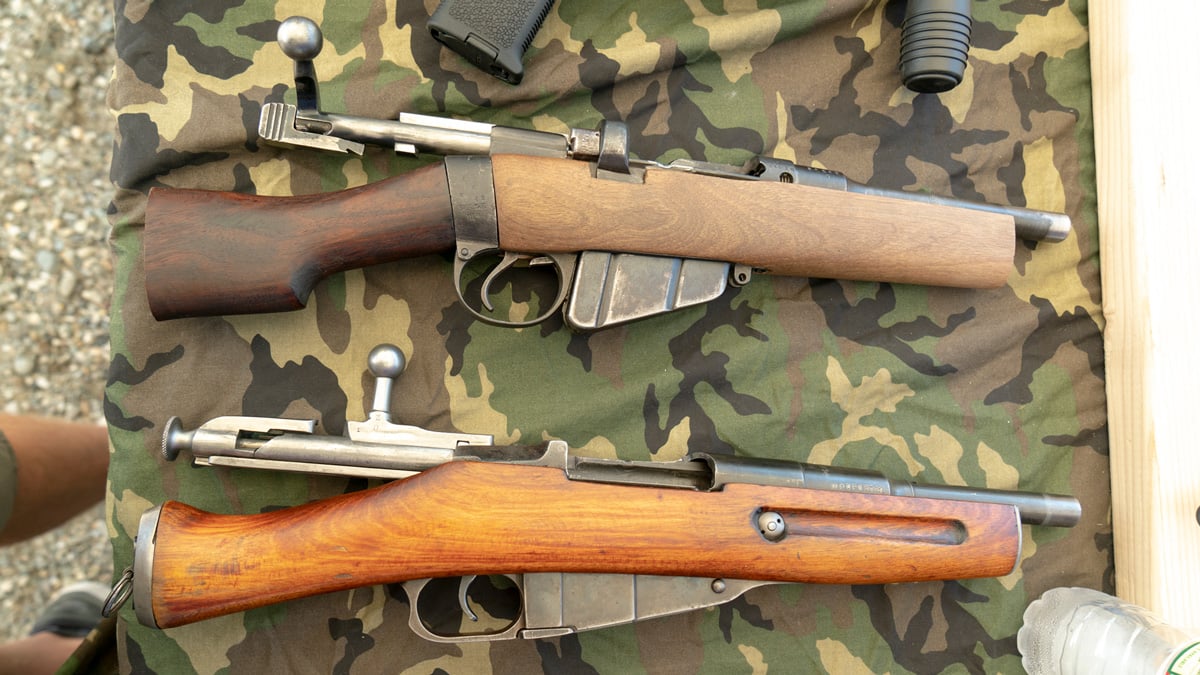
A good buy for a Mosin-Nagant is a personal decision driven more by unique variations and comparison with other surplus rifles that feed the buyer’s historic and functional appetite. A rare Westinghouse or Remington M91, as well as Finnish variants, command a premium over bare-bones M91/30 or Chinese Type 53s.
Although prices have gone up across the board, the Mosin line still represents an economical buy for history enthusiasts. They are among the latest of a trend of rifles that were imported cheaply, only to increase in value over time. Any number of Mauser, Schmidt-Rubin, and Lee Enfield pattern rifles are going to command more.
A few decades after the Mosin-Nagant’s heyday as a cheap surplus rifle, it is still a compelling buy and a reliable shooting iron.