Red Dot 101
There are a couple of ways to look at red dot sights. The overall purpose is to make shooting safer, faster, and more enjoyable by speeding up target acquisition and giving you instant feedback on where your shot is going. Compared to traditional iron sights, a red dot puts a simple illuminated point right on the target, so you don’t have to line up a front and rear sight.

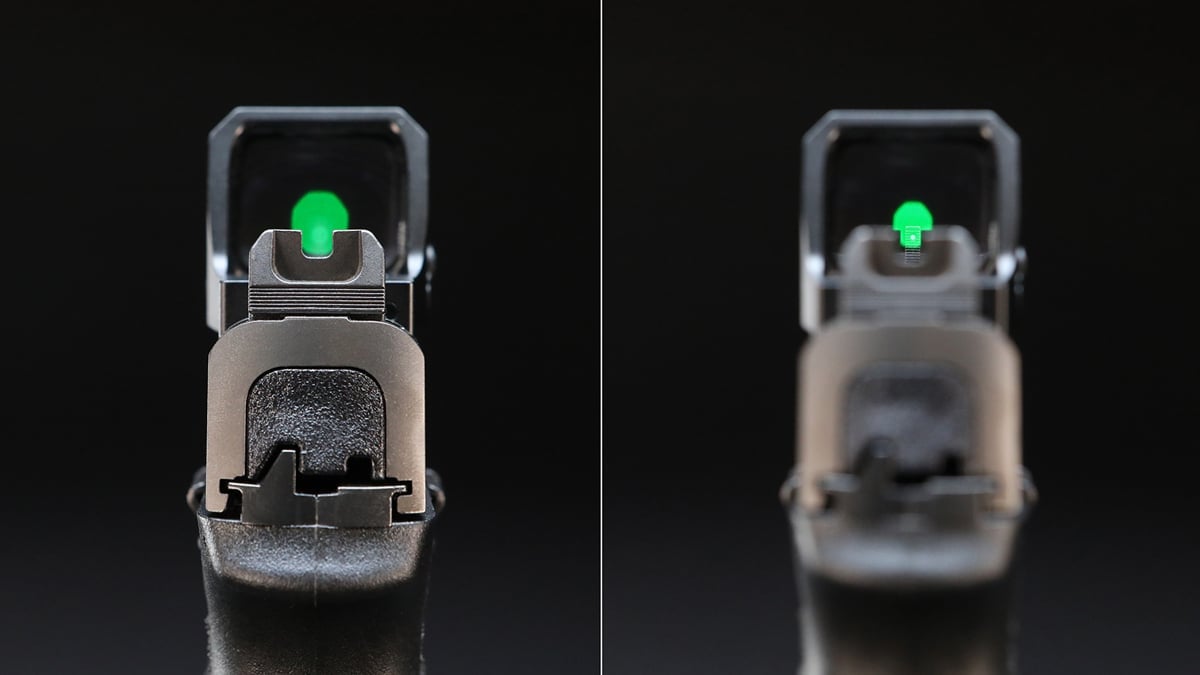
With iron sight shooting, the saying goes, “cover what you kill.” This simply means that the shooter is going to completely cover the intended target with the front and rear iron sight. This has been the basic practice of aiming for centuries, but this style often leads to bad habits like lowering the gun to better see the feedback from the target or peeking over the sights to get the same feedback.
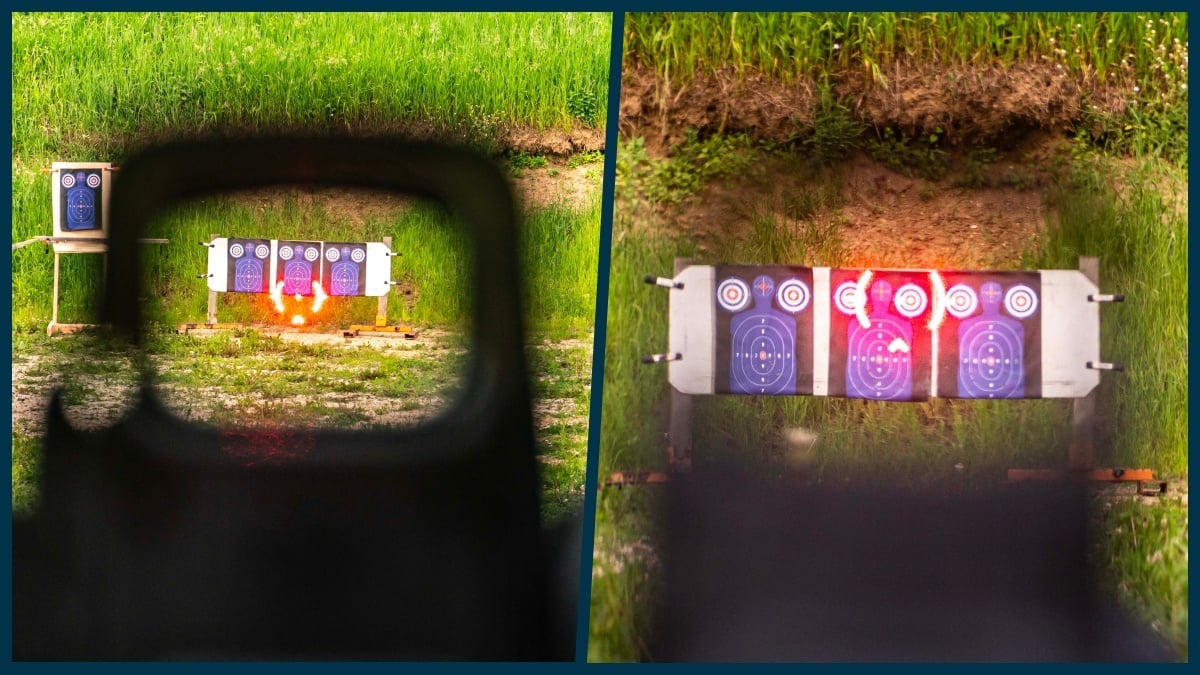
Red dots give instant feedback, with a clear sight picture that can maintain a reticle on target while allowing the shooter the ability to see the effect on target.

When selecting a red dot, the user must consider the intention behind it. What platform is it mounting to – rifle, carbine, or handgun? What are your typical engagement distances? How fast do you need to acquire the dot? We’ll try to answer those questions.
MOA and Why It Matters
MOA, or minute of angle, measures the size of the red dot on a target at 100 yards. The size of the dot affects how much of the target it covers and plays a big role in the balance of speed and precision.
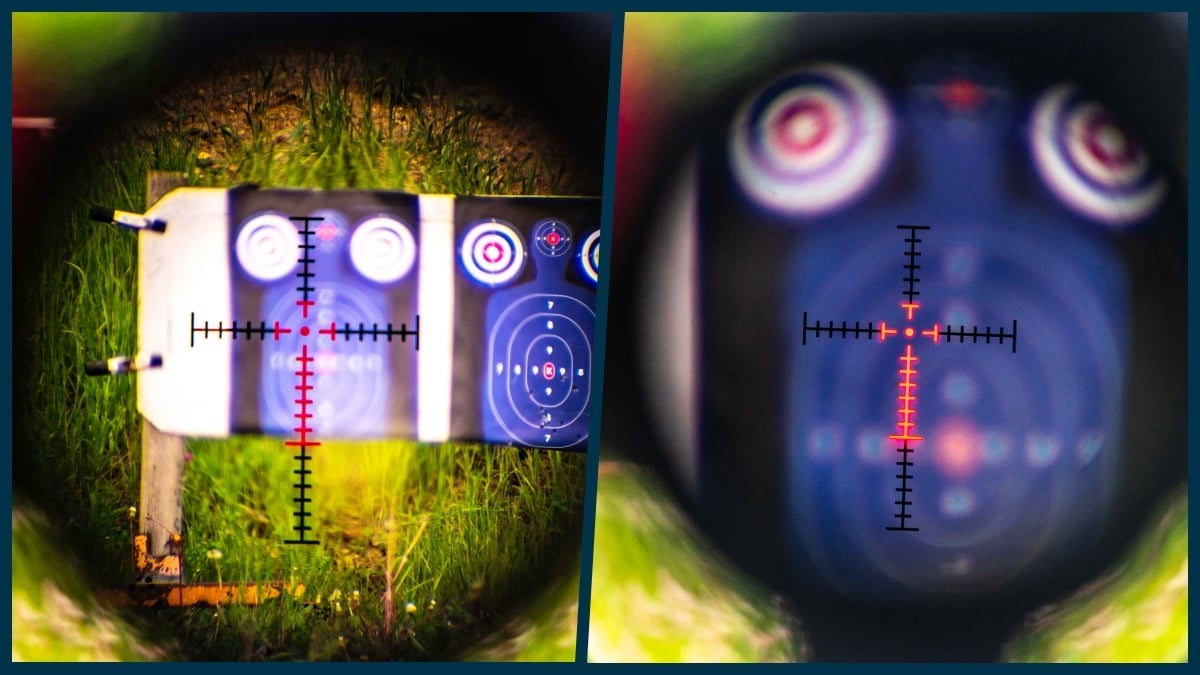
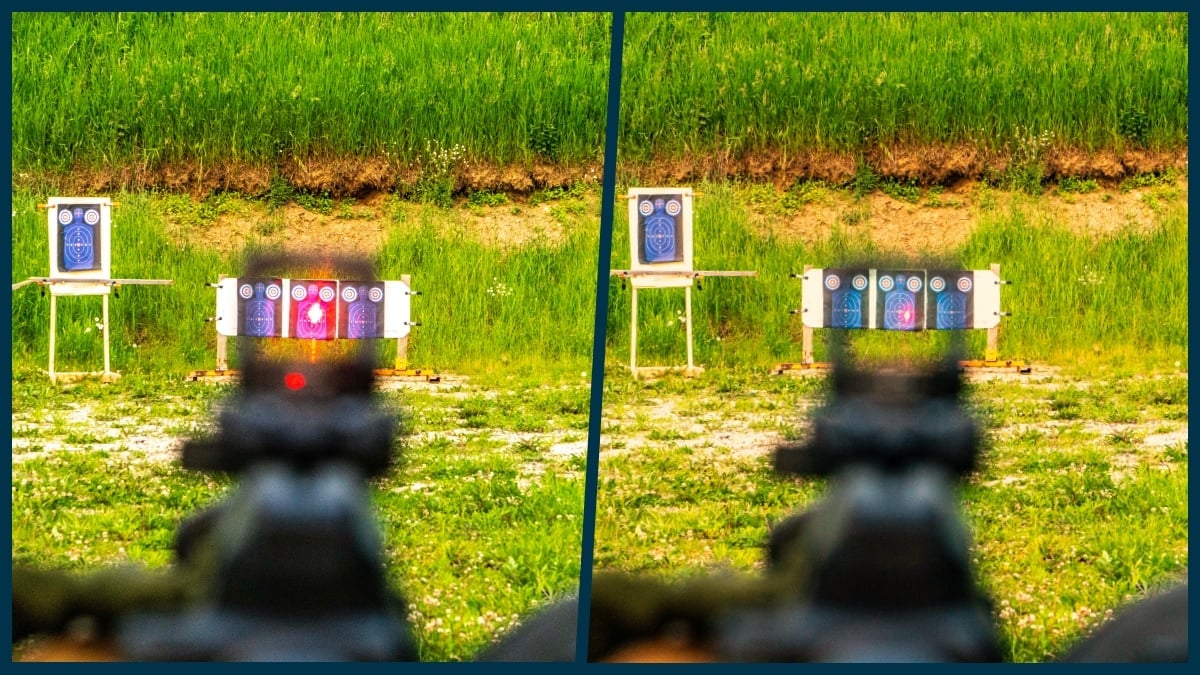
- Small dots (like 1 MOA) cover less target area, allowing for tighter, more precise shot groups.
- Large dots (6-8 MOA or more) cover more of the target, which helps with faster target acquisition at close range but can reduce precision at distance.
Choosing the right MOA depends on your shooting needs and typical engagement distances. There’s no one-size-fits-all answer – intent and purpose matter here too.
Choosing a Dot Size
When picking a red dot, consider these general guidelines based on how you plan to use it:
- Smaller dots (1-3 MOA): Ideal for distance shooting, precision work, and competition. They offer tighter groupings and better accuracy when you need to be exact.
- Larger dots (3-8 MOA or bigger): Better for close quarters, defensive use, or quick target acquisition. They’re easier to pick up quickly, especially in bright light or during dynamic movement.
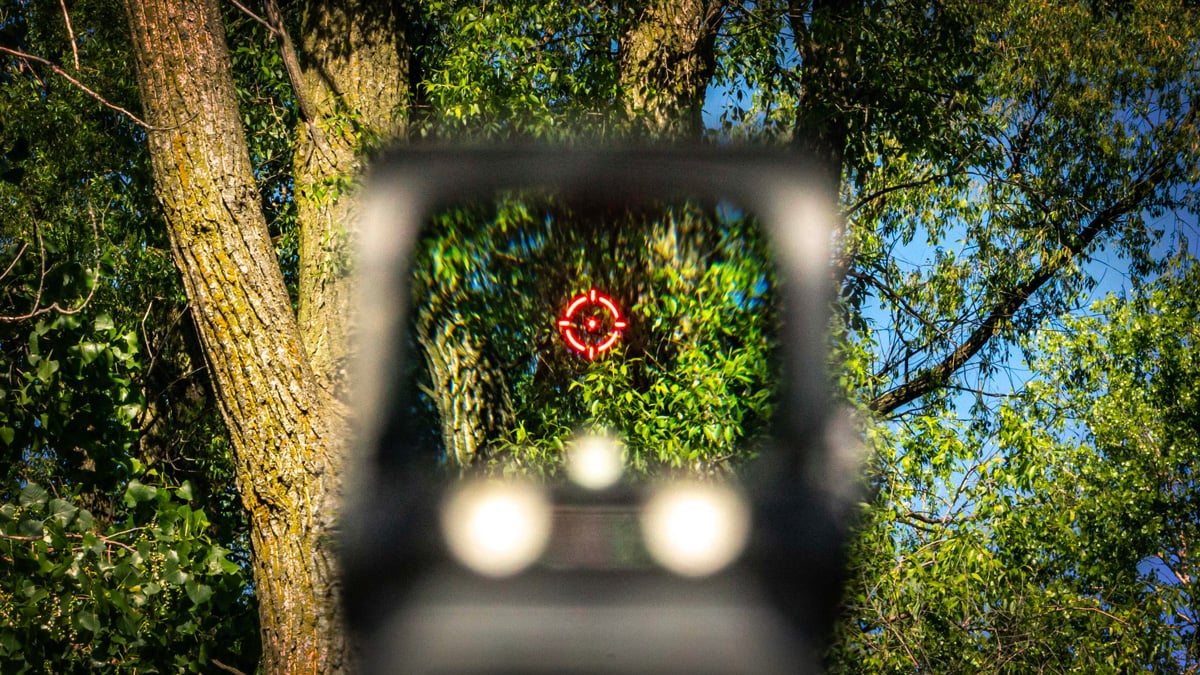
Brightness settings can affect dot visibility in real-world conditions. Larger dots are generally easier to see quickly in bright daylight, while adjustable brightness helps prevent the dot from washing out or blooming too much. Smaller dots are susceptible to washout in bright light settings.
The Importance of Training
Simply slapping a red dot on your firearm does not automatically make you a better shooter. Consistent training is crucial to get the most out of it. In fact, I wouldn’t carry a handgun with a red dot until you have put at least 1,000 rounds through the system, practicing draws, drills, and target transitions.
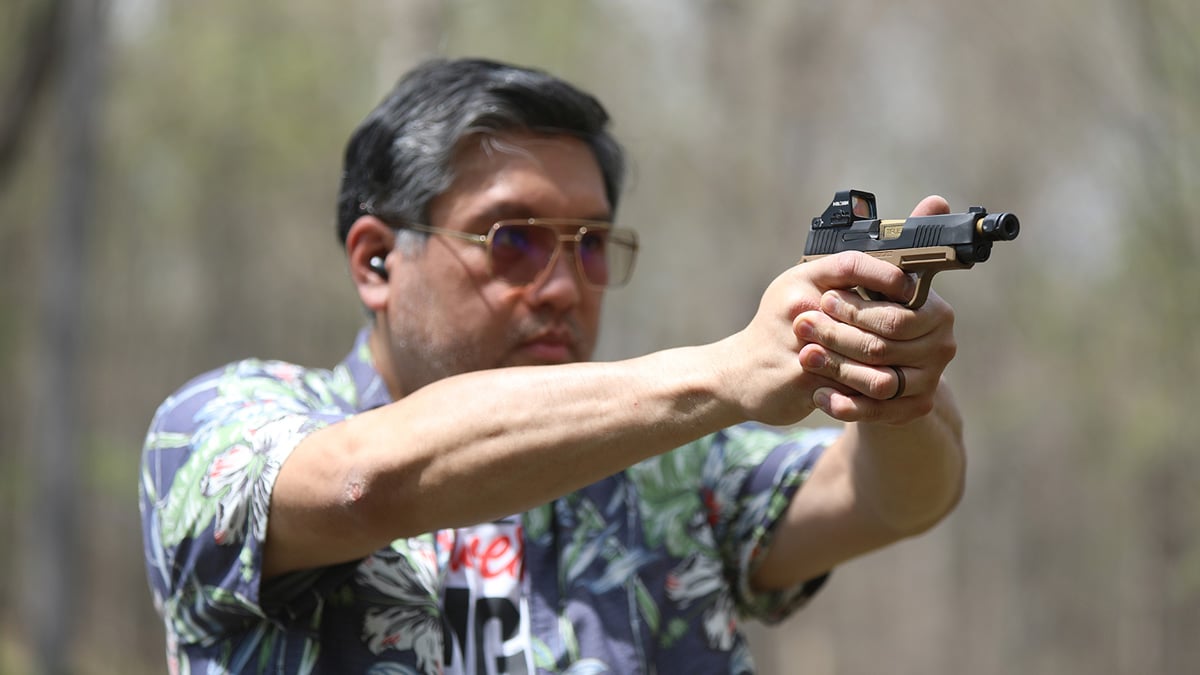
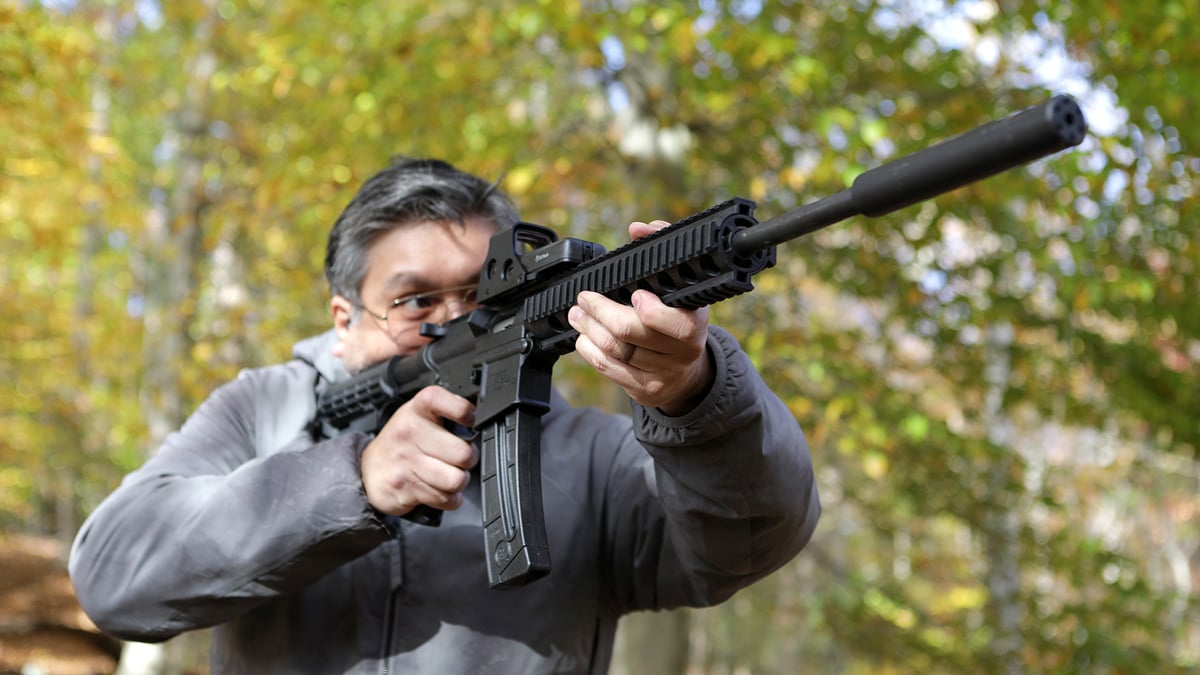
Training helps you:
- Develop quick sight acquisition (finding the dot instantly when you present the gun).
- Improve draw speed, especially on handguns where it can feel unnatural at first.
- Achieve consistent follow-up shots without losing the dot in the window.
The red dot is just a tool. Putting in the reps – through dry fire, live-fire drills, and quality instruction – lets you maximize its benefits and turn it into a real advantage.
A few Favorite Red Dots
The market offers plenty of solid options, each suited to different shooting styles and preferences. Here are three popular examples:
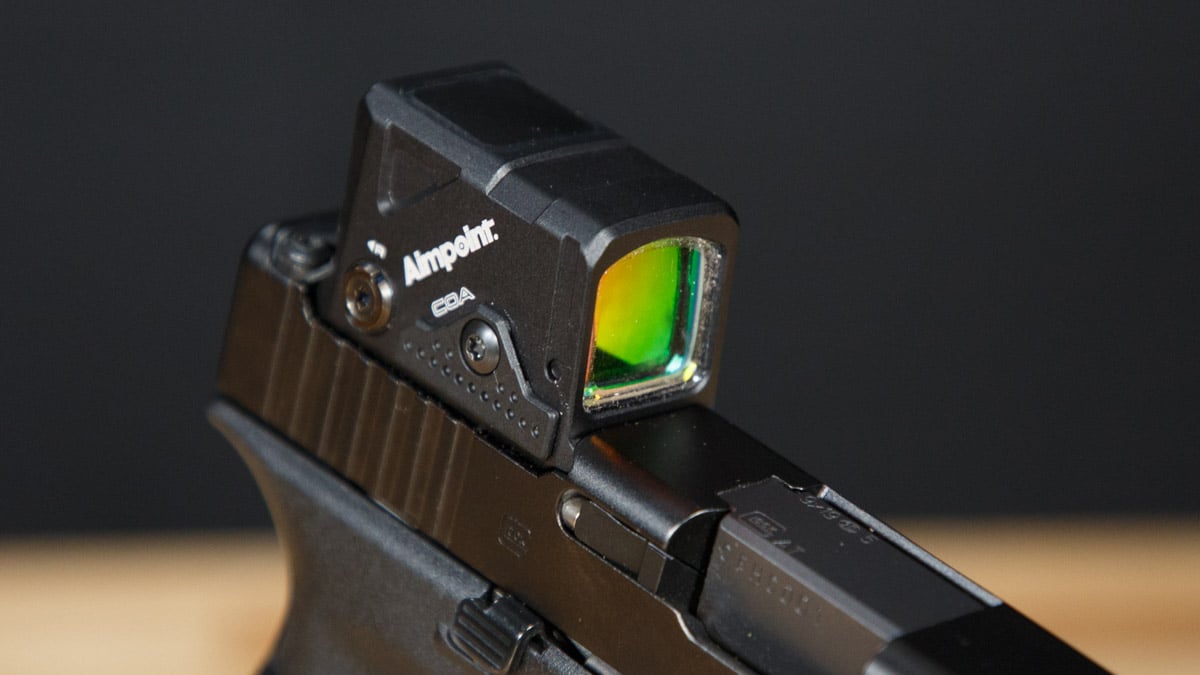
Aimpoint COA: A compact, rugged design built especially for pistols and concealed carry. It features a clean 3.5-MOA dot and focuses on reliability in a small, low-profile package.
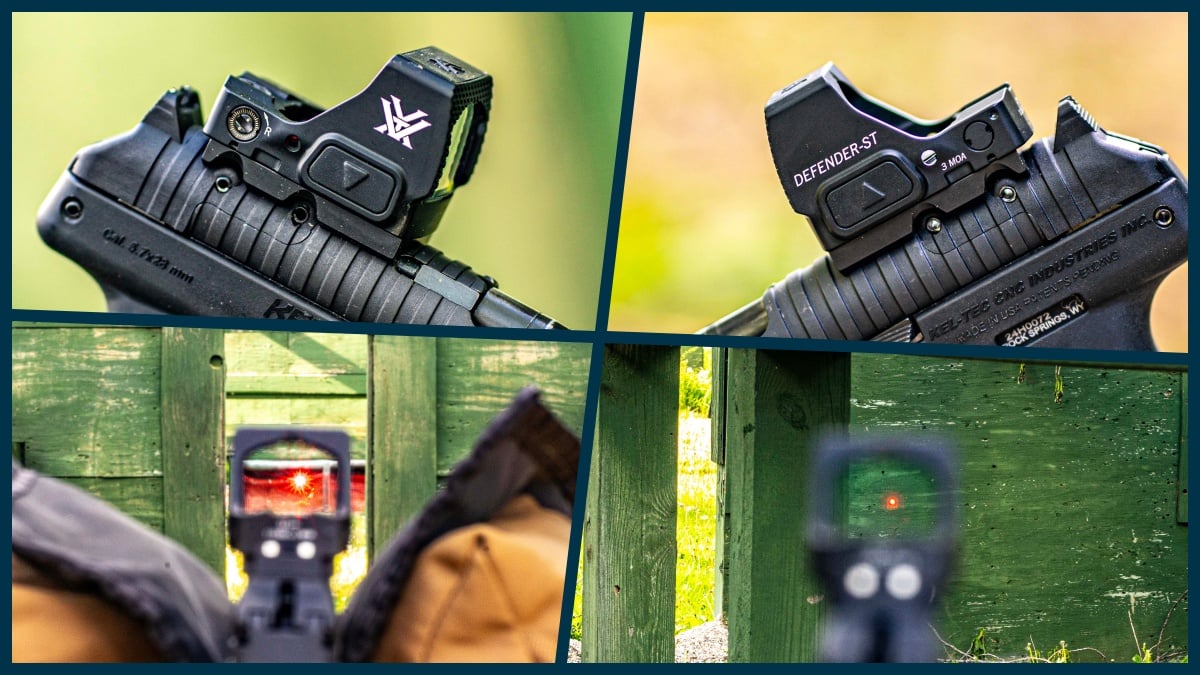
Vortex Defender-ST: Known for its large viewing window that boosts situational awareness and makes target acquisition even quicker. Available in 3-MOA or 6-MOA versions, it’s tough, lightweight, and offers great value with solid brightness options.
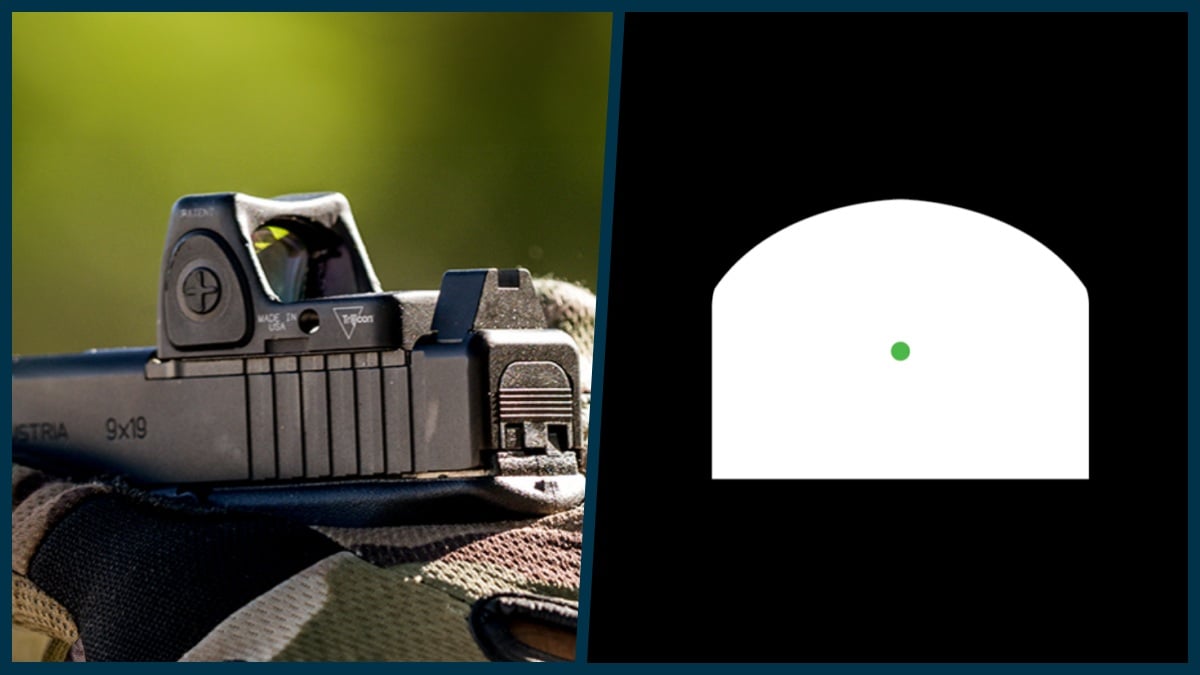
Trijicon RMR: A longtime standard and proven performer, especially the Type 2 models. Available in dot sizes from 1 MOA up to 6.5 MOA (with 3.25 MOA being a popular all-around choice), it’s famous for its bombproof durability and is a go-to for law enforcement, military, and serious civilian shooters.
These represent different approaches – compact reliability with the Aimpoint COA, expansive visibility with the Vortex Defender-ST, and battle-tested toughness with the Trijicon RMR – but there are many other excellent choices depending on your budget and needs.
Final Thoughts
Red dot sights, when you understand MOA and pair them with proper training, can significantly improve your shooting experience. Whether you’re running a competition pistol, a defensive handgun, a home-defense carbine, or a precision rifle, taking the time to choose the right dot size and putting in the work on the range will help you get the most out of this technology.