Overview of the Systems
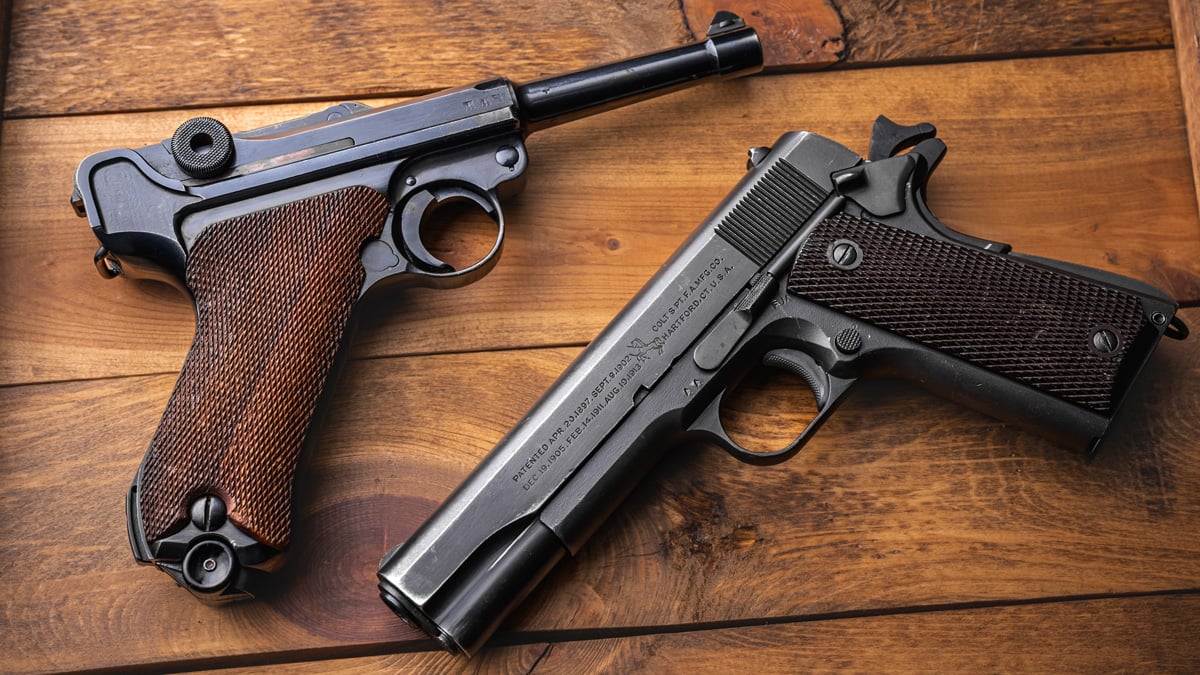
The traditional design most people picture when they think of a semi-automatic handgun is hammer-fired. These guns use a hammer, either exposed or internal, that swings forward to strike the firing pin. Depending on the gun, the system may be single-action only, double-action only, or double/single-action. That variety gives shooters more options, but it can also mean more complexity.


Striker-fired pistols take a more streamlined approach. Rather than using a separate hammer, they rely on an internal striker assembly. When the trigger is pressed, the striker is released to slam forward and ignite the primer. This design eliminates the exposed hammer and usually creates a simpler manual of arms, which is one of the reasons striker-fired pistols have become dominant in the concealed carry and duty markets.
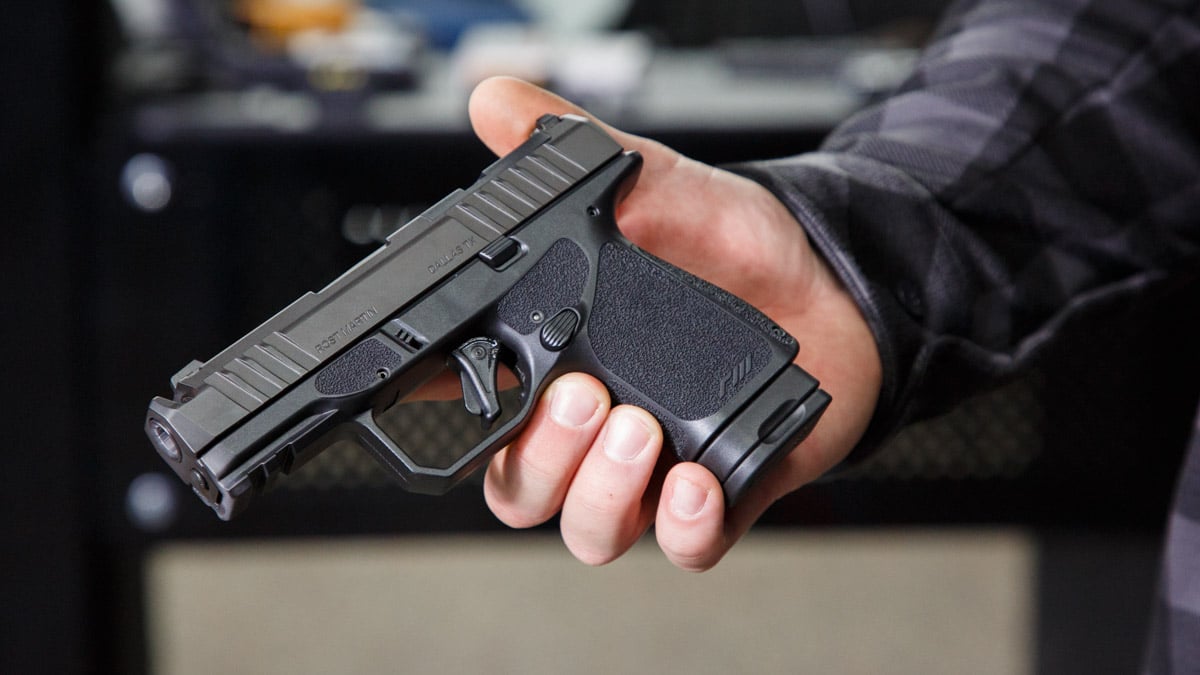

The reason this debate matters so much is because these two systems feel very different in the hand and on the trigger. A hammer-fired pistol often offers a more traditional shooting experience, sometimes with a lighter and crisper trigger, depending on the setup. A striker-fired pistol tends to offer a more consistent trigger press from the first shot to the last, which many shooters appreciate for defensive use.
How They Work
A hammer-fired handgun uses spring tension to drive a hammer into the firing pin. In a single-action pistol, the hammer must already be cocked for the gun to fire, resulting in a shorter and lighter trigger pull. In a double/single-action gun, the first trigger pull both cocks and releases the hammer, while subsequent shots cycle the slide and leave the hammer cocked for lighter single-action shots after that.

This means that some hammer-fired pistols begin with a long, heavier trigger pull and transition to a shorter, lighter one. Some shooters like that extra deliberate first pull for carry, while others see it as something that requires more practice to master.
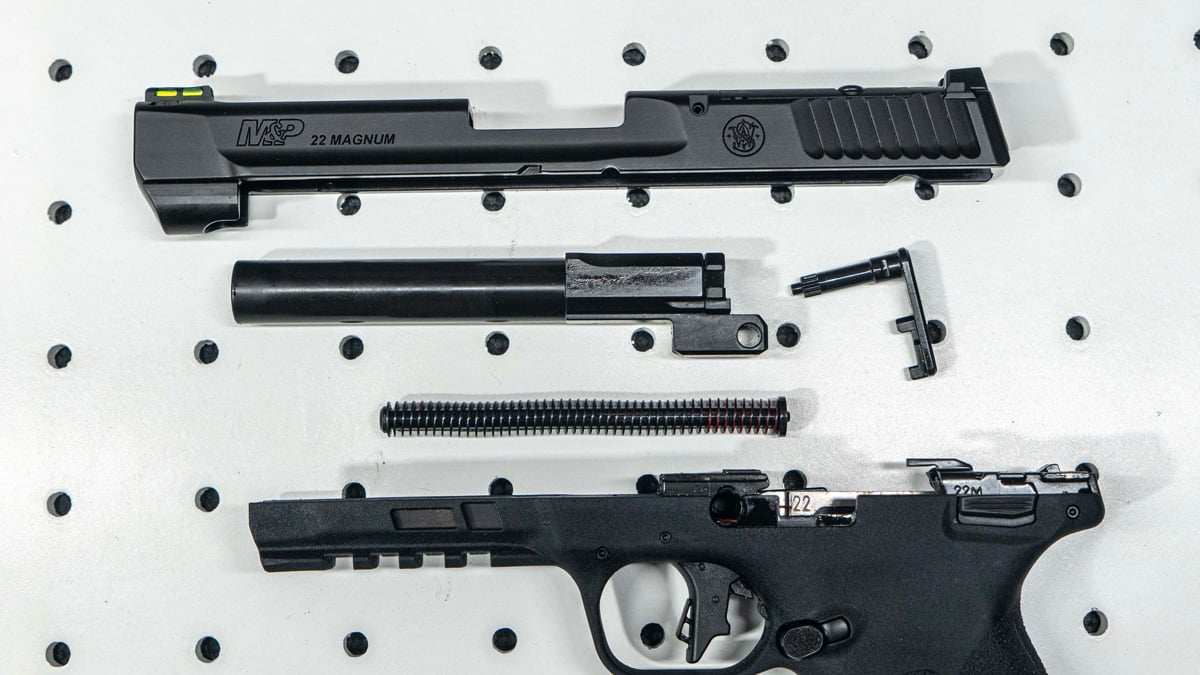
A striker-fired handgun uses an internal spring-loaded striker rather than a visible hammer. In most striker-fired systems, the trigger press finishes cocking the striker and then releases it. The result is generally the same trigger pull for every shot. There is no external hammer to manipulate and usually fewer external controls overall.
That simplicity is a major selling point. For many shooters, especially newer handgun owners, a striker-fired pistol is easier to learn and easier to run under stress.
Design Features
Hammer-fired pistols often stand out because of their visible mechanics and more traditional control layouts. Many include external safeties, de-cockers, or both. These features can give the shooter more control, but they also require familiarity and training. An exposed hammer also makes it easier to visually or physically confirm the gun’s status.

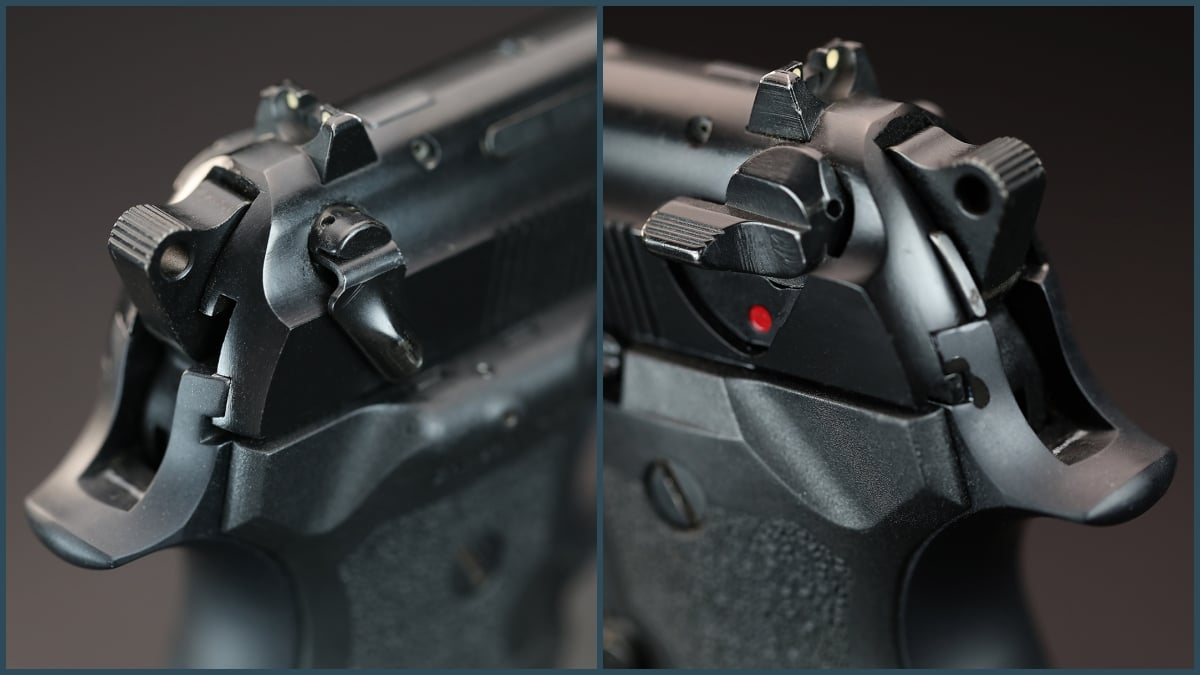

Another advantage of hammer-fired guns is that many have an excellent trigger in single-action mode. Shooters who prioritize a crisp break and short reset often appreciate this design, particularly for range work, competitive shooting, or precision-oriented handgun use.
Striker-fired pistols are typically more minimalist. They usually have fewer controls, a cleaner profile, and a more enclosed action.
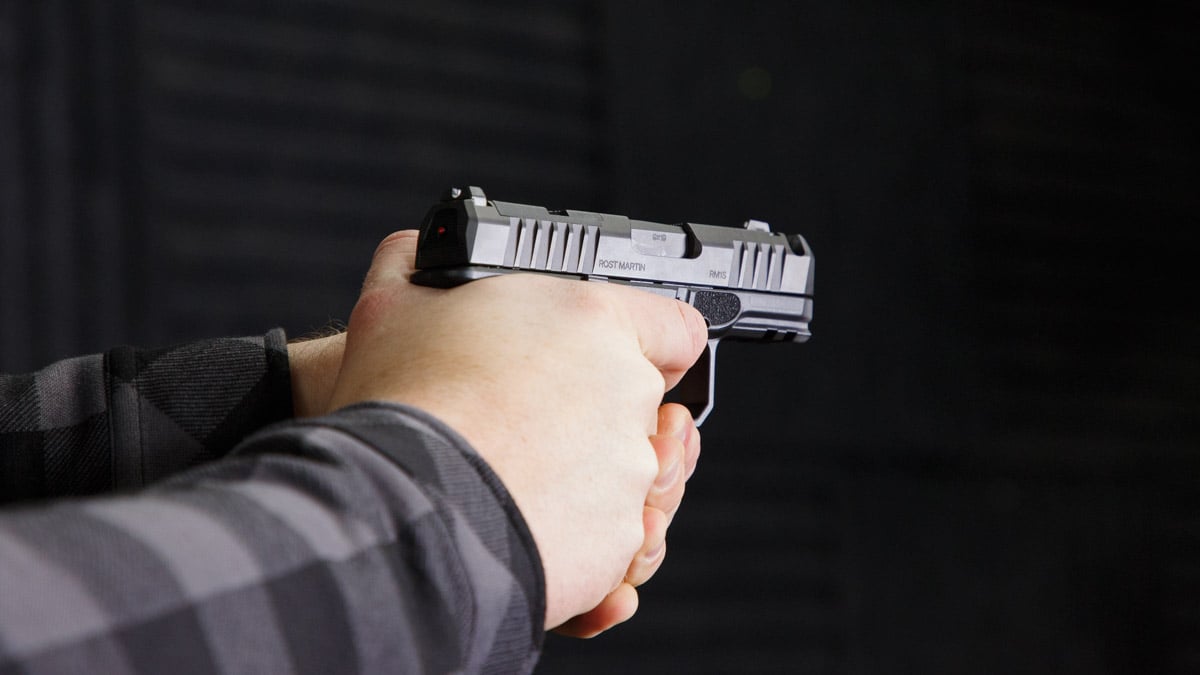

Their triggers may not always feel as clean or refined as a good single-action hammer gun, but the consistency matters. Every trigger press feels about the same, which can help simplify training and improve confidence for defensive shooters.
From a carry perspective, striker-fired pistols also tend to have fewer snag points. Without an exposed hammer, the draw can feel a little cleaner, especially from concealment.
Shootability and Real-World Feel
The biggest difference between hammer-fired and striker-fired pistols becomes obvious as soon as you start shooting them side by side. Hammer-fired pistols, especially double-action/single-action guns, often require the shooter to manage two trigger pulls. The first shot may be longer and heavier, with the following shots becoming lighter and shorter.
For trained shooters, this is not a downside at all. In fact, many enjoy the control and precision that comes with a good single-action follow-up shot.

For less experienced shooters, though, it can take time to get used to the transition. Consistency matters on the range, and learning two distinct trigger feels in one handgun is a learning curve.
Striker-fired pistols usually feel more predictable shot through the firing sequence. The trigger is typically the same every time, making it easier to build repetition and rhythm. For defensive drills, draw practice, and rapid follow-up shooting, that consistency can be a major advantage.
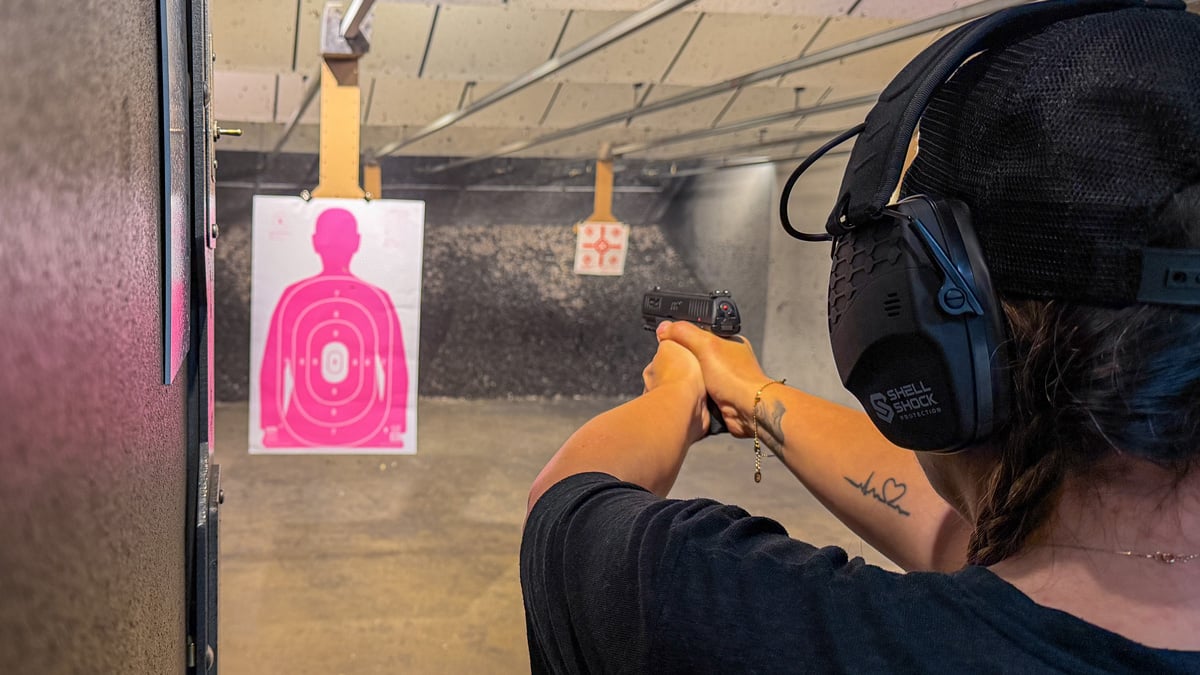
There is also something to be said for simplicity. When a handgun is easier to operate, it is often easier to shoot well under pressure. That does not make striker-fired guns inherently better, but it explains why so many shooters gravitate toward the platform.
Reliability
Both systems can be exceptionally reliable when built well, maintained properly, and fed quality ammunition. This is not a case of one design being universally dependable and the other being fragile. There are excellent examples of both.
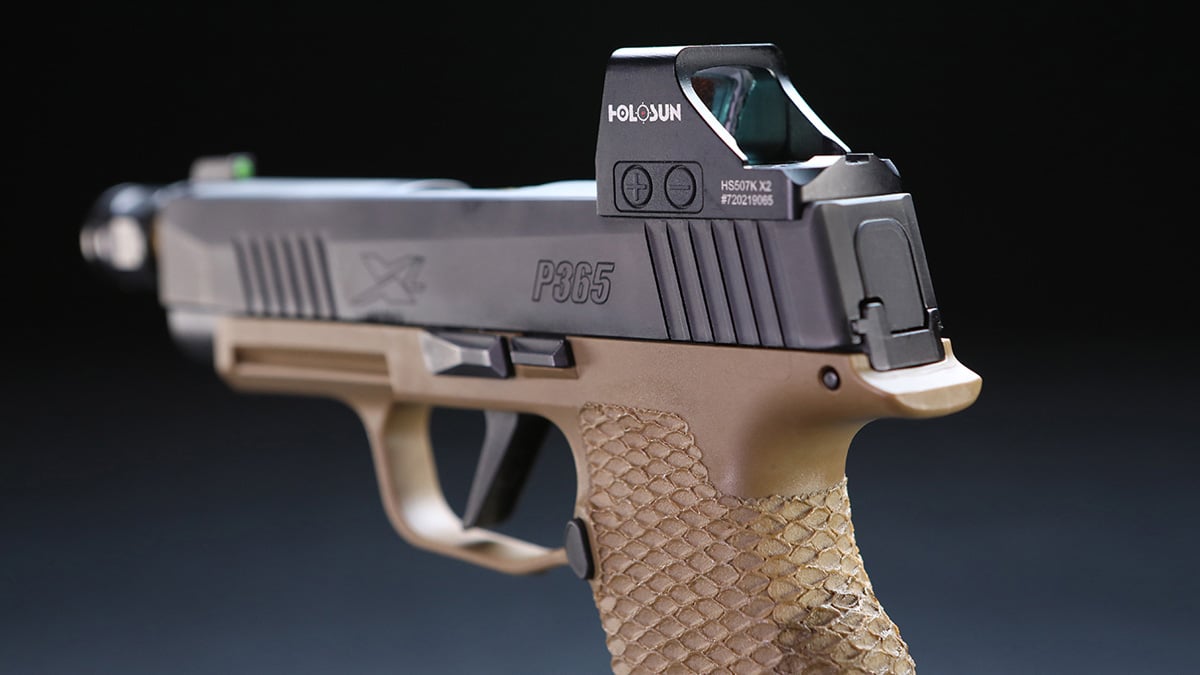
That said, striker-fired pistols do benefit from a more enclosed design. With no exposed hammer and generally fewer external openings, they may be slightly better suited to harsh environments where dirt, lint, and other debris are a concern. This makes them attractive for concealed carry, duty use, and rough everyday handling.
Hammer-fired pistols still hold a practical edge in one specific area. If a round fails to ignite due to a light primer strike, some double-action hammer-fired pistols allow the shooter to simply press the trigger again for another hit on the primer. With most striker-fired pistols, the shooter will need to cycle the slide to reset the action before firing again.
That does not mean hammer-fired guns are more reliable overall, but it does give them one useful capability in a malfunction scenario.
Accuracy
Both hammer-fired and striker-fired handguns are capable of excellent practical accuracy. The more meaningful difference is how the trigger system affects the shooter’s ability to use that accuracy.
A quality hammer-fired pistol, especially in single-action mode, can be extremely precise. The lighter, crisper trigger often helps shooters make deliberate shots with greater confidence. This is one reason hammer-fired guns remain popular in certain competitive and enthusiast circles.
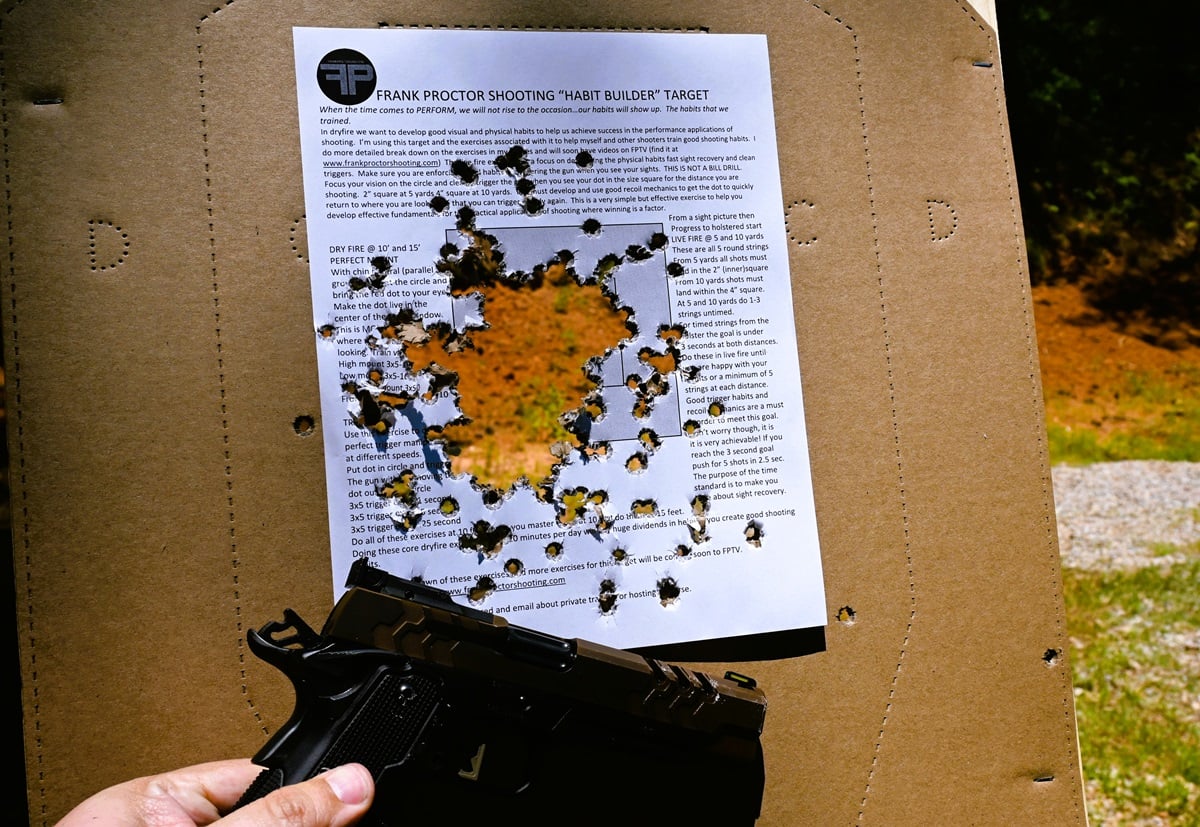
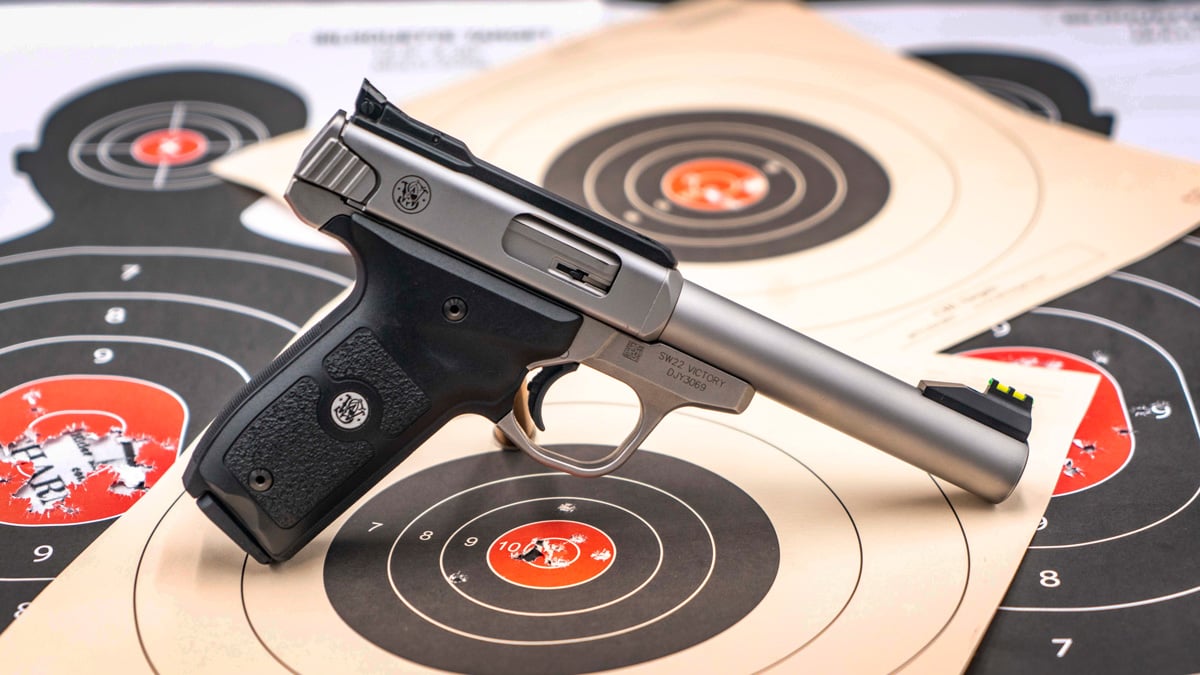
At the end of the day, accuracy with either platform comes down to training, familiarity, and trigger control. A shooter that knows their gun well will almost always outperform someone using a theoretically better trigger system that they do not understand. I cannot understate the importance of training, especially on something that you might use to defend your life.
Pros & Cons: Hammer vs. Striker-Fired


Conclusion
The debate between hammer-fired and striker-fired handguns is not really about the gun; it’s about which design better fits the shooter. I think the better system is always the system you train on.
Hammer-fired pistols offer tradition, flexibility, excellent trigger potential, and in some cases, the benefit of second-strike capability. They can reward experienced shooters with a refined and highly shootable platform, but they often demand more training and familiarity.
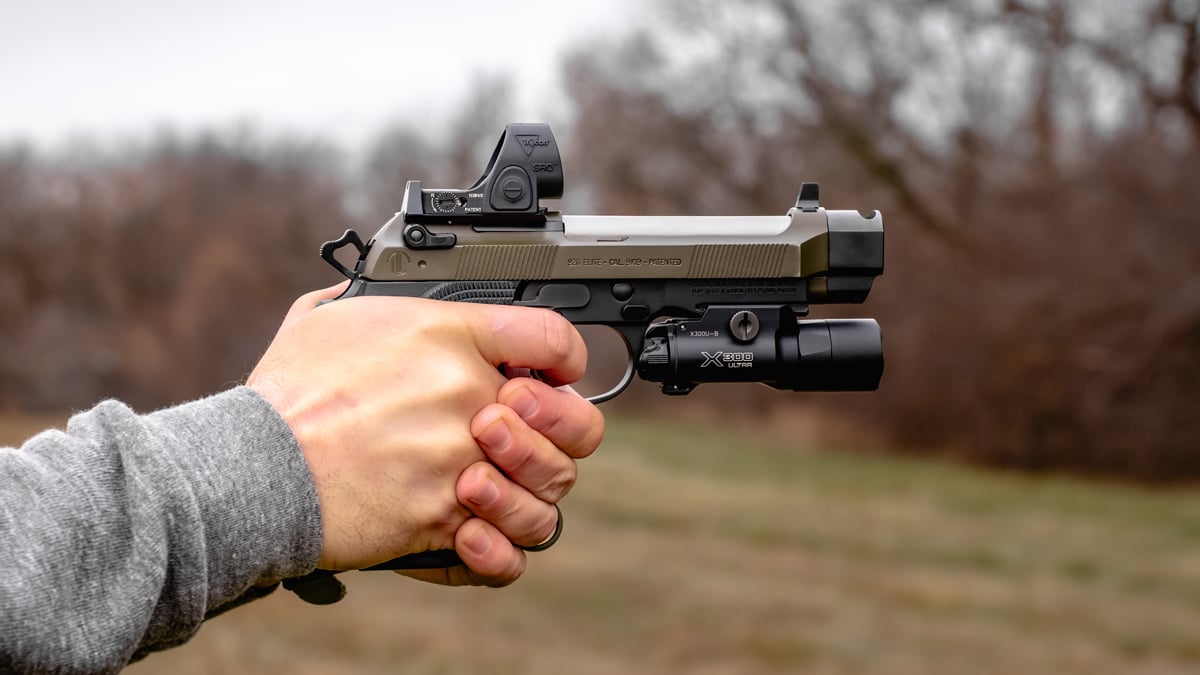
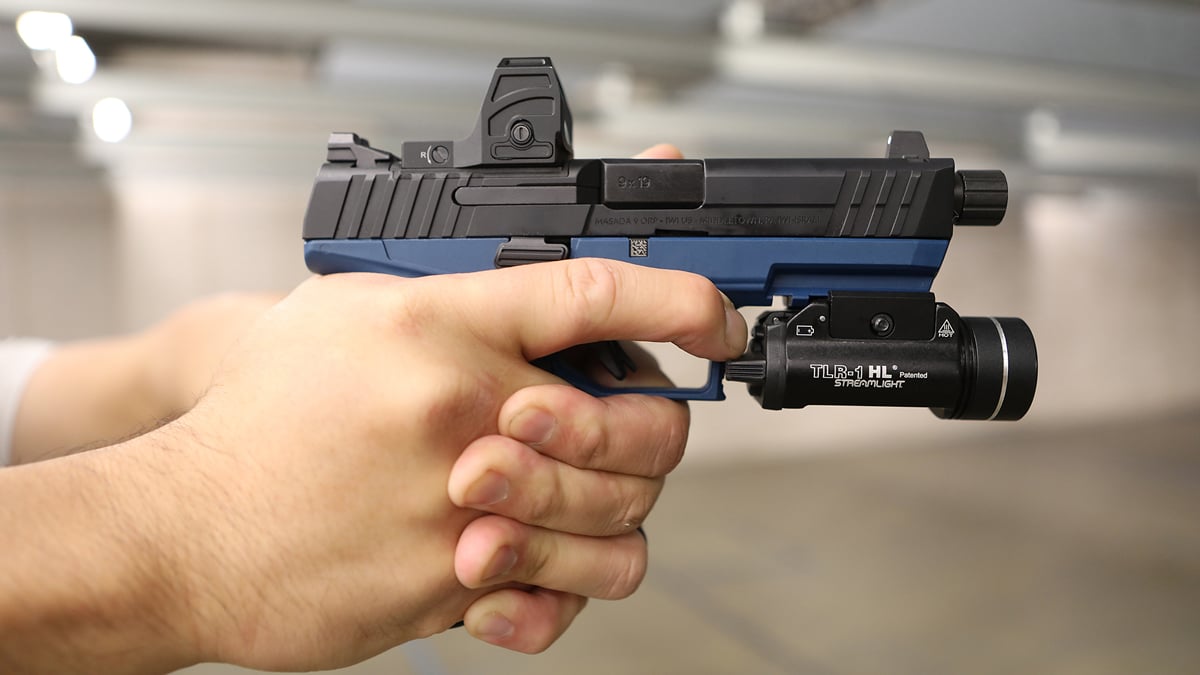
Striker-fired pistols offer simplicity, consistency, and a streamlined design that has made them the dominant choice for modern concealed carry and defensive use. They are easy to learn, carry, and run effectively, making them a strong option for a wide range of shooters.
If you want a pistol with a crisp trigger, more manual control options, and a more classic shooting experience, a hammer-fired handgun may be the better fit. If you want consistency, simplicity, and a handgun that is straightforward to carry and deploy, a striker-fired model is hard to argue against.
Neither system is wrong. Both work. The best choice is the one that you train on. Train. Train. Train. That’s the most important part of firearms ownership.
If you want to dive even deeper into the weeds of this conversation, I recorded a whole podcast with fellow Guns.com writer, Chris Eger, on this subject. We get into the nitty gritty of each platform while having a few laughs along the way. Be sure to listen if you want more information.