The Cooper Color Codes
The Color Code of Situational Awareness was developed by Colonel Jeff Cooper, founder of Gunsite Academy, a Marine, and WWII and Korean War combat veteran. According to Cooper, the most important aspect of surviving a lethal confrontation is the combat mindset, not a weapon.
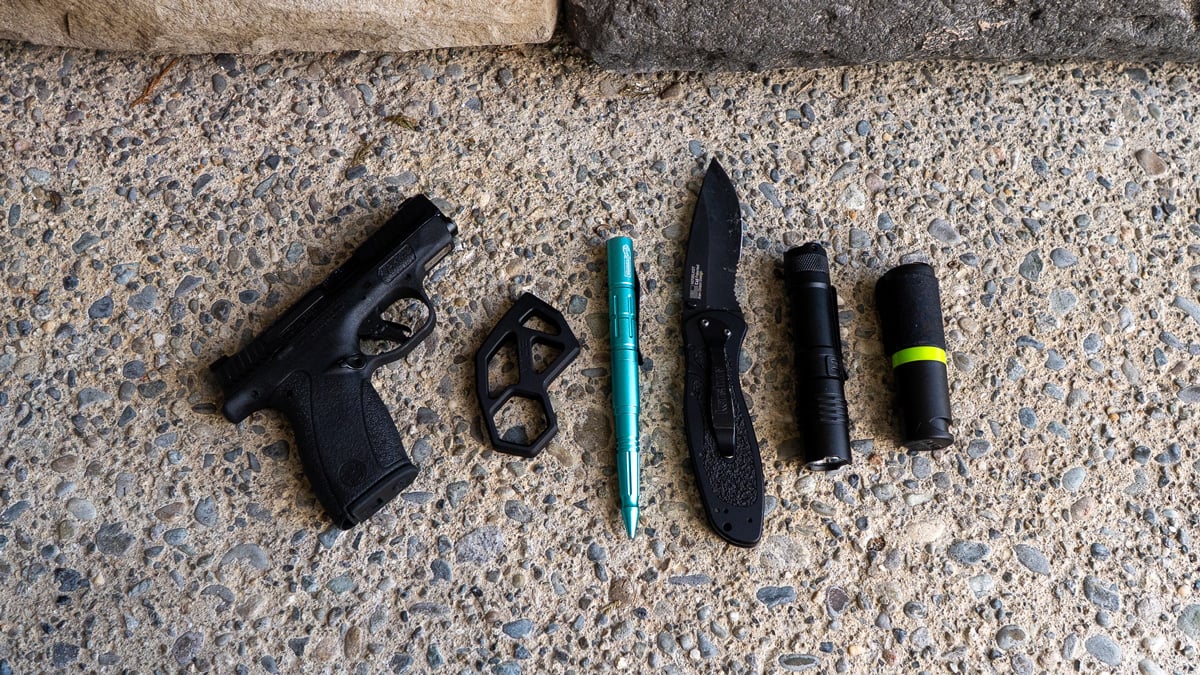
The color code conditions represent a sliding scale of readiness:
Condition White: A state of complete unawareness and unpreparedness. You are blind to your surroundings and vulnerable to abrupt threats.
Condition Yellow: A state of relaxed alertness. You are aware of your surroundings and do not see a distinct threat. The ideal state while in public.
Condition Orange: A state of specific alertness is triggered when you identify a potential threat, activate focused attention, and engage in “what if” planning.
Condition Red: A state of immediate action beginning when a specific threat has become real, and you must focus on the immediate decision to flee or fight.
Why It Matters for Personal Safety
You’ll hear people say, “I never saw him coming,” but the reality is that most attacks don’t come out of nowhere. To the trained eye, it’s easy to see warning signs and how situational awareness may have changed the outcome.
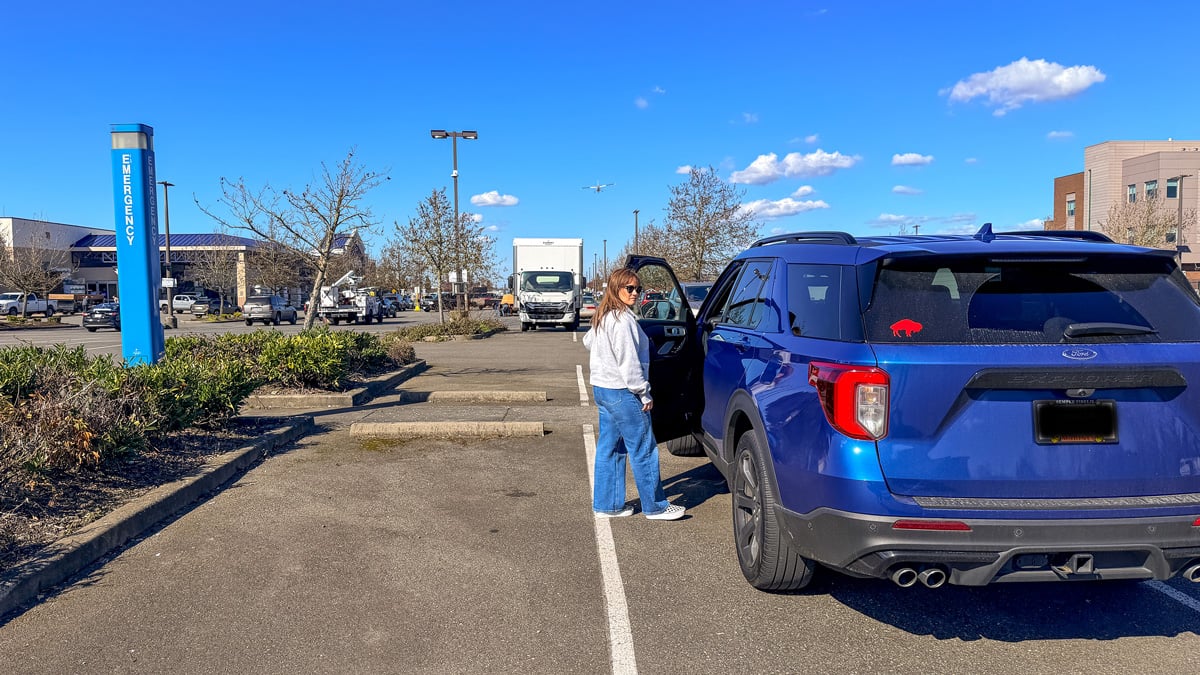
In an ideal scenario, situational awareness would:
- Help you recognize a potential threat early
- Give you the time and space to assess the risk
- Give you the confidence to plan your reaction
-
Help you determine whether you can flee or if you need to fight
Developing Situational Awareness
The first step is simply to stay aware and present in public. Put your phone away, scan the area, and observe what’s going on around you. You can learn a lot about behavior from people-watching. As you start to understand normal behavior through pattern recognition, the oddities become clear quickly.
Training your mind with mental exercises is critical and should be done daily. While visiting new places, take note of entrances, exits, and any barriers. It takes less than a minute and will become a habit after a few times.
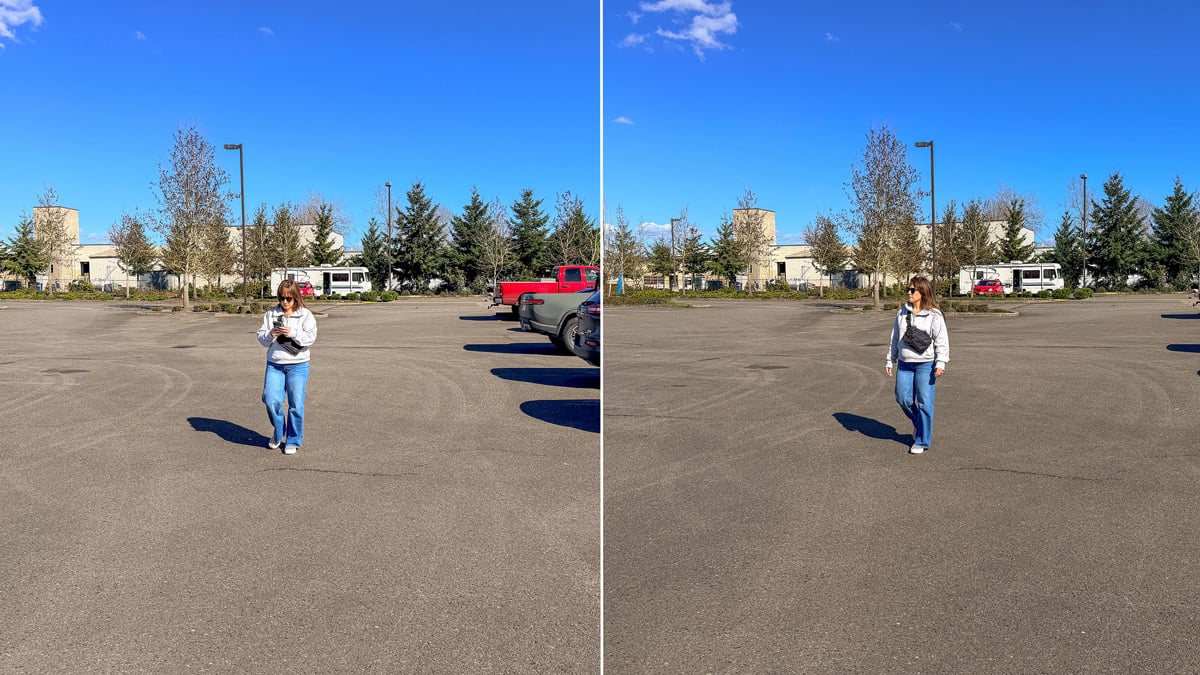
Visualize scenarios in different spaces and think through how you would respond. You want to make the intake and processing of information as fast as possible. By doing these drills in a relaxed state, you can develop action plans.
Being alert makes you a hard target that criminals will almost always avoid. If you look like a victim, you’re more likely to be victimized.
USCCA is a wealth of information and has decades of experience in real-life scenarios. The video below is an excellent look into situational awareness and defensive techniques.
Common Signals People Miss Before an Attack
- Gut instinct or intuition that something bad is about to happen
- Body language, like fidgeting or shifty eye movement
- Hiding hands or clearing hands
- Asking random questions, like the time or for directions
- Odd movement patterns for the given environment
- Aggressive language or a sudden raised voice
- Familiarity, as if they are following you
-
Gradual movement into your personal space
When Stuff Hits the Fan
What happens if you must move from condition yellow to orange? In an ideal world, the order of steps would be: avoid, escape, de-escalate, and, as a last resort, defend.
Have you noted the exits and escape routes? Can you get to your vehicle, or do you need to find another place to flee? Are there people with you that you need to protect? If you can’t escape, can you try to de-escalate, or is it time to draw your gun?
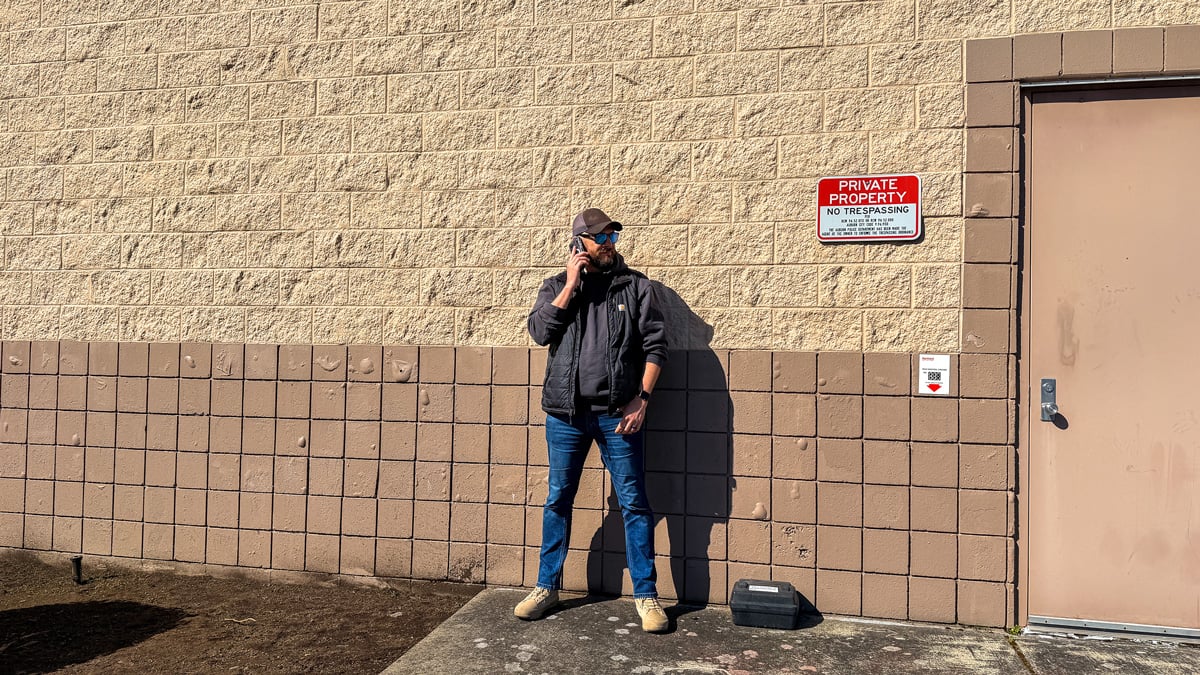
This is where mental preparation comes into play. When you feel threatened, and your body starts producing adrenaline and norepinephrine, it becomes very difficult to think and act. You must engage in training that gives you the best chance of fleeing or surviving a fight.
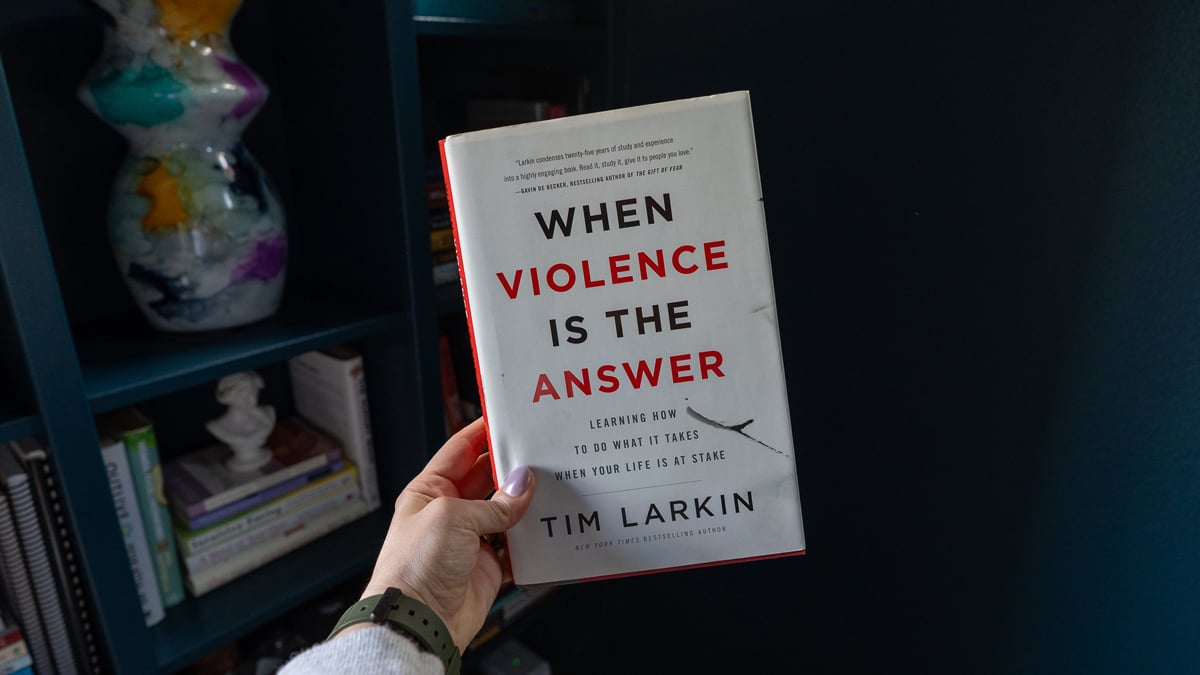
The book “When Violence Is the Answer” by Tim Larkin has several chapters on physical and mental training. Larkin says, “Training slow helps you develop a plan. What you need is a set of general rules – fundamentals really – that you will engage and follow if you find yourself in an inescapable confrontation.”
There are plenty of other books and videos to help, but I also recommend in-person training. Last year, I took my first force-on-force class after having carried concealed for 18 years, and it was eye-opening. It’s a whole different ball game when training guns are involved.
Time slows down even as the situation moves fast, making decision-making difficult. I was shot once while fleeing because I hesitated, and I had to shoot once to protect myself. I was also able to de-escalate and avoid in three other scenarios.
Remember, the easiest way to guarantee you’ll win a gunfight is to avoid having one altogether. But if you must engage, you want to be ready.
Trust Your Intuition
“I walked into that convenience store to buy a few magazines, and for some reason, I was suddenly afraid, and I turned right around and walked out. I don’t know what told me to leave, but later that day I heard about the shooting.”
This excerpt from the book “The Gift of Fear” by Gavin De Becker, where Robert Thompson explains that he didn’t see anything but just had a feeling, is the perfect example of listening to your intuition.
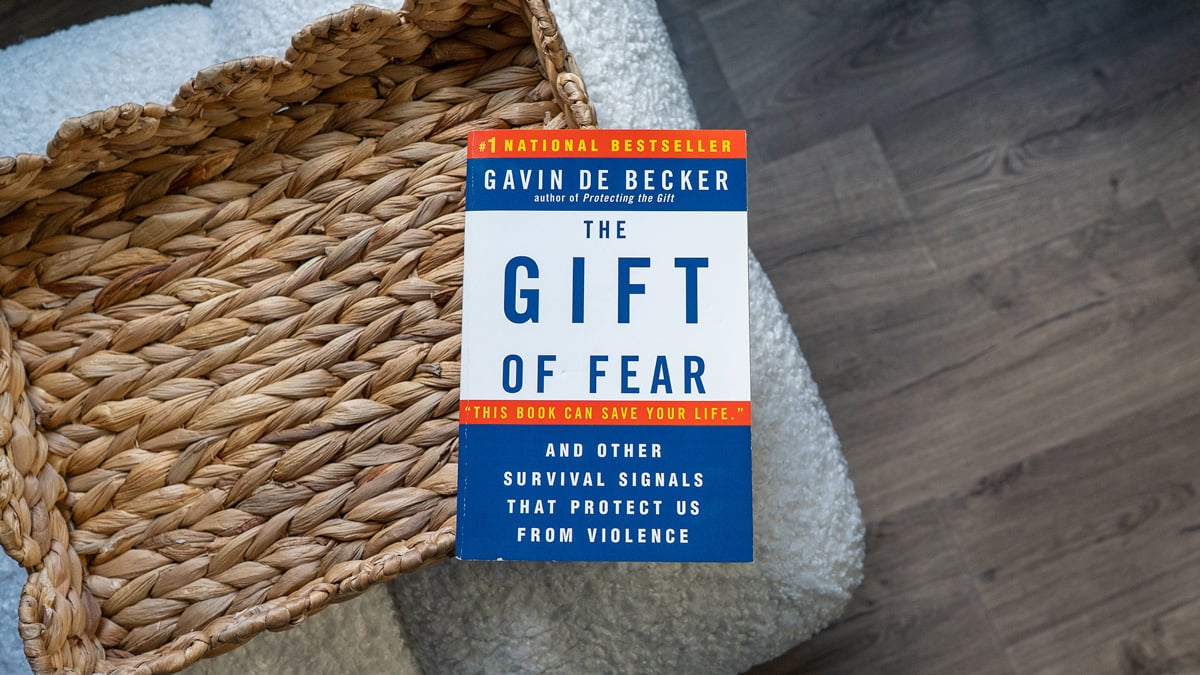
In another story, De Becker talks about a woman carrying her groceries up to her apartment when a young man came up and offered to help. “Kelly didn’t like that voice. Right from the start, something just sounded wrong.”
But he was persistent, and she let him in the apartment. Sadly, he brutally assaulted her. She eventually escaped and knew that if she hadn’t, she’d have been killed.
Your gut feelings are important. Noticing small things is not an accident – if something feels off, it probably is. You do not need to be polite to someone who’s giving off warning signals. You may get it wrong sometimes, but that’s ok. I’d rather be safe and have overreacted than the alternative.
Real Life Scenarios
Active Self Protection is a training company with hundreds of YouTube videos that show what works and what doesn’t in real defensive situations. Their analysis is objective and evidence-based, and we can learn a lot.
In the video below, ASP highlights two real-life situations that went wrong, one of which occurred at a gas station, which are known as crime hot spots. The woman, carrying a backpack full of cash, is attacked and dragged as they ultimately make off with her money.
She fought back but had no chance. Had she thought about someone following her and clocked the odd behavior, she may have avoided this one.
Conclusion
Situational awareness is your No. 1 weapon against violence, and like any other skill, it requires continuous practice. Start by staying distraction-free, taking note of your surroundings, and build up from there. Remember, practicing situational awareness skills shouldn’t bring on anxiety or paranoia. Instead, it should give you confidence.


Elizabeth Bienas
Elizabeth Bienas is a writer, content creator, and 2A advocate with two decades of shooting experience. In 2019, she founded casual+tactical, a lifestyle brand dedicated to helping women build confidence in concealed carry and self-reliance.
View All Articles by Elizabeth Bienas