What Is Reciprocity?
Depending on the state, concealed carry laws vary widely. With interstate travel being so common in the U.S., it’s tricky to figure out where you can legally carry. Thankfully, some states have adopted reciprocity agreements, making it easier to cross state lines with your gun.
Concealed carry reciprocity is a mutual agreement between two states to honor out-of-state permits. For example, if you live in Texas and have a permit, you can also carry in states like Nevada and North Carolina.

This can get confusing, and the ideal solution would be a federal law that allows anyone who can legally carry a firearm in one state to do so in all other states. This type of bill has been introduced a handful of times over the past decade, only to stall or die in committee. In 2025, H.R. 38, the Constitutional Concealed Carry Reciprocity Act of 2025, was introduced and is still alive for the time being.
Which States Honor Your Permits?
Staying legal when crossing state lines can be confusing, but the USCCA Reciprocity Map can clear things up quickly. It’s easy to use and is always kept up to date.
When you view the map, simply click on your home state to see any reciprocity. If you have permits in multiple states, choose that option and select all the states. The map will populate color-coded designations to show you where you can and cannot carry. It also shows constitutional and permitless states, as well as any restrictions on them.
If you scroll down, you will find a summary of the firearms and carry laws for the selected state(s). USCCA has also included information on obtaining a permit, as well as answers to other frequently asked questions.
States With the Best Permits for Reciprocity
Some states are better than others and grant wide reciprocity. Utah, for example, offers a non-resident permit that’s quick and easy to obtain and is recognized in roughly 35 states.
Florida’s non-resident permit takes a little longer to get, but it doesn’t cost much and is good in about 36 states. Arizona has a mail-in application for a low cost, and the permit is recognized in approximately 37 states.
Depending on your home state, you can combine a couple of these for maximum coverage.
Constitutional Carry States
Currently, 29 states have constitutional carry or permitless carry. In case you’re wondering, yes, there is a slight difference between constitutional and permitless carry. Constitutional carry is when a state allows any resident who can legally possess a firearm to carry. Permitless carry is when a state requires a resident to meet certain qualifications to legally carry, but they do not require a permit if those qualifications are met.
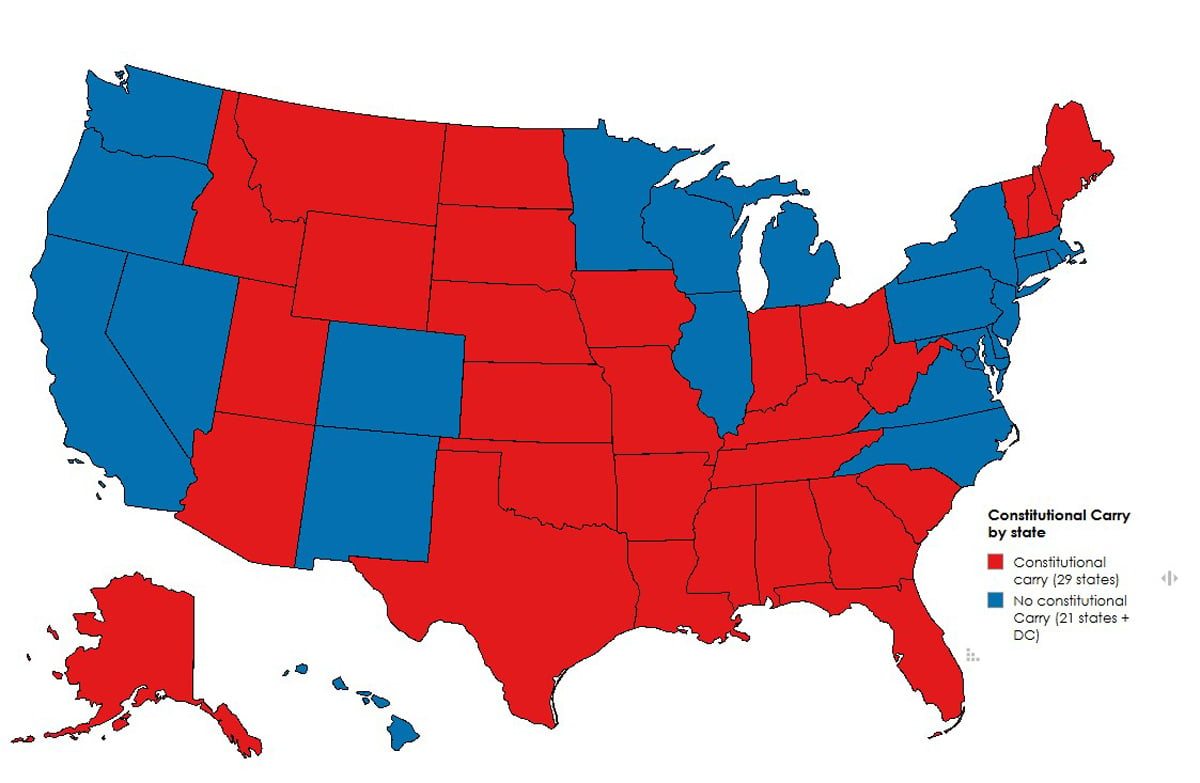
The states that currently allow constitutional or permitless carry are:
Before traveling to these states, you can check the USCCA Reciprocity Map to learn about any additional regulations, such as age requirements or residency restrictions within certain jurisdictions.
Expanding My Coverage
Several years back, my husband and I obtained Utah concealed carry permits. We currently live in Washington state, and not counting constitutional carry, we have very little reciprocity. At the time, I was traveling a lot for work, and we love our road trips, so it seemed like a no-brainer.
The process was simple and affordable. Our local range offered the half-day course, took our photos and fingerprints, and helped us with the application. From there, we mailed it to the Utah Bureau of Criminal Investigation and waited a short time. We’ve renewed a few times since, and it’s been easy to do online.
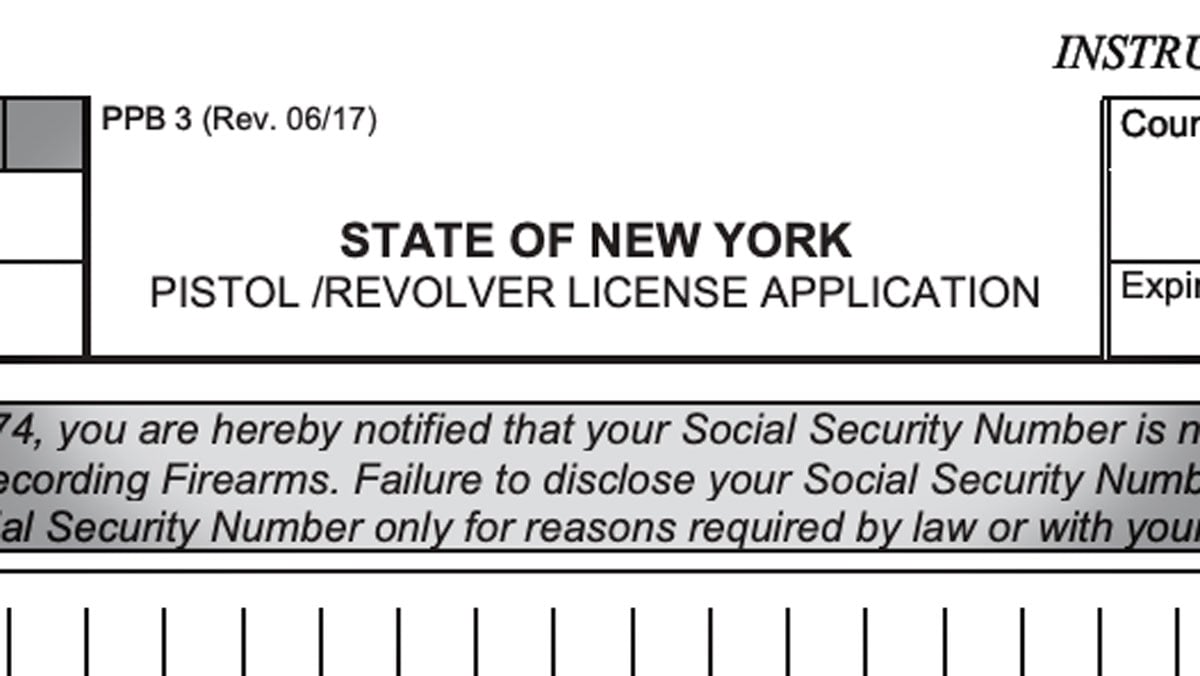
Combined with Washington, this gets me 32 additional states. Of course, it’s not a catch-all, and several states, like New York, where my family lives, don’t offer out-of-state permits under any circumstance.
Conclusion
With so much variance in state laws, understanding concealed carry reciprocity can be tricky. Thankfully, USCCA has the resources to help. I suggest bookmarking the reciprocity map and checking it before your next trip. It’s better to know the laws ahead of time than to get caught operating outside of them.