Today I would like to discuss a checklist as it pertains to long-range competitive precision rifle shooting. As I highlight in the accompanying video, I can’t give you the checklist. It would really defeat the purpose if I just published a list for you to print out and follow. The idea is that the list is personal and generated through self-discovery during practice time. The process of coming up with a list is as important as the list itself. However, I can give you a guide on how to build your own checklist.
The actual goal of the checklist can vary from shooter to shooter. It could be a simple reminder list of often forgotten items. It could also be a list of fundamentals that should always be followed.
Safety
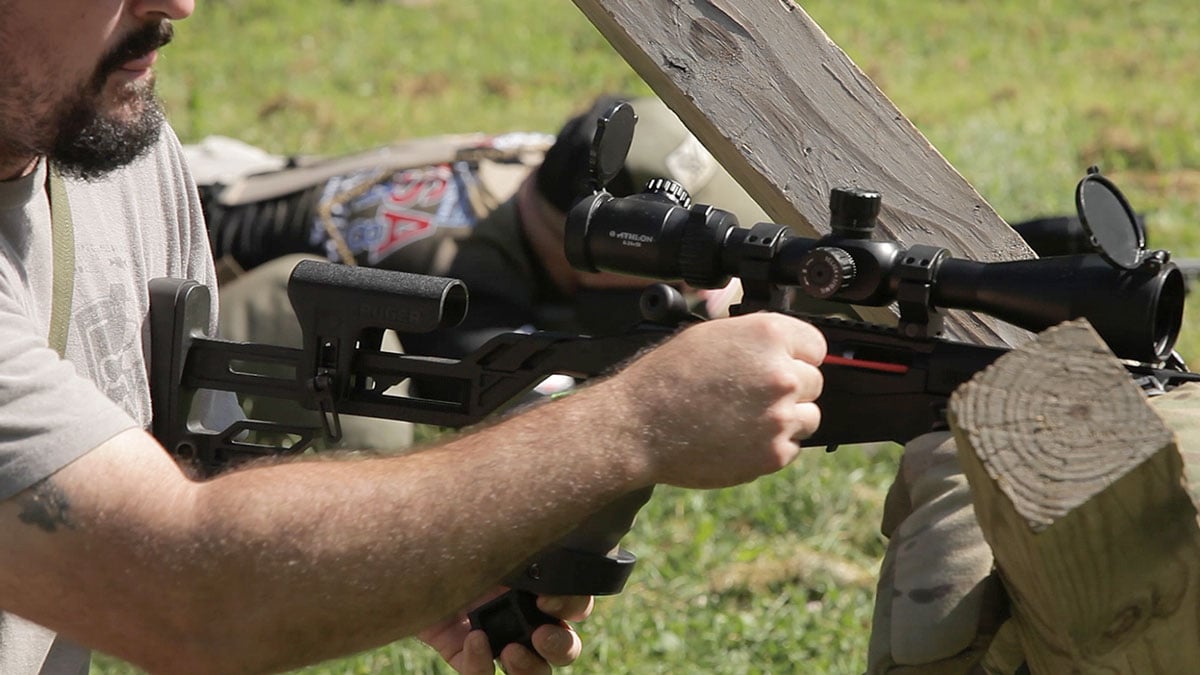
The first list all shooters should have is the basic rules of firearms safety. There are many versions of this, so pick one and make it a mantra.
- Treat all guns as if they are loaded
- Don’t point the firearm at anything you are not willing to destroy
- Keep your finger off the trigger until you are ready to shoot
-
Know your target and what’s behind it
Core List
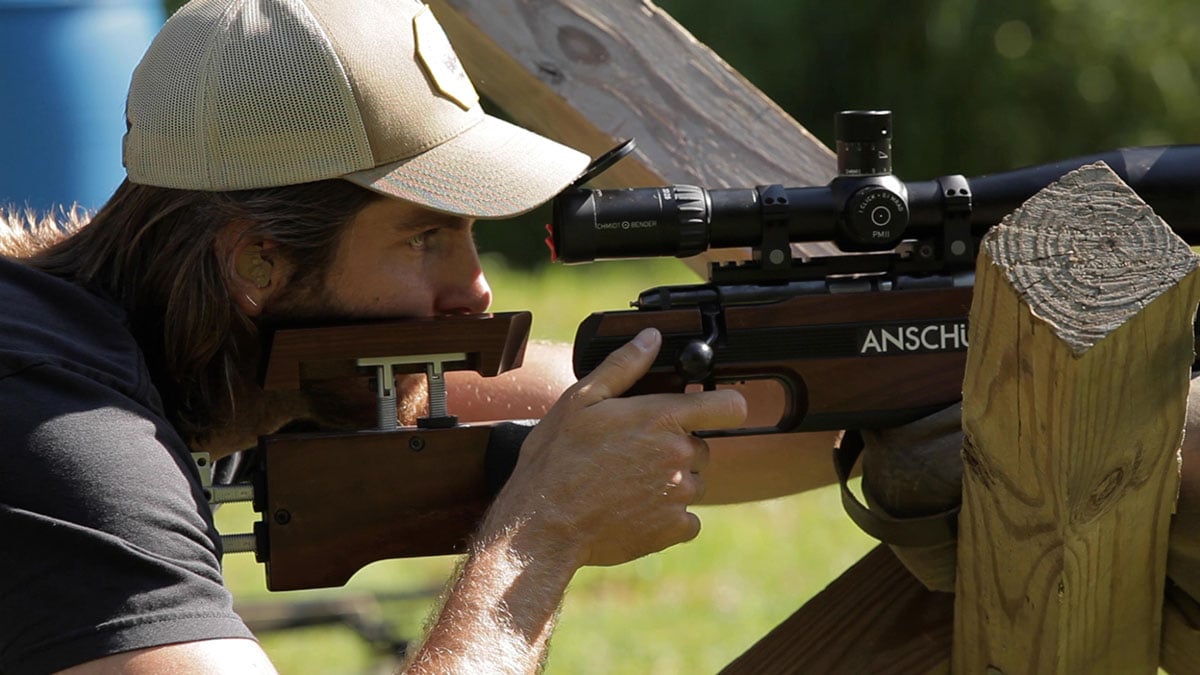
The next suggested area for your list is the fundamentals of marksmanship. These are the basic elements that are essential for consistent and repeatable precision shooting. Every instructor breaks things down differently, but I like the following:
- Natural Point of Aim/Structure
- Sight Picture
- Trigger Control/Breathing
- Follow Through
In the video, I go into a little more detail on each element. However, books have been written on this subject, so I can’t cover everything. The overall idea, though, is for you to build a list of cues for your basic shooting mechanics so you can reference them as you practice building them into muscle memory.
Pre-Shooting List
Your list doesn’t just have to be about the act of shooting itself. Proper preparation can set you up for success. Have you ever forgotten your hearing protection or your stapler? You can list whatever you want to remember while packing for a range trip. Here are some ideas for a pre-range trip list:
- Check Firearm Screws
- Bring Ammo
- Load Magazines
- Remember Safety Equipment
- Take Adjustment Tools
- Pack Targets
- Confirm Staples in Stapler
- Verify If Rain Jacket Is Needed
- Grab Sunscreen and Bug Juice
- Get Food and Water
Another type of pre-list is the pre-stage checklist for competitive matches. I can’t tell you how many times I’ve seen competitors start a stage and then realize that they didn’t have any ammo with them. I’ve seen this at national-level matches with world champions. It happens to all of us. But if you build and review a pre-stage checklist before each stage, the chances of you making these basic mistakes are greatly reduced. Here are some suggestions:
- Check Rifle Setup
- Verify Magazines
- Establish Dope
- Verify Parallax
- Measure Wind
- Adjust Zoom
- Set Bipod Position
-
Remember to Use Reverse Kneeling
Post-Shooting List
The post-firing checklist is often forgotten. In match situations (or even defensive situations), post-shot procedures can set you up for success for the next stage. Newer competitors sometimes get so excited after finishing a stage that they forget everything else going on around them. I’ve watched shooters just walk off the line, leaving a loaded gun lying there. Don’t be one of those people. Having a procedure and reviewing it will give you a moment of pause to collect yourself and return to the moment. Is your rifle safe? Are you safe? Here are some things to consider:
- Calm Down
- Clear Rifle
- Remove Magazine
- Insert Chamber Flag
- Set Zoom
-
Return Dials to Zero
My List
Finally, here is my checklist just to give you an example. Remember, it’s important to build your own as part of the whole process. I printed my list out and glued it in my data book. I try to look at it before every range trip. As you can see, one of my personal touches is the dialing direction reminder. I’m dyslexic, so I have a difficult time with right and left. Therefore, I included a cue to myself to help me remember which direction to dial my turrets
Hope this helps.