Benefits
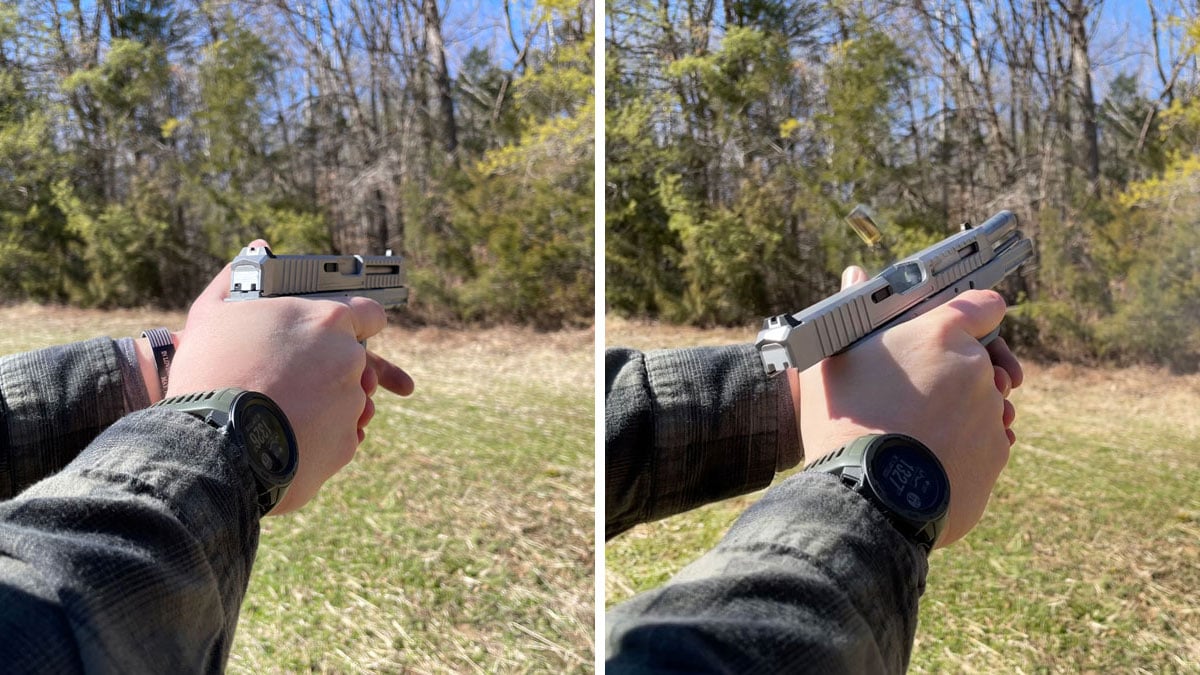
How do compensators work? They reduce muzzle rise by redirecting gases upward to counteract the natural muzzle flip caused when a gun is fired. This allows for faster follow-up shots because the shooter can get their sights back on target quicker. In both a competitive and a defensive environment, fast and accurate shooting makes a critical difference.
Compensators can also make guns more comfortable to shoot by reducing felt recoil. This benefit is more prevalent on larger calibers with more recoil, such as 10mm, .357 Magnum, .44 Magnum, etc.
Compensators Vs. Porting

Technically, there is a difference between porting and compensators. Compensators are devices attached to the end of a barrel or slide that have one or more baffled expansion chambers to redirect the gases. Ports are holes or cuts in the barrel that vent off gases. Typically, compensators are more effective at reducing recoil because their chambers allow the gases to slow down barrel and slide movement much like a suppressor.
Criticisms
There are a few cons to compensators – some real, and some overblown. The first is that the muzzle flash directed upward will negatively affect the shooter’s night vision. This has been mostly debunked. It’s also easily tested on your own. Muzzle flash varies depending on the ammunition used and barrel length. Some combinations can have very large flashes.
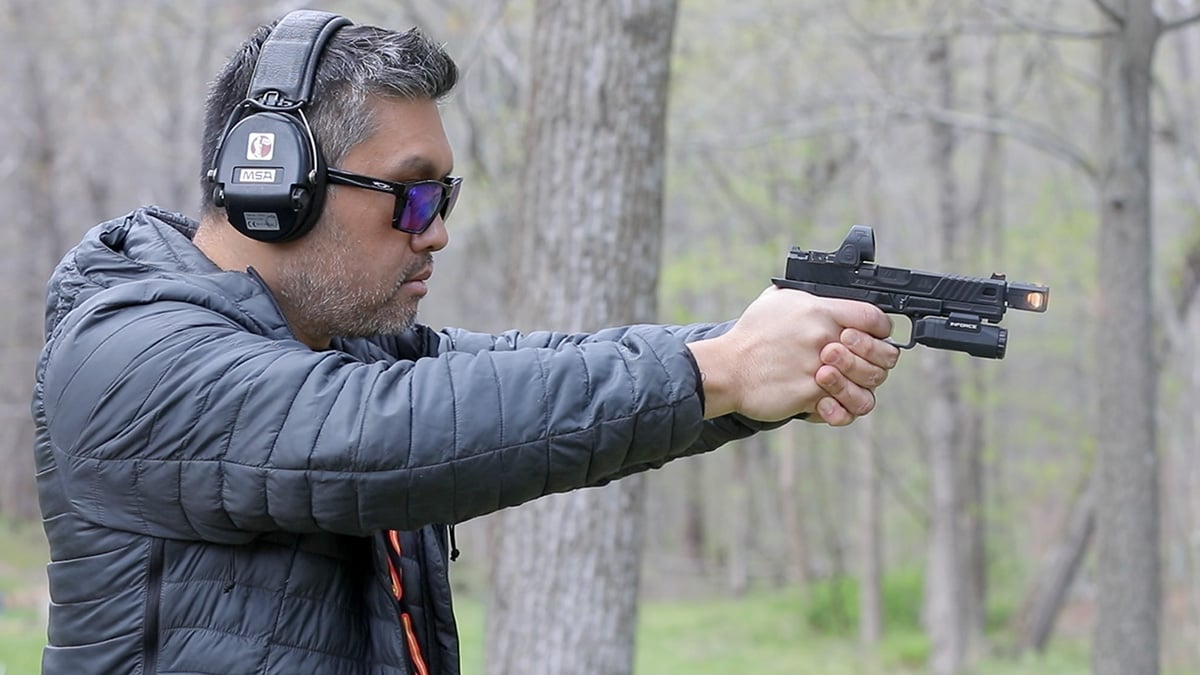
However, most shooters report very little difference between shooting a gun that is compensated versus an un-compensated gun. If the gun is going to flash, then it’s going to flash, but comps do not make it significantly worse. In the military, rifles with flash suppressors are usually more concerned about an enemy detecting the shooter by the flash than the impact on the shooter’s own night vision.
The second common complaint is that shooting in a close-quarters situation could injure the shooter if any of their body parts or clothing get too close to a port. While it is true that you don’t want to jam your finger into a port when a gun is firing, in a real-life situation, the benefit of shooting faster and more accurately vastly outweighs the potential of a minor burn.
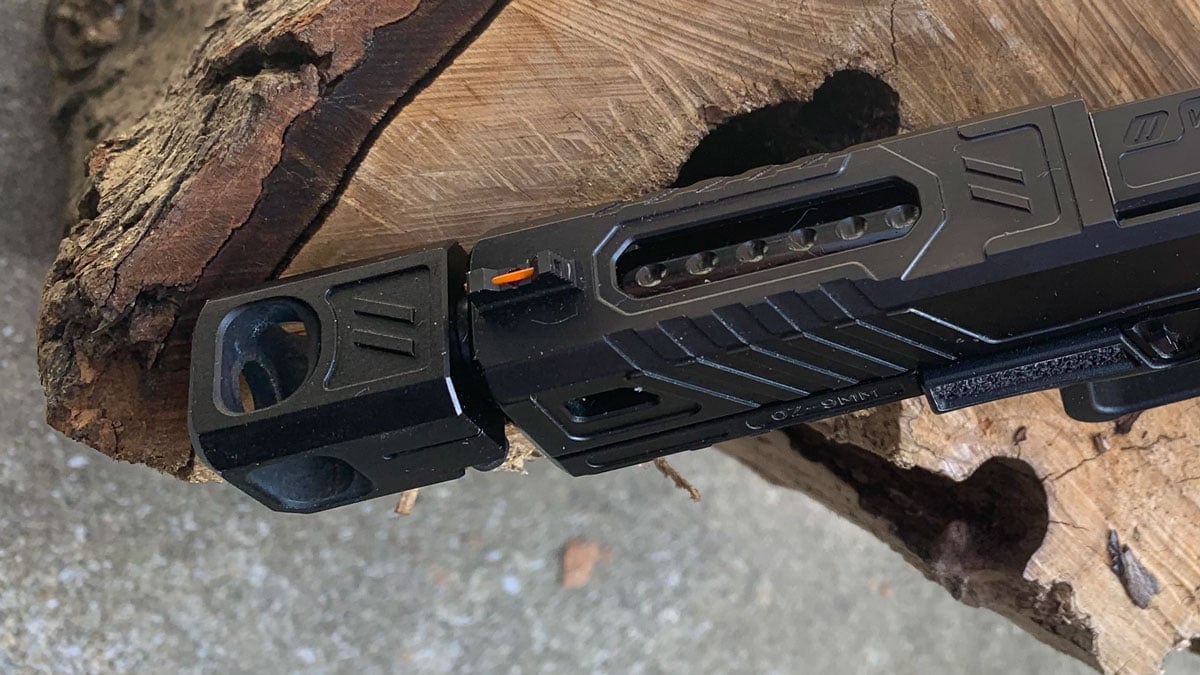
Third, critics say that porting reduces muzzle velocity because you are venting gases that should be used to propel the bullet forward. In actual testing, there is a small muzzle velocity decrease, but it is negligible, especially at pistol-shooting distances.
Fourth, they make the gun louder. Well, this is true. Ports and comps usually increase the decibels when you fire, but you are already shooting a gun, so…
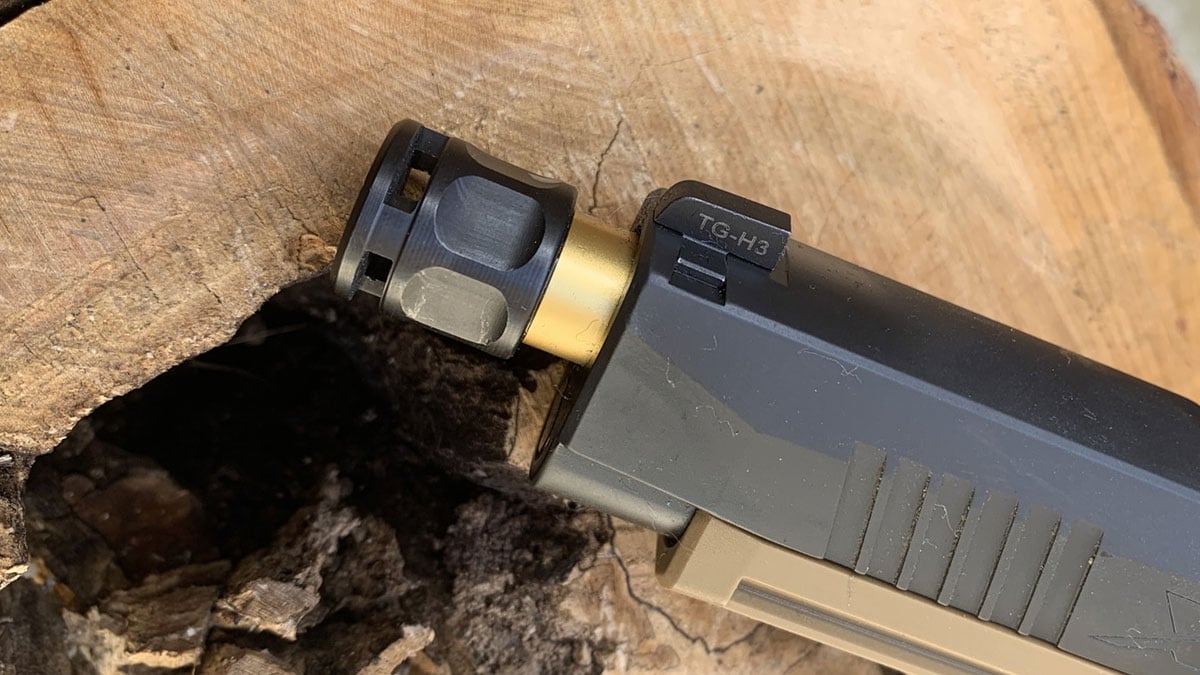
Now the last issue is a real concern. Compensators can affect reliability. Comps add weight and length to the end of your gun. This can change the functioning of certain pistols. Ammunition and pistol geometry all act together to allow the gun to run. If you change something, it can make the pistol work less effectively.
The best situation is when a gun company specifically designs a pistol with a compensator. They do the R&D to make sure it functions with a variety of ammo in all types of conditions. Home builders who want to modify their guns run the risk of making them less reliable and also possibly voiding their warranty.
Therefore, do your research to see if your particular pistol and ammo combination will work with whatever comp you want to purchase. You might need to change some springs or your ammunition to get your compensated gun working. Contacting a gunsmith with porting experience or the manufacturer of the compensator is probably a good idea.
Conclusion
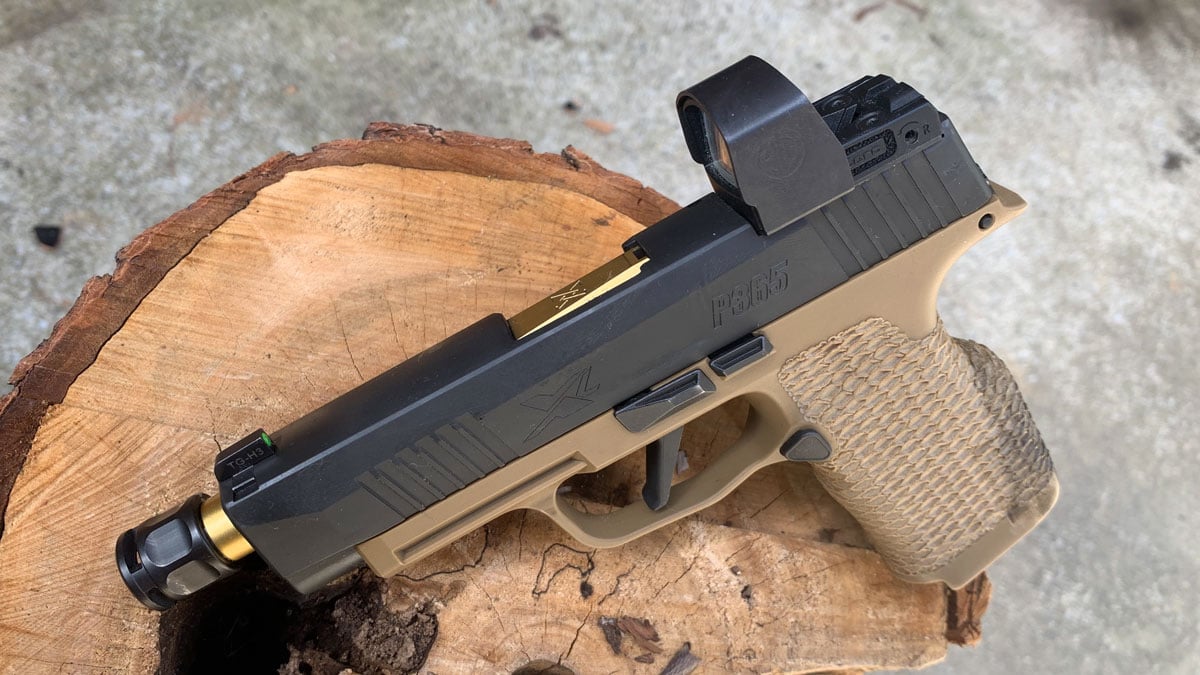
Do you really need it? Well, for larger calibers with lots of recoil, compensators make a difference. For subcompact 9mm guns, comps do improve the shooting experience by making these snappy guns more controllable. However, for full-sized 9mm handguns, with proper technique, you can make even non-compensated guns shoot super flat. Just watch top-level shooters. Their non-ported 9mm guns barely move at all. That shows it’s really all about technique.
Ultimately, though, compensated guns are popular because we all don’t have the time or energy to develop world-class technique. Comps are a great shortcut. They also make guns really fun to shoot. Who doesn’t like an instantly more controllable gun? Who doesn’t want to shoot a gun faster while keeping the same accuracy? Go test a compensated gun and try to keep the smile off your face.