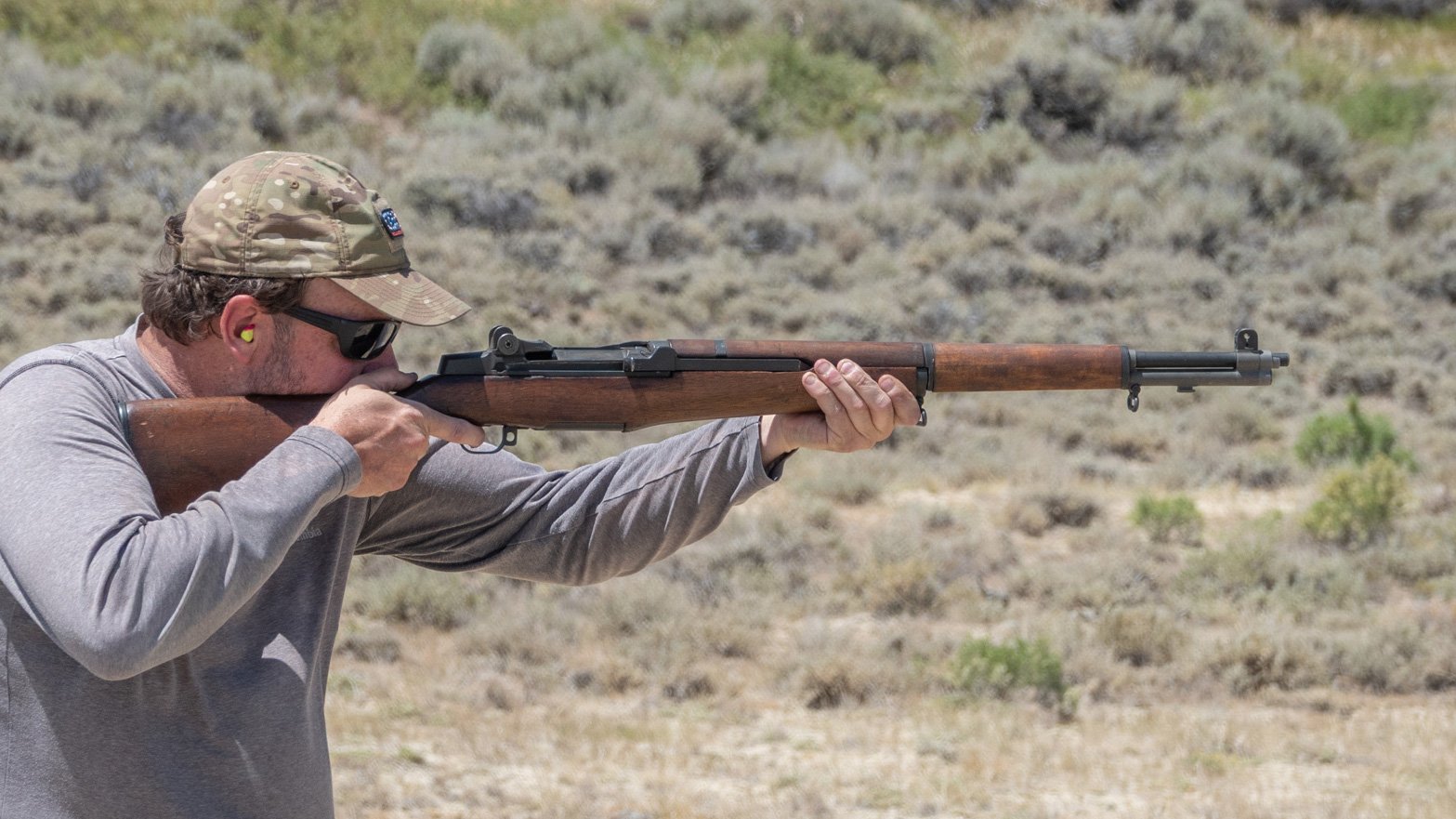
M1 Garand: The Basics

The Garand was chosen after much testing to become the new standard infantry rifle for the United States military in 1936. Designed by John C. Garand in 1928, its rapid rate of fire and accuracy made it a fantastic choice on the eve of World War II.
The curious design of the Garand uses a one-piece gas piston and operating rod, which opens and closes the rotating bolt. The internal eight-round capacity combined with the semi-automatic design gave America’s warfighters an edge over the older bolt-action rifles still common in other militaries at the time.
Related: M1 Garand Rifle – How Does This Old War Horse Hold Up Today?
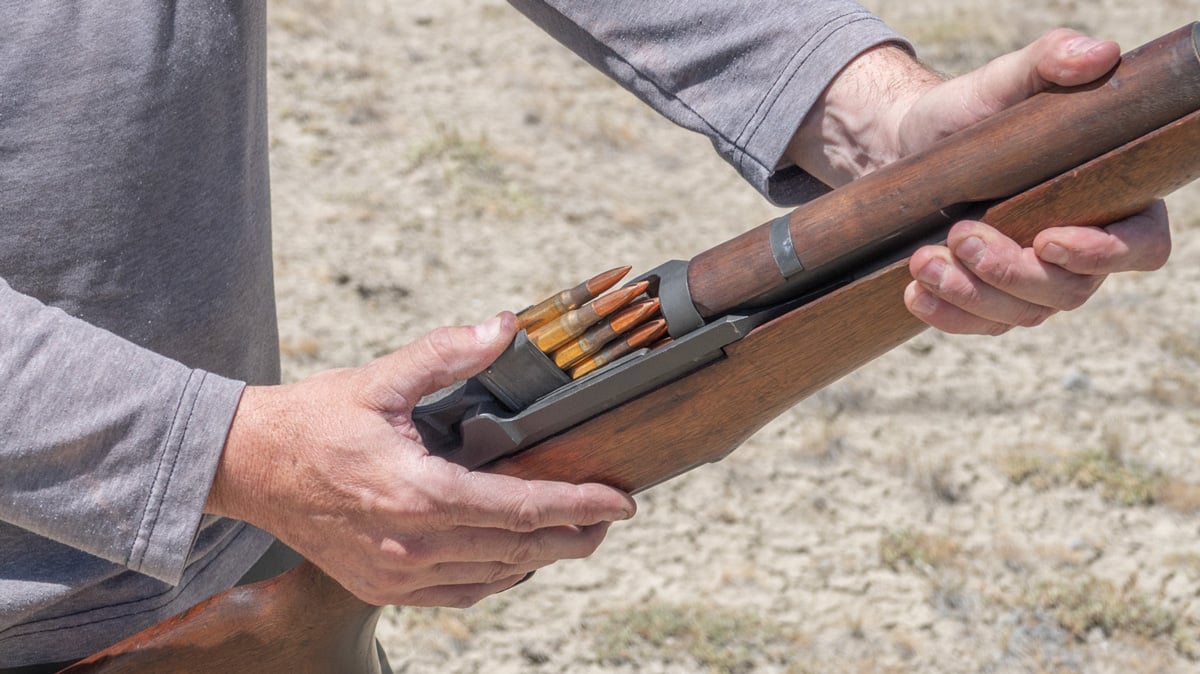
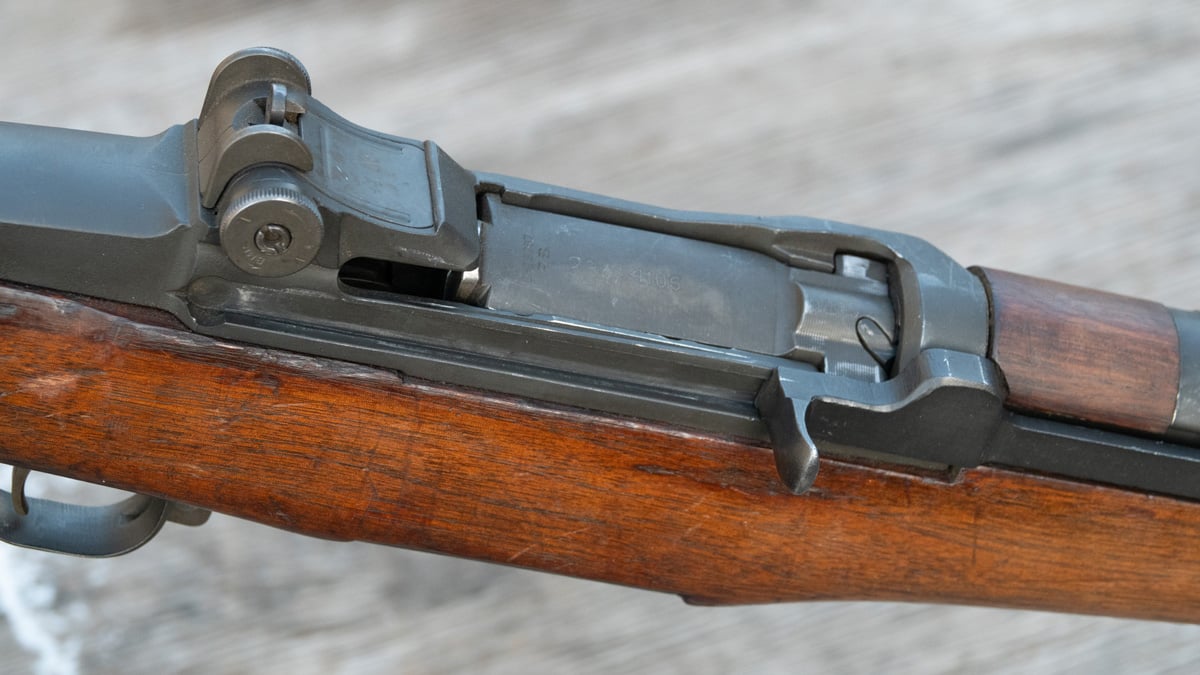
M1 Garands are fed from a curious magazine system that uses en-bloc clips that bundle eight cartridges together. These clips load from the top of the action and eject from the rifle after the last round is fired, resulting in a unique ping sound as the metal clip flies out of the action.
Coupled with the gun’s robust operating system, the end result was a battle rifle that could load and fire rapidly and reliably, which put awesome firepower and range right at the fingertips of American fighters. Today, that may not seem as apparent, but let’s get into why it mattered in the 1940s and 50s.
My Grandfather
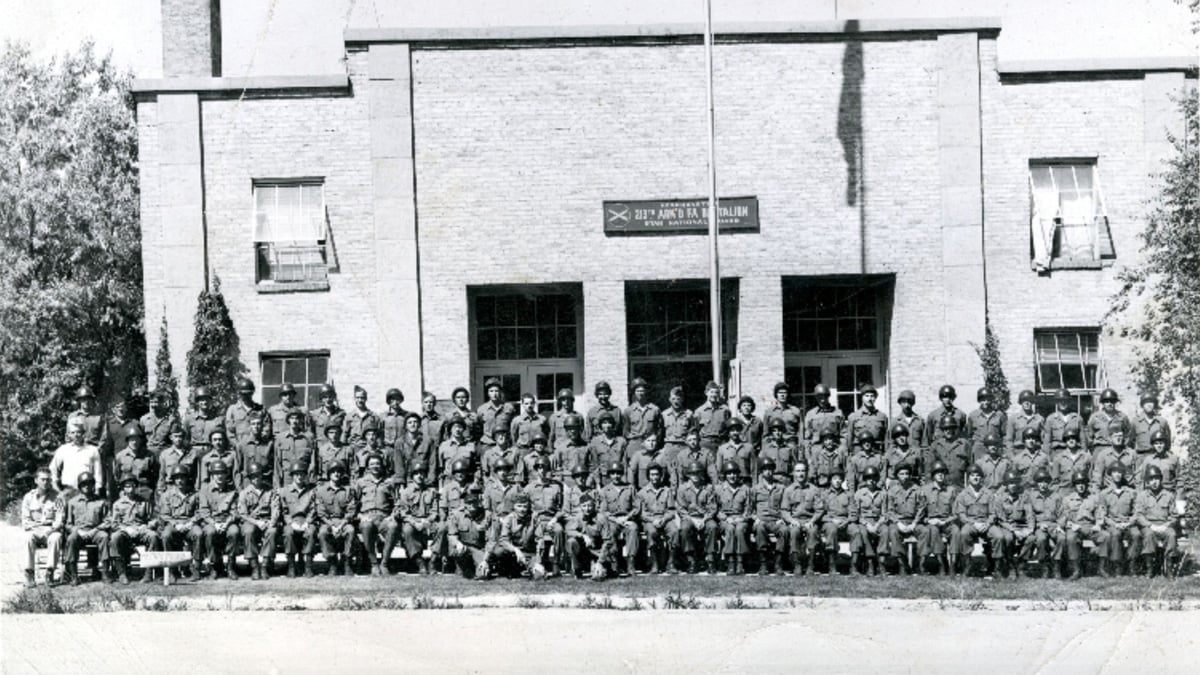
My grandfather grew up in the dry deserts of the American Southwest, raised on a cattle ranch settled by our Swiss ancestors. I credit my love for the outdoors at least partially to my grandfather’s influence. His love of hunting and fishing surely was the origin of my own passions. As a small-town boy growing up in the 30s and 40s, he spent much time in the Wild West, and I expect that most of that time he carried a gun with him.
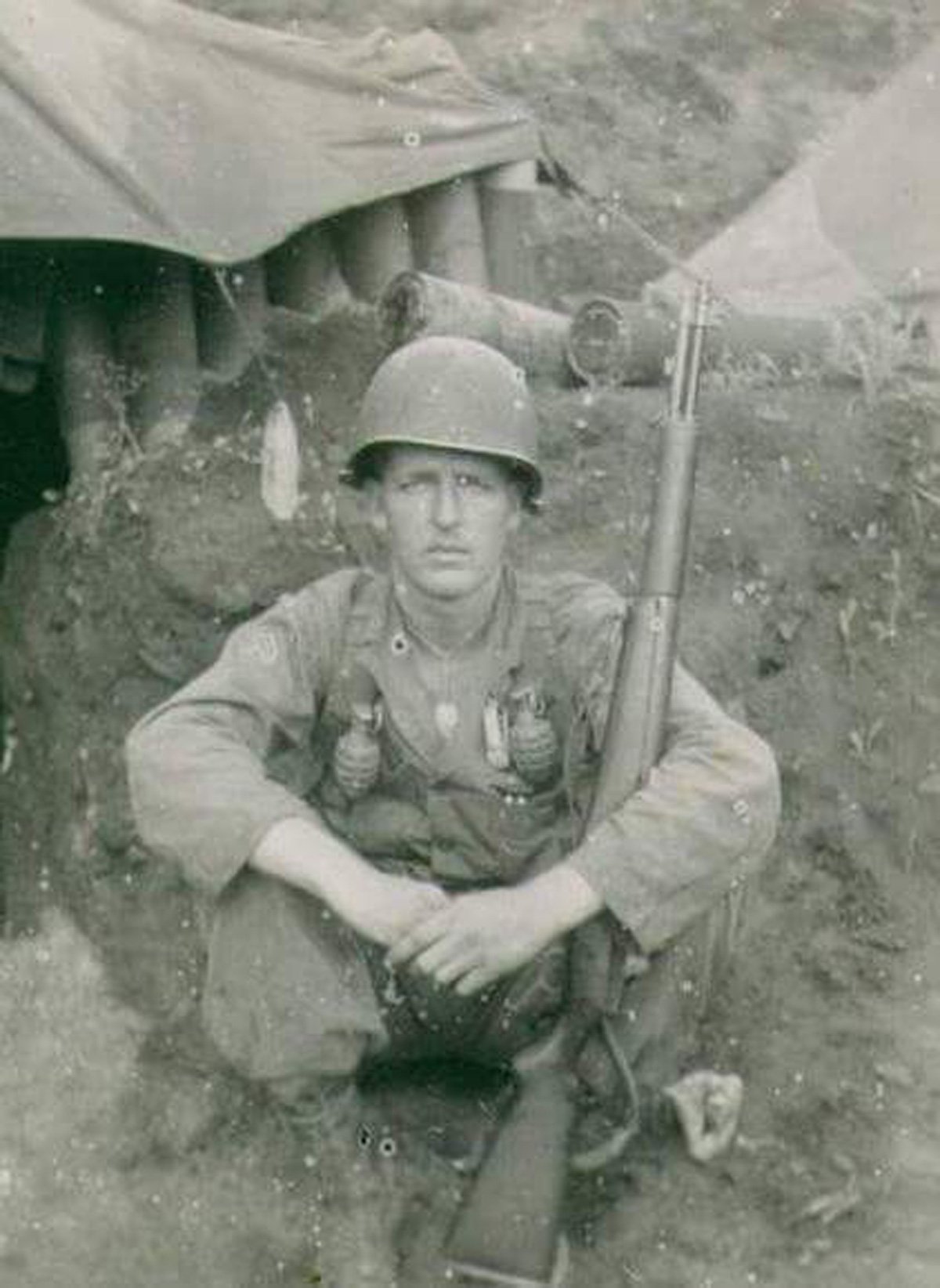
(Photo: Jeff Wood/Guns.com)
He joined the Utah National Guard as a young man and was part of the 213th Field Artillery unit. Shortly after the beginning of the conflict on the Korean Peninsula in 1950, his unit was called to serve. I can imagine that a group of young Southern Utah cowboys must have felt extremely excited and nervous about such a dangerous foreign engagement.
Having grown up hunting deer and other game using typical guns of the time, I suspect they were familiar with lever-action .30-30 rifles and similar firearms. I expect it was a great comfort when the Garand rifle was issued to them, with its heavy-hitting .30-06 cartridges stacked deep in the magazine.
Shooting & Accuracy
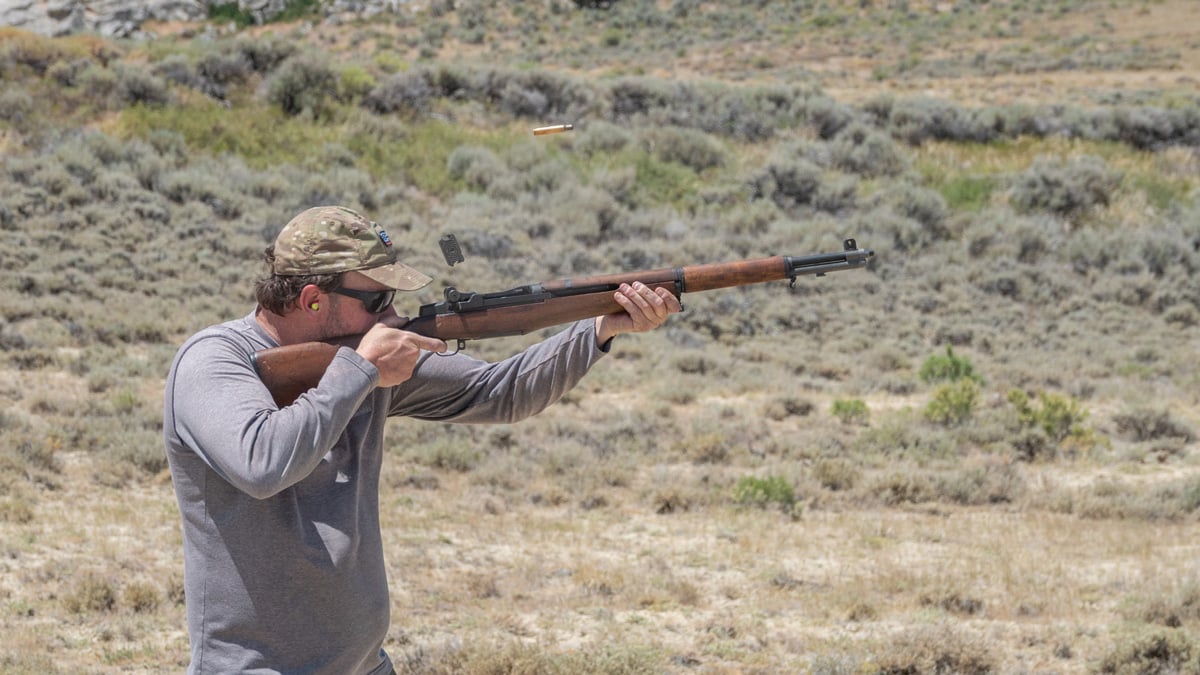
My brother and I took the Garand for a range trip to see how the old rifle shoots. The dry desert in the summer can be a bit warm and windy, but I knew our testing would simply be a refresher. The Garand has proven itself many times over, so this was more about me experiencing the rifle.
We managed to get through the day without any smashed fingers. It is a somewhat common phenomenon unique to the M1 rifle and known as Garand thumb, whereby the bolt crushes the user’s digit if it is left exposed during the reloading process. Thankfully, we were already a bit more familiar with this piece of history and avoided that mistake.

The M1 Garand shoots very nicely, especially when run on the Lake City M72 Match ammunition. Like the rifle itself, this ammo is from another time, 1967 to be exact. The 173-grain ammunition shot flawlessly from the rifle, though I don't know if it was the rifle or me that wasn't producing the best accuracy.
In all likelihood, it was my unfamiliarity with the rifle, as well as trying to shoot with iron sights, which I don't often do.


As far as accuracy goes, it seems that most M1 rifles were in the 2-3 MOA range for accuracy. That is basically what I experienced as well. I suppose that was normal for infantry weapons of the time, despite it not being what I would call fantastic.
Personally, however, I'd like to see a little better accuracy if I had my way. I am curious what the veterans of combat with these rifles would say about it. Sadly, that is one of the many conversations that grandpa and I never got to have.
Reliability & Handling
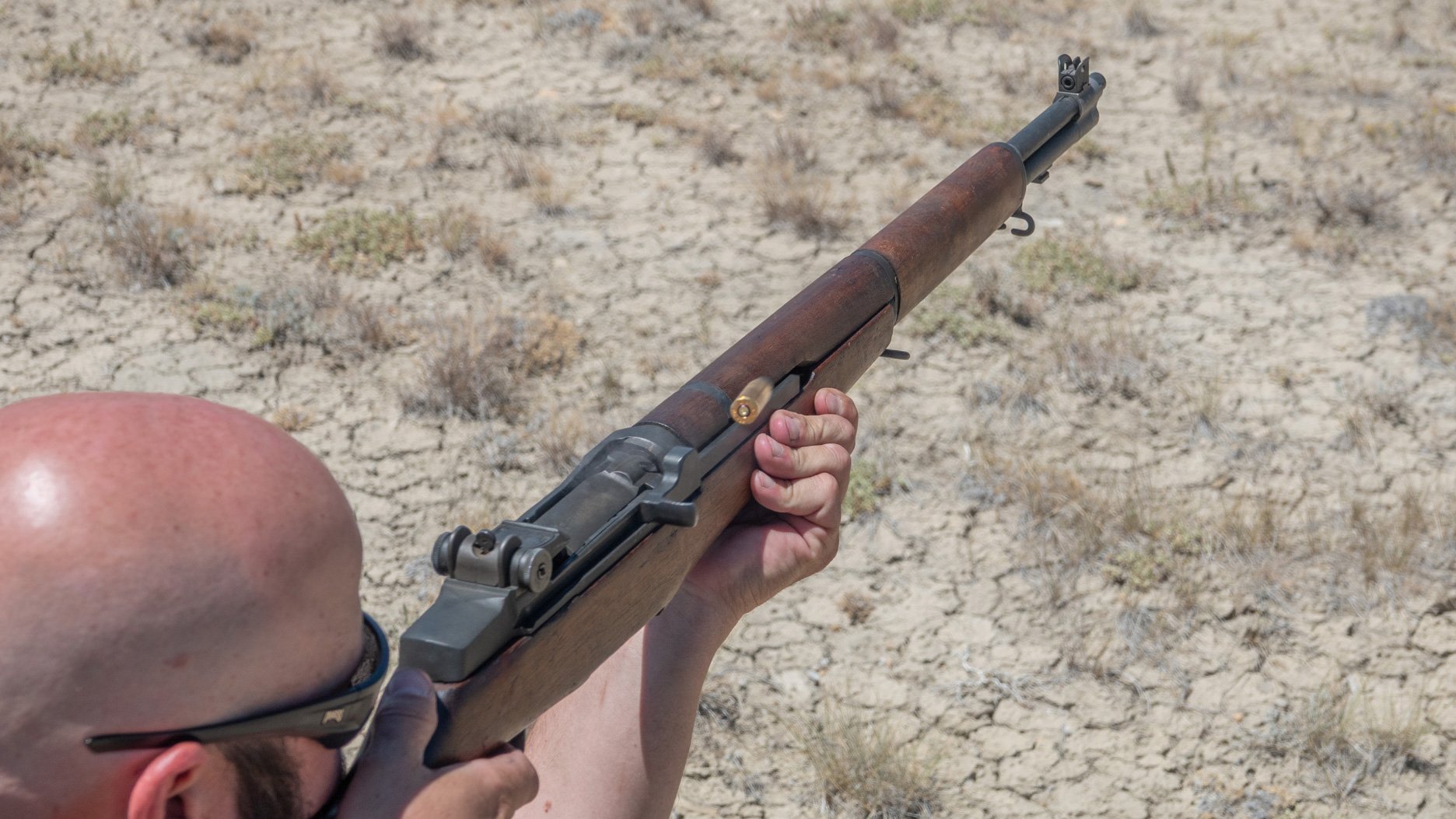
The Garand was very fun to shoot, with a modest recoil and a different impulse than my normal shooting companions. The loading and shooting procedure is as simple as you've seen it portrayed in all the movies. Feed the en-bloc clip into the action, send the bolt home, and fire until you hear the telltale ping of the clip ejecting.
I even found it wasn't that hard to avoid getting my fingers bitten by the action.
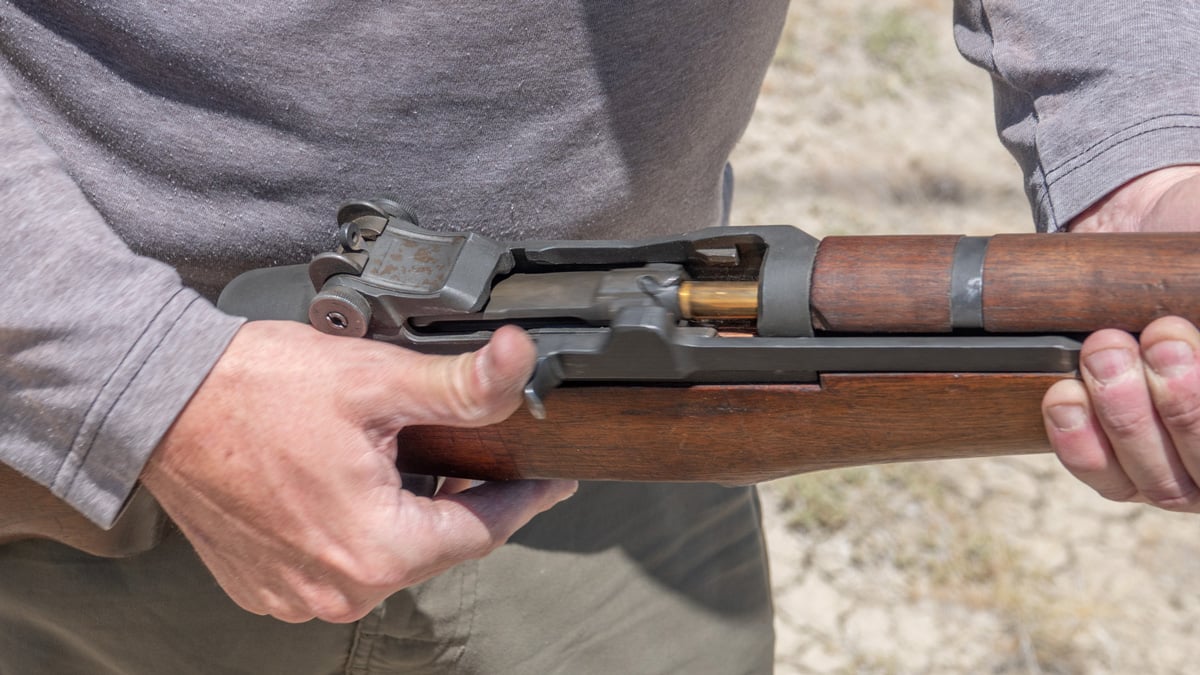
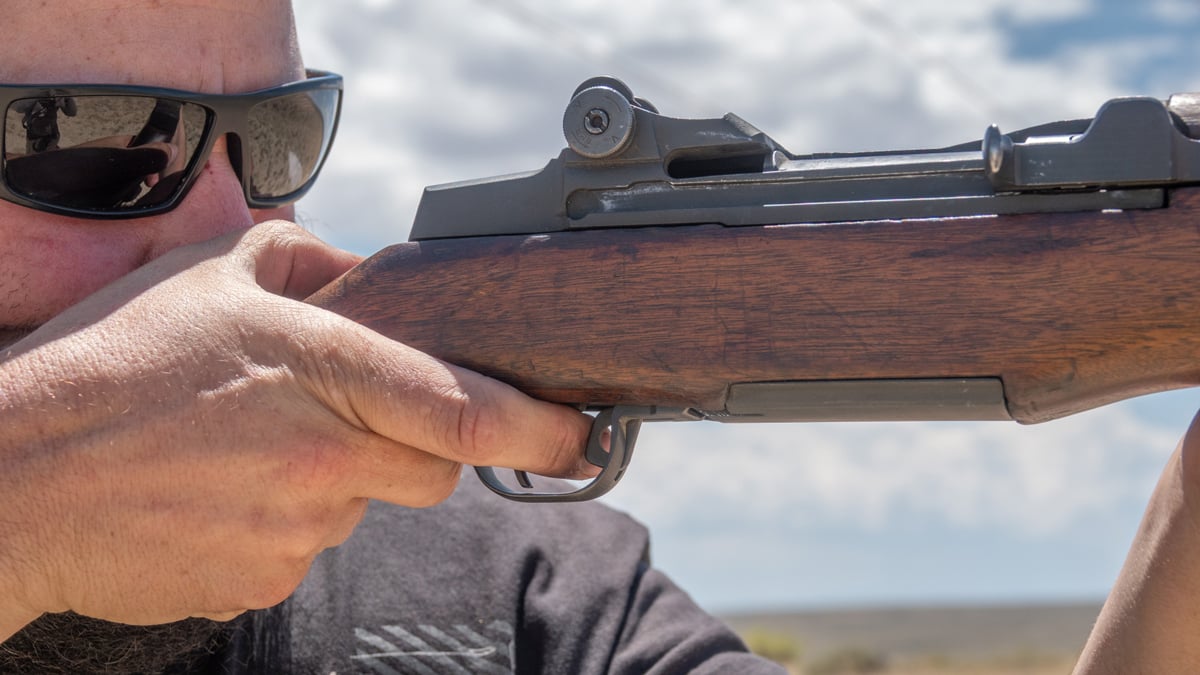
Adjusting the sights is pretty self-explanatory as well and made it quick to get on target. I did notice that the stock feels pretty thick when compared to our modern firearms, which made my grip feel slightly inadequate.
The controls of the rifle seemed perfectly predictable for a service gun. The trigger was nothing out of this world, but it was good enough. The safety was a bit stiffer than we'd anticipated, but it was also similarly serviceable.
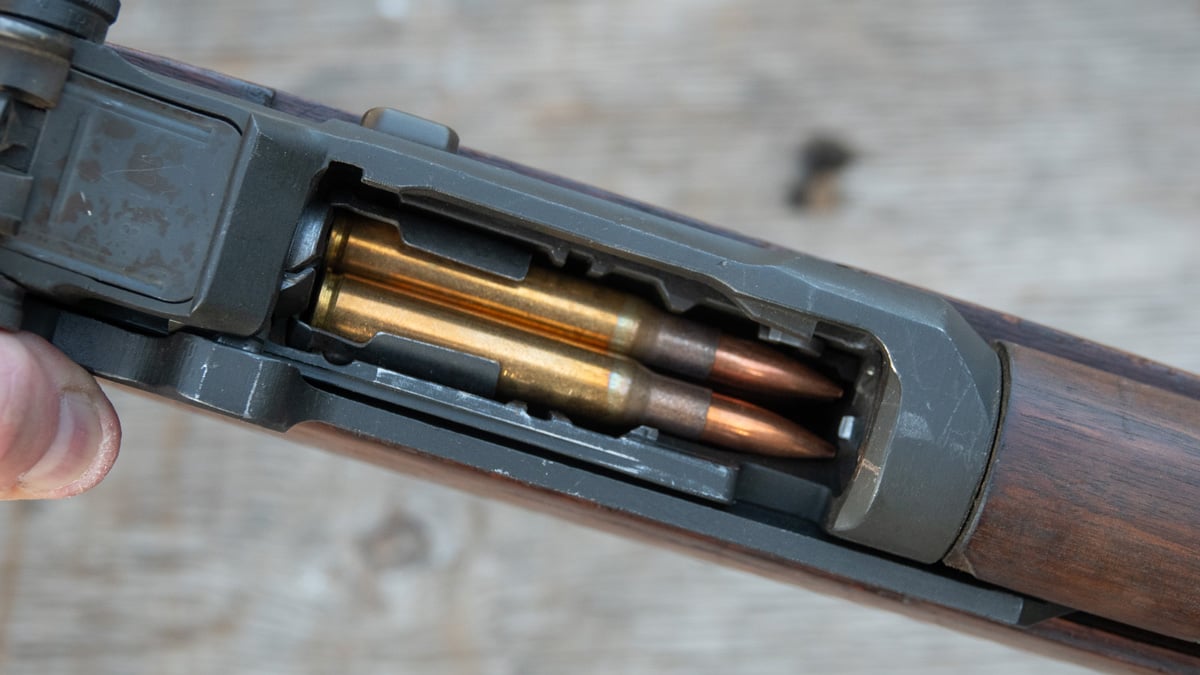
Pre-loading the en-bloc clips is an important part of the loading process. I found that if you don’t get all the rounds seated properly in the clip, you could easily cause a feeding failure. I expect part of the training that soldiers like my grandfather attended also taught them how not to mess up the loading of the clips.
The Garand quickly made short work of the loaded clips, and its heavy operating system gives great reliability. I thought about how this rifle would perform in the muddy and cold conditions of the Korean War.
The open action seemed a bit susceptible to contamination from debris, but I was certainly not going to try and find out on this old gun. Soldiers who carried these rifles through the worst of conditions could tell us more about that anyway.
Last Words