Meet the 6.5 Grendel
The little Grendel came from Alexander Arms, and the whole idea was to put higher ballistic coefficient bullets into an AR-15. Bumping up the case size was also necessary to get these 6.5 bullets up to a respectable speed – all to create a cartridge that would make the AR-15 more lethal at distances beyond 500 yards.
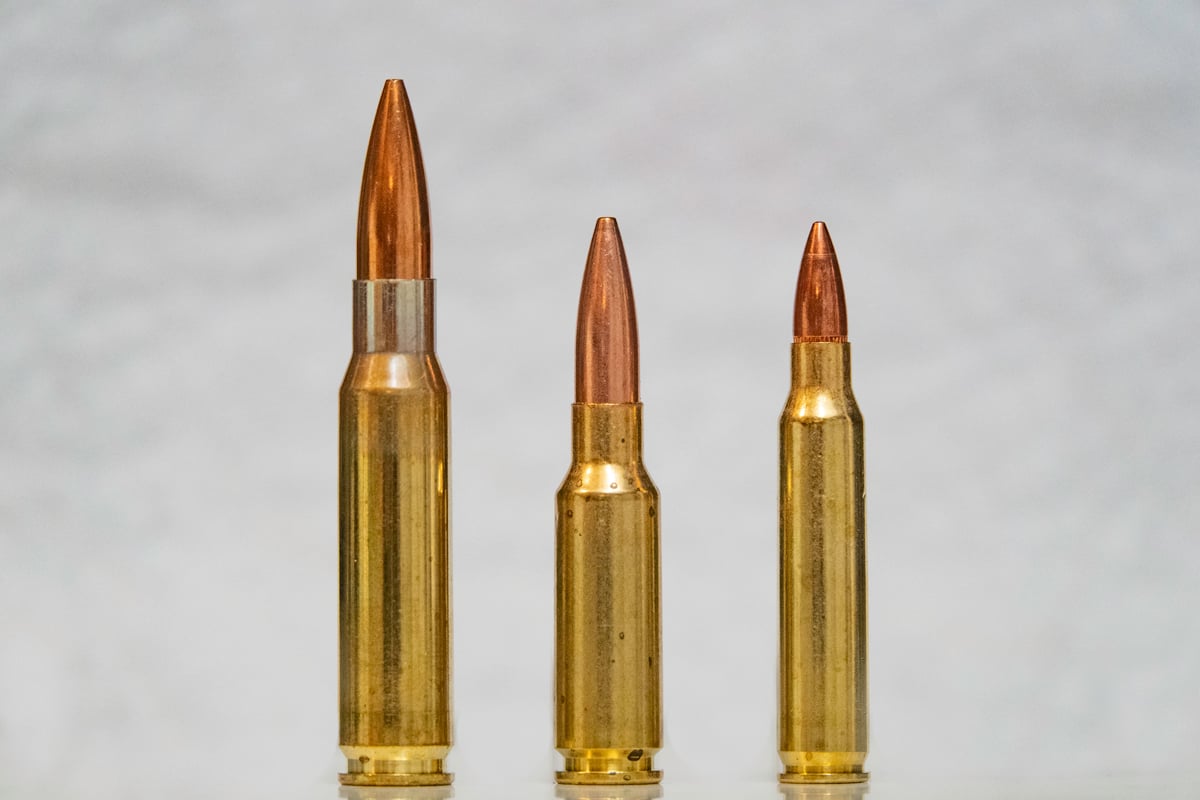
The 6.5 Grendel inherited a similar volume from its PPC/220 Russian parent case at approximately 35 grains. Typical Grendel powder charges run between 20 and 30-ish grains of powder, of course depending on the powder and bullet choice. These mild charges are similar to charges used in the .223 or other comparable cartridges, allowing the 6.5 Grendel to propel 100-140 grain bullets up to velocities like 2,300 to 2,600 fps. These are general numbers that are subject to change.
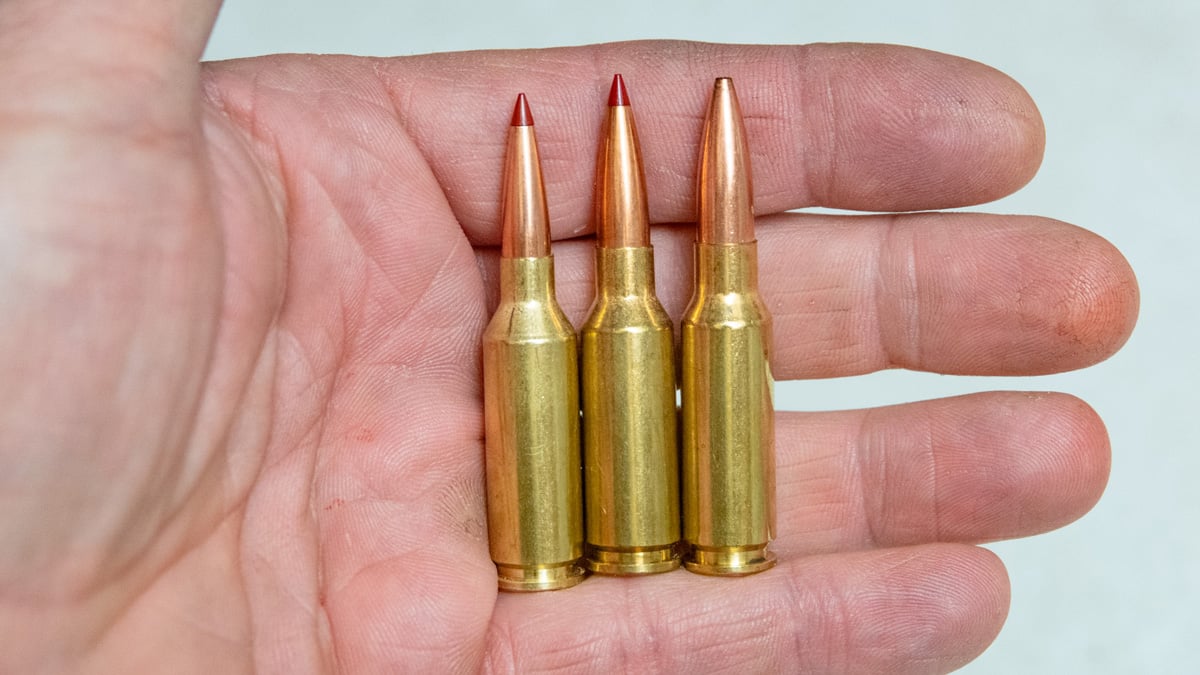

The odd size of the Grendel case has some other consequences as well. With its .449 bolt face, it falls between the .223 bolts used in most AR-15 rifles and the .308-sized bolt face common in larger rifle platforms. Thanks to the popularity of the Grendel and similar cartridges, this has become less of a problem. The 7.62x39, .224 Valkyrie, and others have made the mid-sized bolt face more mainstream.

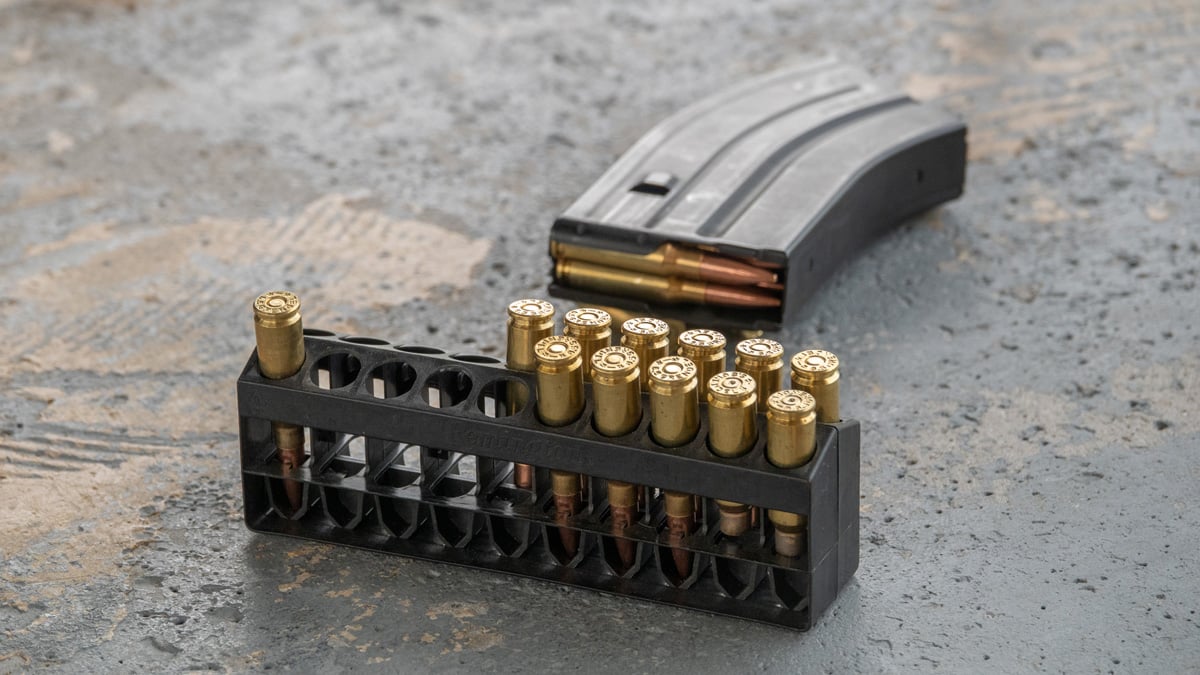
Due to its shape and proportions, the Grendel requires a different magazine to feed from AR rifles. There are a few options, including followers and complete mag housings that have been altered to fit the Grendel and its offspring.
Ballistics
Part of the idea behind the Grendel was improved ballistic performance from the AR-15 rifle. With 5.56/.223 chambered rifles, most were shooting bullets from 55 grains up to 75-80 grains. That is useful for a great many things, but at 800 yards, performance significantly deteriorates.

That is where the Grendel comes in. Even with a light-for-caliber bullet like a 123-grain 6.5, the Grendel far exceeds even the heavy .224 bullets. The Grendel loads can have 30 percent or more energy at longer distances, which could be vital when incapacitating a target. While velocities are comparable, the energy of the heavier bullets carries farther and better.
Popular Components
Making brass for the little Grendel has come a long way from forming your own from something else. Whether it be Hornady or Starline, you can get some great brass for the Grendel. You can even get Lapua 6.5 Grendel cases now, so you know it’s serious.
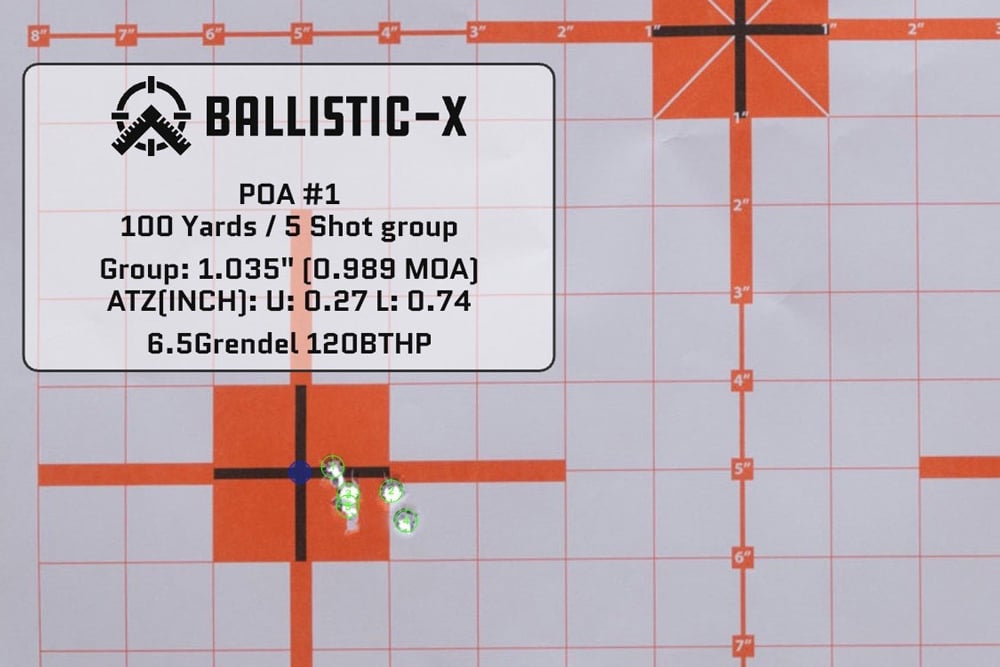
The 6.5 Grendel seems to truly shine with its mid-weight bullets. Most popular loads are in the 120 to 130-grain category, though it’s obviously up to the loader. There are countless great options to load in the Grendel case. For me, it’s the 120 BTHP match bullet from PVRI. It’s just right for the Grendel and although loaded in other cartridges (with similar velocities, though), it has done extremely well for us on both deer and elk. It’s also affordable.
Other than prices, we might be in a bit of a golden age for the Grendel, with a wide selection of powders, bullets, and cases to create the best-performing loads.
6.5 Grendel Loading
I make my 6.5 Grendel ammunition from Starline cases using a set of Redding Type S dies. The small cases are easily sized, which is nice because they often get beat up a little in the semi-automatic rifles they frequent.
Due to an extremely lucky disposal accident, I ended up with a healthy portion of RL-15. As it turns out, it works well for the little Grendel, though ball powders seem more popular. You’ll have to forgive me for being unimaginative in my loading; I like to stick to one load per rifle.
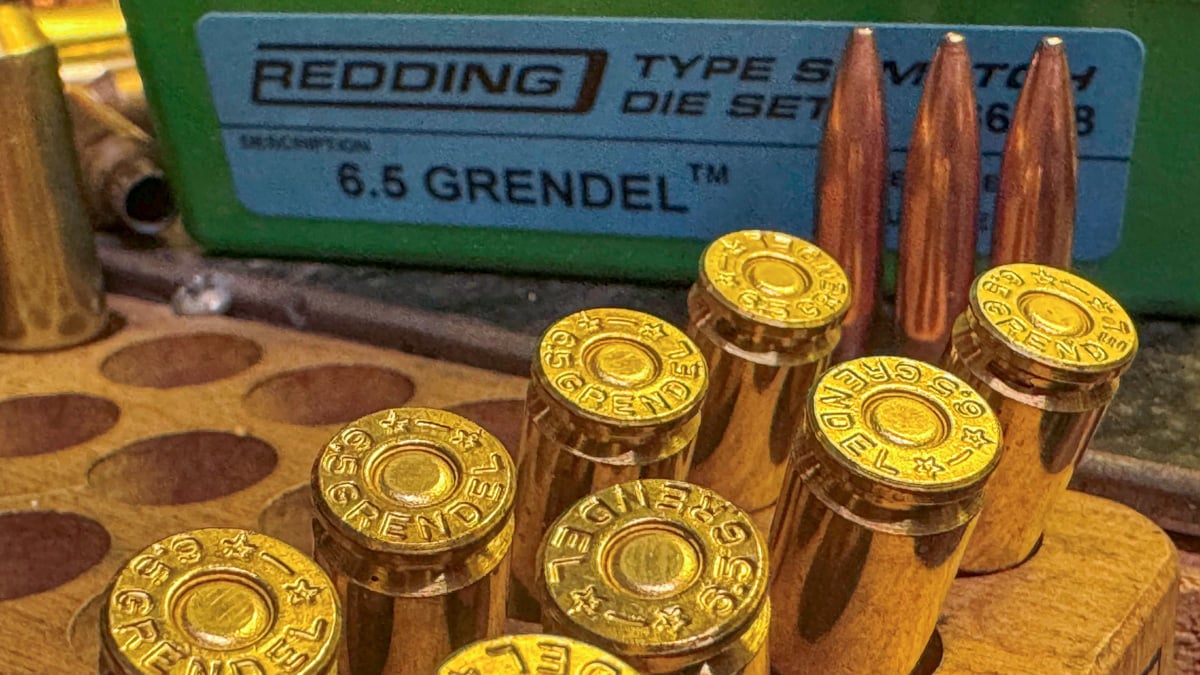
The reason is consistency. If I always use the same bullet and load, I am in a better position to anticipate its impact. The Grendel gets the same treatment as my other rifles/chamberings. It might not be the best way to go, but it has worked great for me these past two decades.
Loading the Grendel has proven economic. Small powder charges and small rifle primers under an inexpensive bullet produce capable cartridges for about $1.14 apiece for the first time, and about 54 cents each after that. At that price, I could hunt most of my game for the rest of my life on the cheap.
Applications
Departing from the Grendel’s traditional purpose, I really like shooting the small cartridges from a bolt-action rifle, though I can readily admit it shines in the AR-15 rifle platform. Outside of military applications, I can think of a few civilian uses that would benefit from semi-automatic fire from the 6.5 Grendel – for example, shooting pests and varmints at distances where the 5.56 might do poorly. Exterminating pest hogs would be a great application.
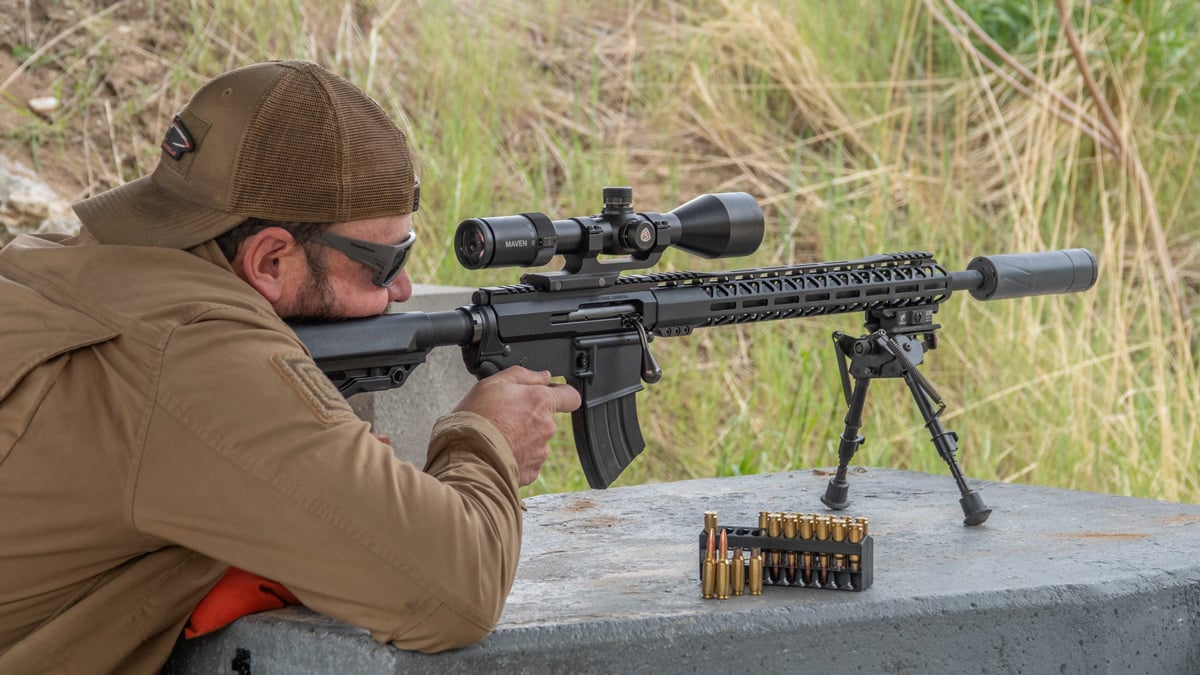
For the single-shot use like the bolt-action rifle I prefer, the 6.5 Grendel would work fantastic for big game hunting. Deer, antelope, and similar species don’t stand a chance against a properly loaded, accurately fired Grendel.
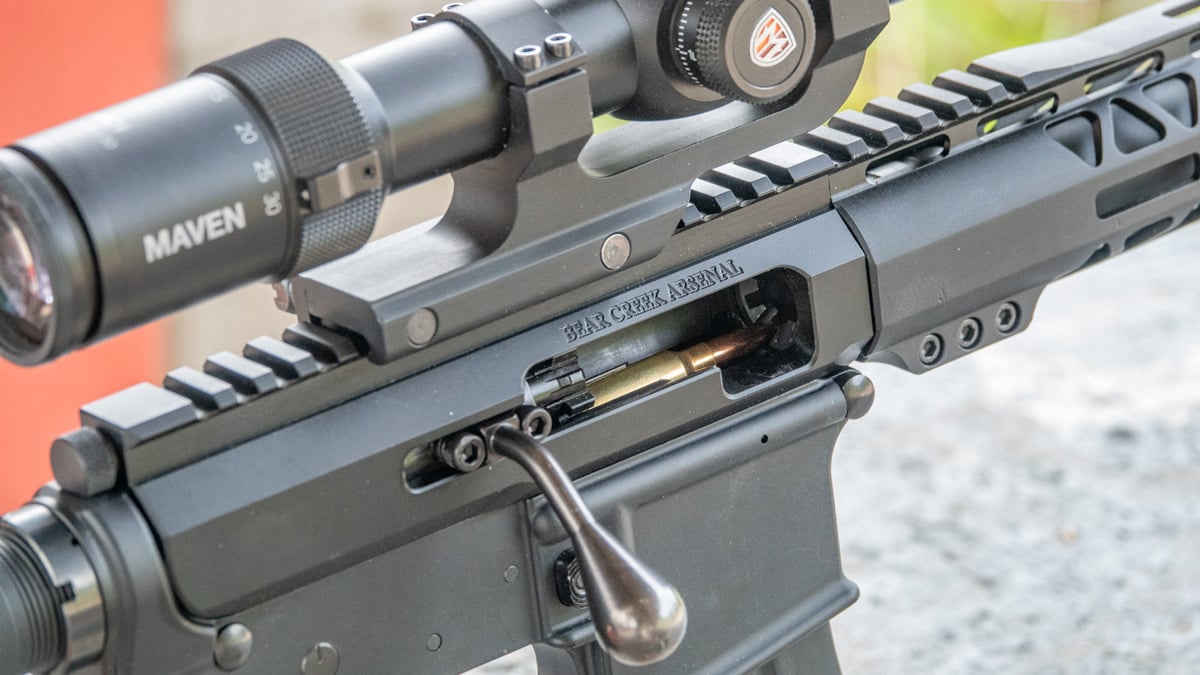
The rifle I used for testing is a Bear Creek Arsenal bolt-action upper that turns into a standard 5.56 AR-15 with the push of a couple of pins. It’s a handy and cost-effective way to convert from one firearm type to another. It features one of Bear Creek’s 18-inch heavy barrels threaded at 5/8x24, a perfect fit for my suppressor. The 1:8 twist works well with bullets commonly loaded for the Grendel. I used a Maven RS.3 5-30x50 scope, which was probably a little more than necessary, but welcome.
Downsides
If you consider them downsides, there are a few things you will need to adapt to with the 6.5 Grendel. I mentioned the round needs a different magazine to function properly, which might be a small drawback.
Because the 6.5 Grendel is less popular than 5.56/.223, fewer rifles are chambered for it. Also, due to the short, different cartridge, it simply isn’t feasible to chamber some rifle lines in 6.5 Grendel.
Final thoughts