Blackout Background
The bigger 8.6 Blackout follows the same line of thinking as the popular .300 Blackout. The .300 Blk has been around for a long time, first as the .300 Whisper. The cartridge has done well in AR-15 platform rifles, although its main idea is contrary to popular trends in ammunition. The Blackout is designed to slow bullets down to reduce the sound signature.
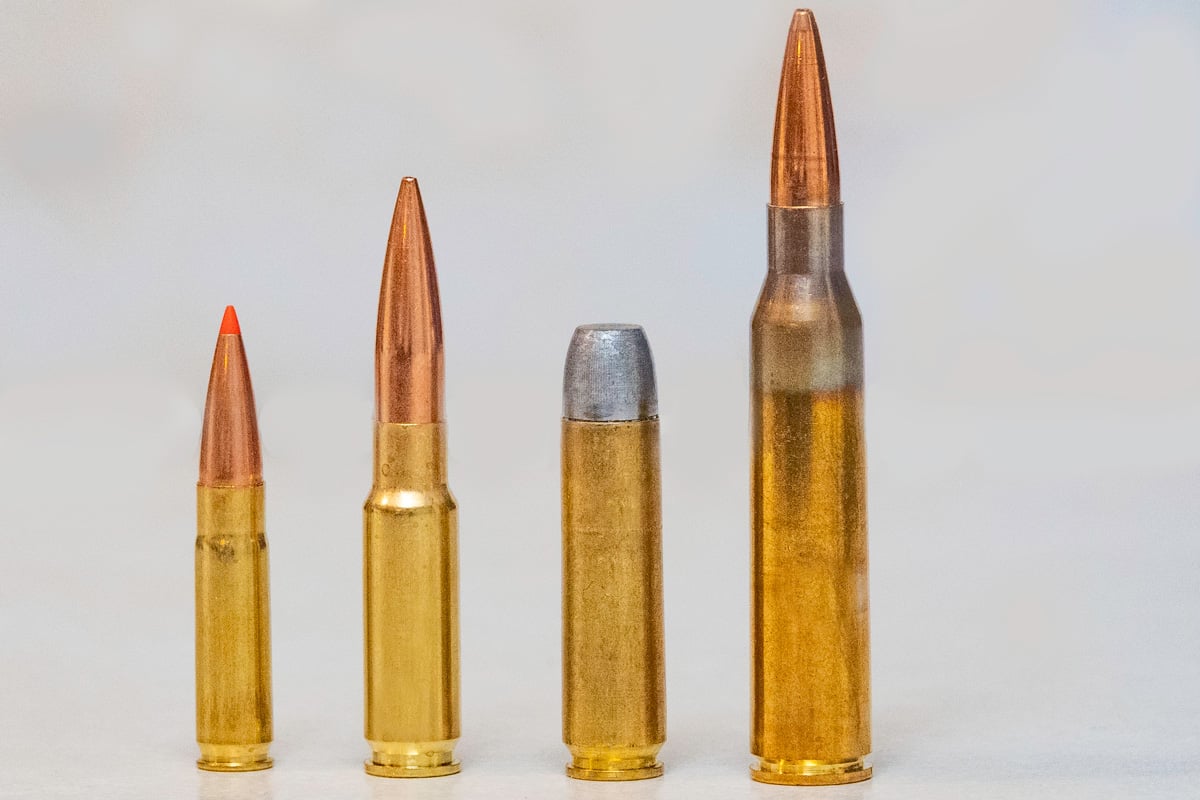
Of course, with slower velocities, the only way to keep energy on target is to increase the bullet weights. The heavier bullets typically shot at these slow speeds require faster-than-average twists.
The Blackout slows bullets to below the speed of sound to avoid producing a supersonic shockwave. When coupled with a suppressor to remove the muzzle report of the firearm, the result is nearly movie-quiet shooting. This is where both Blackouts shine. Shooting suppressed with subsonic bullets offers a level of anonymity that is appealing to many hunters.
The 8.6 Blackout
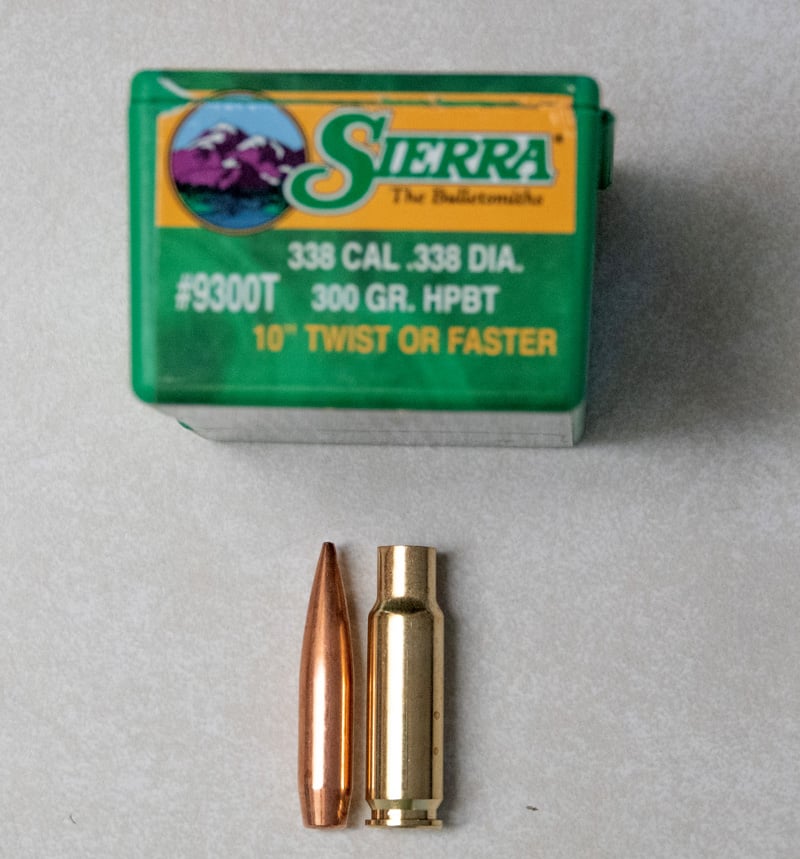
It should come as no surprise that the boys at Q came up with the 8.6, carrying on from their previous work. The cartridge is based off the 6.5 Creedmoor case, which is opened to accept .338-caliber bullets. Bullets typically weigh between 200 and 350 grains. Again, using heavier bullets is part of increasing energy on target when increasing velocity is not an option.

Loading the 8.6 Blackout is usually done with faster-burning powders typically used in pistols and cowboy cartridges. This is because velocity is not the goal of the 8.6. It has a very specific purpose: to propel big bullets right up to the speed of sound but not exceed it.
A brilliant part of the 8.6 design that departs from the .300 Blk predecessor is the barrel twist. Taking the fast twist for heavy bullets to an extreme has more than just stabilization benefits. The 8.6 typically uses a 1:3 twist, which almost looks more like threads than rifling. This incredibly tight twist does far more than stabilize long, heavy bullets.
Let us again look at numbers. The point of the Blackouts is to keep bullets under the speed of sound. Subsonic bullets are quiet, and if you can’t increase speed, the only way to increase the energy on target is to increase the mass of the bullet. At least, it was the only way. The 1:3 twist of the 8.6 drastically increases the rotation of the bullets, and as the RPM of 8.6 bullets increases, so does the energy they impart to the target.
Of course, this only works if the bullet grossly deforms from its smooth shape. Imagine if you could remove the blade of your favorite blender and put a bullet in its place. Even if you filled the blender with tomatoes, the spinning bullet wouldn’t do much. Now imagine that the bullet opens up like some are designed to do with broad petals and increased diameter. You can imagine what this blender bullet might do to organs, even though its velocity is subsonic.
Popular Firearms in 8.6 Blk
As the popularity of the 8.6 has increased, many manufacturers have introduced firearms chambered for it, which seems to show some faith in the concept. It would be far too time-consuming to list them all, but it’s safe to assume you can find one from your preferred brand – whether it be a Fix by Q, a CMMG variant, or a more budget-friendly gun from Bear Creek Arsenal. For this review, I used a custom 16-inch barrel with a 1:3 twist on my Desert Tech SRS.
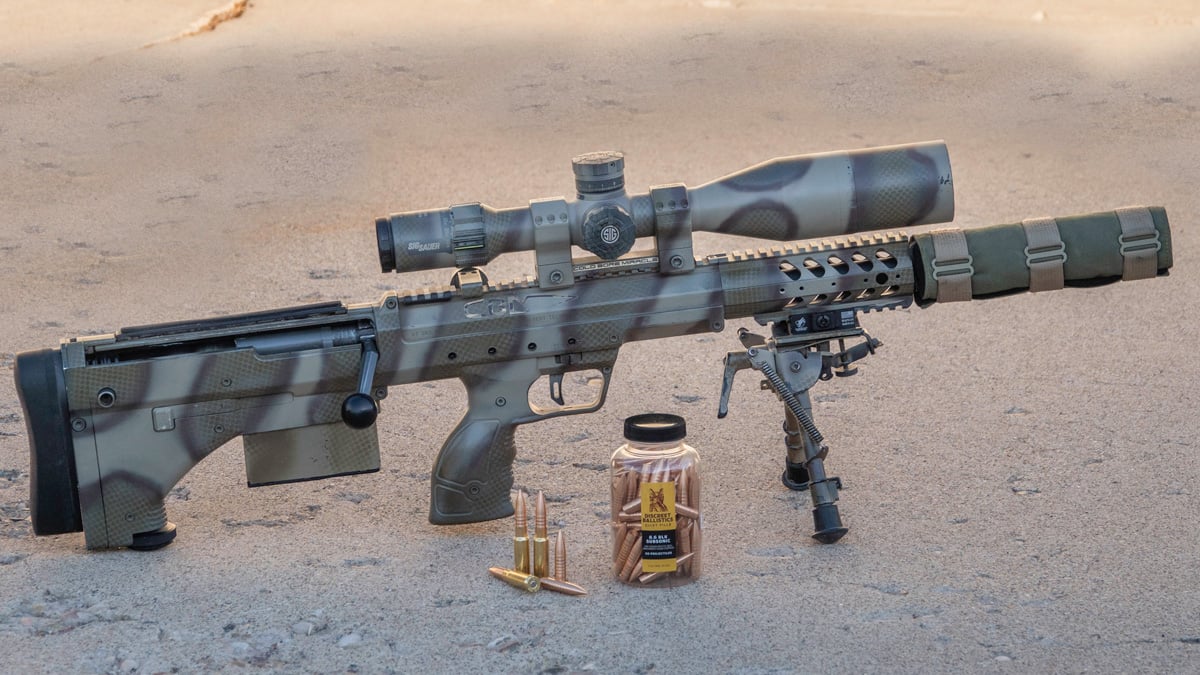
The 8.6 Blackout can be used as a supersonic cartridge as well, with plenty of options in the 180-230-grain class. Although if you are going to shoot supersonic cartridges, there are better options, in my opinion.
Loading the 8.6 Blackout
As I mentioned, the 8.6 typically runs on pistol powders. I used Accurate 1680 and Hodgdon powders like CFEBLK, Lil’Gun, and H110. For bullets, I focused mainly on the Sierra 300-grain Match King, all loaded into Hornady 8.6 brass.
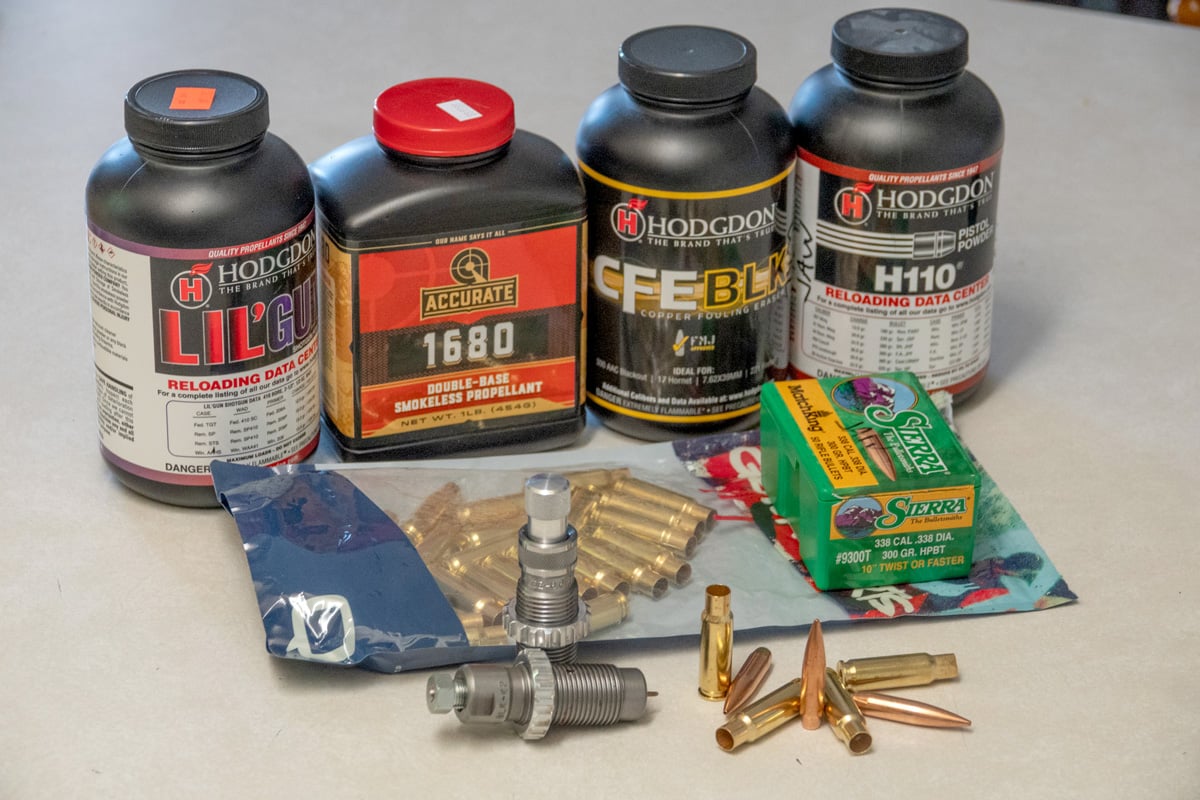
I purchased a set of dies by Lee Precision and started trying various loads to see where the 8.6 would take me. I will say that I did find it a touch more challenging than loading the .300 Blk. It took a little more work to find the right powder and suppressor combination that would produce quiet results.
On the Range
With proper loads figured out, I spent a good deal of time shooting the 8.6 in the Rocky Mountains this spring. The super-quiet shooting is far better than you’ve experienced in videos. The sound of a bullet soaring through the air and impacting a target is beautiful, especially when the gun is quieter than the impact.
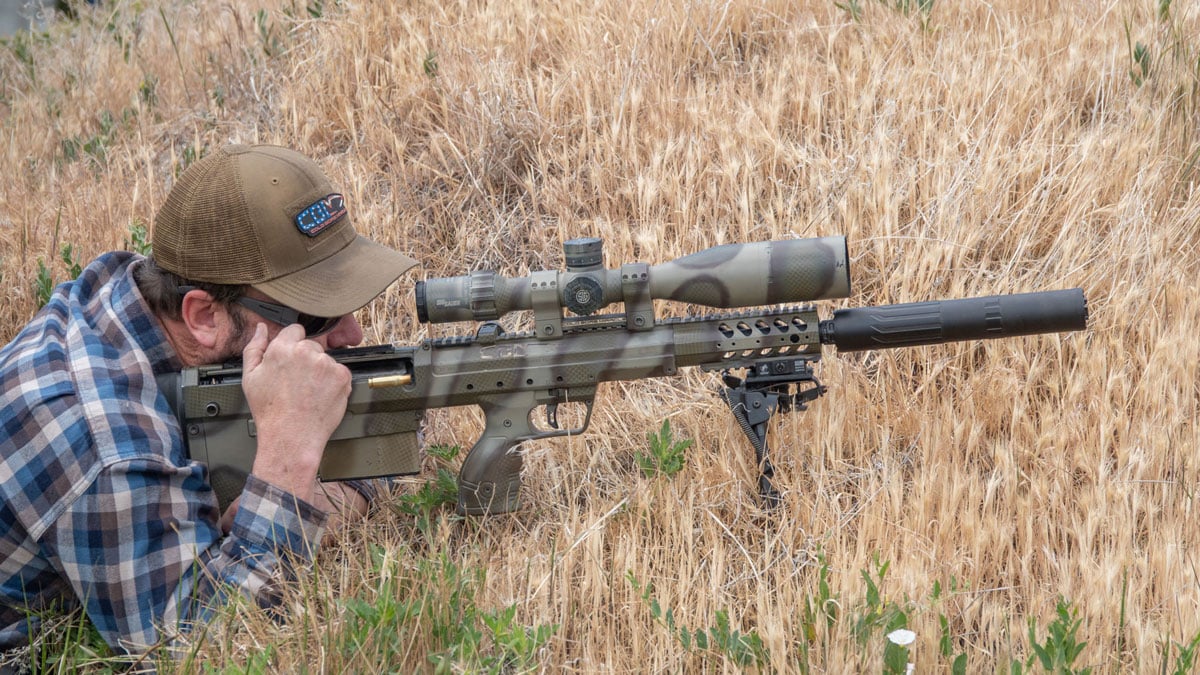
I also have .300 Blk and .450 Bushmaster barrels for my SRS that I shoot exclusively with subsonic ammo. The SRS is typically a very accurate rifle, although subsonic cartridges seem to be a little less accurate than their supersonic siblings. Personally, I think it’s because subsonic cartridges are more affected by shot-to-shot velocity changes, resulting in impacts spread high or low.
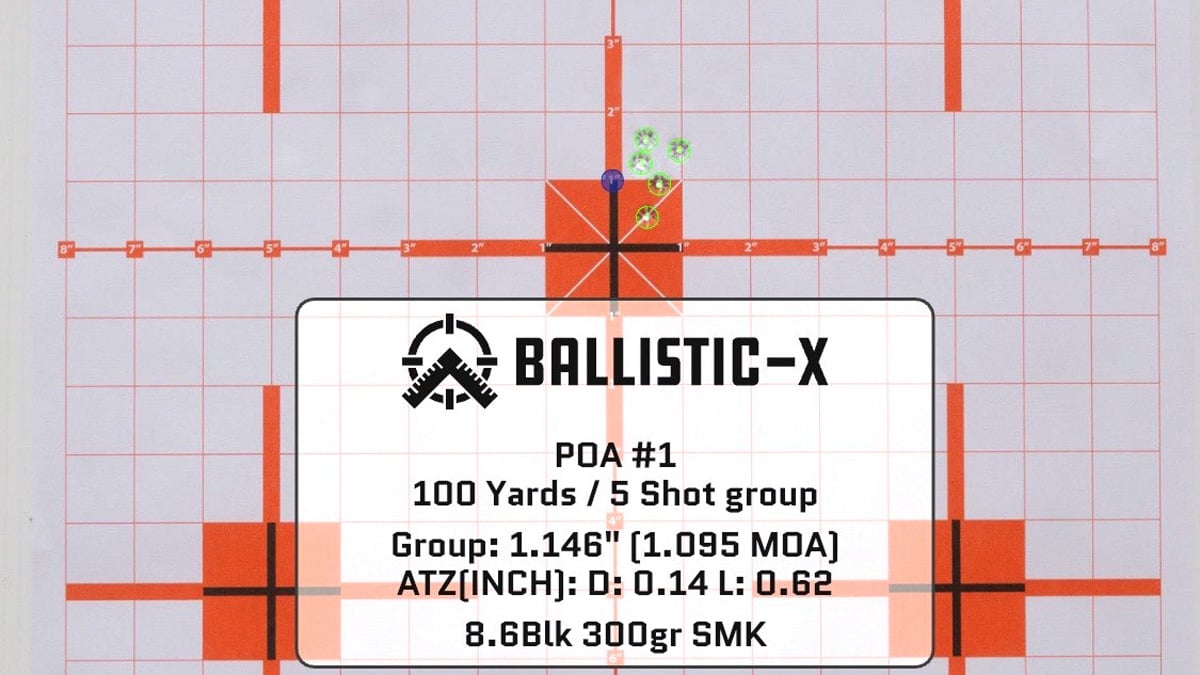
Shooting any kind of significant distances with such a cartridge also requires analysis. Your typical supersonic cartridge doesn’t drop much between 100 and 200 yards, but that is not the case with subsonic cartridges. If you zero a typical AR-15 at 100 yards, you might be an inch or so low at 200.
But if you are shooting subsonics like the 8.6, you will have to make a big correction for that change in distance. Around 5 MRAD of elevation would be needed for that correction, which is comparable to a 500-yard-plus shot with a supersonic cartridge.
Energy and Velocity
An interesting phenomenon appears with subsonic bullets as compared to supersonic. Bullets that start below the speed of sound hold onto their speed and energy far more efficiently than faster supersonic bullets. This is mainly because supersonic bullets are pushing incredibly hard through the air, which burns a lot of their speed and energy. Subsonic bullets travel with much less resistance and therefore retain speed and energy better.
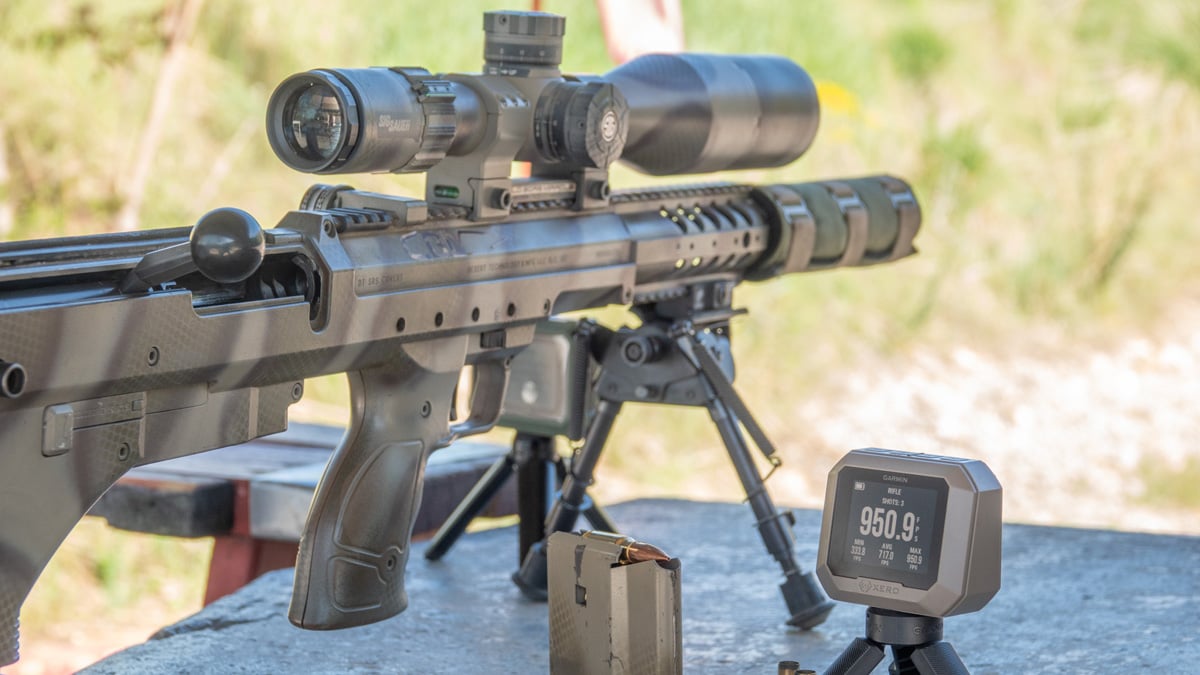
For example, the 8.6 Blackout I’m shooting uses the exact same 300-grain Sierra Match King I shoot in my .338 Lapua Magnum. Let’s compare the numbers of two identical bullets – one fired from the Blackout and one fired from the Lapua Magnum. Obviously, the Lapua is going to start out with an incredibly higher amount of speed and energy, but I want to point out the loss of it, and the comparison.
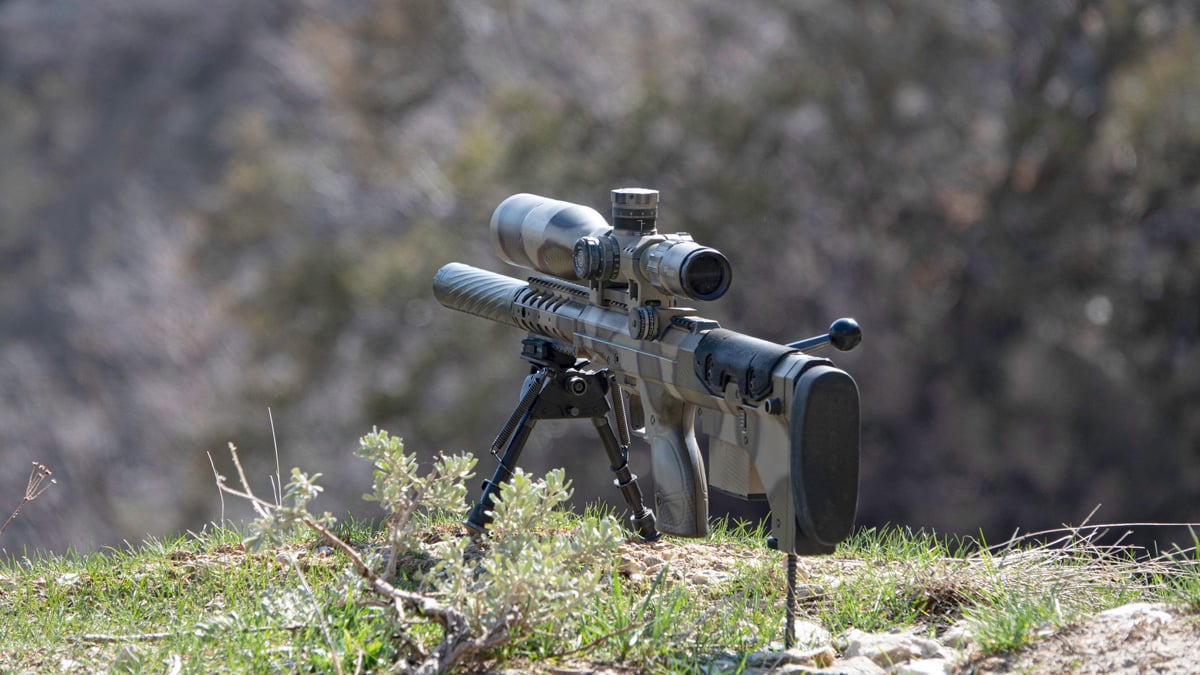
At 250 yards, the 8.6 has only lost 4 percent of its speed and 7 percent of its initial energy. The Lapua, on the other hand, has lost 9 percent of its speed and 17 percent of its initial energy. The disparity continues the farther out you go. At 750 yards, the 8.6 has only lost 10 percent of its velocity, while the Lapua has lost 26 percent, and the energy loss is almost double at that range.
Applications for Blackouts
Putting the 8.6 Blackout to work in the field depends on the field. I would say its main and best application is for hunting, particularly hunting where covert shooting is necessary. Hunting hogs at night with thermals, calling in coyotes, or semi-suburban deer hunting all come to mind. Blackouts can help anywhere that quietly taking an animal would be beneficial.
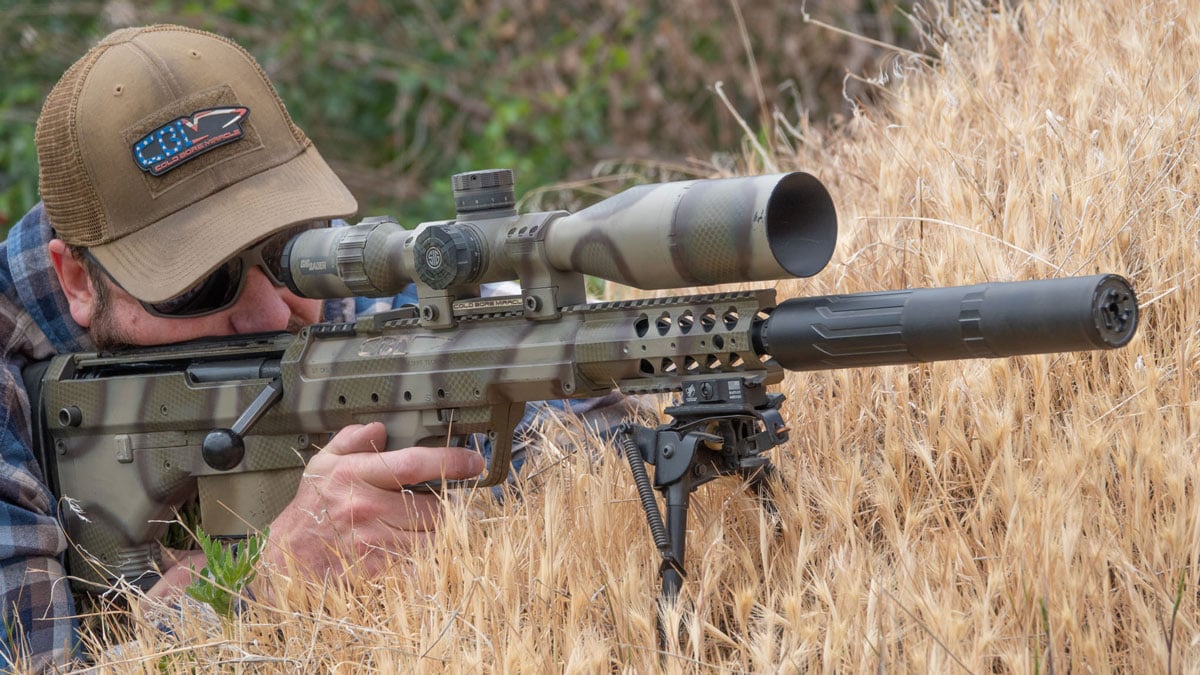
With its big 300-grain bullets, the 8.6 carries plenty of power for putting these animals down – particularly if you use the specialized bullets that are becoming more and more popular for cartridges like the 8.6. Discreet Ballistics makes a variety of solid copper bullets for Blackouts. These bullets are designed for subsonic use and are made to expand on impact much like a mechanical broadhead.

Using bullets like this and others, many folks like Kevin Brittingham have used the 8.6 to take down an incredible variety of animals, including large African game.
Conclusion
As with other specialty cartridges, loading and shooting 8.6 Blackout does take a touch more dedication and finesse, but it pays off with some incredible results and spectacular abilities. If you are looking for something to improve your covert hunting practices or just looking for something fun and movie-quiet, check out the 8.6 Blackout.