Quick Summary

Summary: The Blade6 line of large-format pistols is ready for a host of upgrades that can turn it into a pocket-friendly pistol-caliber carbine for the range or home defense. Reliability has been fantastic, with only a handful of off-brand magazine issues over 700 rounds. While heavy for its size, it is very controllable and easy to shoot well.
Don’t expect extreme accuracy, since this gun has a short barrel. But you should expect a level of shootability and reliability that outstrips its low cost. If you are price-sensitive, the Blade6 is a great solution for an upgradable PCC that will run without being picky about ammo. You can even run it suppressed, if you put in some work to get it ready to host a suppressor.
Features
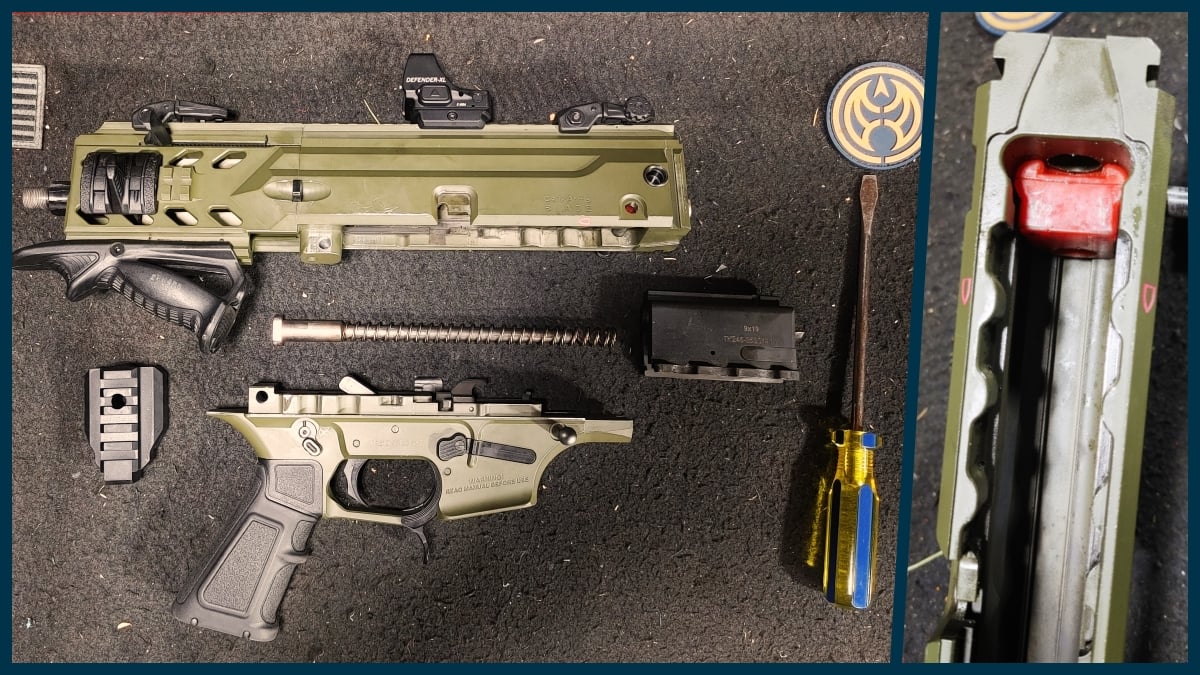
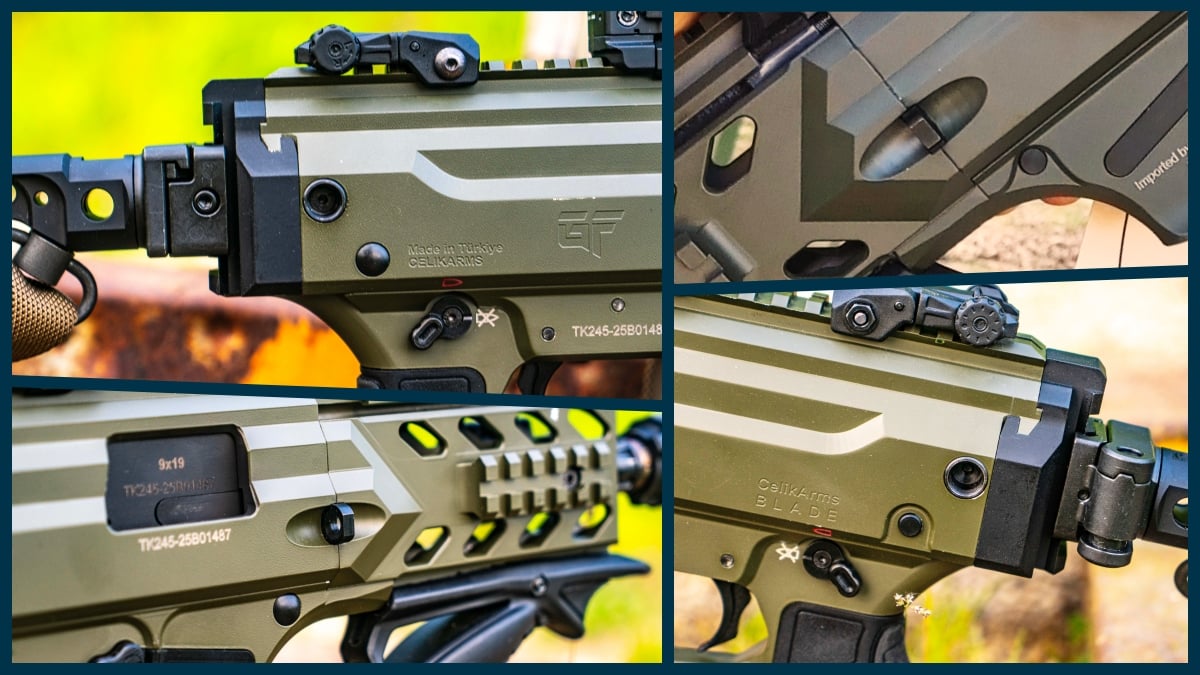
Building on the slightly longer Blade8, the GForce Blade6 has a 6-inch barrel fed by a simple blowback action cut into its thick and blocky anodized aluminum receiver. The blowback action is very reliable, if not refined, and the Blade6 ups its value proposition with a host of extra features.
The Blade6 is a largely ambidextrous design. It sports short ambi safety levers, a right-side magazine release that’s supported by a lengthy ambidextrous magwell release, and the charging handle can be swapped to either side of the forend.
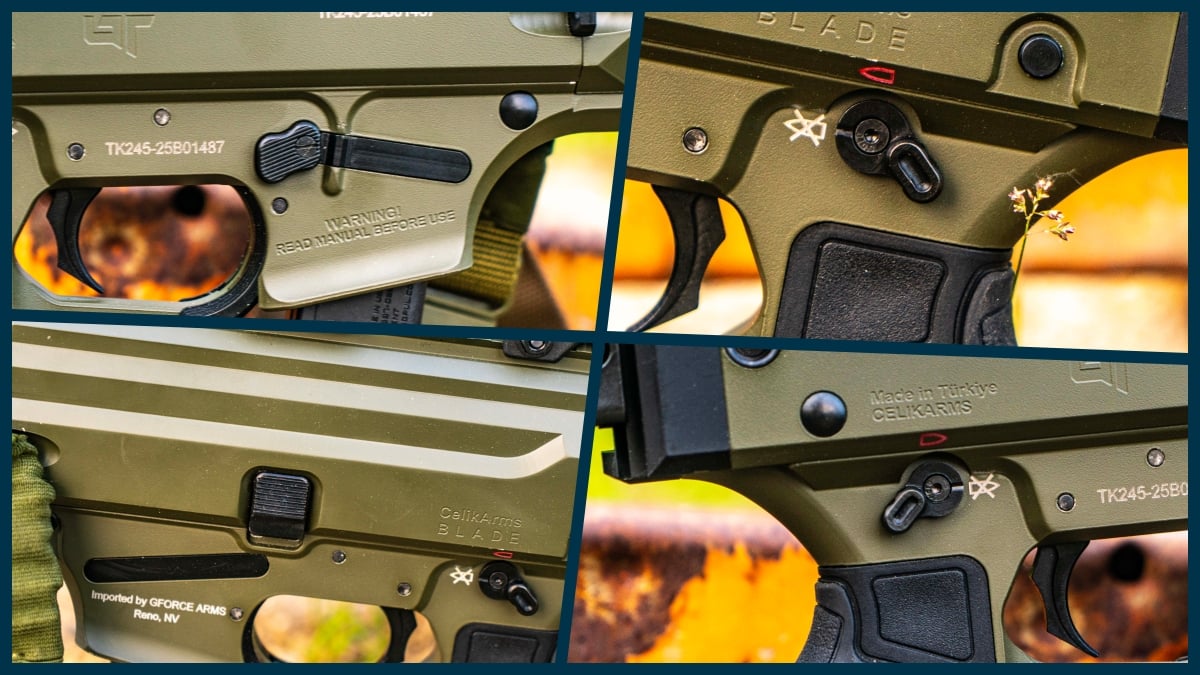
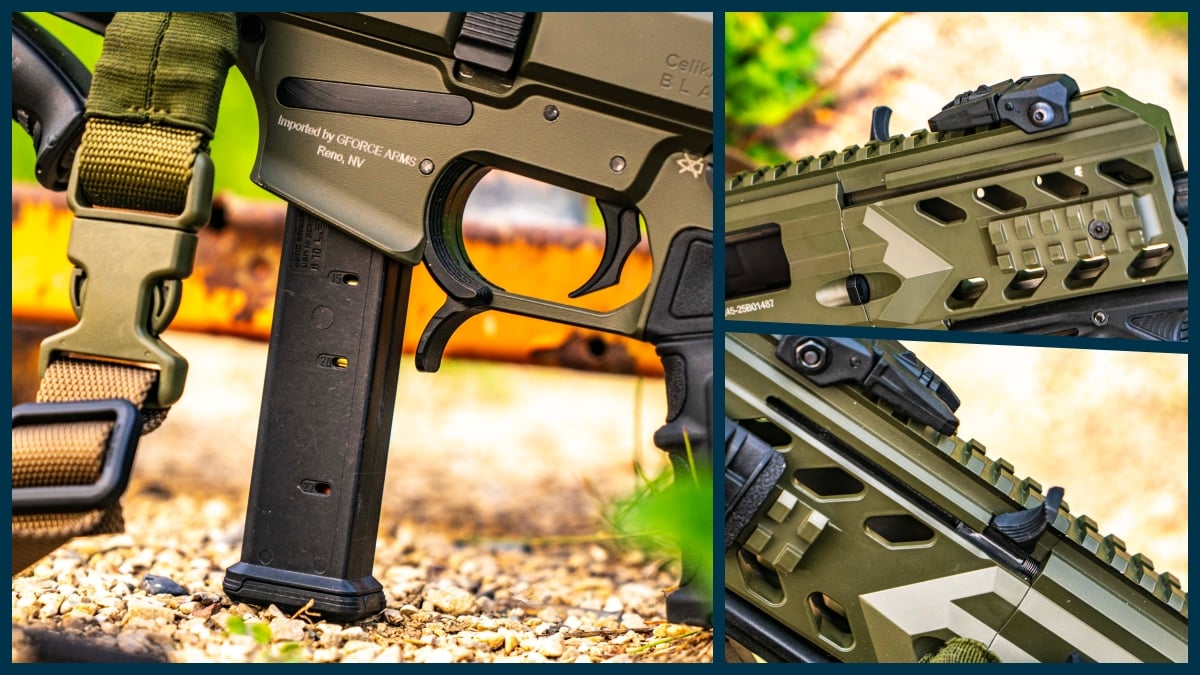
It takes a fair amount of effort to move that rather small charging handle, which is not ideal for those with weaker hands. The bolt locks to the rear on the last round, and you can lock the charging handle itself to the rear with a cutout notch that’s MP5-like. Hence, the HK slap is possible but not nearly as satisfying on a non-roller-delayed action.
My favorite feature is the fact that this gun runs on Glock double-stack magazines. In the world of modern PCCs, that is a real win and keeps things simple for the end user.
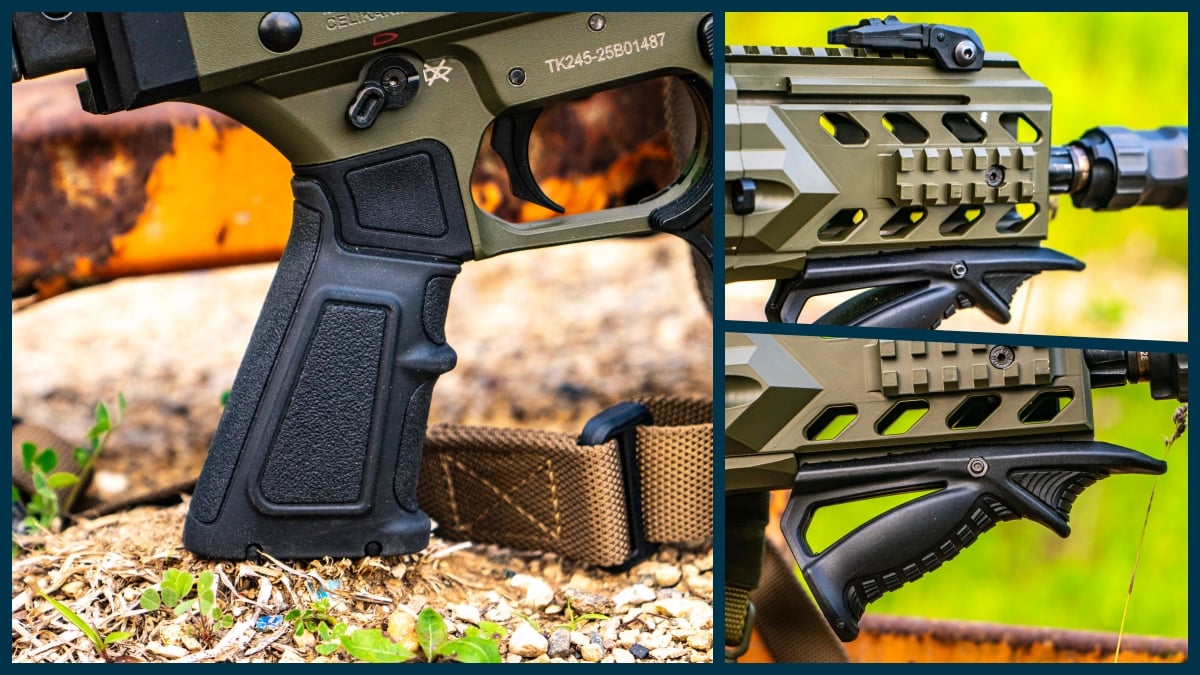
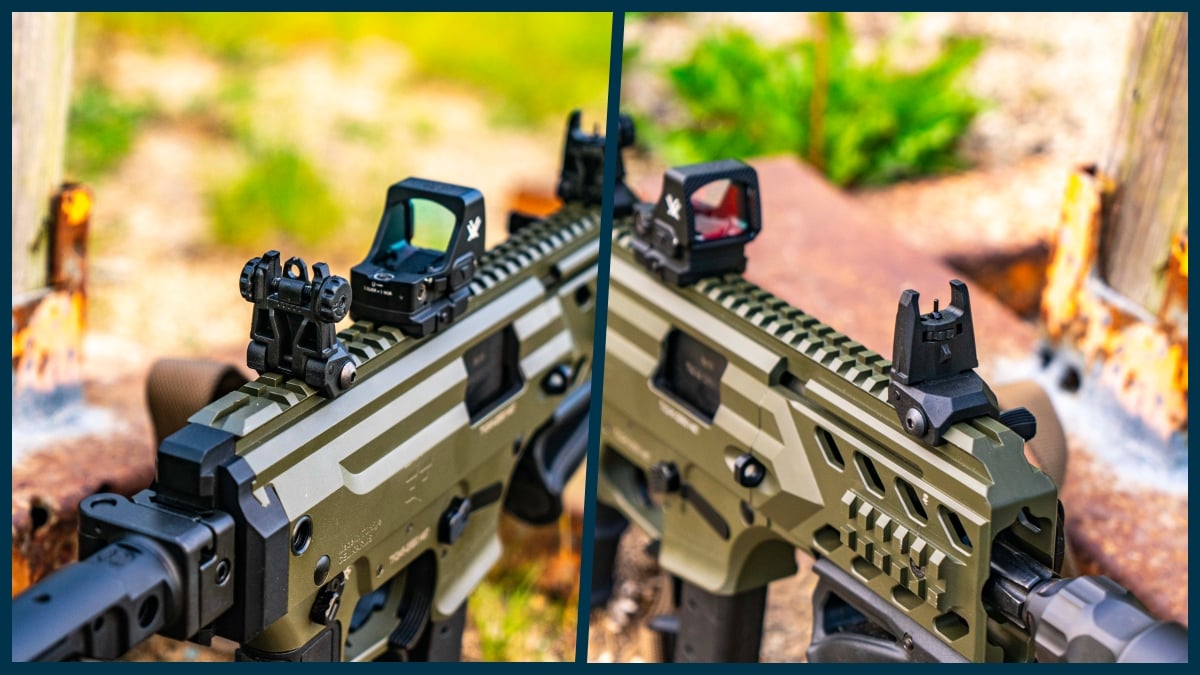
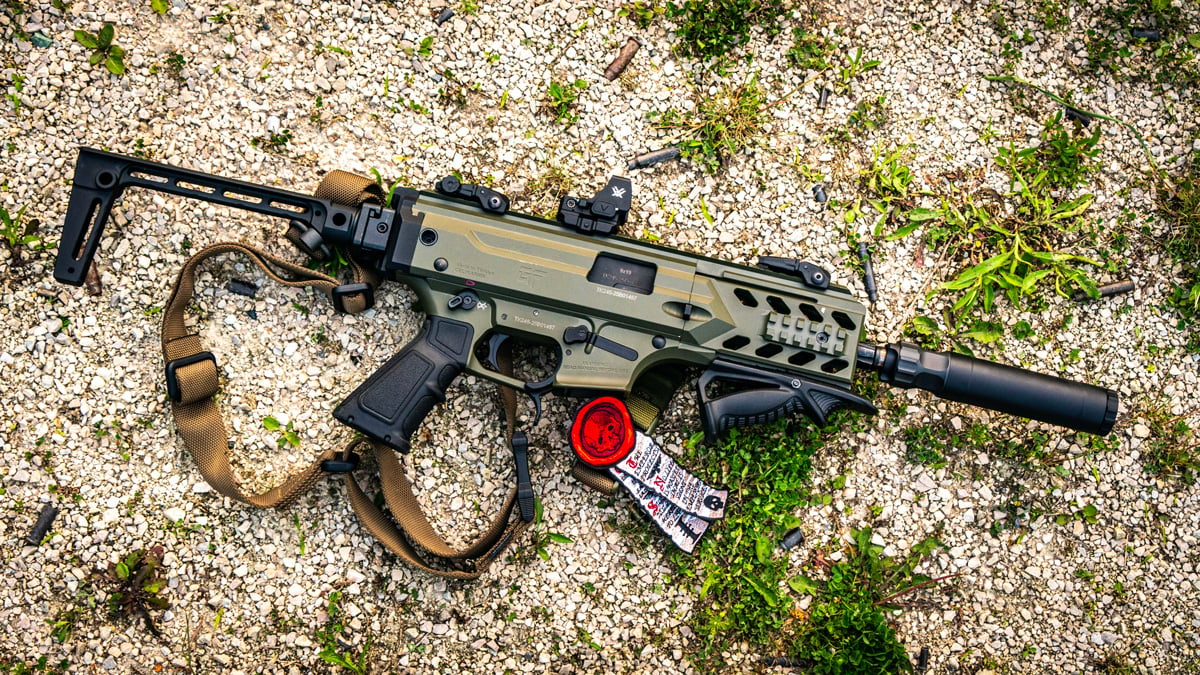
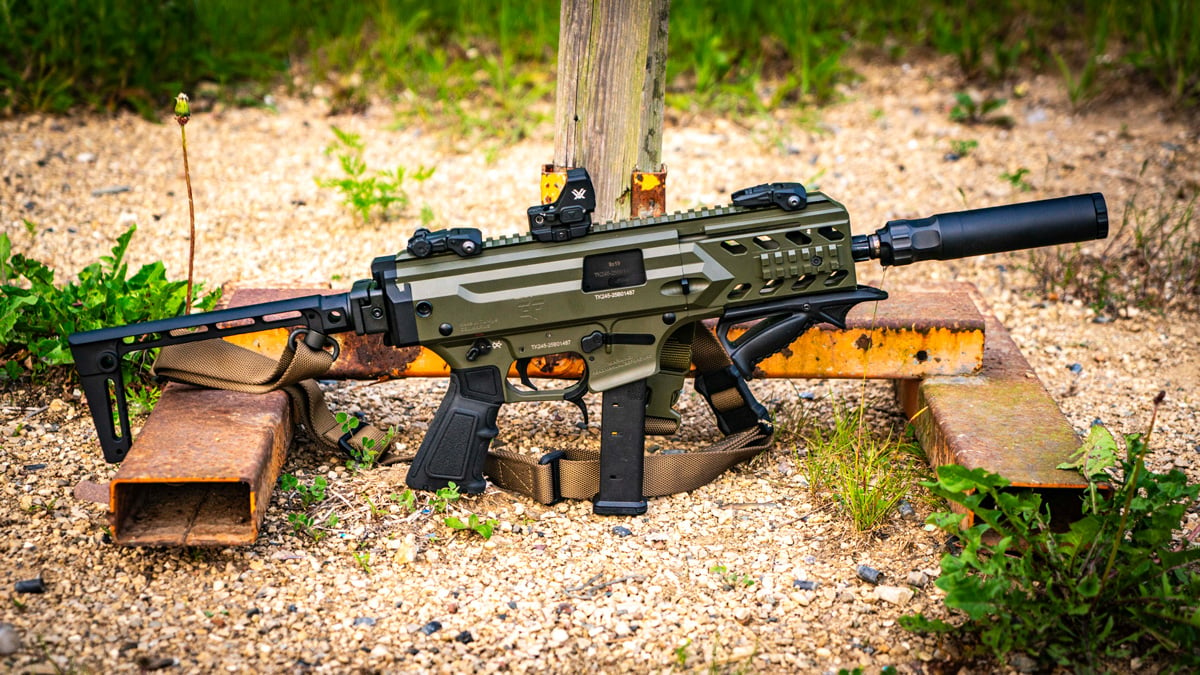
My next favorite feature is the plentiful 1913 Picatinny rail. The gun comes with polymer front and rear flip-up sights. I added a Vortex Defender-XL red dot to the top 12.5-inch rail, and that co-witnessed fine with the stock sights. Additionally, I added a small foregrip and hand stop to compensate for the short handguard and muzzle length.
Sling points are plentiful, with ambi QD cups at the rear of the receiver and sling loops at the front.
The receiver is thick at 1.78 inches wide, with what seems like just enough milling to remove space for the bolt, recoil spring, and buffer. While that’s to be expected from a budget firearm, it does increase the weight of this large-format pistol.
Total unloaded, non-accessorized weight comes in at a hefty 5.7 pounds, but that is well mitigated with the addition of a shooting brace. That weight also cuts felt recoil down to nearly nothing.
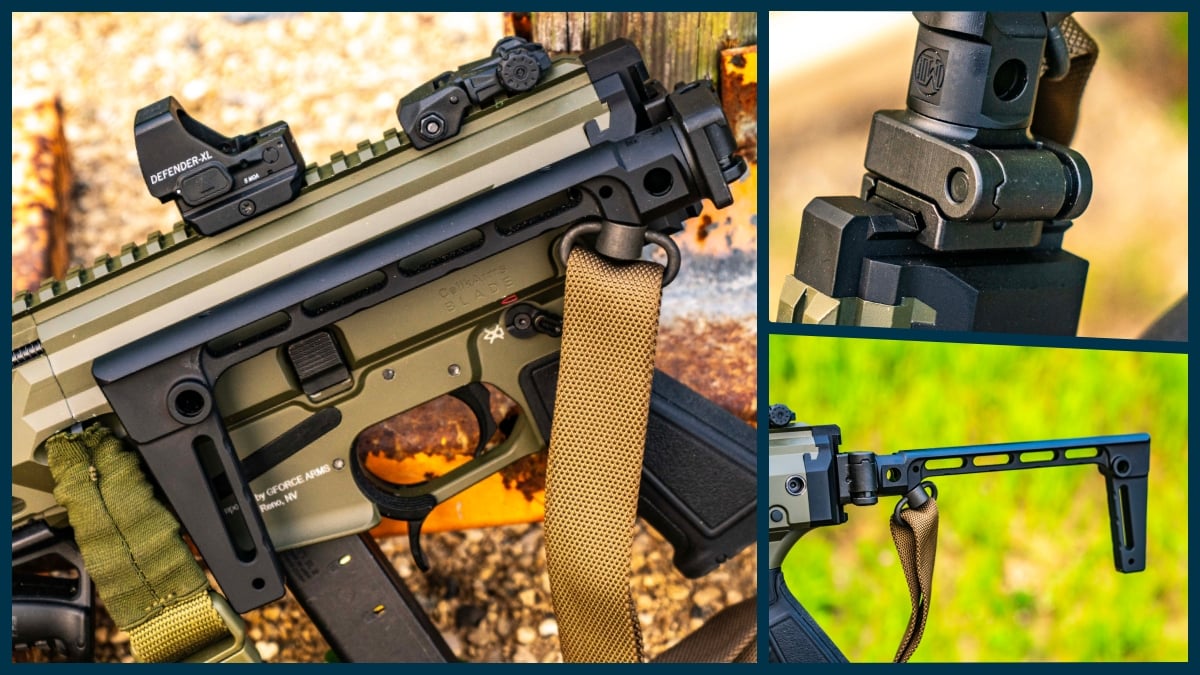
Finally, the trigger is clunky but plenty serviceable. It broke at 7.2 pounds on my gauge. I still found it easy to jump between multiple steel targets spread wide across the range. Even shooting without a brace, accuracy is not difficult when running a red dot.
Overall, the trigger works fine enough, but it’s the near-total lack of felt recoil that really makes the gun shoot fast and flat on the range.
Specifications

Here’s a rundown of some of the basic specifications for this gun.
Weight: 5.7 pounds (no mag or extras)
Length: 15 inches
Barrel Length: 6 inches
Barrel Threads: 1/2x28 UNEF (my threads required cleaning)
Barrel Material: 4140 steel, quench-polish-quench finish
Receiver Material: Anodized aluminum
Receiver Width: 1.78 inches
Magazine Options: Double-stack 9mm Glock OEM and most aftermarket Glock mags
Picatinny Rail: 12.5 inches (top), 2.4 inches (handguard sides), 2.6 inches (rear)
Sling Points: 2 QD cups (rear), 2 loops (front)
Capacity: 10, 15, 17, 33, and more
Caliber: 9x19mm
Trigger Pull: 7.2 (10-pull average)
Safeties: Ambidextrous
Changing Handle: Reversable, rear lockable
Warranty: Yes, 5-year limited warranty
Range Testing
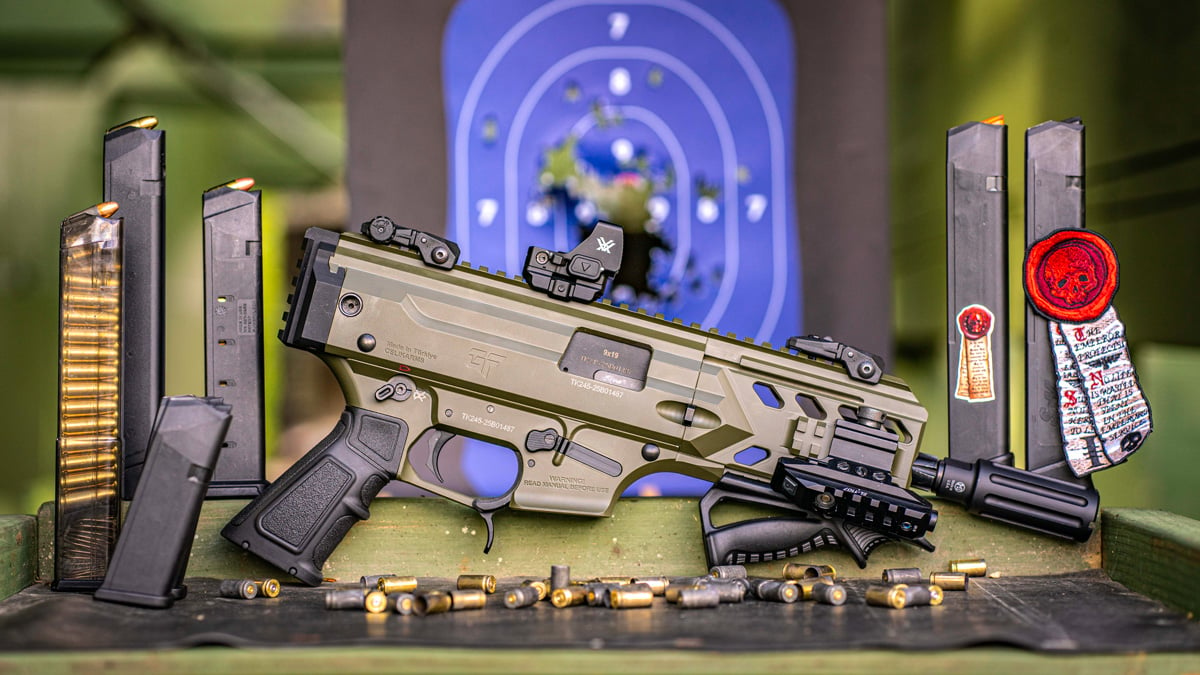
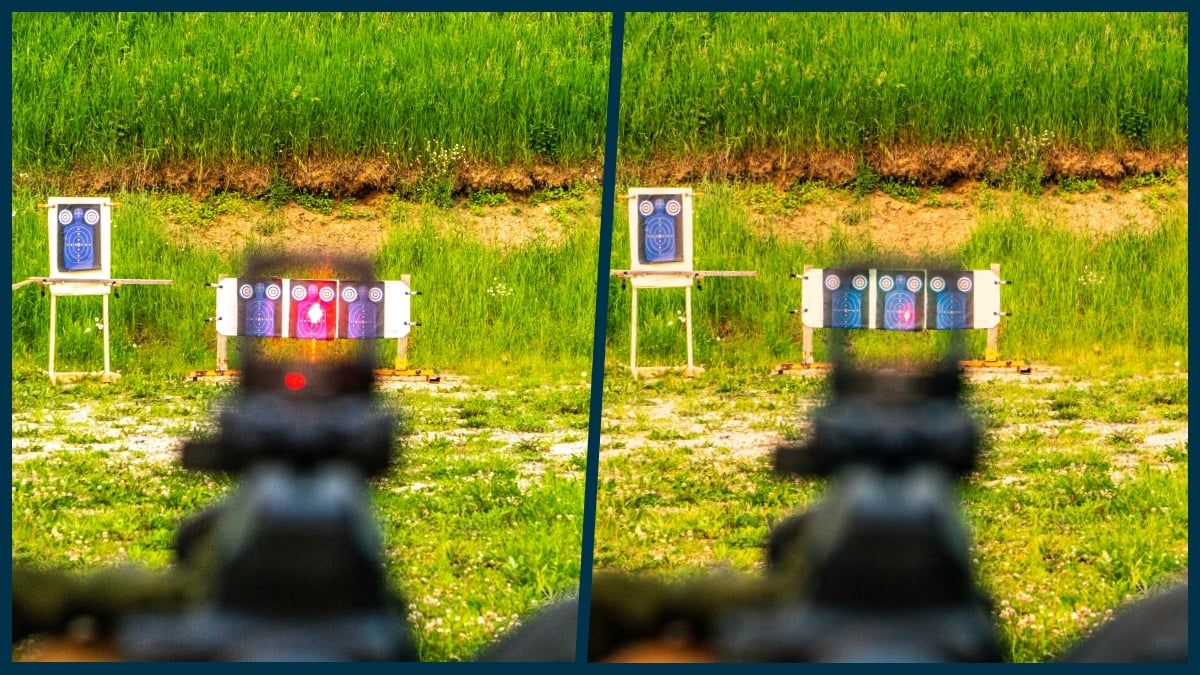
I did most of my shooting with a Vortex Defender-XL red dot. The 6-inch barrel isn’t ideal for precision shooting, but I found headshots on my steel silhouettes came easily at 25 yards.
For added stability, I attached a Midwest Industries minimalist side-folding brace. This allowed me to shoot much faster, with added recoil control and faster engagement times. I would definitely recommend running this gun with a brace.
Since the gun does not come with a brace, I did my accuracy testing with the gun in its simple pistol format. Here’s how that worked out for me at 25 yards.
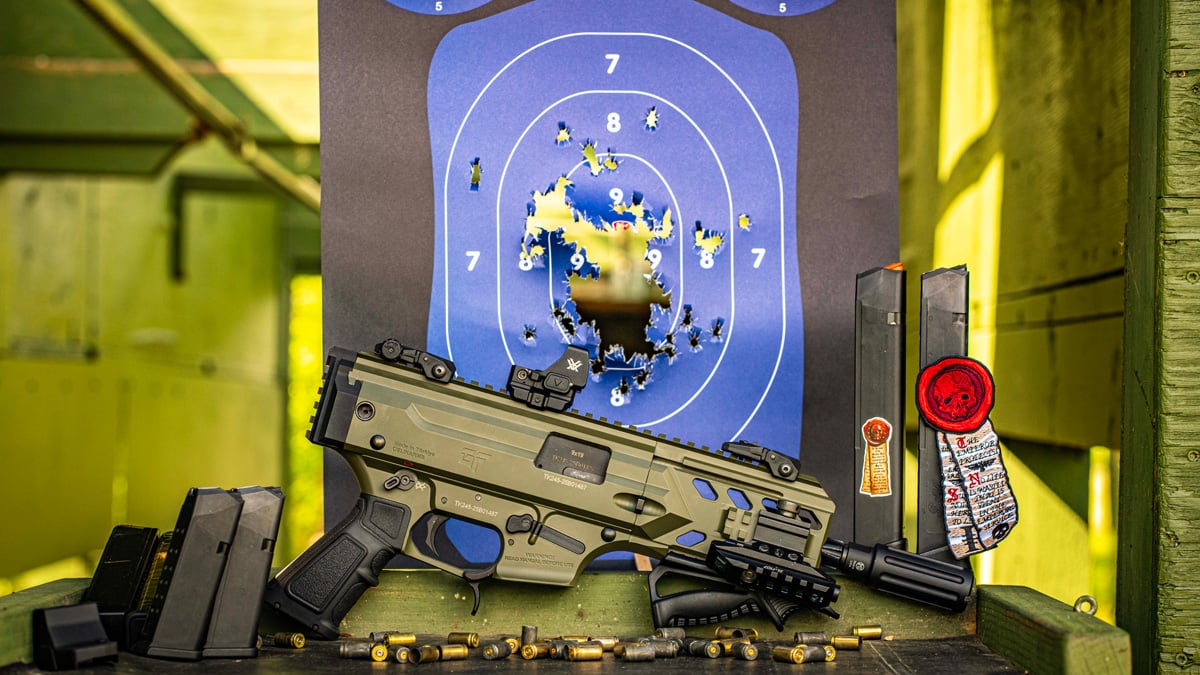
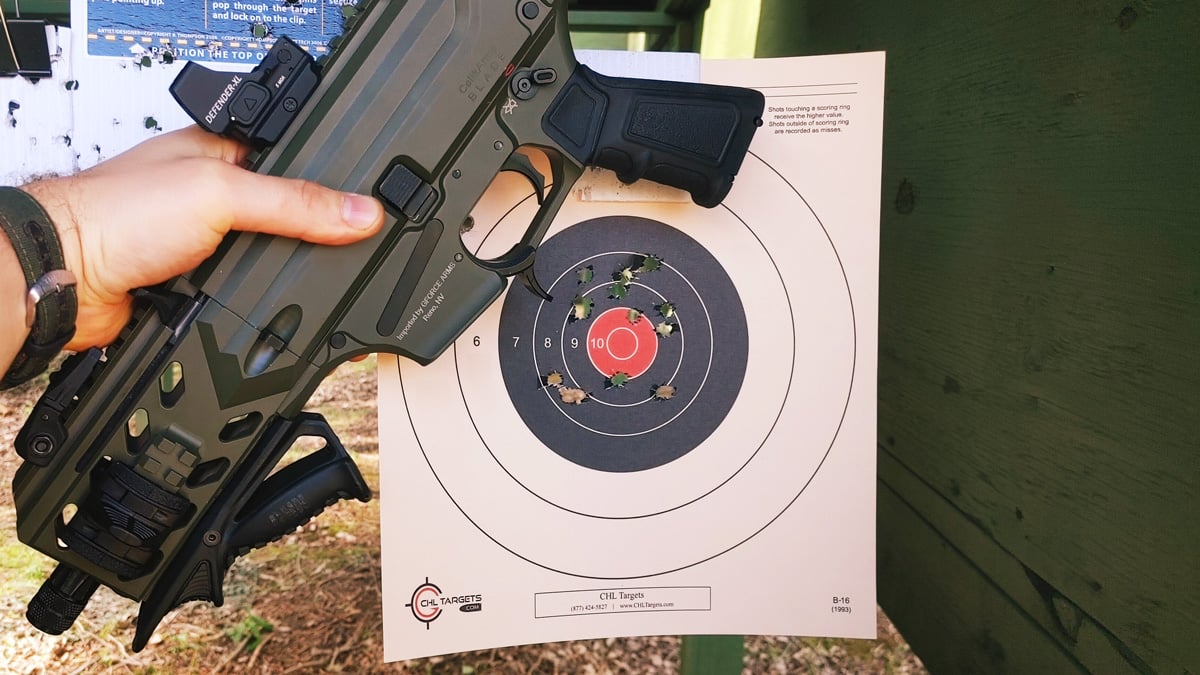
Reliability was fantastic even without cleaning. There were only a few exceptions.
I’ve put 700 rounds through this Blade6 so far. That shooting included a test of a wide range of magazines. I found that Glock OEM, ETS, Magpul, and even ProMag magazines ran fine.
Those magazines resulted in zero malfunctions across multiple ammo types. For ammo, I ran a generous amount of all the following: dirty 115-grain Winchester USA Forged steel-cased FMJ, 115-grain Federal American Eagle FMJ, 130-grain Federal Syntech range ammo, extra-cheap brass-cased 124-grain ZSR FMJ, and 140-grain Sellier & Bellot subsonic ammo.

I did not clean the gun during my testing period, and the only issues I encountered came from my cheap Korean RWB Glock-clone magazines. I had multiple failures to strip steel-cased ammo out of those magazines, but that wasn’t the biggest issue.
The RWB magazine, and potentially other aftermarket magazines, can get jammed into the magazine well if you slap them in with too much force. This ended one of my range trips and sent me to a workbench to tap out the jammed magazine with a hammer. The lesson from that is simple: use decent magazines, or be gentle when you load the gun.
For a gun at this price tag, I can’t complain about the reliability or the accuracy. Just make sure you don’t pound in any aftermarket Glock mags, and you should be good to go.
Shooting Suppressed: Banish 45
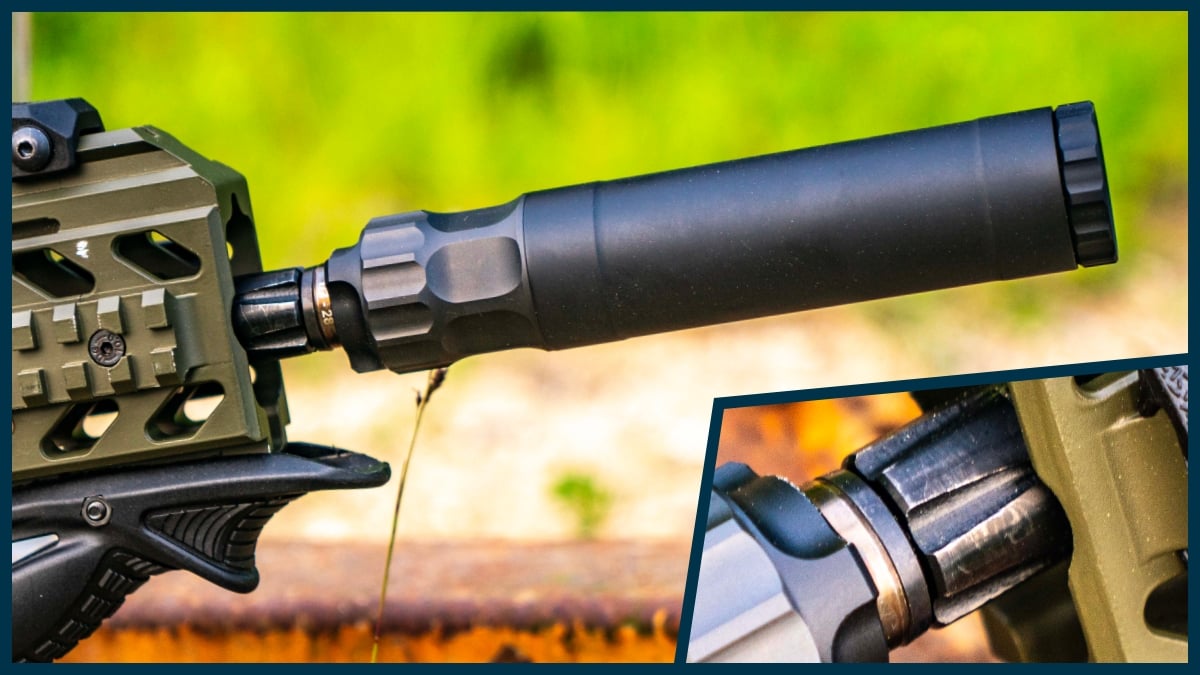
Running 150 rounds of 124-grain non-subsonic ZSR ammo through my Banish 45 suppressor resulted in no malfunctions with the Banish 45 extension. The noise reduction, however, was noticable even with this supersonic ammo. Even when shooting inside an enclosed range, the normally sharp sound levels were cut to a comfortable, low-flash pffft over the agressive bang and fireball I get out this short barrel without a can.
You can see that suppressed shooting above.
When I popped the suppressor off and ran the same supersonic ammo through the unsuppressed 6-inch barrel, the decibels easily exceeded my meter’s capacity. Here’s a peek at what that sounded like.
I hit the range at the end of my testing with some 140-grain Sellier & Bellot subsonic ammo. Even with the extra baffles on the modular Banish 45 removed so it was at its shortest length, the noise level was closer to a powerful air rifle than what I normally percieve from plinking .22 LR rifles.
Better yet, the gun didn’t have any issues feeding suppressed subsonic ammo. Again, it’s hard to ask for much more from an extra-budget firearm like the Blade6 with such a short barrel.
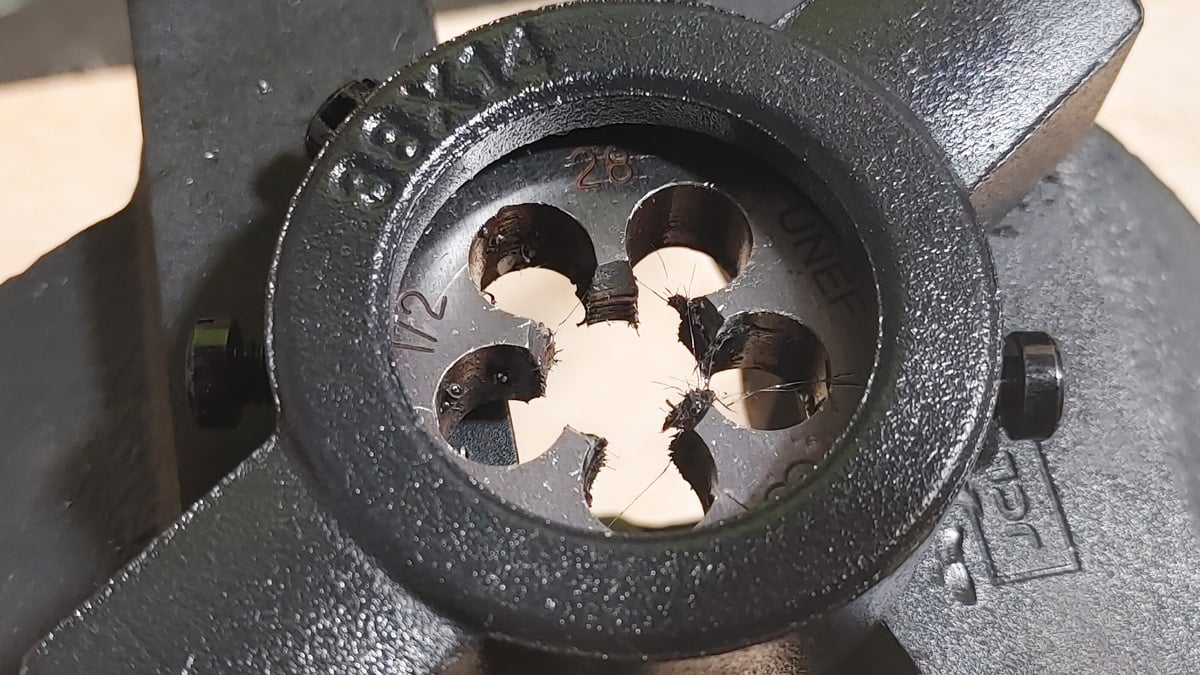
The only ding I will give the gun as a suppressor base is that the 1/2x28 UNEF threads were not properly cleaned to be suppressor-ready when I took it out of the box. That is a fixable problem, but I really wish it didn’t need to be addressed at all.
Pros & Cons
Here’s my short list of the pros and cons for the GForce Blade6:
Pros:
- Reliable
- Very affordable
- Easy to maintain and use
- Nice ambidextrous controls
- Low recoil
- Respectable accuracy
- Lots of mounting points for lights, slings, and optics
- Brace-ready design with rear Picatinny
- Threaded at 1/2x28 for muzzle devices
- Flip-up iron sights included
- Takes most Glock-pattern mags
- 5-year limited warranty
Cons:
- Small, stiff charging handle
- 1/2x28 UNEF threads needed cleaning
- You must use the included tool to attach muzzle devices
- Trigger is clunky but fine
- Heavy for its size
-
Some aftermarket mags might stick
Final Thoughts
I purchased this gun with my own money as a bit of a lark. I wanted a PCC project gun for this summer, and the Blade6 exceeded my hopes for that. The gun is reliable and not ammo picky. However, you do need to ensure the magazines you use are not so flimsy that they get stuck inside the magazine well after a hard tap.
It may not be refined or lightweight, but the Blade6 has shooting chops that make it a great range companion. It could be pressed into service for something like home defense, and the overall reliability gives me confidence in the design.
For my needs, the Blade6 scratched the 9mm PCC itch without breaking the bank. I would pick a more premium firearm for professional or competition work, but this gun is a win for the budget-minded shoppers out there. It even comes in a wide variety of color options, if that kind of thing is important to you.