Overview & Specs
If this Apollo 11 is a typical example, I would say it’s a pretty good entry-level 2011 that is fairly reliable and accurate, with just enough upgraded features to give a good idea of what you can expect from a high-end double-stack 1911.
I’m not saying it’s as good as a Staccato – a discerning user could easily tell the difference between the Apollo and something more than twice the price. I am saying if you are not sure you want to drop the money on something more expensive, but you want to dip your toe into the 2011 world, the Apollo 11 would fit the bill.

- Caliber: 9mm
- Capacity: 17+1
- Weight (without magazine): 35.2 ounces
- Barrel Length: 4.9 inches
- Slide Width: 0.925 inches
- Overall Width : 1.21 inches
- Overall Length: 8.41 inches
- Height: 5.46 inches
- Barrel Rifling: 1:16 LH
- Trigger Pull: 3.5 to 4.5 pounds
- Trigger Travel: 0.31 inches
- Sight Radius: 5.92 inches
-
Optic Footprint: RMSc
Details
Now, let’s go over the details. Slide-to-frame fit is good with just a little rocking, and the barrel feels tight. Racking the action is nowhere close to the “sliding on glass” feel of premium double-stack guns. You can feel the disconnector drag on the bottom of the slide, but it is easy to rack and cycles smoothly.


The 416 stainless-steel slide is tri-topped, which looks great and reduces slide weight. Slide serrations run the length of the slide, which looks good and works well. Two lightening ports are machined into the slide near the barrel, creating openings for V-style barrel ports, which are a factory option.
The 4.9-inch bull barrel has a recessed crown and a cone profile to lock up with the slide. There is no bushing. The guide rod is full-length and solid, so you will need a tool to disassemble it, which is standard for a 1911 with full-length guide rods.
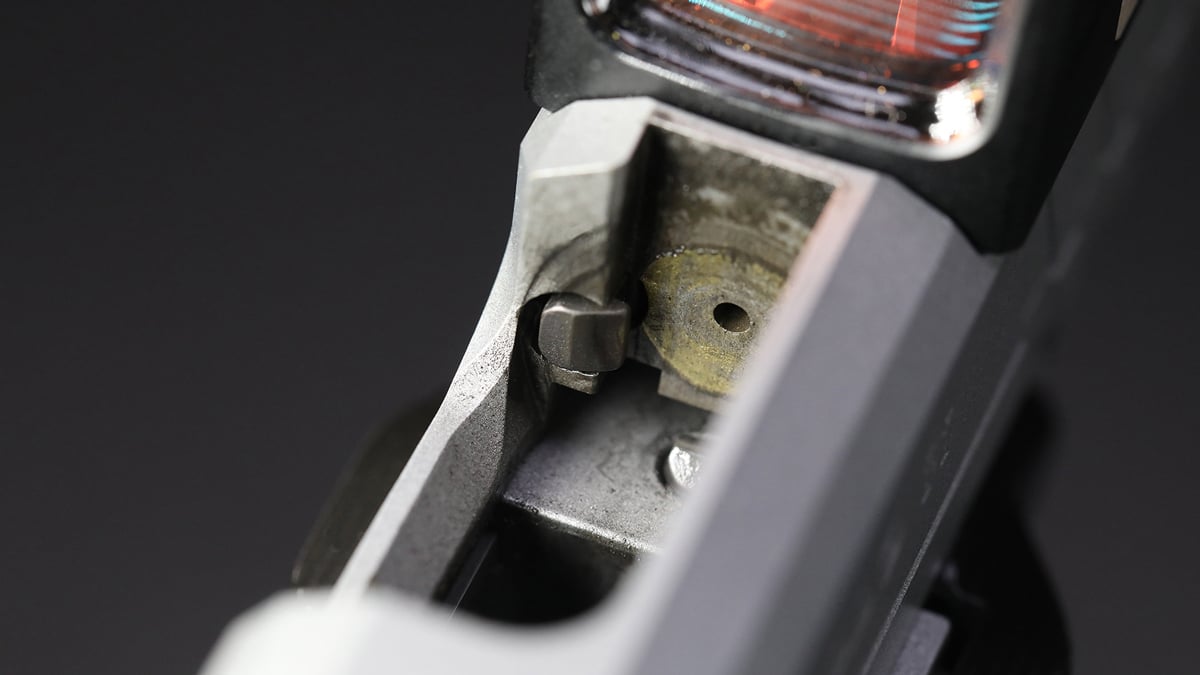
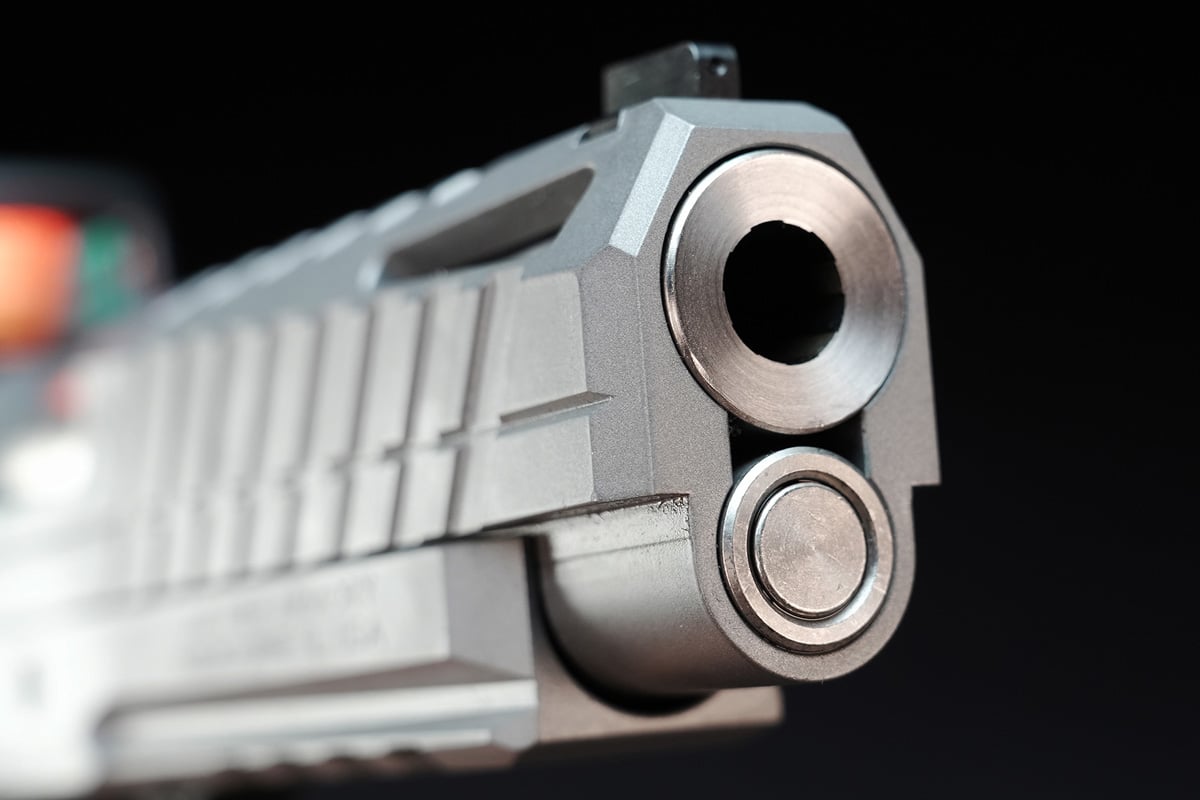
The extractor is the traditional internal style. Internal extractors can be a bit finicky and must be tuned properly, but my example worked well. The dust cover is short and doesn’t go all the way to the end of the barrel, and there is a Pic rail for accessories.

The front sight has a glowing tritium dot for low-light shooting and a white ring outline for daylight acquisition, while the rear is all black with a racking ledge. It’s a good iron sight picture.
Optic Footprint
Being a dot guy, I immediately installed an optic. The Apollo 11 has an RMSc footprint, which is the most popular footprint for small concealed carry guns. Therefore, most dots with RMSc footprints are smaller in size.
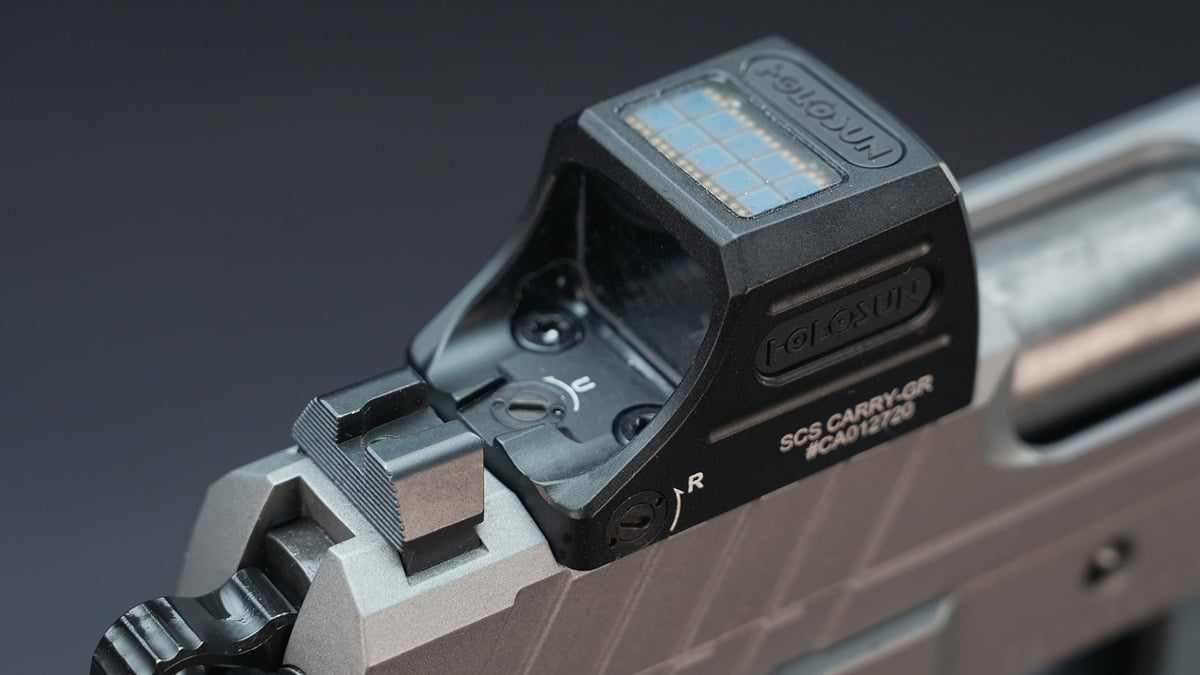
I think this footprint is a mistake on this gun, which is a big competition or duty-sized pistol. Most shooters would want an equally large sight with a big window. LFA must have chosen this footprint because 2011s have a narrow slide. The designers probably thought buyers would only want to mount dots that didn’t hang over the sides of the gun, but I have no issue with a dot being wider than the slide. I want as big a window as is appropriate because it is much easier to track your dot in a big window.
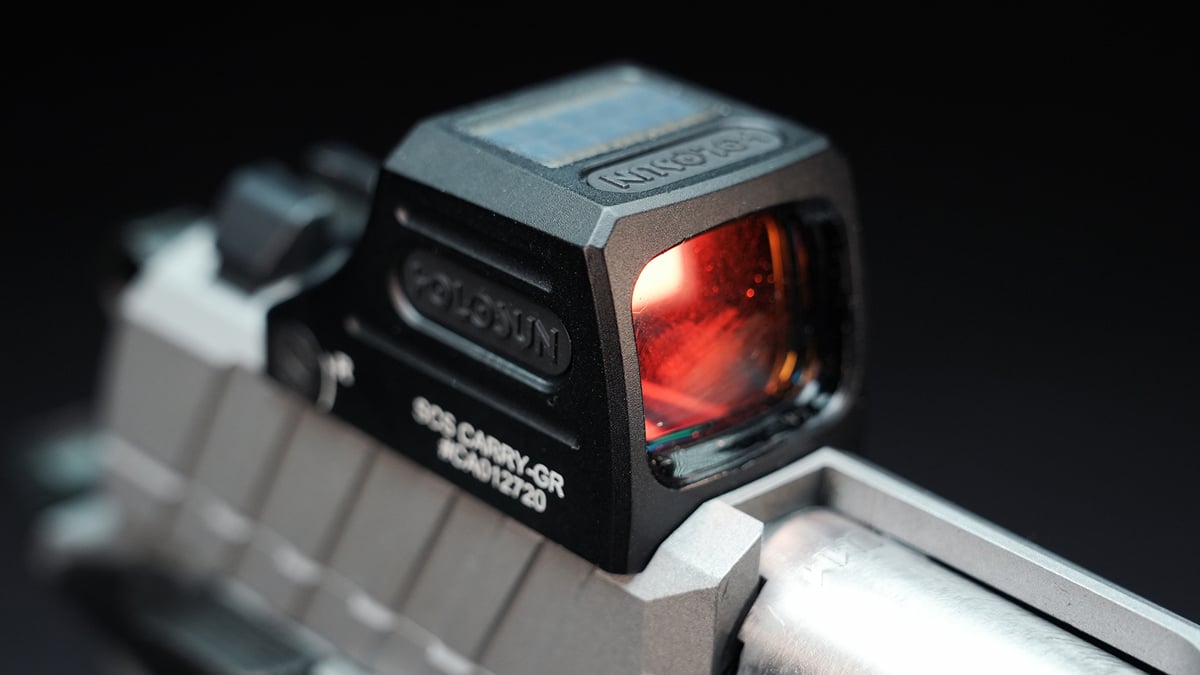
I ended up mounting the largest RMSc dot I had on hand: a Holosun SCS Carry. The SCS Carry is a pretty amazing red dot, and being in the SCS line, it is completely powered by a solar assembly. There is no user-serviceable battery. If you use it normally and expose it to the sun regularly, you should not need to worry about power for at least 10 years until the battery starts degrading.
In addition, this Carry model is completely enclosed, so it is perfect for carry since there is much less chance debris will get in the way of the emitter. The Holosun SCS Carry is a fantastic dot, with a good-sized window for its class, but just a little bit small for a full 5-inch gun.
Trigger
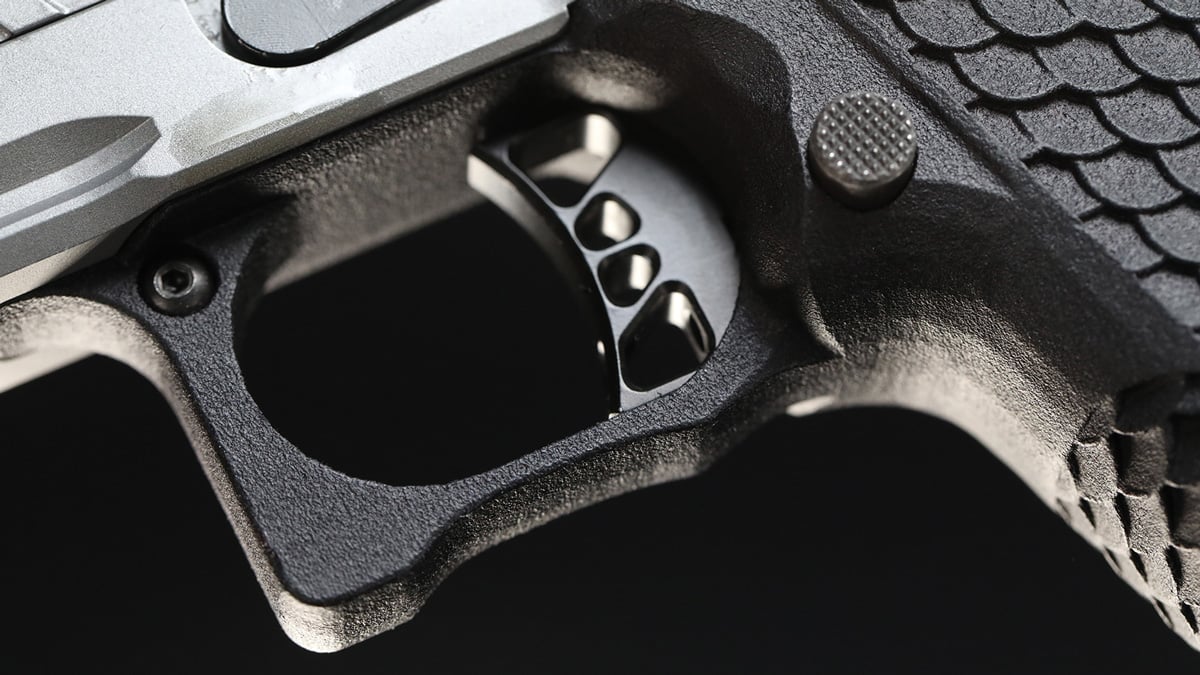
The trigger is decent for a budget 2011. There is some movement of the trigger itself – not much wiggle but a lot of up-and-down slop. There is a little take-up, great break, and no overtravel. The shoe is curved and made of aluminum. My test model had a 4.5-pound break, and all in all, it felt good. I would classify it as a good duty-class 1911 trigger, certainly better than most striker triggers.
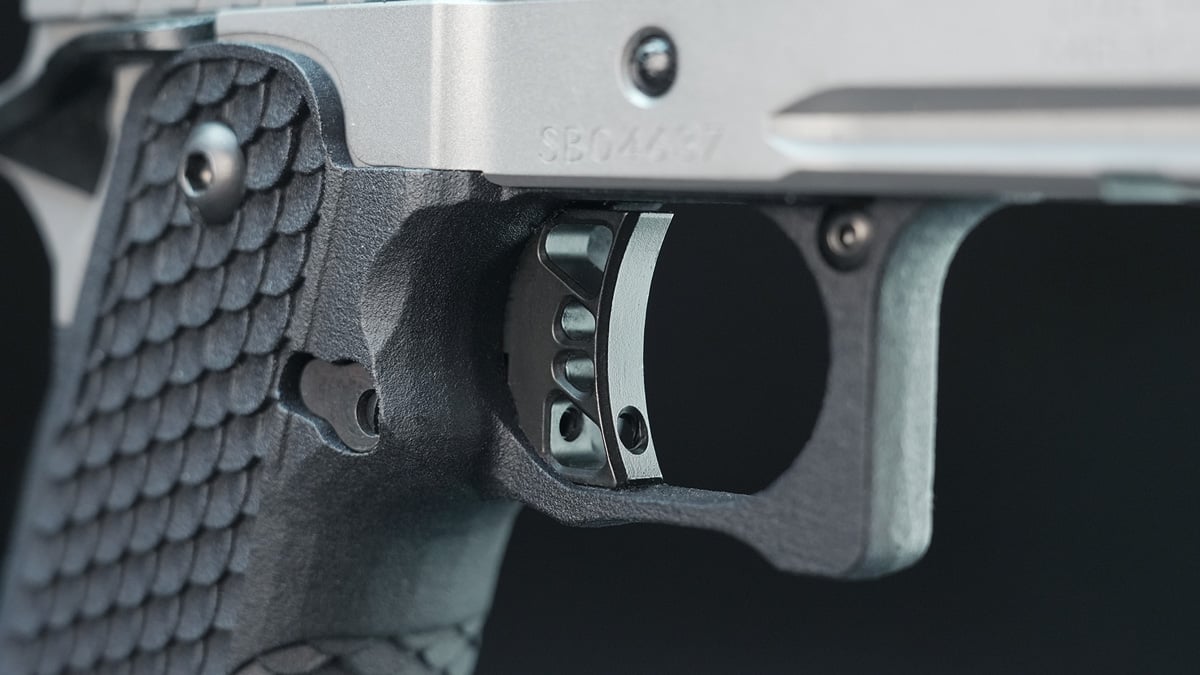

Rounding out the controls is a standard-sized slide stop with some beveling under it for ease of reach. The magazine catch is also adequate, with serrations for texture and very positive extraction. The LFA-branded magazines hold 17 rounds.
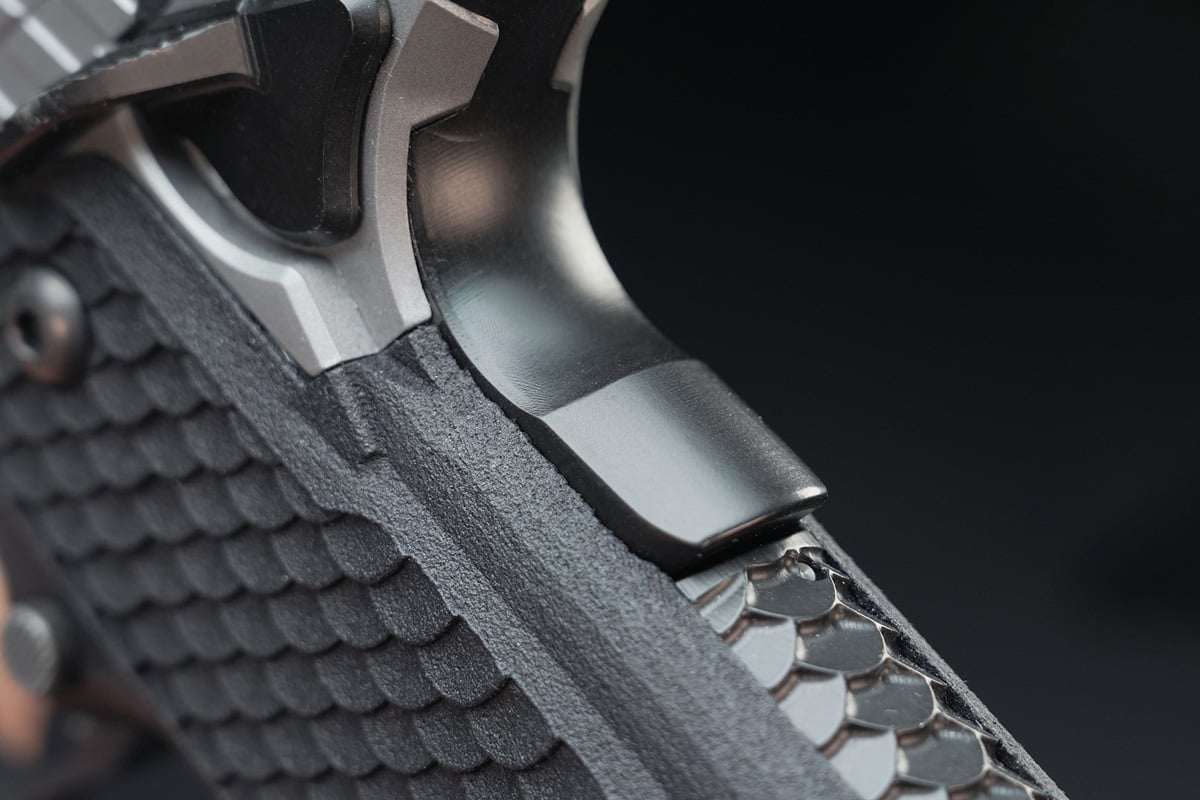
Safety levers are ambidextrous and leave nothing to complain about. They are solid with positive engagement. The grip safety is the same and functions adequately, although you have to depress it almost all the way to deactivate it. Plus, it has little blending to the frame to make it feel smooth against the skin.
Grip
I found the grip interesting. The Apollo 11 comes with a polymer grip module. The texture is just “okay” – maybe a little slippery. It’s not aggressive at all. There is a double undercut below the trigger guard, which is a nice touch.

The grip’s dimensions are unique and much slimmer than the standard Staccato. A common complaint about 2011s is that the grips are fat. This is because the magazines were designed for a large cartridge, so they needed to have a large circumference.
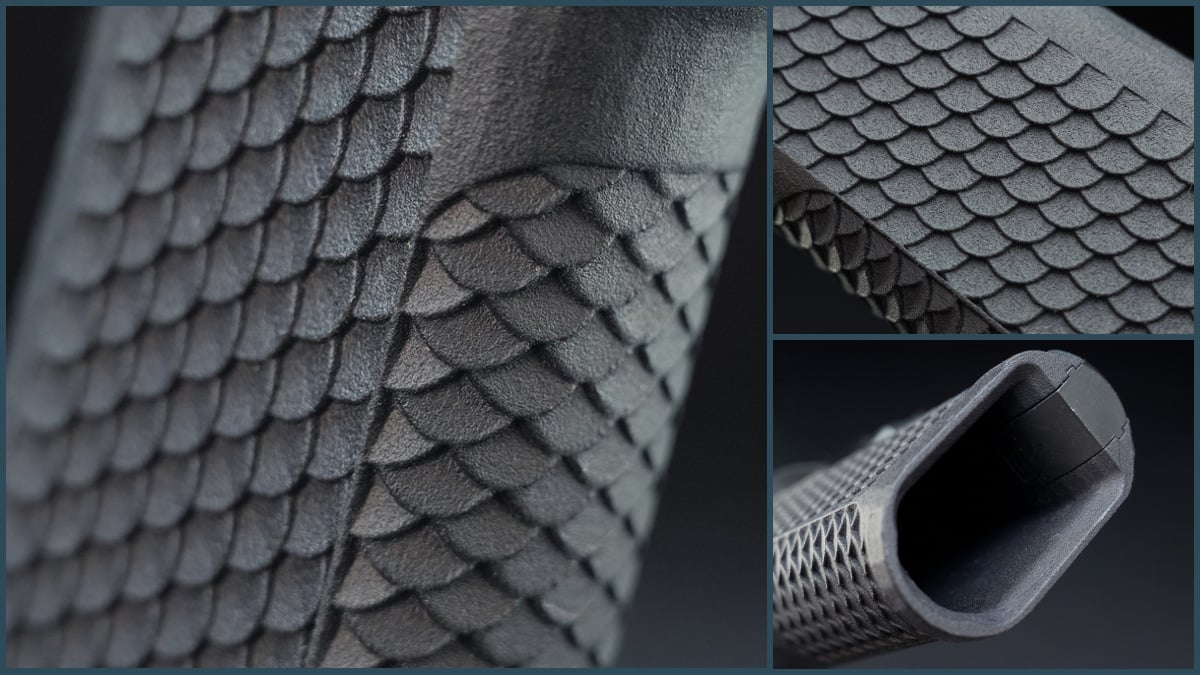
The Apollo uses that same 2011 magazine, but its dimensions are smaller. By my measurement, the grip length is the same, but both the width and trigger reach are shorter. I would suggest the Apollo 11 for users who have difficulty with the large grip of the traditional 2011.
Testing
For testing, we returned to Precision Point in Frederick, Maryland, to use the competition setup. Accuracy with the Apollo 11 was quite good.
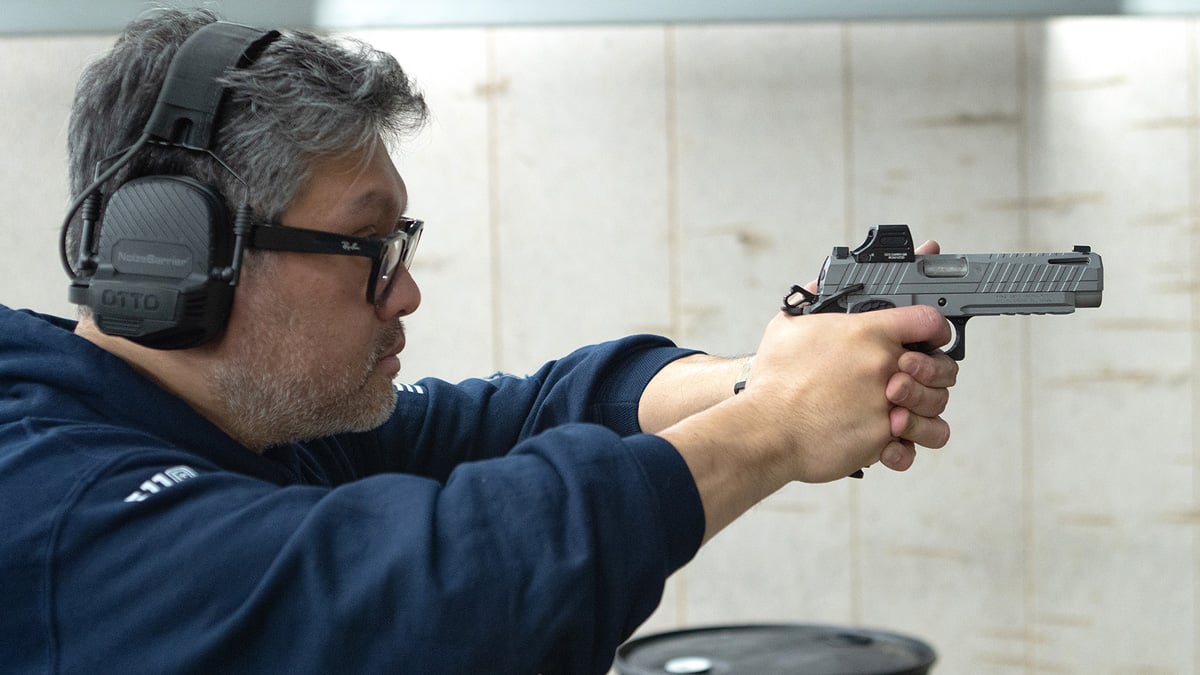
The gun performed well, but I could tell it was a budget pistol. I experienced some feeding issues with 147-grain ammo – possibly because of the bullet shape of this ammo, since 115s from the same brand had no problems. Also, ejection was not consistent. There are lots of reasons for erratic ejection, but it’s a telltale sign of some kind of problem.

The factory magazine worked great, but I had problems with a Springfield Prodigy magazine. I think the base plate got stuck on the grip of the Apollo.

While the shooting characteristics (such as recoil impulse, muzzle rise, dot tracking, and trigger feel) on the Apollo were very good compared to most other guns, compared to other 2011s, it was just average. I think it was a bit snappier than similarly sized guns. This could possibly be because of the springing and/or the smoother and smaller grip.
Conclusion

In conclusion, reviewing this gun confirmed my opinion that you get what you pay for in the double-stack 1911 world. At least with this one test sample, the Live Free Armory Apollo 11 will get you into the world of the 2011, but it cannot hang with the Staccato or higher tiers. It’s probably best for someone who wants to dip a toe into the world but also isn’t shy about investing some money into upgrades. As it’s made in the USA from quality materials, it would be a great starting point for a project gun.