The SilencerCo Omega 300
I am no stranger to the Omega 300. Not only have I used these cans on various occasions, but a good friend of mine also has been using one for nearly a decade. It has been along with us on countless trips into the mountains hunting deer and varmints, and it has been on hunts in the sage-covered plains of Wyoming.
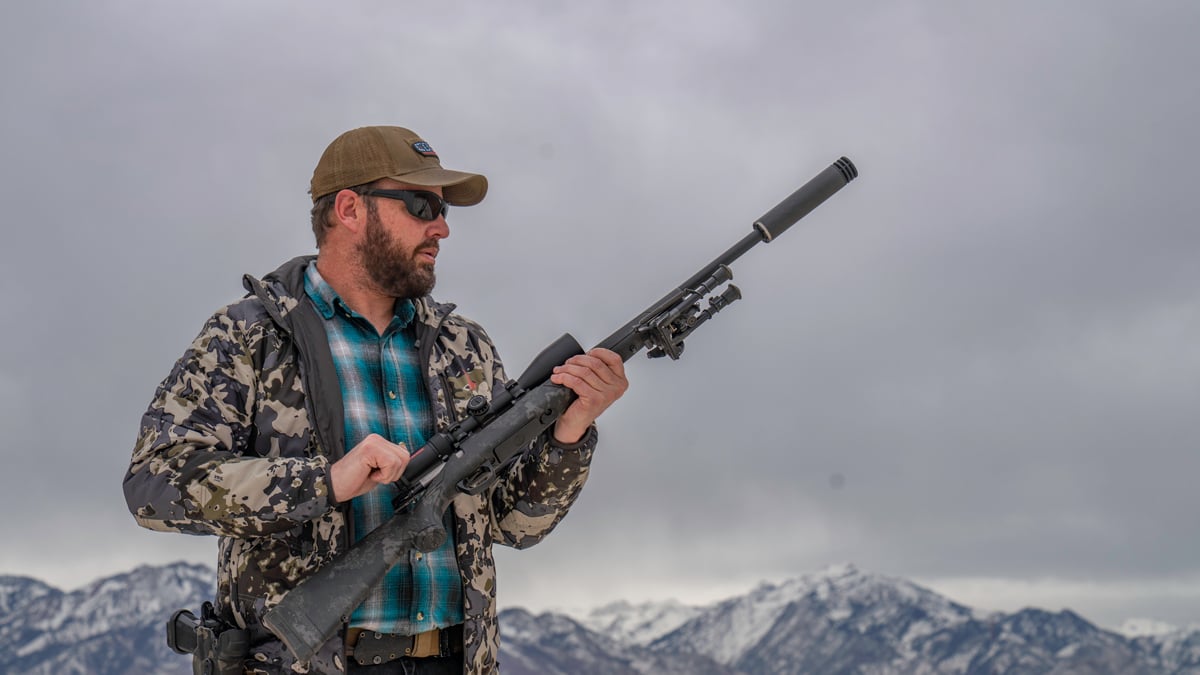
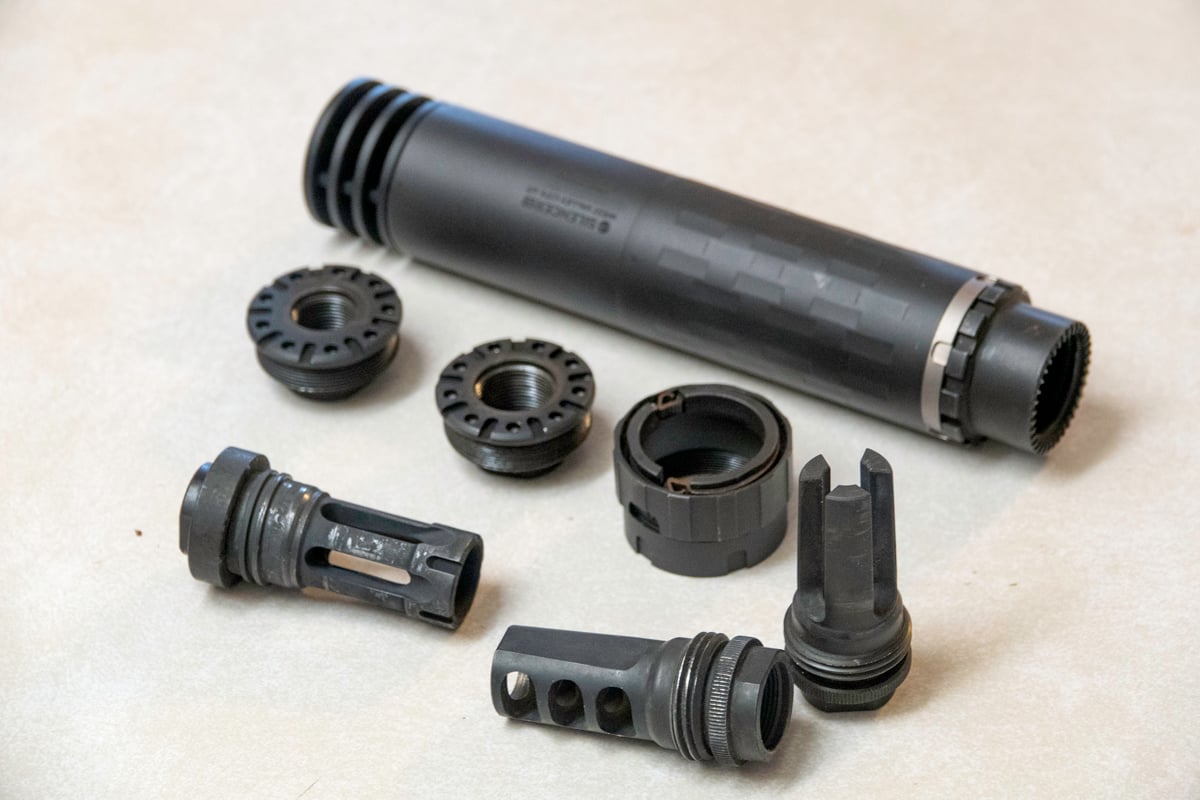
One could argue the Omega has been the backbone of SilencerCo’s .30-caliber suppressor line. The Omega features a fully welded lightweight core with a modular hub and muzzle cap. With its iconic anchor brake, users can reduce recoil or swap it out for a traditional muzzle cap.
Various Bravo-style mounting options allow you to mount the suppressor however you see fit. Direct-thread options or any of the ratcheting lock-style muzzle devices can also be incorporated.
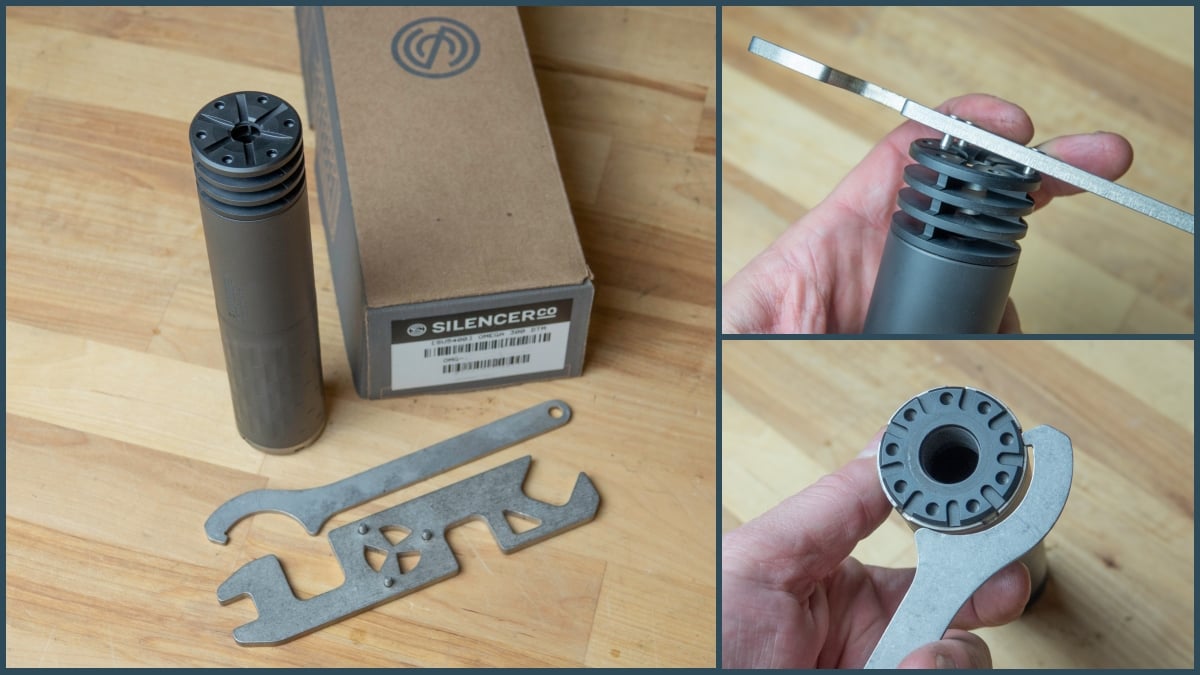
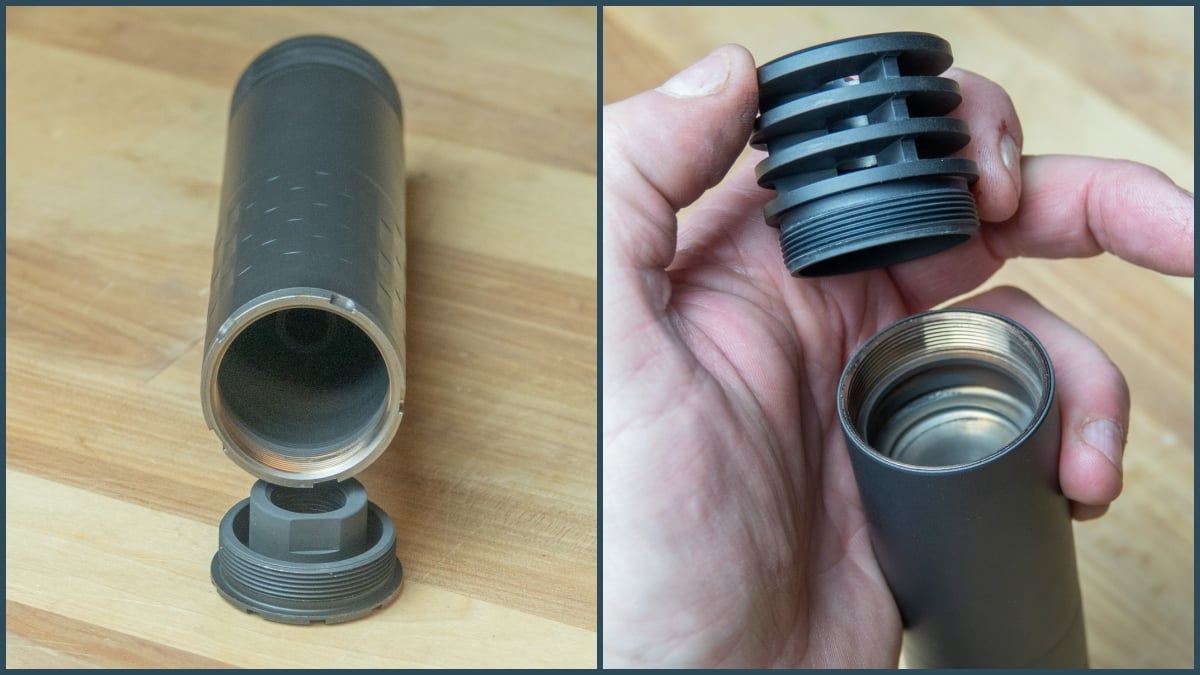
Whether you use the Omega for a 5.56 full-auto carbine or for your precision .300 Winchester rifle, there is great compatibility. Generous barrel limitations make the Omega a good choice if you are an SBR enthusiast. The suppressor comes with a Bravo 5/8x24 threaded HUB for direct threading to your muzzle, as well as the tools needed to change out the HUB.
Shooting the Omega 300
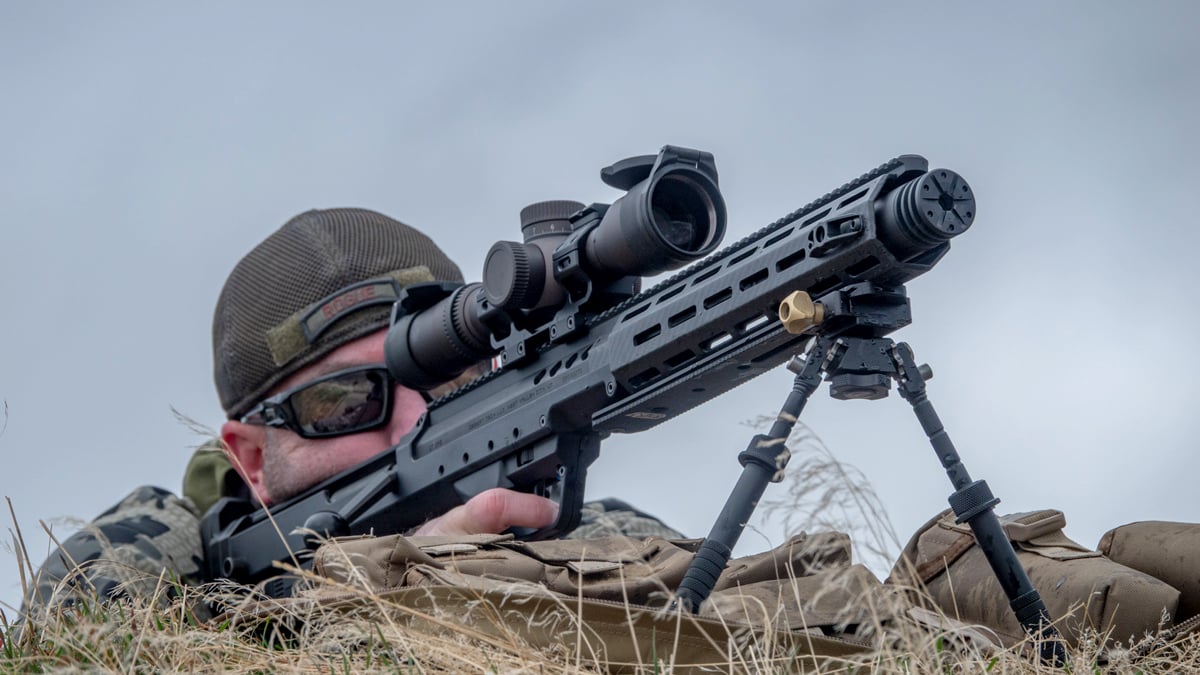
A good portion of my shooting with the Omega 300 has been done using the Desert Tech SRS as a host, along with various other bolt-action rifles chambered in .308 Winchester, 6.5 Creedmoor, and .223 Remington. All functioned well with the Omega at the muzzle.
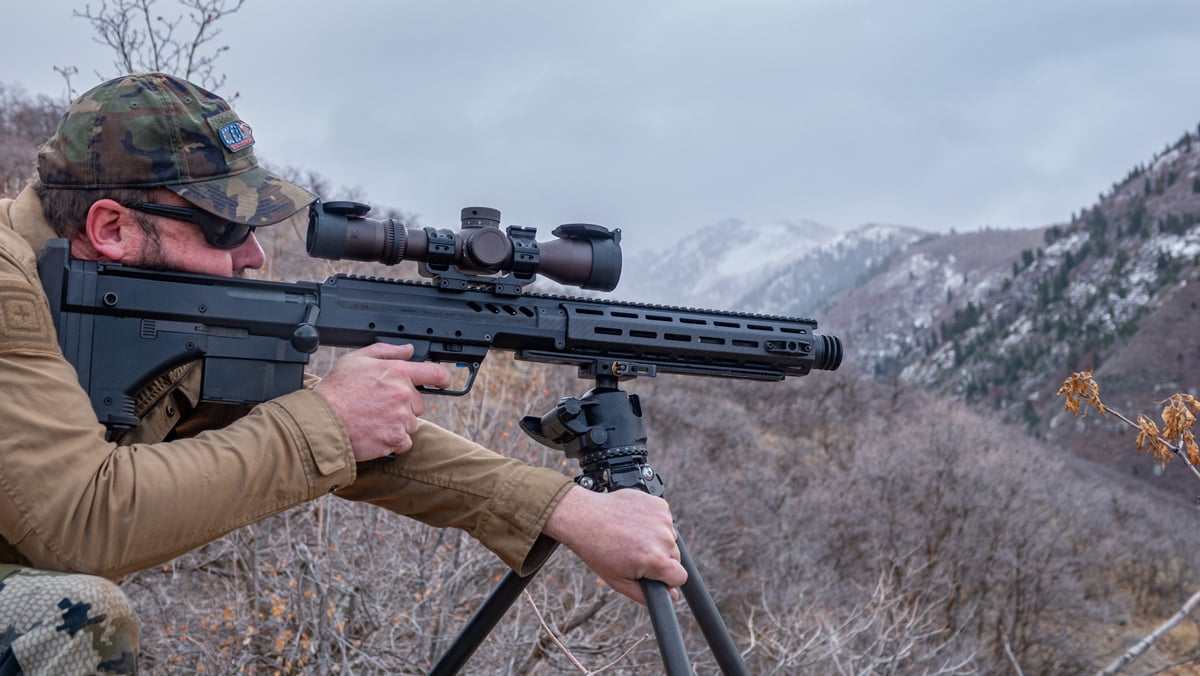
The Omega 300 can be used with or without the anchor brake installed up front. I found the brake to be effective in reducing felt recoil – even better than some other cans with brakes built into the muzzle.
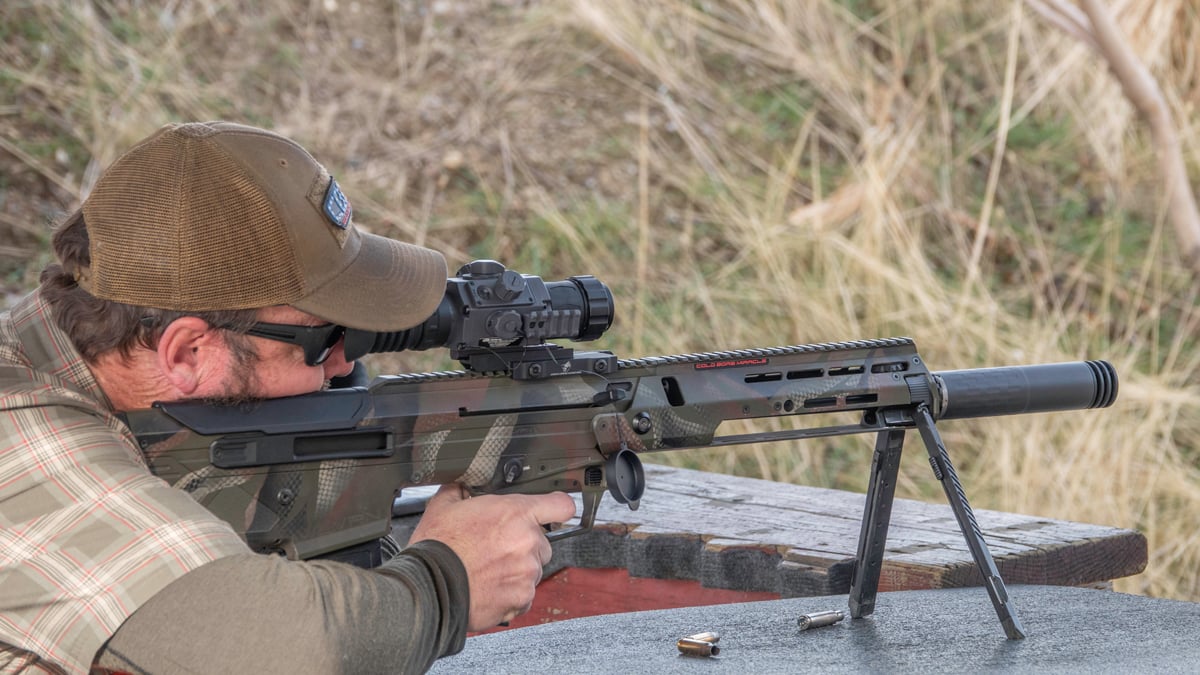
My multi-caliber Desert Tech WLVRN made another great host with its 5.56 and 6 ARC barrels. The Omega was easily fitted to either barrel by swapping out the hub from 5/8x24 to 1/2x28. To add some sport to the outing, I also mounted the Armasight Contractor 320 thermal scope. Chasing some local coyotes in the dark would be a perfect use for the Omega.
Sound & Recoil Reduction
The Omega does a great job of suppressing the report of .30-caliber and smaller rifles. With .308-sized rifles, sound and recoil were modest and pleasant. Smaller cartridges like the 6.5 Creedmoor, 6 ARC, and .223 Remington were even milder. With the smaller cartridges, I would have preferred to remove the brake from the can. Recoil was minimal, and the slight disturbance of dirt on the ground was just enough to make it annoying.
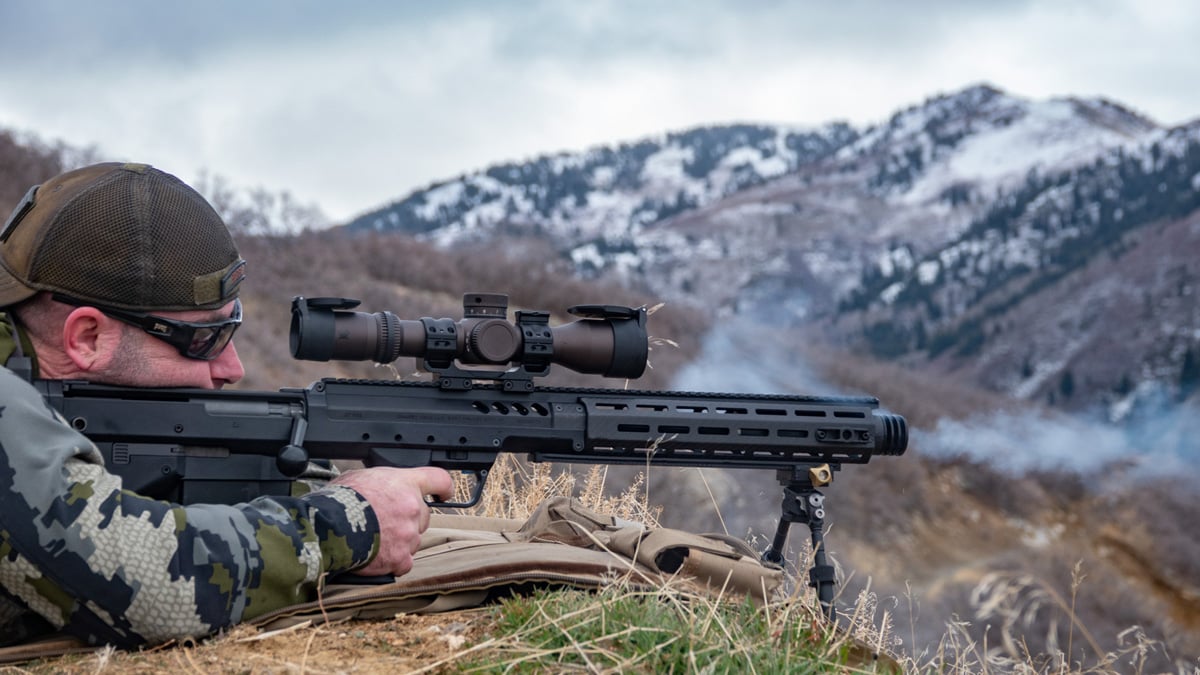
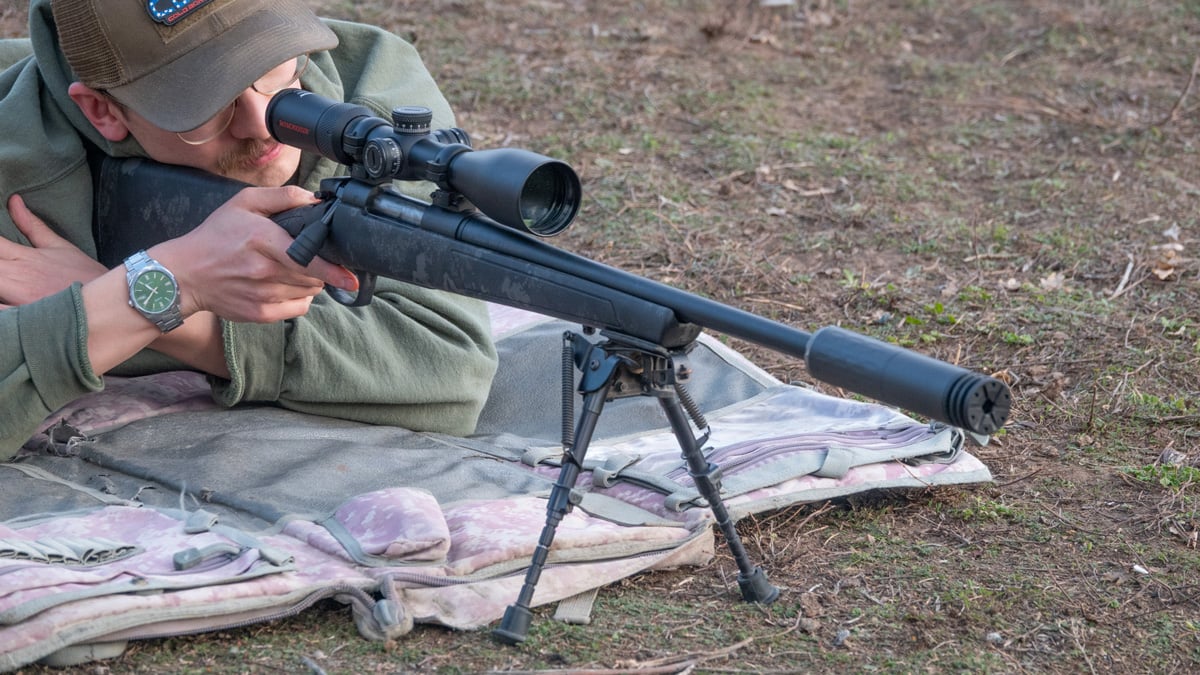
With larger calibers, the large anchor brake that comes with the Omega 300 does a great job of reducing recoil. Suppressors in general reduce recoil already, but the added brake seems to help even more. When shooting the Omega 300 alongside an identical rifle outfitted with the SilencerCo Scythe Ti, we could all feel the reduced recoil from the Omega.
Because of the Omega’s modularity, you needn’t use the brake if you don’t want to. Replacing it with one of the Bravo muzzle caps makes it a touch quieter. If you are shooting one of those calibers that doesn’t have heavy recoil in the first place, perhaps the Bravo cap is the way to go.
Pros & Cons
There is little to complain about with the Omega 300. It gives excellent sound suppression, with modular application to a whole collection of firearms. It’s not very heavy, and it’s not even that expensive considering the market options.
It comes from a well-known manufacturer with a reputation of good products and customer care. I’ve heard from others as well as experienced myself a near shockingly fast turnaround time for repairs and warranty.



Jeff Wood
Jeff Wood, aka Coldboremiracle is a self-described freelance sharpshooter. Growing up hunting and fishing in the arid mountains of Utah, he can usually be found behind a riflescope somewhere high up in the Rockies.
View All Articles by Jeff Wood