Don’t be a Hater, Man
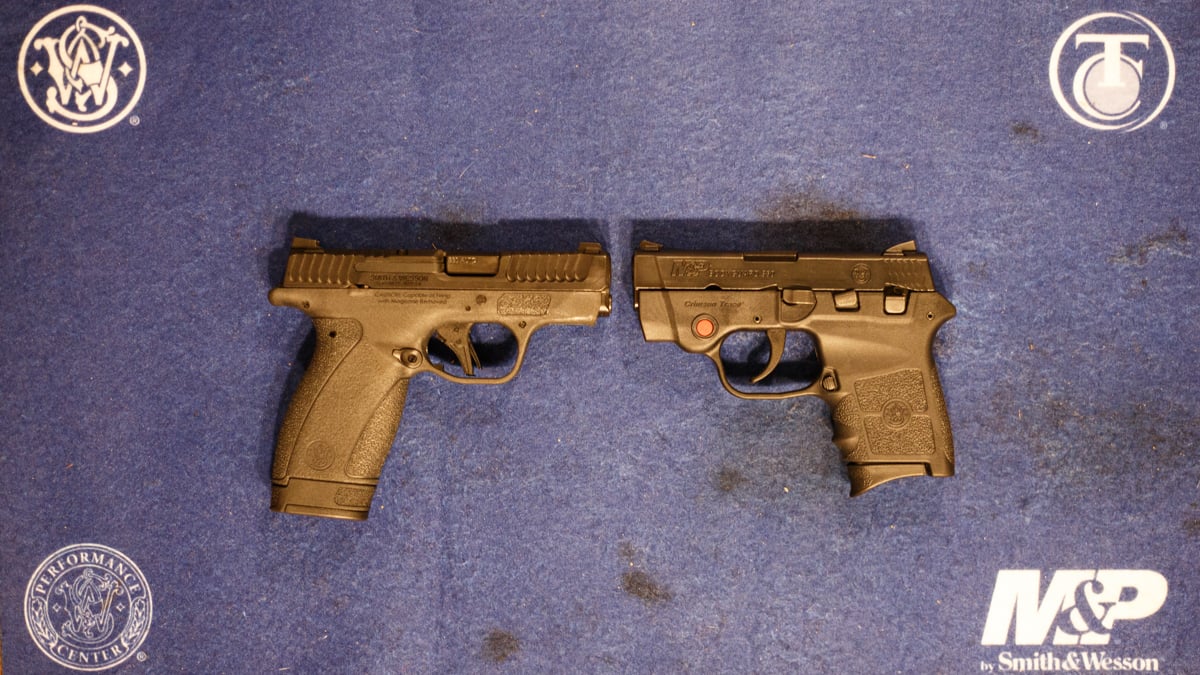
I had to tell myself not to hate this gun before I ever received it, but it’s for good reason. I hated – like, loathed to the core of my being – the original Smith & Wesson M&P Bodyguard 380. The thing is, I wanted to like it. I even considered purchasing one as my first handgun back when I was a newb, but that was before I shot it.
I’ve always had an affinity for mouse guns and pocket pistols. I just think they are cool. If I were to start collecting older firearms, I would start with Baby Brownings and Colt Vest Pocket pistols. But when I got that original Bodyguard on the range, it irked me. I shot it again a couple years ago, and you can see my displeasure in the video below.
The trigger pull was long and heavy, which I guess was the point, but as a new shooter, I hated it. To this day, it has to be one of the longest and heaviest trigger pulls I’ve felt, rivaling any DAO revolver I’ve shot. Combine my new shooting skills with this trigger and the included Crimson Trace laser, which twitched around like a fish out of water on target, and you have a miserable shooting experience.
Not to mention because the gun was so light and small it was jumpy in the hand. Recoil felt violent for such a small gun and caliber, akin to the Ruger LCP. I’d rather shoot a BFR in .45-70 Gov’t than shoot either of those pocket pistols again.
However, after reading some other reviews and watching a couple videos, it seemed like this new version was totally revamped. It was time to give the pocket pistol lineup another chance.
First Impressions
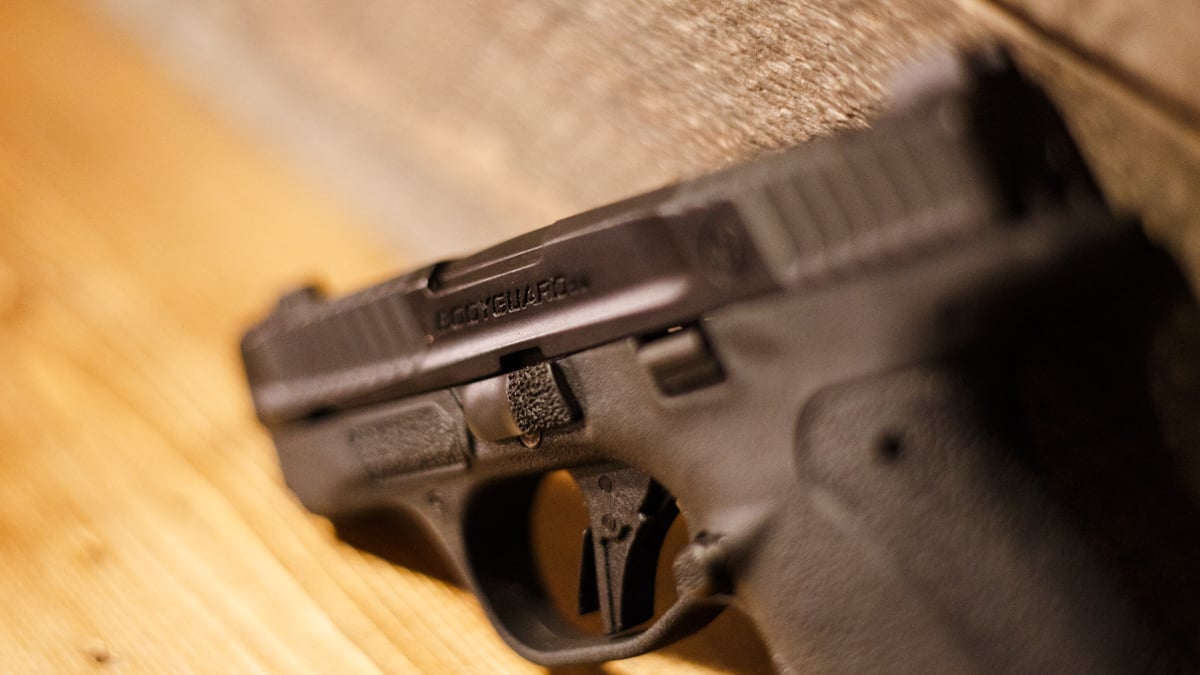
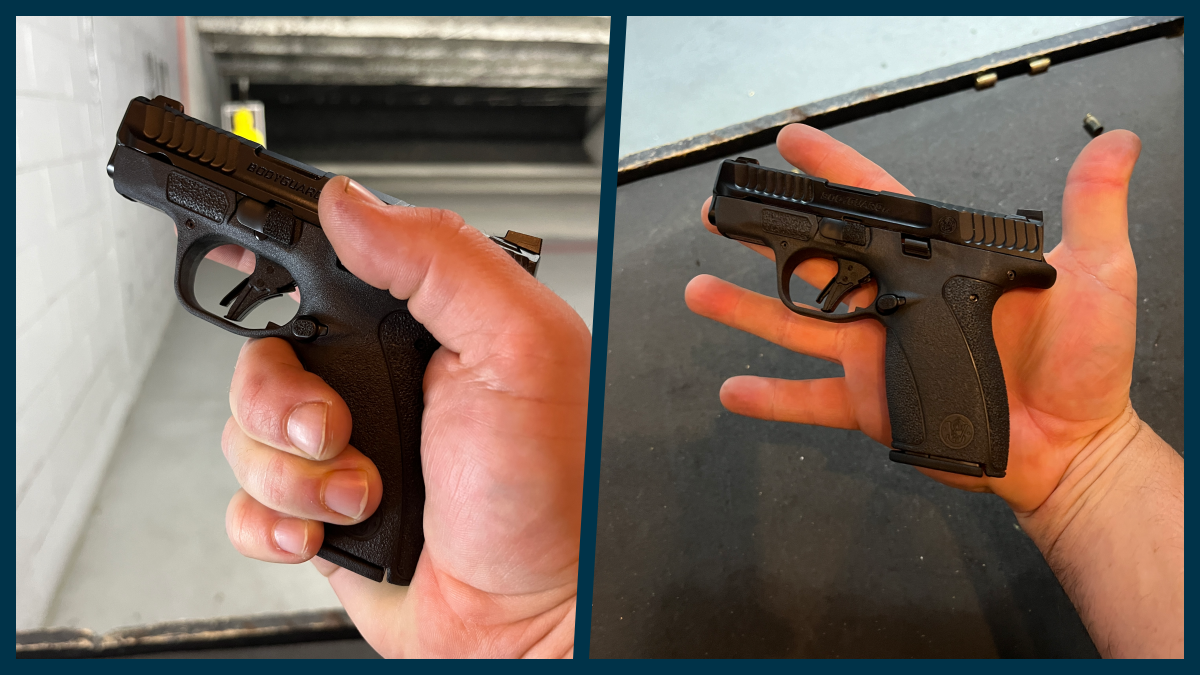
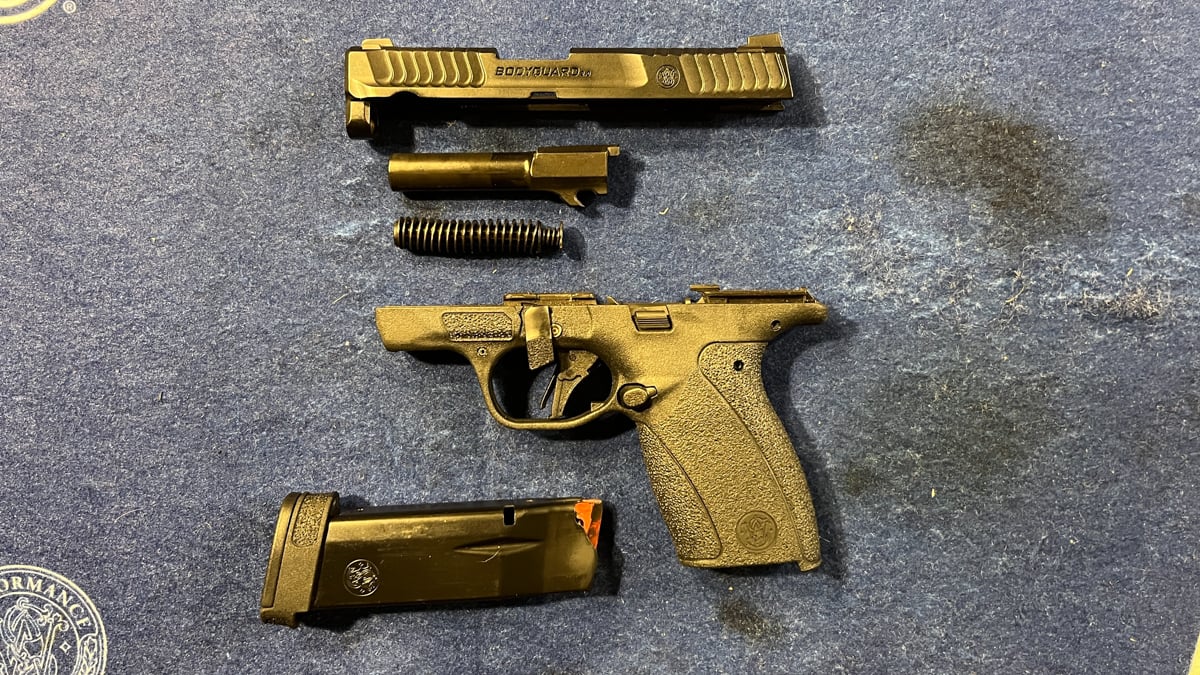
I was surprised to see the new Bodyguard is certainly bigger than the previous version. With the 12-round magazine, I can get a full grip on the pistol – something I couldn’t do on the first version of the gun. This also doubles the capacity of the previous version.
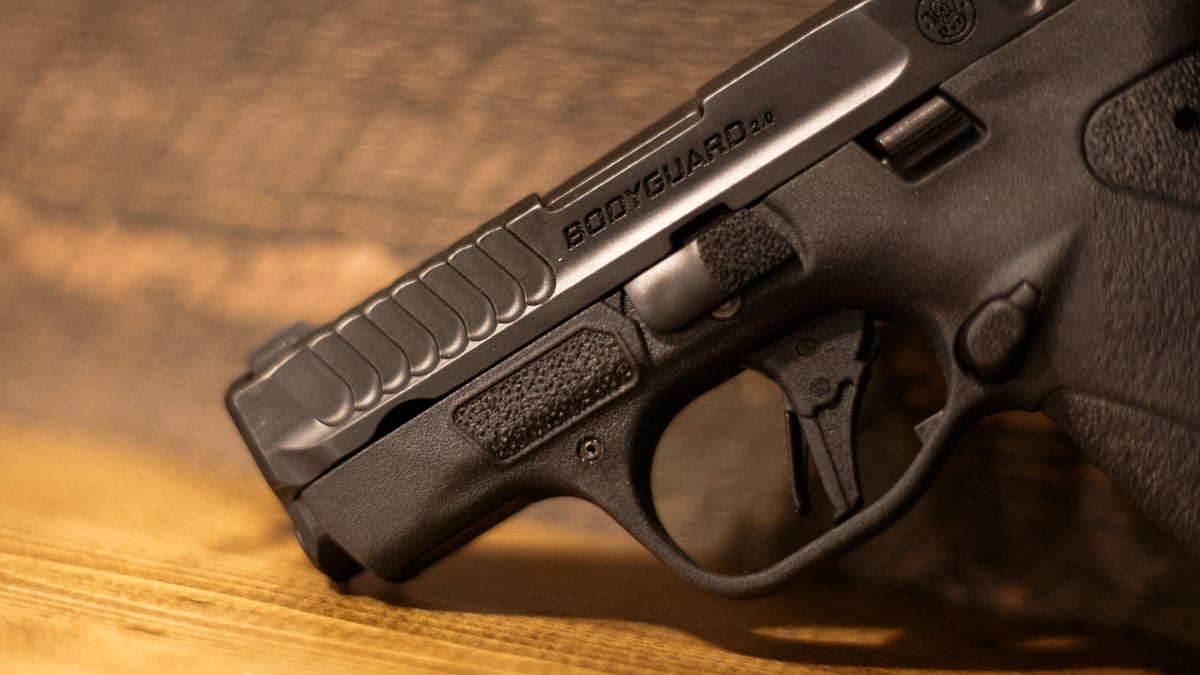
While the new version is fatter, longer, and taller (with the 12-round mag) it somehow clocks in a full 2 ounces lighter. It also ditches the hammer for a striker-fired system, which helps save weight. It features nice grip texture and a flat-faced trigger that was a huge improvement on the first dry-fire pull.
The last thing that immediately popped out to me was the slide serrations. They are deep enough to get a good grip and a big upgrade from the previous version, which had the first-generation M&P slide serrations – a feature I hated as well.
Comparisons
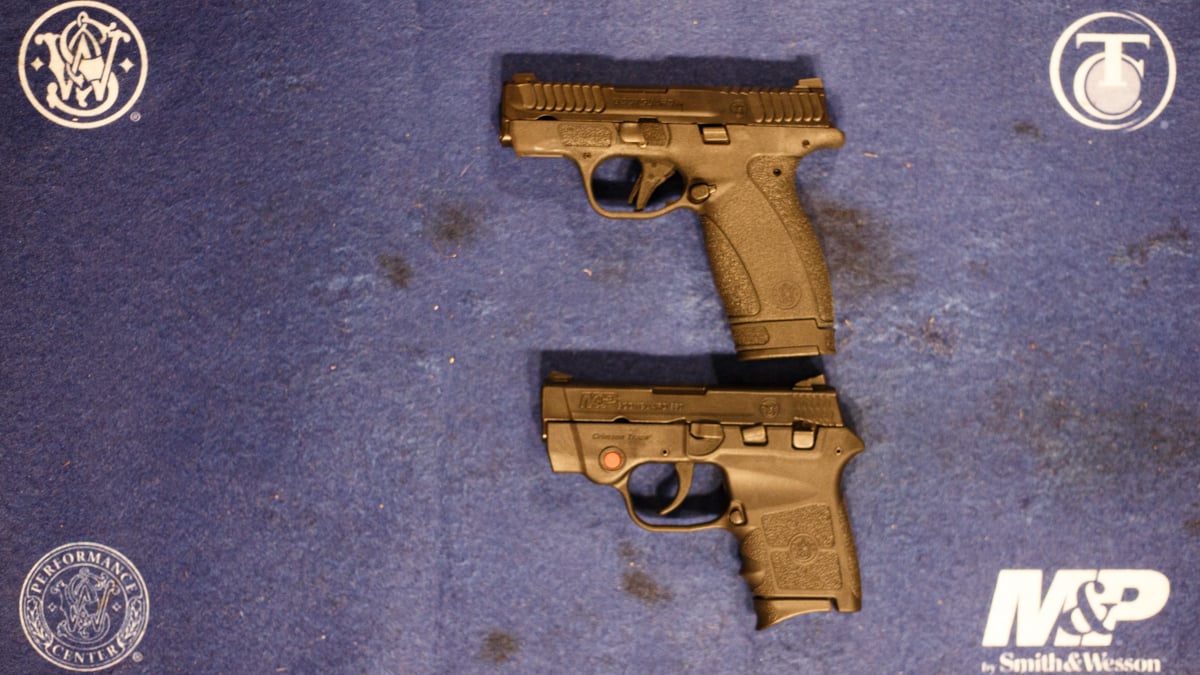
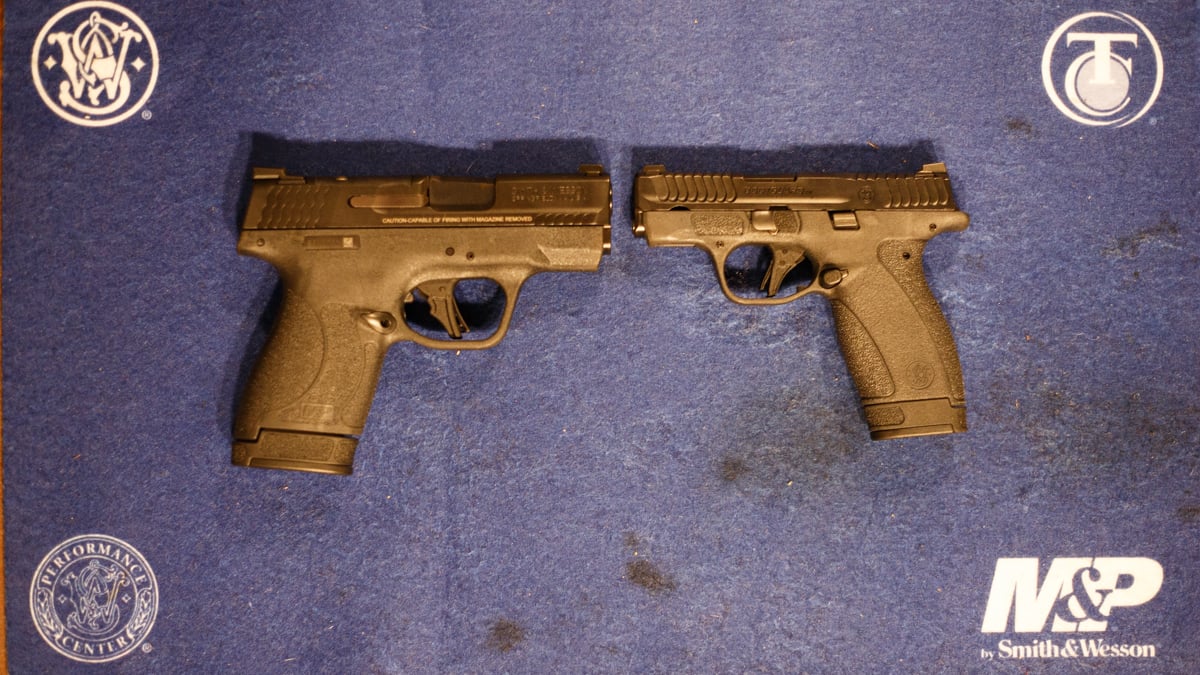
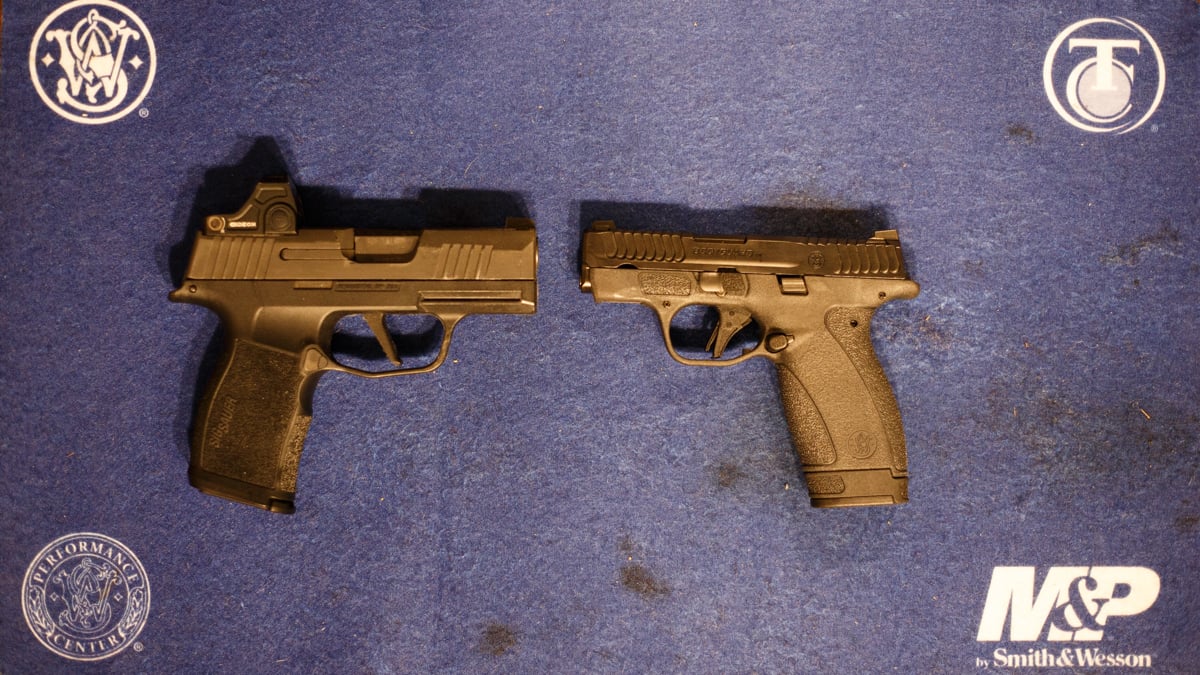
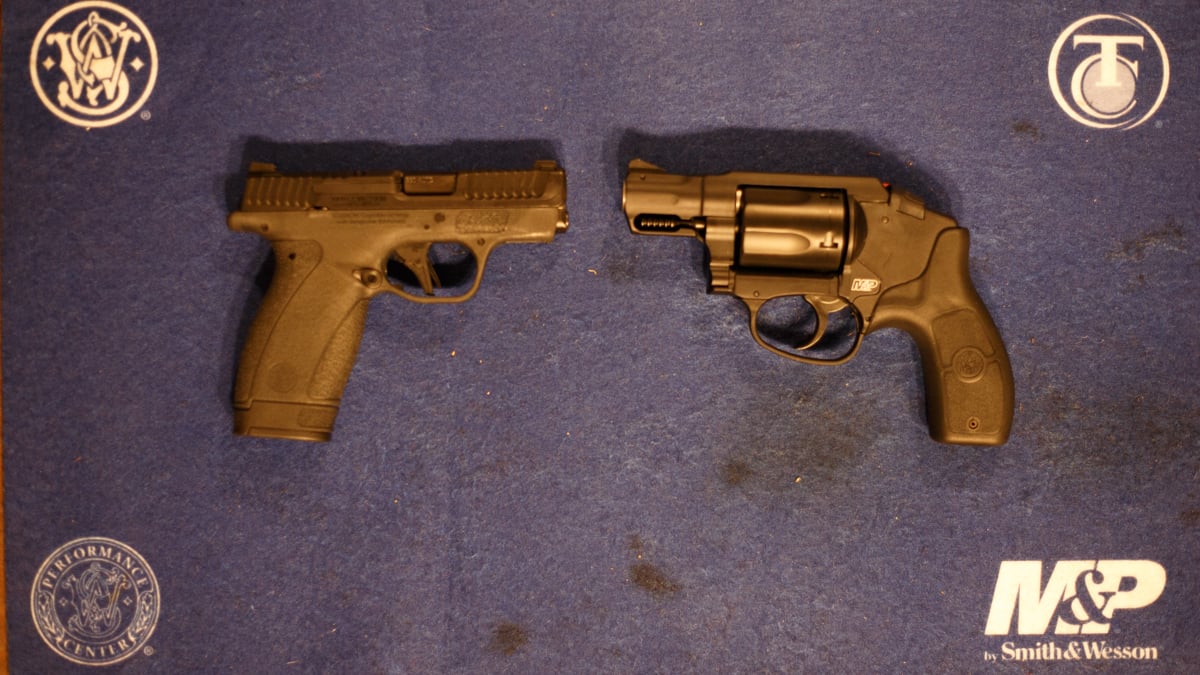
Specs
Caliber: .380 ACP
Capacity: 10+1 or 12+1
Barrel Length: 2.75 inches
Length: 5.5 inches
Height: 4 inches
Weight: 9.8 ounces
The Good Range Time
I was excited to get this revamped little pistol on the range. I’ve put just over 500 rounds through it at this point, with a mixture of successes and some potential pitfalls.
The first big positive for me is that the gun feels controllable. I didn’t receive the gun until the fall, and in winter I’m restricted to an indoor range where I can’t do a full mag dump. That said, having done some double-tap drills, I can tell you that it’s much more controllable than the first model.
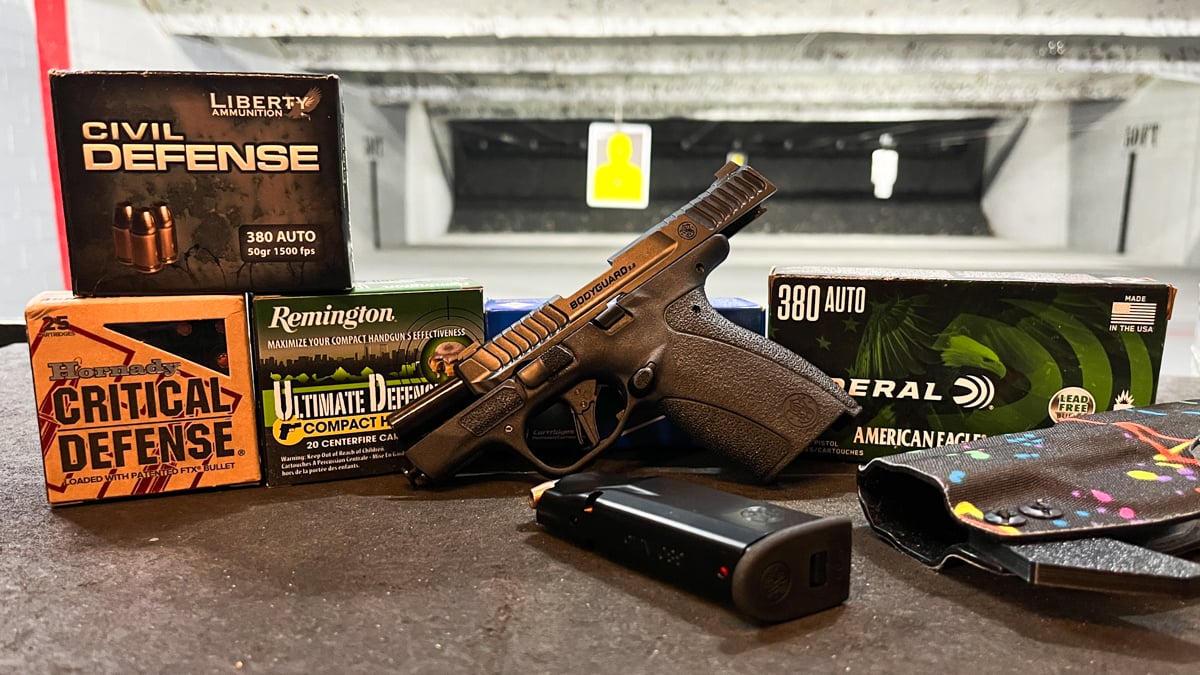
The sights are easy to get on target. I’ve never been a huge fan of the U-notch rear sight, but I’ve had no trouble with this one. The bright orange tritium front sight is a welcome addition, and the trigger is phenomenal compared to the last iteration. No longer do you have the longest and heaviest trigger pull in history. There is a little take-up to the wall, the wall is a little stiff but nothing terrible, and then there’s a nice reset to get you back on target. Check out the trigger pull in the video below.
Another great point on the gun is the mag release, which protrudes nicely and is easy to access. Mags drop free easily enough, though your hand may impede them since the gun is so little. The slide serrations also lived up to their hype and were easy to use to put the gun into battery.
Some Potential Range Pitfalls
Now, on to a few things I didn’t enjoy. You might notice about the gun is that the last round is incredibly difficult to load. I’ve unfortunately found this to be a recurring problem with S&W guns. Normally, when a manufacturer includes a mag loader, I don’t use it because I’ve always felt that it’s faster to stick with the thumbs. In this instance, I would use the mag loader.
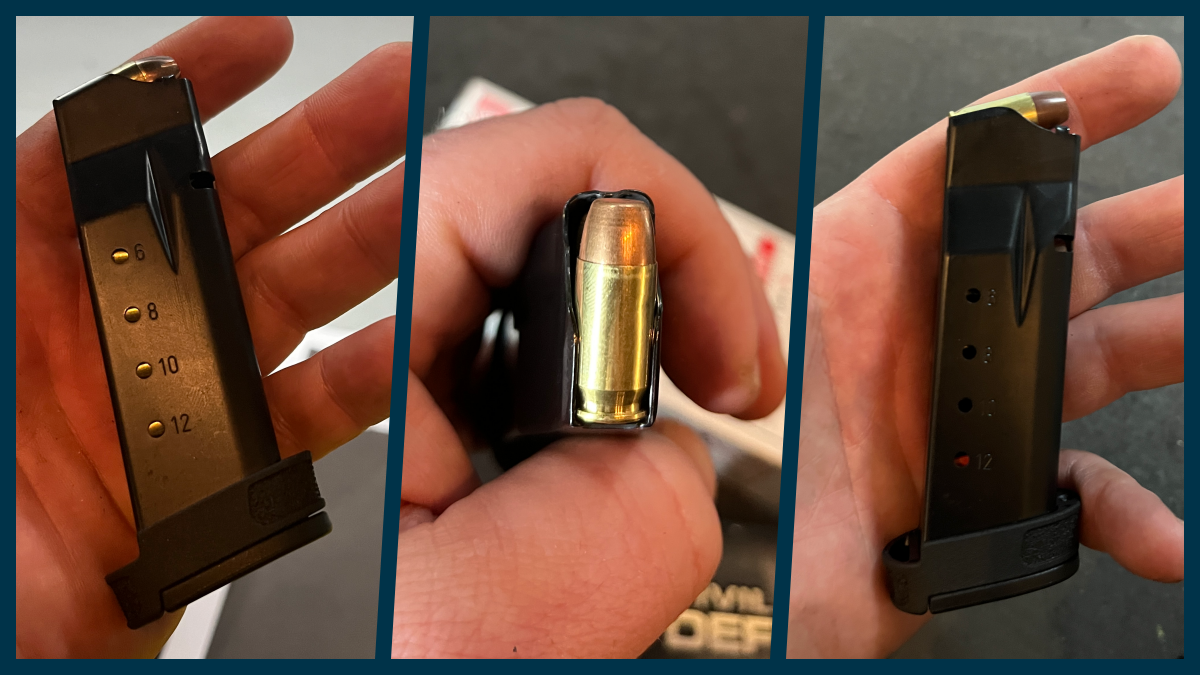
The magazine springs are stiff out of the box to the point I couldn’t load every round in the 12-round magazine every time. Because there is so much spring tension on the magazine, I found it difficult (and next to impossible with the 12-round magazine) to actuate the slide release and had to slingshot the gun into battery.
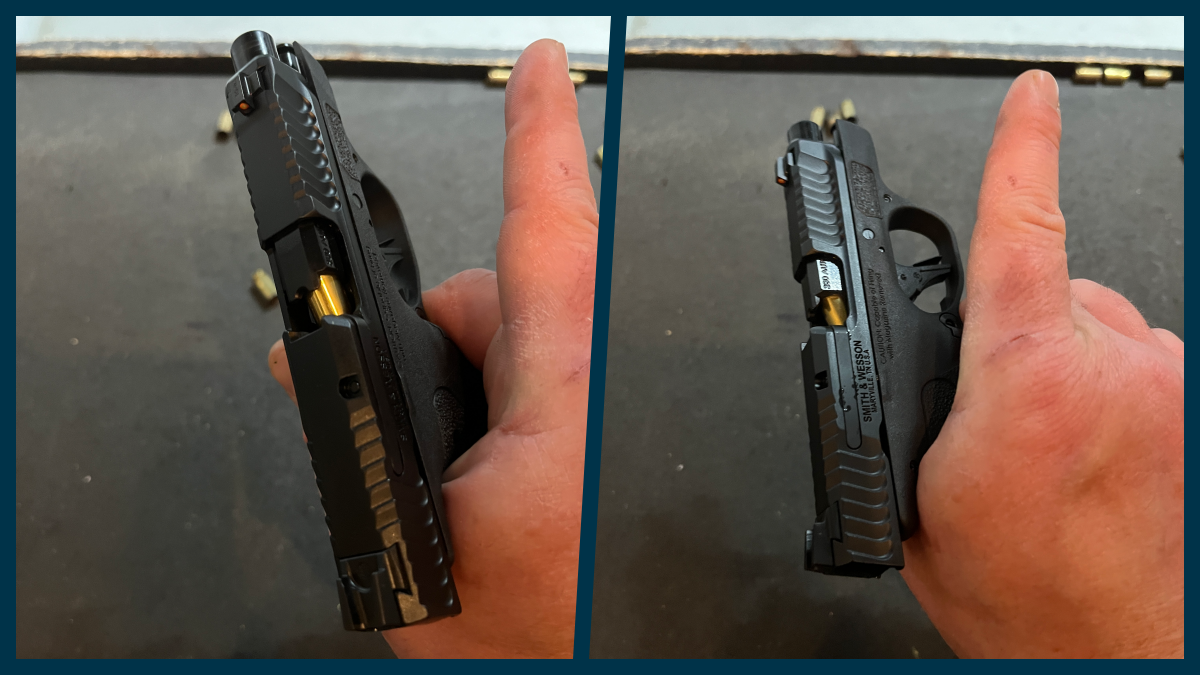
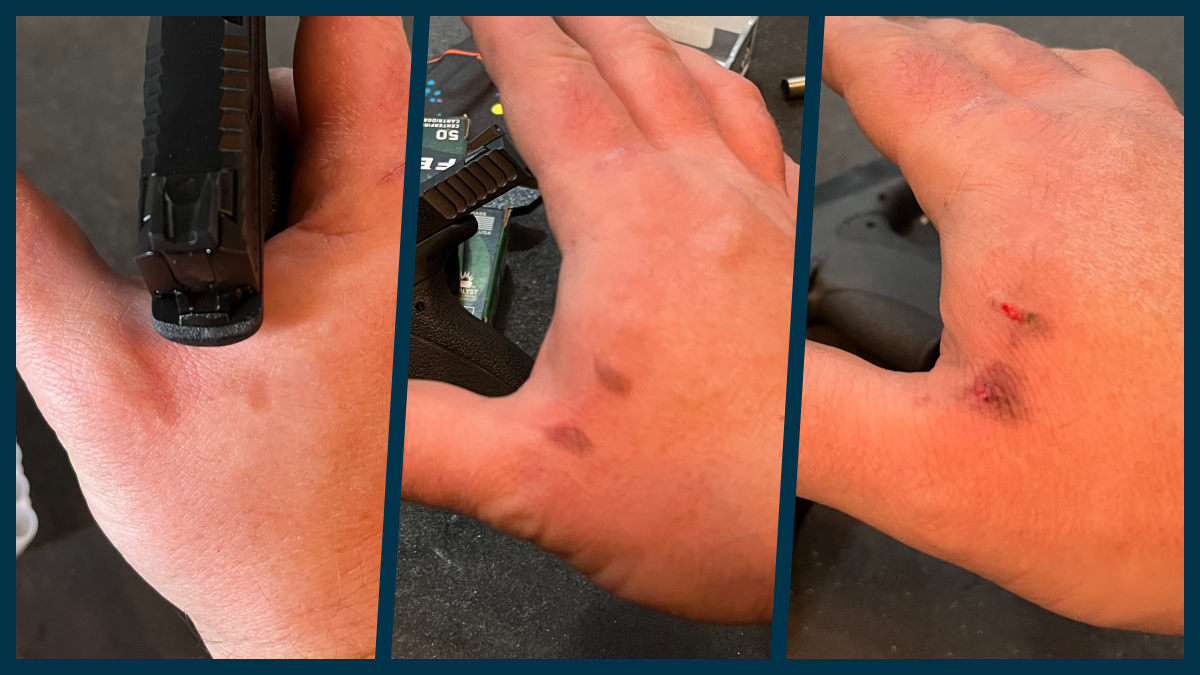
The second big turnoff came after I started putting considerable rounds through the gun. I experienced some nasty slide bite after the first extended range session with it. Again, I have found this with some other S&W guns, most notably the CSX. While I can adjust my grip slightly to fix this issue, it goes against every thread of my training, which tells me to get as high of a grip as possible on the gun. After a couple hundred rounds, I didn’t want to shoot the gun anymore.
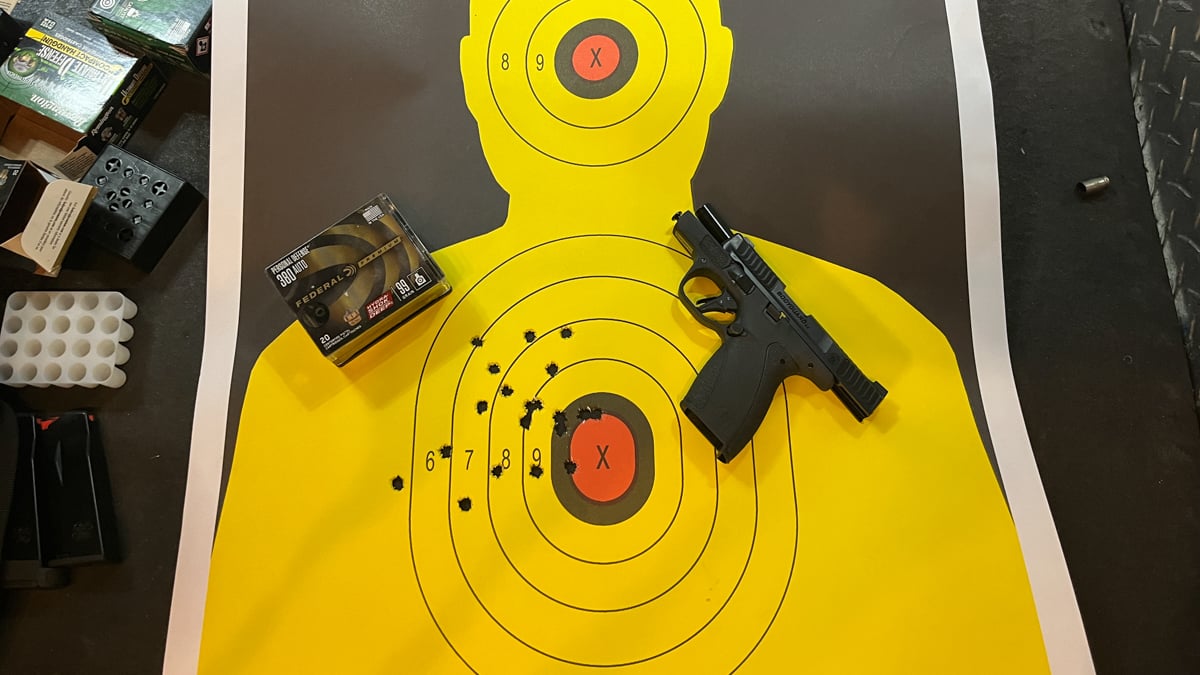
In the 500 or so rounds I fired, I did have three failures to chamber a new round: two with Hornady Critical Defense and one with Winchester Training ammo. The gun also failed to lock back on several occasions, which isn’t a huge deal but should be noted.
I wouldn’t call this gun a tack driver, either, though I’m sure some can shoot it better than me. I would say that it still qualifies as “self-defense capable” for ranges of 30-40 feet and closer.
Carrying the Bodyguard 2.0
The Bodyguard is intriguing because it’s an ultralight pocket pistol with a good capacity. With that in mind, I reached out to the guys over at QVO Tactical to see if they could hook me up with a holster. Not only do their stylish holsters come in a variety of patterns, they’re rugged and functional.

I like that this holster has a hook on the bottom that allows for an easy draw. This has to be the easiest draw I’ve ever had with a pocket pistol, and a lot of that has to do with the holster design. The other reason the gun is so easy to draw is because I’m able to get a real firing grip on it. You can’t say that about most pocket pistols, and the short grip typically results in a sloppy draw and readjusting the grip while getting on target. Check out some of my better draws from concealment in the video below.
The holster has a good positive retention and felt secure in my pocket. I’ve carried it this way for hundreds of hours at this point, and it’s both the most comfortable and most discreet pocket carry I’ve ever had. Granted, I’m not an expert on this method of carrying a gun. Normally I’m AIWB, but I have been seeking a pocket carry gun for outings like taking the dog for a walk or a quick run to the hardware store.
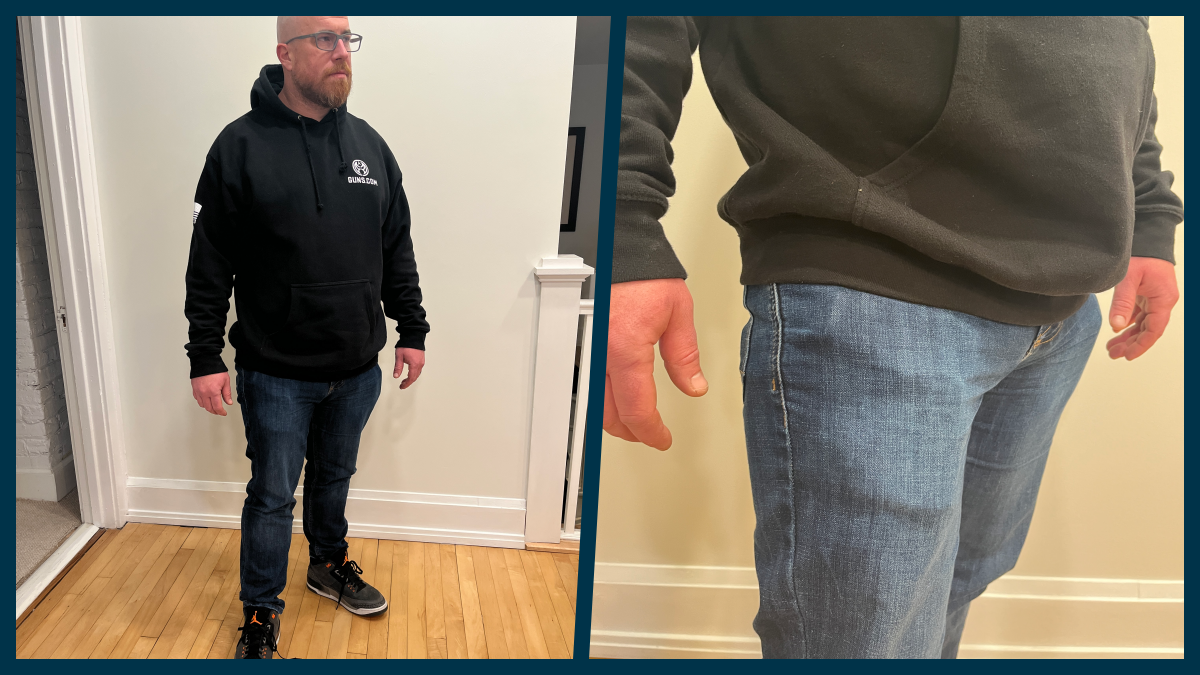
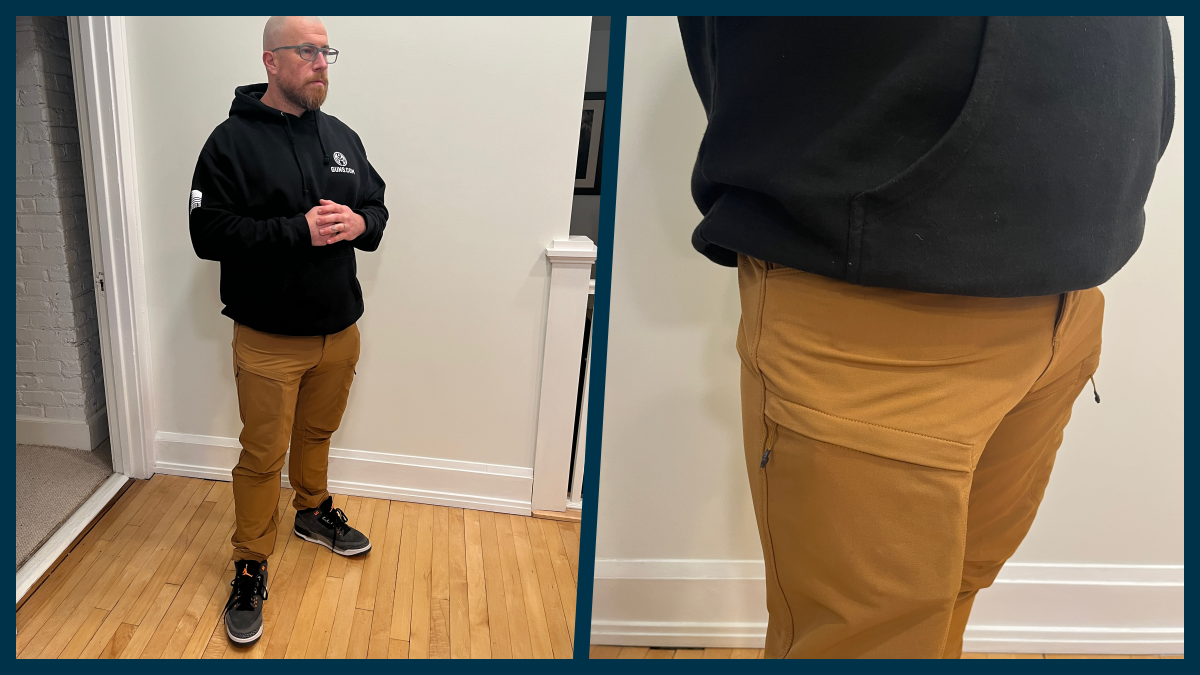
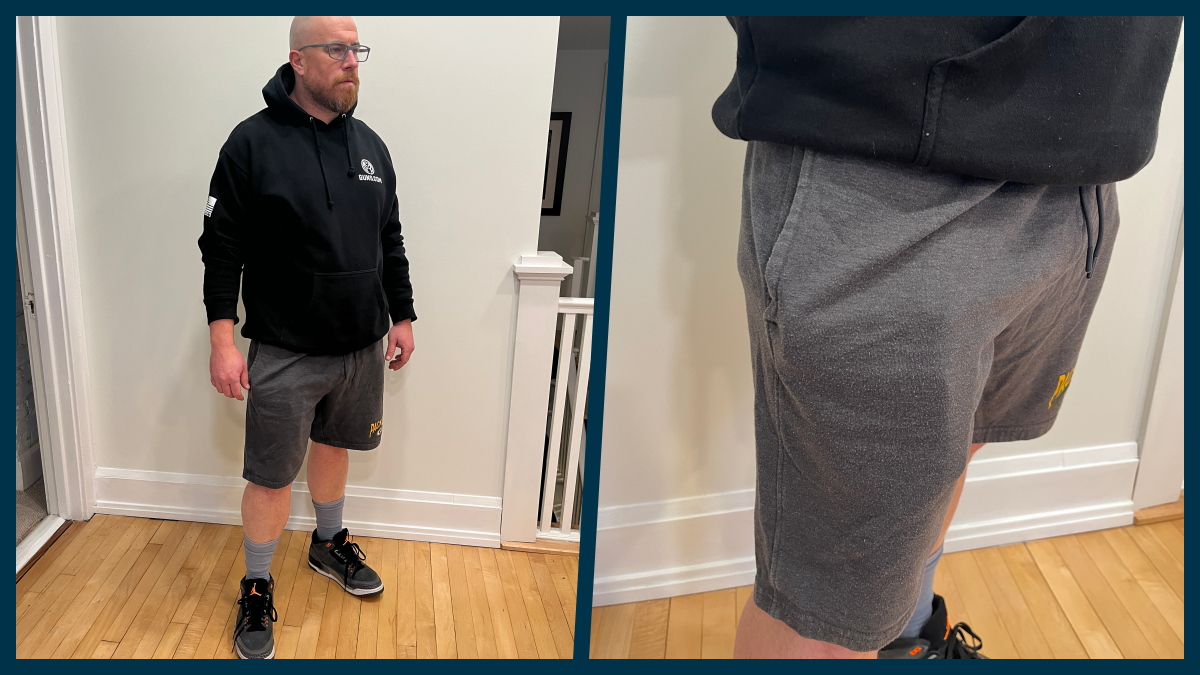
The Bodyguard 2.0 hits those notes. It’s compact and capable with a big capacity. It’s discreet – even in pants where I feel like I can see the printing, it remains largely anonymous. I asked a group of friends if they could tell I was carrying a gun in some 5.11 jeans I was wearing and even though I felt it stuck out like a sore thumb, none of them noticed.
Pros and Cons