First Impressions

When the box containing the Viper arrived, I spent a few minutes inspecting its contents and figuring out the assembly process. My first impression: this doesn’t appear to be cheap. It took me a moment to get the barrel installed, be it my ignorance or the need to line a few things up as they seated. But once the barrel was in, the rest was simple.
I snugged down the magazine cap, and the Viper was complete. The light weight of the gun was immediately evident – so light, in fact, I thought I might have left something in the box. With the gun shouldered, I tested my best high-speed duck swing, which felt pretty good. I couldn’t help but think I was going to like this gun. It was time to head to the range to see for sure.
Specifications
- Caliber: 12 gauge, 3-inch chamber; options for 16, 20, and 28 gauge, and .410 bore
- Capacity: 5 rounds
- Barrel length: 28 inches
- Color options: Bronze, silver, black, and three different camo patterns
- Models available: Right and left-handed
- Weight: 6.8 pounds
- Length of pull: 14.25 inches
- Choke system: Beretta/Benelli Mobil
-
Chokes included: Improved cylinder, modified, full
Prepping for the Range

Despite the great looks of the Viper, I knew that its actual value would be revealed in the fractional seconds it took to lead a target and the ability to cover it with a cloud of lead. With that in mind, I took the Viper with several boxes of shells and clay targets to one of my shooting spots. A modest selection of shells from Remington and Fiocchi with target 1-ounce loads of 7.5 shot would have to do for this test.
And to make it fun, we would throw clays by hand, just as we learned when Dad taught us to shoot. I greatly prefer the challenge of hand-thrown clays. As the thrower, they can go wherever you want to send them. It makes for a more realistic challenge and better practice. It wasn’t often that the birds I grew up hunting would give you an easy and predictable fly-by. Hitting birds or targets like that are even more rewarding, and it was time to see how well the TriStar Viper would fill the role.
Crushing Clays
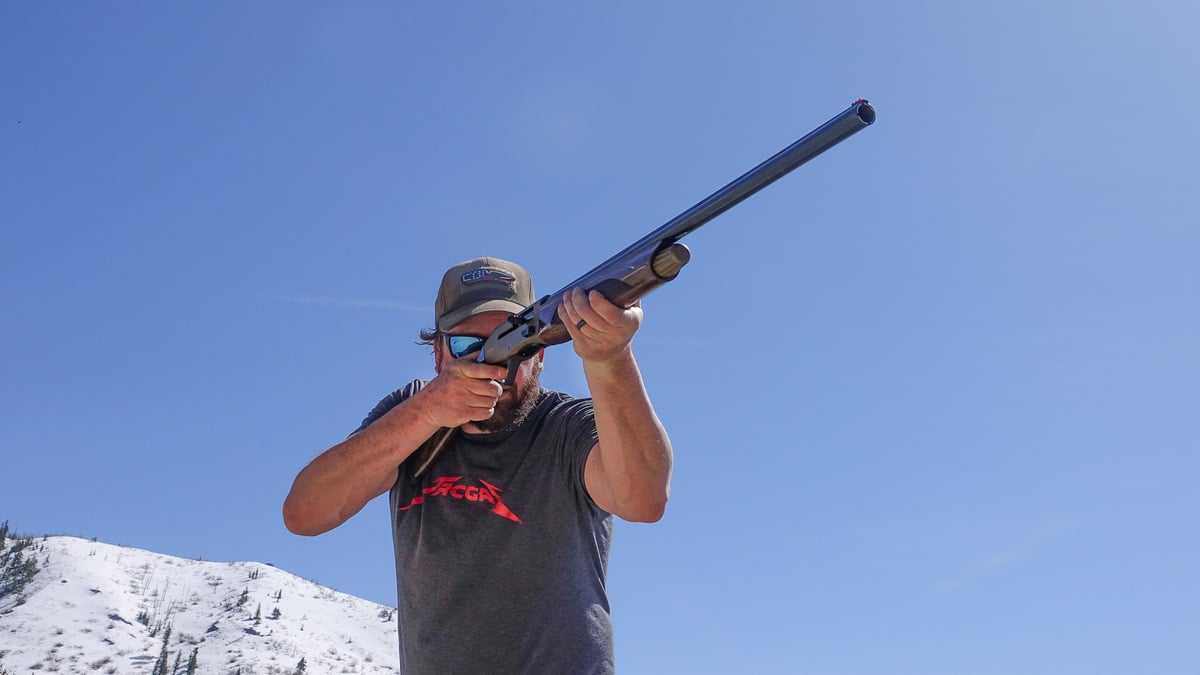
My little brother came along, and we took turns throwing targets for each other. To my surprise, he did a little better than me at first, perhaps due to having watched me screw up first. It took me a minute to find a groove with the Viper, but if I recall correctly, it often does when I shoot a new shotgun.
Once I had the swing and the lead figured out, I felt there was little I wouldn’t attempt with the Viper. The controls on the Viper G2 are familiar to anyone who’s shot an auto-loading shotgun before, and the action is smooth and locks up quite solidly.
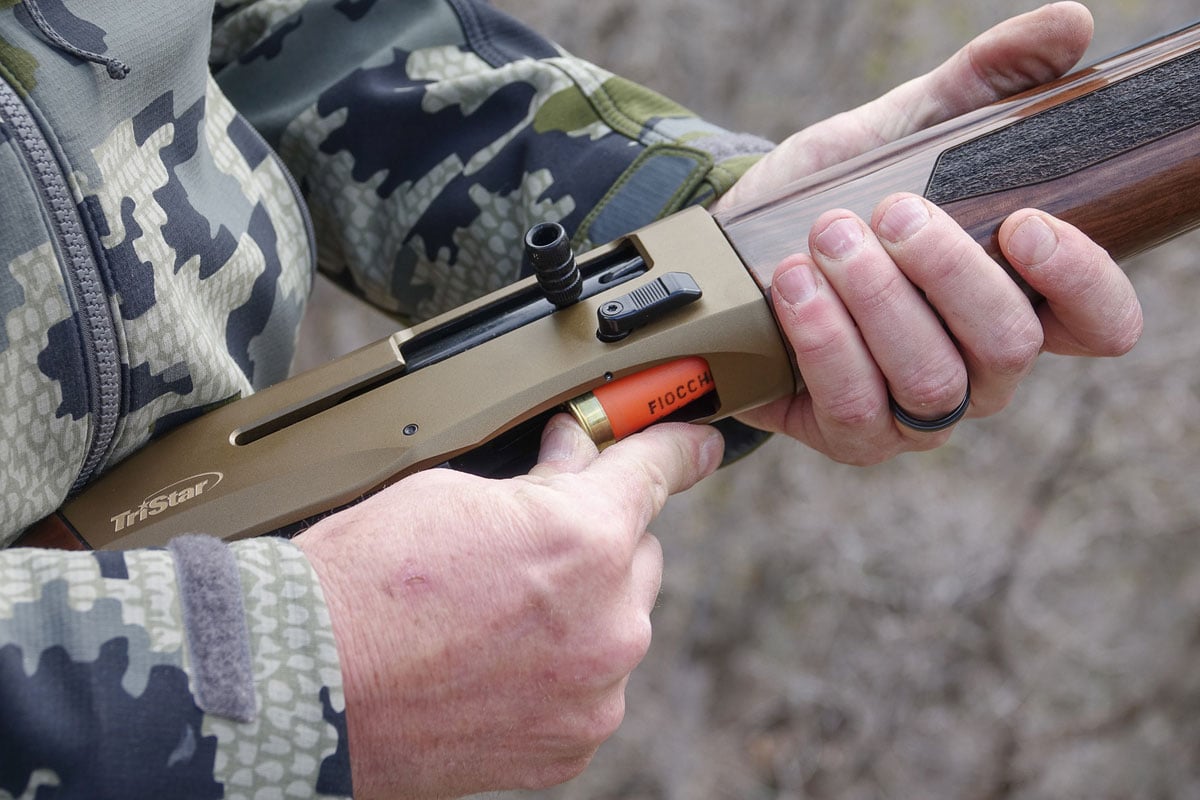
The Viper G2 also uses an oversized charging handle, which makes finding and running the bolt very easy. That helps especially if your eyes are looking up to the sky at inbound birds.
My first love was shooting the wild flying ducks that winter in the muddy marshes surrounding the Great Salt Lake. I can think of no better place to break in a good 12 gauge, but I also would feel a bit guilty taking such a nice-looking gun into those filthy saltwater marshes. Luckily, TriStar makes the Viper in various patterns and coats to protect them from exactly those type of elements.

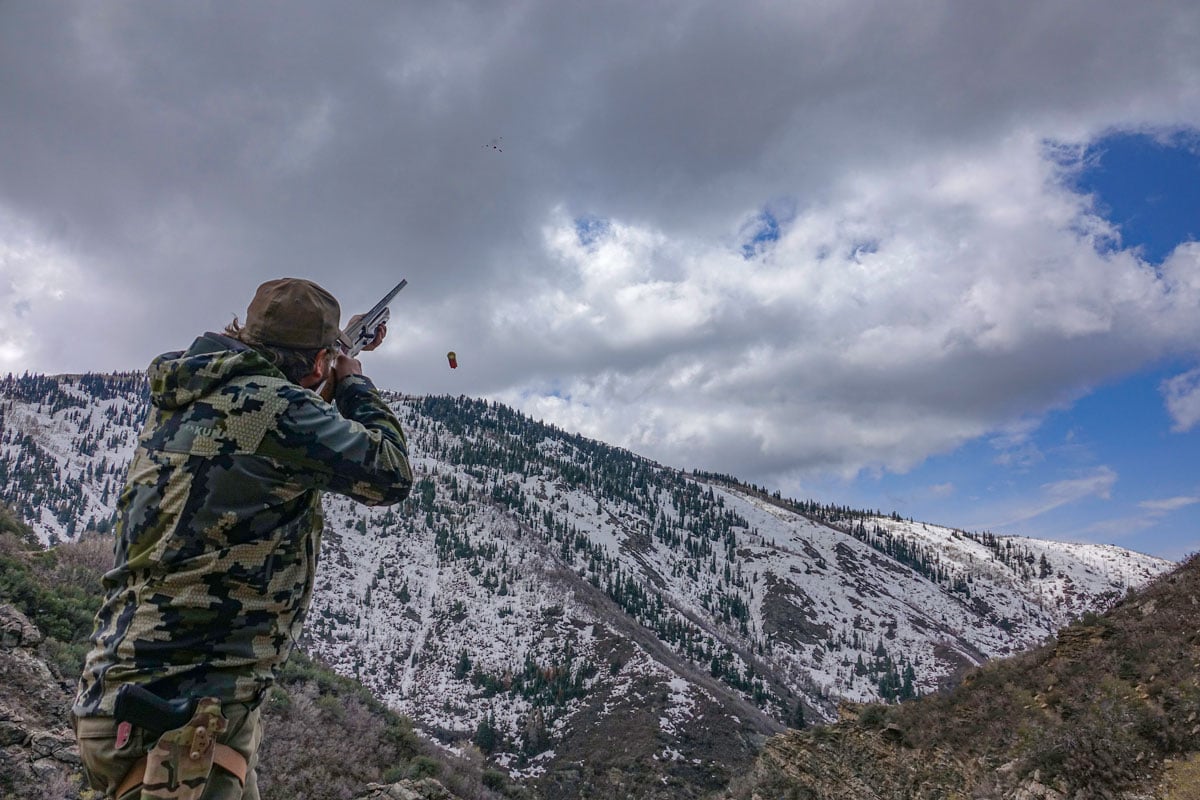
My brother and I continued to throw clays at, from, and past each other, challenging ourselves to make better and better shots. My initial concerns about reliability with the Viper had been completely resolved. In fact, I completely neglected to follow TriStar’s break-in rules that recommend using 3-inch magnum loads to properly operate the action. The Viper ran flawlessly using 2.75-inch shells with only 1-ounce loads. And by the time we’d burned up all the ammo, I don’t think there was any further breaking-in needed.

We had an incredibly fun afternoon busting one clay target after another, getting that black cloud reward in the blue sky over and over.
Pros & Cons
It was difficult for me to come up with something I disliked about this shotgun. I mean, you’d really have to twist my arm to complain about the engraving or something like that. In the end, the only thing I could think of was that it wasn’t made in the USA.
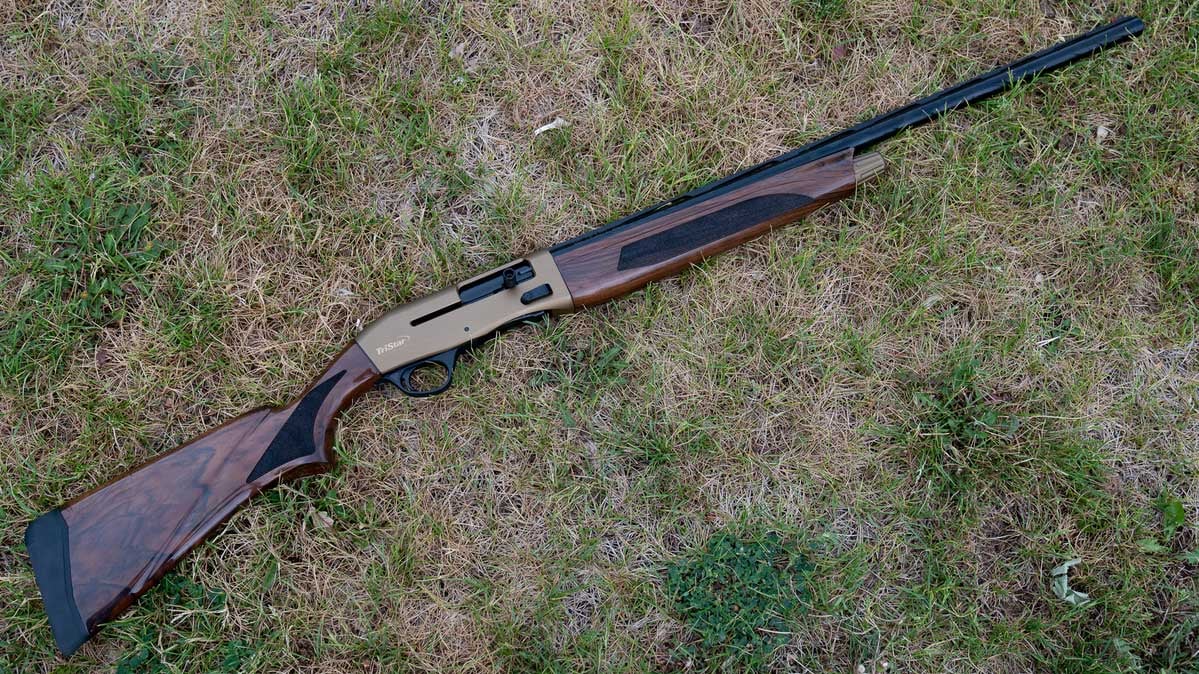
The positive things about the gun, however, were quite easy to list. Besides functioning flawlessly for me during my testing, the gun is just plain handsome. The Cerakoted receiver, beautiful checkered wood grain, and the glossy blued barrel all make a nice contrast that I found appealing.

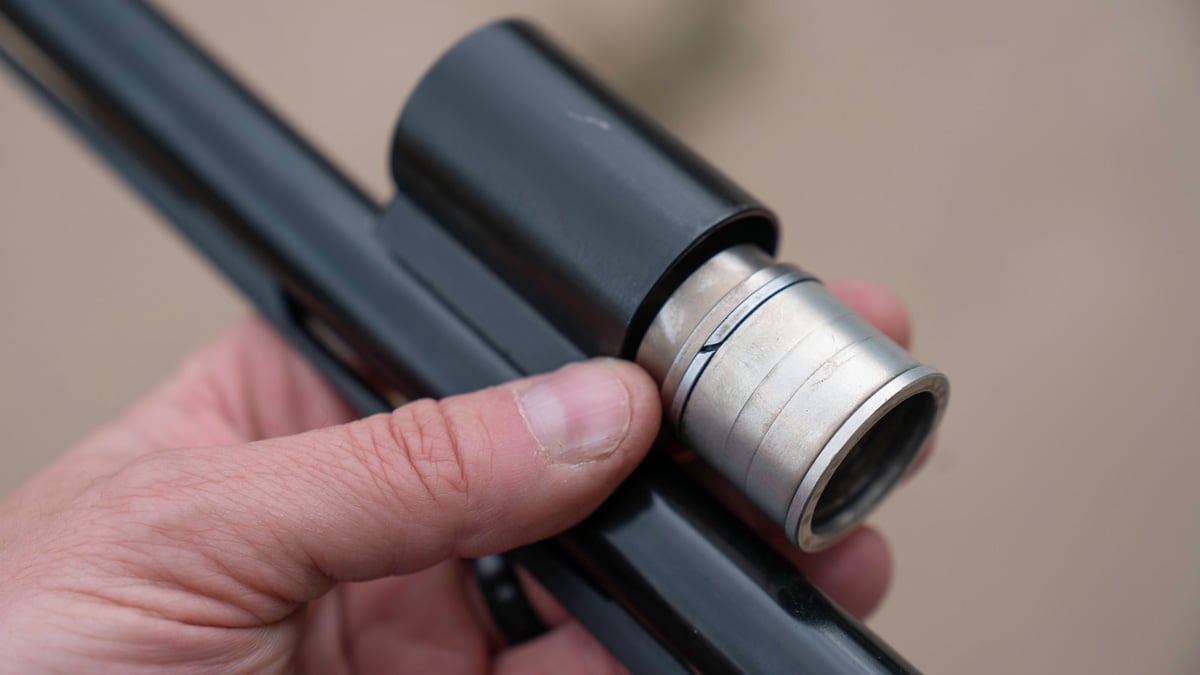
Everything you need to adjust the gun is included, so you can shim the buttstock to better fit your shooting angle. The common choke pattern and included set makes it easy to kit the gun for a specific purpose.
And perhaps the most important feature of an autoloader is the ability to consume whatever discounted clearance shelf ammo you can find, while still running perfectly with good ammo in the same string.
Pros:
- Very handsome shotgun
- Reasonably priced
- Functions excellent
- Includes buttstock shim set
- Compatible choke system
- Includes choke set and tool
- Feels very lightweight, without heavy recoil
- Functioned flawlessly with every kind of ammunition I tried
Cons:
-
Not made in America, for those who value that
Conclusion
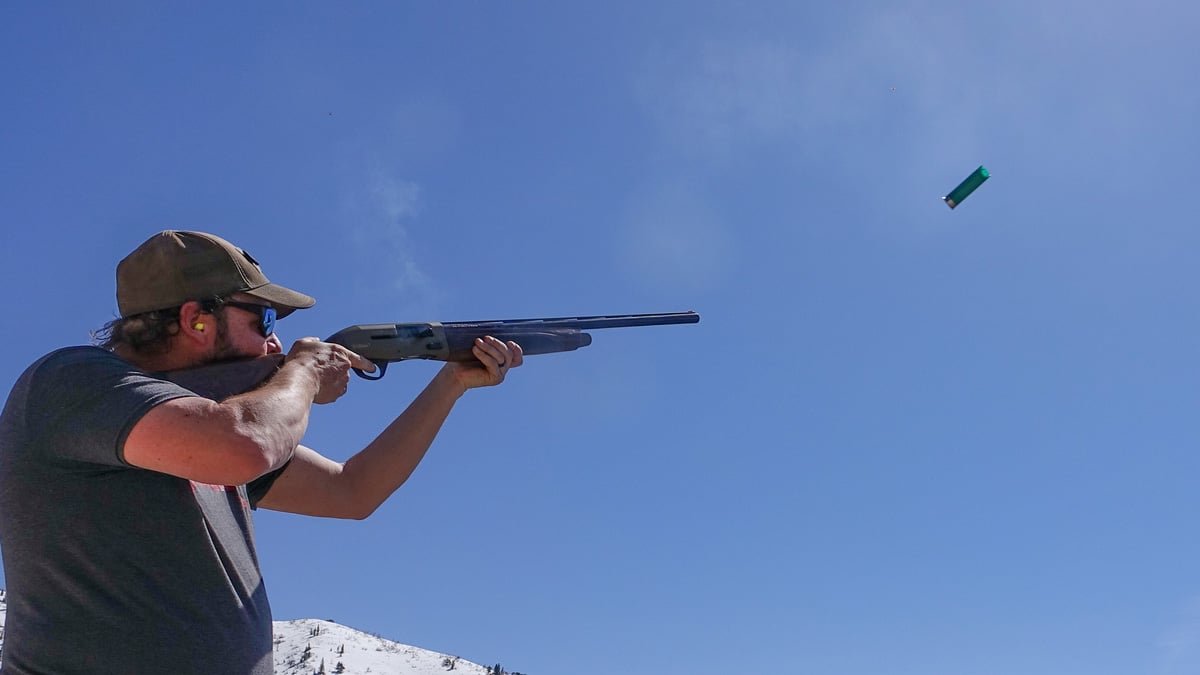
The TriStar Viper G2 Pro churned through everything I fed it, making hits all along the way. It was comfortable, very light, and in my opinion, it looked fantastic in the process.
I guess you could say I was surprised that this is supposed to be a “value” branded shotgun. With an MSRP of $990, I wouldn’t consider it cheap, but the street prices are as low as $600 in some places for some models.
That being the case, I think you’d be foolish not to consider the TriStar Viper G2 Pro if you’re in the market for a good shotgun. The competitive price comes with great function you’d find on more expensive shotguns.