Brief History
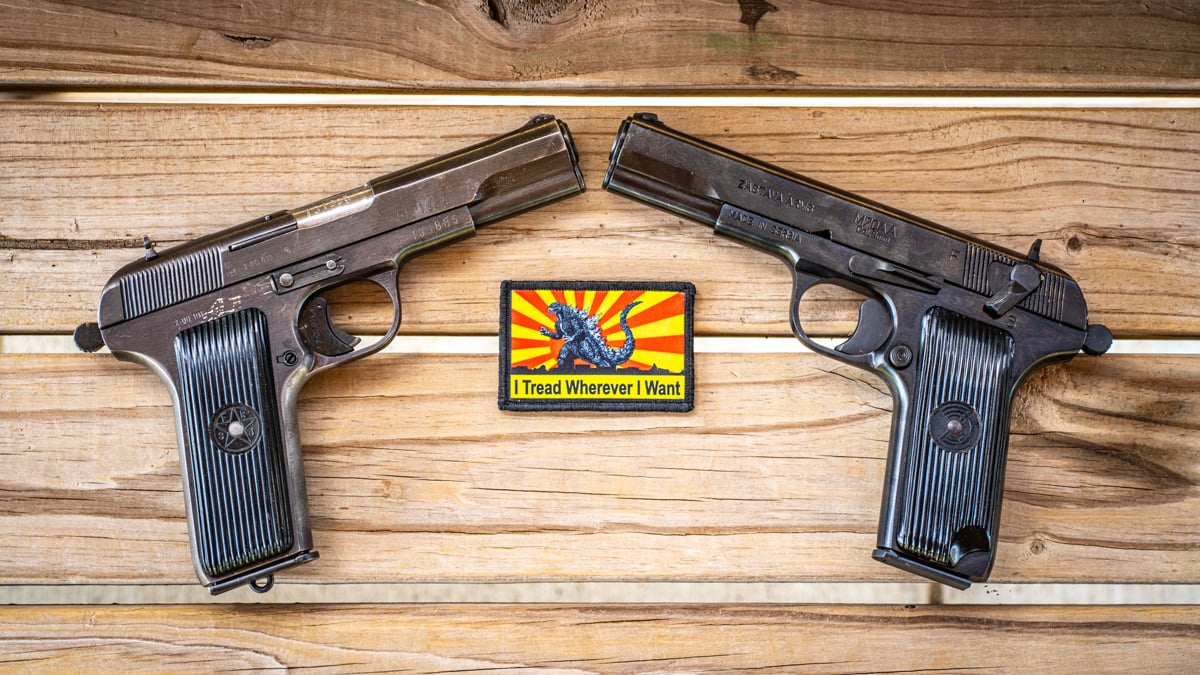
The original Zastava M57 and its many Tokarev cousins trace their origin and 7.62x25mm Tokarev chambering to the TT-30, adopted by Russia in 1930. I’ve done a detailed breakdown of that pistol in a previous article.
The TT-series of semi-auto pistols replaced a host of foreign-made handguns that made Russian military arsenals a bit of a messy hodgepodge after World War I. The new guns featured a unique, bottlenecked 7.62x25mm Tokarev cartridge, which offered a zippy bullet fit for both sidearms and submachine guns.
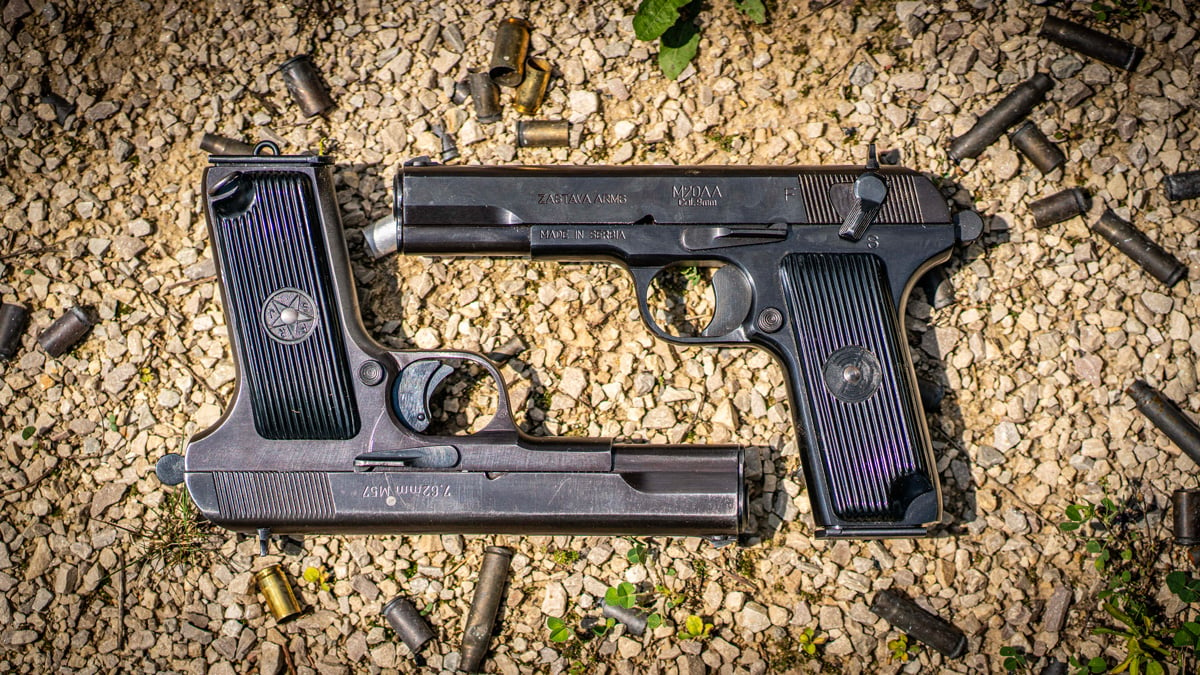
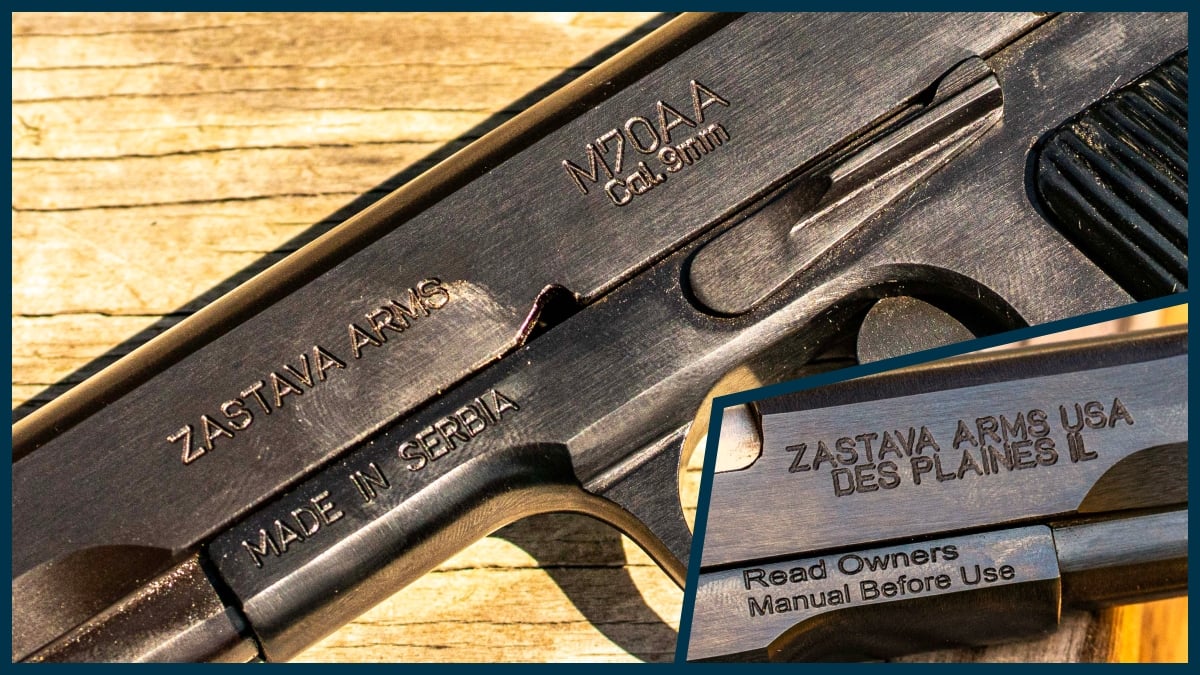
However, the overall design of the TT-30 and its later variants also owed much to the famed American gun designer John Moses Browning. The Soviets essentially took Browning’s now-common tilting-barrel system, put it in a full-size frame that closely mirrored his well-regarded FN Model 1903, and then simplified every single part they could.
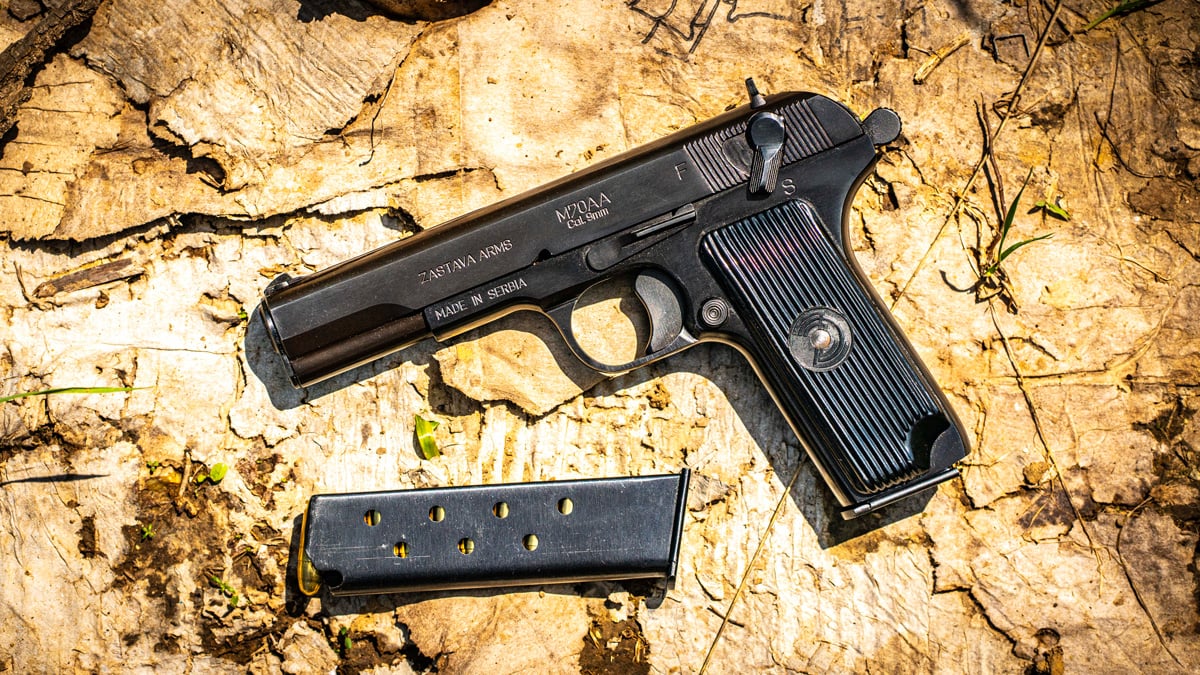
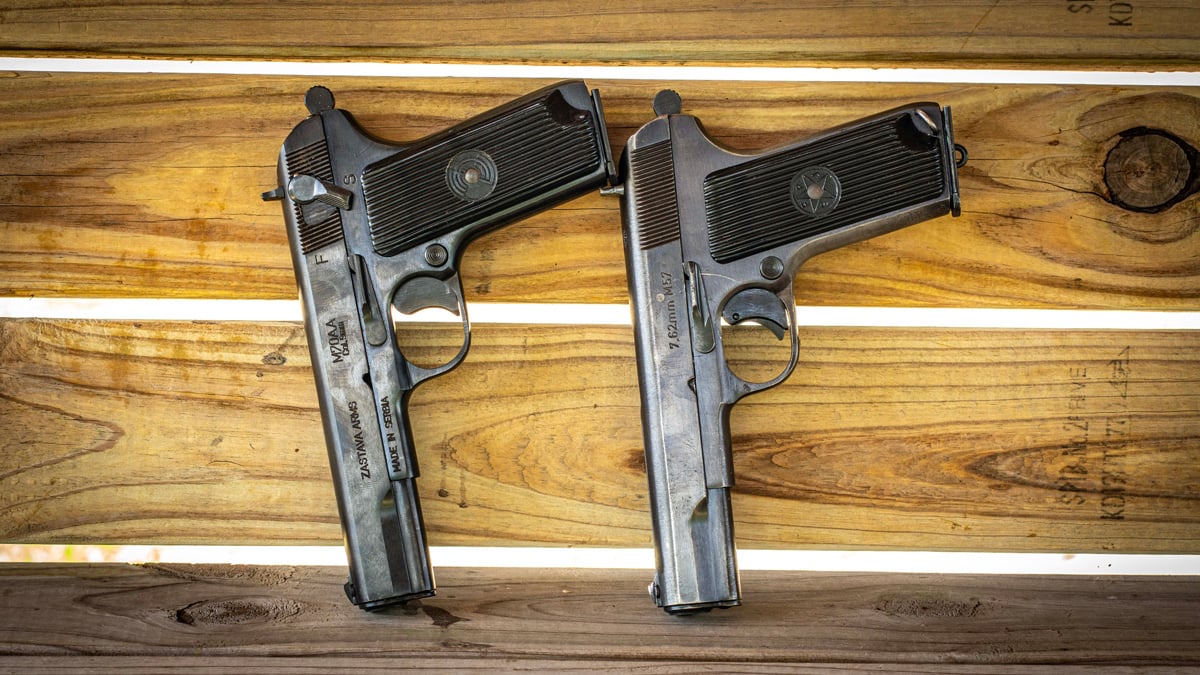
The result was a simple, easy-to-produce, and reliable semi-auto pistol. That design was then copied by numerous nations within the Soviet sphere of influence. Aside from the manual safety added to the slide and its updated 9mm chambering, this M70AA is little changed from that original design.
Features
Let’s start with what’s not traditional about this M70AA clone of the M57 Tokarev. First, and most importantly, Zastava rechambered the M57 design for 9mm in 1970. This was released as the M70A, and the common 9mm chambering made it more appealing to Western audiences.
The second change was the addition of a manual safety on the slide. This led to the M70AA we have here, which was also easier to export to the US with the addition of a manual safety. The M70AA model was intended primarily for commercial use.
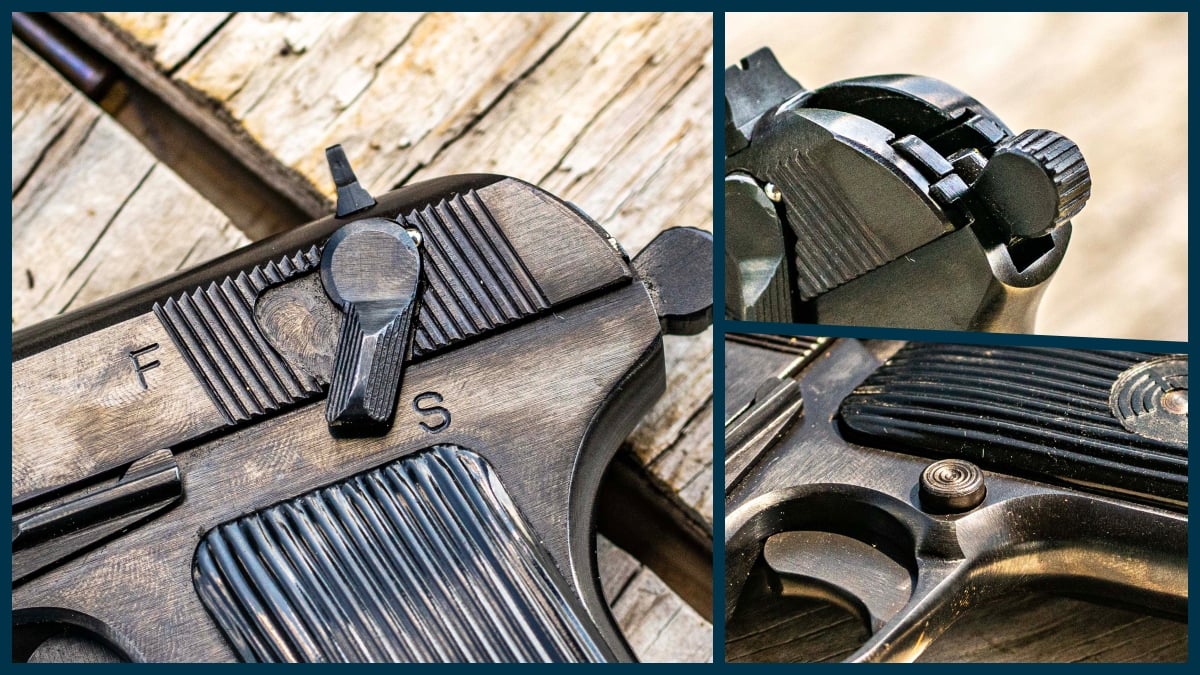
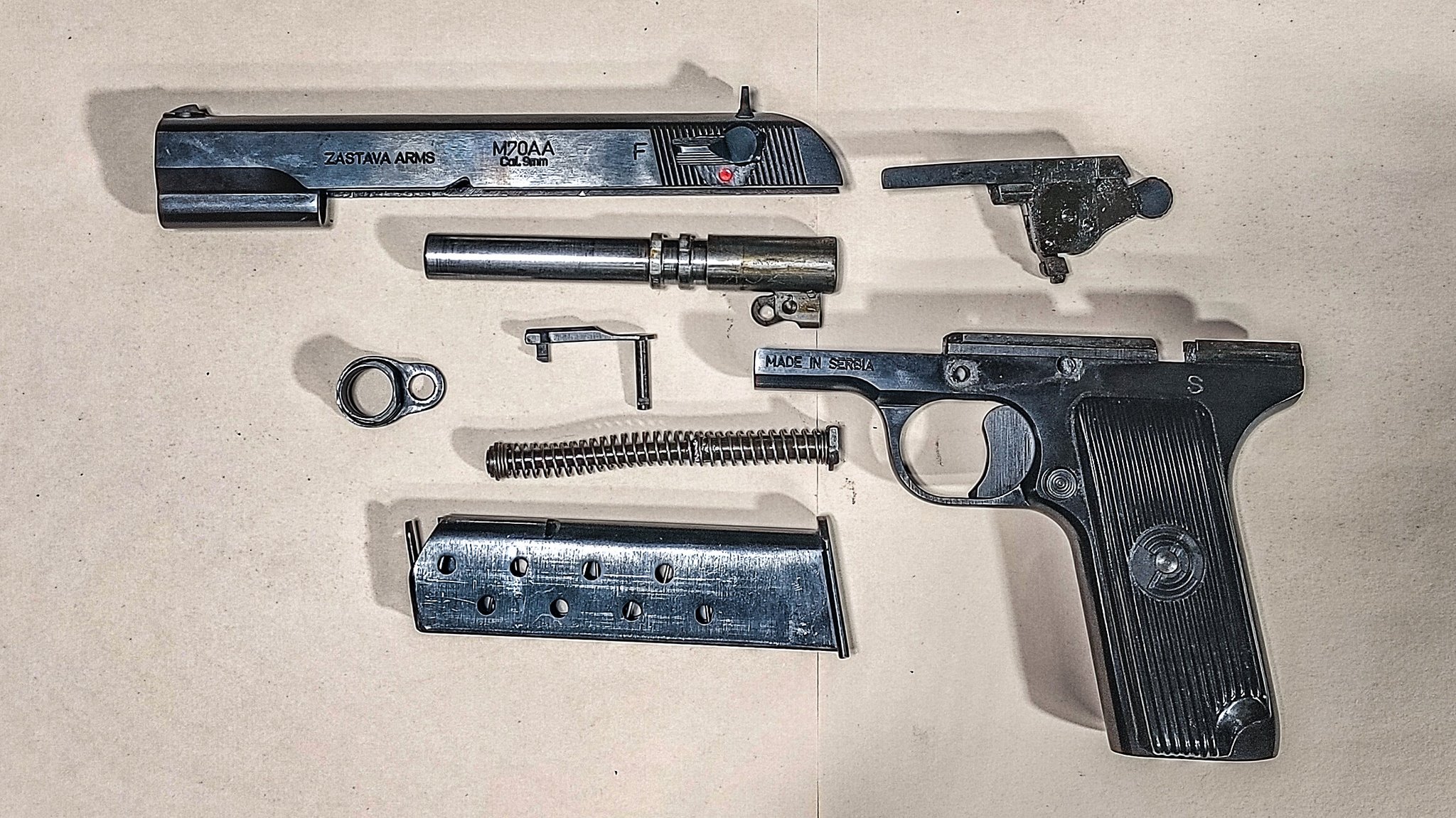
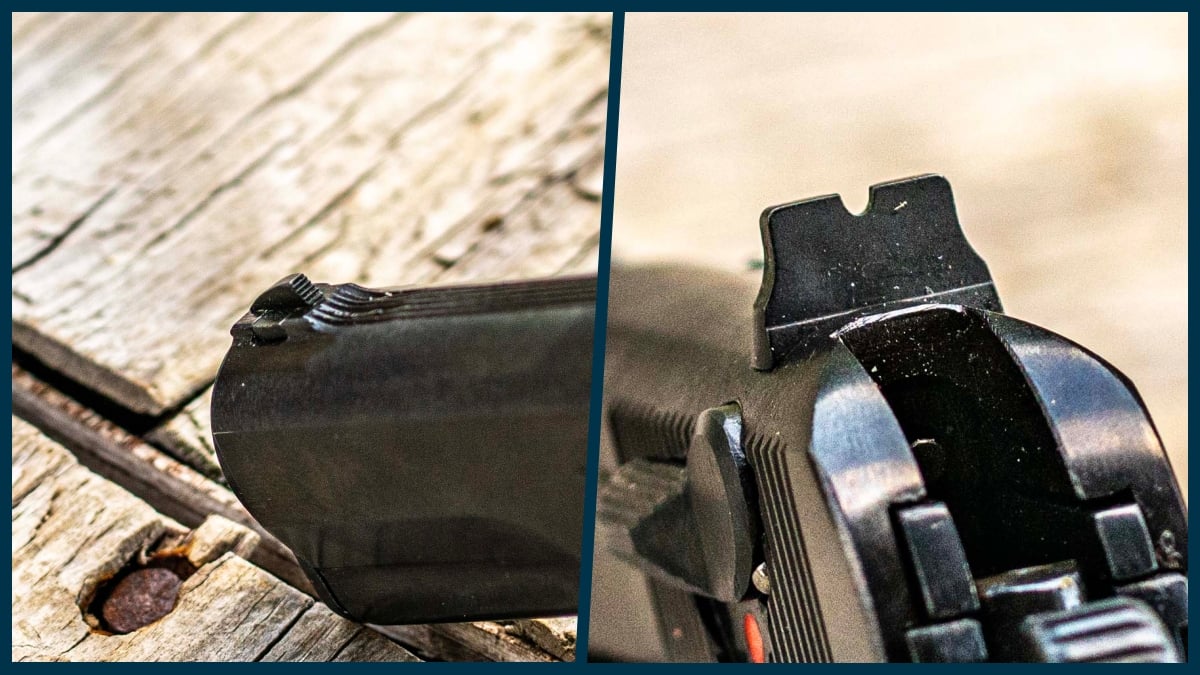
Beyond the small changes, Zastava kept most of the M57 alive in the M70AA. The gun hosts a captured recoil spring that uses an articulated guide rod. The grip panels remain traditional and are held in place by internal latches, and the rather high rear notch sight is another throwback to standard Tokarev pistols.
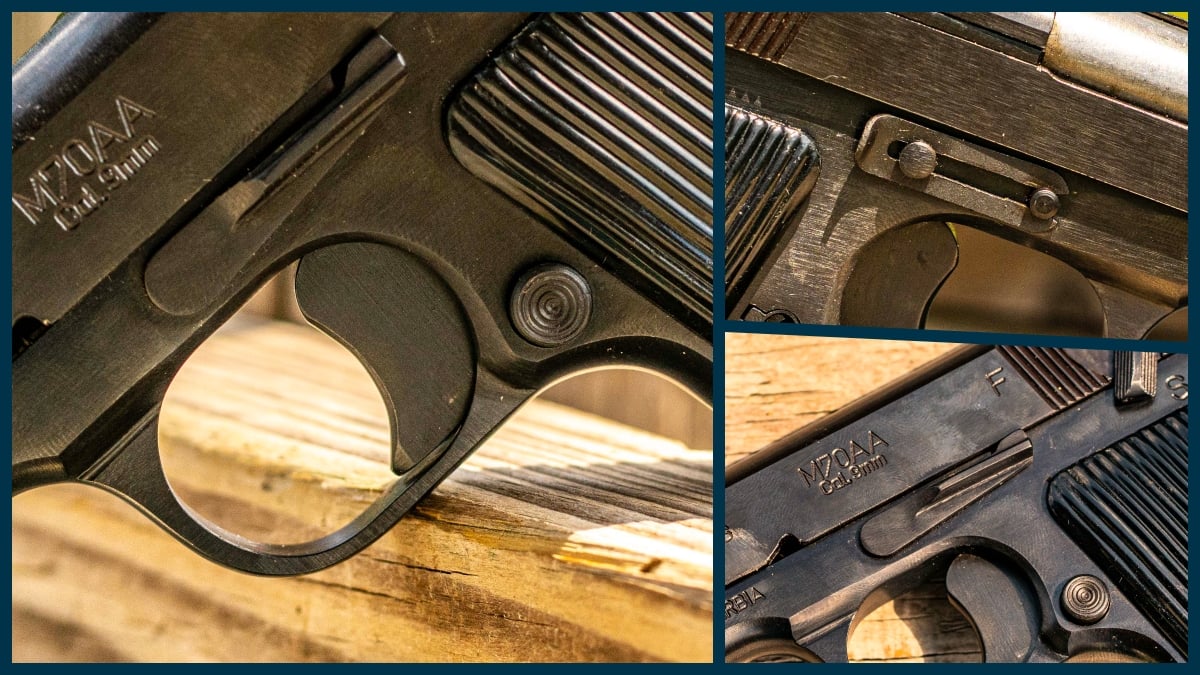
The trigger on this gun isn’t nice by modern standards, breaking at a somewhat mushy 8.16 pounds. However, the trigger pulls directly to the rear instead of pivoting on an axis point. This makes it a predictable pull that has mush but no noticeable stacking.
Here’s a closer look at that trigger in action, along with the magazine disconnect safety built into the frame.
Perhaps the most unique part of this gun is the hammer/sear assembly, which pops out of the lower frame much like a modern SIG P320. That clever feature was a unique addition made by the Russian designers of the TT-30 Tokarev pistols.
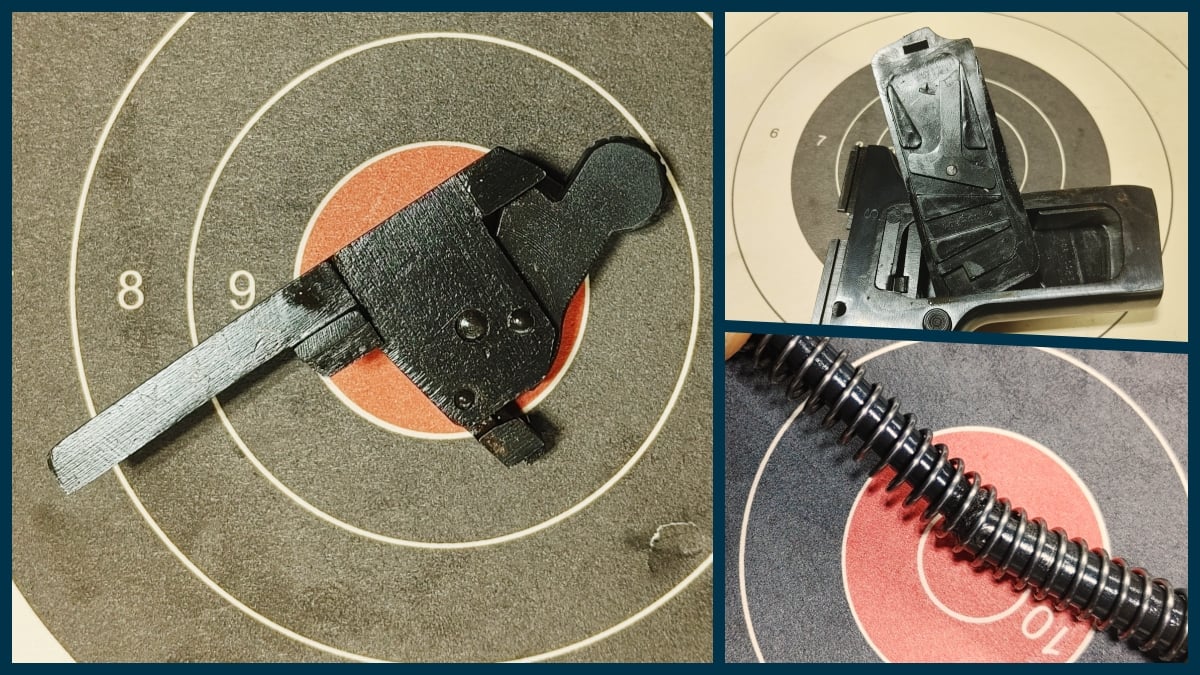
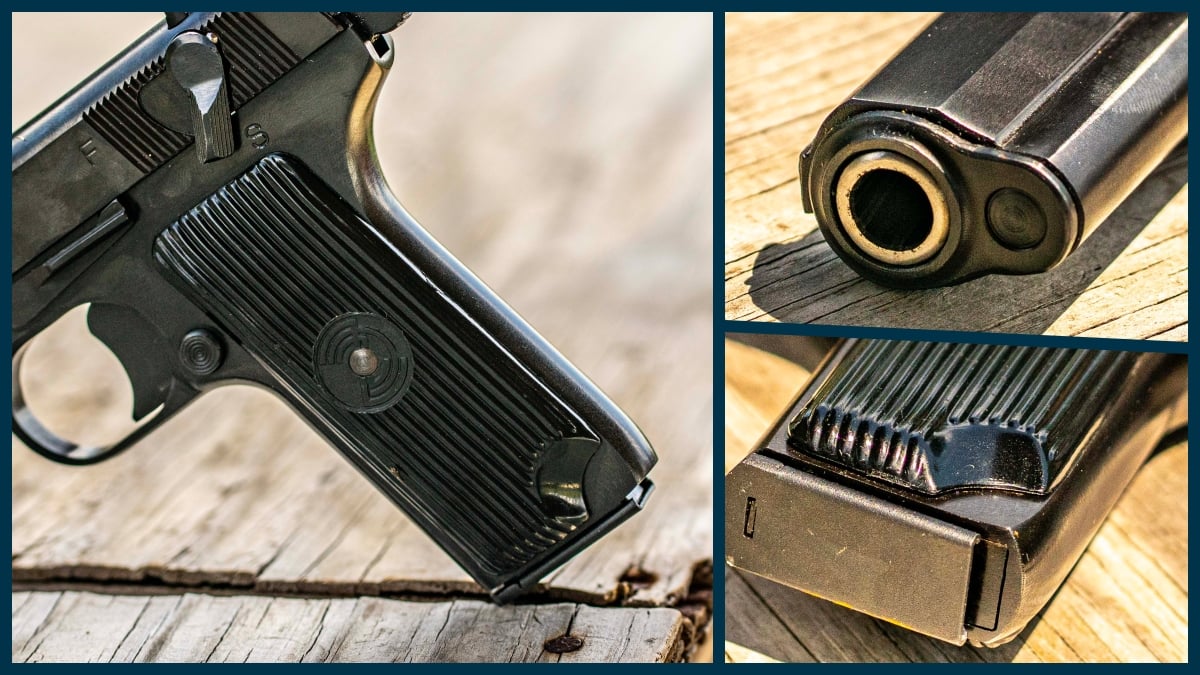
The M70AA is a model of simplicity. At every step of the manufacturing process, the designers found ways to reduce the number of parts, especially pesky screws, and cut down on any complicated machining or tool work.
Specifications
Here’s a quick breakdown of the basic specs for this Zastava M70AA:
Weight: 1.92 pounds
Length: 7.75 inches
Barrel Length: 4.56 inches
Sight Radius: 6.19 inches
Slide Width: 0.83 inches
Grip Width: 1.14 inches
Height: 5.43 inches
Capacity: 9+1
Caliber: 9x19mm
Trigger Pull: 8.16 pounds
Range Testing
I’ll confess, I don’t shoot this gun very well without taking some time to focus first. Most modern handguns are easy enough to pick up and get on target, but this peculiar 9mm variant of the Tokarev isn’t one of them for me.
Oddly, I shoot the M57 chambered for 7.62x25mm Tokarev better.
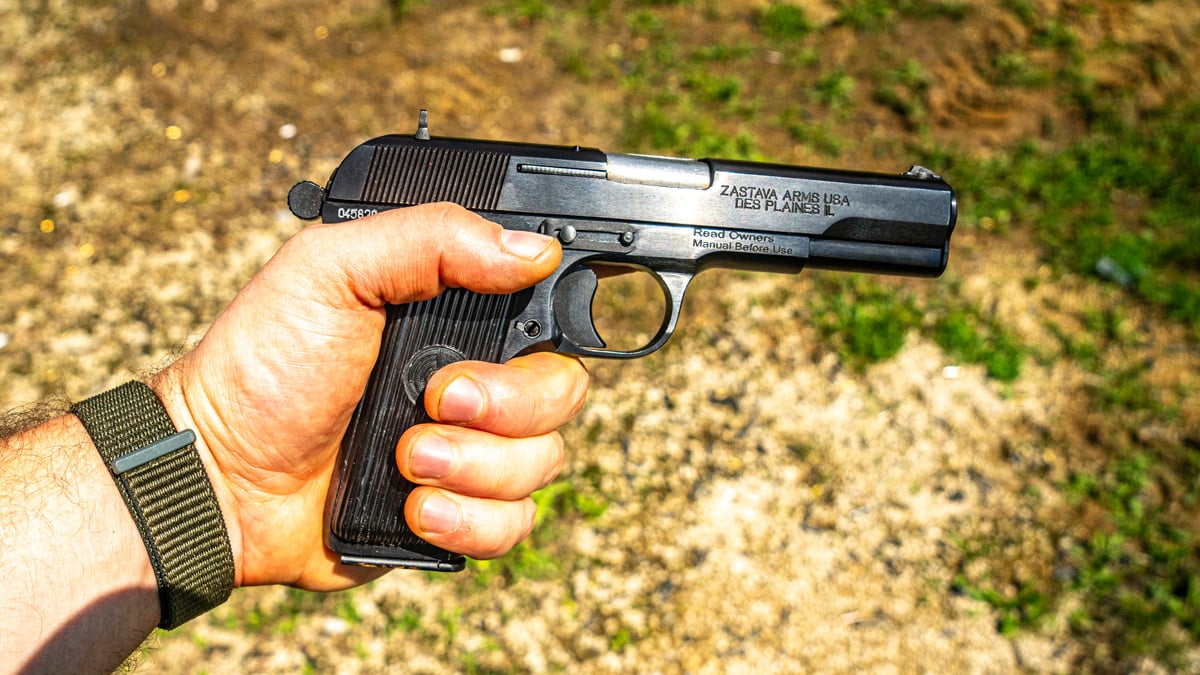
My issue has more to do with a combo of the fat grip, mushy trigger, and minimalist rear sight. When I first started shooting, I was constantly printing high and left. Some of that was due to how my hand wraps around the fat but narrow grip area. As a result, my trigger finger can wrap around far enough to nearly reach the crease in my second knuckle.
When combined with a high but small rear notch sight, I ended up with poor groups on my first range visit.
However, just a little practice solved that, and I can certainly shoot this gun decently within reasonable self-defense distances. Here’s how I did with some offhand shooting at 7 yards.
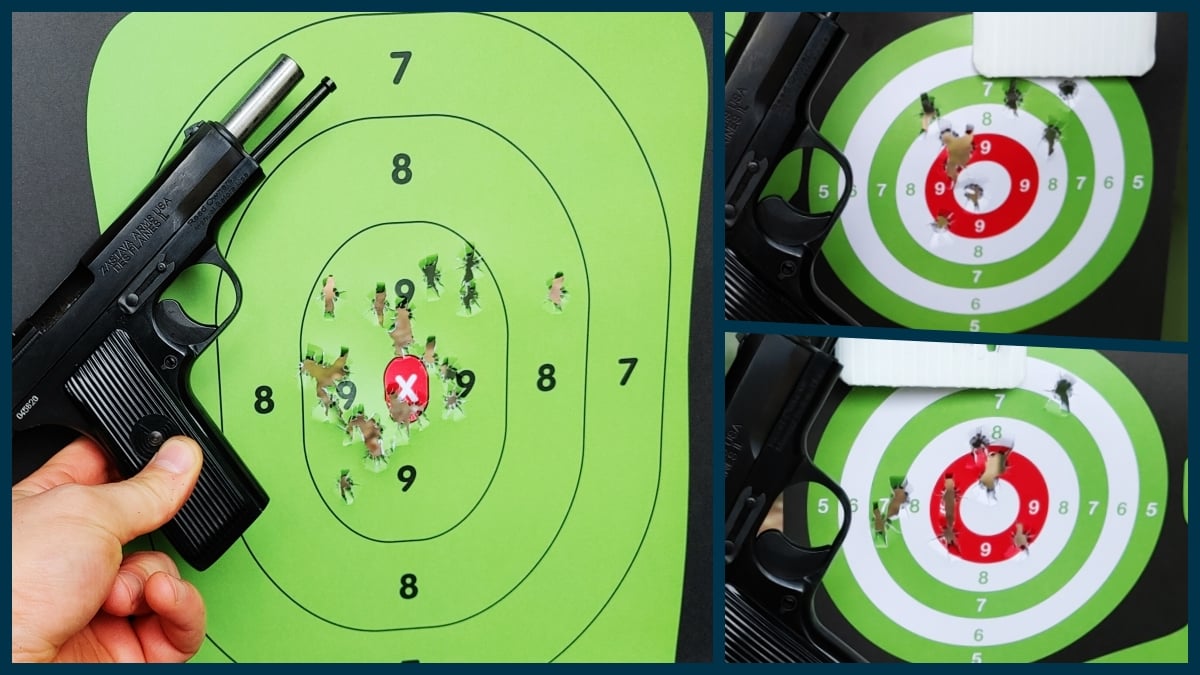
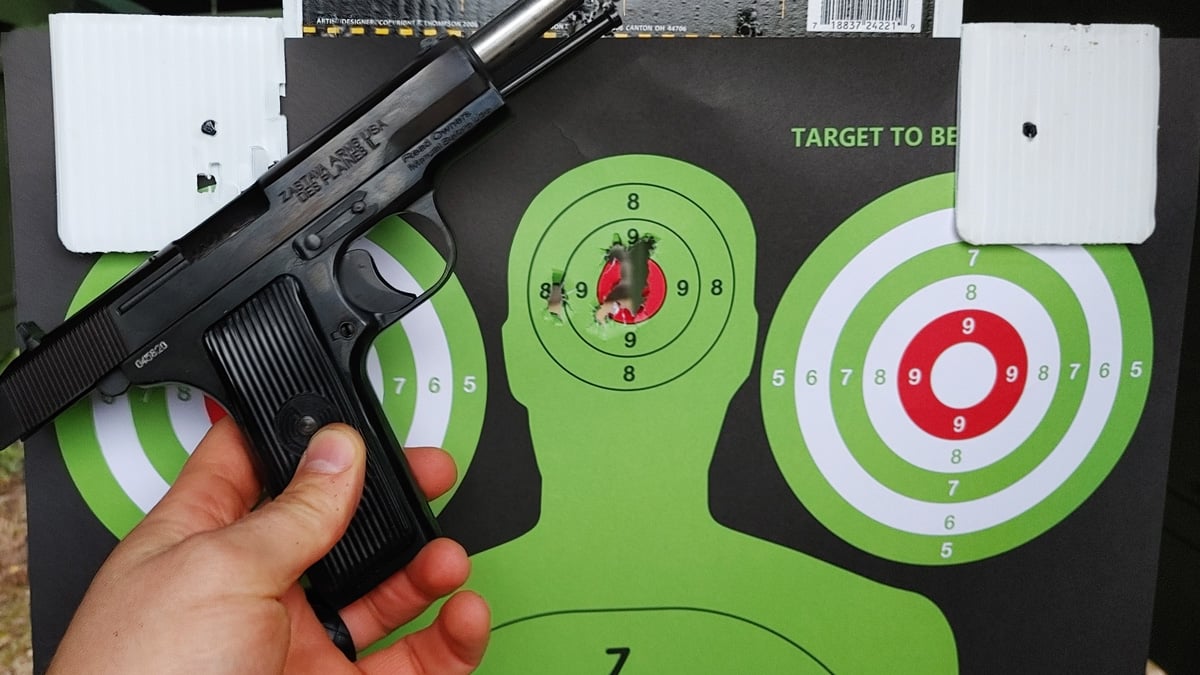
The recoil is noticeable but nothing overly snappy. I find the original M57 in 7.62x25mm Tokarev, with its lighter bullet, to be softer recoiling. In fact, that gun is fairly pleasant to shoot. The M57 is just a hair snappier, which makes it less flat-shooting for me.
Reliability was 100 percent, though I only put 200 rounds of a mix of 115-grain FMJ ball ammo through this gun. I don’t see it as a workhorse for the range or daily carry. Instead, I fancy it as a curious collectible, and I treated it as such. Still, I have no doubt it could survive a lot more abuse, especially based on my experience with the older military-surplus M57.
Pros & Cons
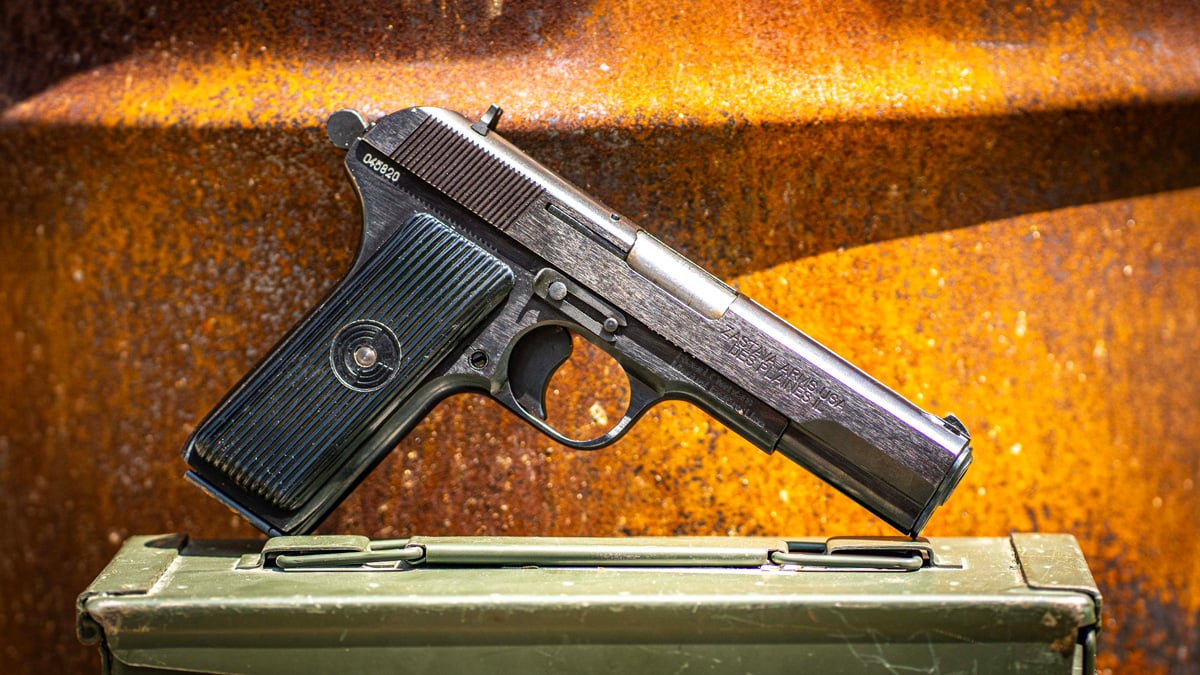
Here are my top pros and cons for the Zastava M70AA:
Pros:
- Classic look, feel, and design
- 9mm is cheaper than the original 7.62mm Tok
- Accurate, with some practice
- 9+1 capacity is decent in a vintage design
- Reliable
- Safety is well made, if not traditional
- Very easy to maintain and clean
Cons
- Accuracy takes some practice
- Added safety differs from classic design
- Heavy for the capacity
-
Very basic sights
Final Thoughts
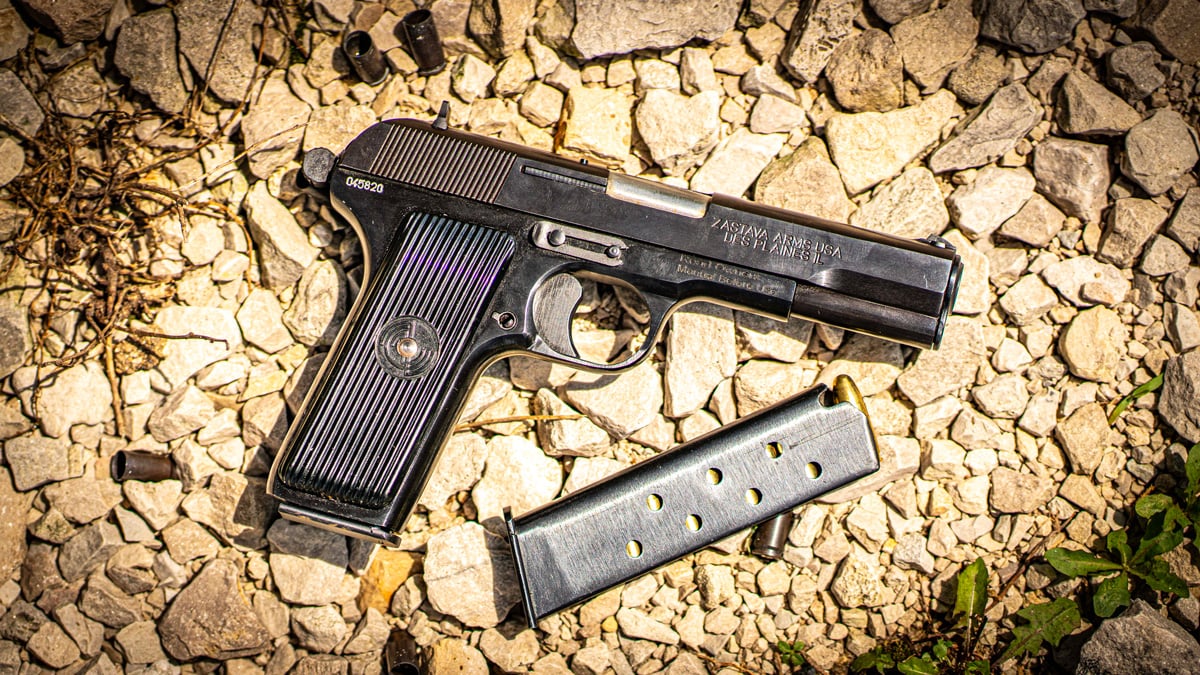
As an updated design of a Cold War classic, I really enjoyed my time with this peculiar Zastava M70AA chambered for 9mm.
It’s not going to be my new home defense firearm or a go-to carry gun for me. However, as a collector, I think I may just add this one to my growing horde of Cold War handguns. It has just the right blend of history and functionality for my interests.
Additionally, it was a particular treat to take the 9mm M70AA out shooting with my original 7.62mm M57. The fact that both guns run different ammo with essentially the same design is a testament to the robust simplicity of the original.