What Are Slugs?

Shotgun slugs are large projectiles – instead of multiple small projectiles – fired from shotguns. This allows shooters to deliver a single, heavy projectile with a high amount of energy, making slugs popular for hunting larger game as well as tactical or home defense uses.
There are numerous types of slugs, but here are some of the more common types.
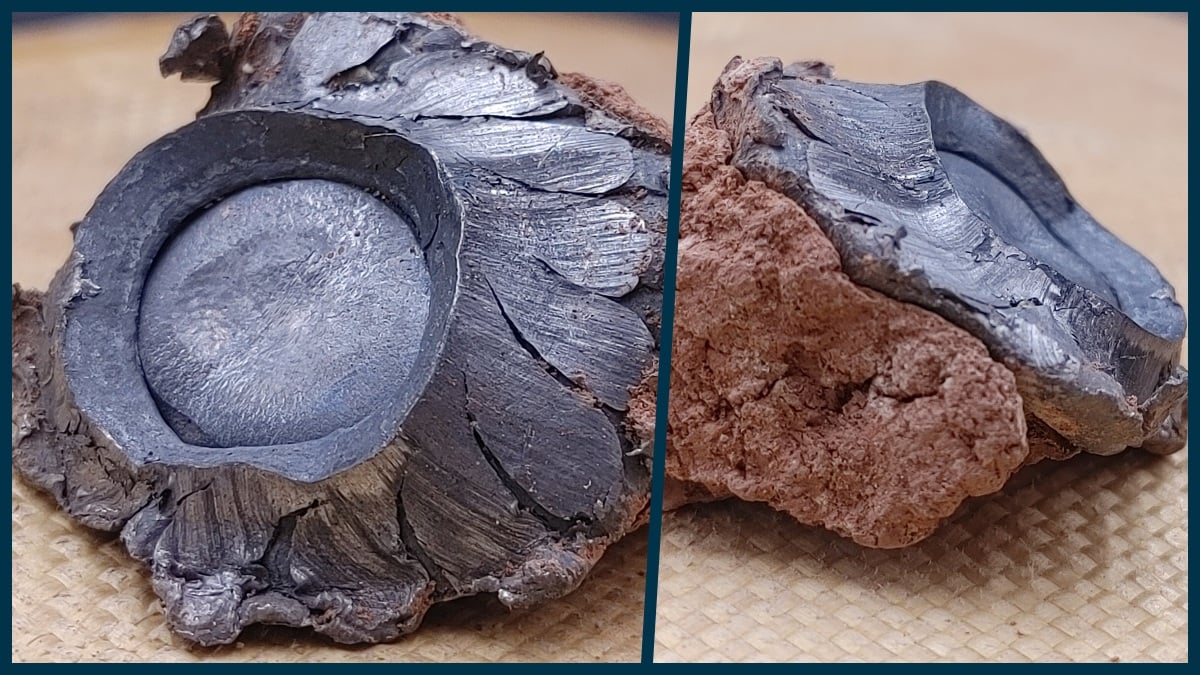
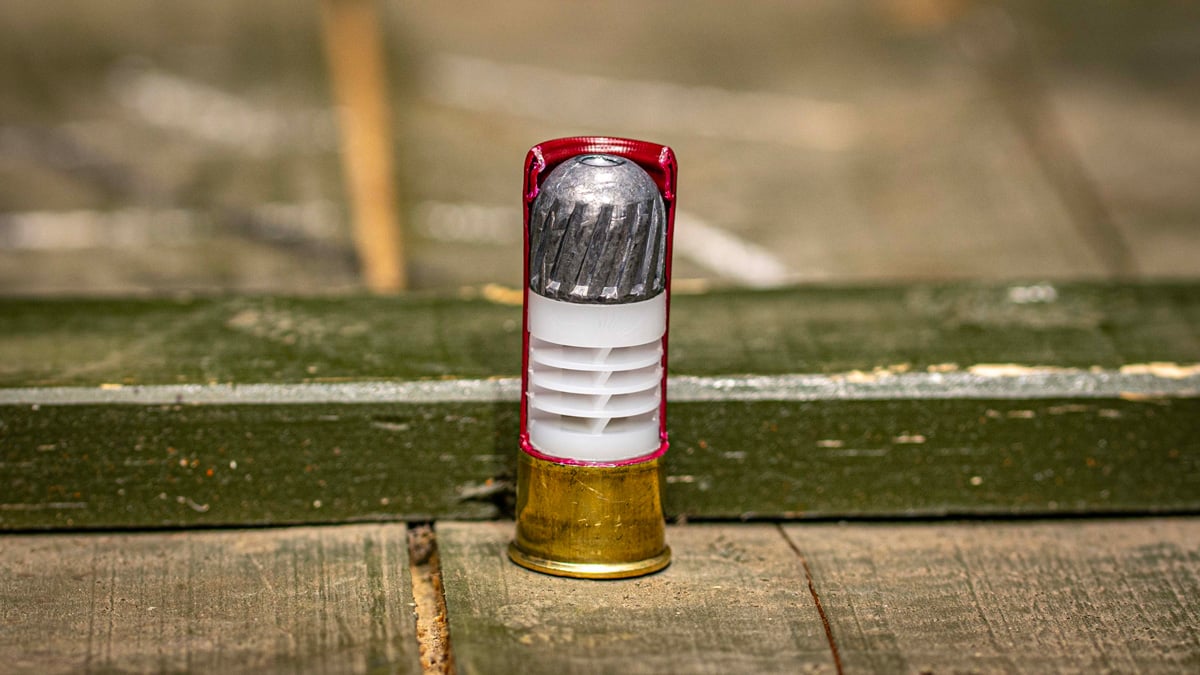
Rifled/Foster Slugs: These have rifle-like ridges on the projectile itself that engage with a smoothbore shotgun barrel to spin the projectile, thereby simulating the lands and grooves of a rifle for improved accuracy. The rear of the slug often has an open channel. This expands when the round is fired, causing the slug to bulge and engage the spiral ridges with the barrel.

Sabot Slugs: Generally fired from rifled shotgun barrels, these are smaller projectiles in an enclosed sleeve that falls away after leaving the barrel. This aids with accuracy at longer range without damaging the projectile during the shooting process.
Solid/Monolithic Slugs: These are solid projectiles that are simply forced down the length of the barrel. They are not rifled and do not use a hollow portion of the projectile to expand like many rifled slugs.

For our purposes, we will be using the more common rifled slugs in a smoothbore shotgun. This method allows shooters to use their standard smoothbore shotguns for birdshot, buckshot, and slugs, depending on their needs.
Why Use Slugs?

The short answer here is power. At relatively close ranges, 50 to 150 yards, the mass and velocity of shotgun slugs offer tons of energy, even when compared to powerful handgun and rifle chamberings.
Looking at a 12-gauge Federal TruBall hollow-point 438-grain rifled slug with a muzzle velocity of 1,600 fps, we get a whopping 2,490 foot-pounds of energy at the muzzle. That bleeds off very fast, dropping to 1,346 foot-pounds at 50 yards, 909 foot-pounds at 100 yards, and 704 foot-pounds at 150 yards.
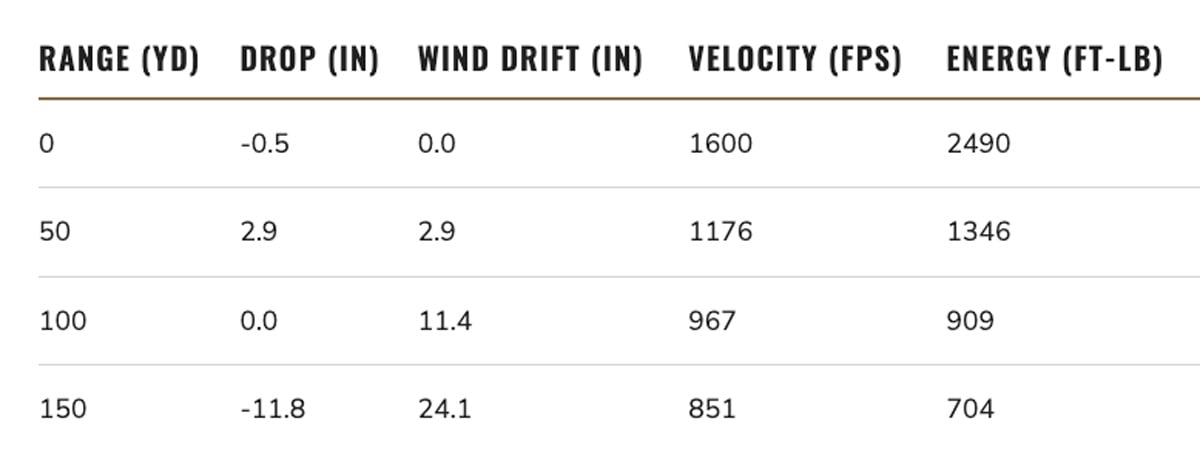

Some perspective helps here. Smacking a target with 1,347 foot-pounds at 50 yards is still delivering 540 more foot-pounds of energy than a 280-grain Federal .44 Rem Mag hollow-point at the muzzle.
Even at 100 yards, the TruBall slug is still delivering 103 foot-pounds more than the .44 Rem Mag at the muzzle, even though the slug has lost 63.5 percent of its energy at 100 yards.
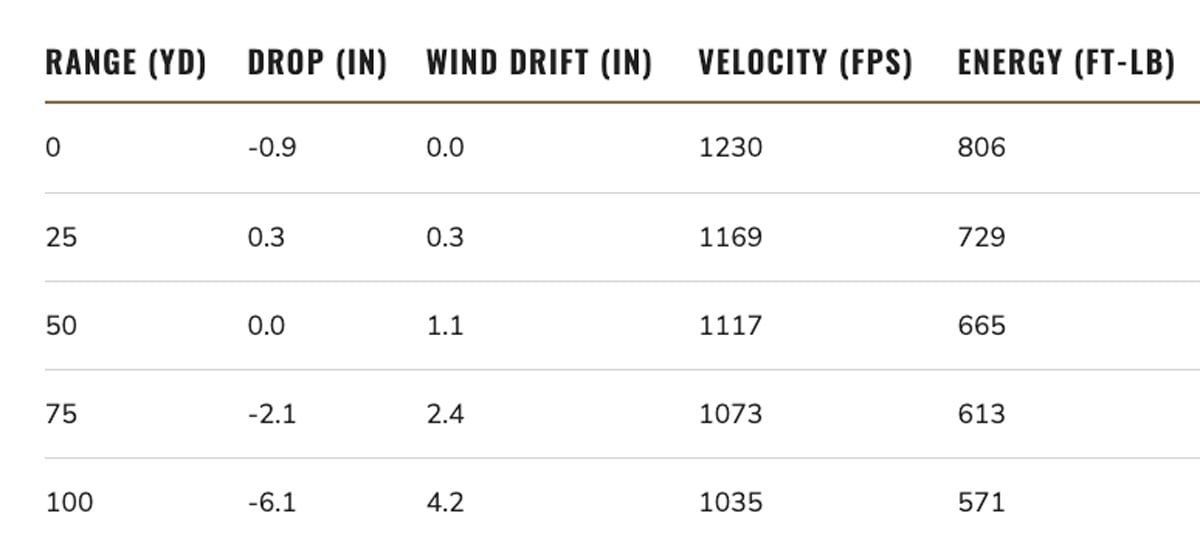
We get a similar result when we compare the 438-grain TruBall slug to a common 170-grain .30-30 Win hunting bullet. Out to 50 yards, the TruBall slug beats the rifle-caliber .30-30 Win.
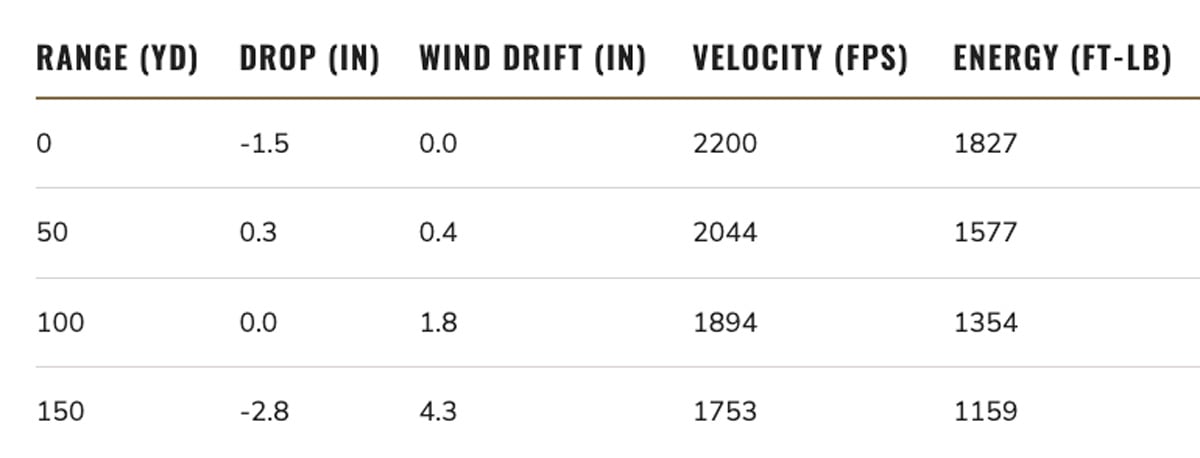
However, the energy values reverse once we hit 100 yards, with the energy efficiency of the .30-30 bullet maintaining 1,159 foot-pounds of energy out to 150 yards. At the same distance, the TruBall slug drops to a mere 704 foot-pounds.
For the 12-gauge rifled slug, there is a clear sweet spot between 0 and 100 yards that makes it a powerful contender among common rifle hunting cartridges. But the real test is actually hitting a target. So, let’s dive into the slug’s accuracy next.
Accuracy Test
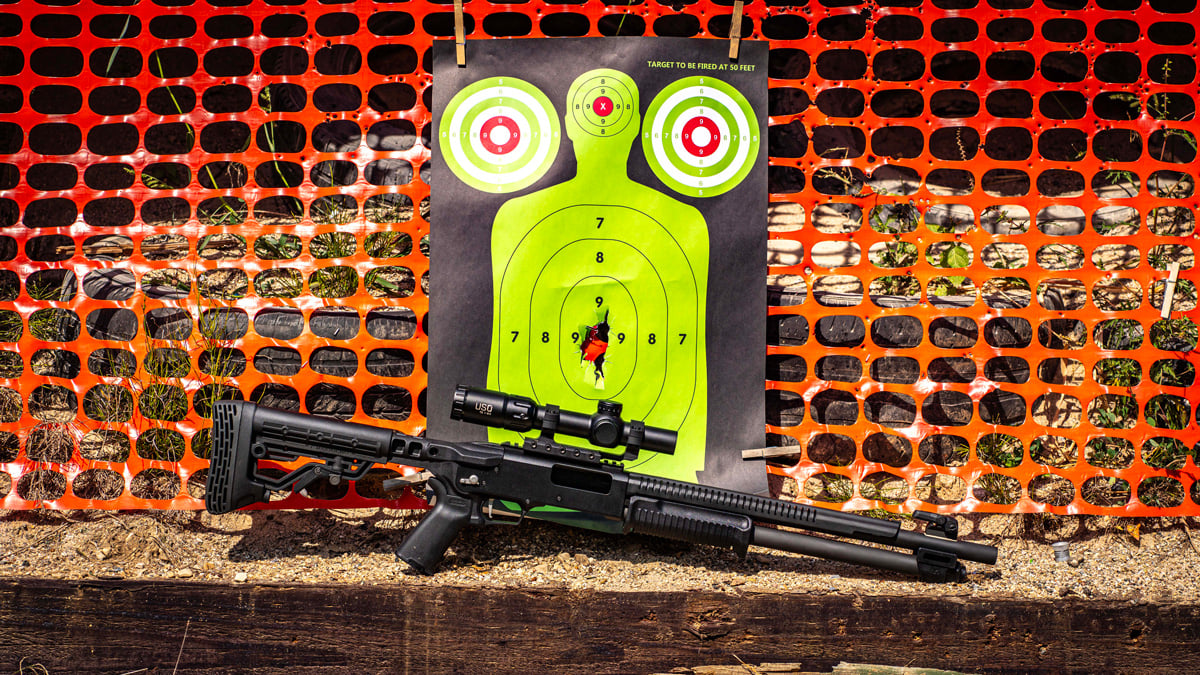
Coming from the Midwest, deer shotgun season is still a beloved hunting tradition where I live.
While many folks obsess over the precision of their hunting rifles, often demanding sub-MOA accuracy at 100 yards, I’ve never heard a shotgun hunter near me claim they couldn’t bag a deer because they only had a smoothbore boomstick.
Part of that is due to the hunting conditions in my state. There’s a decent amount of brush and foliage in our woods, and the average hunting ranges, even for rifles, are generally within 100 yards.
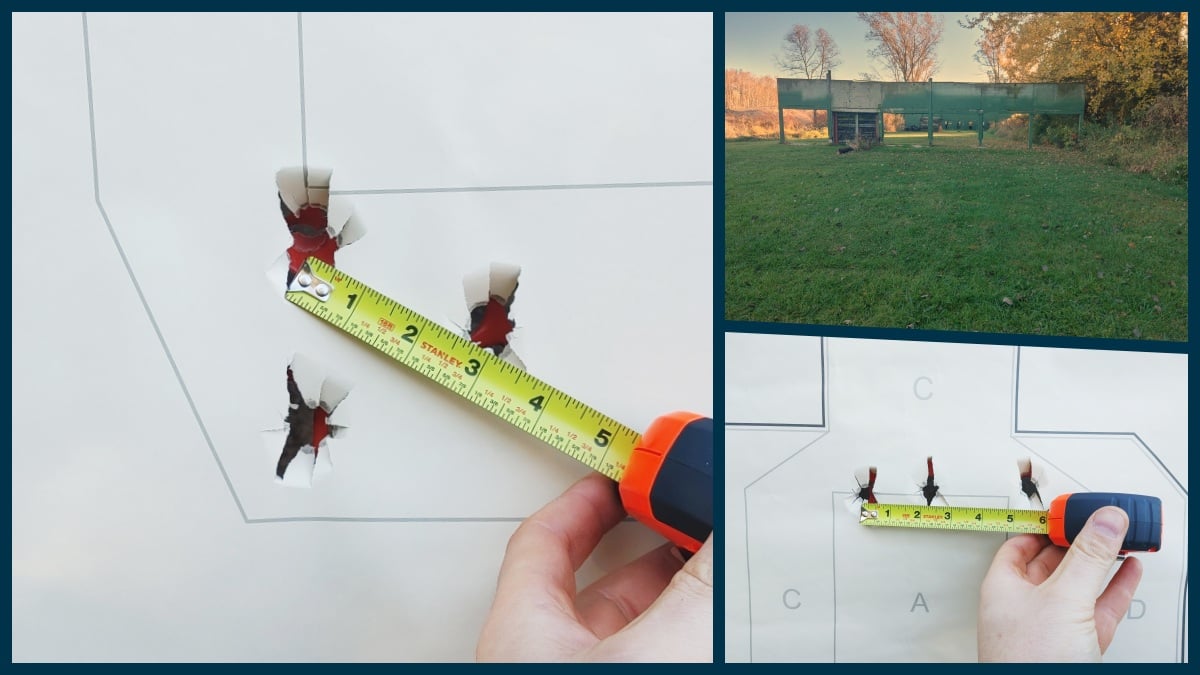
Shotgun slugs may not be extremely precise tools at long ranges, but they can do a lot of work between 50 and 150 yards. Here’s a shot group I made with 12-gauge rifled slugs at 50 yards using a smoothbore Mossberg 590R shotgun sporting an 18.5-inch barrel.

We can double that 50-yard group size to get around 3 inches at 100 yards. We could even conservatively bump it to a 6-inch group, and the slug still has a lot going for it.
That kind of accuracy may not be overly impressive when compared to a well-made rifle. However, it is important to remember that could represent a 438-grain slug offering a massive 1,346 foot-pounds at 50 yards and a very respectable 909 foot-pounds at 100 yards.
Pure force at 50 to 100 yards helps make up for a trade-off in precision. For that reason, to me, the sweet spot for the slug is in the energy it delivers at ranges under 100 yards. I would look to a rifle for anything past that.
With all that being said, your choice of ammo and shotgun matters. I have seen some large variations in precision and predictability with shotgun slugs over the years. Here’s a look at another target shot with a 20-gauge Escort BullTac shotgun with an 18-inch barrel.
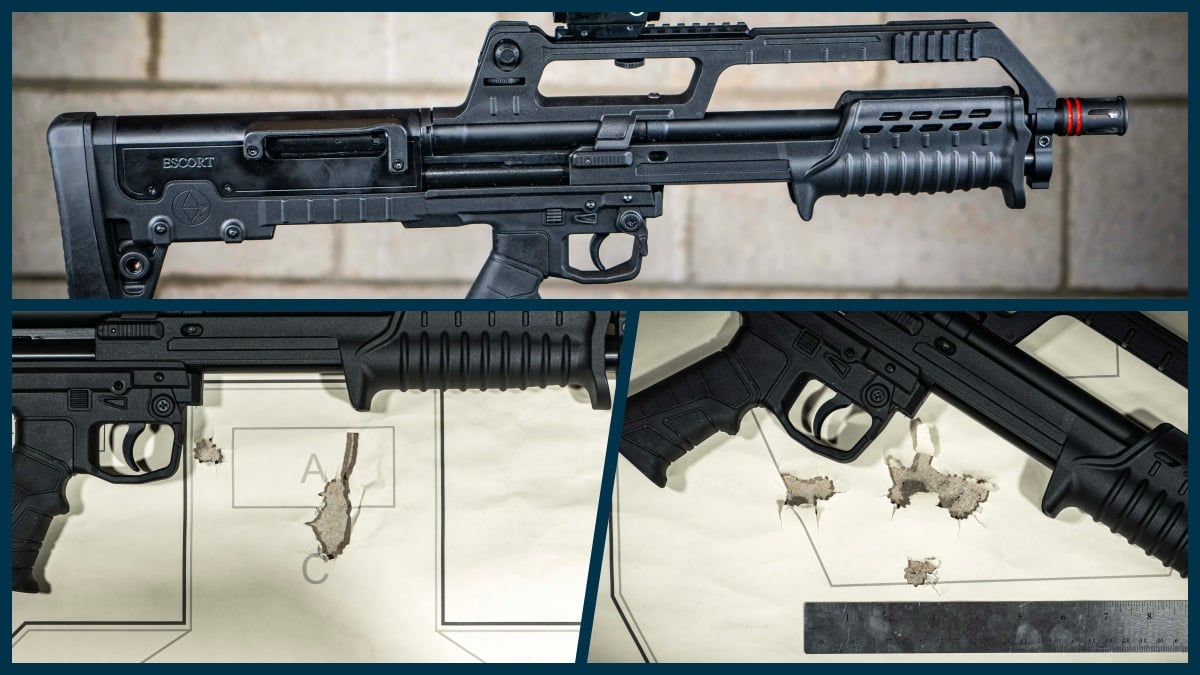
The lesson here is clear: shotgun slugs offer great power and reasonable accuracy at mid-range distances. However, you will definitely want to test your ammo and find what works best for your hunting needs.
Pros & Cons
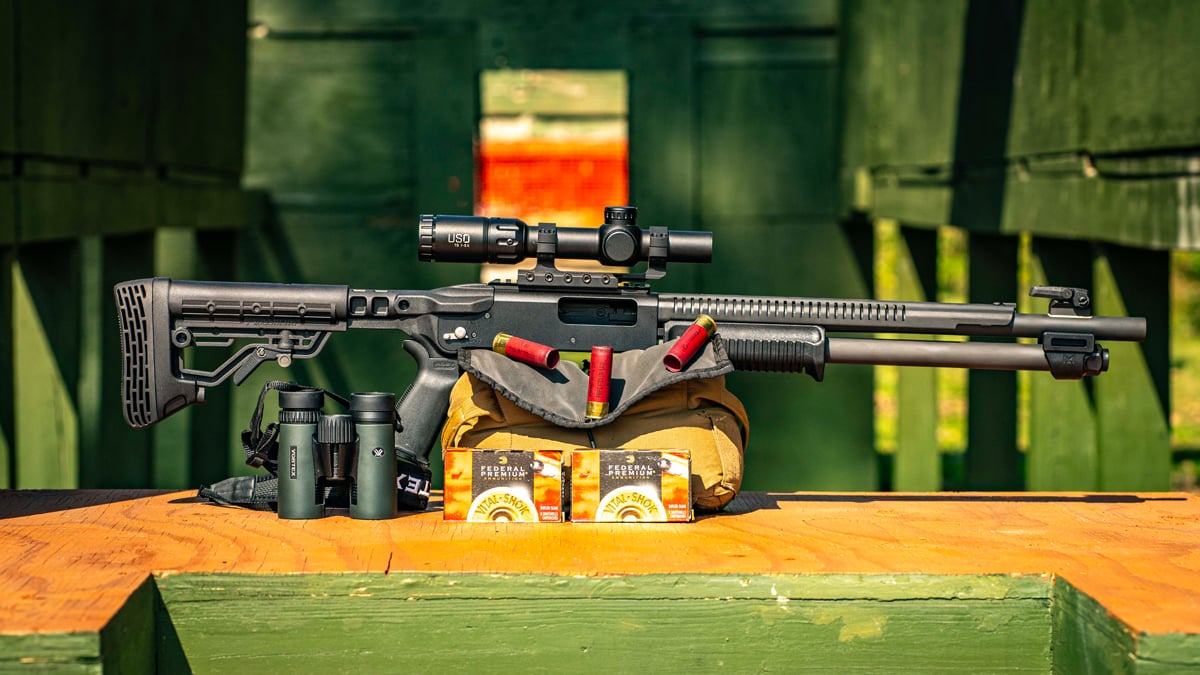
Here are my top four pros and cons of using slugs with your shotgun:
Pros:
- Effective accuracy out to 100 yards
- Powerful terminal performance on targets
- More effective in dense foliage
- Shotguns open more hunting season options
Cons:
- Limited range performance compared to rifle calibers
- Slugs can pack a lot of recoil
- Slugs need specific choke sizes
-
Shotguns and slugs can be hard on optics
Final Thoughts
It’s easy to dismiss shotguns as simply close-range meat getters and tactical/home defense tools. However, you can get some great use out of them out to around 100 yards if you find the ammo that works best for you.
Slugs, particularly rifled slugs for smoothbore shotguns, transform a scattergun into an accurate and potent performer at standard hunting ranges. Even better, their power at close range makes them utterly devastating.
Plus, since it is a shotgun, you can easily swap out your ammo choices for various other needs. That’s not something you can do with your typical rifle.