A quarter-century ago I picked up a curious pump-action 12 gauge Mossberg pump and I just haven't been able to put it down.
While Mossberg's bestseller when it comes to scatterguns is and probably always will be the 500 series-- tough to beat more than 11 million sold since 1961-- in 1988 they followed up on it with a stretched version: the 835 Ulti Mag. I say stretched because while the 500 today carries a 3-inch chamber, the 835 when introduced was the first pump-action shotgun able to manage a 3.5-inch shell.

At the time of its debut, Mossberg's advertisements described the 835 as akin to a "12 gauge with a turbocharger. Cruise along shooting standard and magnum 12 gauge loads, then put the pedal down with the big 3.5-inch magnums."
Why the big deal? Well, the 3.5 gives better performance over a 3-inch shotgun shell as the longer hull offers more capacity to hold extra shot, translating to generally a better pattern at longer ranges, with the potential to bring more pellets along for the ride.

For an example of how much more shot the 3.5 allows, check out this comparison between it and a standard 2.75-inch shell when talking Federal 00 Buck. The 3.5 carries 18 pellets while the 2.75 runs just nine.

How I got into the 835...
...was in the 1995-96 hunting season. At the time I used a Browning BPS 10-gauge with a 30-inch barrel-- a downright fine anti-aircraft gun-- when looking for (and occasionally bagging) geese. However, I was having a tough time finding shells. On the other hand, the 12 gauge super magnums were popular at the time with some waterfowling buddies of mine-- and no one was buying the shells as there were so few guns being sold compared to 2.75/3-inch models already in circulation-- so I went on the prowl for one of my own.
That's when I picked up old faithful, a brand new (manufactured in June 1995) Mossberg 835 UM complete with a 24-inch barrel and a factory finish described in the catalog as OFM Woodland.
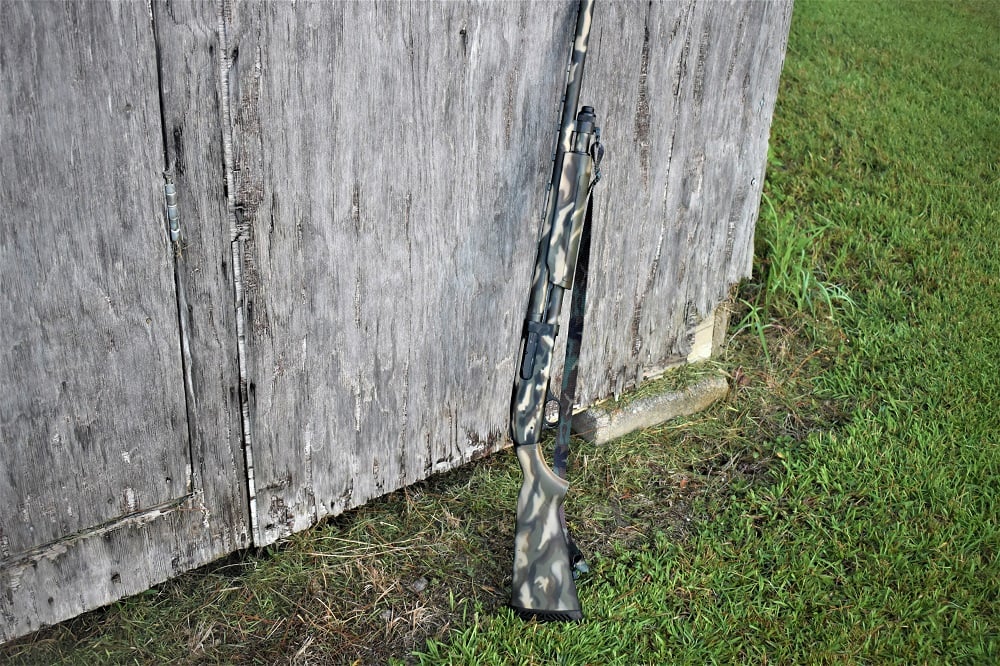
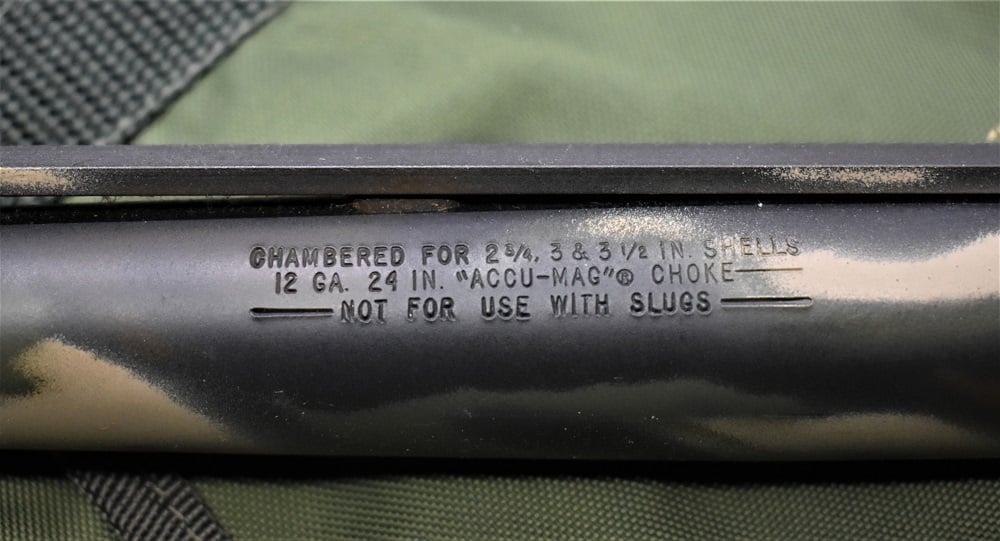
While I wanted a 28-incher, I sighed and took the 24 as it was double on-- as in on the shelf and on sale. I thought that I could always swap out the barrel with one from a Model 500 that I had but I was wrong as the barrels do not interchange between these two Mossberg pump series. The reason is that the 835 is "overbored," which means it has a .775 bore rather than the standard .731 bore so that they could accommodate the 3.5-inch shells.
But a funny thing happened.
I discovered that I liked the shorter 24-inch barrel for fieldwork as I found it remarkably faster when swinging up, not to mention easier to handle in the boat and blind. As I hunt in some of the thickest marshes on the planet (the Navy SEALs train for riverine combat in the same river system), the shorter length over my old BPS helps. Besides waterfowl, I've since used it for small game, upland birds, deer, crows, an opportune shot on a coyote, hogs, and even a couple of times for clays.
But what about mah velocity, baby? Well, Delta Waterfowl looked into that a while back and found the difference in velocity between 22, 26, and 28-inch barrels on a 12 gauge with the same load spanned only a piddly 25 fps. And don't talk to me about accuracy with shorter pipes, heck if you try you can eat out the center of a 10-inch target with a TAC-14 with no rear sight or stock.
All in the Details
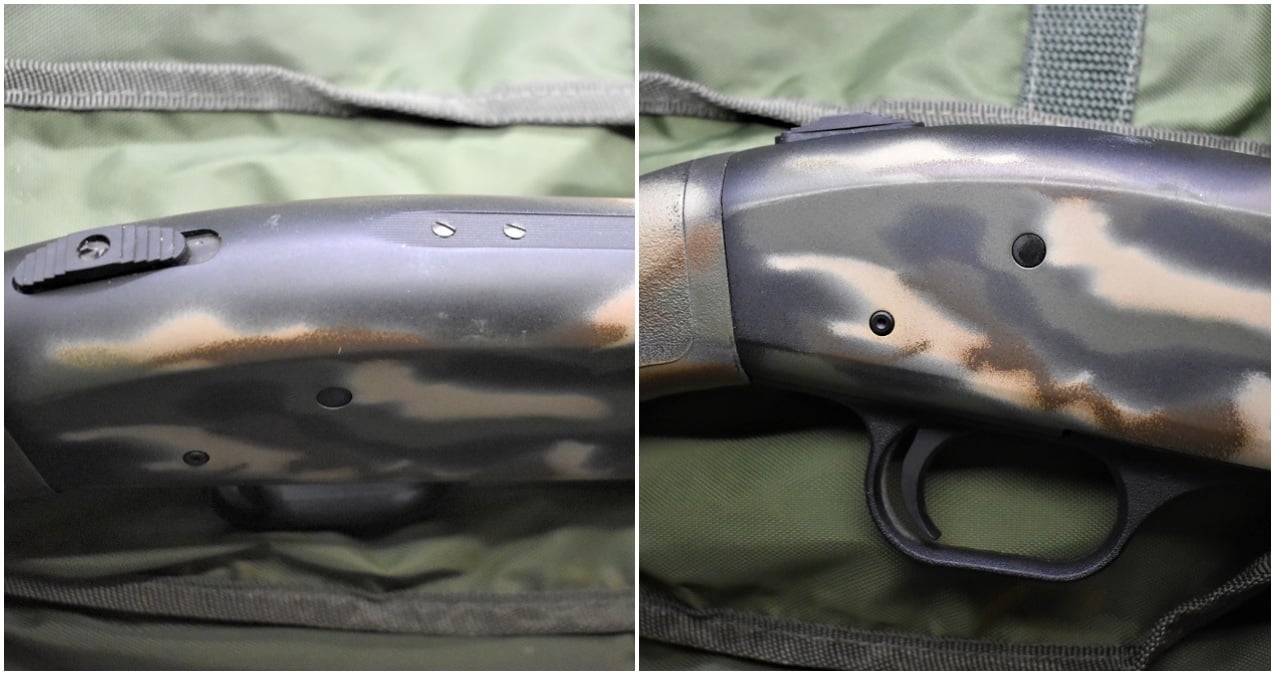
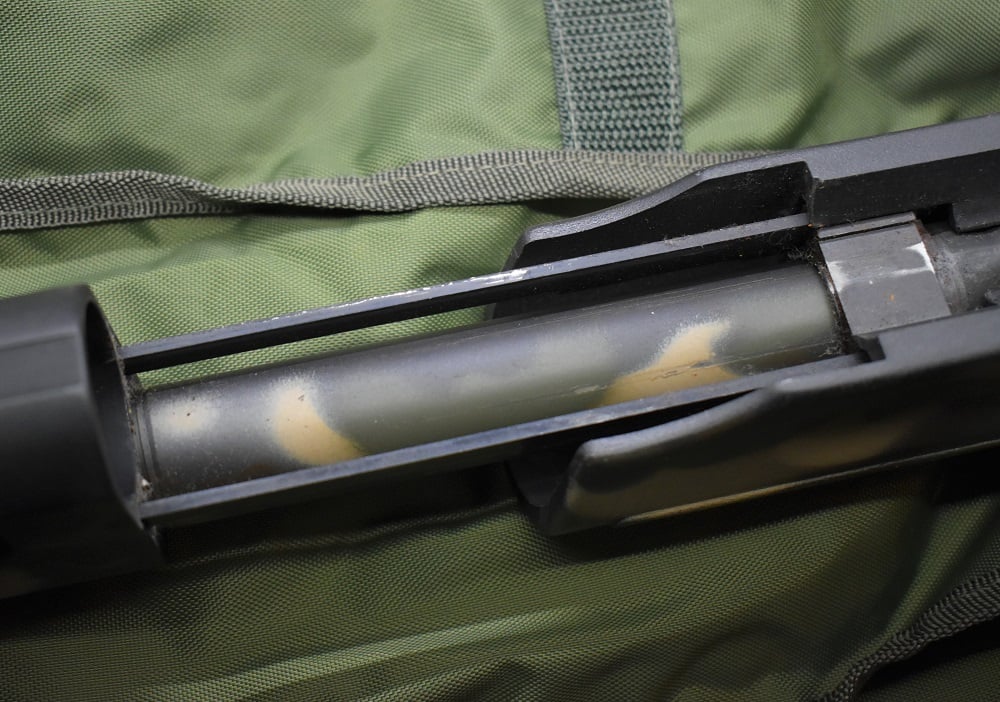
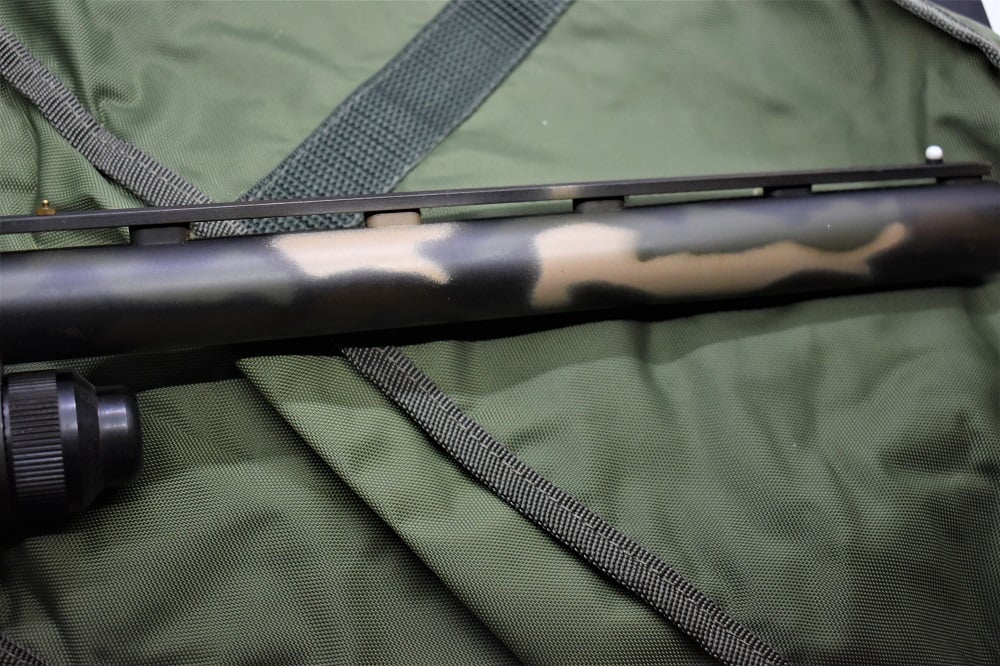
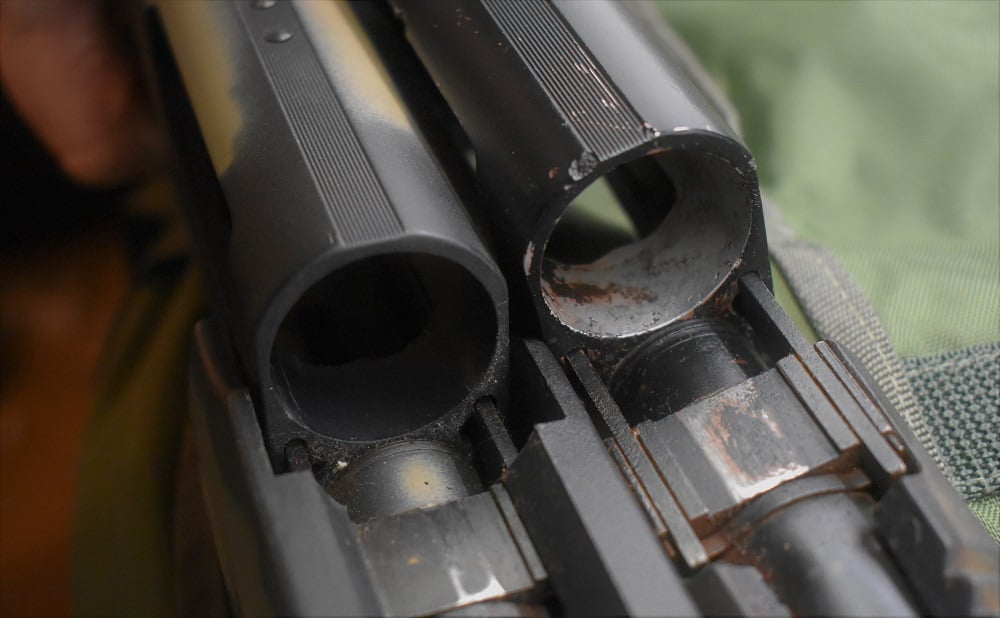
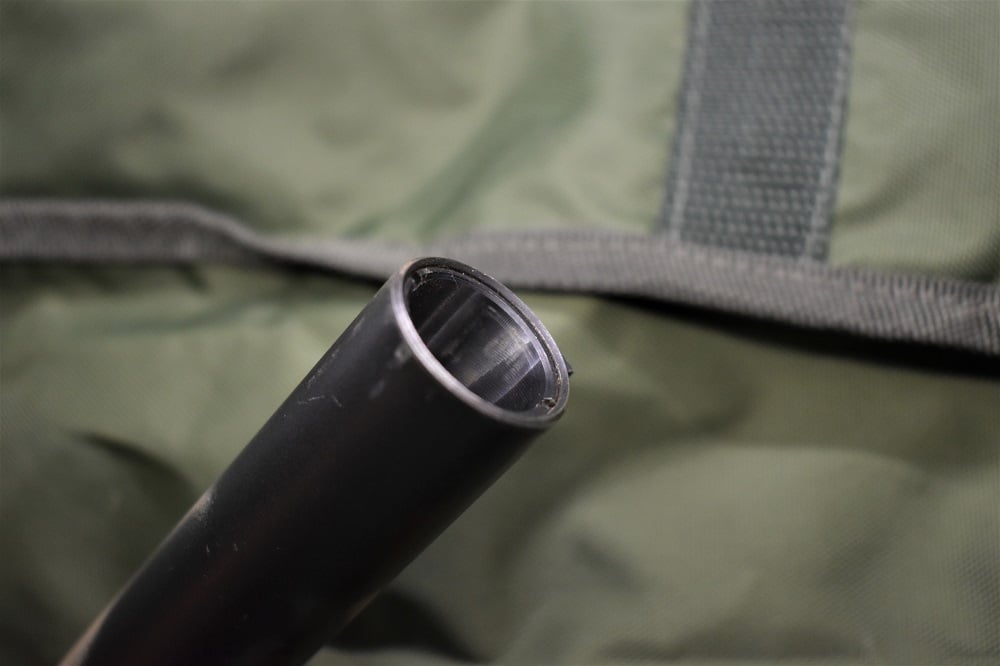
The total ammunition capacity on the 835 is 5+1 when it comes to 2.75 or 3-inch shells, dropping to 4+1 with the super mags. It takes 590 series of tube extensions, which can be really fun. Parts for the 835 are readily available from Mossberg.
Rather than the Accu-Choke pattern used by Mossberg's 500 series, the 835s use Accu-Mag choke tubes. Looking around, Mossberg has cataloged 11 different tubes in the series including extended and flush fitting Modified, Full, Improved, as well as flush Skeet, X-Full (steel), XX-Full T, and extended Ulti-Full T. You can add to this a whole range of easy-to-find aftermarket tubes.
Do you really need 3.5s?
As most sportsmen versed in 12 gauge can vouch for, with 3-inch shells you can almost always get the job done, as you can with 2.75-inchers. However, the ability to use the 3.5 just adds a whole other level of play to the game and keeps the dust on that 10-gauge.
What I like it for is in deep winter waterfowl work on geese. You know, that period in January or so when the honkers have all that heavy fat and down on them. I've had good luck last season with the 3.5 out to 50 yards with Browning BXD #BB 1.5-ounce weight at 1500 fps-- a good opportunity if you have birds coming in over decoys way out from the blind. The 3.5 also proves a better shell for geese going away, and I can say that having run 1, BB, BBB, and T steel shot, particularly with the smaller geese such as Snows, Blues, and Ross’s.
Then, when I use it for feral hogs in the brush rather than a .308 AR10 pistol, the potential to use 18 pellets of 00 in a single load on a big boar is a nice option to have. And that's the whole point of a 3.5-inch chambered 12 gauge. You can run smaller shells for other purposes, and still retain a near-10 gauge capability for when you want.
When it comes to downsides, the recoil on the 3.5, logically, is a bit stouter than with 3s, just as 3s will beat you up more than 2.75s. It is also a fairly lightweight gun, with my particular 835 hitting the scales at 7.1-pounds, unloaded, with a sling installed. For comparison, my very handy 590, with its shorter barrel offset by a heat shield, bayonet lug, and longer mag tube, weighs two ounces more. That weight, handy in the woods and making the 835 quick to the shoulder, also doesn't eat up any of that extra super mag recoil. As a result, fast follow-up shots are tough when using the full super mag-length shells.
Still, sometimes you just like to have that turbo option, just in case. I guess that’s why Mossberg still makes them.