HISTORY

The rifle club moved to its present location about 25 miles southwest of Tucson in 1968. Originally started in 1895 at a site nearer to Tucson, the club was forced to move due to the growth of the city. Now located on Arizona State Game and Fish land, its present location is remote yet accessible to residents of Southern Arizona.
Tucson Rifle Club is distinguished as the first range to introduce the sport of rifle silhouette into the United States. Milt Hood and other visionaries, all volunteers, made this happen.
WHO WAS MILT HOOD?
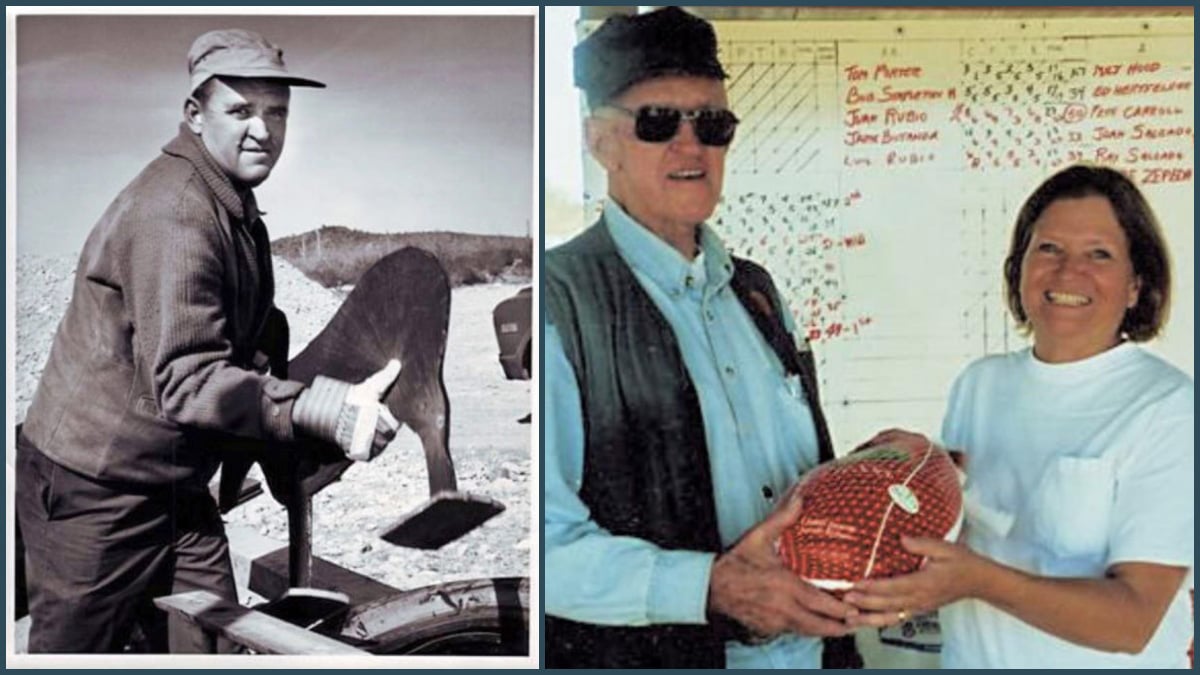
Originally from Tanbark, Kentucky, Milt grew up hunting and shooting. He served in the Marine Corps from 1945 to 1948 and earned his MBA in Mining Engineering at a local college prior to moving to Tucson. He became very active in competitive service-rifle shooting and served as club president in 1966. It was at this critical time that Tucson Rifle Club relocated to its present location, offering a unique opportunity.
Milt had traveled to Mexico numerous times to shoot the then-new sport of “Siluetas Metalicas.” He reasoned that he could build such a range here in the U.S. After much planning and construction work, the Tucson Rifle club completed the first such range in the country and held the first-ever Metallic Silhouette Rifle International match.
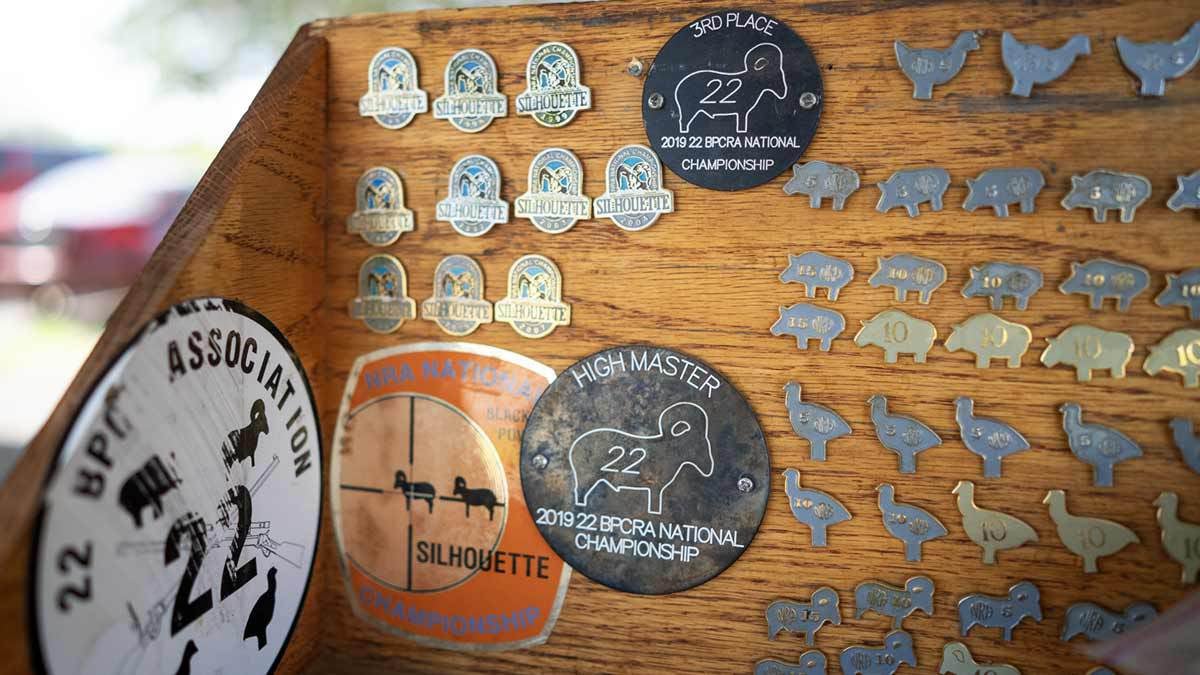
The National Rifle Association recognized the sport and in 1970 awarded Milt the National Service Award in April of 1970 at its annual meeting in New Orleans. In 1973, the NRA named him Man of the Year due to his work to bring this new sport to the U.S. The high-power silhouette range still bears his name to honor him.
WHY LEVER ACTION SILHOUETTE?

Many versions of silhouette have evolved since Milt started it here. Smallbore rifle, pistol, black powder cartridge, and now lever gun silhouette are practiced today.
Lever Action Rifle Silhouette involves shooting steel targets – 10 each of chickens, pigs, turkeys, and rams – for a total possible score of 40. Distances range from 50 to 100 yards for .22 rimfire and 50 to 200 yards for centerfire. All targets are shot from the offhand standing position. Teams of two take turns shooting and spotting for one another during the relays.

Shooters have 30 seconds to load their rifles and two minutes to shoot five shots. The next five shots follow the same format to total 10 shots on each animal target engaged. A good score is 30 or more of the 40 targets. No riflescopes, spotting scopes, or wind direction flags are allowed, making individual shooting skill the deciding factor in winning.
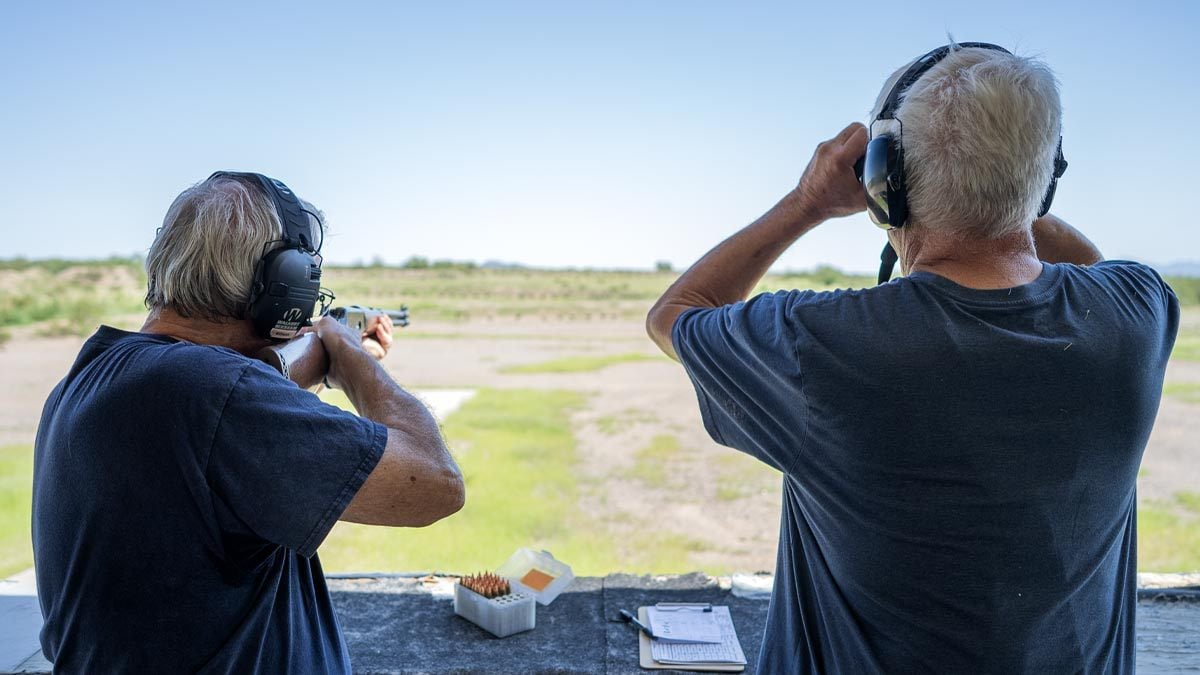
Silhouette shooting requires a pairing of shooters with spotters who alternate duties. The job of the spotter is crucial. Each shot is seen through the spotter’s allowed binoculars and recorded on a spotting board or communicated verbally to the shooter. Some discussion may ensue concerning the accuracy of the trigger break, wind direction, and elevation of impact prior to the next shot. Good spotters will enable a shooter to keep his shots “in the black,” thus knocking over more targets.
MANY CHOICES FOR RIFLES
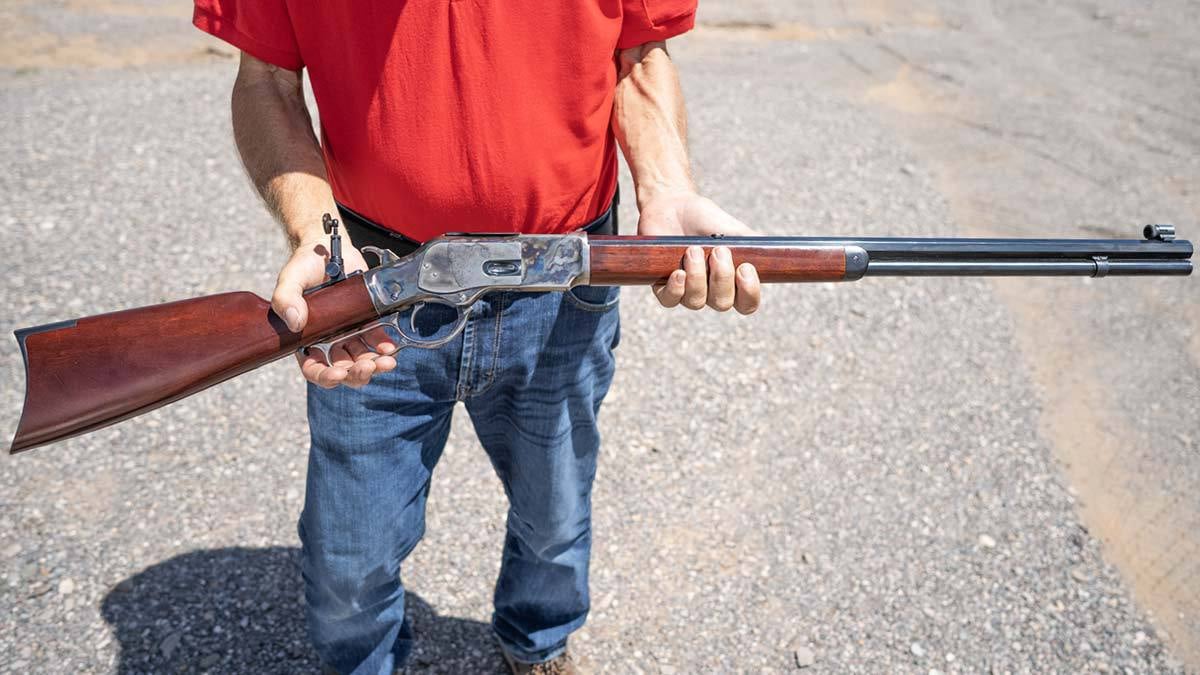
Rifles can include modern Henry, Marlin, or Winchester guns, and many original firearms are owned and fired by the competitors. Some of these older rifles are over 100 years old and are well-maintained by their owners and shot regularly. Most shooters reload their own ammunition and even cast their bullets from lead alloy. Generally, people load with modern smokeless powders. The .22 rimfire and .22 WMR matches are popular with no ammunition reloading needed, but skill to hit the small ram targets at 100 yards is required.
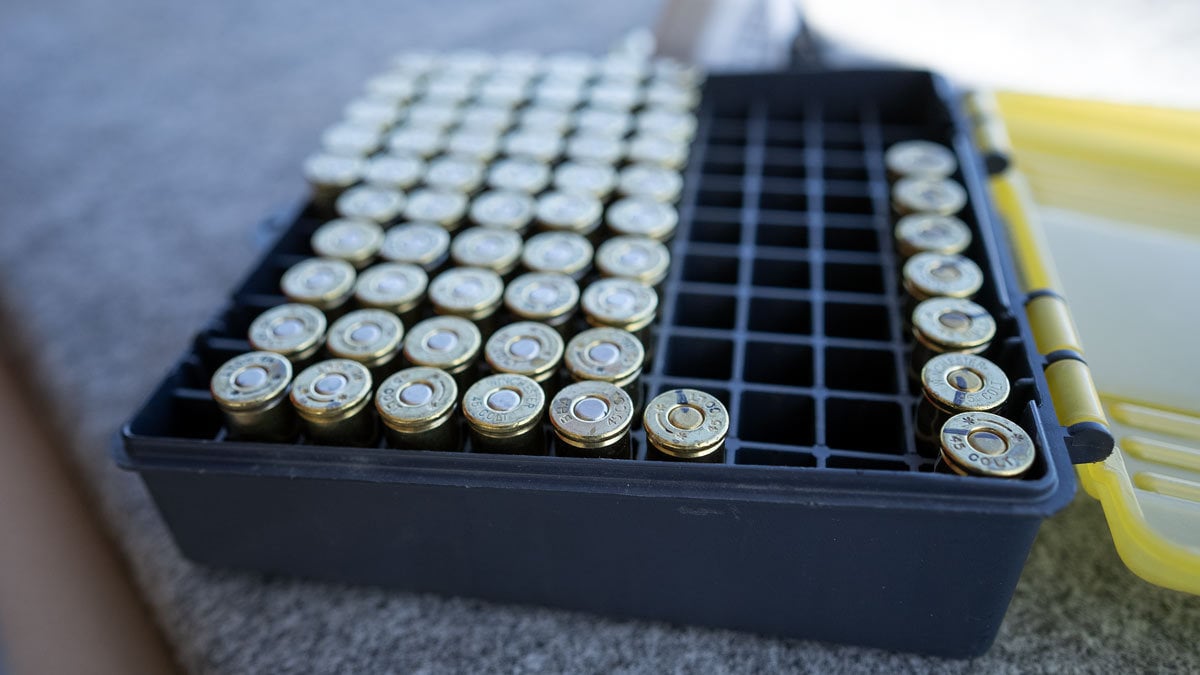
At least one shooter prefers to load only with original black powder. These old cartridges were designed for this old propellant and when properly loaded, it fills the air with white smoke and a loud crack. The .44-40 and other similar cartridges are surprisingly accurate.
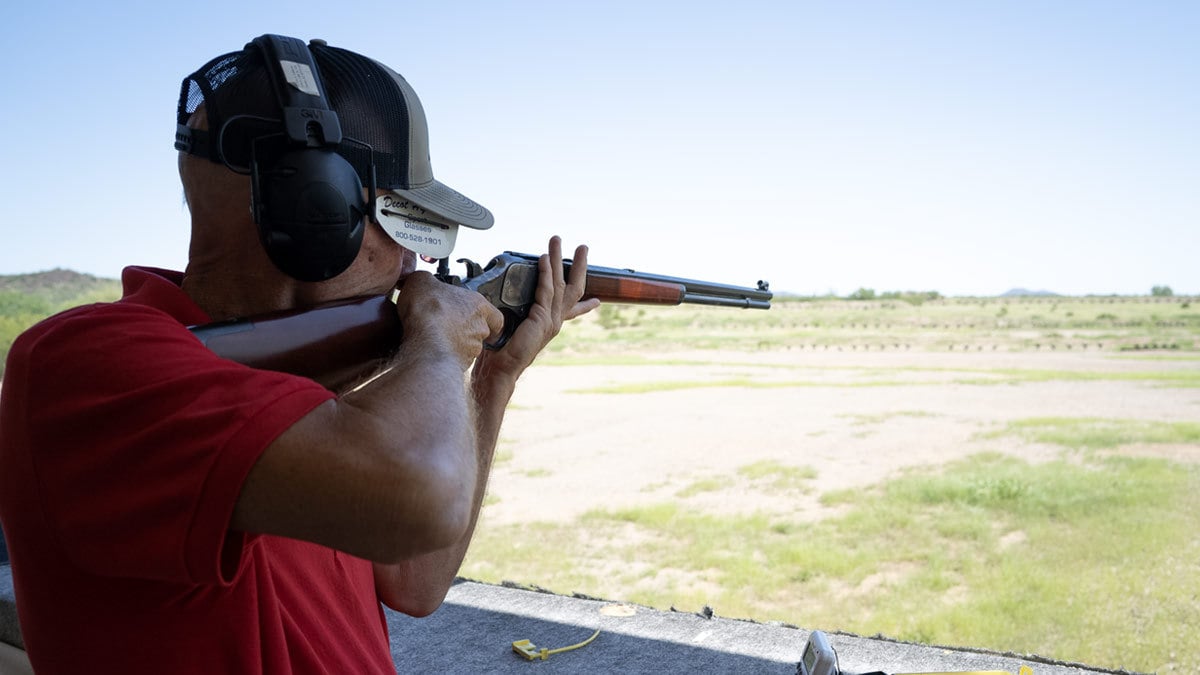
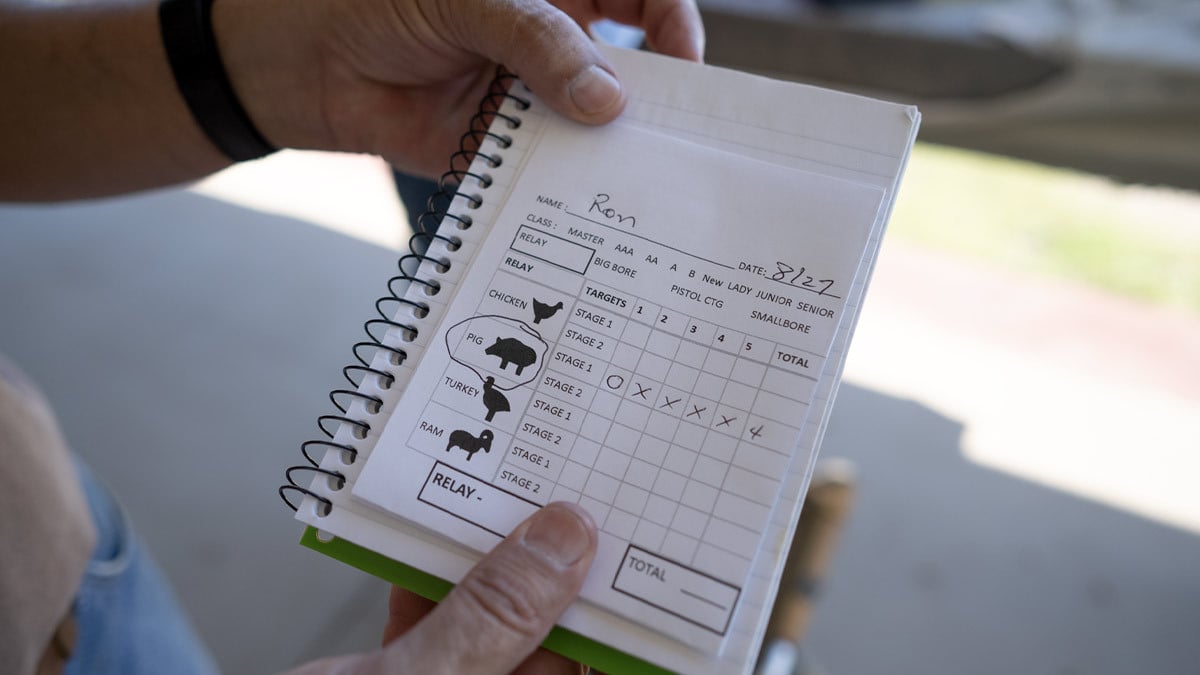
My favorite lever gun is the Uberti-made Winchester 73 in .45 Colt. I competed in the match last Saturday with it and scored 26 of 40 shots. This rifle has a 24-inch full octagon barrel and beautiful case-hardened receiver. The rear tang mounted peep sight is by Marble Arms and is adjustable for windage and elevation. My front sight is a Lyman Model 17A with interchangeable sight inserts. No riflescopes are allowed in this game, and you need 20/20 vision to see the little targets!
Related: Uberti 1873 Review – Silhouette Shooter's Dream Gun
FINAL THOUGHTS
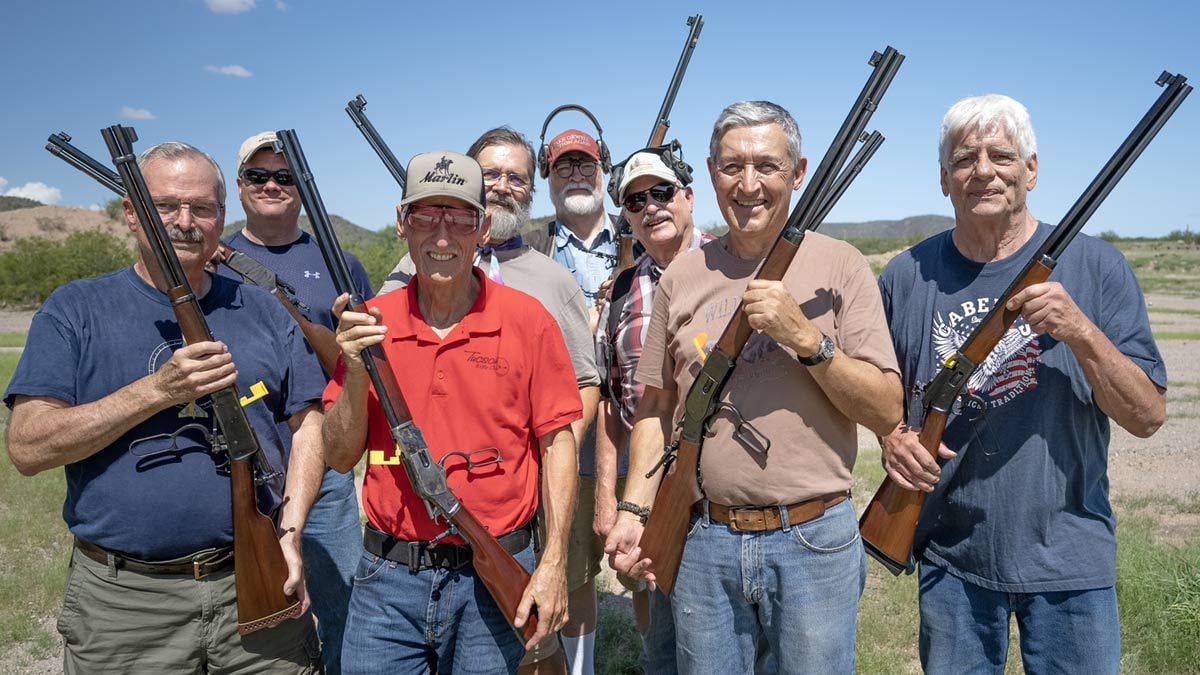
Have you ever played golf? Golfers try to play their best game on a given course. Making perfect drives, chips, and putts are their individual goals. Likewise, lever rifle silhouette competitors try to make every shot hit steel to knock over the target. They do not compete against other shooters as much as they compete against their personal best and prevailing wind and range light conditions.

Most lever guns were designed over 100 years ago. The 1873 and 1892 Winchesters are two such examples. In keeping with tradition, the rules allow for minimal customization and sight improvement. Like golf, it is you against the course. Physical strength, stamina, and eyesight are crucial. Heck, if it were easy, it would not be fun!
If you have a lever gun in your safe, dust it off and try your hand at lever-gun silhouette. You won't be disappointed!