Practice Makes Perfect
Most of the shooting we do could be summed up as practice; the number of shots that “count for points” are far fewer. If you are a competition shooter, you probably fire thousands of rounds a year so that in any given competition, the 200 or so rounds all go where you want them to.
In much the same way if you are a hunter, all your target practice is to prepare you for that one shot that matters most. I’d bet that most hunters shoot far less than a typical competitive shooter, but the point of practicing to perfection is just as important.
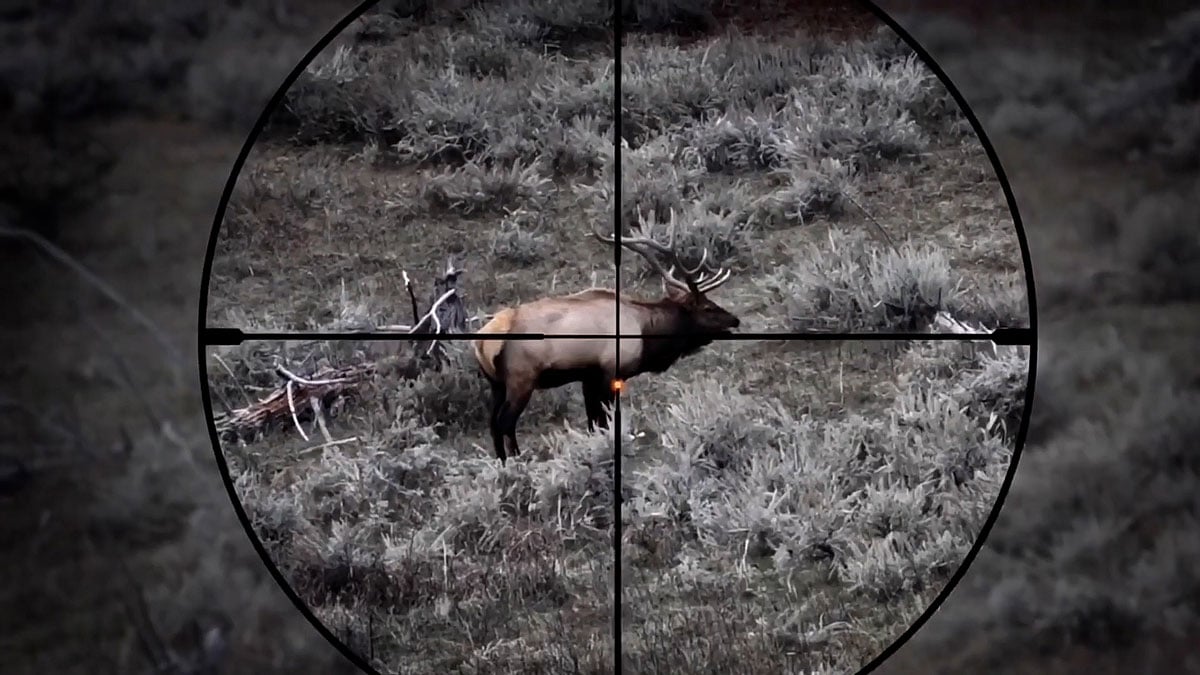
Using finer points of aim can improve your shooting regardless of which category you find yourself in. Aiming at the crease in a deer’s shoulder gives you a much better focus than merely aiming at the deer. And aiming at a mounting bolt in a distant steel target allows you to evaluate your shot placement and follow-through.
Related: Five New Challenges for Experienced Deer Hunters
Hunting Shot Placement
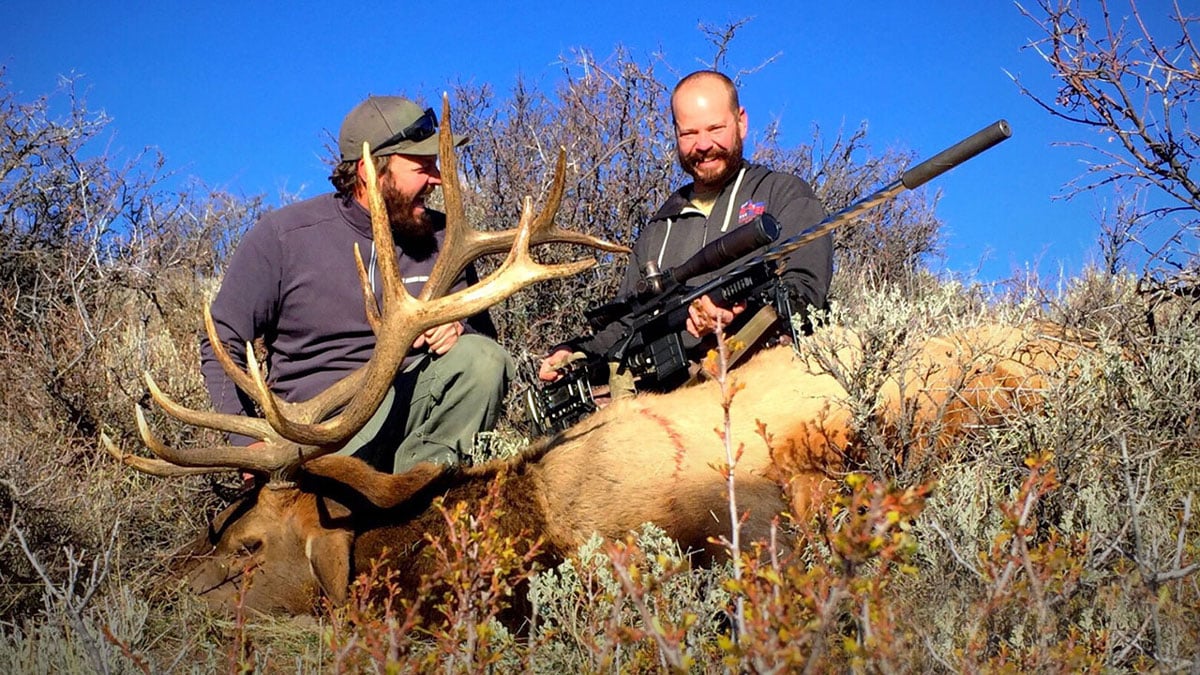
For the hunters out there, we’ll hit this topic first. Good shot placement means putting the bullet through your target at the right spot and angle to acutely and permanently disable it. Sure, you could just hold on the shoulder and yank the trigger. But errant bullets can do a horrendous amount of damage and still not put down the animal fast enough to recover it.
Using refined aim points will help you make better shot placement. Instead of aiming for the orange square on your target, aim for the corner. Practice until you can stack your shots all in the corner. This will help you make a more precise shot when it really matters and you are stressed.
Related: Hunting Calibers – Does Size Really Matter?
This practice can obviously be tempered within reason. If you’re only shooting at deer from 100 hundred yards away seated in a blind, you may not need dime-sized shot placement.
Competitive Shooting
Once you hear the beep of the shot timer, habits take over. So, the more you have practiced and fine-tuned your aim, the better your shooting stage will go.
One of the reasons I love steel targets so much is that it’s so easy to tell if you hit or miss. Even on targets hung beyond 1,000 yards, it’s often easy to see bullet splash and target movement. But the smaller the target is, the more challenging it can be to hit.
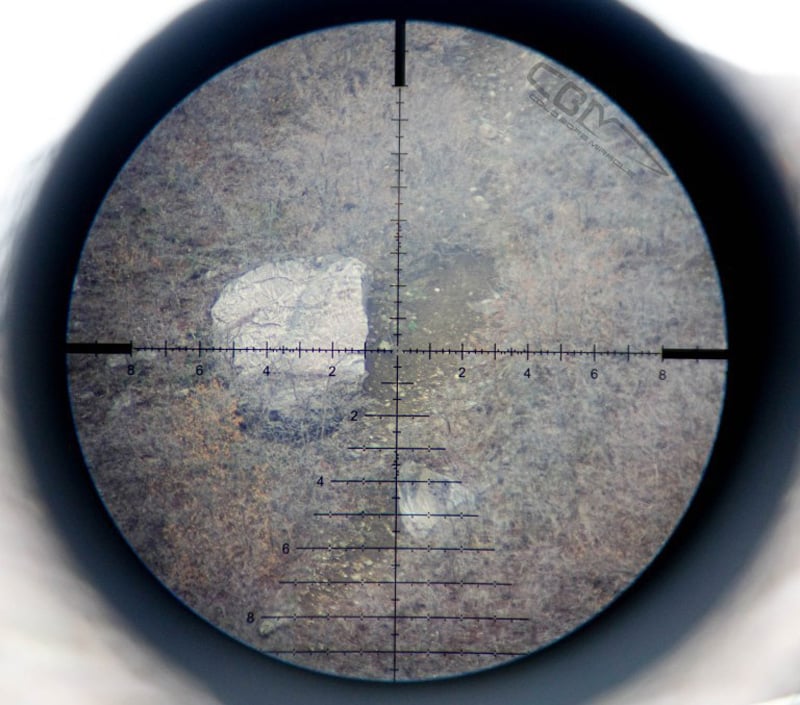
One of my favorite practices while hiking through the Rocky Mountains is to pick out a random open dirt spot on an opposite ridge. I’ll set up my shooting position, range the distance and then pick out a small white stone within the dirt. After memorizing the layout, I will make my elevation correction and wind calls before firing a shot. The tiny white stone allows me to see how close to my point of aim I hit, and from that I can deduce whether that would have hit steel or a nice buck.
Aim Small, Learn much
Once you have started these practices, you might find yourself learning a lot more about your skills, your rifle, and where both could improve. You still might use paper plates, but instead of just hitting the plate, you’ll be aiming at the ketchup stain from dinner.
Most of us will likely shoot worse under pressure. If you are used to aiming at and hitting soda can-sized targets when practicing, even if you are unstable or shaking from a stressful situation, you might miss a soda can but hit something the size of a milk jug.

This practice can be applied to whatever type of shooting you do. For example, maybe you are a varmint hunter and a milk jug is bigger than your average prairie dog. Then you need to practice shooting things like shotgun shells instead of pop cans.
This will quickly make you aware of a couple things. First, you might find your shooting skills aren’t up to par. The good news is that is something you can change with practice and instruction. Secondly, you might find out that your rifle configuration – or a combination of rifle, ammo, and sights – is inadequate for this type of shooting. That, too, can be changed, but typically it’s going to cost you some hard-earned money.
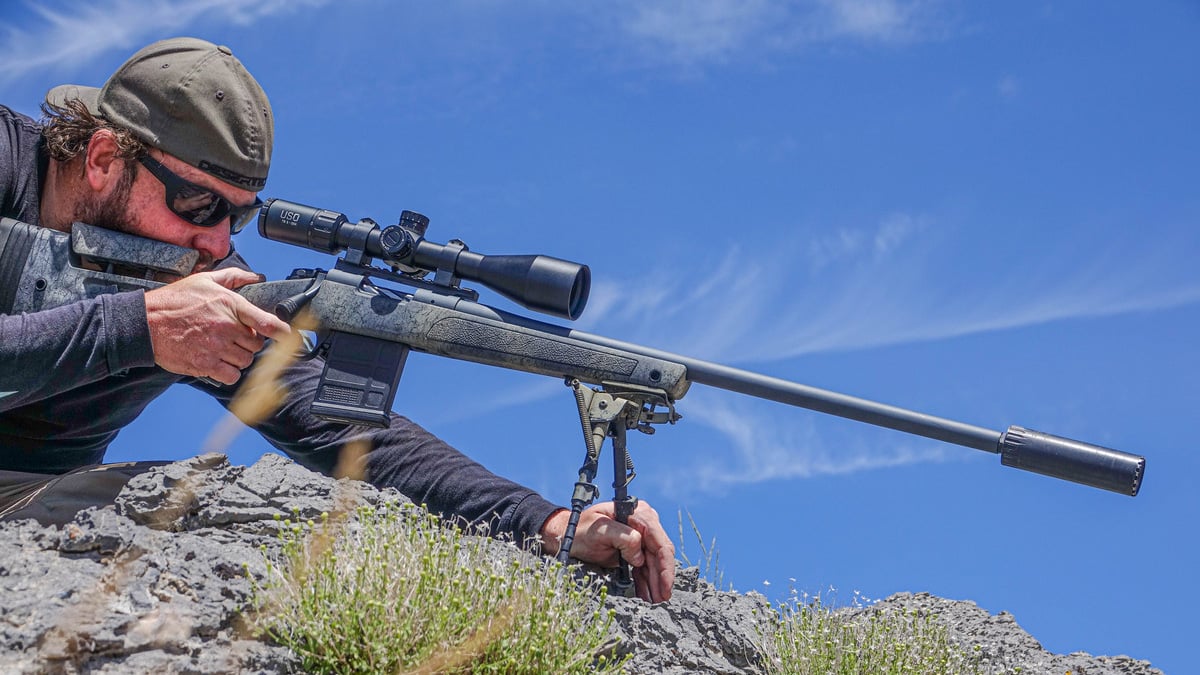
These practices are even more important the farther you shoot. Hitting a paper plate at 100 yards is pretty easy. Hanging it across a canyon might be a lot harder to do, but if you’ve been practicing aiming at golf ball-sized targets at the range, a paper plate seems easy.
Final Thoughts
Make the most of your target practice and get all your money out of every shot. I often tell people: if you shoot and miss, but don’t know why, you are just wasting ammo. Make sure you know where each shot is going to land, and when it doesn’t, evaluate why and make the corrections needed.