Condition
Depending on your shooting practice, you might be quite familiar with your deer rifle. But many folks only shoot them a few times a year, making them perhaps a little more foreign than their daily plinker. Those that subscribe to big Magnums might shoot their rifles even less due to recoil and ammunition costs.

(All photos: Jeff Wood/Guns.com)
There could also be any number of other reasons that you or your rifle aren’t in prime condition. Now is the time to figure out what those reasons are and overcome them to ensure everything works when you need it.
Some hunts are close to home, while others are a long road trip away. The cost of some of these hunts can be high, so ensuring that you have everything you need long before is a good idea for success and to get your money’s worth.
Sights and Scopes
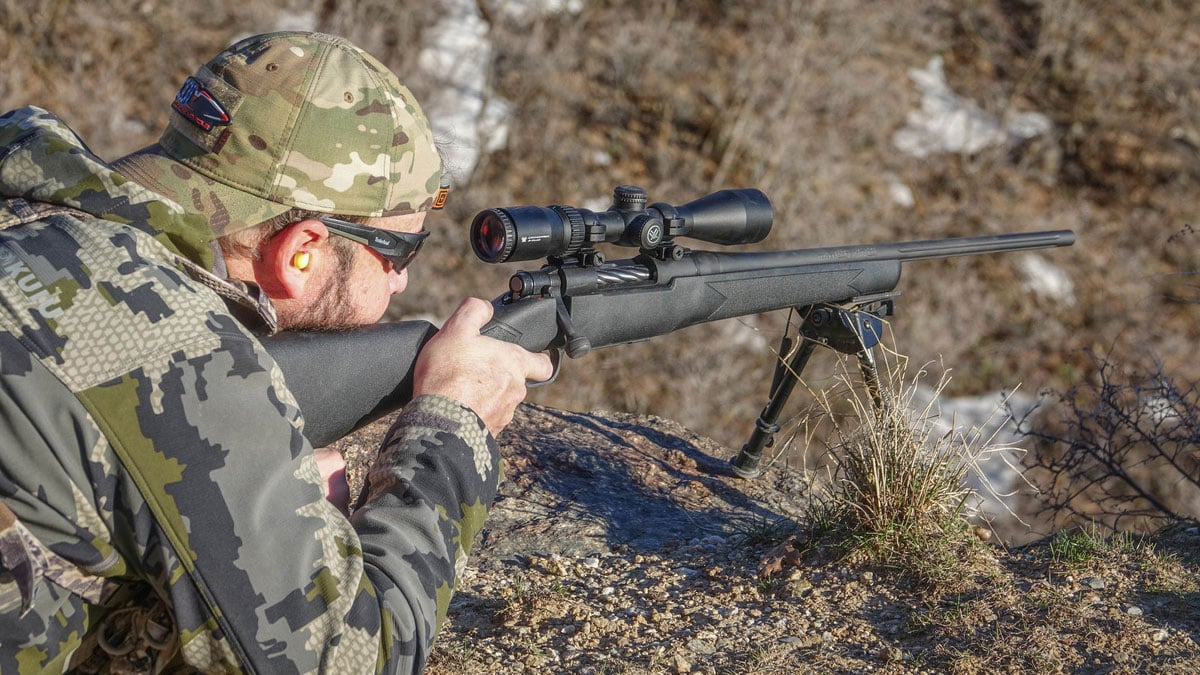
You don’t want to be the guy zeroing his rifle on a paper plate in camp the evening before the hunt opens. The time to zero your scope is long before the hunt, not only to ensure it is ready but also to allow you time to practice a bit and get good with it.

Ensure rings and rails are tightened, and check for loose sight pins or anything else that could go wrong. Give yourself time to check and test so you have time to make repairs or replacements if needed.
Related: Finding Zero – The ‘Big Three’ Scope Adjustments
Those cheap plastic scope flip-caps are nice for keeping lenses clean. It might not be a bad idea to bring an extra set for when they invariably break or get lost.
Accessories and Ammunition
Check your rifle’s support gear while you’re at it. Things like slings and bipods are handy to have but can cause a problem if they fail. An old leather sling with worn brass fasteners might pull through or break, causing a traumatic fall for your rifle. I’ve had screws fall out of a bipod in the past, and a one-legged bipod isn’t a lot of help. Magazines and extra magazines should be checked and carefully stored so you don’t lose them right when you need them.
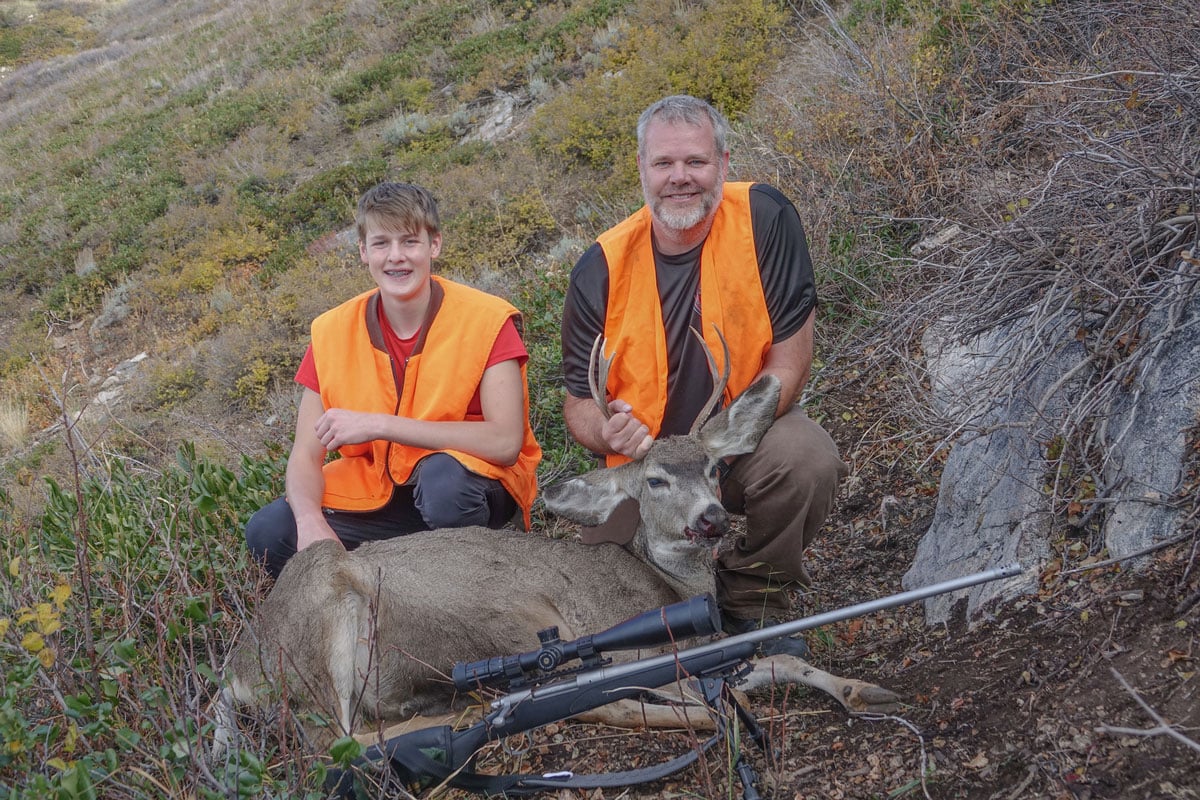
Make sure you have plenty of ammunition. Most rifles prefer one type over another, so ensure you have enough of what your gun likes. And don’t take for granted that what has always worked always will: ammunition lots might vary, so test the ammo you intend to use to make sure it still performs.
Related: Hunting Calibers – Does Size Really Matter?
Clean and Foul
Many guns shoot differently before and after cleaning. The point of impact might shift just enough to miss when it matters. I usually clean my rifles right before I do a final test; that way I can refoul the bore with my practice shots. Ensuring your firearm action is properly lubricated and clean will also help ensure proper function when the time comes.
Also, be mindful of weather. I’ve had close calls where extreme cold nearly cost me an elk. Gun oil can go quite thick in extreme cold, and in my case the -12 degrees F made the oil around my firing pin get thick enough to prevent ignition. If you anticipate extreme cold, you may want to wipe the oil out and use a dry lube.
Practice
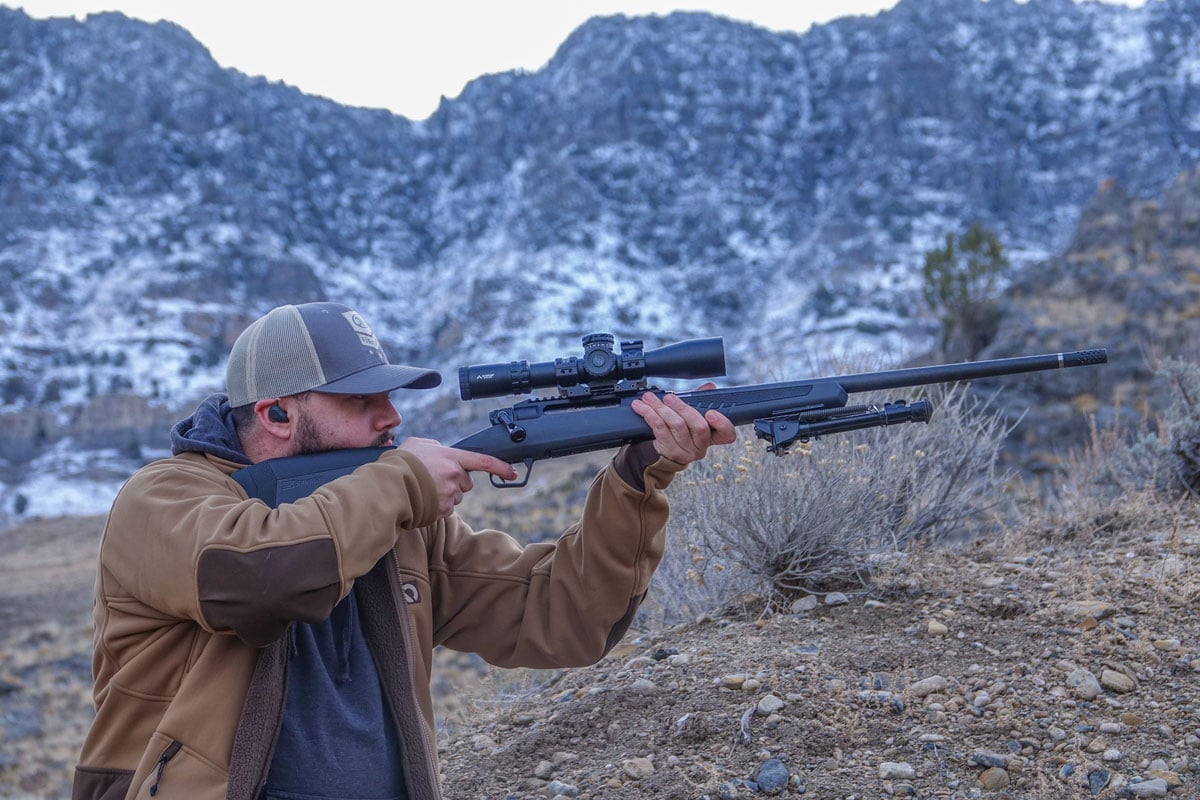
I’ve said it several times already: practice is as important as anything else. If possible, practice shooting your gun in comparable conditions and distances to your intended hunt. Use the ammunition you intend to shoot on your hunt. This will improve your skill and familiarity with your setup, as well as allow you to find any potential issues before the hunt starts.

If you are traveling a great distance to hunt, it’s probably a good idea to test your rifle(s) when you get there. If you’ve gone from Missouri to Montana, you will find your point of impact can change, as will your downrange performance.
Backups
Two is one, and one is none. That might not be a big deal if you hunt the bean field behind your house. But if you travel for hours or days to your hunt, it’s a good idea to make sure you have backups: an extra rifle that has been equally prepped and cleaned, and its own ammo supply.
Before crunch time, make sure you go through all the eventualities. Now is the time to rethink your plan. If you’ve been wanting to mount that new scope or try that new load, do it while you have time to correct. Too many folks mix things up right before a hunt, and that might cost you an animal. Just like you don’t change the oil in your truck the night before a 1,500-mile road trip, don’t mess with your rifle right before its hunting debut.
Final thoughts

A great way to prevent having to do all this maintenance is to simply practice more often. If you use your hunting rifle frequently, there won’t be much need to test it, and you’ll likely be a crack shot with it, too. Either way, these tips will help you be ready when the sun comes up on opening morning. Good luck out there and share your hunting stories with us.