Trades & Tradition
Have you tried to hire a plumber or electrician lately? Chances are, it hasn’t been as easy as you’d like. If you’re lucky enough to find one to take your call, they are booked out for weeks or months.
The truth is that the number of skilled tradesmen – including gunsmiths – has been declining for years. The older ones are retiring without anyone to leave their business to, and there aren’t enough new ones to fill their spots. Master gunsmiths, found at the local gun store or in their garage, are a dying breed. Sadly, much of this knowledge is disappearing without being passed down to the next generation.

The work of a gunsmith varies widely. Some are happily busy only cleaning and repairing firearms. Others do customization work like stippling and Cerakote, and then there are those who design firearms and parts.
Samuel Colt, John Moses Browning, John Garand, and Mikhail Kalashnikov are names any gun enthusiast would recognize. Historically, there was a single person behind the design and fit of a particular firearm. These days, big-name gunsmiths aren’t as common.
Do We Still Need Gunsmiths?
Firearms are much more accessible than they were 50 years ago, which is a good thing. Modularity has changed the industry, making it easier for the end user to perform simple tasks. That begs the question: do we still need gunsmiths in 2025? Well, yes.

My husband is an engineer who enjoys building and fixing things, and he does most of our gun-related tasks. Even so, he admits that some tasks are outside of his scope of knowledge and should be handled by an experienced gunsmith.
The reality is that not all gun owners are handy, and even if they are, they don’t have the knowledge and experience of a gunsmith. It’s one thing to screw up fixing a harmless kitchen appliance, but the stakes become higher when dealing with a potentially deadly tool.
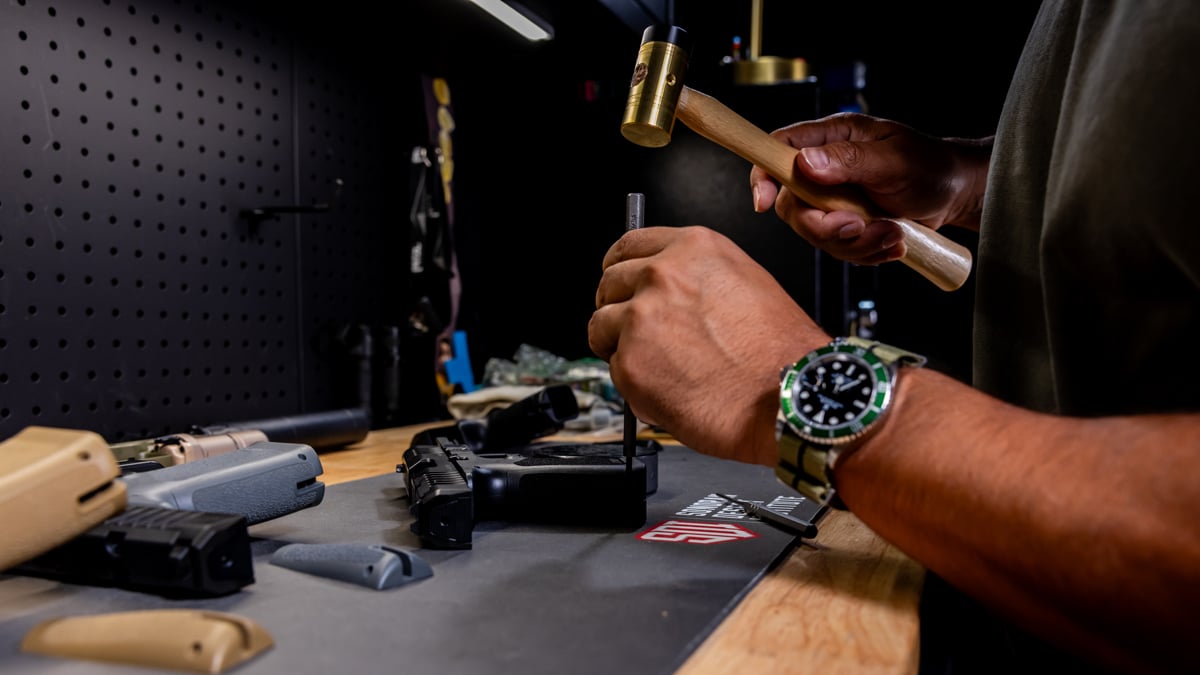
Many gun owners lack the desire to work on their guns as well, so they outsource even basic tasks like cleaning. It’s no different than, say, cutting your lawn or cleaning your home. Sure, most people can handle it, but if they have the money and it isn’t worth their time, they hire help.
Demand For Gunsmiths
For the past six years, gun sales in the United States have numbered more than 1 million per month. Although the exact figure is not known, it’s estimated that civilians in the U.S. own roughly 500 million guns. That’s a lot of guns that need cleaning, routine maintenance, customization, modification, and repair.
More guns of all types are produced every year. Technology is changing, and it seems like every month there is something new and different. The more guns in circulation, the greater the need for gunsmiths. It’s estimated that there are roughly 4,500 or fewer gunsmiths actively working today, which if true, means there is a lot of work up for grabs for those entering the trade.
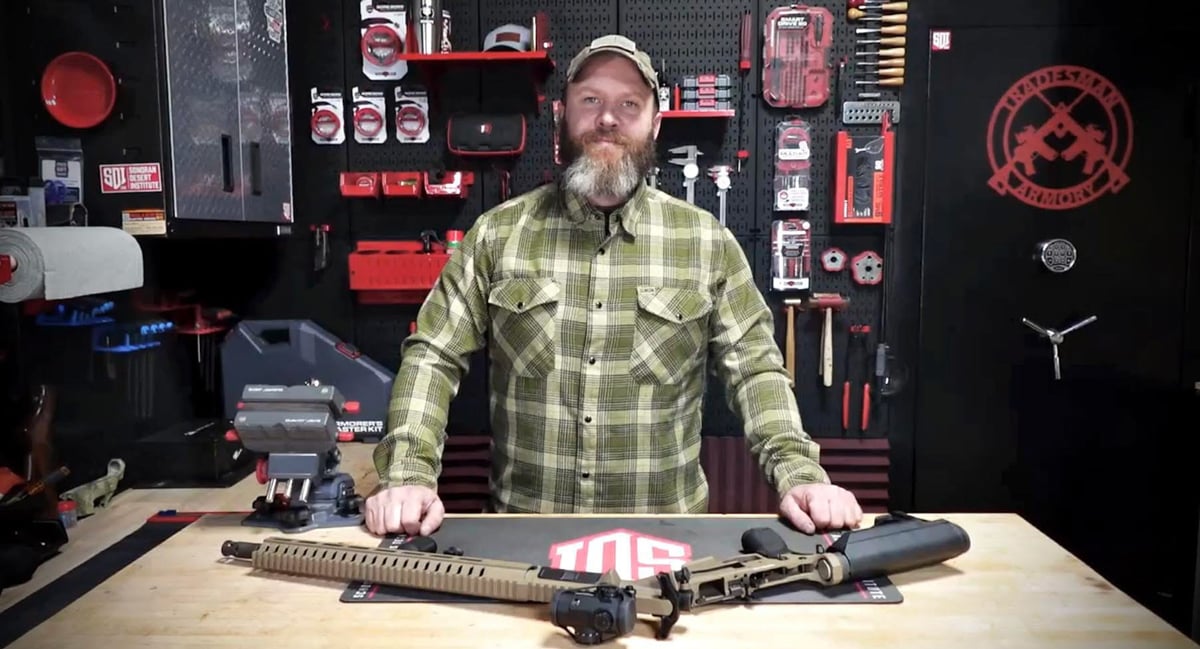
I recently spoke with Talon Jayne of Tradesman Firearms about his journey to becoming a gunsmith. He graduated from Sonoran Desert Institute last year and has been running his gunsmith business part-time since. Talon said he turns down “way more” work than he accepts, mostly due to time constraints as he still holds a full-time job.
He’s also declined jobs that are beyond his current knowledge. Because of that, he continues to take classes with more experienced gunsmiths to build his skills and eventually build his business into a full-time gig.
Sonoran Desert Institute
The Sonoran Desert Institute, founded in 2000, is a DEAC-accredited online institution. It offers firearms industry-focused programs, including a 60-credit-hour associate's degree in firearms technology.
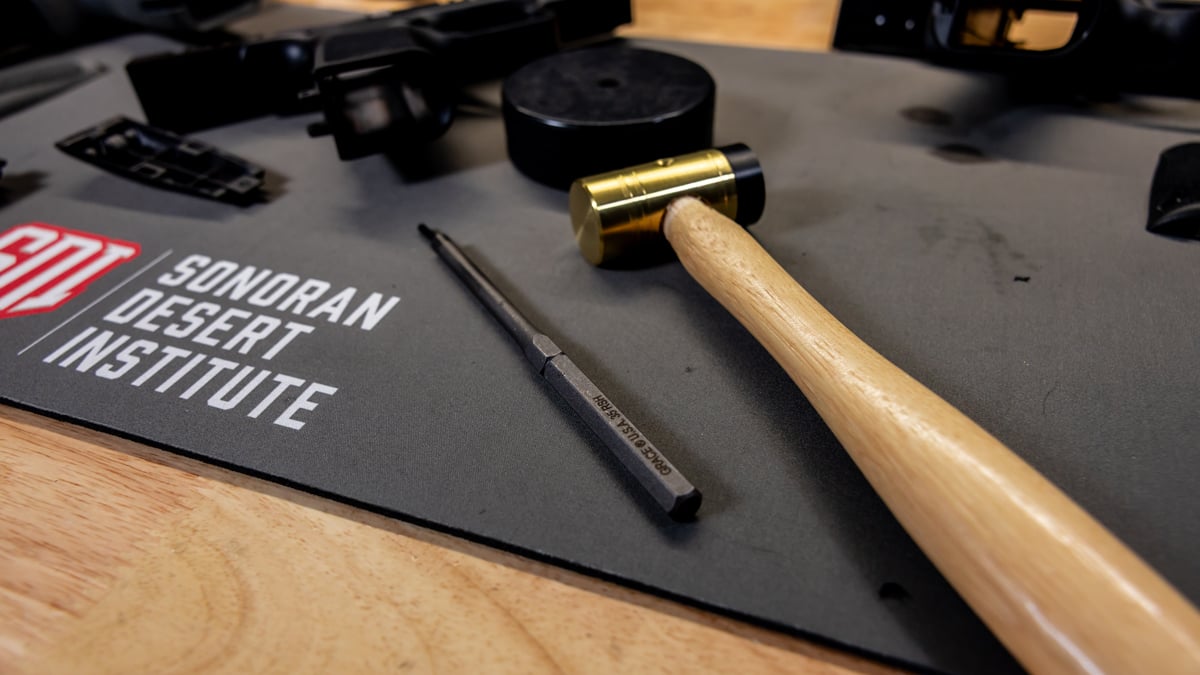
SDI is unique in that its staff continually evaluates and evolves its programs. They are in close contact with the industry and constantly trying to gauge what students need to be successful. Their programs preserve the art of gunsmithing while keeping up with technology.
SDI provides a great first step for anyone interested in gunsmithing. Whether you want to work at a gun shop, further your career in the industry, or start your own business, their programs provide an excellent jumping-off point.
Conclusion

So, yes, at the end of the day, we still need gunsmiths in 2025. Perhaps more than ever, due to the increase in firearms sales and ownership. All data points to there being an abundance of work, and if you’re looking to get into the trade, SDI is an excellent place to start.