A blue specter over the broad waves of the Pacific Ocean, the heavily armed Consolidated Privateer lived up to its name in World War II.
The Navy began the war in 1941 with its primary long-range patrol bomber being the PBY Catalina flying boat, which provided yeoman service throughout the conflict, but the service also immediately found the need for a large land-based patrol bomber. A variant of the Consolidated B-24 Liberator, dubbed the PB4Y-1 Liberator in Navy service, was soon flying, with over 900 produced.
Nonetheless, the Navy still wanted something more navalized than the Liberator, and in 1943, Consolidated cooked up a new plane based on the Liberator but optimized for low-altitude patrol missions. This led to the PB4Y-2 Privateer, which was approximately 7 feet longer, had more powerful engines that added another 600 horsepower to the aircraft's powerplant, and featured a large (30-foot-high) single tail rather than the B-24's 17-foot-high twin-tailed format.
Oh yeah, and it had much better guns.
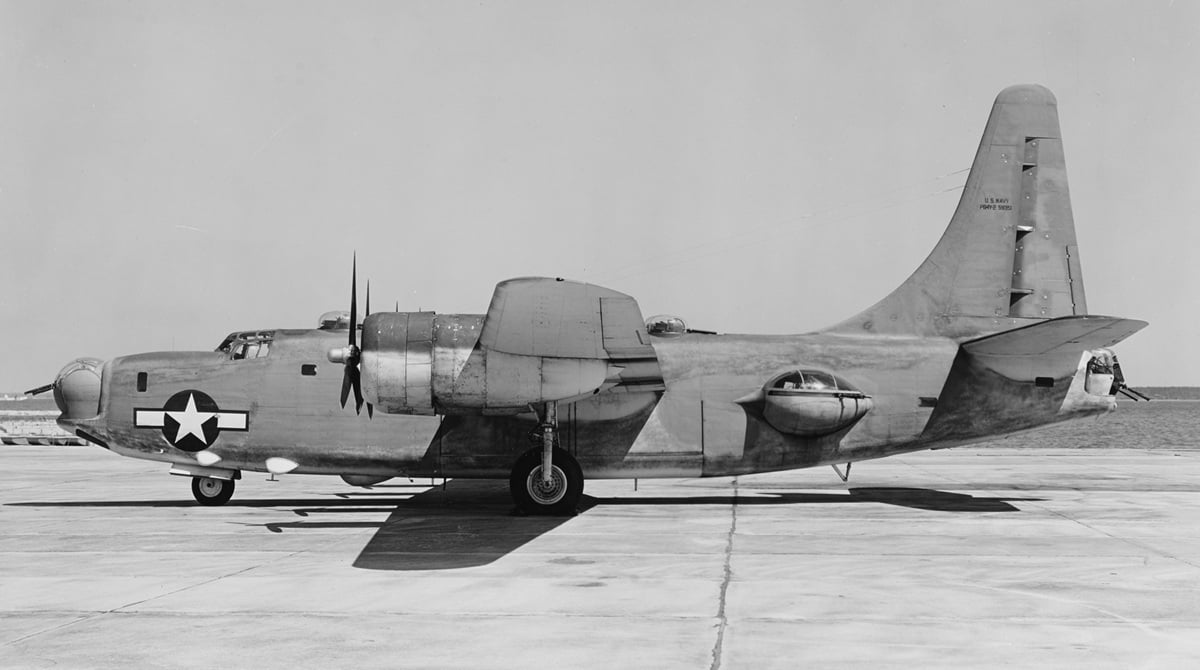
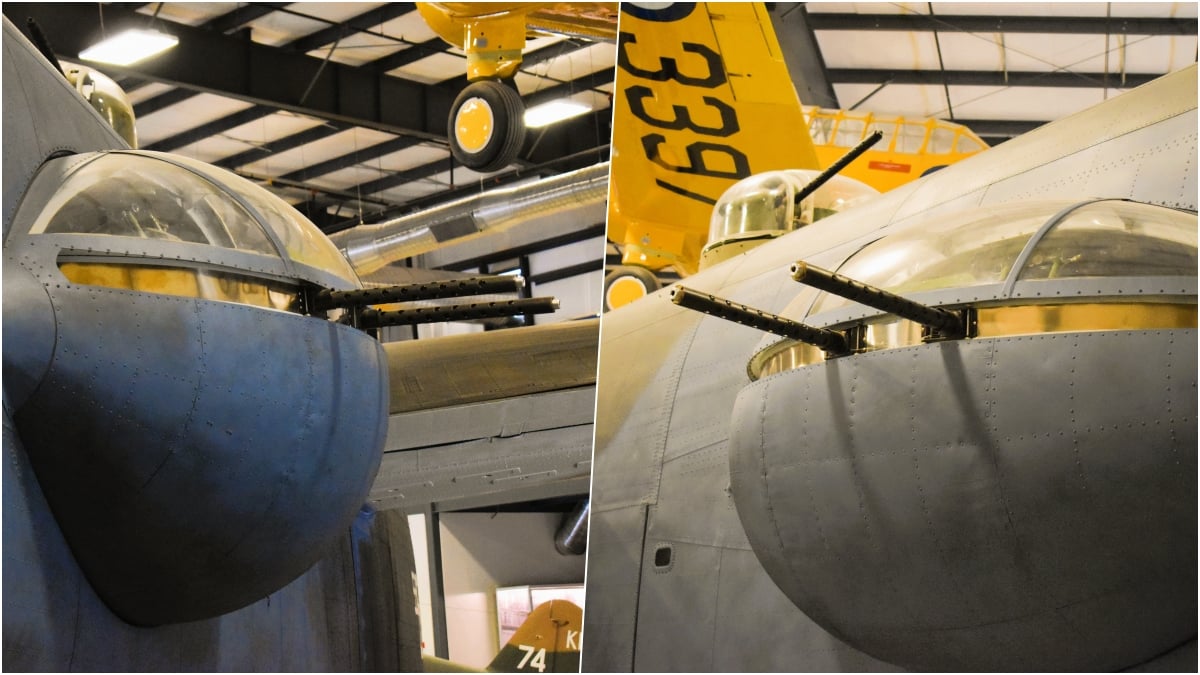
While primarily built to haul around up to 8,000 pounds of bombs and drop them on things of interest, the PB4Y-2 was a beast, clad in 3,343 pounds of armor plate over vital areas, augmented by bullet (resistant) glass. It also carried a full dozen Browning AN/M2 .50-caliber heavy machine guns, more guns than the 10 on the B-24 Liberator and the B-29 Superfortress, and almost as many as the famed B-17G Flying Fortress (13).
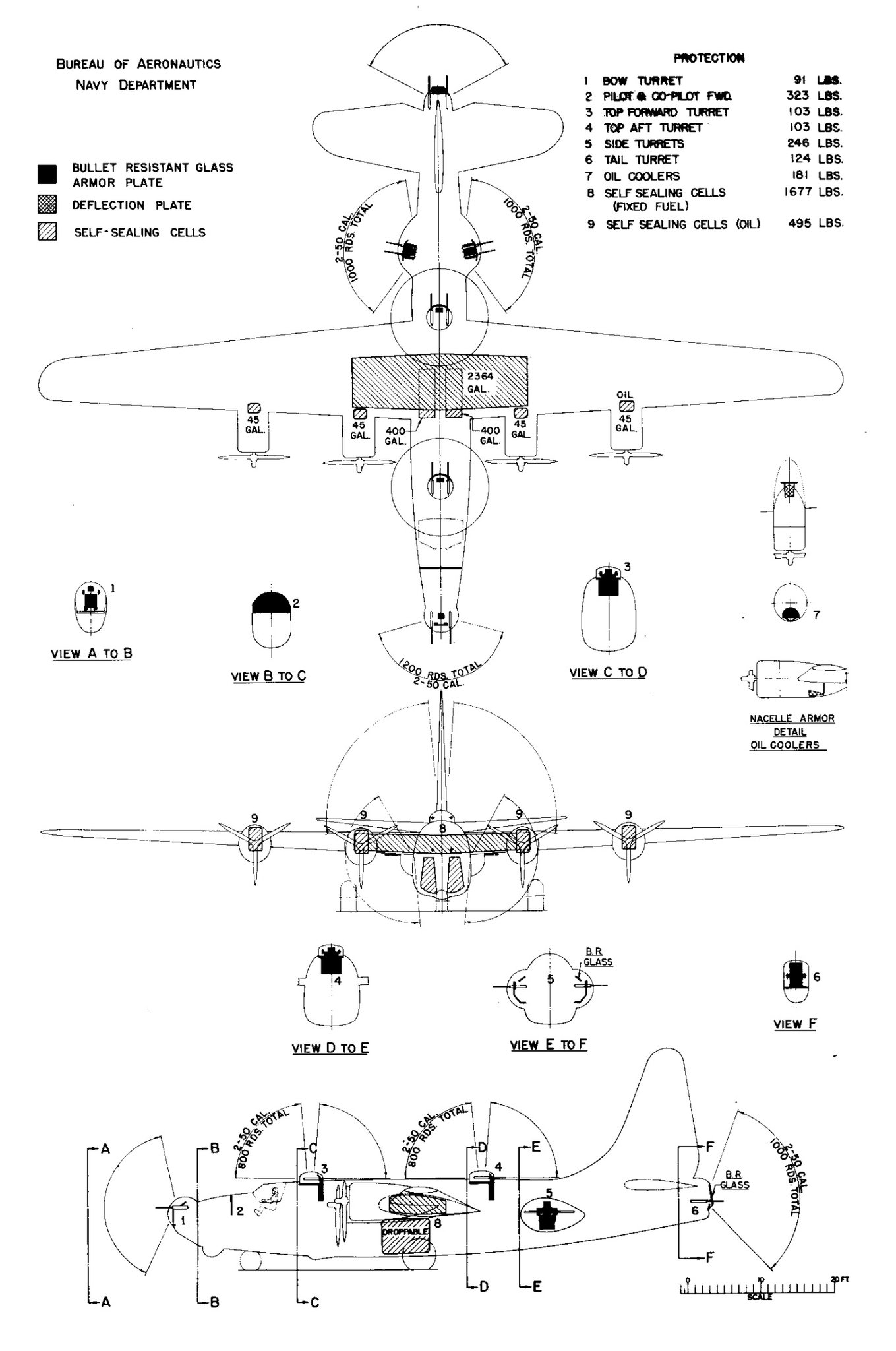
The standard loadout for the guns was 4,800 rounds of ammo in a mix of tracer, ball, and armor-piercing, although more rounds could be carried. The 11-man crew included six dedicated gunners, with the other five members (pilot, co-pilot, navigator, bombardier, and radio operator) operating the plane.
For sighting, the Privateer had Mk. 9 illuminated sights in the nose, tail, and waist, while the gunners in the top deck turrets used a special Mk. 18 sight.
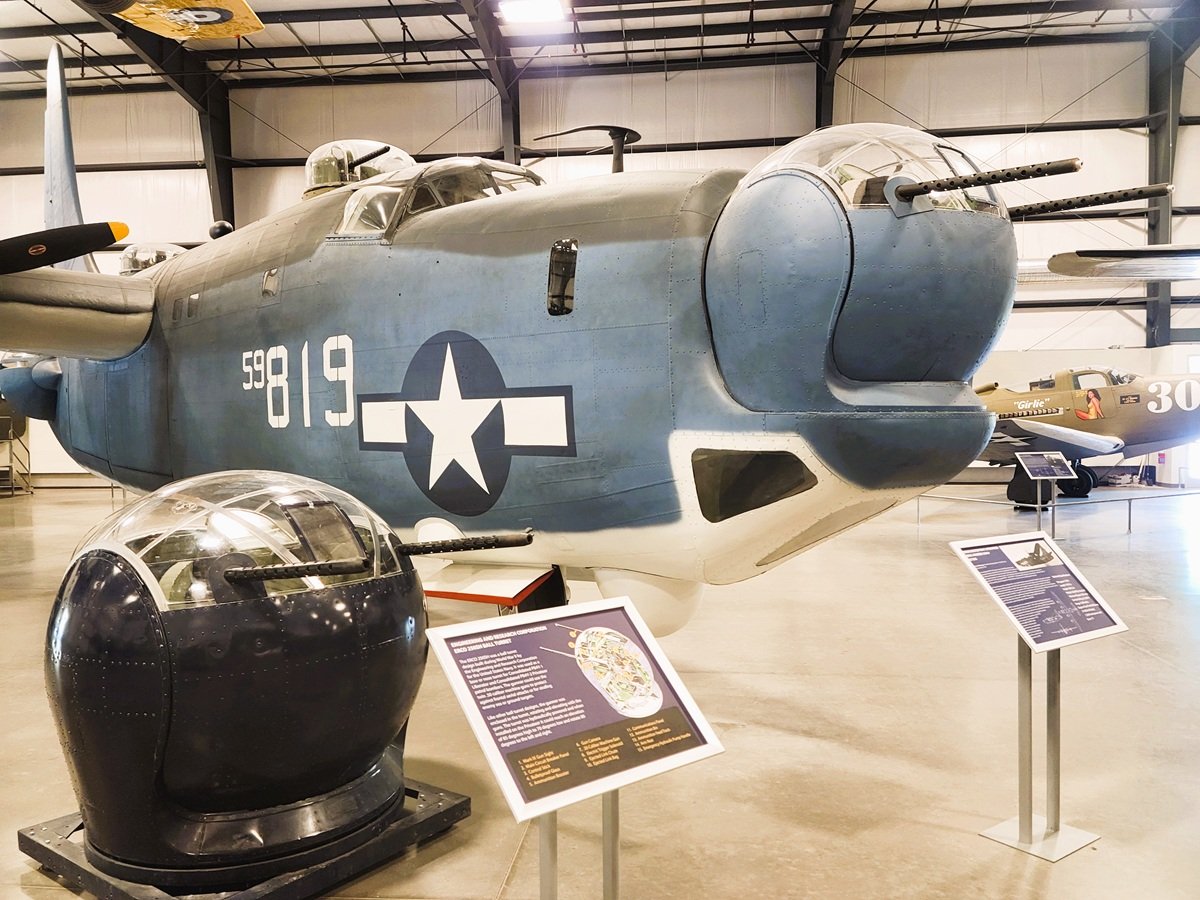
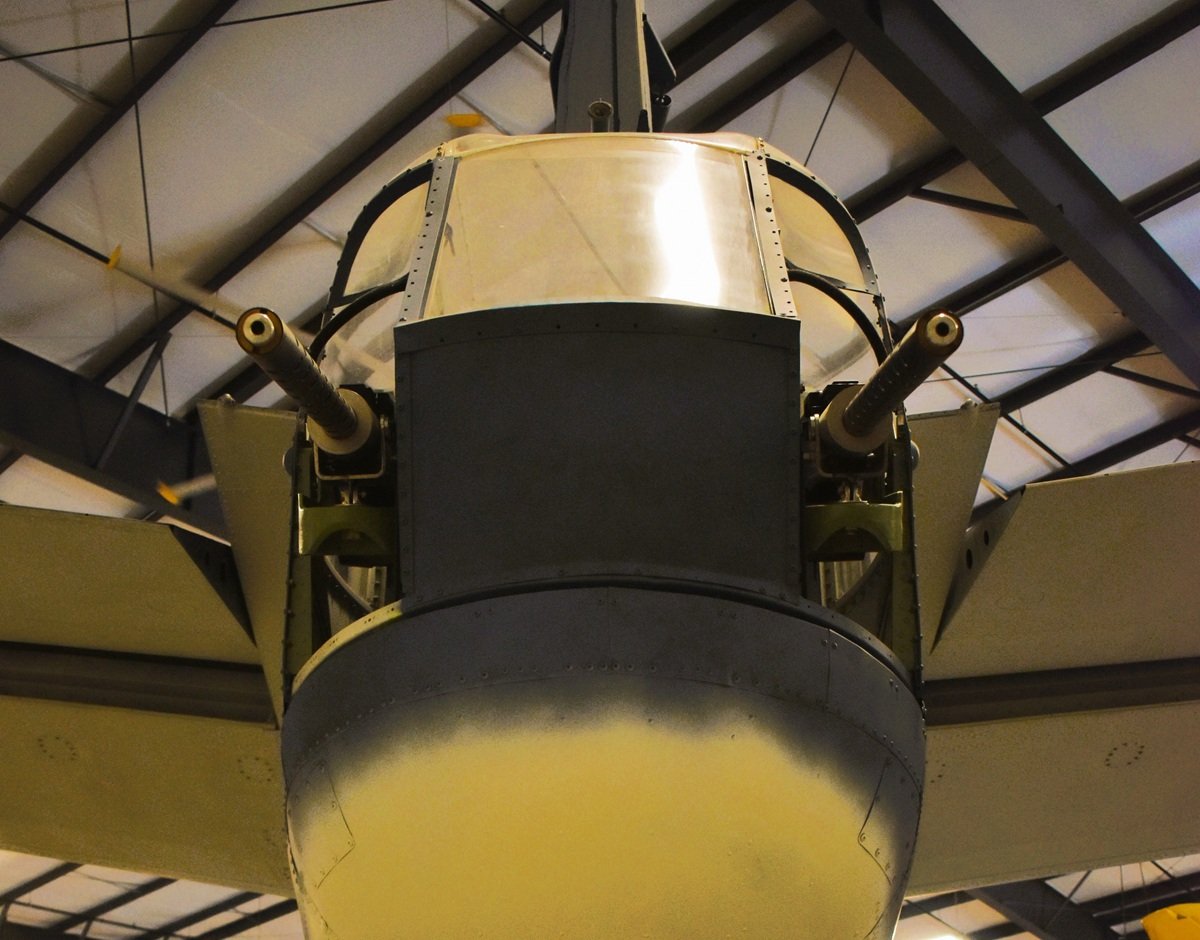
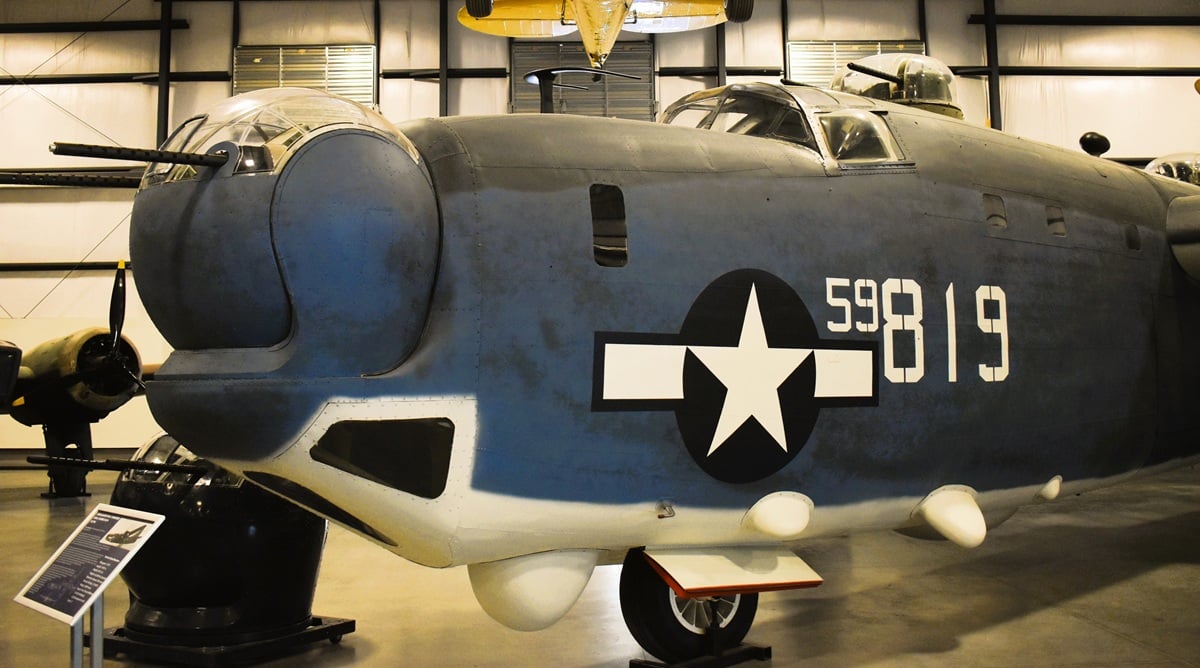
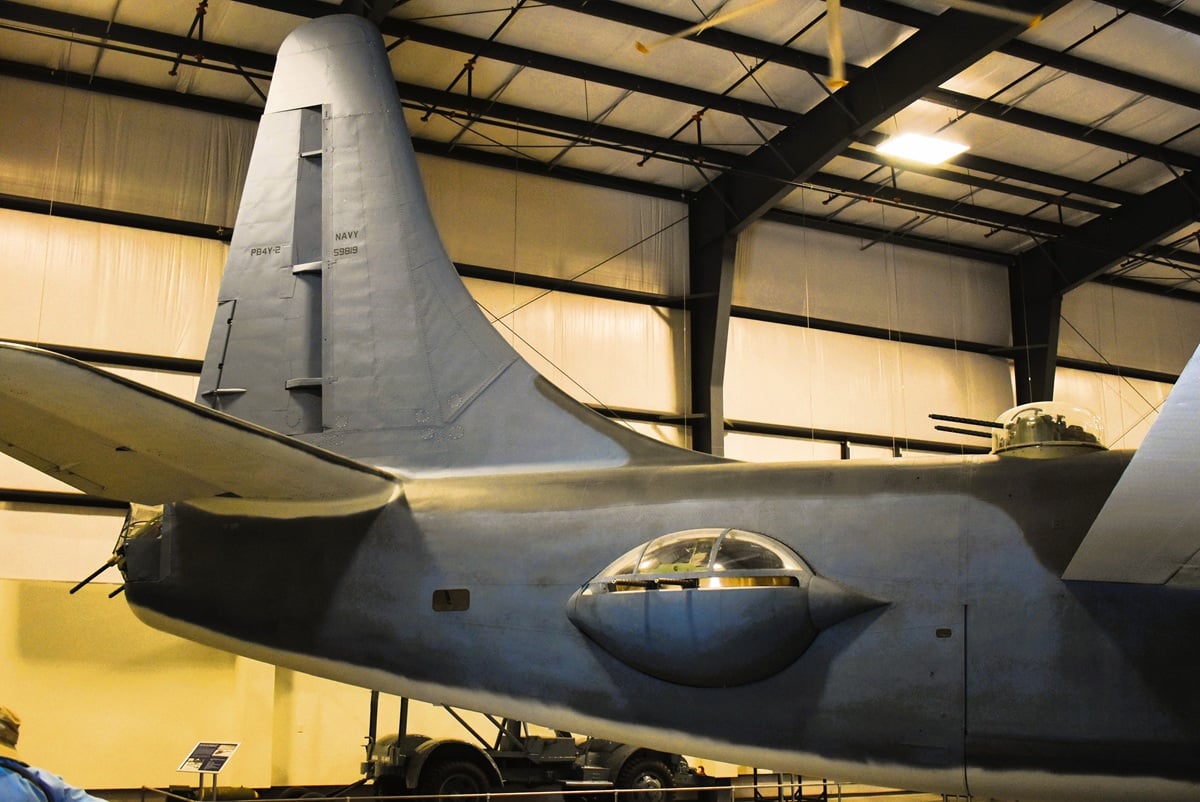
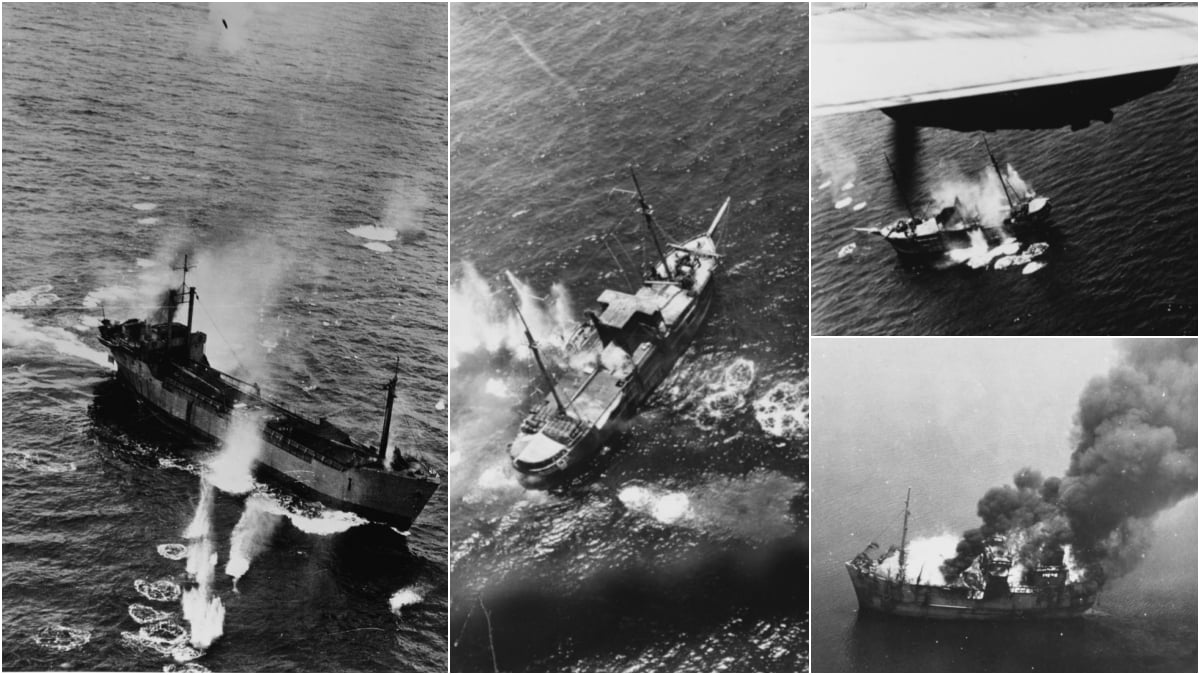
This armament made the Privateer deadly when it came to anti-shipping roles, with many squadrons racking up long scorecards of tonnage sent to the bottom. Besides its bombs, the aircraft's guns came in extremely handy in such strafing runs.
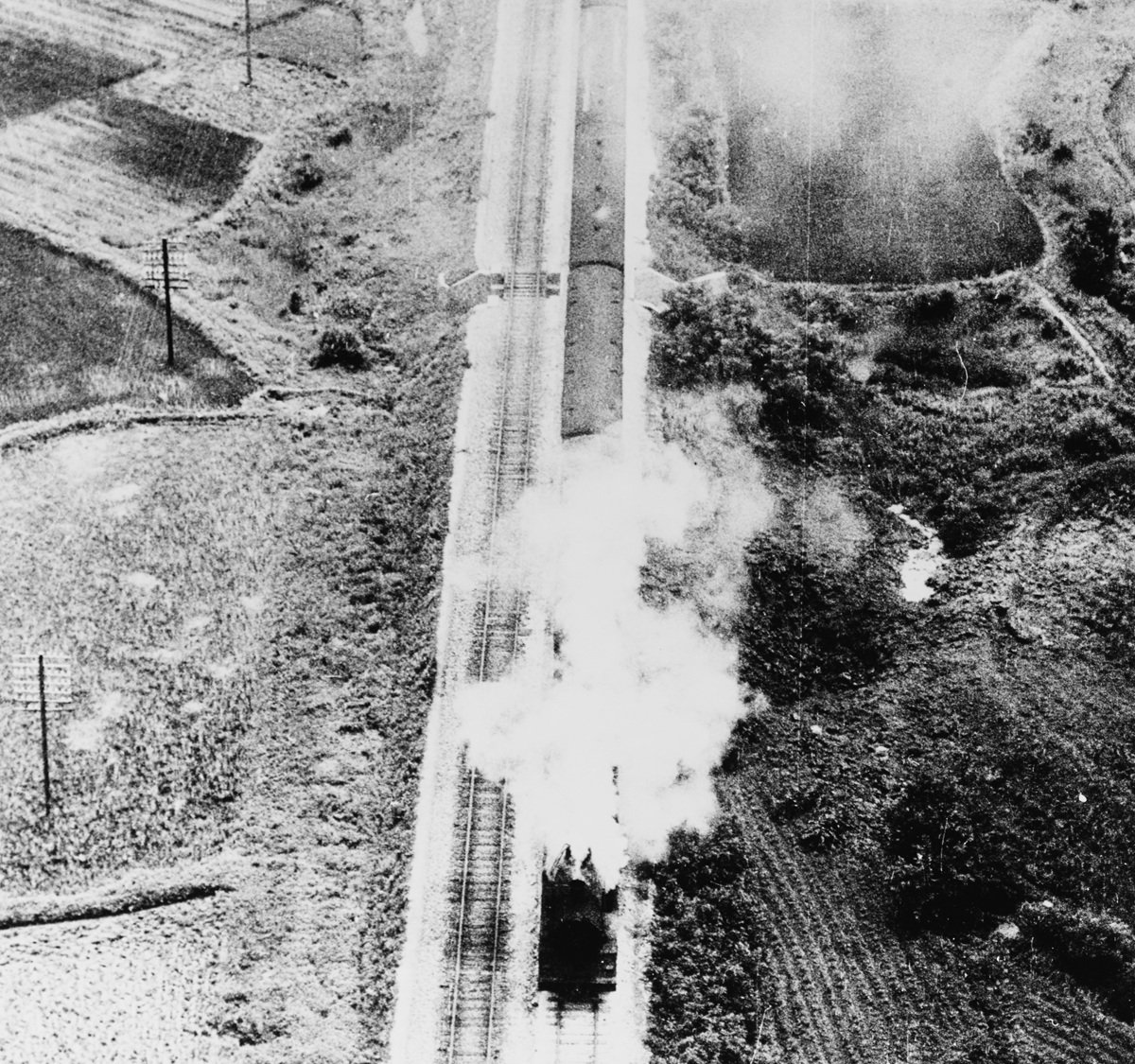
Speaking of strafing runs, the Privateer also attacked targets on land as needed, such as this image of one stitching up a Japanese train in Korea.
The gun armament also turned the Privateer, often flying lonely 2,000-mile missions over empty ocean, into the worst thing that a Japanese patrol plane could encounter.
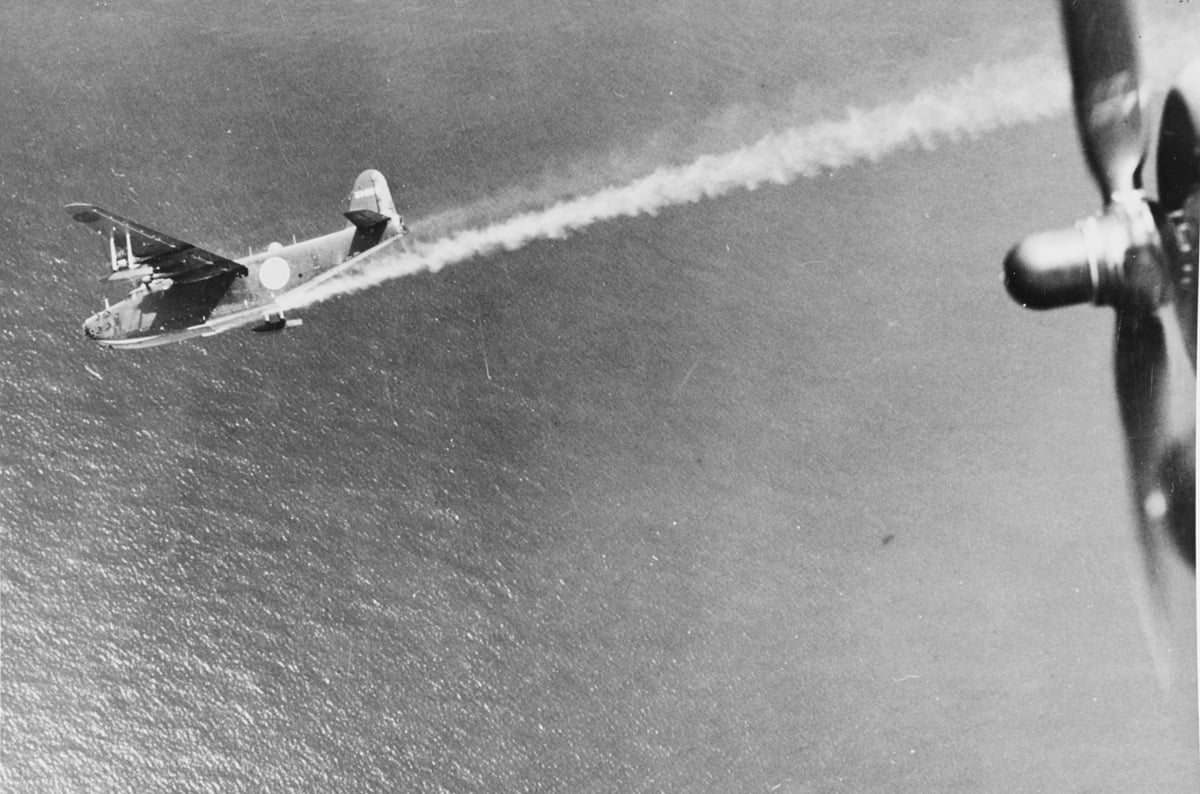
The Navy kept extremely detailed records of each air-to-air shootdown of enemy aircraft by its patrol planes. This included seven by PB2Y Coronados, 17 by PBM Mariners, 18 by PBY Catalinas, 21 by PV Ventura/Harpoons, and a seriously impressive 323 by PB4Ys.
Two PB4Y squadrons, VPB-117 and VPB-104, splashed more than 50 planes each, while three others broke 20. Impressively, 39 of VPB-104's shootdowns were logged in just a six-month period when flying out of Guadalcanal and Munda field, New Guinea, in late 1943/early 1944.
Eight PB4Y crews in the Pacific were "aces" in a sense, as they shot down more than five aircraft each. One gunner, ARM2 Paul A. Ganshir, a top turret man with VD-3, downed five by himself. A bow turret gunner with VPB-117, S1c Richard H. Thomas, had five Japanese planes to his credit.
Tellingly, while the B-24 and B-17 never made it to fight over Korea in the 1950s, the Navy sent seven Privateer squadrons to that war, with the big patrol bombers shrugging off attacks from Chinese MiG-15s on at least two different occasions while on patrol off China.
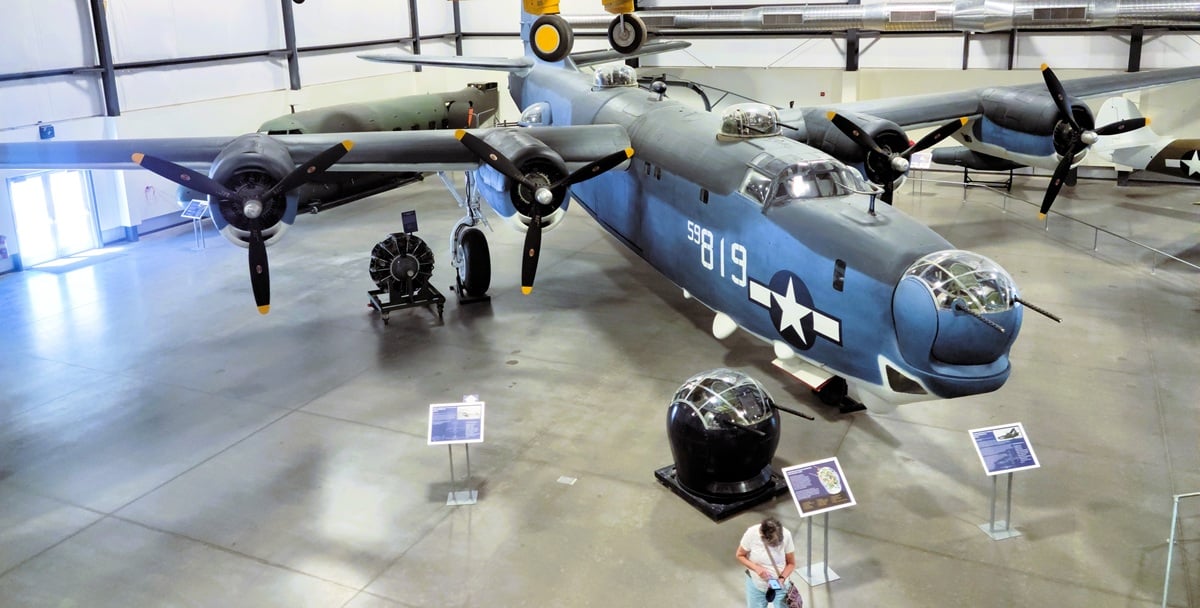
We thank the Pima Air & Space Museum outside Tucson, Arizona, home to the circa-1945 PB4Y-2 Privateer shown in the above video. If you are in the area, please consider visiting to see some of the aircraft on display and learn more about the aviators who flew them.
Video by Ben Philippi.