6.5 or .264?
I remember speaking to an old gunsmith who claimed to have trained under P.O. Ackley. He told me that Ackley believed the 6.5 was the ideal bore for accuracy. I believe both men were simply a product of their time, and I don’t believe there is an “ideal bore.” Instead, there are simply perfect proportions, bullet lengths, and angles as compared to the bore.
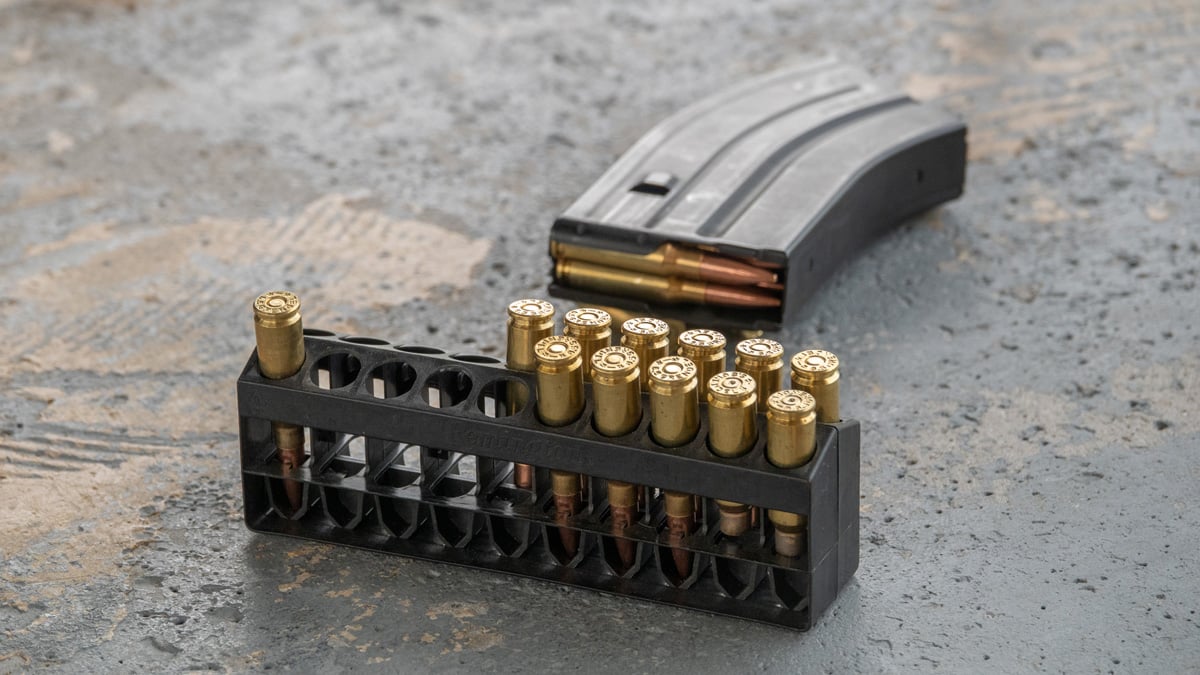
What one cannot deny is that 6.5mm bullets (or .264 inches for the Yanks) typically have excellent ballistic coefficients. High-BC bullets are usually easy to get up to excellent speeds due to their weights. Most 6.5 bullets fall within the range of 100 to 150 grains.
There is an incredible variety of cartridge cases designed to push these bullets, whether .264 or 6.5, and the choice is incredibly important for performance. A diminutive 6.5 Grendel can shoot the exact same bullet as the massively overbore 26 Nosler, but the performance will be quite different.
The Rise of 6.5 Cartridges
In the late 19th century, the 6.5 craze had already begun in Scandinavia with the 6.5x55 Swedish cartridge. It was used so widely that it spilled into other firearm markets. For over 100 years, the Swedes have been taking moose and reindeer with the 6.5. This might be downright shocking if you are one of those who uses a .300 WM to pile up a 110-pound bean field whitetail from a ground blind.

It took some time for the 6.5s to catch on across the American heartland. Ballistic tinkerers like the aforementioned Mr. Ackley made wildcats like the 6.5-06 popular. Others like the 6.5 Remington Magnum didn’t catch on as their designers had hoped. It was like trying to sell a bullpup to Americans who love AR-15s.
One of my favorite cartridges, for largely sentimental reasons, is the .264 Winchester Magnum. A product of the 1950s, it predates its 7mm twin – the 7mm Remington Magnum that gained far more attention.
Modern 6.5 Cartridges
Most of us are likely more familiar with modern 6.5 cartridges, but which one best suits your needs? Many people love to hate the 6.5 Creedmoor, but it’s impossible to deny its versatility. It’s literally a ballistic twin to the 6.5x55, and we’ve already discussed how useful that cartridge has been and still is today.

Over a decade ago, there was an outright brawl among the three most popular 6.5 cartridges in the precision shooting space. The three protagonists were the 6.5 Creedmoor, the equally new 6.5x47 Lapua, and another American classic, the .260 Remington. All three were hugely popular for short-action precision rifles, but the Creedmoor seemed to win the popularity contest. Each has its strong points, but there’s nothing wrong with any of them.
The hugely popular 6.5 PRC has gained an impressive following among big game hunters. While it often shoots the same bullets as the Creedmoor, it shoots them much faster. With a 400-500 fps advantage, the PRC is lightning on deer and elk.
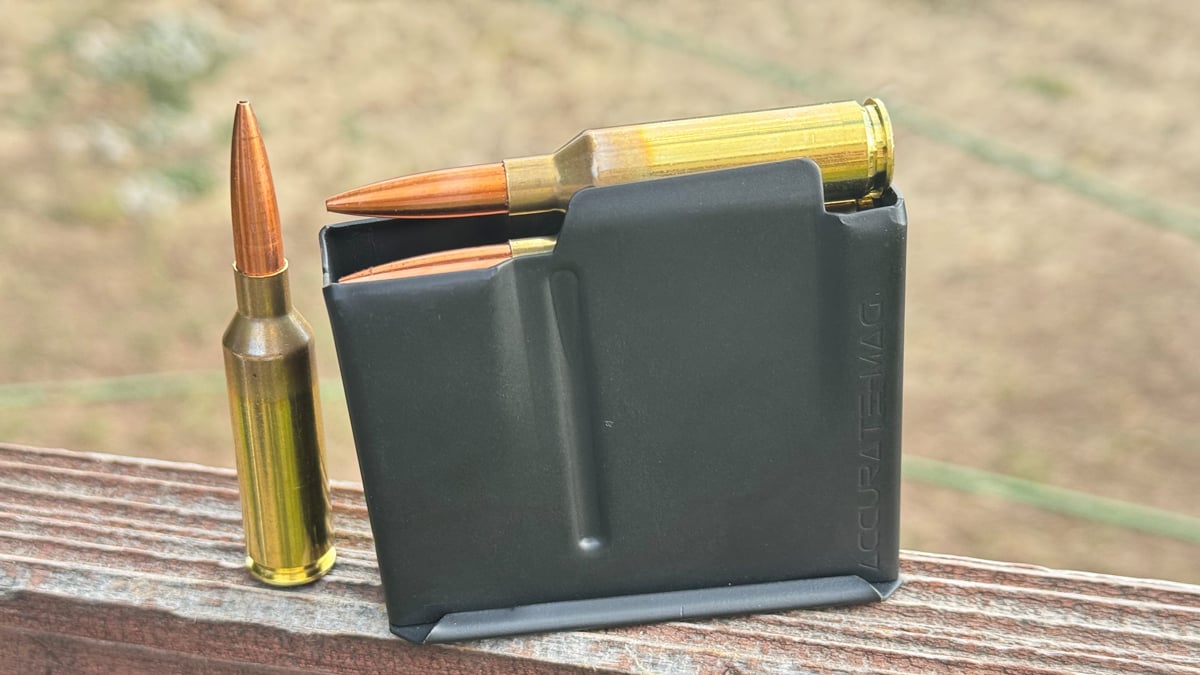
In long-action cartridges, Nosler more recently released the 26 Nosler cartridge. With a huge powder column, it is made to move fast. Of course, it comes with a Nosler-sized price tag as well.
Considerations
All these cartridges have positive attributes that you should consider. Whether you are a casual hunter, a serious competitor, or even a law enforcement sniper, there is something for you in this family of cartridges.
If you find yourself shooting deer or other comparable game within ranges of 200-300 yards, any of them will do. One of my kids will be hunting with a 6.5 Grendel this season, shooting 120-grain bullets. Another of my kids will be hunting with the same little .260 I built for him when he turned 12.

My brother and I both likely will be shooting 6.5 PRCs, which are definitely good for a bit more distance. We’ve both taken .260s and Creedmoors beyond the 1,000-yard line, but the PRC is a better tool for such a task.
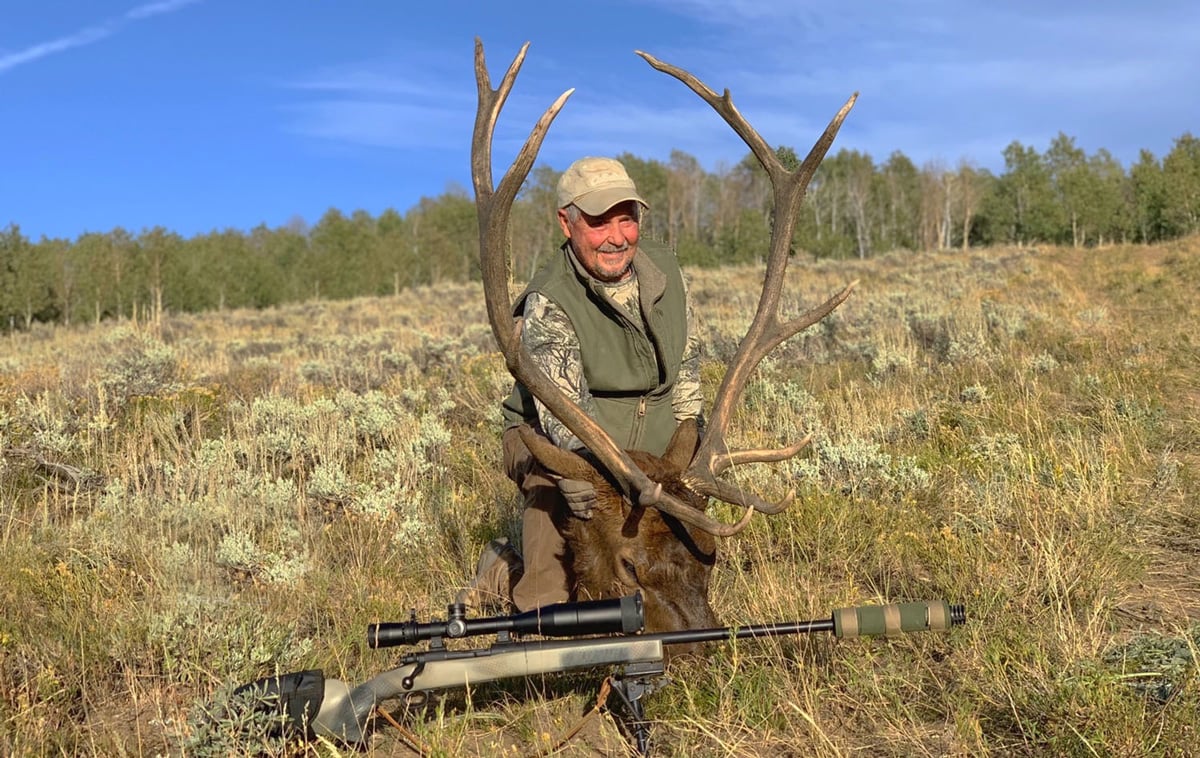
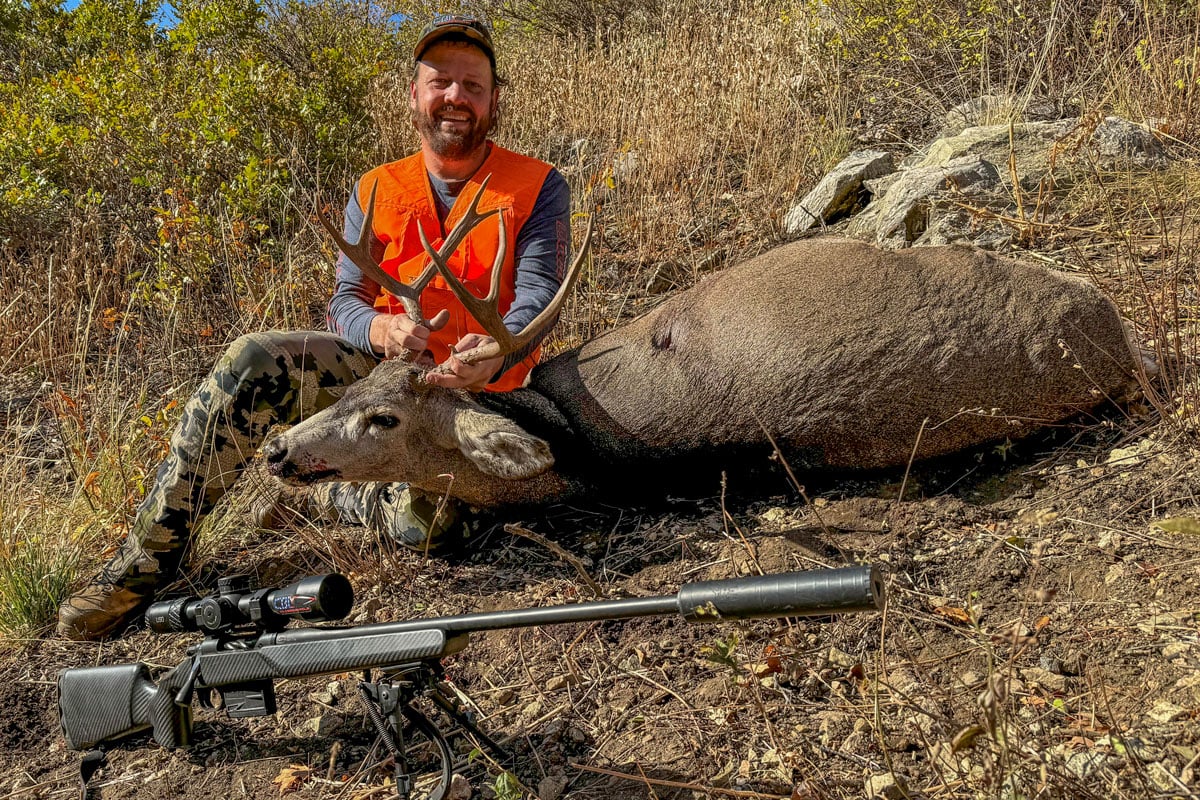
My father would be shooting his .264 Win Mag, which he’s used in the past to take mule deer, antelope, and mature bull elk. Sharing a ballistic profile with the 6.5 PRC, it too has a more useful range envelope.
Availability & Durability
Another thing to keep in mind is supply and durability. If you find yourself in a rural area far from the big retailers, you might have a hard time finding 26 Nosler or .264 WM ammunition. You are far more likely to find 6.5 Creedmoor, or perhaps 6.5 PRC, anywhere ammunition is sold. These are things to keep in mind, as well as cost. Some types of ammo cost over $100, which could curtail your practice and efficacy.
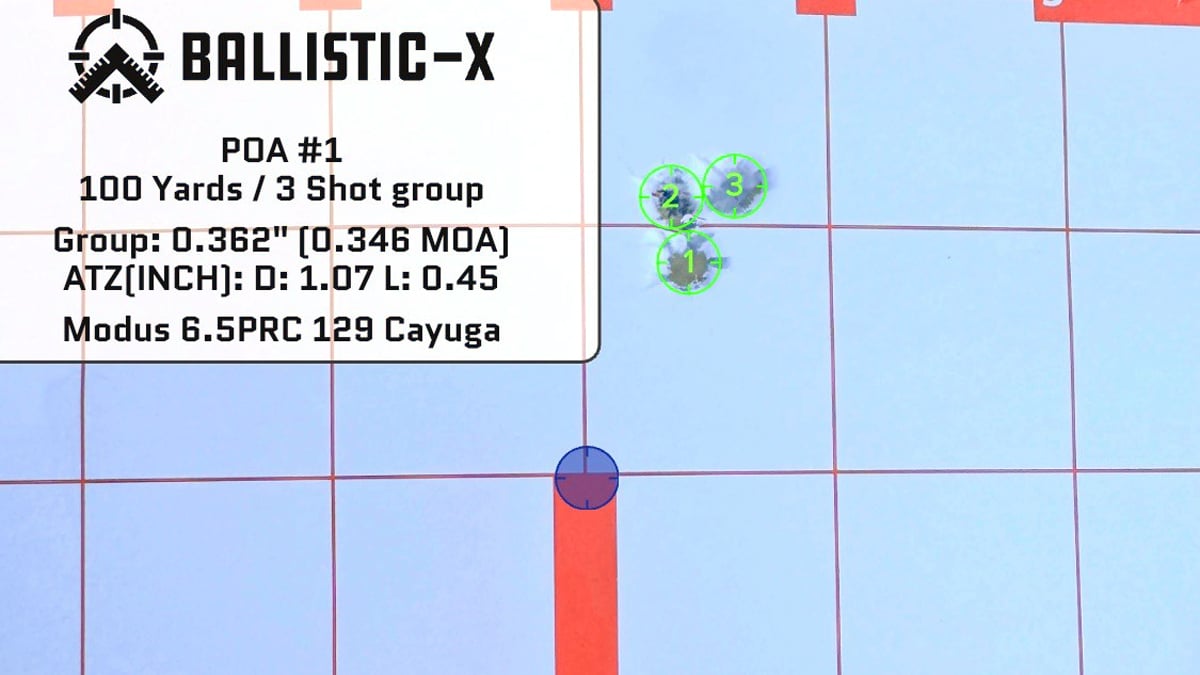
Large cartridge casings like the 26 Nosler have incredible velocity, but it comes with some cost. All that powder and speed will feed on the throat of your rifle, which could start losing accuracy in as little as 600-700 rounds. That might mean nothing to you if you are the type that buys new guns every year.
The smaller cartridges have much better barrel life expectancy, which is why the 6.5 Creedmoor and the 6.5x47 are so popular with competitors. At least, they were until the .25-caliber and 6mm craze took over, but that’s another story.
There’s a Twist…
With technological advances in bullet design, there are constantly better bullets. Many of the improvements involve elongating bullets either for higher BC or more weight. It’s important to understand the relationship between the bullets you shoot and the twist rate in your rifle.
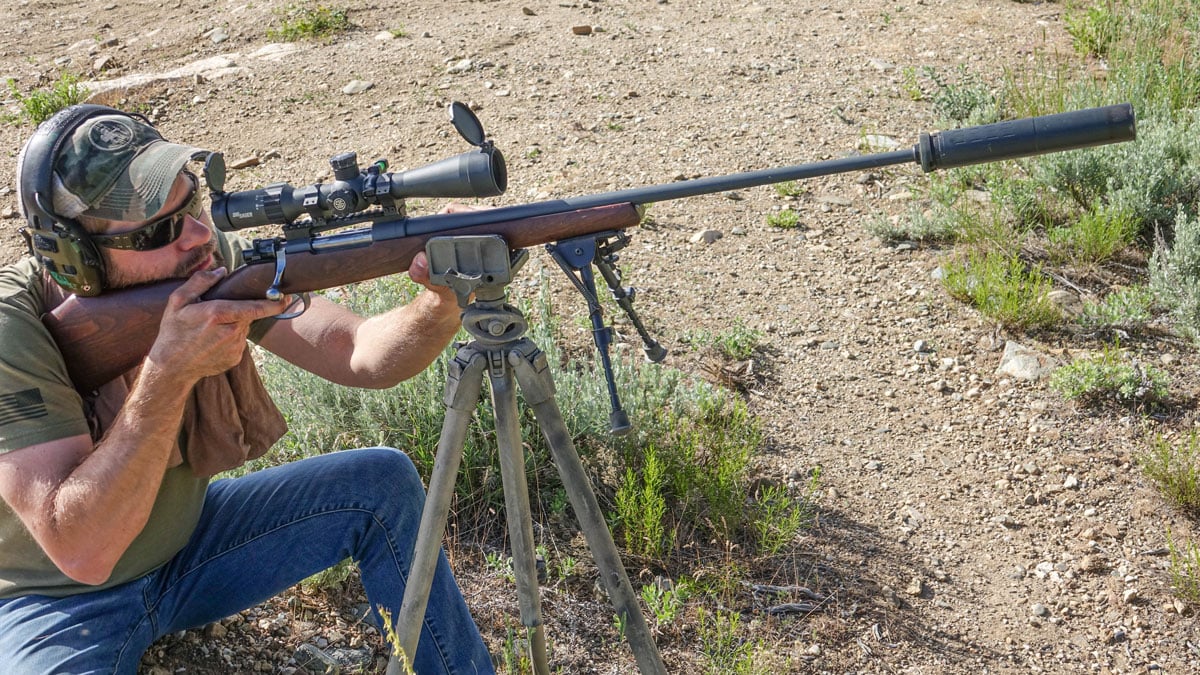
For example, the original barrel in my father’s .264 Win Mag was a 1:9 twist. That was fine at the time, but it would not stabilize many of our modern bullets like the 150 Sierra Match King, or the Berger 156-grain. Bullets like those require a fast twist like 1:7. For this reason, when I spec out my rifles, I typically favor an aggressively fast twist, anticipating the release of the next best bullet that requires it. Checkmate, Hornady…
Conclusion
The 6.5 family of cartridges has incredible dexterity. These rounds can be used for lightweight varmint hunting or target shooting, and they’re big enough to stand up to even larger big game animals when used properly. The 6.5s do this job while offering excellent ballistic performance and lower recoil than some comparable cartridges.
If that sounds like something you’d like to shoot, it’s worth your attention. They certainly don’t appear to be going anywhere, which is fine with me. But will the 6.5s ever dethrone America’s favorite .30-caliber bore? I think it’s possible, but I don’t see it happening anytime soon.