Creedmoor History
The first Creedmoor was developed in the early 2000s by a group of folks seeking to design a perfect cartridge. Their goal was a flat-shooting, low-recoil cartridge with high ballistic coefficient bullets that would feed well from a magazine.
They based the cartridge on the .30 Thompson Center, another cartridge looking for fame. The case was shouldered at 30 degrees and necked down to .264, and thus, the 6.5 Creedmoor was born.

Since then, the cartridge has been adopted widely by nearly every corner of the shooting market – much to the chagrin of Creedmoor haters, whose sophomoric insults are blind to the obvious performance of the cartridge.
The 6.5 Creedmoor has also spawned a family of descendants that have become well known titans in their own bore size. There is no free lunch, though, so the advantages of each come with their liabilities as well.
.22 Creedmoor

Barrel Life Estimate: 800-1,100 rounds
Bullet Weights: 50-80 grains
Max Effective Supersonic Range Estimate: Approximately 1,500 yards
Component Suppliers: Hornady, Alpha Munitions, Petersen, Lapua, Nosler
Let’s start at the bottom of the pile with the .22 Creedmoor. Necking is the process of narrowing the case mouth of a cartridge to hold a different caliber bullet, and the .22 Creedmoor is the result of necking the 6.5 down to .224 caliber. I understand there is some thinning of the neck during this process as well.
The result is a hot-rod overbore .22 centerfire cartridge, similar to the extremely popular .22-250. The .22 Creedmoor has done well in the hunting and target shooting arenas, mainly because it has large displacement and the power to push even the large .224-caliber bullets fast.
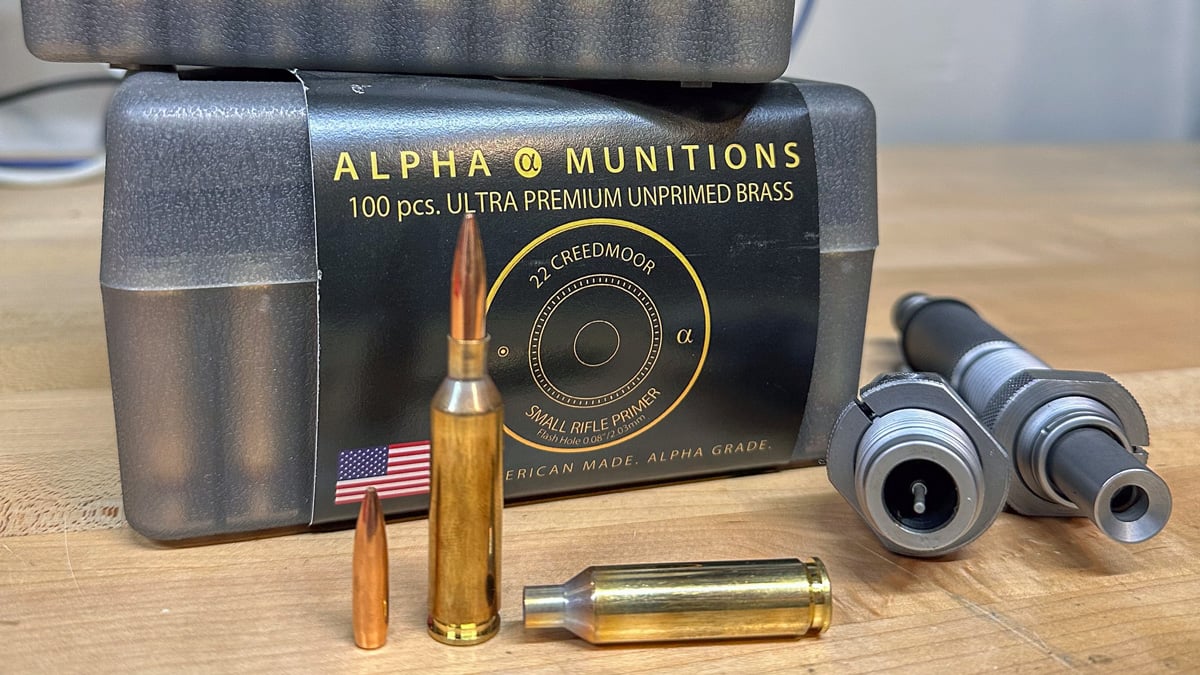
Typically made with a 1:8 twist, the .22 CM can push big 75 and 80-grain bullets well over 3,200 fps. This leaves cartridges like the .22-250 and .220 Swift in the dust, and makes the .22 CM an obvious choice for varmint hunting and long-range target shooting.
The .22 CM feeds easily from popular magazine systems and cycles well with all the popular actions. Handloading is easily done with support from companies like Hornady and Redding, and you can buy ammunition and components from Hornady, Alpha Munitions, and others.
The scorching performance of the .22 CM comes at a cost. The cartridge’s appetite for barrel throats makes it a choice for bold shooters.
6mm Creedmoor

Barrel Life Estimate: 1,500-2,200 rounds
Bullet Weights: 58-115 grains
Max Effective Supersonic Range Estimate: Approximately 1,700 yards
Component Suppliers: Hornady, Alpha Munitions, Petersen, Lapua, Nosler, Starline
The next step up in the necking process is the 6mm Creedmoor. Comparable to the venerable .243 Winchester, the 6 CM offers high-speed 6mm/.243 bullets for sport or hunting. The 6 CM uses a faster twist, typically a 1:7 to 1:8 twist, than the older .243 design.
This allows the 6 CM to shoot more modern bullets, many of which were basically designed for this cartridge. The longer, high-BC bullets of today won’t fly from the 1:10 or 1:9 twist rates of decades past, giving the 6 CM a leg up over cartridges like the .243 and 6mm Remington.
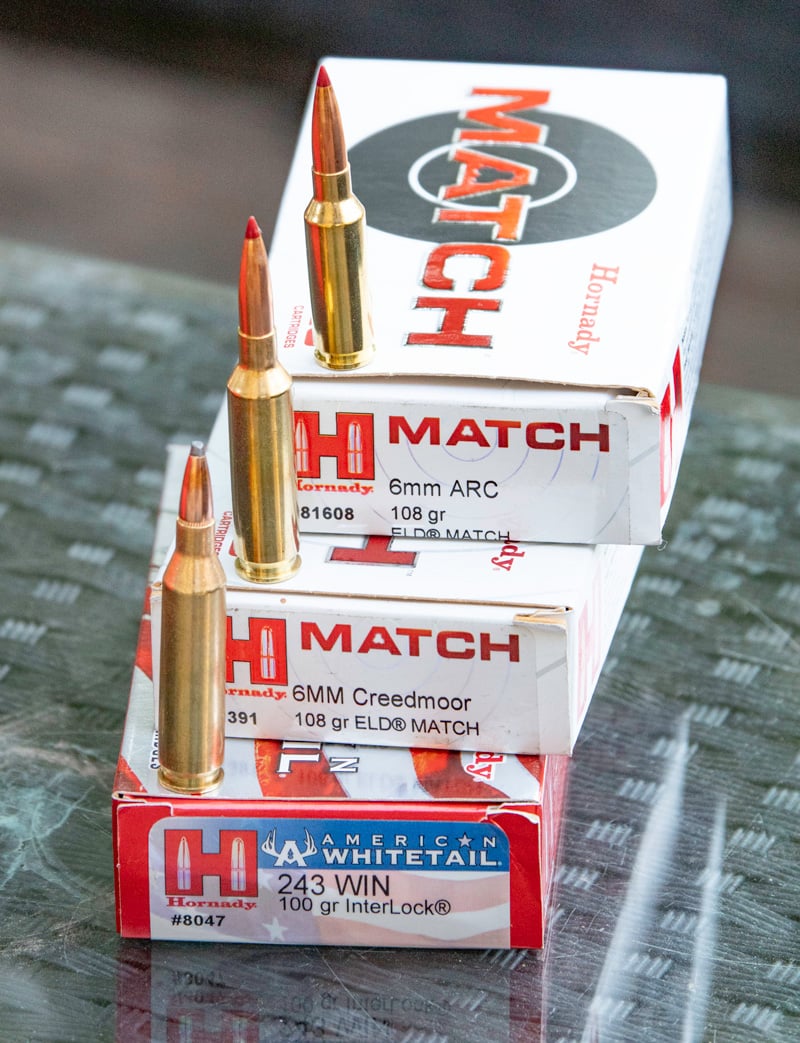
When shooting comparable bullets, the 6 CM offers the same performance as those older cartridges, and it’s optimal for use in the same types of hunting situations – arguably better due to efficiency. You can get similar velocities from the Creedmoor with less powder and bore erosion than the other cartridges mentioned. It would be an excellent choice for a light big game hunting cartridge or for competition, as it has been used extensively over the years.
Whether you wish to shoot 58-grain bullets at coyotes or 115-grain match bullets in a PRS match, the 6mm Creedmoor has a diverse hand of talents. While it has been pushed aside somewhat by smaller 6mm cartridges in the competition circuit, due to its lower barrel life and recoil, it still has quite a following of dedicated loaders and shooters, thanks to support from the companies I mentioned above.
.25 Creedmoor
Barrel Life Estimate: 2,000-3,000 rounds
Bullet Weights: 86-135 grains
Max Effective Supersonic Range Estimate: Approximately 1,900 yards
Component Suppliers: Hornady, Alpha Munitions, Petersen
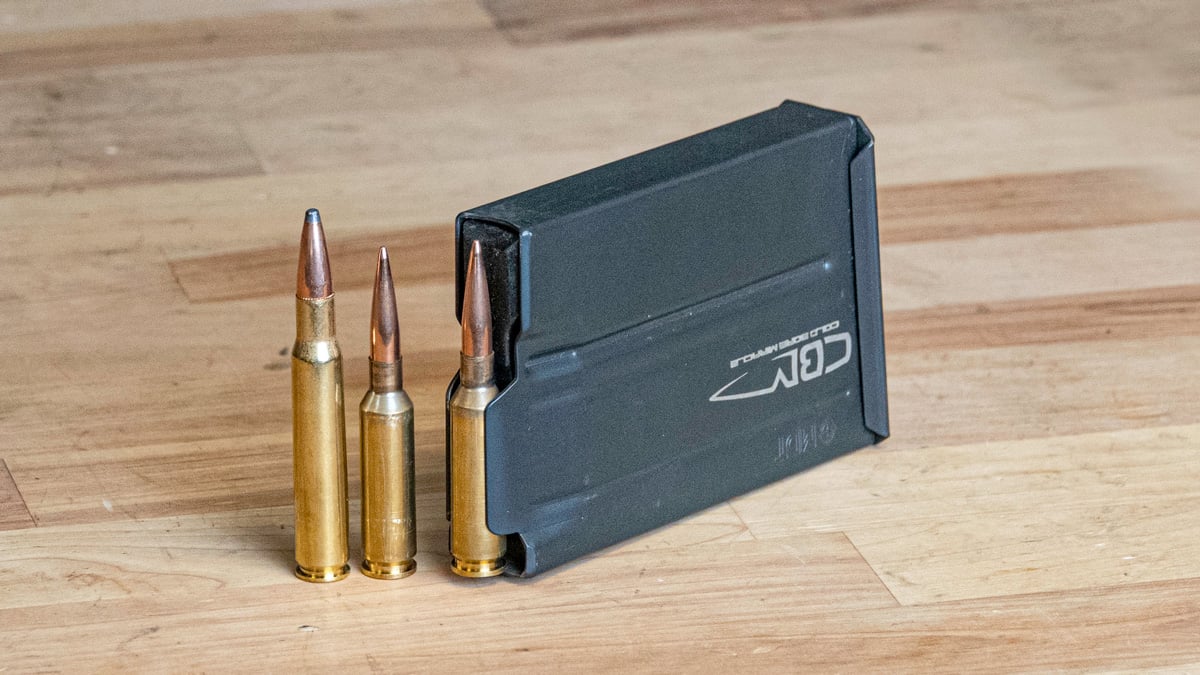
Coming out of nowhere, the .25 Creedmoor is one of my favorites, likely because I was part of its renaissance. The .25 CM came about because of new bullet designs that made the .25 caliber a better option than the original 6.5 CM. Bullets with higher BC and lower weight meant that the .25 CM could shoot faster than the 6.5 and enjoy flatter-still trajectories and more energy on target.
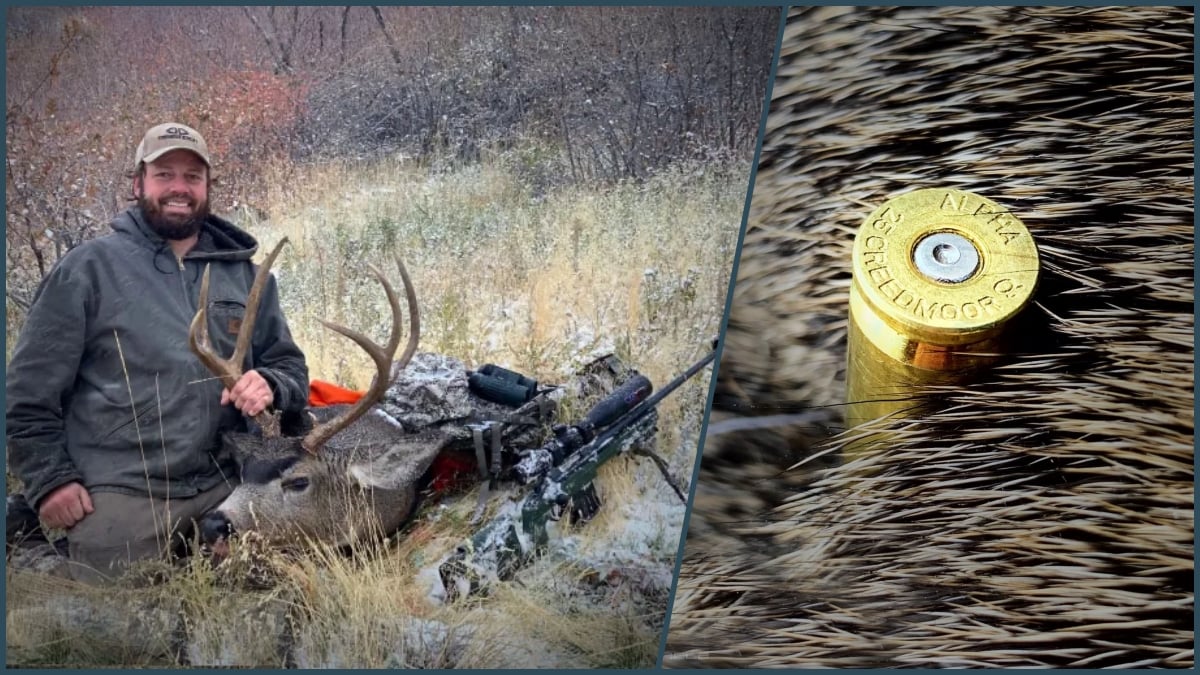
This made the .25 CM an outstanding choice for many shooters. Hunters and competition shooters alike have adopted the .25 CM, and once again, the aftermarket has stepped in to support it. Hornady only recently legitimized the .25 CM, but Alpha Munitions and Petersen Cartridge Company have been making brass for it for some time. This is one Creedmoor that has had more love from companies besides Hornady – at least ’til now. Excellent components are available from Sierra and Berger as well.
The .25 CM has become popular in competitions such as NRL Hunter matches due to its power and low recoil. It might be one of my favorite hunting cartridges as well, as its incredible consistency has helped me make many one-shot kills on deer and elk – some of which were so far out that it’s better to leave it unsaid.
6.5 Creedmoor
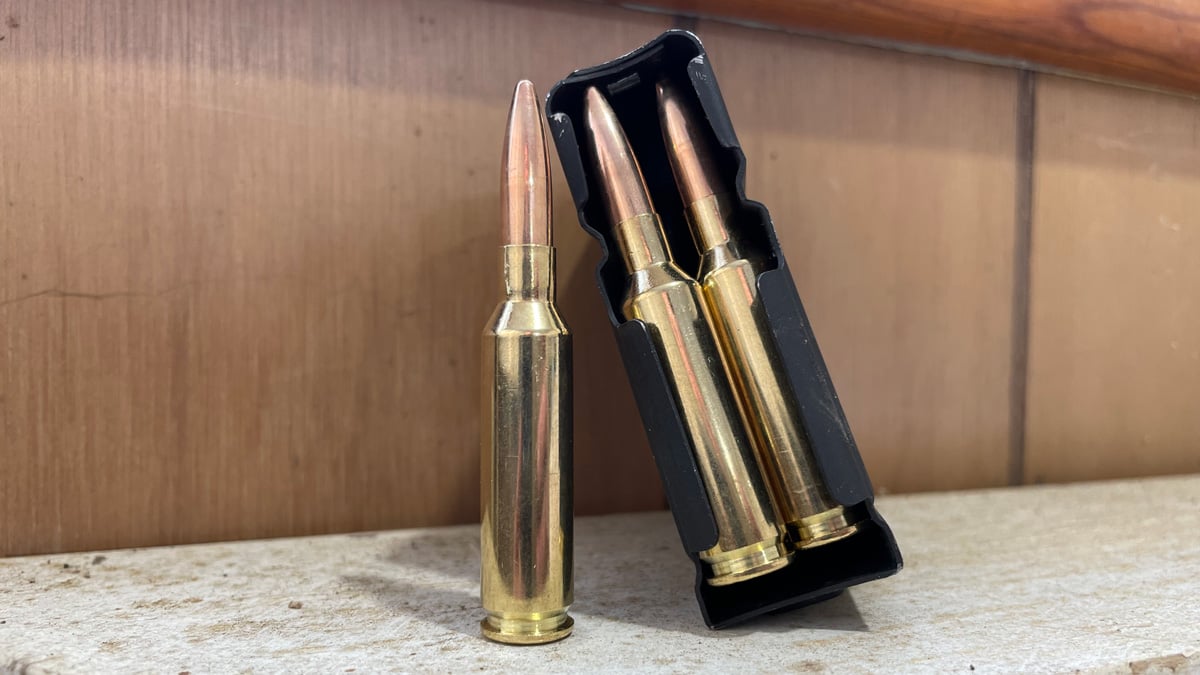
Barrel Life Estimate: 3,000-4,000 rounds
Bullet Weights: 90-150 grains
Max Effective Supersonic Range Estimate: Approximately 1,800 yards
Component Suppliers: Hornady, Alpha Munitions, Petersen, Lapua, Nosler… everyone, at this point
The OG Creedmoor stormed the precision rifle shooting circuit when it came out. At the time (around 2006), three 6.5 cartridges were fighting for dominance. Besides the Creedmoor, the 6.5x47 Lapua and .260 Remington were extremely popular. Likely due to support from “Big Red” and others, the 6.5 Creedmoor quickly became the prevailing 6.5.
Still an excellent choice for many competitors, the 6.5 CM might be the only cartridge today with a shot at replacing the .308 Winchester in popularity. The 6.5 CM does everything the .308 does, and it often does it better.
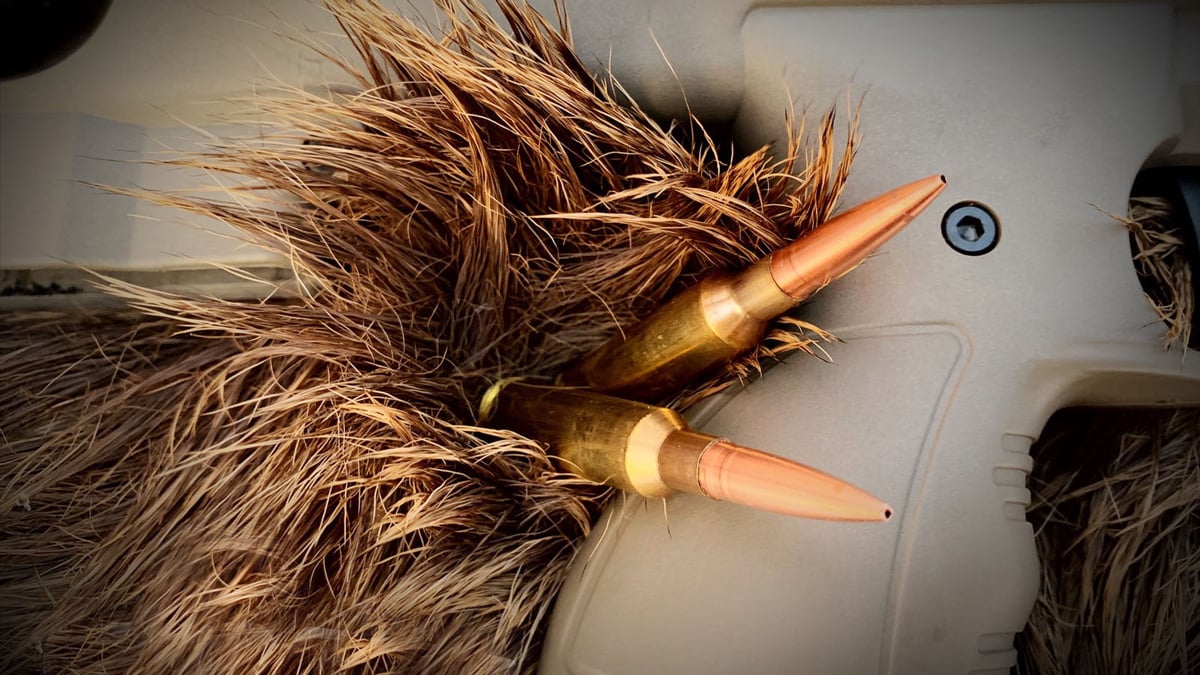
The narrow 6.5 bullet has a higher ballistic performance and speed than the old Winchester, making it an excellent successor. The 6.5 CM is the easy button of sharpshooting, and because of that it enjoys support from nearly every corner of the shooting world. Whether you are looking for semi-auto rifles or bolt-action, there is a great option in 6.5 CM, and ammunition options are as deep and diverse as any other cartridge.
With its easy feeding, low cost, and efficient loading, the 6.5 CM is an obvious choice for recreational and professional shooters alike. Like many others, I have used the cartridge extensively for hunting deer, elk, and many other animals. For the same reasons it performs well on targets, it is a great hunting cartridge.
8.6 Blackout

Barrel Life Estimate: Likely 6,000+ rounds
Bullet Weights: 200-360 grains
Max Effective Supersonic Range Estimate: Approximately 600 yards
Component Suppliers: Hornady, Alpha Munitions, Gorilla, Q LLC
Like an ugly stepchild, the 8.6 is perhaps the least recognizable Creedmoor descendant. This is due to the pushed-back shoulder and other geometry needed to hold the .338-caliber bullets.
The 8.6 Blk is more of a specialty cartridge than all the other Creedmoor family members. It is designed mainly to be a subsonic cartridge, shooting heavy bullets below the speed of sound. When used with a suppressor, the 8.6 Blackout is movie-quiet, allowing shooters to crush a target without making noise.
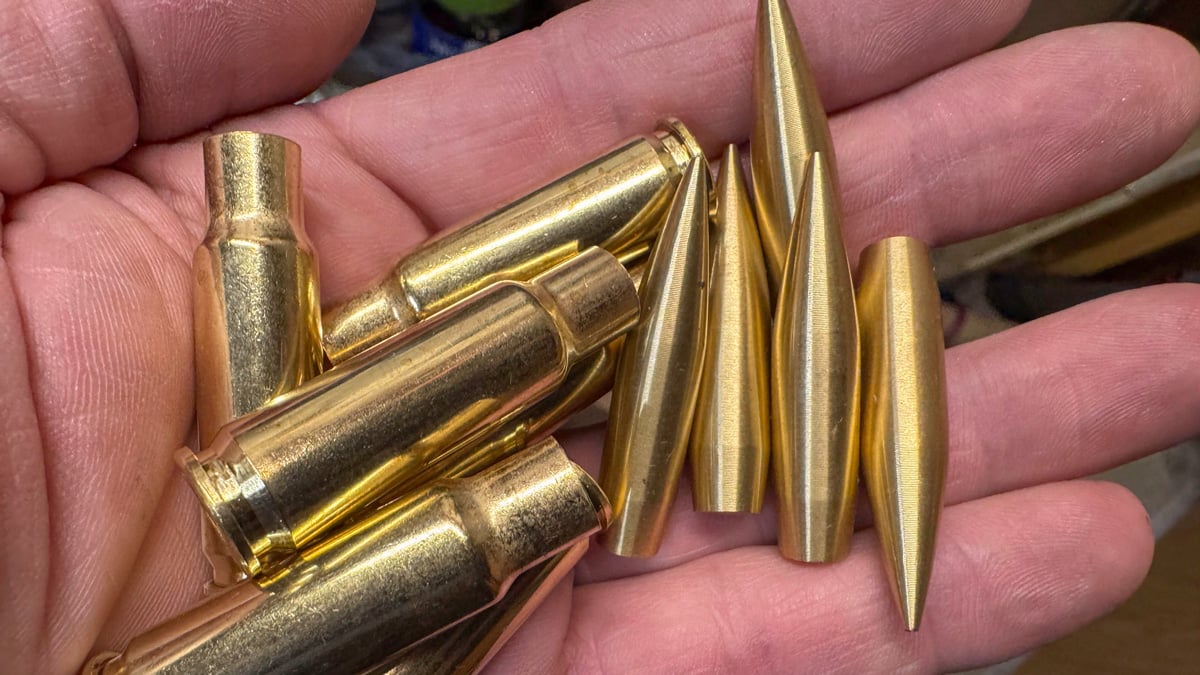
While the 8.6 Blk does get some love from the Creedmoor source of Hornady, it has received more from other places. This might be due to Hornady moving its promotional prowess to the .338 ARC cartridge, a competitor to the 8.6 Blk. Hornady seems to be spending much of its time on the ARC family recently, but we’ll visit that lineage in another discussion.
Because of its special purpose, the 8.6 Blk has a much narrower focus. With most folks using the rifle for hunting purposes, particularly hunting purposes that require some level of covert operation. Suburban hunting where the report of firearms is distasteful can be easily done using the heavy bullets of the Blackout.
Conclusion
The Creedmoor story hasn’t ended yet, and I expect there will be other members of this family. I’ve seen folks tinkering with 7mm versions, but I remain unsure what may come.
I do expect that the Creedmoor family dynasty may last until the end of projectile shooting, perhaps rivaling even the .30-06 and .308 families. Either way, the Creedmoor family offers a little something for everyone, and you can dive in with confidence, as these cartridges aren’t going anywhere but downrange.