History
The 1911 was America’s first mainstream semi-automatic handgun. The design is by no means the first semi-auto pistol, but the 1911 took away a large market share from the revolver.
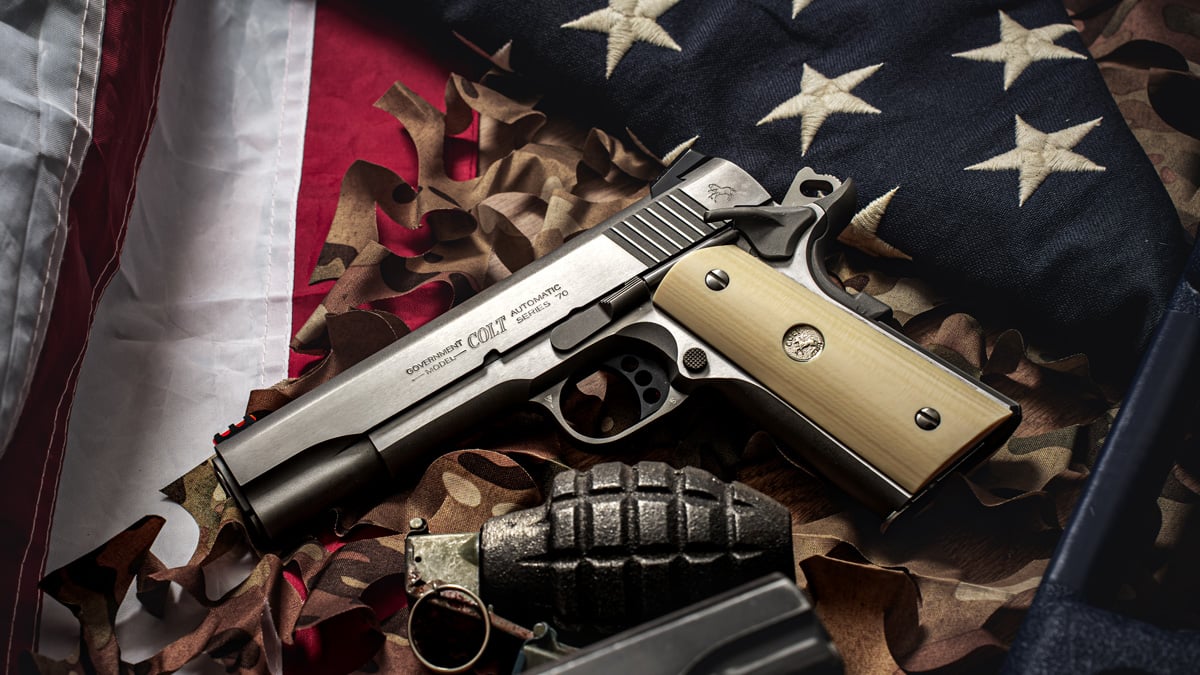
The design was adopted by the United States military and remained in service until 1985. The handgun is still in major production and continues to seize from the concealed carry market to the military special operators.
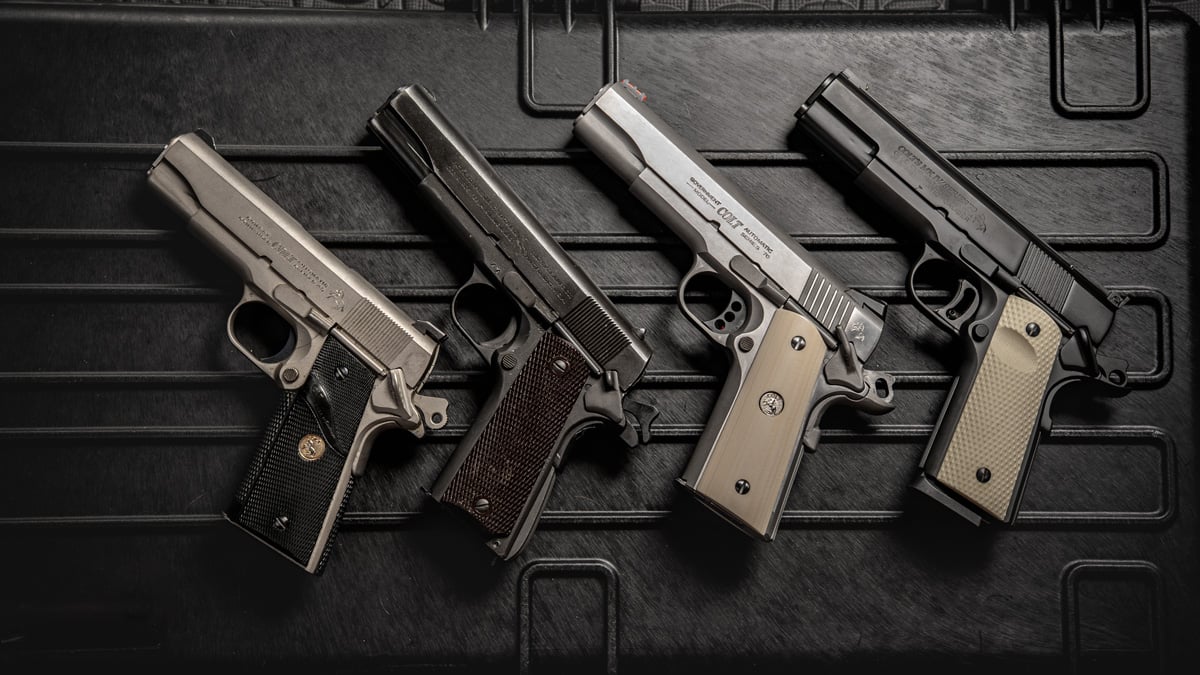
For the sake of argument, when considering a 1911 for a concealed carry with this list, we will only be considering single-stack handguns. I will cave on calibers, because there are many 1911s in different calibers, but when I say “1911,” I think of the thin, all-metal, single-stack, iconic handgun that was built to perfection.
The Pros
Ergonomics

The first pro of the 1911 is the ergonomics. This handgun design has long been praised for its natural grip angle and comfortable shooting experience. The platform is easy to master and has a natural point to it that does not break the wrist.
Weight
The second positive to this handgun is its weight. Some folks like light handguns, but I prefer a heavy, full-metal design. The heavier the handgun, the softer the recoil, and the easier it is to control. Especially when you’re shooting those bigger .45 ACP or 10mm cartridges, the weight helps dampen the recoil.
Trigger
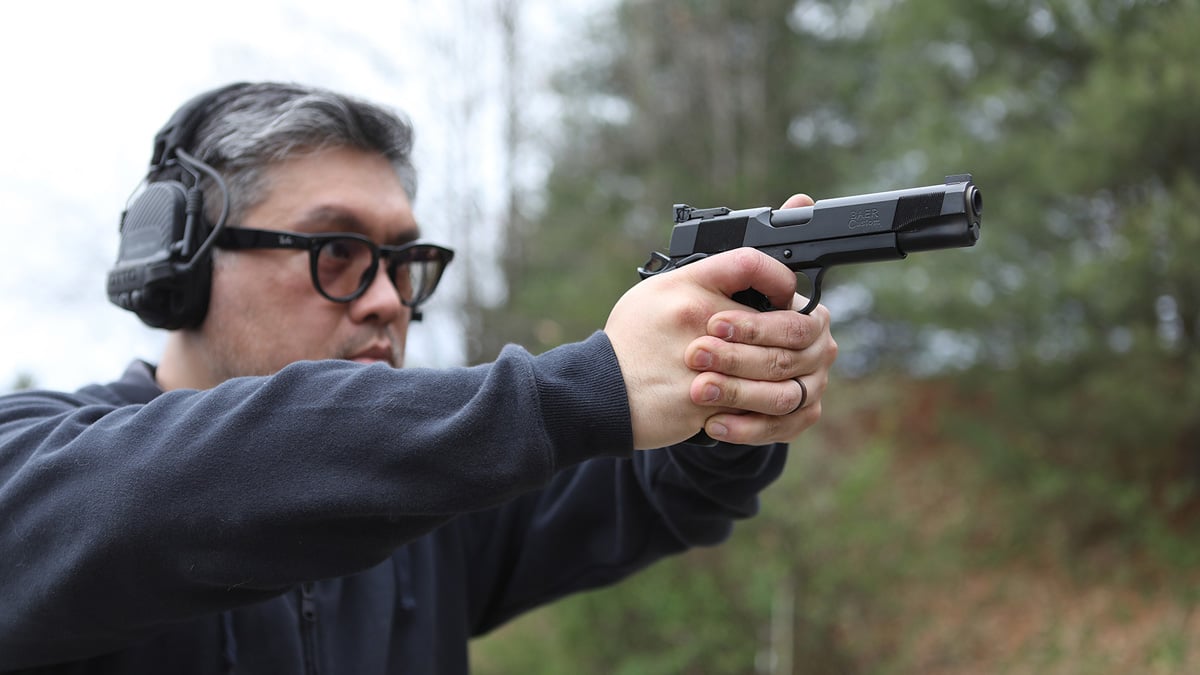
Another major positive for the platform is the trigger. Even on a cheap 1911, the single-action trigger seems to always be crisp and light. The trigger has a clean break and a short reset, easy to get back up for follow-up shots.
Safeties


Another positive point, depending on your point of view, is the 1911 has a lot of safeties. Since this is a single-action handgun, the design incorporates a switch-style safety that is easily actuated by the thumb; plus, a grip safety ensures proper control on the handgun grip. Many folks like handguns with manual safeties, as it gives them peace of mind.
Aftermarket Support
Because the 1911 has been around for so long, the platform has a lot of aftermarket support. Many parts can be customized, and there is much aftermarket support for the design.
Compliance
Another pro that some of us don’t have to think about is for folks living in restrictive states. In New Jersey, for example, the limited capacity of the 1911 means it’s legal, and since it is illegal to carry hollow points, the .45 ACP cartridge is perfect.
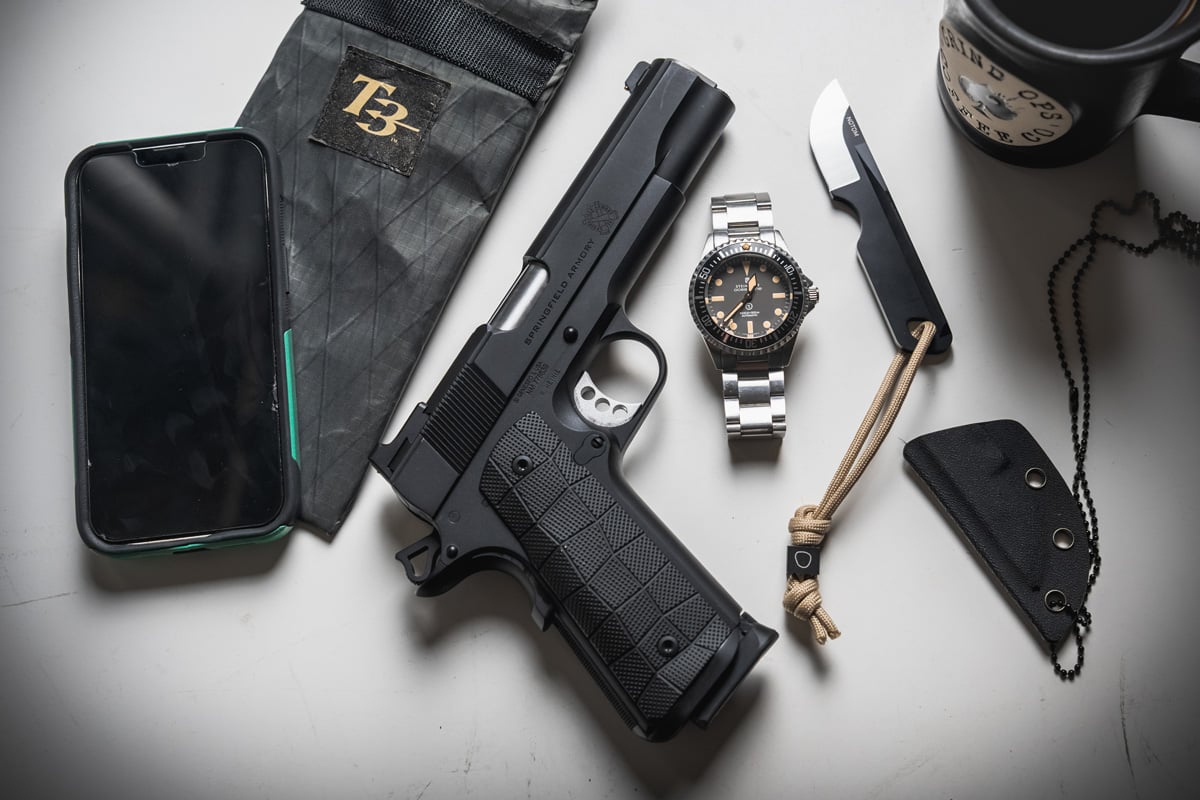
For anyone who has to carry ball ammo, it’s important that it be larger than a 9mm and inflict more damage while going slower and not over-penetrating. Additionally, due to the slow velocity of .45 ACP, the,1911 is a great platform to suppress. The all-American .45 caliber is typically naturally subsonic, making it a great caliber to put through a can.
Concealability
The last positive for the 1911 is the slim nature of the design. As a single-stack design, the 1911 is not as bulky as many other platforms. This makes it easy to conceal carry, as it won’t print as much as other designs. In fact, in some states it’s illegal to print, meaning you must take care so that no one can tell that you’re carrying. In that case, the 1911 is a great choice.
The Cons
Capacity

While there are a lot of pros, there are several cons to the timeless wonder.
One of the biggest downsides to the 1911 platform is its limited capacity. In a world where even subcompact handguns are getting 10-plus rounds of capacity, a full-size handgun that varies between seven to 10 rounds is not very good. The limitation of the 1911 is due to its slim, single-stack design, which makes it difficult to use even extended magazines.
Weight
The weight can also be a negative, even though I prefer a heavier handgun. When carrying around anything after a while, weight counts. Additionally, the weight of holding a heavier handgun when training can tire some shooters out quicker and lead to shorter training sessions.
High Maintenance
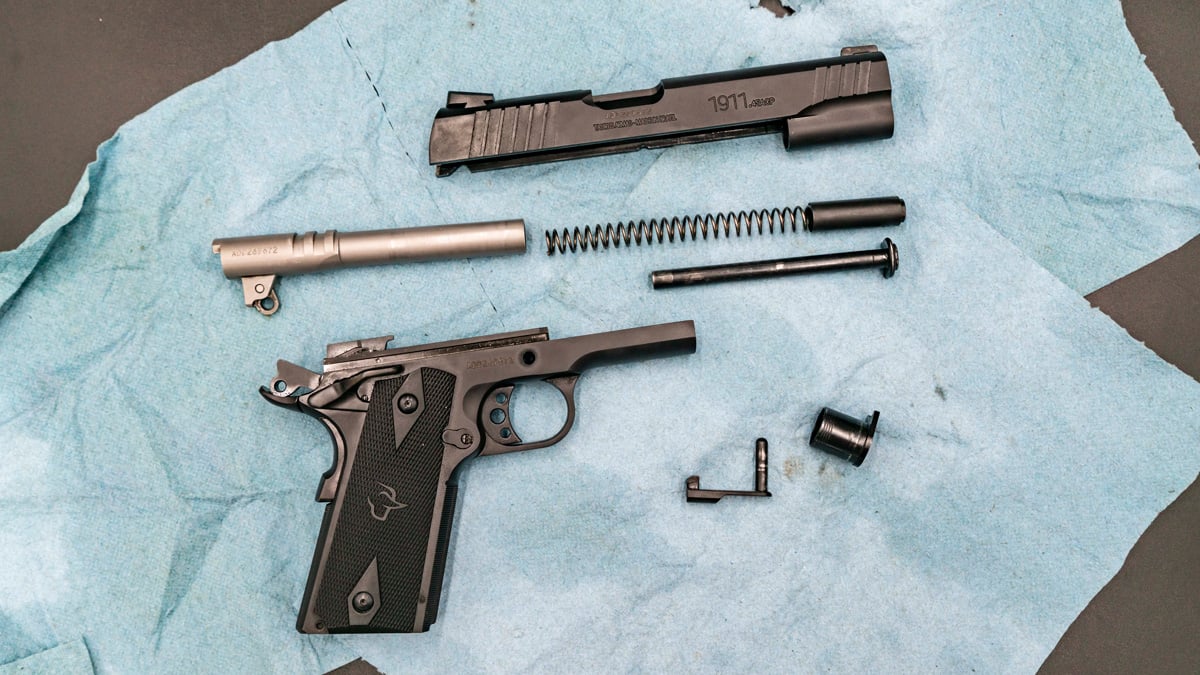
The 1911 is no spring chicken. Due to its age, some design concepts that have been improved over the years are lacking on the 1911. The platform is predisposed to limp-wristing, meaning poor form can lead to malfunctions. The 1911 also requires much more upkeep and care than modern handguns, which can be shot for hundreds of rounds with no impact to reliability. The 1911 platform requires more frequent TLC.
Lacking Rails & Optics
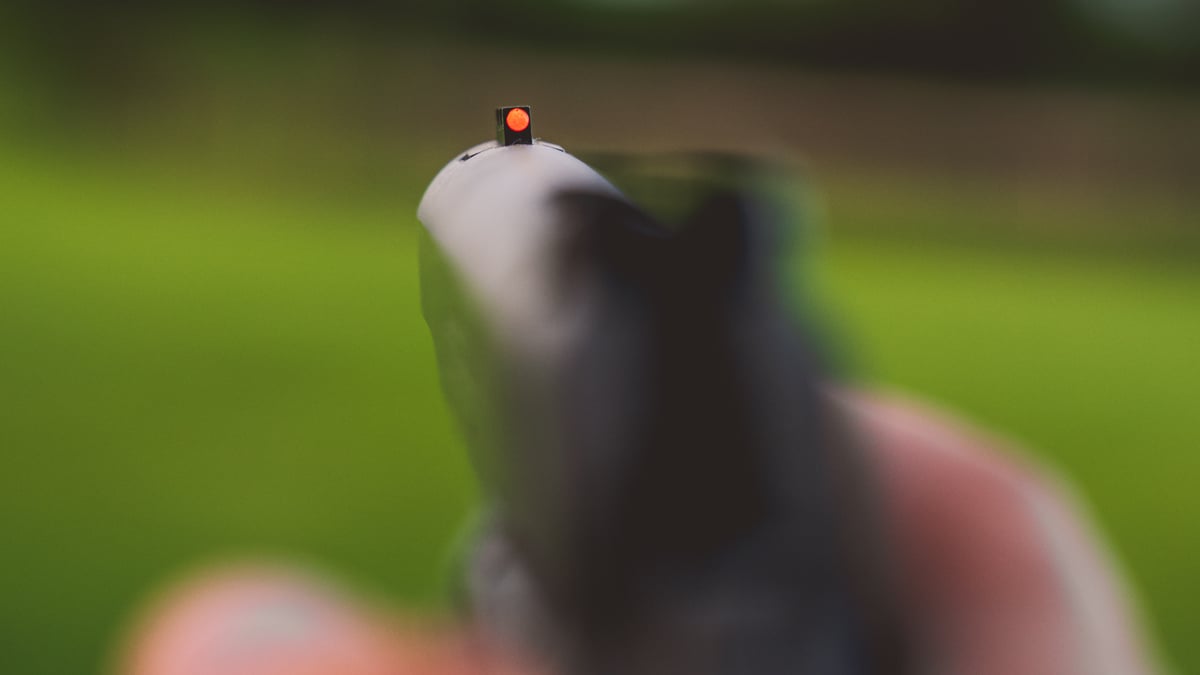
Most 1911s lack a tactical rail for mounting lights or lasers, and most are not cut for optics. Even when they are, the platform was not intended for optics, so it is a difficult task to properly cut and stake an optic.
Expensive
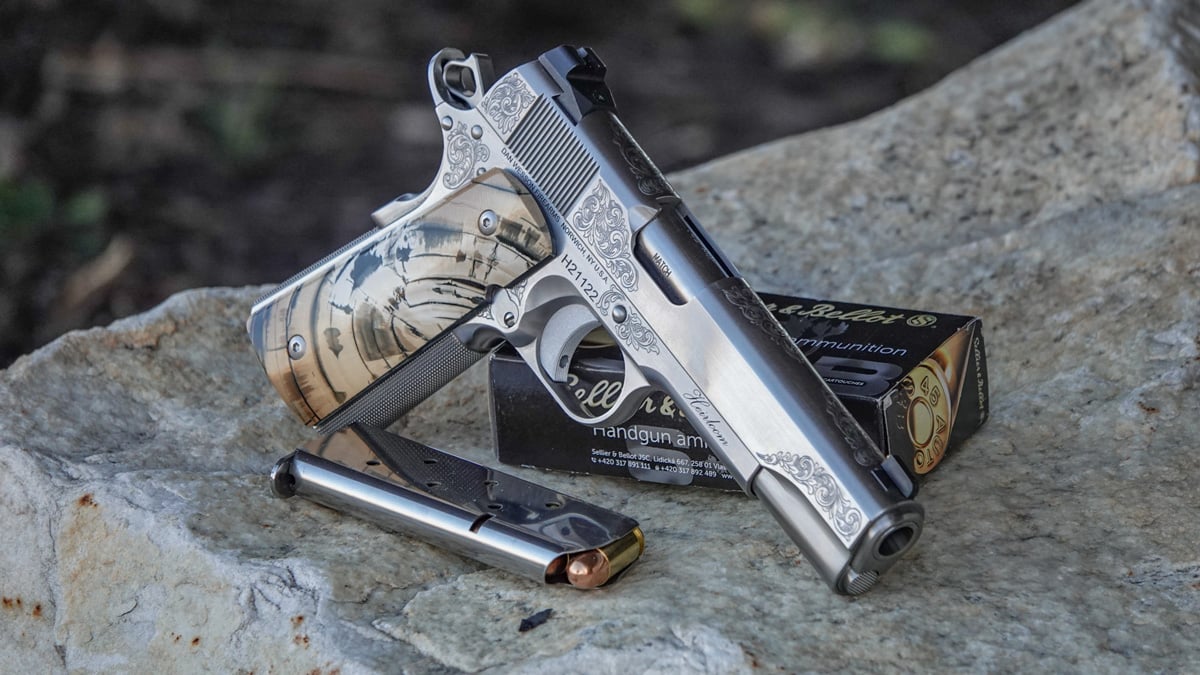
Lastly, the 1911 can be an expensive platform. For a well-built 1911, you can expect to shell out a pretty penny. Not to say that the same can’t be said of other handguns, but some extremely basic 1911s are priced well out of most budgets, just because of the difficulty of manufacturing a quality 1911 build.
Summary
There are lots of opinions over what is the best EDC handgun that you could choose, but there is no denying that the 1911 is still very popular. There is something to be said about the longevity of the platform and I think a 1911 in .45 ACP is something everyone should have in their collection.