Purpose of a Suppressor
Suppressors have been around for over 100 years. Designed by Hiram Percy Maxim, the suppressor was intended to be a safety device to reduce the risk of hearing loss. Hiram Percy Maxim’s father, Sir Hiram Stevens Maxim, was left almost completely deaf after spending his life inventing firearms like the first automatic machine gun.
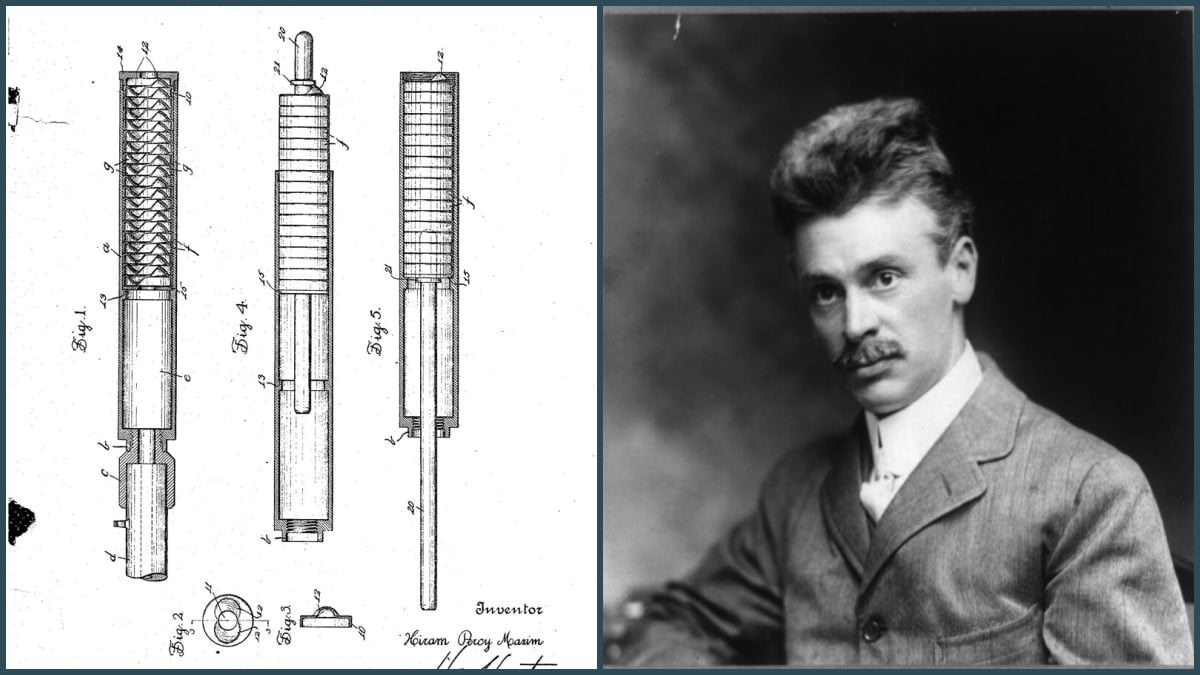
To prevent what happened to his father, Hiram Percy decided to peruse inventing a device to make shooting safer. A graduate of MIT with plenty of experience around firearms, thanks to his father, Hiram Percy sought a solution to the loud explosion of shooting firearms.
The Concept
Several factors contribute to the noise of a firearm. As the powder in a cartridge is ignited, it creates pressure that pushes the projectile down the barrel. At the muzzle, once the bullet has exited, the hot gas is free to rapidly expand into the open air. This creates a high-pressure gas expansion in a low-pressure zone, resulting in a pressure wave that makes a “boom.”
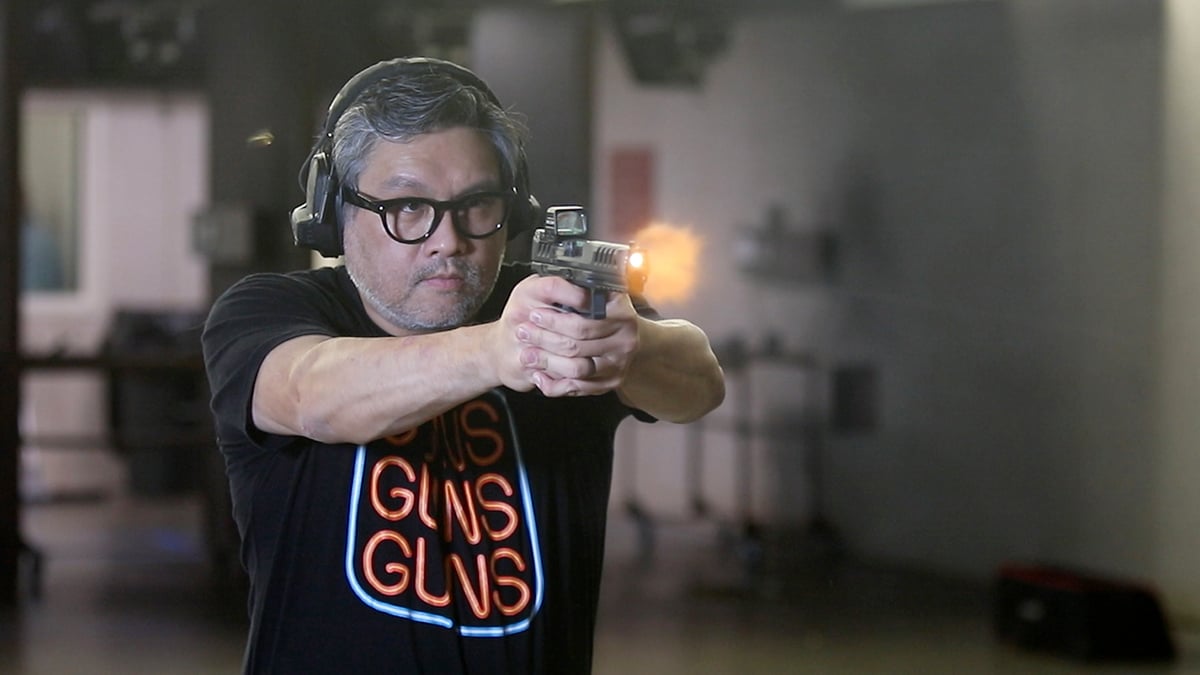
This is much like when a balloon is popped. The gas inside the balloon is compressed and under pressure, and when the balloon’s surface is punctured, the high-pressure gas rapidly expands in all directions and creates the loud noise.
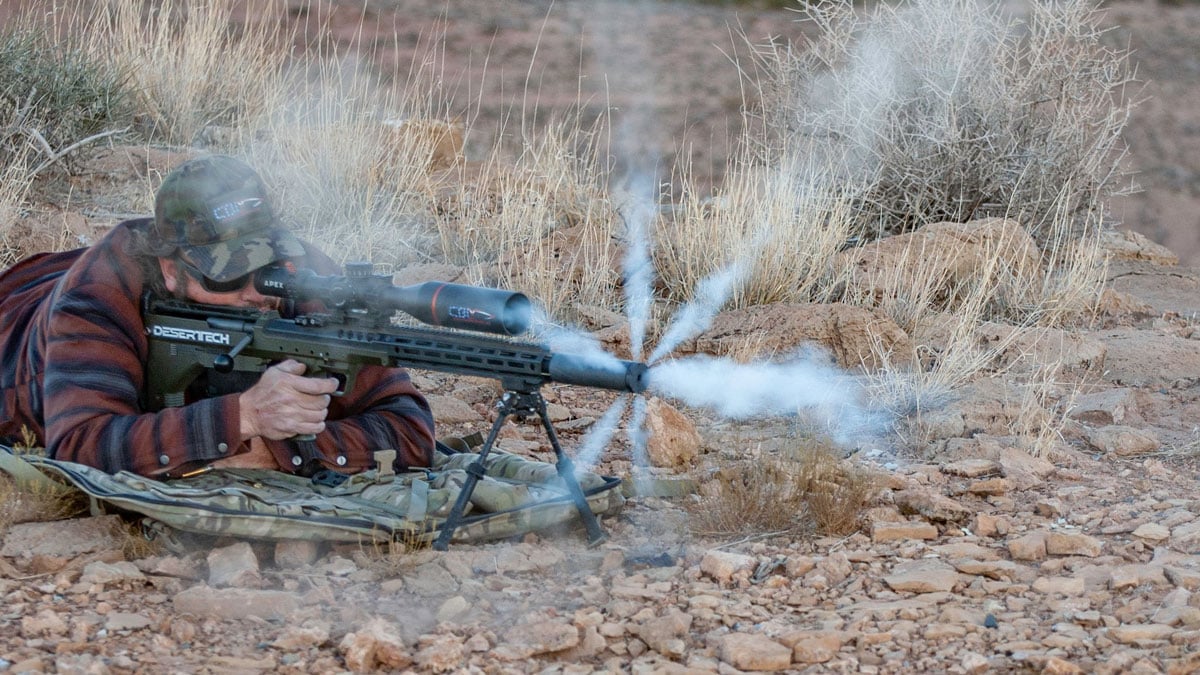

The purpose of the suppressor is to allow for expansion, cooling, and a controlled exit of gas. If a balloon is popped, it makes a loud noise. If you slowly bleed the air from the balloon out of the opening, you can drastically reduce the sound signature. The same concept exists in the suppressor.
How It Works
A suppressor is simply a series of chambers or baffles. Each baffle has an opening that allows for some gas expansion, trapping the gas in several different chambers. This tempers the pressure and the temperature of the gas, drastically reducing the sound at the muzzle.

Suppressors don’t make the firearm silent, but they typically reduce the 185-plus dB level of a gunshot down to under 135 dB. This reduction is significant and can reduce the risk of hearing damage, along with reduced risk of TBI from the concussion at the muzzle.
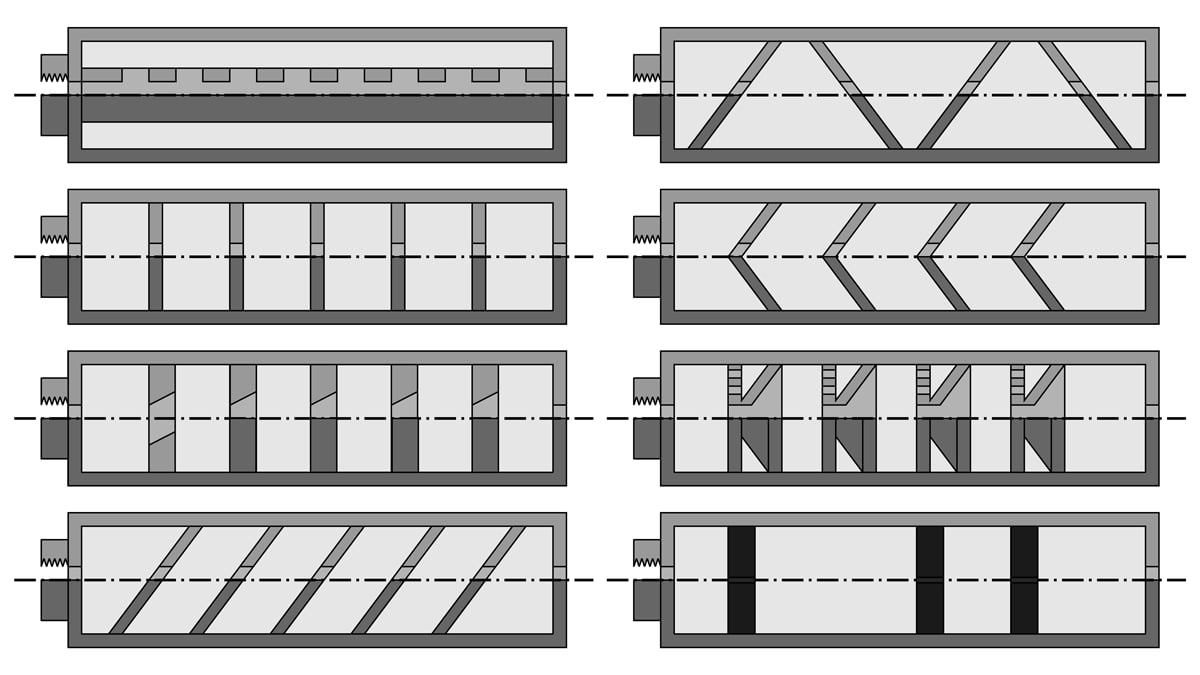
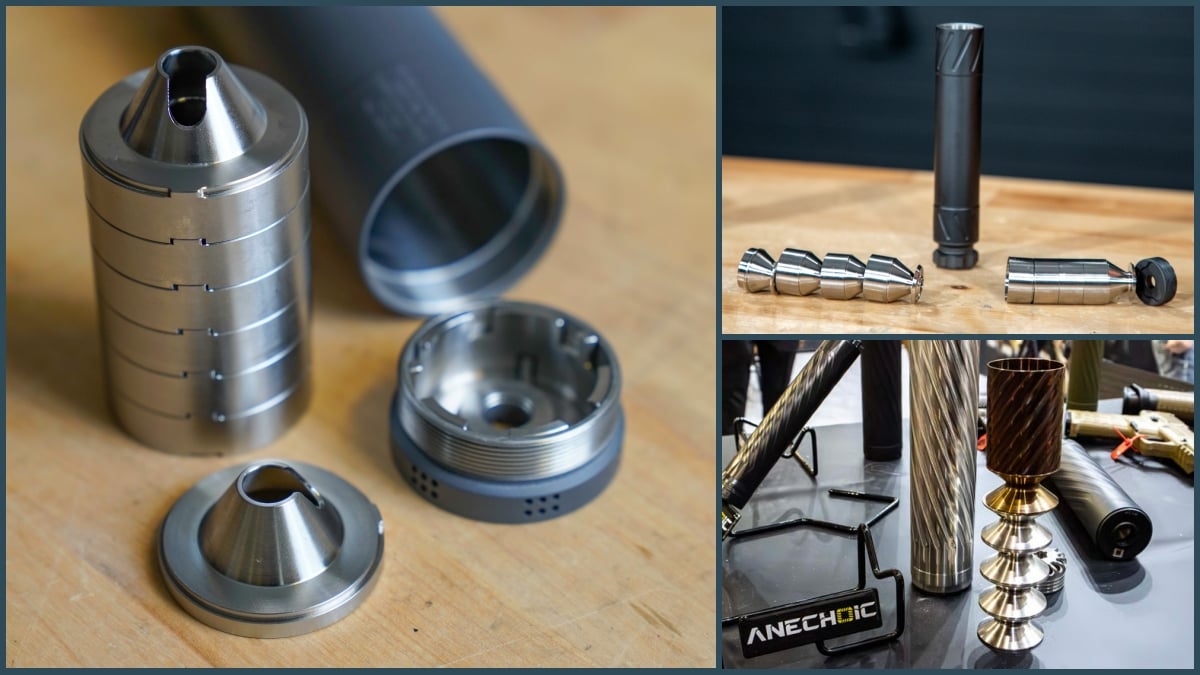
Other factors in the loud sound of a gunshot can include the action, gas system, and ammunition. Subsonic rounds (with a lower pressure) can reduce the sound of a gunshot even more. Manual actions that do not bleed gas for any automatic function will typically have a much lower sound signature than semi-automatic gas systems.
Today’s Trends
Suppressor technology has exploded over the past decade, and suppressor ownership is at an all-time high. With that bump in popularity have come major advancements in technology. While the baffle systems are more complex, they still work on the same concept that Hiram Percy Maxim patented over 115 years ago.
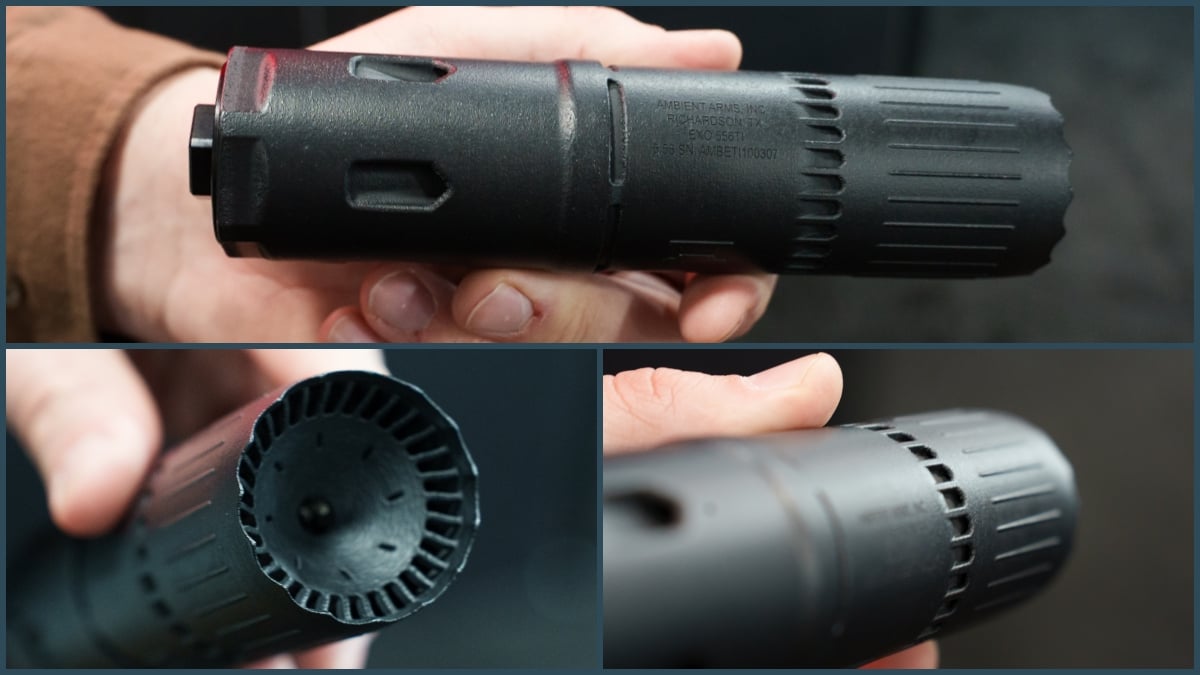
Companies like Huxwurx, Dead Air, SilencerCo, B&T, and many more have designed baffle systems that prevent gas buildup in the shooter’s face, reducing the risk of inhaling pathogens. Many suppressors are now 3D printed, giving a more complex baffle design that can rapidly cool the gas, like Ambient Arms’ new design.
Summary
Ultimately, the suppressor is designed for a safer shooting experience. While the complexity and efficiency of the suppressor advances, the baseline concept of cooling and slowing expanding gasses is a constant. Once you shoot suppressed, you won’t want to go back. It truly is the civilized way to shoot.
Read More On:




Alexander Reville
Alexander Reville is a writer and content creator for Guns.com who transitioned from the warehouse to the content team fueled by a passion for American history and firearms. A proud graduate of Marion Military Institute and a former minor league hockey player, he remains active as a firearms instructor and private security contractor.
View All Articles by Alexander Reville