Glock 17 (1982): The Bare-Bones Original
The Glock 17 is the one that started it all. To paint a proper picture, the world of double-stack 9mm handguns was limited. Folks were typically pigeonholed into an all-metal handgun that had a single/double-action trigger, and if you were lucky, you could find one with a magazine capacity of 15 rounds.
Gaston Glock was an experienced manufacturer of all kinds of items from curtain rods to pocketknives. After purchasing a plastic injection molding machine in 1980, he had the idea of making a polymer handgun. After a year developing the design, Glock filed a patent for his first handgun.
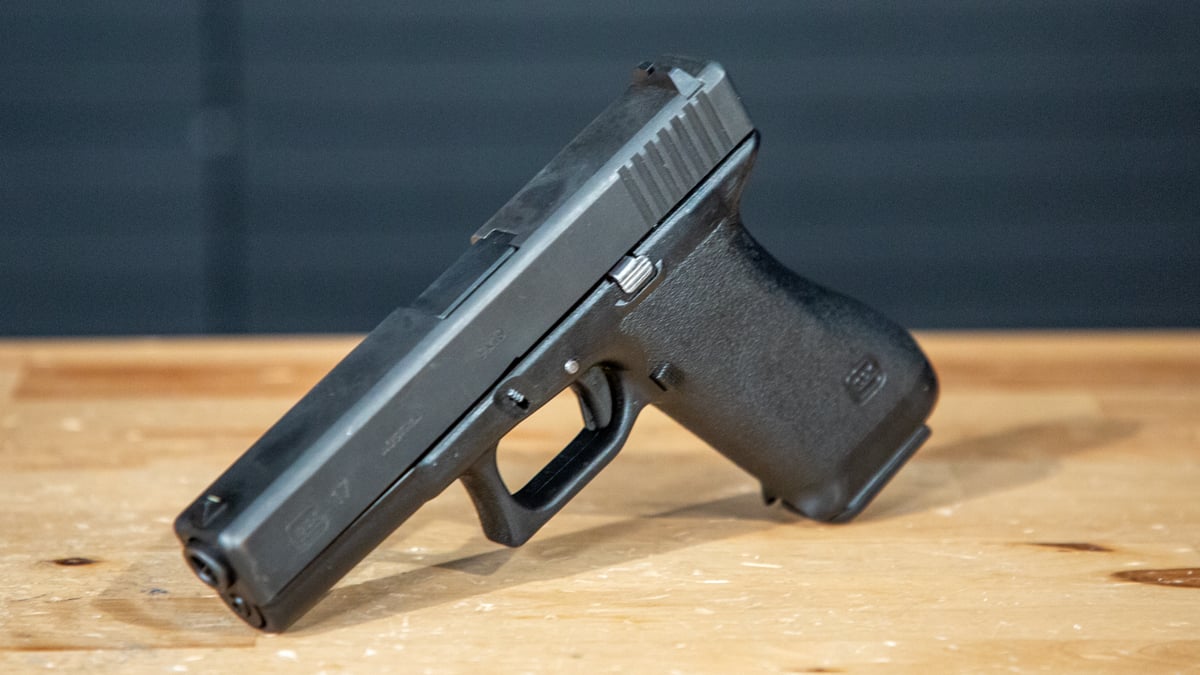
Launched in Austria in 1982, the Glock 17 was one of the first polymer-framed, 17-round 9mm handguns. The design is recognizable by its smooth grip with some basic texturing all around, Parkerized slide, simple sights, and a two-piece recoil spring. No rails, no finger grooves, no frills – just simplicity and reliability.
It was accurate, reliable, and easy to maintain, which is why militaries and police departments around the world jumped on it. Over 20 million Glocks have been made since. The handgun did not hit the American market until around 1986, with the Glock 17 the only model in the lineup.
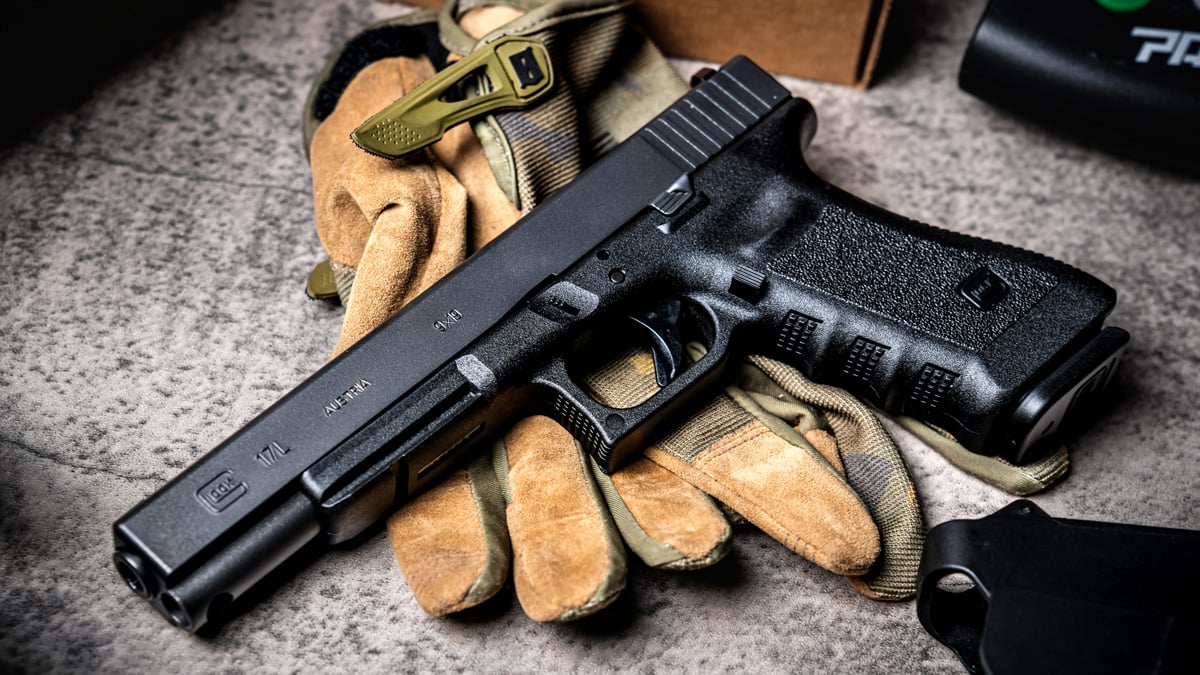
There is some debate on where the Glock 17 got its model number identification, as it is either because it was Gaston Glock’s 17th patent, or a nod to the 17-round capacity. The original Glock 17 was shipped in an iconic Tupperware-style case, which is a collectible these days.
Recently, Glock re-released its classic Glock 17 first-gen handgun as the P80, honoring the handgun's service in the Austrian military. The P80 scratches that vintage itch for folks looking to add to their collection.
Gen2 (1988): Small Tweaks, Big Lineup Growth
Glock made some smart early improvements in 1988. Those included adding checkering to the front and backstraps for better grip, switching to a one-piece captive recoil spring and guide rod, and adding a steel plate for the serial number for ATF compliance in the United States.

The lineup expanded with the second generation of the Glock handgun. The most notable addition was the introduction of the compact 9mm, the Glock 19, which continues to be one of the most popular handguns across the United States for concealed carry and law enforcement.
Glock also added more calibers including .40 S&W, .380, 10mm, and .45 ACP. In 1995, the deeper concealment subcompacts like the G26 (9mm) and G27 (.40 S&W) joined the family. The ported 17C (with a compensation cut in the barrel and slide) came late in this generation for better recoil control.
Gen3 (1998): Rails, Grooves, and Real Versatility
This is the generation a lot of people still picture when they think “Glock.” Released in 1998, the third generation brought the universal accessory rail on end of the frame easily mounting lights and lasers. This generation had added finger grooves on the grip and thumb rests on the frame (some folks love them, others really don’t), a loaded chamber indicator on the extractor, and the tough Tenifer slide finish for excellent corrosion and wear resistance.
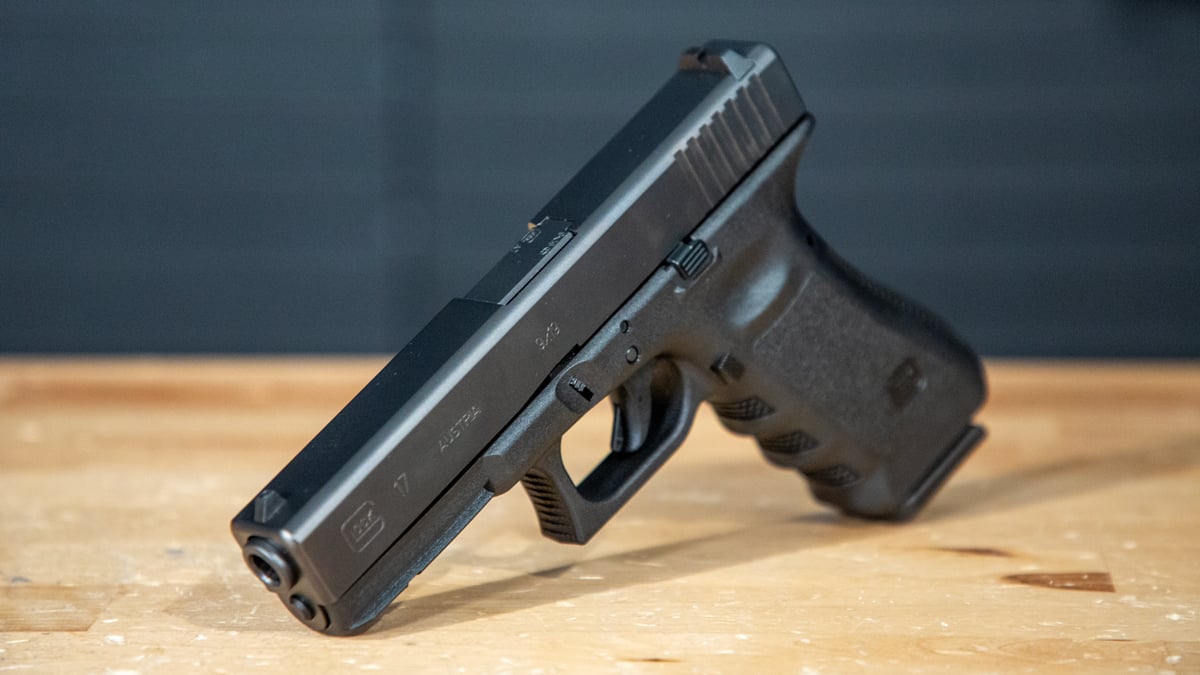
New calibers like .357 SIG and .45 GAP joined the family, along with the slim single-stack Glock 36 in .45 ACP. Late in Gen3, some models got the RTF2 rough textured finish with fish-scale serrations. These guns became workhorses for law enforcement and civilians alike, and parts are still common and affordable.
In fact, the Glock Gen3 patent has since expired. Many companies have jumped on the design with their own versions, giving Gen3 the most aftermarket support of all the generations.
Gen4 (2010): Finally, Some Real Customization
Glock stepped it up at the 2010 SHOT Show with the Gen4. The big additions were interchangeable backstraps (including different sizes to adjust trigger reach and beavertail height), a larger magazine release reversible for lefties, and the more aggressive RTF4 grip texture across the whole grip. The base grip was slightly smaller than Gen3.

The company also went to a dual recoil spring setup to soften felt recoil, upgraded to an nDLC slide finish, and introduced the MOS (modular optic system) on select models. Slimlines like the G42 (.380 ACP) and G43 (9mm) came out for better concealment, and the G19X (G17-size frame with a G19-size slide, also in 9mm) appeared during military trials.
Gen5 (2017): Cleaner Design, Modern Touches
With Gen5, the company answered a bunch of long-standing requests from avid Glock users. This generation eliminated the finger grooves to fit more hand sizes while retaining the RFT4 texturing.
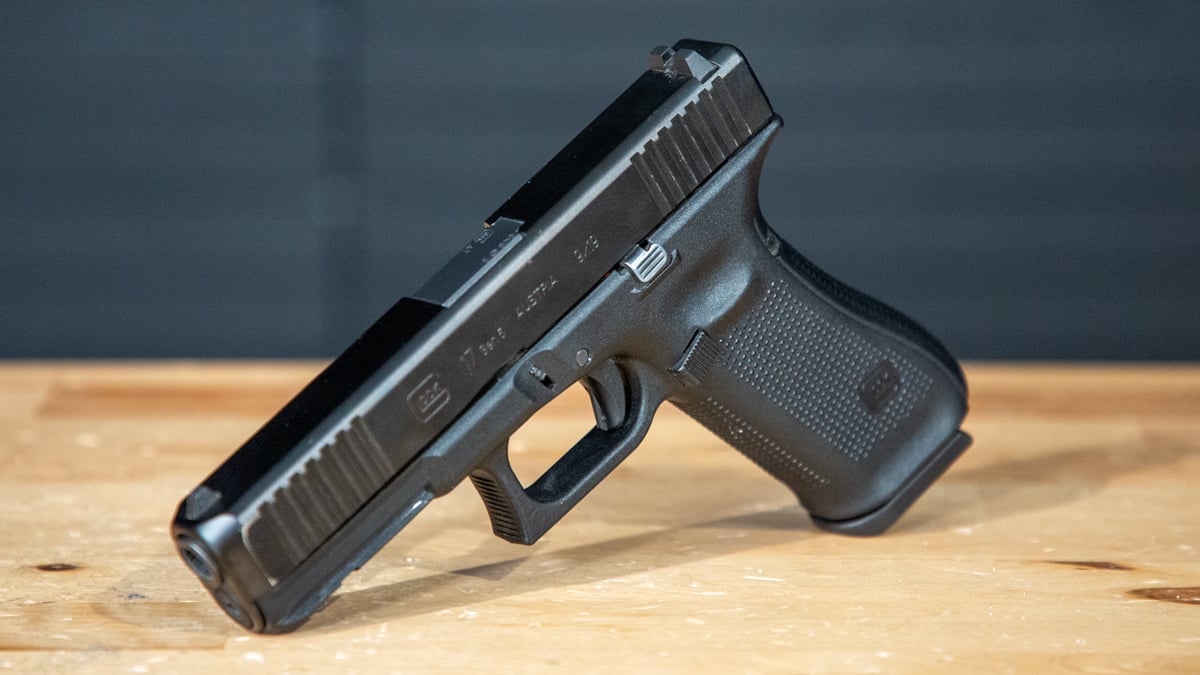
It also saw the addition of an ambidextrous slide stop, front slide serrations, and a smoother trigger with the Glock Marksman Barrel for noticeably better accuracy. The nDLC finish stuck around, and MOS became more widespread across the models.
Models like the crossover 9mm Glock 45 and 47 brought modular frame/slide flexibility. In fact, it was announced that the Glock 47 would replace the Glock 17 and that the 17 would drop out of mainstream production.
Glock V (2025): The Compliant Glock
In 2025, due to pending lawsuits and pressure from states that threatened legal action, Glock made internal updates to its Gen5 design to block illegal auto-sear conversions known as Glock switches. The Glock V sports a different backplate and some added ridges in the slide and frame.
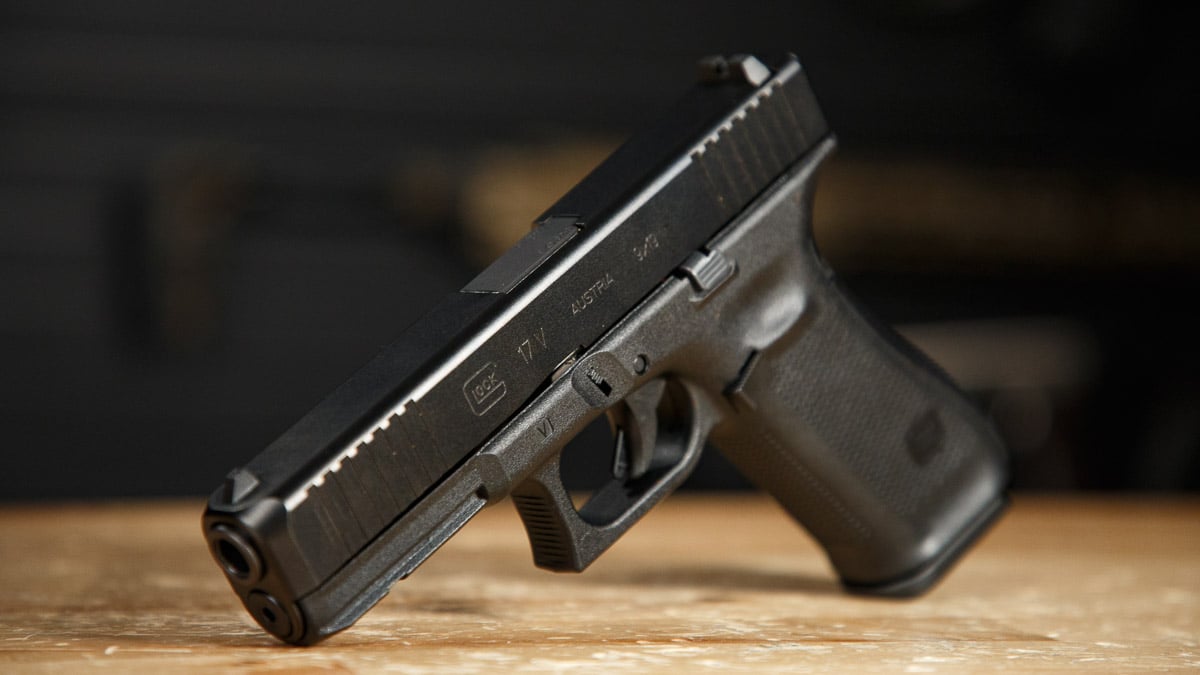
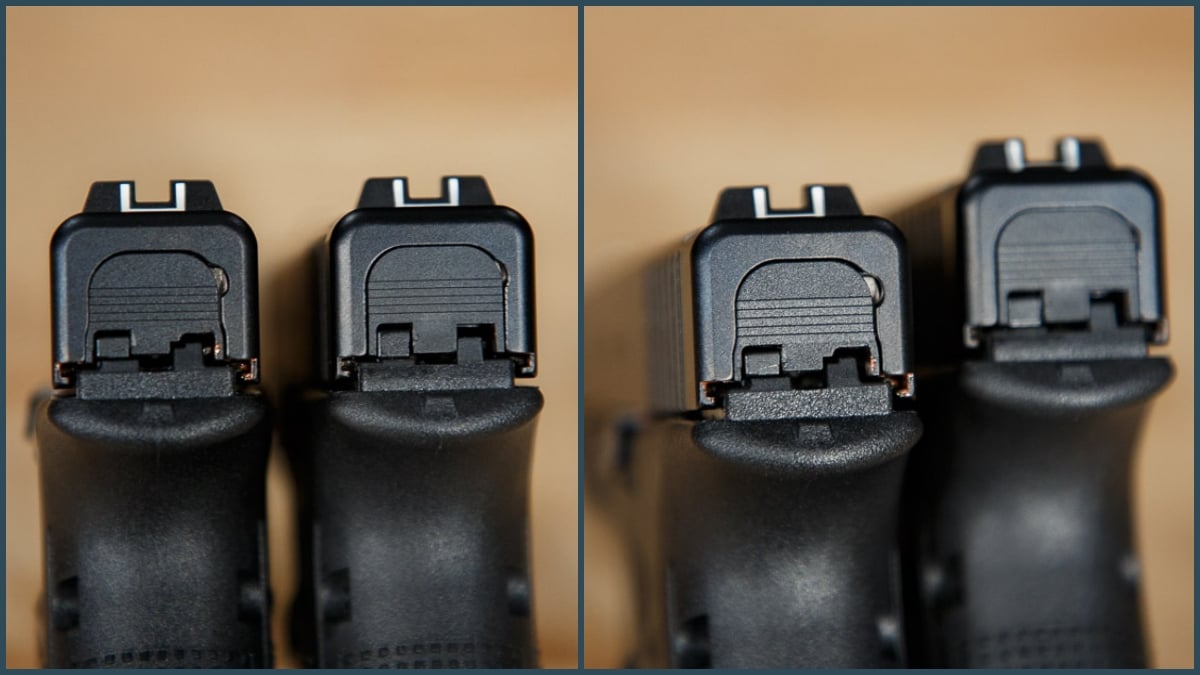
Along with this, Glock brought back the standard G17 after planning to phase it out. The company also released the 17C, 19C, and 45C in the V configuration, reintroducing the compensated Glock that first appeared in the second generation.
Gen6 (Late 2025/Early 2026): The Most Refined Yet
The latest generation of Glock came a few months after the V line was introduced. In late 2025, Glock announced the sixth generation, starting with the G17, G19, and G45. The company made some meaningful jumps while keeping the simple, reliable DNA intact and addressing more requests from avid Glock users.
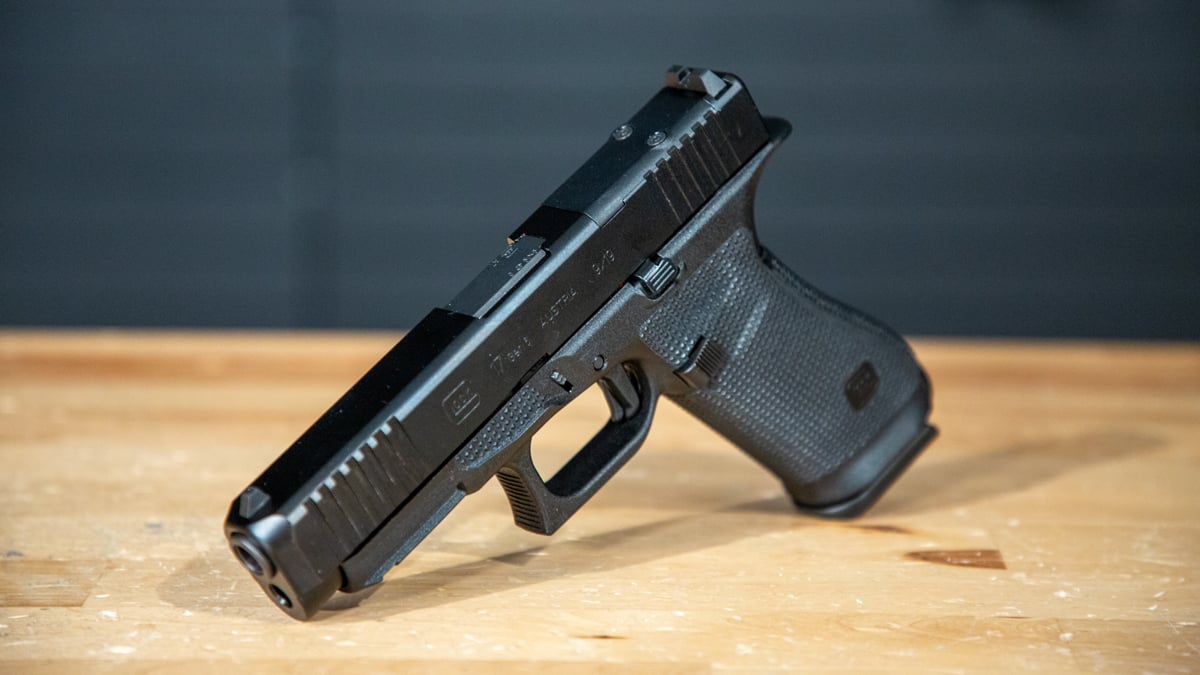
Key upgrades include:
- Factory direct-milled optics-ready slide with the new ORS/OS system (no more plates needed on many models) and polymer inserts to protect the cut when running irons.
- Much more aggressive RTF6 wraparound grip texture that goes higher on the frame.
- Longer beavertail for better high-hand grip and less slide bite.
- Deeper trigger guard undercut.
- New flat-faced trigger.
- Aggressive front and rear slide serrations.
- Return to a single recoil spring (like Gen3) with updated internal geometry.
-
Full-length 1913 Picatinny rail on the frame.

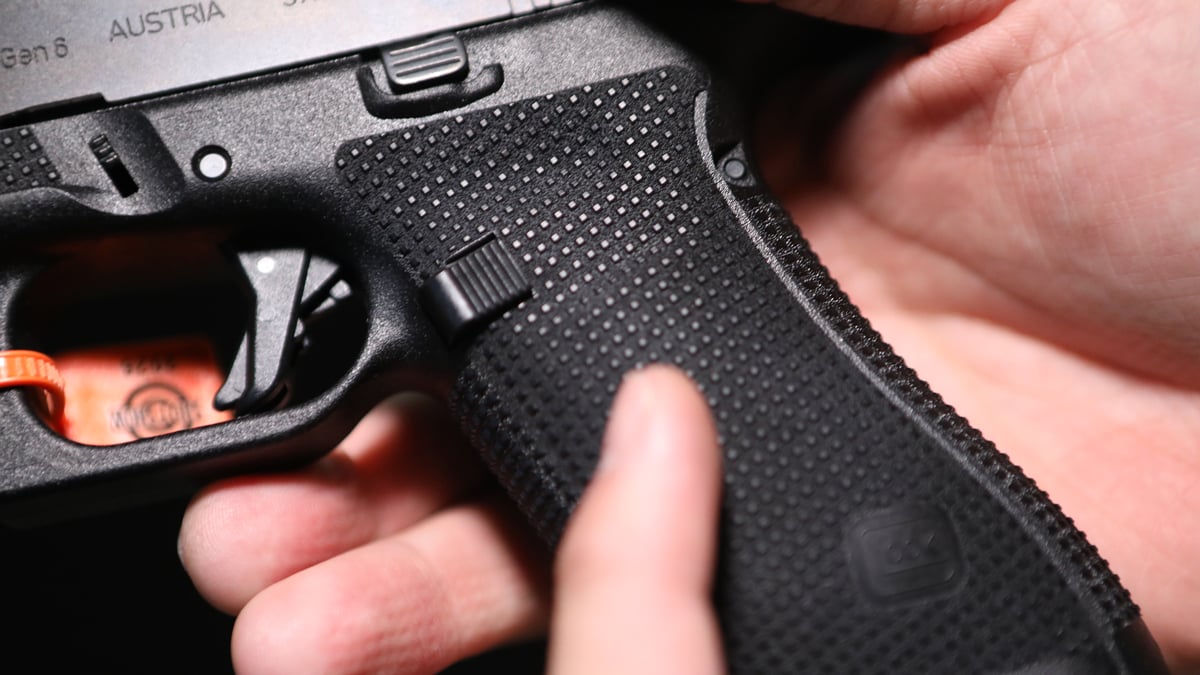
The guns still run legacy magazines and many older parts, fit most existing holsters, and keep the same core reliability. Ergonomics got a boost, with a more rounded grip shape and more aggressive texturing to make it more controllable. Optics compatibility expanded without adding parts or weight.
Glock recently released the COA version of the Gen6, with the catalog still only offering the three 9mm versions: G17, G19, and G45. It is worth noting that while the Gen6 offers the Glock 17, it appears the Glock 17 maintains the modular features of the Glock 47.




Alexander Reville
Alexander Reville is a writer and content creator for Guns.com who transitioned from the warehouse to the content team fueled by a passion for American history and firearms. A proud graduate of Marion Military Institute and a former minor league hockey player, he remains active as a firearms instructor and private security contractor.
View All Articles by Alexander Reville