Self-Defense
Using .22 LR for personal defense is a hot topic bound to draw attention due to passionate arguments for and against the cartridge. It is underpowered compared to some centerfire pistol cartridges, and the rimfire ignition can be problematic in terms of reliability. But these points are moot if .22 LR is available and your personal circumstances warrant using it. With that inevitability, what is the best ammunition to choose for the best possible outcome?
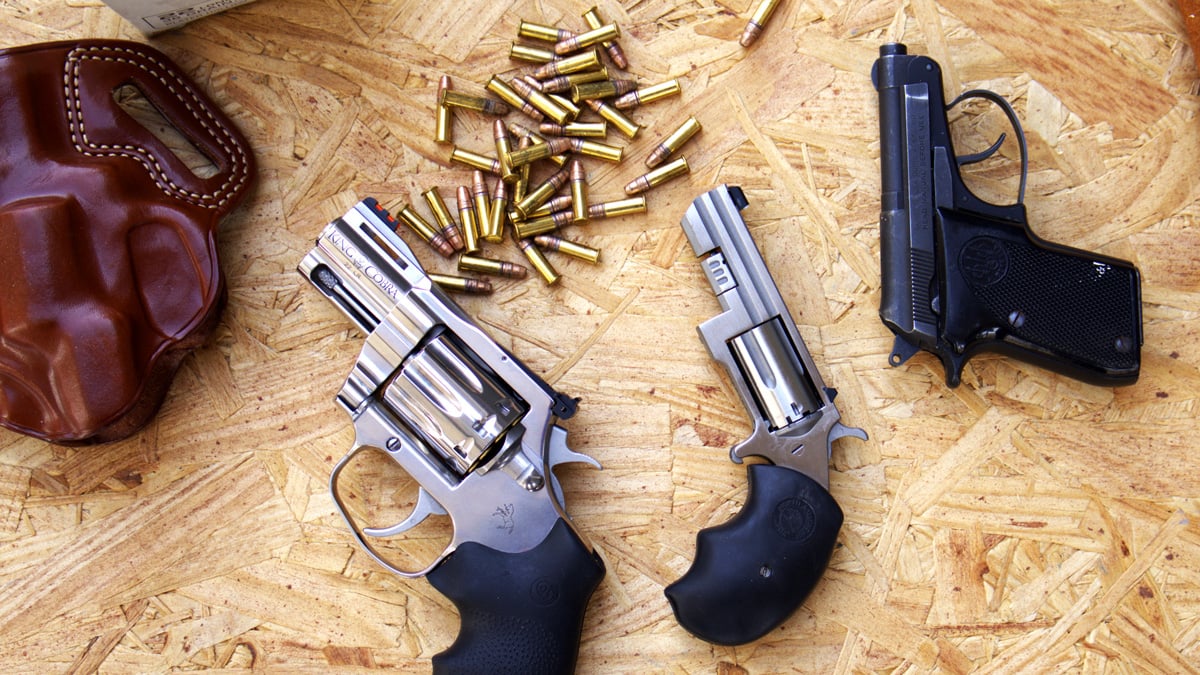
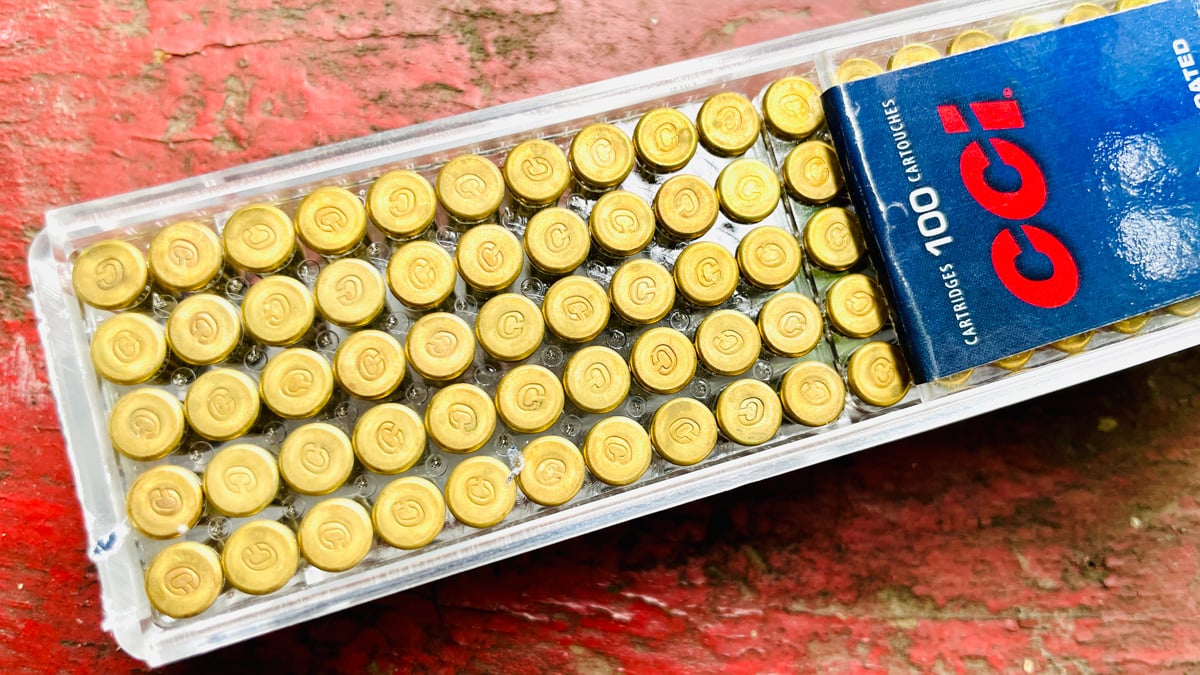
Traditional solid and hollow-point .22 rounds ranging from subsonic to hypervelocity have been used successfully for personal protection, but performance varies wildly in terms of penetration and expansion. .22 LR ammunition tends to be more reliable and produce fewer dud rounds when purchased in small packets instead of big boxes. CCI is a long-time favorite brand known for reliability, but overall reliability of other brands is improved when purchased in smaller packaging.
Solid, high-velocity loads like the 40-grain CCI Mini Mag provide adequate penetration in typical handguns and rifles, but velocity falls off in pocket-sized handguns with barrel lengths under 3 inches. In ballistic gelatin fronted with a four-layer denim barrier, the Mini Mag will hit 10-11 inches out of a pocket pistol. This falls under the FBI’s recommended threshold in this medium of 12-18 inches.
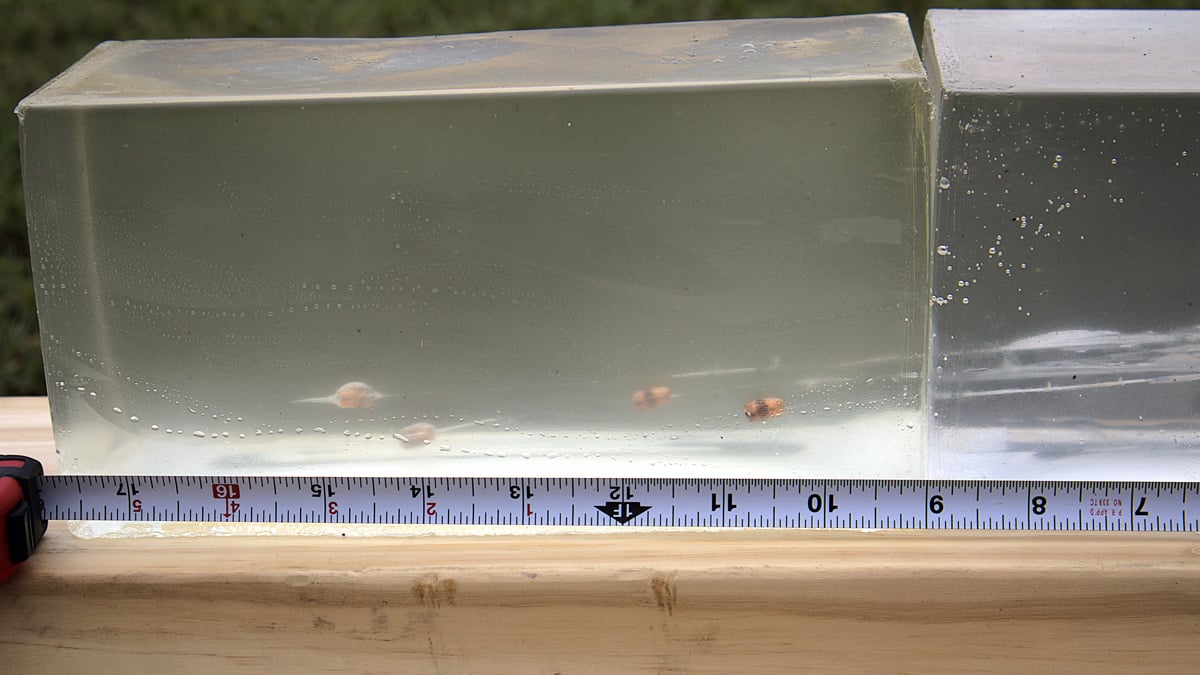
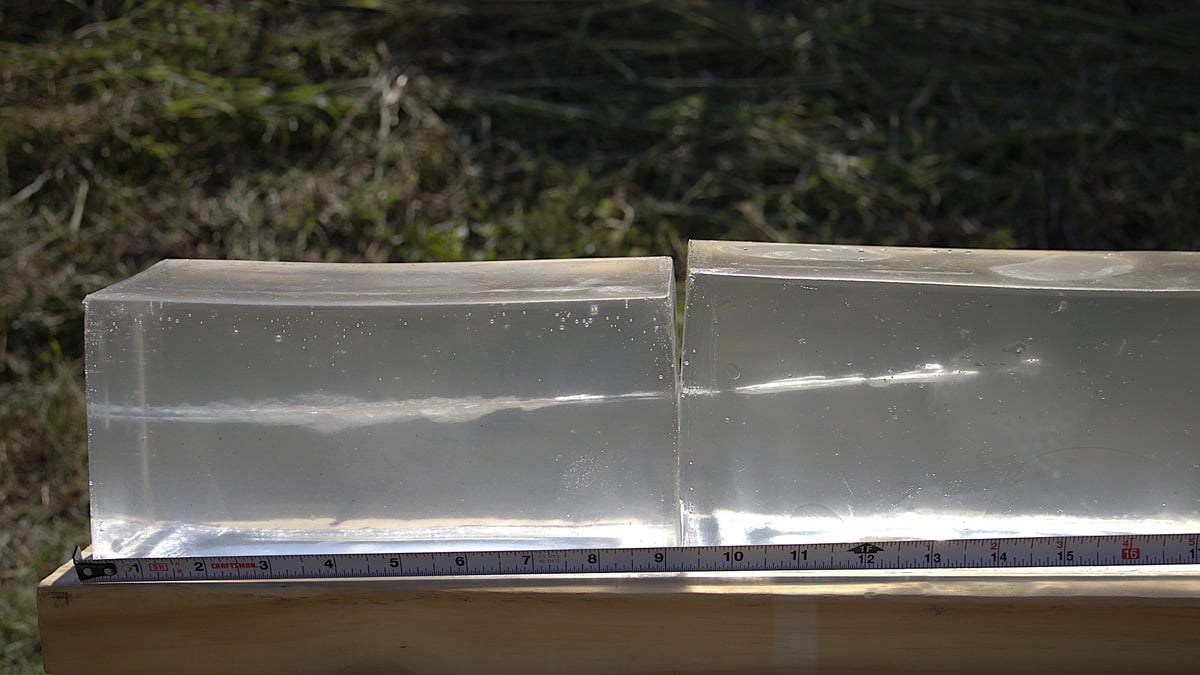
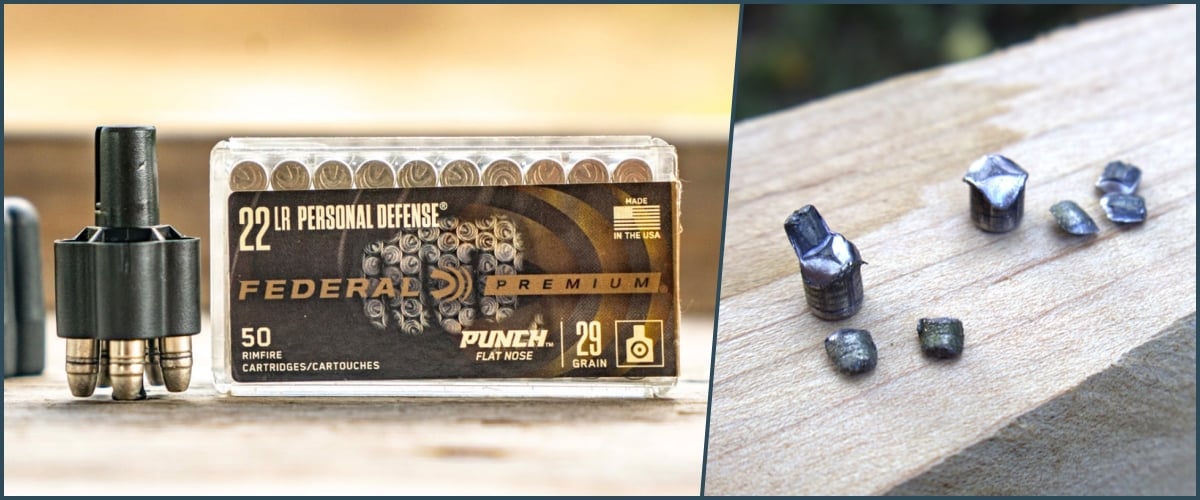
The CCI Stinger 32-grain hollow point is a long-time favorite for personal protection, and this round has been recently joined by new pistol ammunition for the .22 LR. These ammunitions include Federal Punch 29-grain flat point, Winchester Silvertip 37-grain hollow point, and CCI Uppercut 32-grain hollow point. Of these, the CCI Stinger and Federal Punch provide adequate penetration, even in pocket guns.
Hunting
The .22 LR was created as a small game hunting cartridge and is effective for that task within reasonable ranges. Things get complicated at further reaches and on larger game. As with self-defense, load consideration is key.
Hypervelocity cartridges like the CCI Stinger are designed from the ground up as varmint cartridges, where power and a flat trajectory take precedent. But rounds like these may not group as accurately and often produce more meat damage than necessary if you are hunting for the pot.
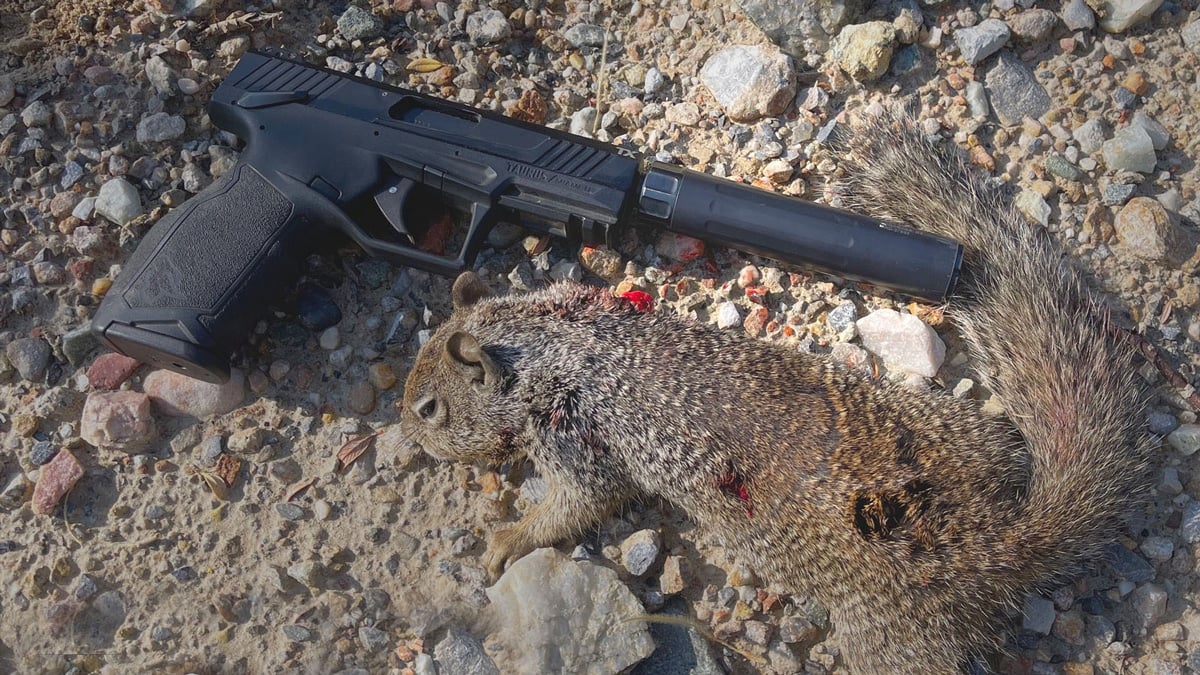
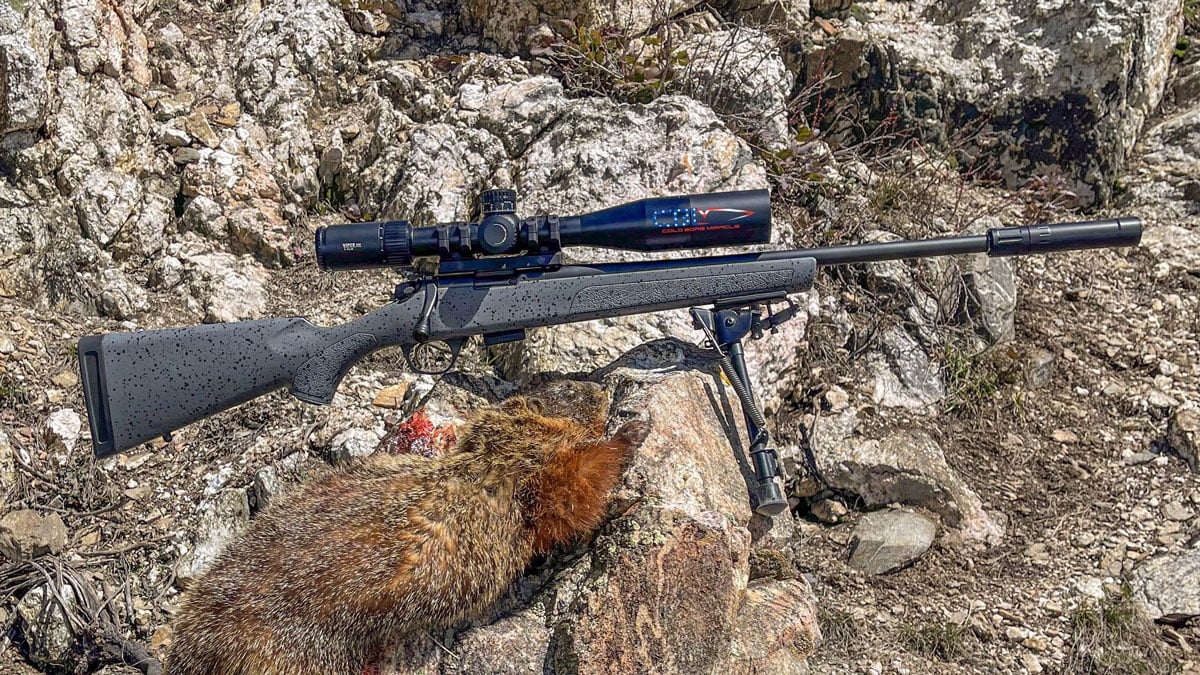
Subsonic and standard-velocity loads produce the least amount of meat damage but have a more elliptical trajectory. High-velocity rounds are the most common and provide a balance between range and damage.
For better penetration and less damage, standard 40-grain round-nosed bullet loadings are hard to beat. For greater terminal effect and potentially less damage to fur, a hollow-point loading is preferred.
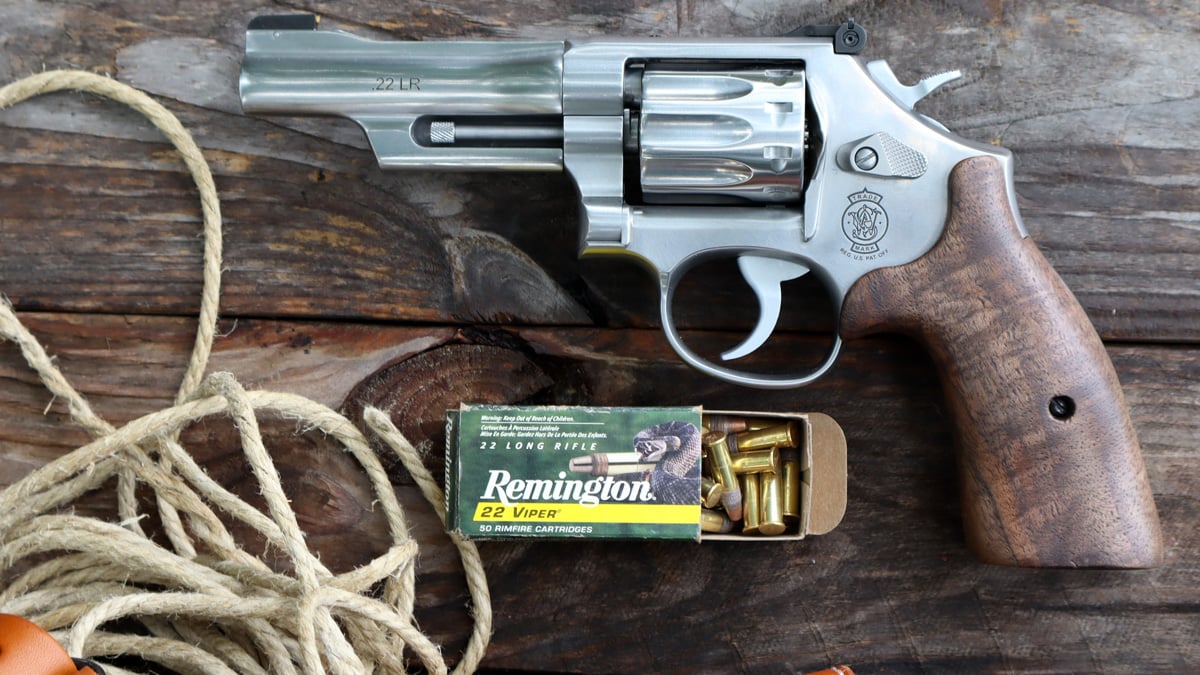
In terms of range, high-velocity and hypervelocity .22 LRs work well to 100 yards with minimal dope, but past 125 yards, these rounds begin to drop more precipitously. As subsonic and standard-velocity loads are going slower, both wind and gravity have more of a chance on them, but at 50 yards the difference between each type of .22 LR cartridge is negligible in terms of trajectory.
Subsonic/Suppressed Shooting
While there may be more compelling options for personal protection and hunting, the .22 LR has no peer in the realm of suppressed shooting. This comes down to the low cost of operation and sheer effectiveness compared to other calibers.
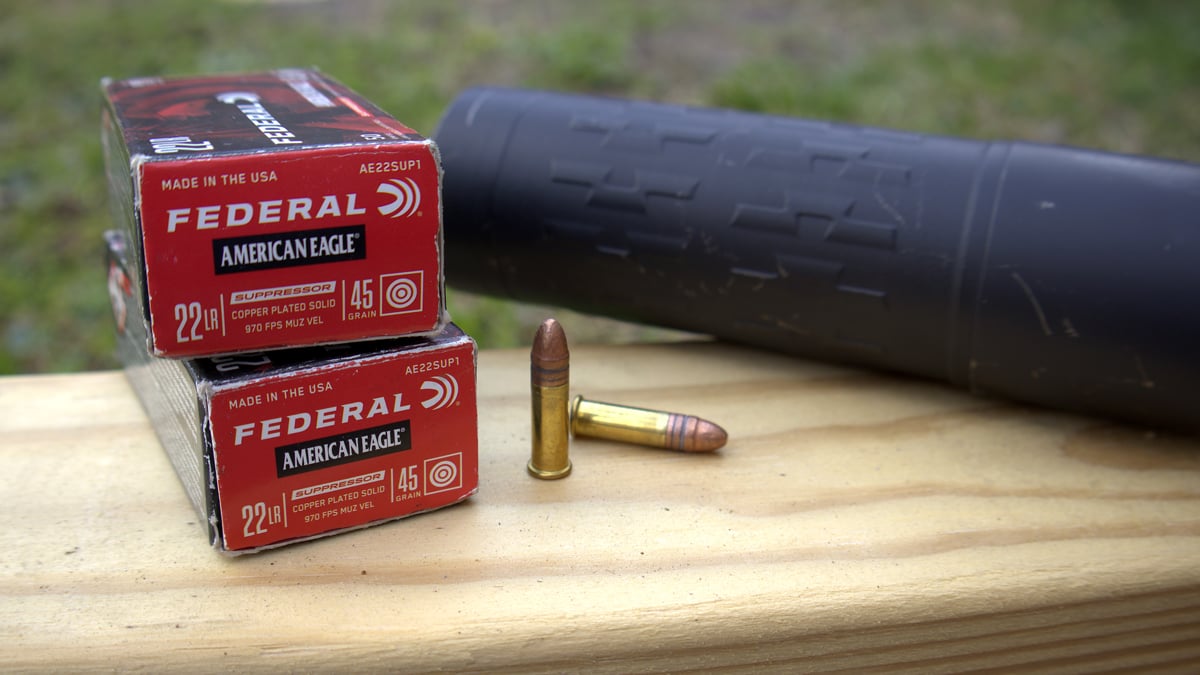
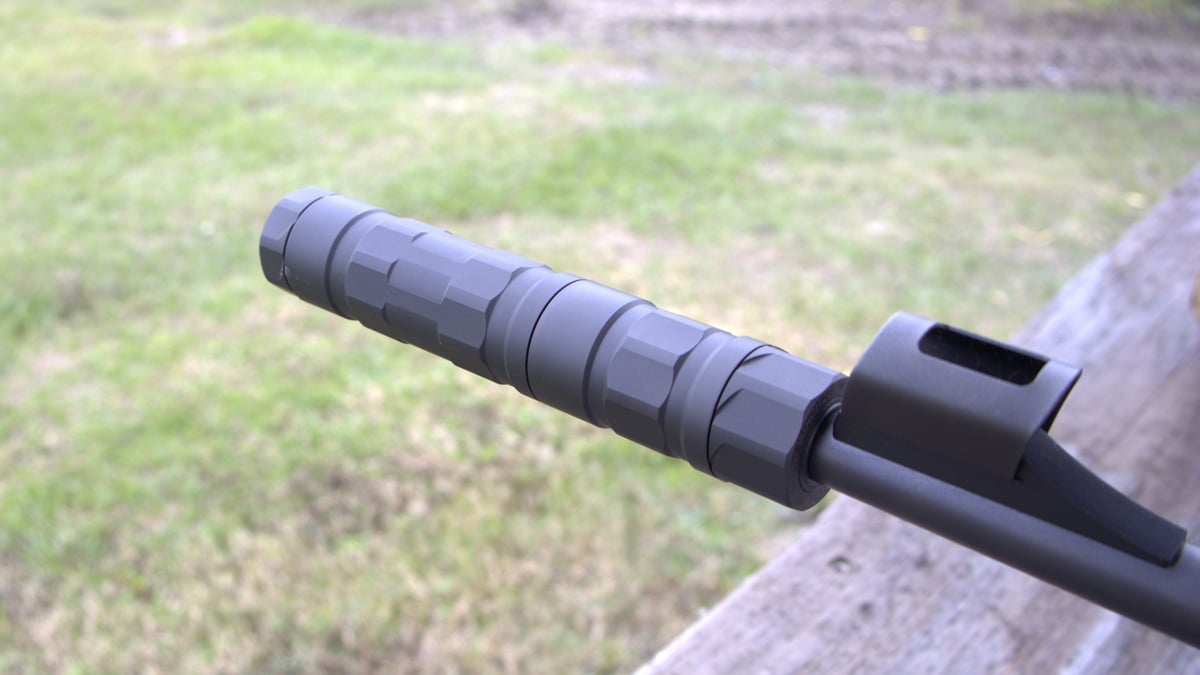
In addition to the low cost of .22 ammunition and firearms, rimfire suppressors tend to be low cost as well. Due to the lower power of the ammunition, it is not difficult to construct a smaller, unbeatably light can with materials like carbon fiber and titanium.
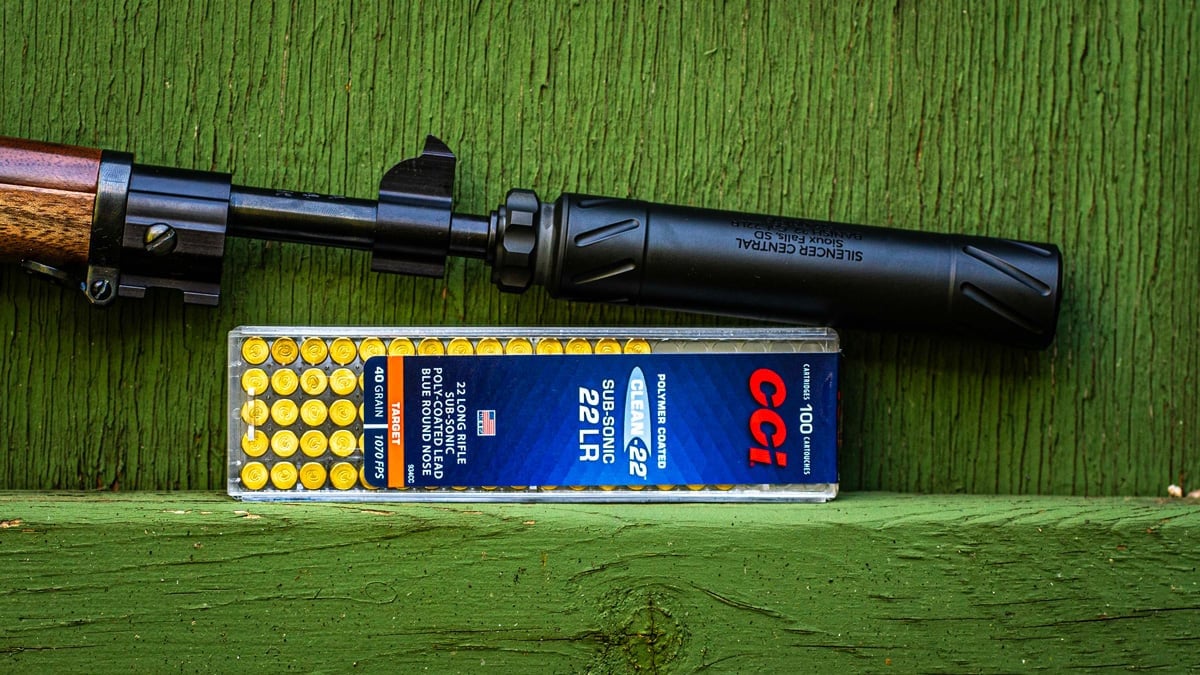
Its affordable nature is a hallmark of the .22 LR, while the lower velocity of the round and the small case capacity aid greatly in suppressing the sound of the gunshot. While most pistol and rifle cartridges are supersonic and give off a sonic crack and plenty of flash, subsonic and standard-velocity .22 LR cartridges make very little sound. In fact, sometimes the action sounds louder than the shot itself.
Precision/Match
The .22 Long Rifle round has been used in marksmanship training since its beginnings. That has translated to match use in respective small-bore or rimfire competitions. Until recently, the .22 LR was also a de-facto Olympic shooting cartridge for both 50-meter rifle and 25-meter rapid-fire handgun categories.
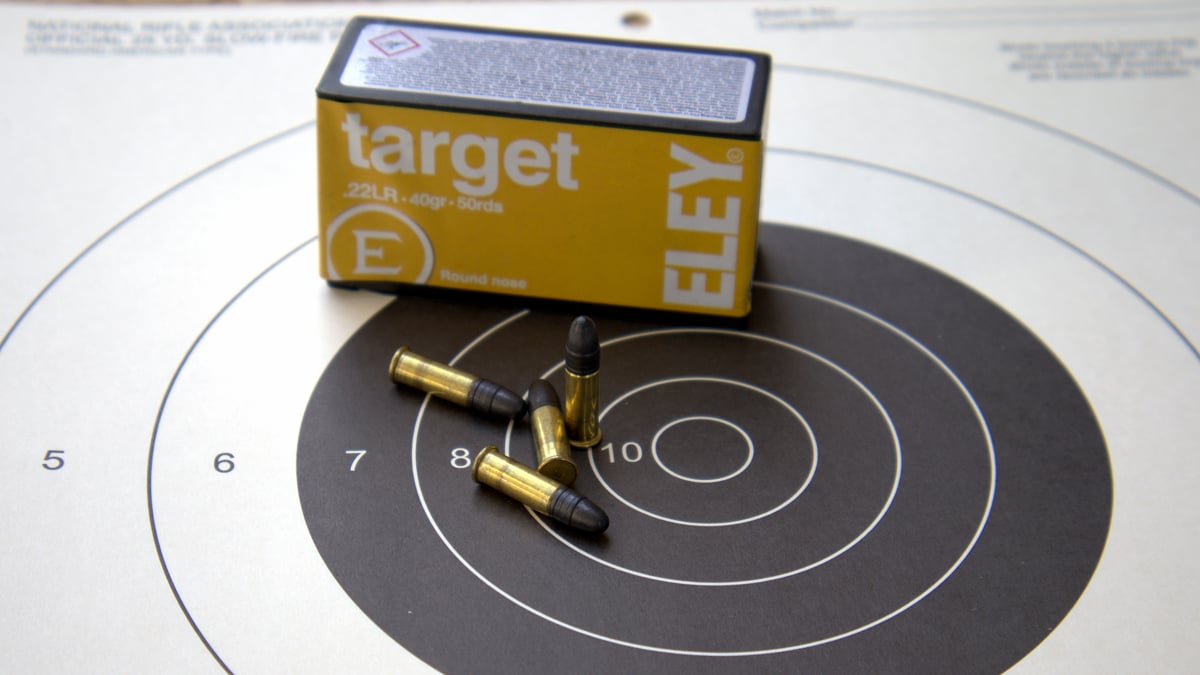
Standard velocity and subsonic .22 LR ammunitions are favored for match shooting. These rounds do not yaw in their trajectory when falling below the sound barrier, because velocity is already below the speed of sound. Favorite loadings consist of small-lot European brands like Eley and Lapua, but American loads like the CCI Standard Velocity are making inroads.
Plinking
Plinking is an underrated activity. The targets are generally small and unpredictable when hit. Unlike paper, plinking targets also provide some rudimentary feedback on how individual rounds perform.
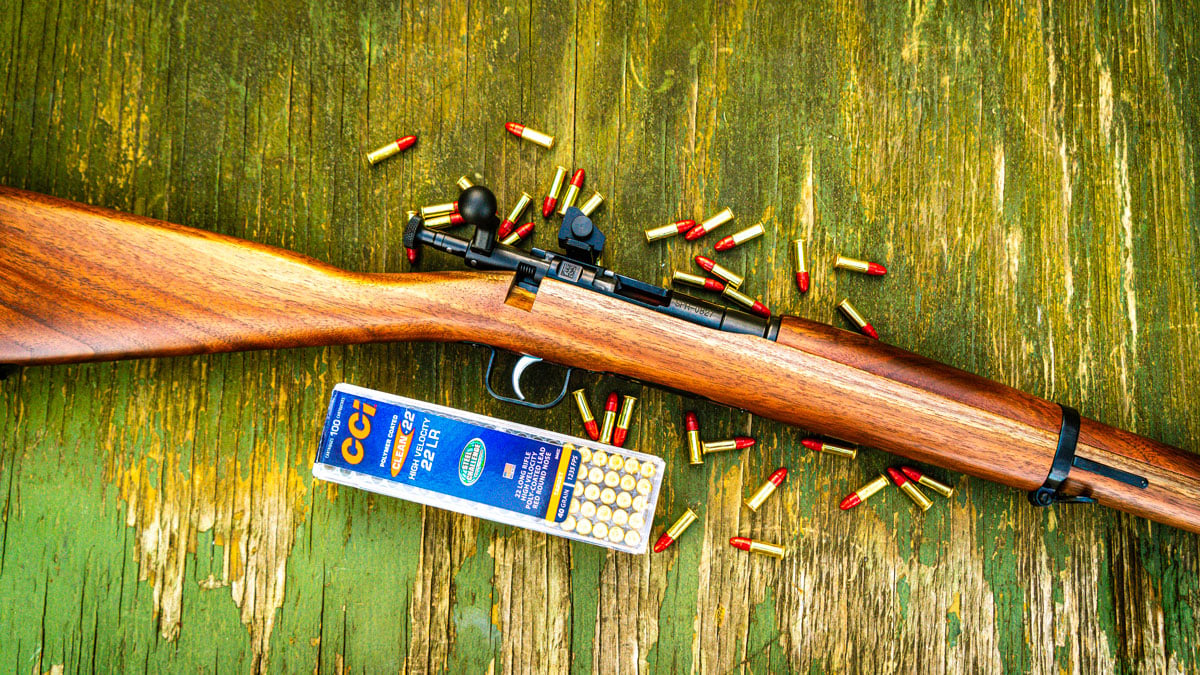
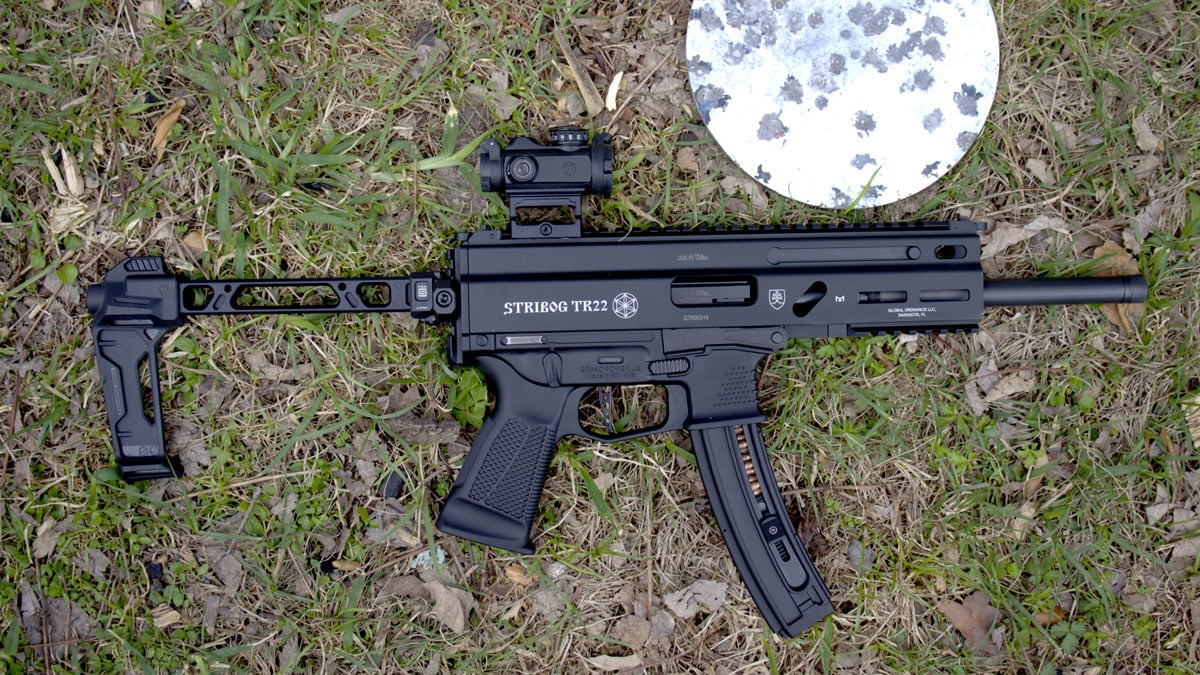
Last but not least, plinking is fun, and the .22 LR is among the best to use. The low noise, low recoil, and low cost of .22 ammo equates to more trigger time, more repetitions, and more smiles per box.
Why a .22?
If you could only have one rifle or pistol, one chambered in .22 LR is hard to beat. That is not to say there aren’t more effective rounds with better bullet designs and more power. But with the cost of admission so flexible and the uses so varied, a good .22 fits the bill more often than not.
Terril James Hebert
Terril Hebert is the world's okayist historian and firearms journalist who occasionally moonlights as an NRA pistol instructor. In his spare time, he enjoys forensic accounting, waxing poetically about the efficiency of musket balls, and working on his latest fire-starting techniques.
View All Articles by Terril James Hebert