I love the Beretta 92, also known as the M9 in the U.S. military. The first gun I ever purchased was a 92G Elite II, and since that day, I’ve loved this pistol family.
For this review, I’m going to assume you do, too. So, I’m not going to go over the fact that it’s super reliable, super cool-looking, and possibly the most iconic traditional double-action gun ever.
I’m going to assume that you have already decided you want one, but just need help deciding which one to buy. Because it’s been around so long, there are many models and variants. How do you choose?

To give you a taste of the variety, we will compare seven different models.
- 92FS with Threaded Barrel
- 92FS Brigadier
- 92G Elite LTT
- Wilson Combat 92G Centurion
- 92X
- 92X Performance
- 92XI
This is not an exhaustive group of all the available choices, but it should give you a good starting place for your hunt.
Buying Criteria
To help you narrow down your choices, I’ve broken down the guns into seven key characteristics:
Size
Grip Type
Safety Mechanism
Sighting System
Frame Material
Trigger Design
Cost vs. Refinement
Size
The Beretta 90 Series comes in three basic sizes:
- Standard
- Centurion
-
Compact
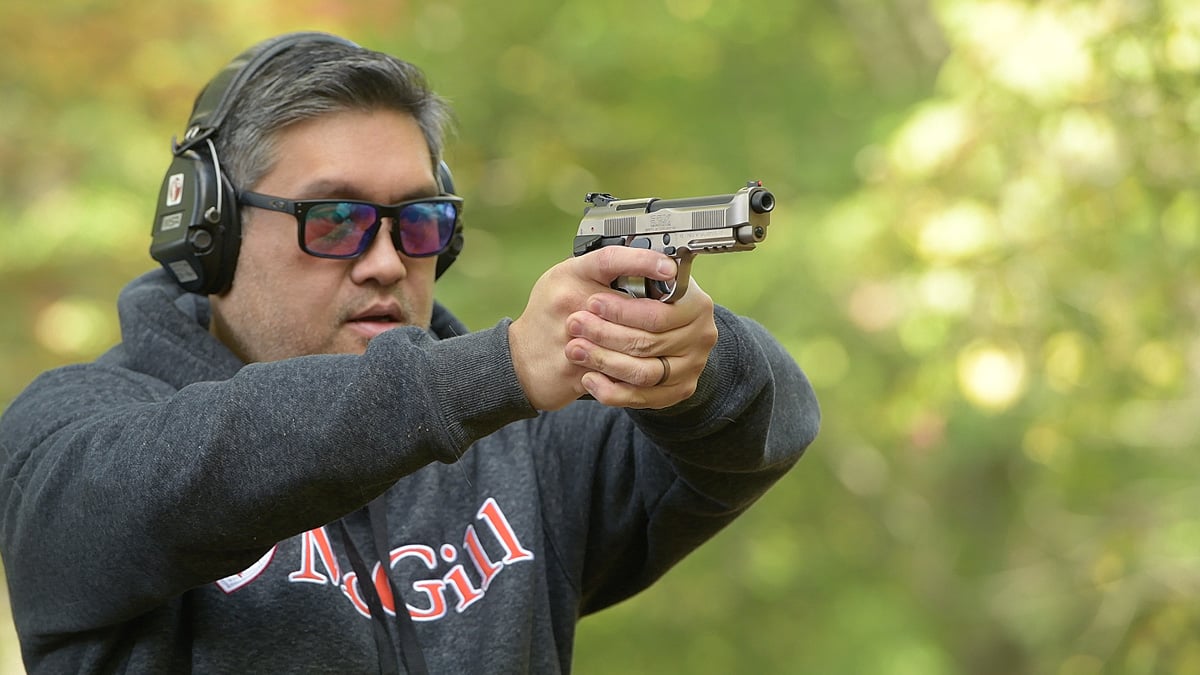
The Standard 92 is a full-sized gun with a 5-inch barrel and full-sized grip to match. My medium to large hands can get a complete grip, with my pinky just wrapping around the bottom.
Compacts have 4.25-inch barrels and shorter grips. On the Compact grips, my pinky is unsupported. Finally, the Centurions have the 4.25-inch Compact barrel but a standard, full-sized grip.

Standards are easier to shoot; Compacts are easier to conceal. Centurions split the difference. I don’t think the slightly shorter barrel makes them much easier to conceal, though. All the grips are the same width and use the same basic magazine pattern. However, many people, including myself, think the Centurion looks better. Aesthetically, I think it’s the optimum balance of barrel to grip length.
Beretta did make a single-stack version of the Compact at one time called the Type M. The thinness of that pistol made it a great, concealable size. It’s no longer being produced, but you might be able to find one used, although it is rare.
Grip Type

The Standard grip angle was the only one made for a long time. I loved this grip and shoot it well, but it was large and did not work as well for people with smaller hands. So, in 2002, Beretta released the slimmer Vertec grip, with a grip angle and trigger reach distance that worked better for smaller-framed shooters. I also shoot the Vertec grip well; I just find it less visually appealing than the traditional grip.
One note: most Beretta models with the Vertec grip come with a grip wrap option that gives you the traditional grip size and feel. Therefore, the Vertec grip gives you both options.
Safety Mechanism
There are two choices here:
- Slide vs. frame-mounted safety
-
Safety vs. decocker only

The original 92FS and M9 design had a slide-mounted safety. Critics of the slide-mounted safety cited two main reasons: First, they argued the safety could be inadvertently activated when racking the slide. This is true if you rack the slide by grabbing the rear of the slide. I personally rack the side from the front, so this was never a concern.
Next, they complained that the safety was difficult to reach and manipulate. This was mostly because people were never taught the correct way of taking off the safety. Most new shooters deactivate the safety by flipping up on the lever. This is awkward and slow from a normal firing grip. The trick is to swipe down as when deactivating a 1911 safety.
But if you must have a frame-mounted safety, Beretta has made them in the past, and now frame safeties are part of their normal lineup. Frame safeties are usually on the more premium, competition-oriented pistols such as the 92X Performance and 92XI SAO.

But the second safety choice you can make concerns the slide-mounted safety models. On standard FS or M9 guns, the safety acts both as a safety and decocker. When you activate the safety, it locks the gun from firing and decocks the hammer. However, on Beretta "G" models, the safety acts as a decocker only, and then snaps back to the ready-to-fire position. This eliminated the problem of inadvertently activating the safety during slide racking. Even if you hit the safety lever, it would decock the gun, but it wouldn’t put it on safe.
Personally, I’m used to frame safeties because I shoot a lot of 2011s. But if you are accustomed to striker-fired guns, then maybe a decocker-only "G" model is for you.
Sights System
Basically, there are iron-sight-only versions and optics-ready options. Most of the modern iron-sighted guns have dovetails for both the front and rear sights. Older models such as the classic M9 only have dovetails for the rear sight. The front sight is integral to the slide and cannot be replaced without some serious gunsmithing.

For red dot users, there are factory options for mounting a dot on some models such as the 92XI. But, Langdon Tactical Technologies (LTT) has pioneered a method of mounting red dots on all 90 series guns. This is more involved than just cutting the slide, and internal parts had to be redesigned. But this results in the optic being mounted lower on the slide than on the factory options. The LTT mount is probably the best red dot option on the market.

Frame Material

There are aluminum frames and steel frames. Aluminum frames are standard and lighter, so they are better for carrying. Steel frames are heavier and help mitigate recoil better, so you can shoot them faster. Competition models like the 92X Performance have a steel frame, which feels great and solid. Standard and carry editions have the aluminum frame, such as the 92FS.
Related: Beretta 92X Performance Review – Your Racing 9mm Pistol
Trigger Design
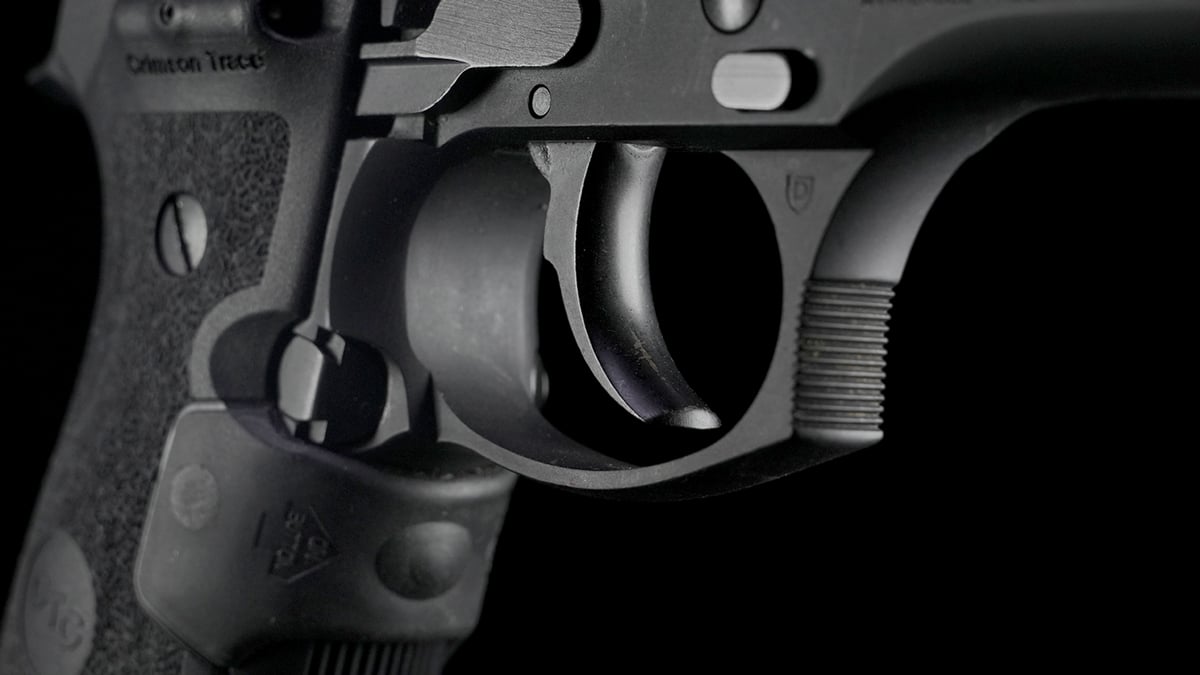
There are a bunch of options here. The standard 92FS trigger is a traditional double action designed for a duty gun. It is actually pretty good and smooth for a duty trigger, but the first pull is long and heavy.
There are factory Beretta options with tuned triggers, such as the 92X. Beretta has also partnered with custom gunsmiths to offer even more refined models like the LTT and Wilson Combat editions.
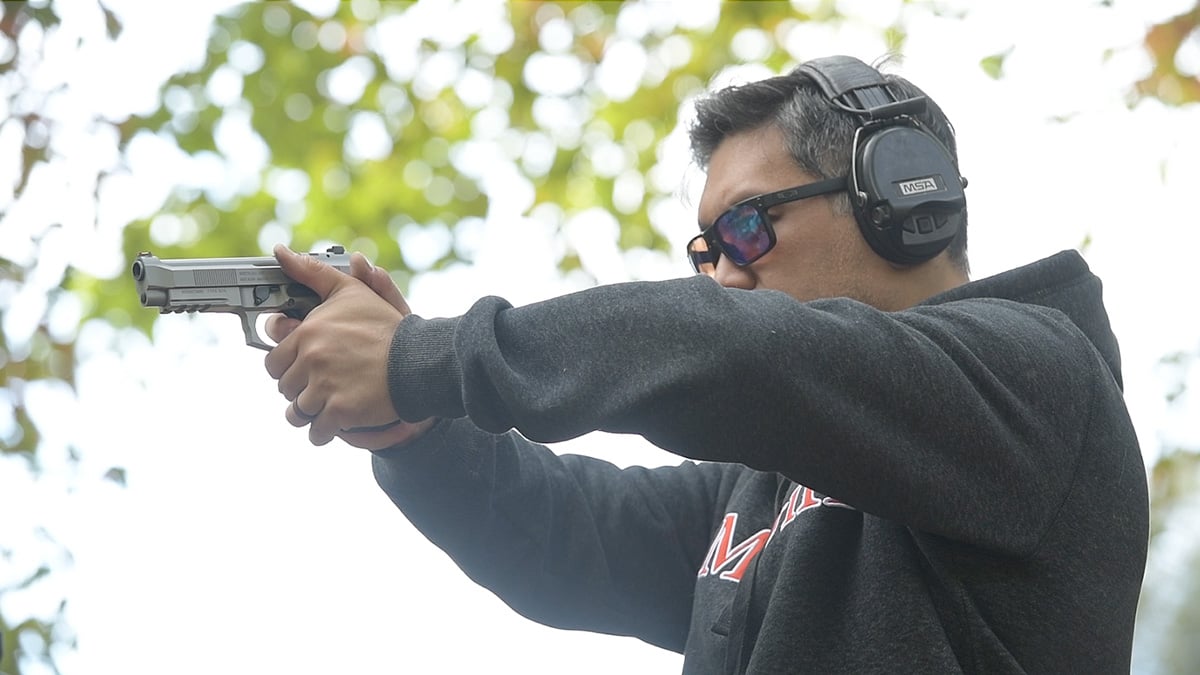
And there are also variants that stray away from the TDA design. Beretta has double-action models that can also be carried cocked and locked, like the 92X Performance. And there are single-action-only models such as the 92XI SAO. There are also flat trigger options.
Cost vs. Refinement

There are many grades or levels of Beretta 92. The base 92FS is already considered a premium gun. With a starting price of around $700, it definitely feels more refined than a budget pistol. However, the more customized options start getting close to a high-end 1911 feel. The slide rack of the 92X Performance (pictured above) is so smooth that it feels like it’s on ball bearings. The Wilson Combat 92 has the best double-action trigger pull I’ve ever felt.
Now, if even the entry-level 92 is too much for you, there are still options. Because of the longevity of the design, there are numerous clones of the 92. You can get a used Taurus PT 92 AF for under $500 at Guns.com. Quality varies on these clones.
Conclusion
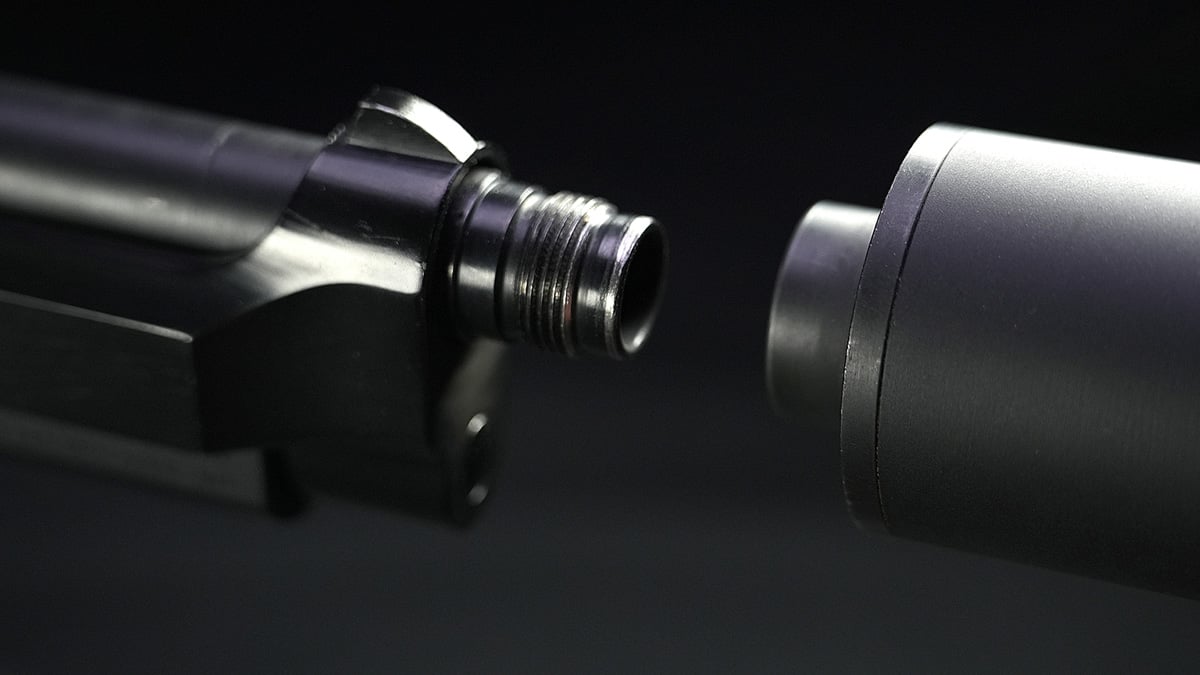
That does it for my major categories, but a few other features to consider are:
- An accessory rail
- A threaded barrel for a suppressor
- Forward slide serrations
- More robust slide
- Different calibers – In addition to 9mm, the Beretta 90 Series is also available in .40 S&W and .22 LR.
All in all, you can’t really go wrong with any of these Beretta 92s. It just depends on what features you prefer.