History
Developed between 2000 and 2004, the idea of the 6.8 Remington Special Purpose cartridge was to remedy the deficiencies in the 5.56 cartridge, especially in shorter barreled platforms.
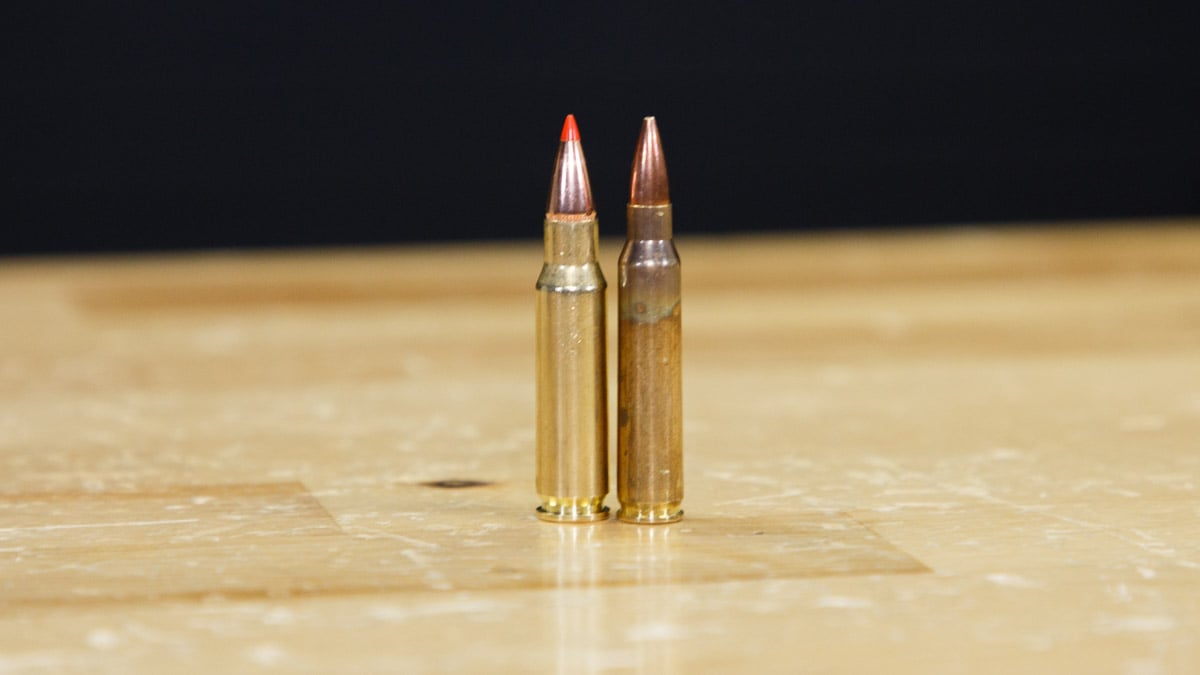
The 5.56 cartridge was designed around the 20-inch barrel of the original M16, but the U.S. military continues to shorten the barrel for more compact platforms, which has a strong negative effect on the performance of 5.56. The U.S. started introducing platforms like the XM-177, the Colt Commando, and other Colt carbines like the 723 and 727.
Ultimately, in the modern context, the Block II (M4) and the MK18 – two of the most common firearms in U.S. military service – both have significantly shortened barrels.
Design
The 6.8 SPC was designed as an intermediate cartridge between 5.56 and 7.62 NATO in size. In a 16-inch barrel, 5.56 typically fields a 62-grain projectile at around 2,400-2,600 fps.
In comparison, the 6.8 SPC fields a 110-grain projectile coming out at between 2,500 and 2,600 fps. While the velocities are the same, the grain weight and energy transfer for 6.8 is almost double that of the 5.56. Additionally, there is only a 20-30 fps change when going up or down per inch of barrel length in the 6.8 SPC cartridge, while 5.56 is almost double that. This means the shorter you go, the more detrimental the velocity change to the 5.56 cartridge.
Failure to Launch
Considering the 6.8 SPC does have a better performance than 5.56, it begs the question, why it was not adopted?
The cartridge was tested against 5.56, 7.62x39, and 5.45x39, the three major intermediate cartridges of the modern era. The idea was that the 6.8 SPC would bridge the gap between 7.62 NATO and 5.56 NATO with a long-range capable cartridge that was also optimal for short CQB platforms. Ultimately, the 6.8 replacement was deemed too expensive, as the cartridge was bigger than the 5.56 and would require every platform to have replacement bolts, barrels, magazines, and ejectors.
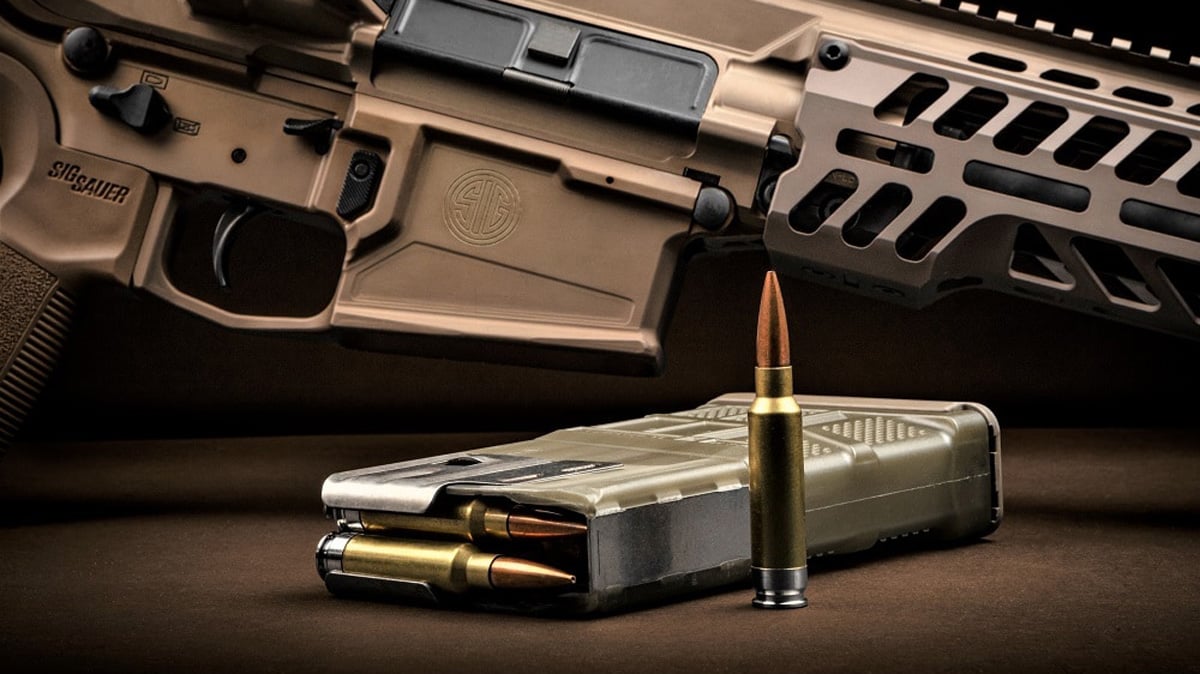
A 6.8 cartridge eventually was adopted with the .277 Fury round in SIG’s M7 rifle design. That 6.8 is closer to a .308 case size, really getting away from the idea of an intermediate cartridge. That debate goes all the way back to .280 British and the FAL. Having had experience with both .277 Fury and 6.8 SPC, I can confidently state that the latter is a better suited cartridge.
Related: SIG Announces Consumer Model of Army Next Gen Rifle
On the Range
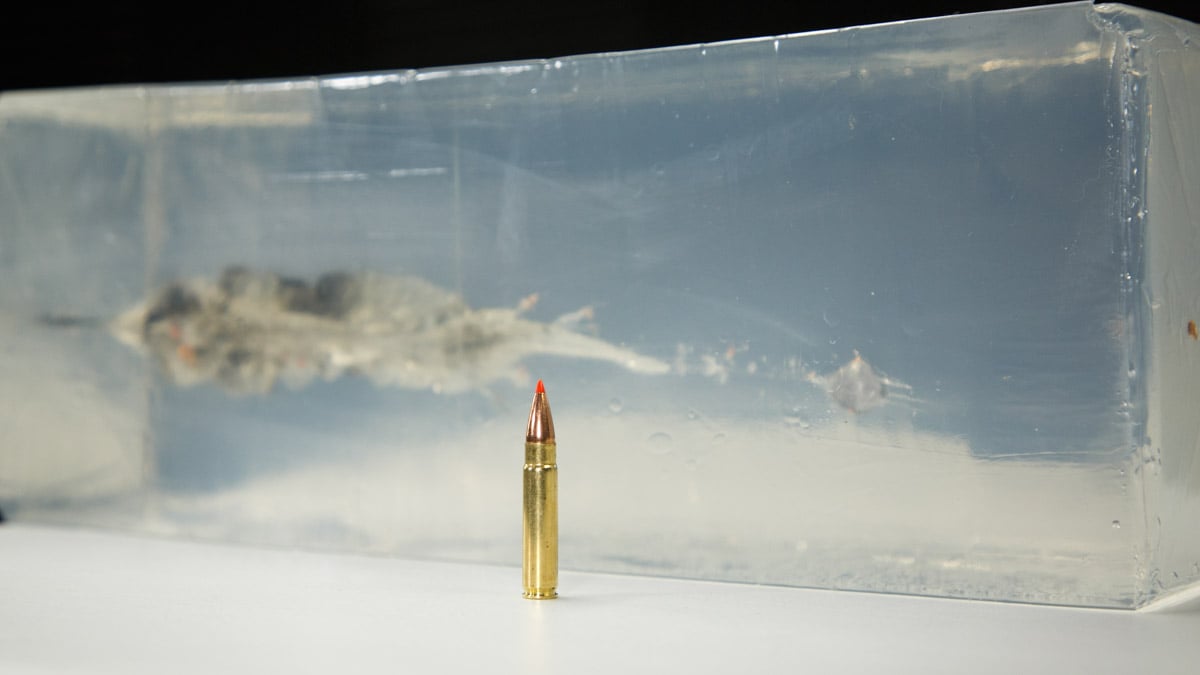
We took this cartridge to the range with a Clear Ballistics 10-percent FBI gel block and a LWRC SIX8-A5 rifle. LWRC was instrumental in the testing of 6.8 and introduced several platforms chambered for the cartridge. I shot the Clear Ballistics gel with a Hornady Black 110-grain V-Max load. The Hornady box advertises a 2,570 fps muzzle velocity, which is impressive for a 16-inch barrel.

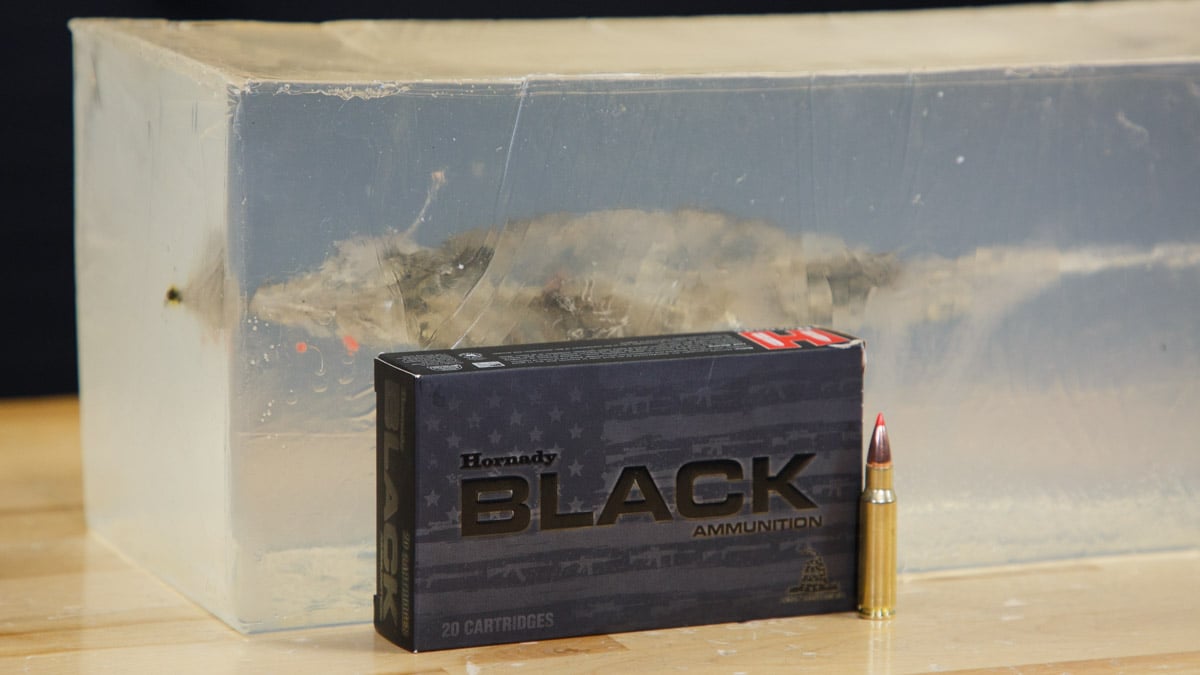
In the 16-inch block, the 6.8 SOC Hornady hollow point began its expansion around 1.5 inches. The permanent wound cavity measured about 2 inches by 2 inches for about 8 inches. The round did not over-penetrate and was captured at the end of the block, as it traveled about 15.75 inches through the block. That is excellent performance for an intermediate cartridge.
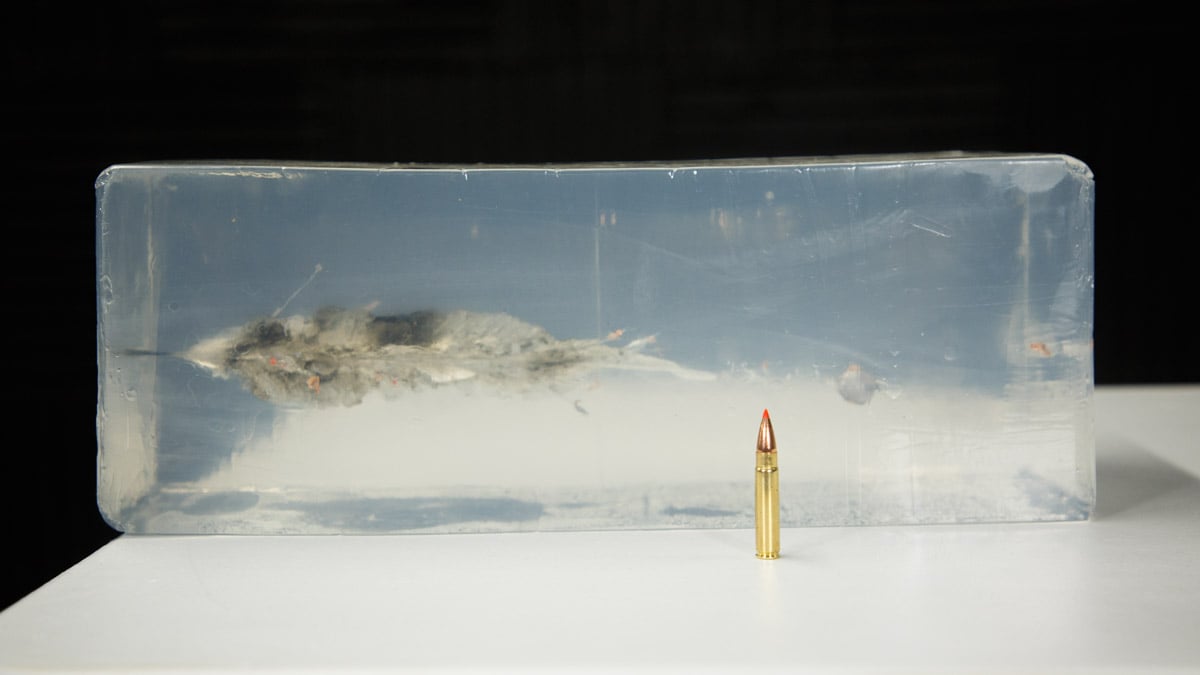
In recent years, the caliber debate has been dominated by the discussion of defeating body armor. I believe this is a mistake. First, 5.56 in a 20-inch barrel can deform body armor with green tips. Second, it’s more important to have a round that performs admirably in soft tissue, as 5.56 (prior to the introduction of M855A1) tended to ice pick and over-penetrate.
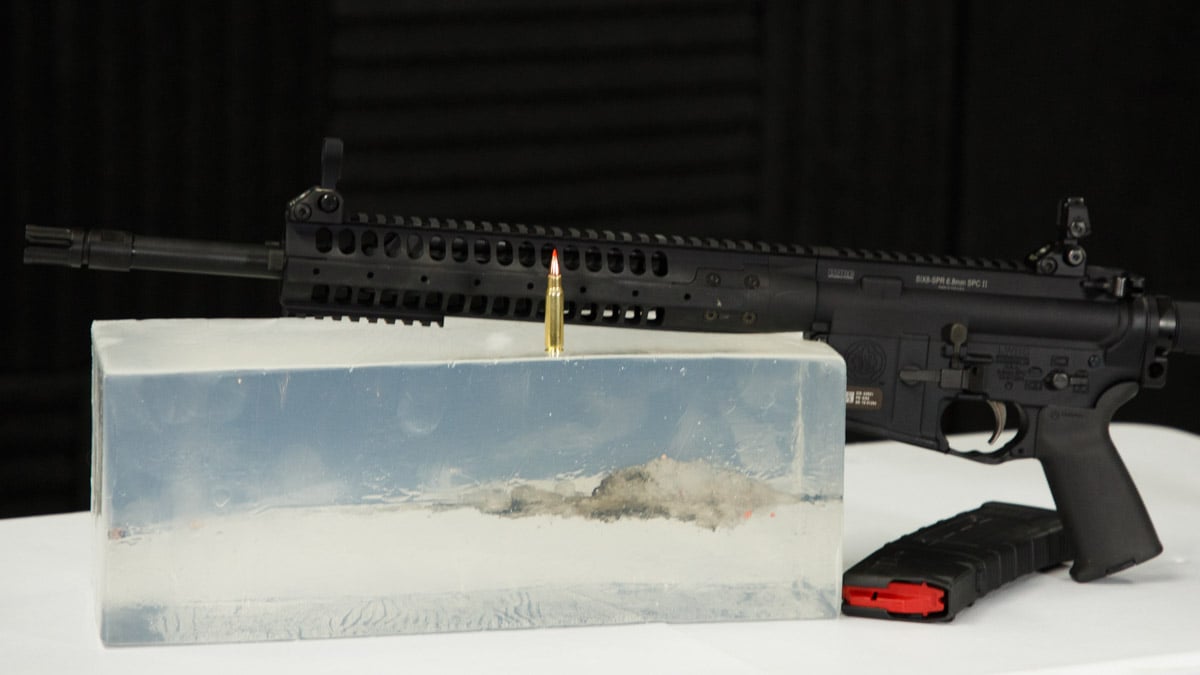
The 6.8 SPC shows excellent performance for an intermediate cartridge. It’s controllable, with a manageable recoil akin to that of 7.62x39. The platform is familiar, with the same controls as an AR, and the round does a great job in a gel block.
Summary
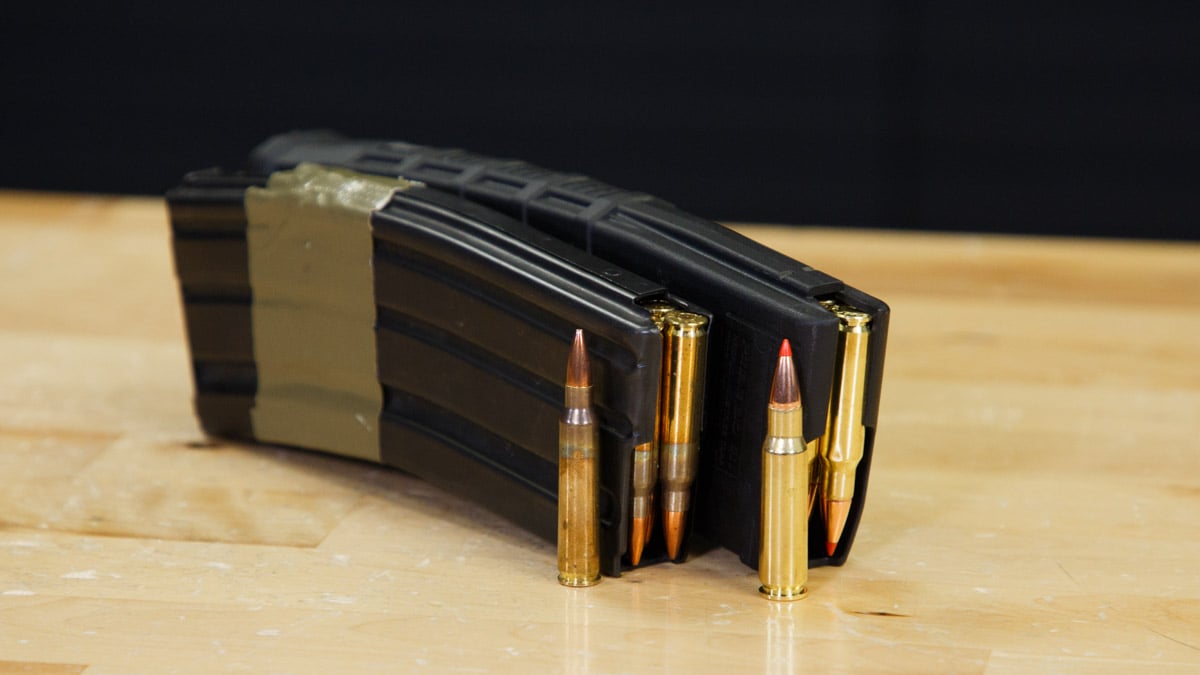
Personally, I love the 6.8 SPC cartridge and think its performance and controllability make it a great replacement for 5.56. It’s still a smaller intermediate cartridge that fits the standard, but I am not in charge. While it was never officially adopted, that does not take away from its excellent design and performance.
Luckily, the cartridge and platform are still in production, and you can make the decision for yourself. If you’re looking for an upgrade to your 5.56, there’s a case to be made for the 6.8 SPC. The best part about working for Guns.com is that when I want to test obscure calibers, the Certified Used inventory has the platforms to support my aspirations.