History
Turn your attention back to the turn of the 20th century, when punt guns and now-antiquated bores were more the norm than the 12s and 20s we revere today. While bores of 2, 4, 6, 8, 14, 24, and 32 have largely faded from modern memory, the 28-gauge not only remains, but is on the rise, more so now than ever.
Its roots can be tracked as far back as the late 1850s in England, with early ties to W.W. Greener and later to Parker Brothers in the United States. Many of those early doubles and single shots survive today, an indication of the quality of that early craftsmanship which has given rise to today’s 28s.
Shell Metrics

Like most shotgun bores, the 28 gauge earned its name in the same manner, representing the number of lead balls of the bore’s diameter required to equal 1 pound. Just as the 12 gauge takes 12 lead pieces to fill said pound, so the 28 gauge equates to 28 lead balls to 1 pound. In pure metrics, the 28 gauge would measure out to a 0.55-inch diameter.
Though some of the earlier hulls measured 2.875 inches, the 2.75-inch length has become the gold standard for over a century hence. A “standard” 28-gauge load would commonly be a 2.75-inch hull filled with .75 ounces of lead or .625 ounces of steel, though heavier loads have long been available. In the last few years, though, both those numbers and options have been expanding, but more on that in a bit.
A True Sub-Gauge
Flash forward to today, and the 28 gauge – long an unsung darling of upland hunters, discerning clay busters, and firearm collectors alike – finds itself in new conversations. With advancements in everything from shell length to gunpowder to shot type and even shotgun manufacturing, the 28 gauge is more relevant than ever. With its smaller bore and slimmer lines, the most appealing 28-gauge shotguns are scaled appropriately, built on a smaller frame.

The 28 is a sub-gauge indeed, not to be confused with the baby bore 410, which the 28 trumps handily in apples-to-apples comparisons. While the 410 has been garnering recent attention with its microscopic recoil and piquing interest in baby bore gobbler guns and specialty TSS loads, the 28-gauge has been sitting idly by.
Well, no longer. Companies like Federal ammunition and Mossberg are offering turkey-specific 28-gauge shotguns and loads. When talking TSS – tiny but weighty tungsten – a 2.75-inch shell packs 1.375 ounces of TSS shot. Such a load expands the capabilities and range of the 28.
A 28-Gauge Magnum?
Speaking of maximizing the 28, the era has arrived when both ammunition and firearm companies have recognized the sub-gauge’s untapped potential. More than a handful of years back, Benelli showed off a Magnum version of the 28-gauge – that is, a 3-inch chambered model of their Ethos autoloading shotgun.

Naturally, the lengthier hull affords room for more, or larger, pellets. The new 3-inch 28 gauge is currently available in guns from Beretta, Kreighoff, Benelli, and Franchi, with more sure to come. The extra capacity of that expanded hull allows the 28 gauge to fire hefty hunting loads, with the most noticeable gains coming with steel or specialty shots.
Related: 2023’s Best 28-Gauge Hunting Shotguns
The Magnum hulls can pack a full ounce of HeviShot’s Hevi-XII or just over an ounce (1.0625 ounces) of Boss bismuth, making the 28 a much more valuable player in the waterfowl market. Time will reveal how many more manufacturers start building their 28s with a 3-inch chamber, but the movement is there with the 28 poised for bigger things, both figuratively and literally.
The Firearms
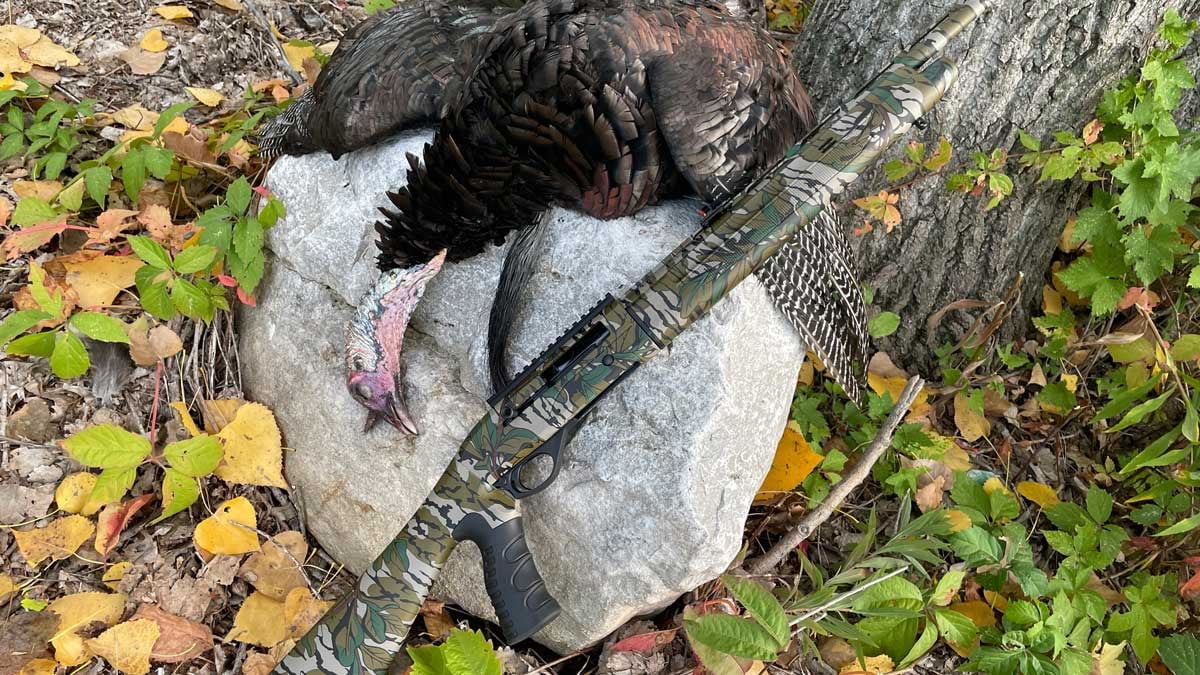
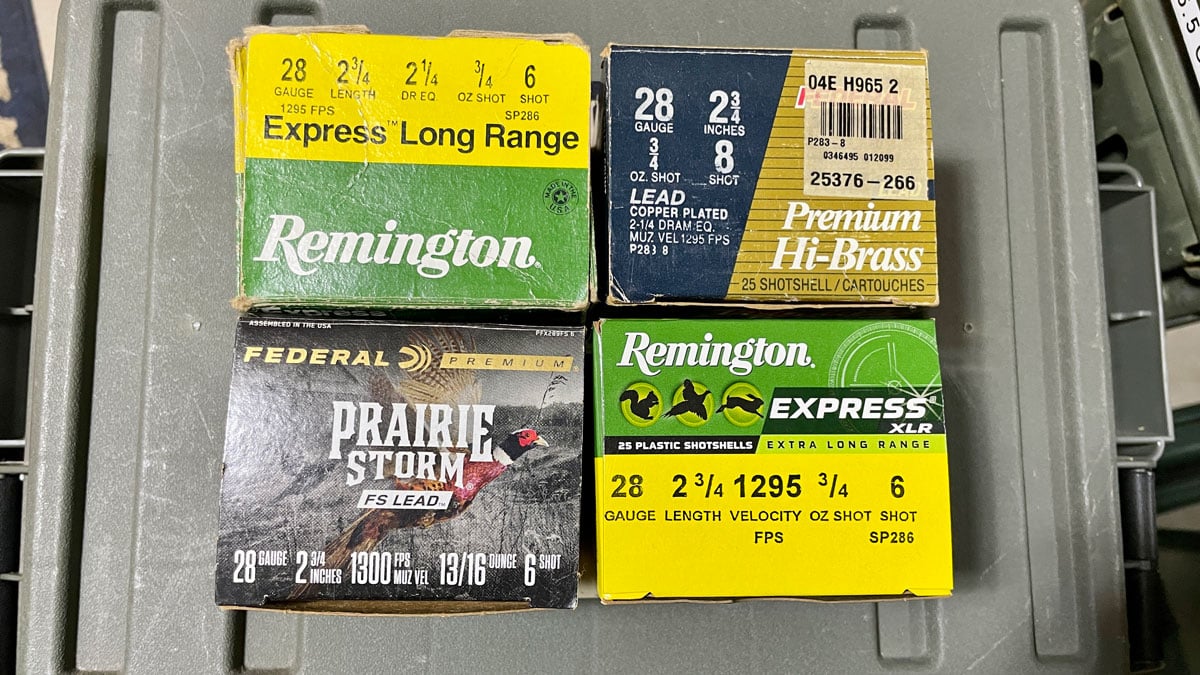
Along with the resurgence of firearms has also come an increase in ammunition options. The rise of specialty shots like tungsten and bismuth, albeit costlier, have opened gauges like the 28 from solely upland and clays markets to turkey and even waterfowl.
Federal catalogs no less than a dozen options from upland to target to steel, and even a new Custom Shop TSS that we hope will soon become over-the-counter production. Sister company Remington continues to add more selections, while Winchester and Browning together offer equally as many choices. Hunting powerhouse Hevi-Shot packs hearty waterfowl and duck loads, while Fiocchi may be crowned king in terms of sheer number of loads in their directory with over 20 in various weight, shot sizes, and types.

Whether seeking a do-all load, or ultra-specific factory-loaded round, today’s 28 shooters can find it, not to mention the many still pressing out their own on the loading bench with the plethora of powders now available.
Uses Galore
We’re not here to crown the 28 champion over bores like 12 or 20, but rather to recognize its rich lineage and practical purposes. Name an upland game bird – any bird – and the 28-gauge will excel at bagging them all. From ruffed grouse to woodcock, sharptails to partridge, the light-recoiling and easy-carrying 28 will fill limits.

It’s a softer worker in the pheasant fields, and believe it or not, especially with the advent of 3-inch hunting shells and matched firearms, the round has made its way to duck fields and blinds as well. While perhaps not ideal for the latter, as with aforementioned turkey hunting, it serves the purpose well for the responsible, practiced hunter who realizes its effective, ethical ranges.
The 28 is not just a hunter – far from it, in fact. Sporting shooters have long recognized its prowess on smashing flying clays, at home on the skeet range or sporting clays course. Be it patterning, shot string, or harvesting effectiveness, the 28 has a way of proving itself beyond what most expect. There’s far more that it can do than can’t, not to mention the long-known joys of going afield with the history of a well-fit, pleasant shooting sub-gauge.