History
The .300 HAM’R cartridge occupies the opposite end of the .30-caliber spectrum from .300 Blackout. While .300 Blackout is optimized for suppression and short barrel lengths, .300 HAM’R is optimized for standard barrel lengths and velocities.

Master gunsmith Bill Wilson of Wilson Combat has made it one of his passion projects to find a .30-caliber bullet to maximize the performance of the AR platform. His goal was to find a caliber that could mimic the performance of the .30-30 Winchester in an AR platform.
After experimenting with the 7.62x40 WT (Wilson Tactical), Bill Wilson finally settled on the construction of the .300 HAM’R. This 110-grain projectile travels at about 2,500 fps out of a 16-inch barrel and requires no major changes to the AR outside of a new barrel and .300 Blackout magazines.
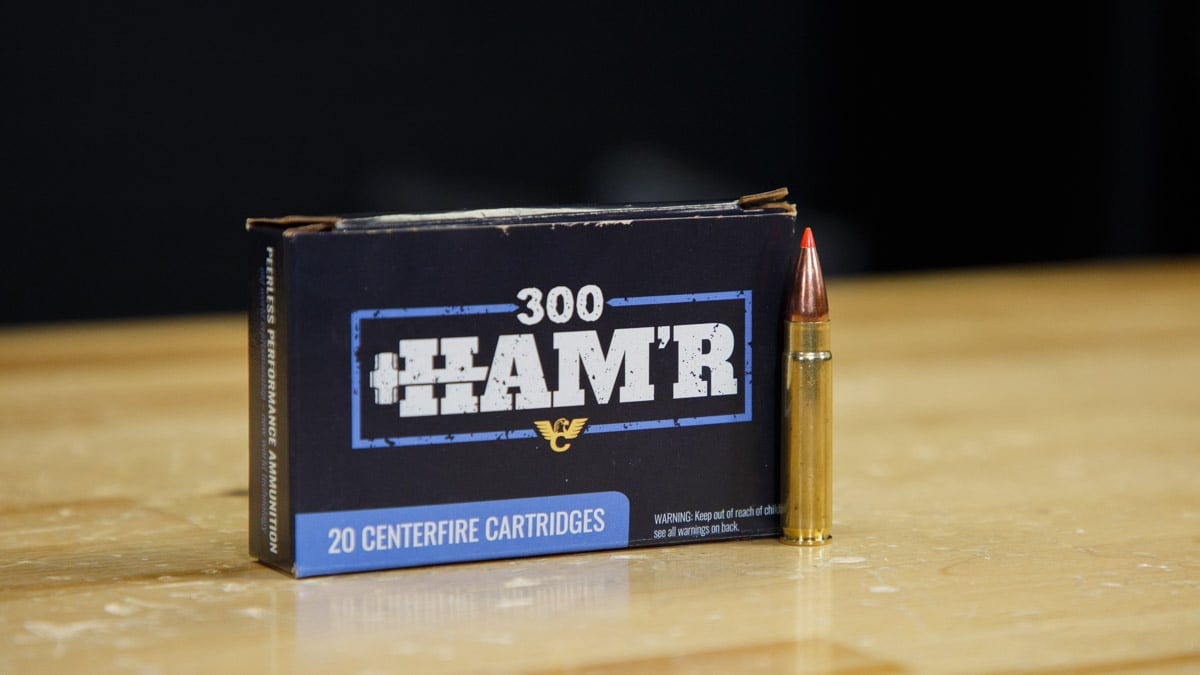
Focused on hunting, the new .300 HAM’R will be offered in a few different Wilson Combat AR platforms, with the ability to be used for home defense or other tactical purposes as well.
On the Range
Before we discuss the .300 HAM’R’s performance in the ballistics gel, I’d like to address how it shoots. The recoil impulse is akin to that of a 7.62 AK – very controllable for an intermediate cartridge – but this was the gassiest round I have ever shot. It felt like I was getting gassed in the face with suppressor-level blowback after every trigger pull.
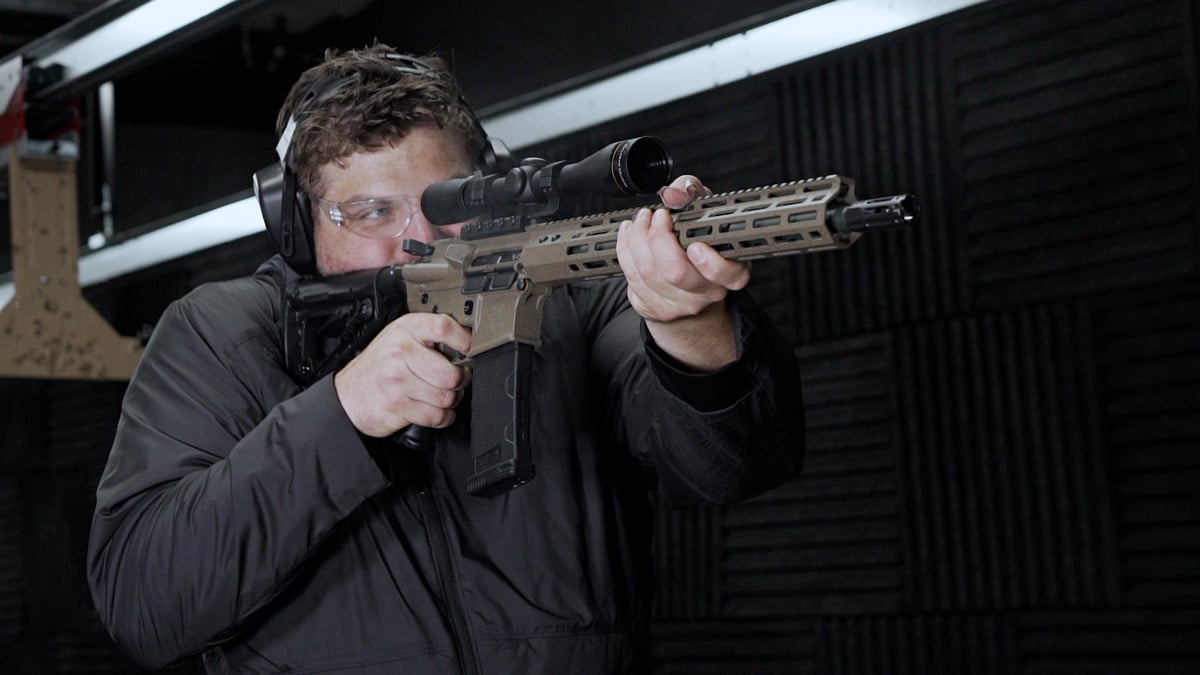
Wilson Combat suggests that you use .300 Blackout-designed magazines for reliable function, which I used with no issues. I have read that if you are hunting and need only a five or 10-round magazine, 5.56 mags will work.
I had a few boxes of Wilson Combat Hornady V-Max ammo, with a 110-grain projectile that is advertised at 2,550 fps. The V-Max bullet is tremendously popular for hunting and home defense, and each box was only about $23, making it relatively inexpensive hunting ammo.
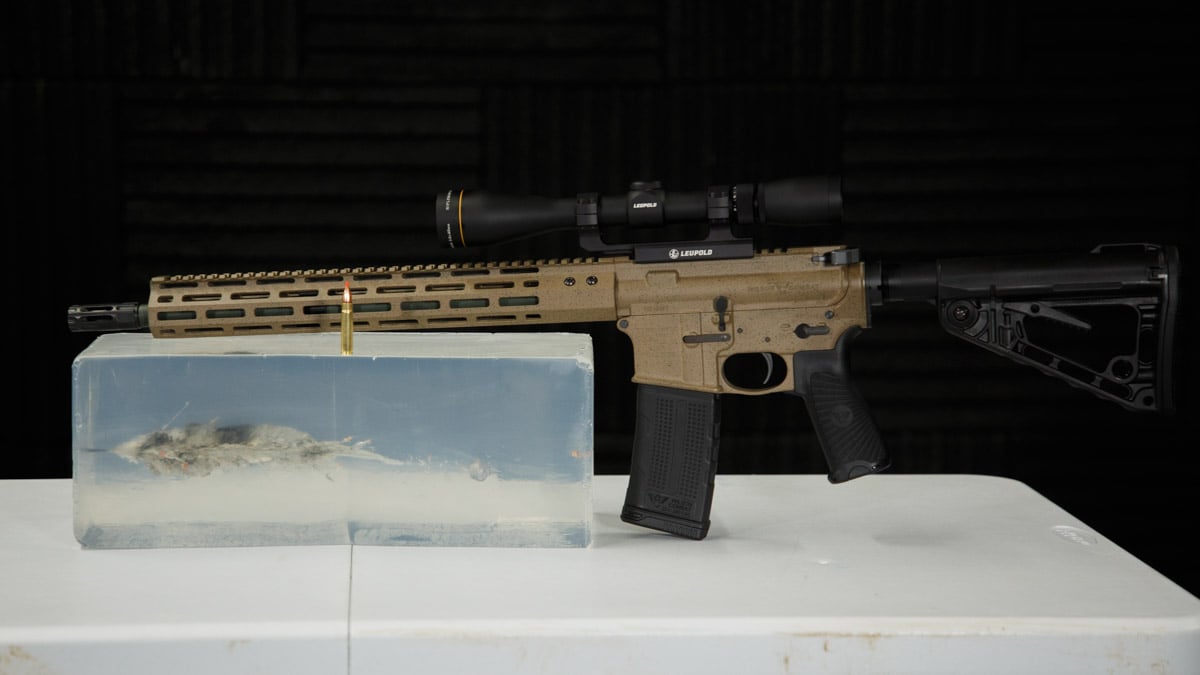
The .300 HAM’R has a 1:15 twist rate, meaning one full rotation every 15 inches, which is extremely slow considering most .300 Blackout has a 1:8 twist. This slower twist reduces the friction between the barrel and bullet to help preserve velocity.
Ballistic Gel Block
I was curious to see how the .300 HAM’R would do in a 10-percent FBI ballistics gel block from Clear Ballistics. I shot one round at a 16-inch block from a range of about 5 yards. The performance of the round was spectacular.
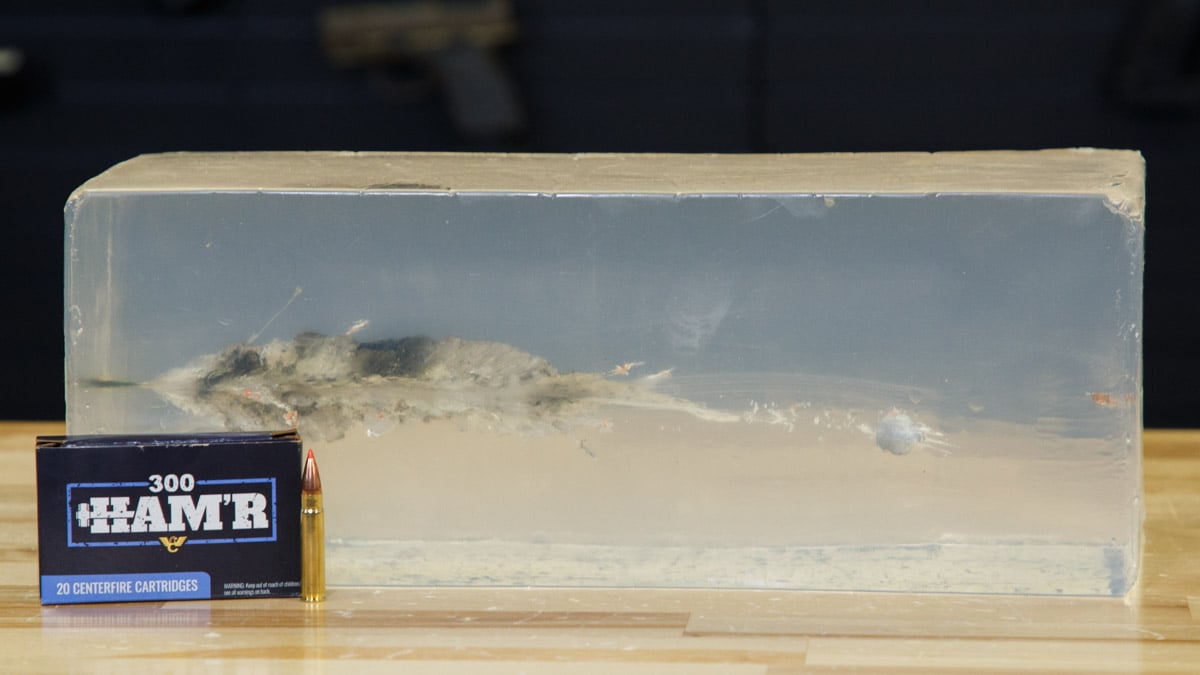
The .300 HAM’R began its expansion and permanent wound cavity at about 1.5 inches. The 2-inch-wide wound cavity continued for about 7 inches as the round started shedding its jacket in pieces. The base of the round stopped at about 13 inches, leaving plenty of room and avoiding any over-penetration.
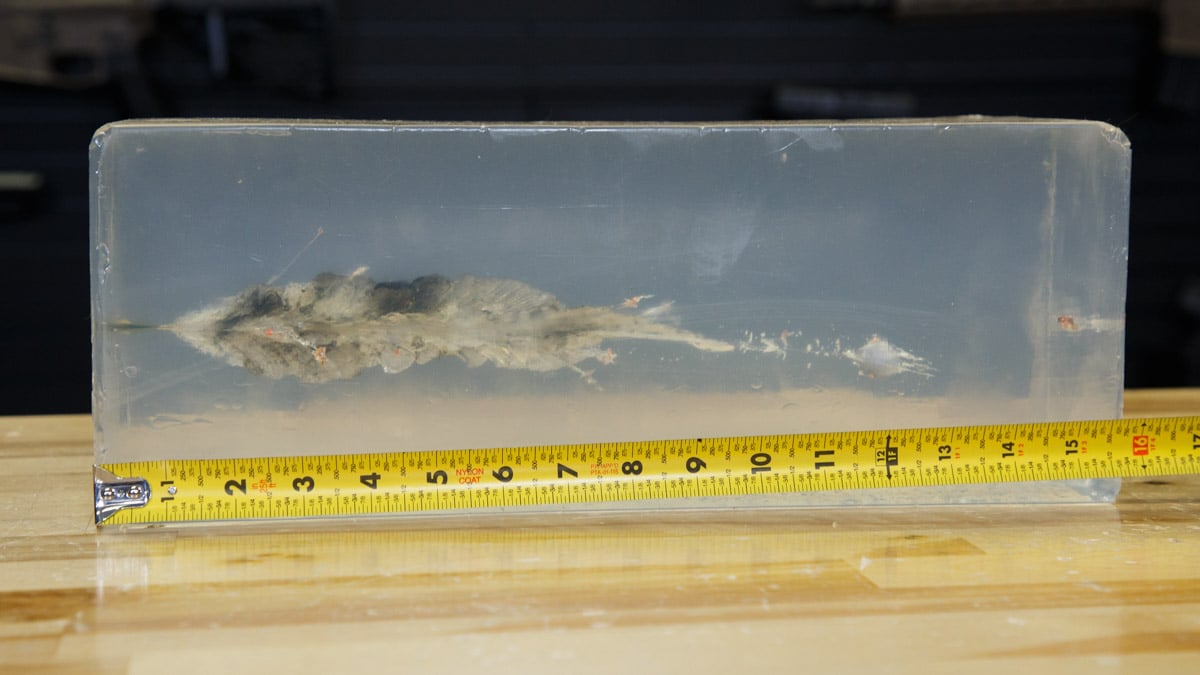
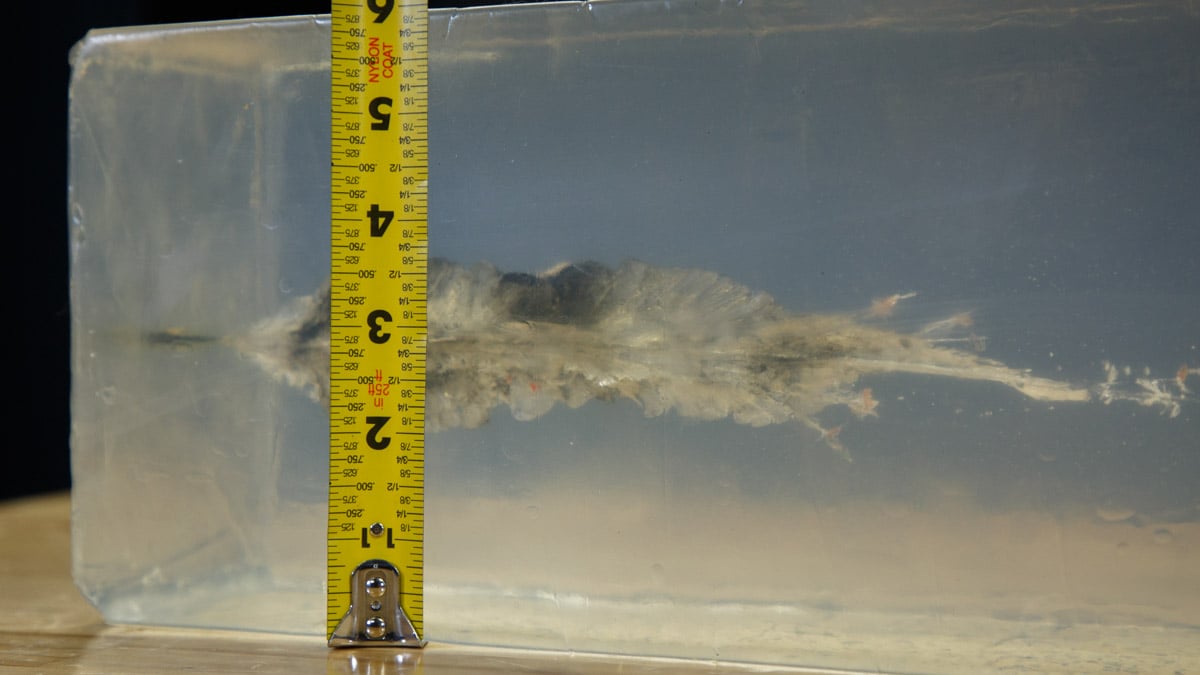
The visible damage is impressive, and the slow-motion temporary wound cavity is also telling. Bill Wilson knew what he was doing. He certainly succeeded in producing a round to rival the performance of the .30-30 Winchester.
Summary
If you are looking for a powerful cartridge ideal for hunting in a familiar platform, .300 HAM’R is a great choice. The ammo is not overly expensive, the Wilson Combat ARs are backward-compatible with most AR components, and the recoil is manageable.
This is a solid cartridge, and while I may have been skeptical in my initial comparison to .300 Blackout, I can see the benefit and added performance of a cartridge like this. I only wish I had it a few weeks ago when I was hog hunting in Texas.