Benelli M2
If you don’t know, Benelli is a giant in the shotgun world. The company makes some of the best scatterguns in the world. The inertia-driven, semi-automatic M2 is known for its light weight, fast cycling, and bombproof reliability. It’s still one of the top choices in the 3-Gun world, despite debuting in the early ’80s. It’s also the shotgun John Wick used in the third movie.

The reason it has been so popular for so long is because of the robust Benelli build and inertia-based operating system. The simplicity of the inertia system, in that it relies on just recoil energy to operate, makes it typically more reliable than gas-operated shotguns because there are fewer moving parts to break or get fouled by the gases. The inertia system also yields a lighter gun that is more balanced and faster swinging.
My good friend Chris, an accomplished 3-Gun competitor, loaned me a real M2. This one has been modified for 3-Gun with a lightened bolt carrier, extended magazine tube, enlarged feeding port, and Taran Tactical springs. If you wanted this new with these mods, it would go for over $2,000.
Comparison
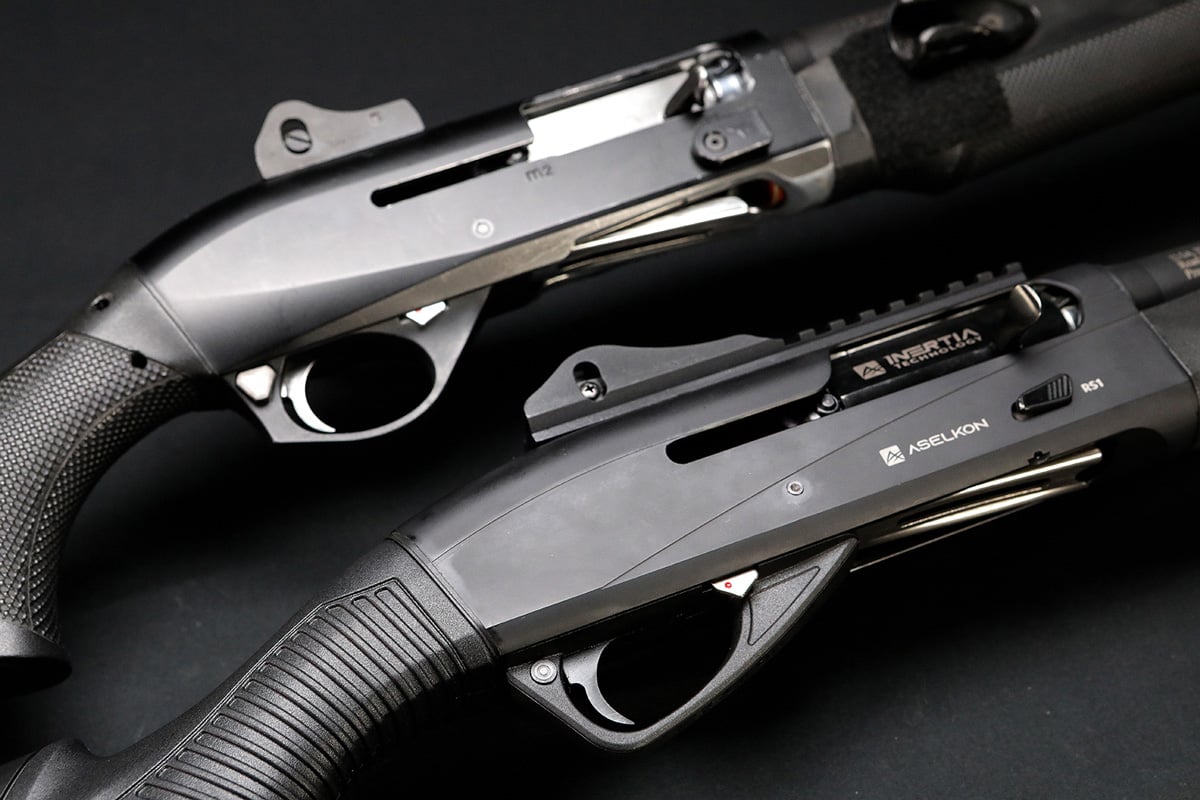
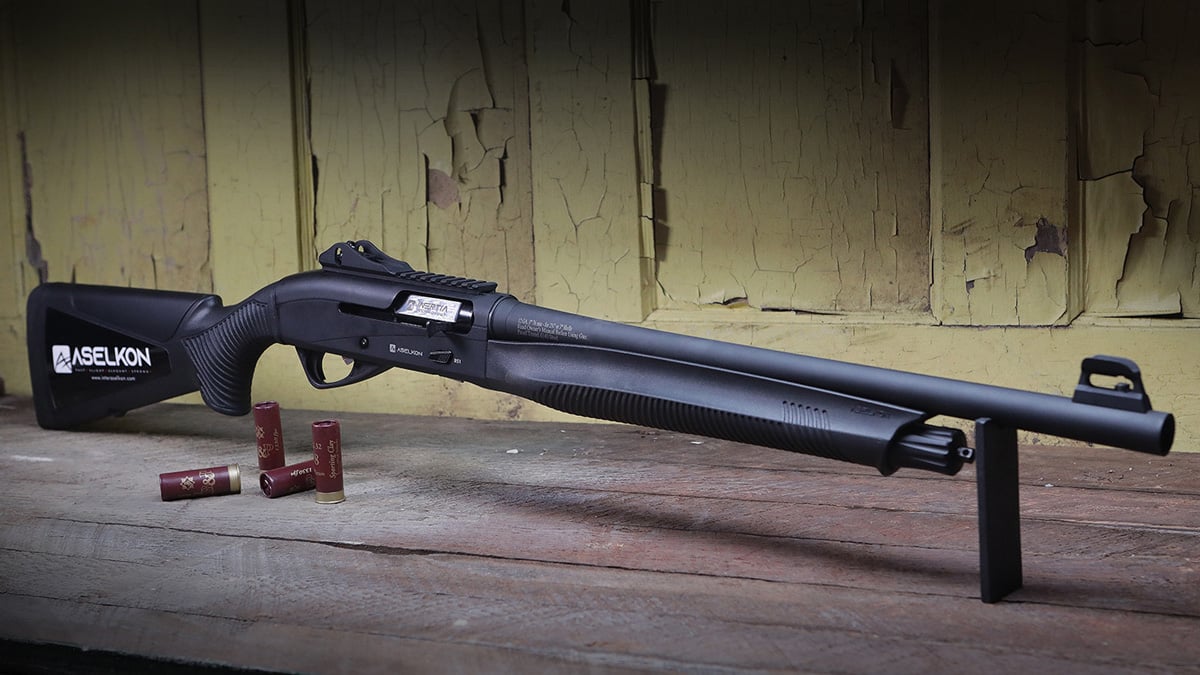
Comparing the two guns, the M2 is 6 ounces heavier. This is partly due to the extended magazine tube, but some of it is also because the aluminum receiver on the M2 is a bit thicker. At certain points, the M2 receiver walls are 1 to 2 millimeters wider than the IT1.

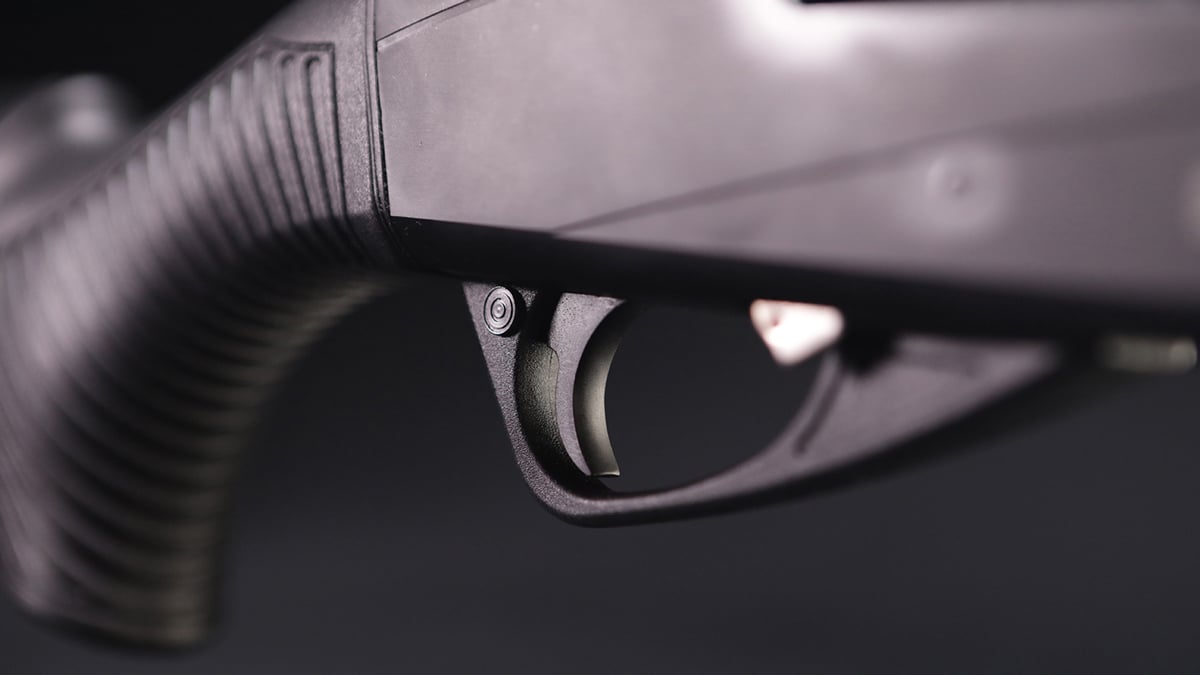
The M2 trigger is also better because it has been modified. The M2 pulls at 3 pounds, 3 ounces, versus 5 pounds, 10 ounces on the IT1. But stock M2s are not known for their light triggers, so the Aselkon trigger is probably pretty similar to a standard M2.
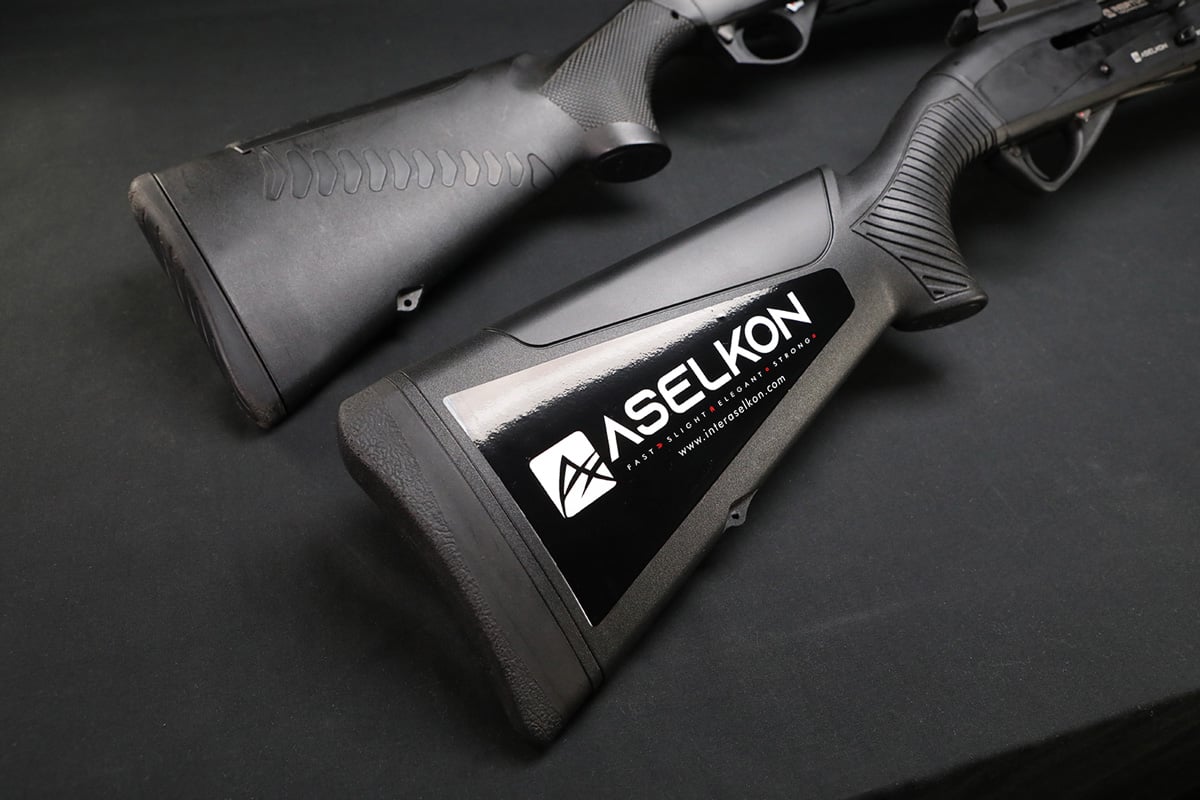
To me, the two biggest external differences are the sights and stock. The M2 stock has more cushioning built into it and shoots softer, while the IT1 Aselkon has a very simple polymer-shelled stock with a simple hard rubber recoil pad.
Internals and Sights
Moving to the internal parts, takedown was exactly the same, and the bolt carriers seem interchangeable. They look very similar. You can fit the Benelli carrier into the Aselkon, and vice versa. I didn’t shoot the guns with the carriers interchanged, though, because I haven’t heard officially that you can do that. I’m still waiting for Aselkon to get back to me.
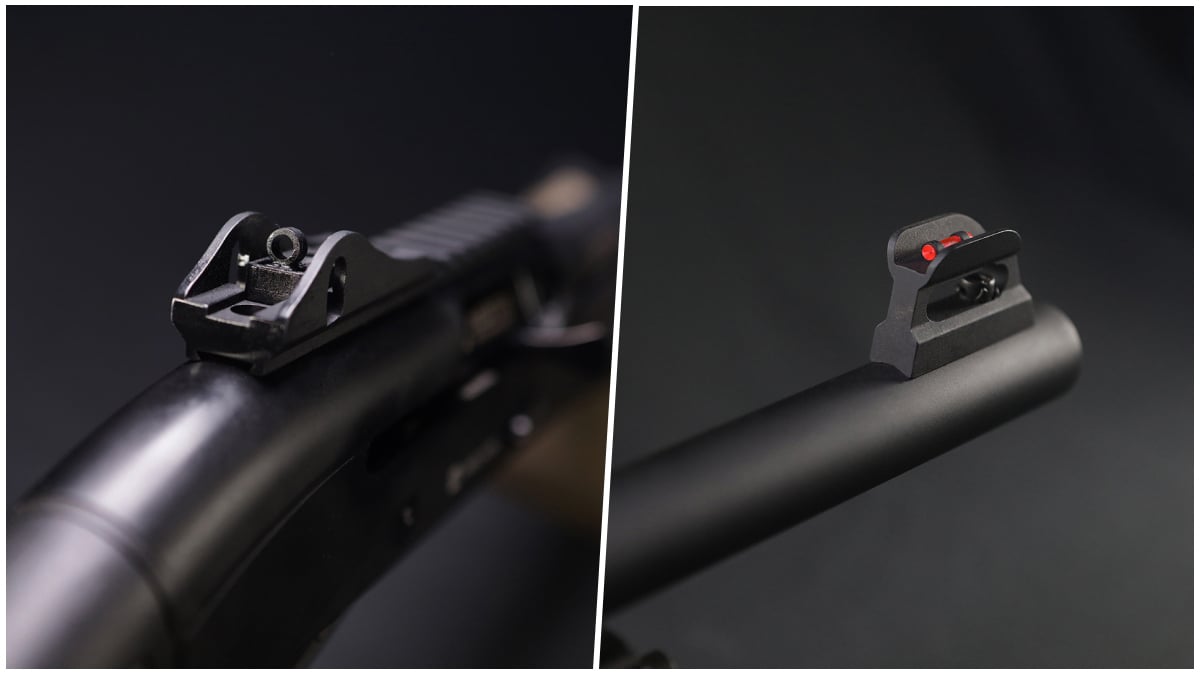
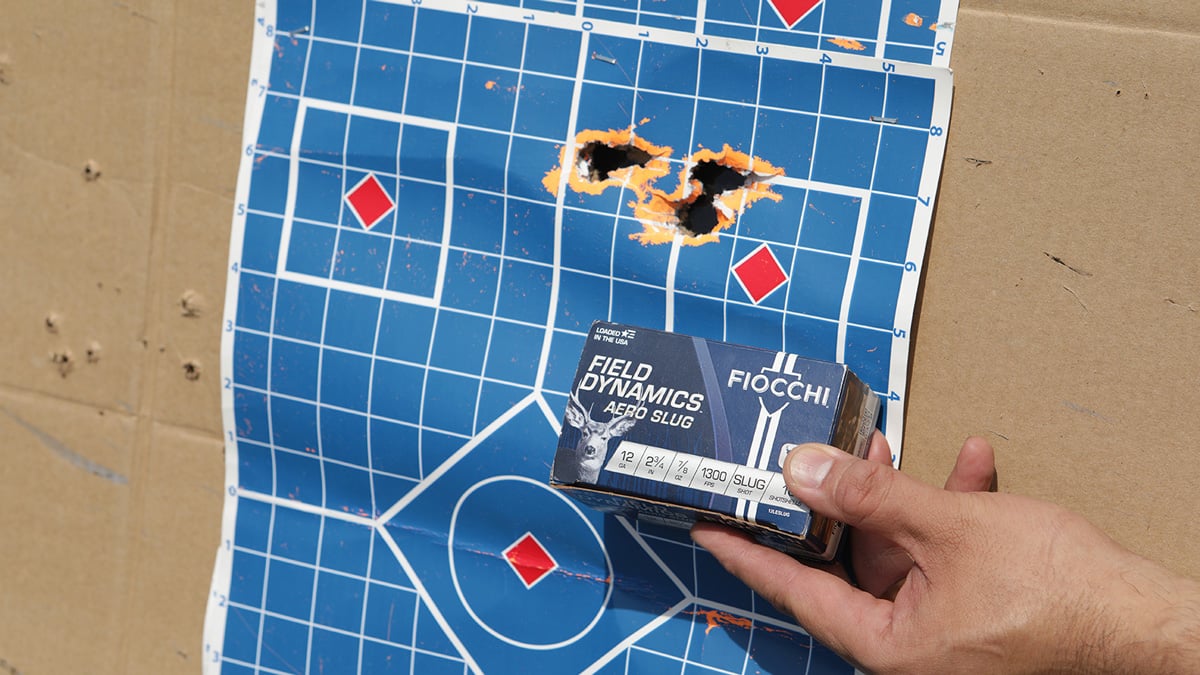
The sights on the IT1 are probably its weakest point. While the fiber-optic front is bright and easy to use, there is a lot of wiggle in the rear peep sight. It does not inspire confidence. The sights worked fine in my testing, but I would probably mount a reliable red dot on it. Slug accuracy was outstanding.
Related: The Best Shotguns for Home Defense
Performance
Shooting-wise, the IT1 worked great. It’s light and nimble. It points easily and shoots well. It’s a bit more jarring than the custom M2, but it gets the job done.
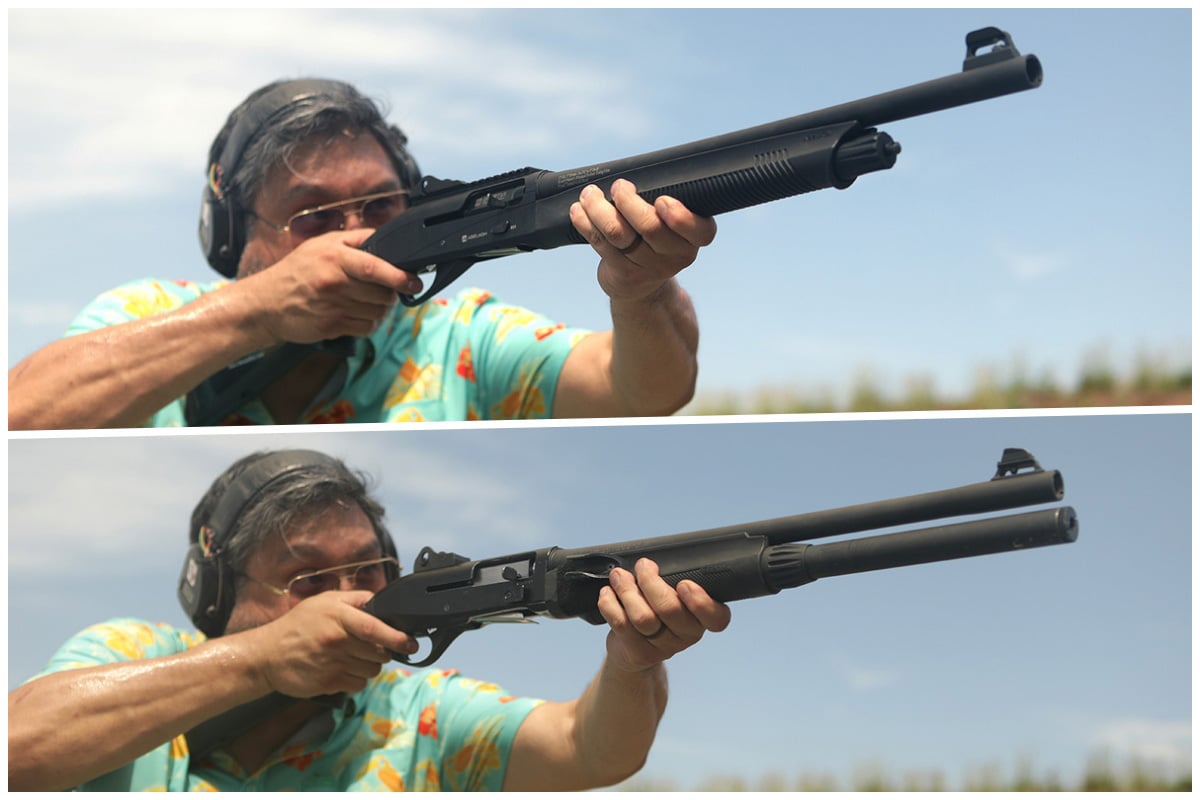
It was reliable with shells going over 1,300 feet per second. So, for its designed purpose of shooting full-power self-defense or hunting loads, you should have no problems. This is typical with inertia-driven shotguns. They usually handle heavy loads well but can be inconsistent with lighter target loads.
Even standard Benelli M2s can have this problem. Usually, a M2 has to “break in” to be able to cycle light loads well. I didn’t wear the Aselkon in enough to cycle 1-ounce bird shells, though.
Upgrading
Chris’s M2 didn’t have any problems with target loads, but it was modified with a lightened carrier and springs to be able to do this. Would these aftermarket parts work in the IT1?
I don’t know, and I would wait to hear back from the manufacturer, but my suspicion is that it’s going to be like some of these new Turkish 1911s and 2011s. You can buy a more affordable clone made overseas and then upgrade them with better parts.
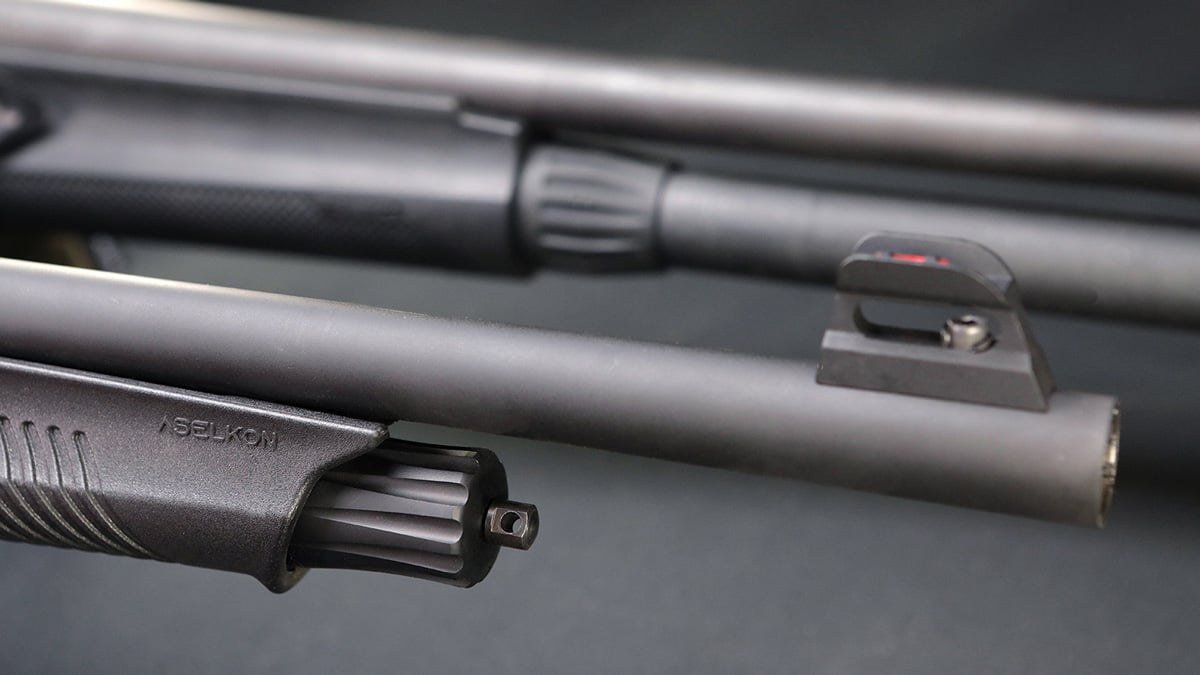
If this is your plan, I want to note that the magazine tube does not have standard Benelli threads, so you can’t simply screw on an extension. You would probably have to remove the entire mag tube and replace it.
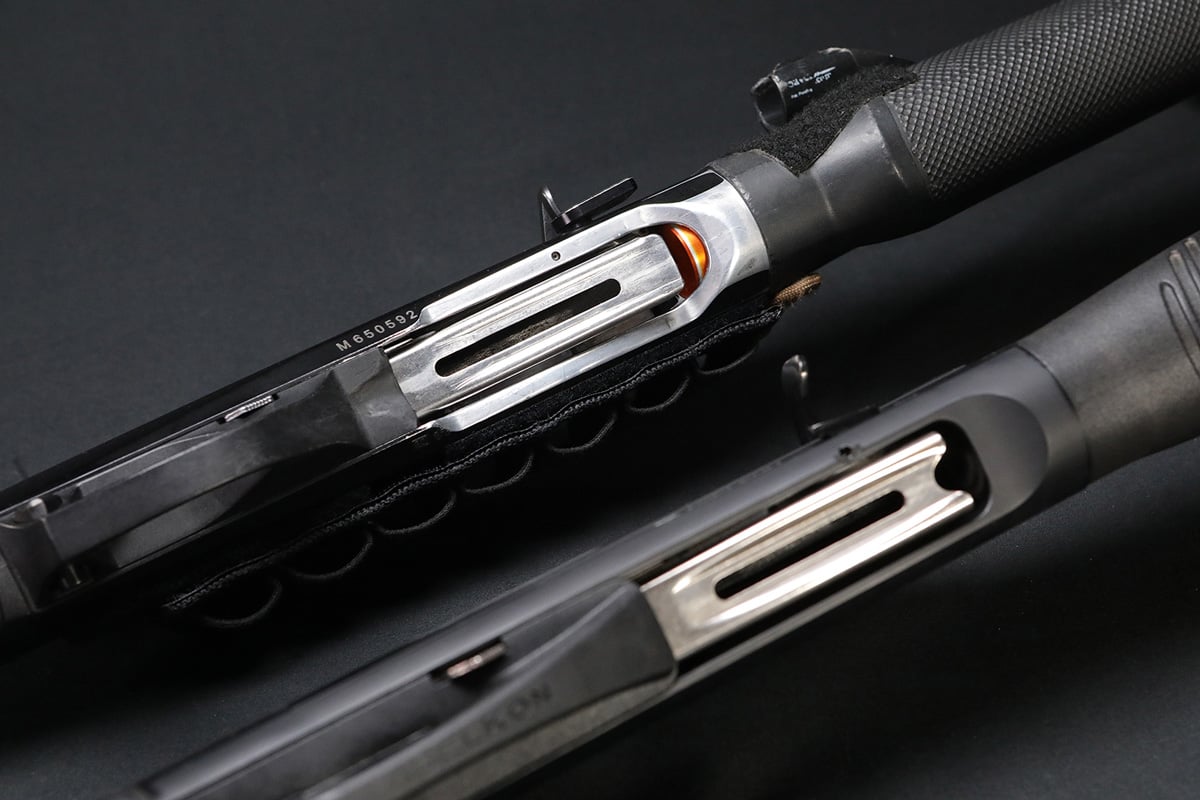
And if you want to use this gun for competition, the feeding port is slightly enlarged and rounded so you don’t get thumb bite when loading. But dual and quad loading doesn’t work straight out of the box. Some custom modifications will be needed.
I was just single loading on the range. Also, like a standard M2, “ghost loading” or “floating the shell” is not possible with the stock IT1 lifter.
Conclusion
So, bottom line: this is a good shotgun for $250 (at time of this writing). If you plan to put thousands of rounds through it a year, I would think twice. But, I don’t know – maybe it’s worth it to buy four or five Aselkons for the price of one Benelli? That’s up to you.
As a home defense or hunting shotgun that is used only a few times a year, it’s hard not to consider this shotgun.