The Test Guns
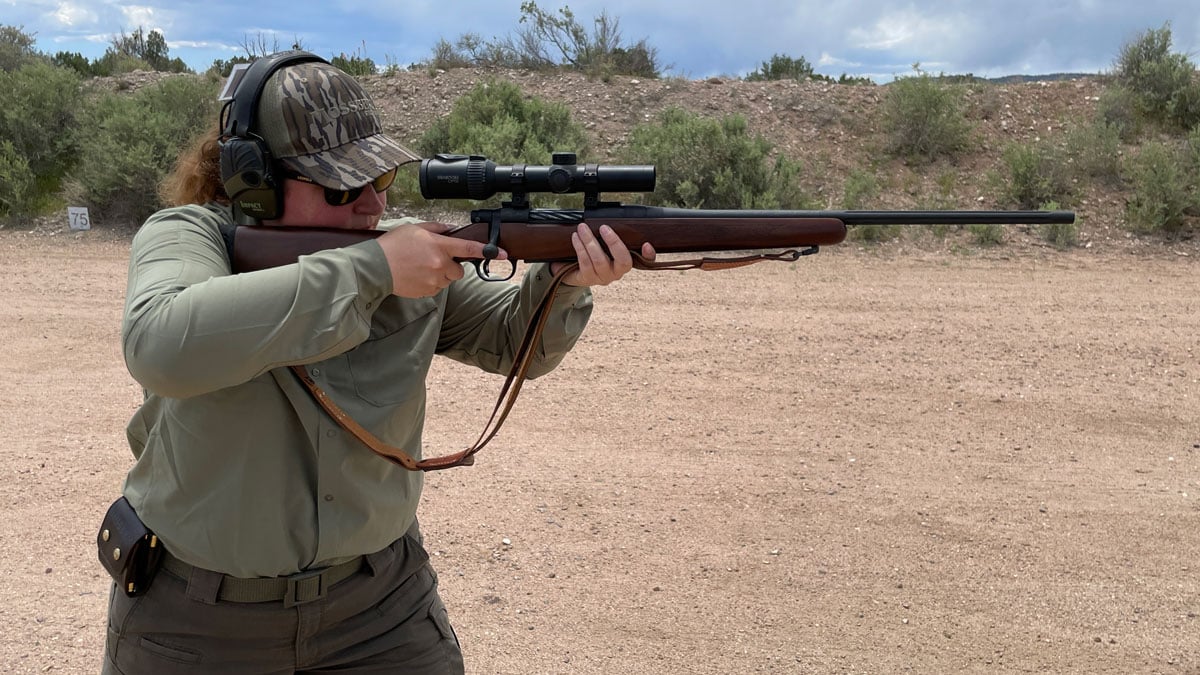
Before getting down to brass tacks, here’s a bit of background on the particular specimens used for this piece. Our test Mossberg Patriot Walnut was acquired for use at a Gunsite Hunter/Safari Prep course that saw 300 rounds downrange in three days to be followed by a black bear hunt. We topped this one with some serious glass, using a Swarovski 8i+ in 1-8x24, ideal for quick acquisition, low light, and busting bruins.
Related Review: Mossberg Patriot Makes a Solid, No-Frills First Rifle
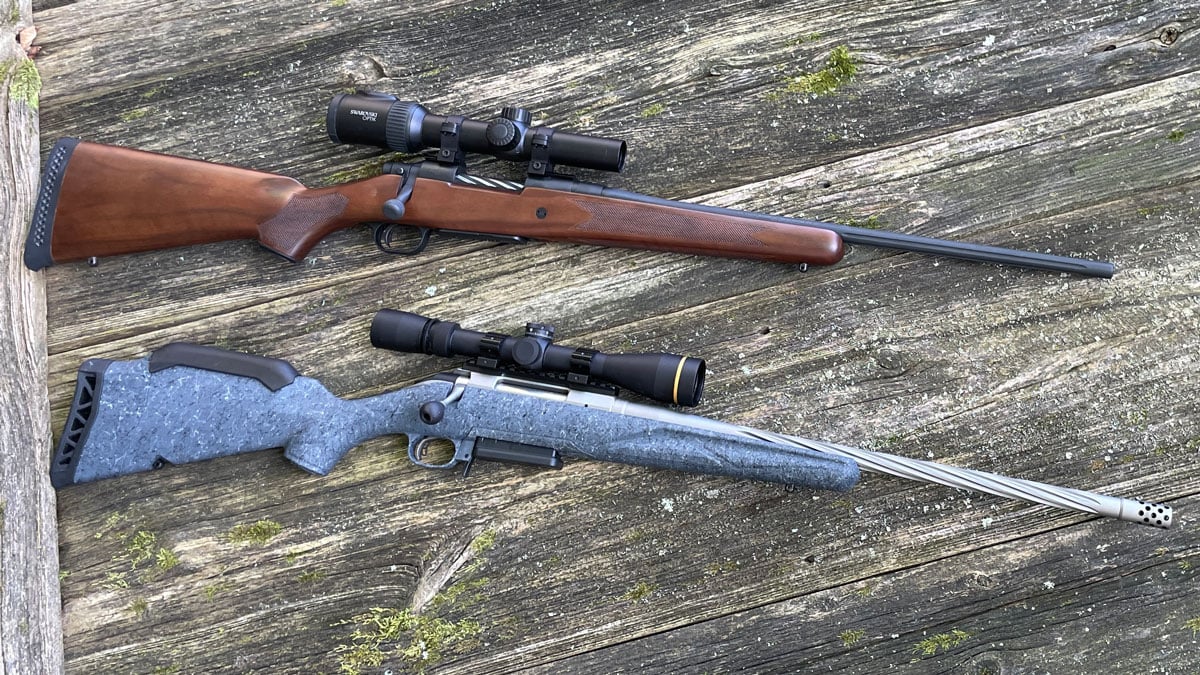
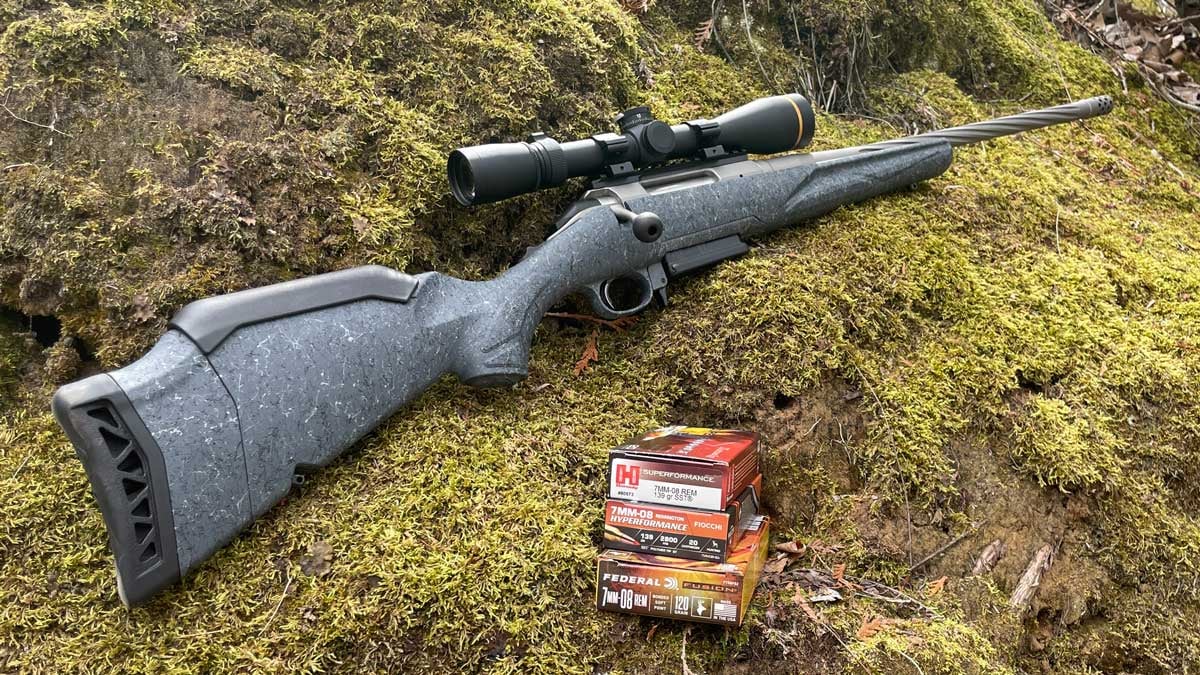
The Ruger American Gen II Standard came to us as a test rifle as part of Ruger’s introduction of the second generation. After extensive testing, we have only positive things to say about the improvements. This one was topped with a Leupold VX-3i in 3.5-10x40mm, and it suits the rifle well. The point is that both rifles were tested with remarkably high-quality glass.
It’s seldom these days one finds hardwood dress on a budget-priced rifle, but Mossberg is one of few to pull that off with the Patriot Walnut. The Patriot series can be had with numerous synthetic stocks as well, including black, camo, a spacer-adjustable Bantam, and a more customizable Tactical.
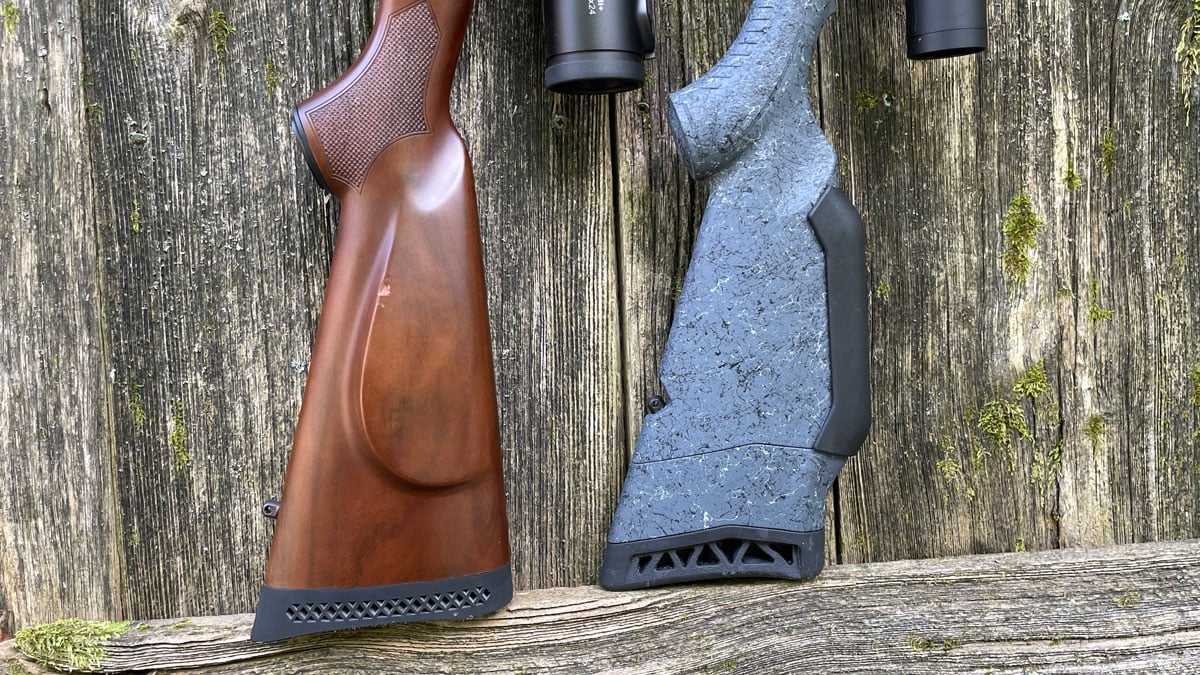
In the world of more customizable hunting-focused synthetic selections, Ruger’s Gen II has the clear edge between the two. Not only does the splatter-finish stock add grip, but the design includes spacers for LOP and comb height, not to mention a factory-available stock weight kit.
Comparing Features
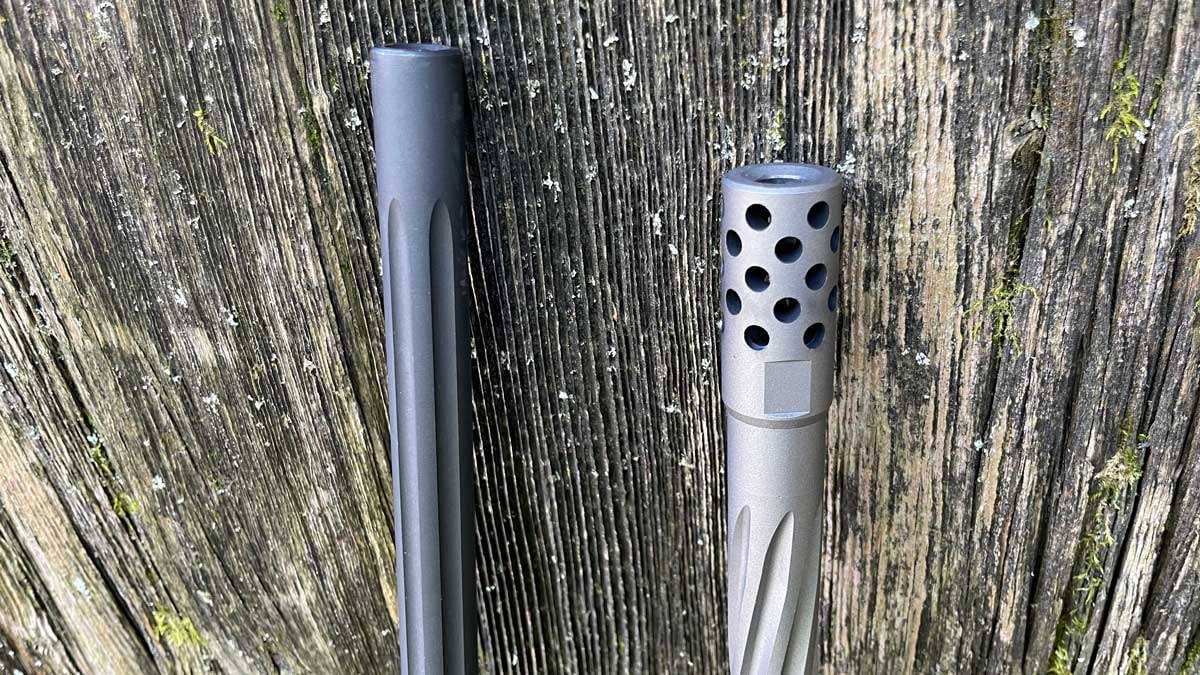
Our Patriot Walnut weighs 7 pounds even with its 22-inch barrel. The American Gen II Standard, by comparison, uses a 20-inch barrel and tips the scale at 6.5 pounds sans optic. The latter is threaded and tipped with an included muzzle brake.
Related Review: Making a Good Hunting Rifle Even Better – Ruger American Gen II
Both rifles include a single dropbox magazine and sling studs, and ship in a cardboard box. Our Patriot shows a spiral fluted bolt and fluted barrel with a recessed match barrel crown. Ruger’s Gen II touts an oversized bolt handle with a threaded knob, Power Bedding block system, and spiral fluted barrel.
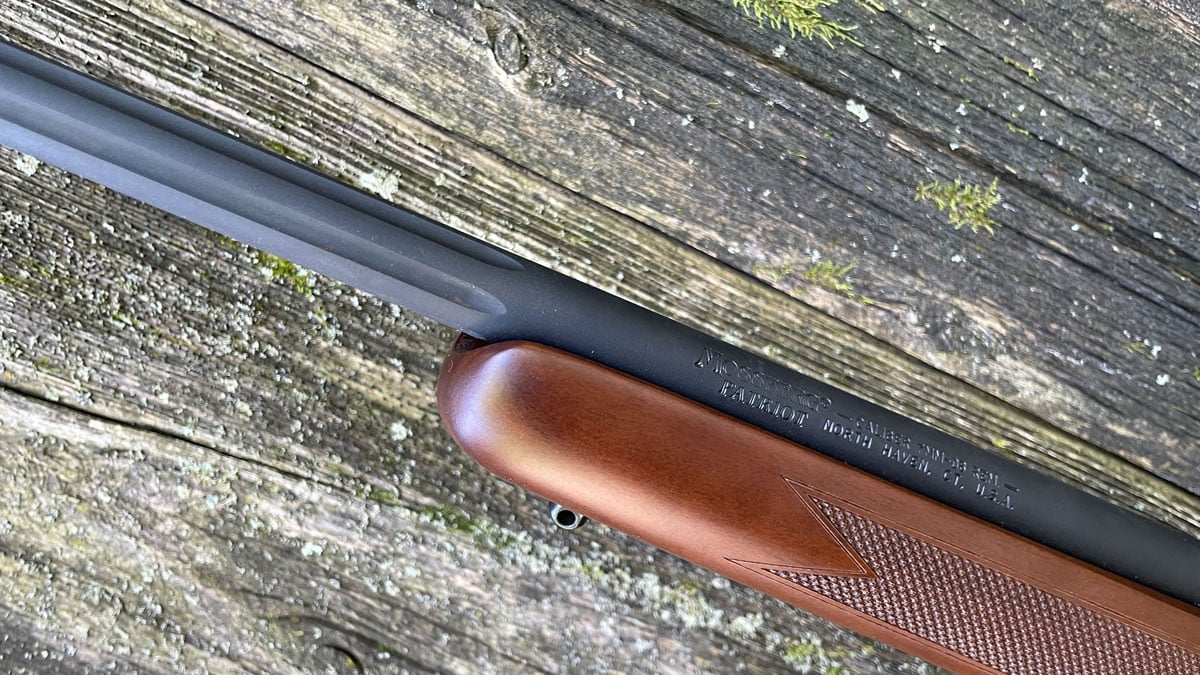
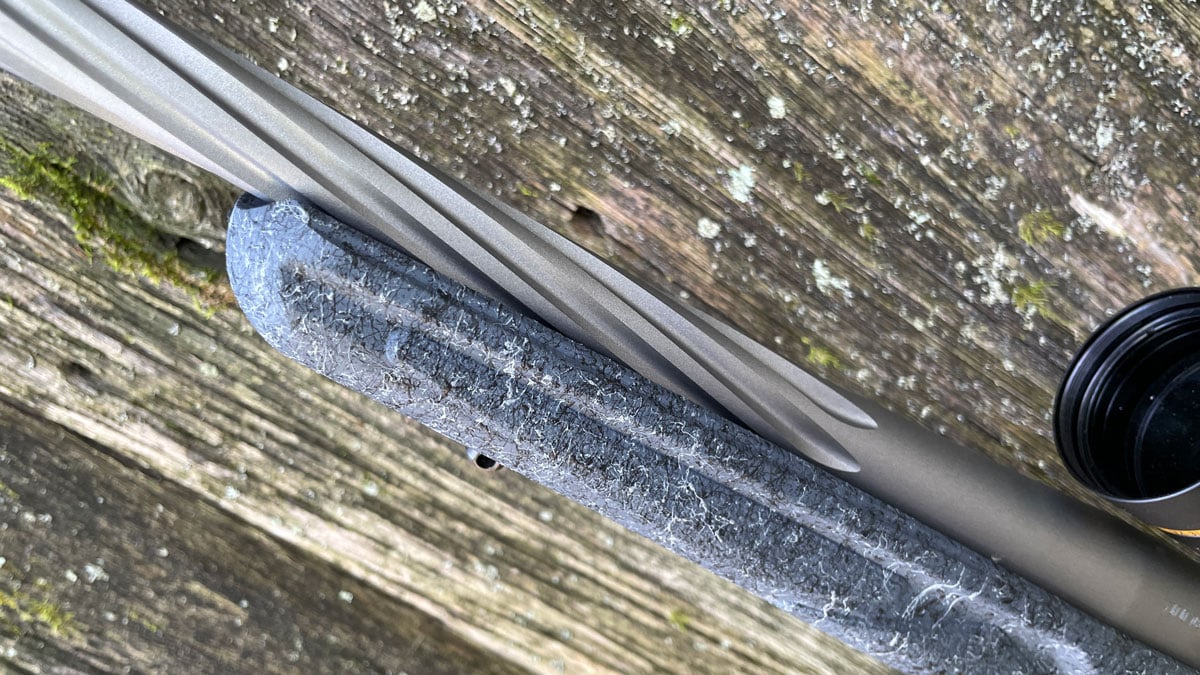
The move away from iron sights continues with both these affordable rifles. Instead, both opt for included bases. Ruger factory-installs a one-piece Picatinny scope base, while the Patriot came topped with two-piece Weaver-style bases.
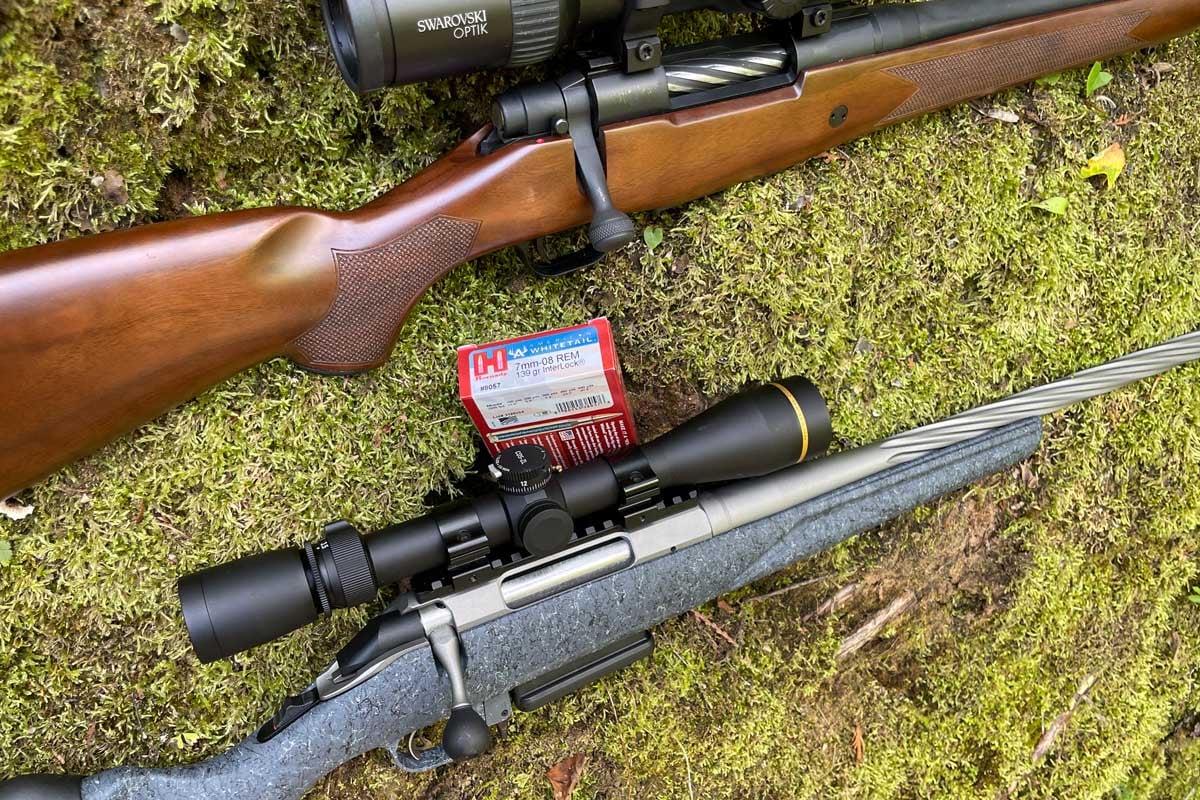
The safety is often overlooked when selecting a rifle, but it’s worth noting. Mossberg uses a basic two-position side safety. Ruger, however, ups the ante with their Gen 2 but upgrading to a three-position tang safety. The latter locks the bolt, while the former does not.
Accuracy
We all know a quality trigger pull never hurts accuracy. Both rifles show a pull that exceeds our expectations, especially given their price points. The Patriot shows off the company’s patented LBA trigger, which is user-adjustable from 2-7 pounds. Our rifle came out of the box at an impressive 2.9 pounds.
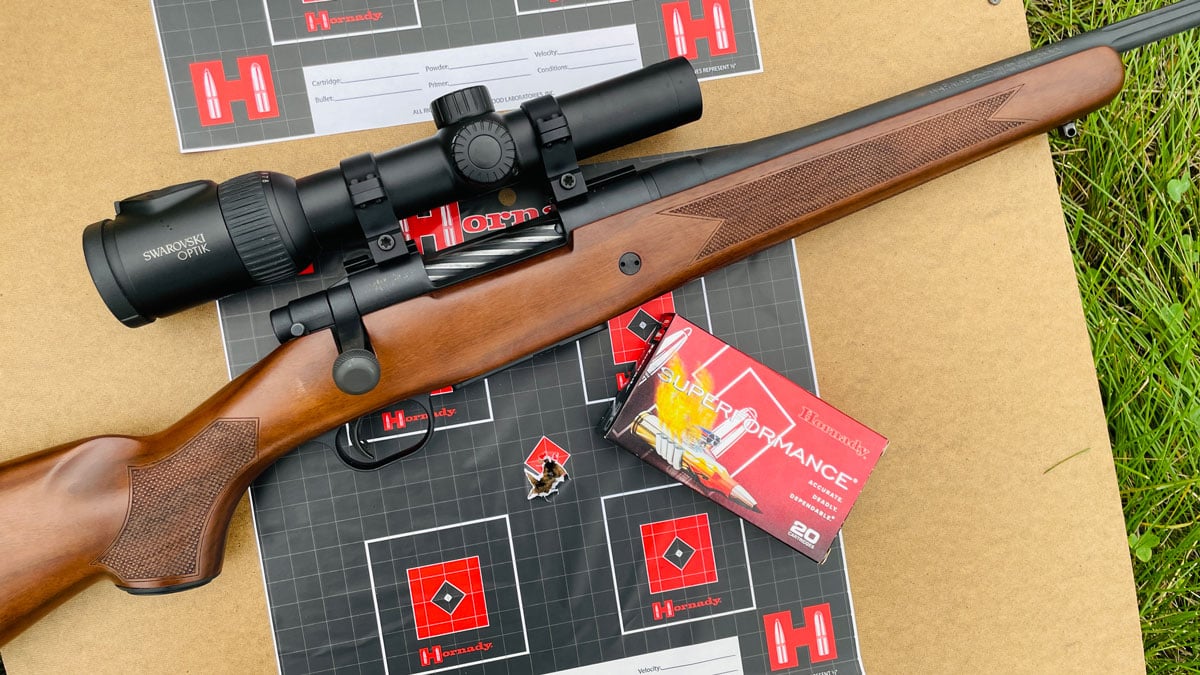
The Ruger Gen 2 keeps the same Marksman Adjustable trigger found on the original American, itself also adjustable, with its range from 3-5 pounds. That one measured just a hair over 5 pounds on our Lyman Digital gauge, but we easily dialed it down to under 4.
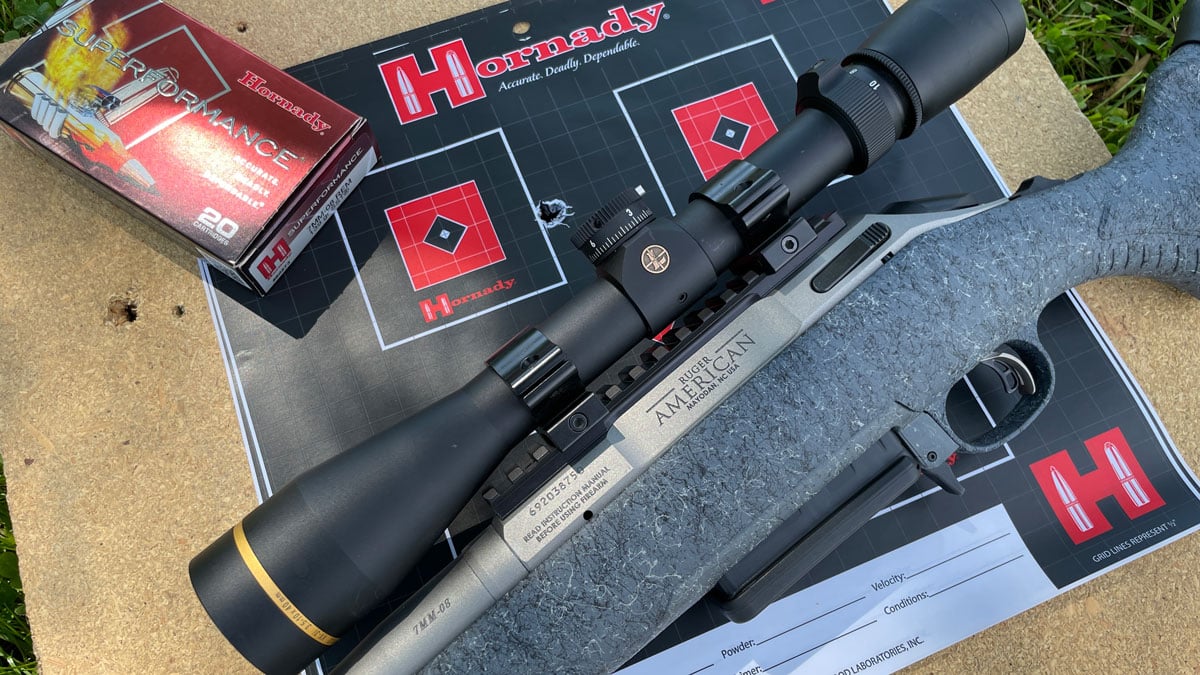
Both rifles proved impressive on the target. Neither advertises a guaranteed measure of accuracy, but they don’t need to. Both shot at or near MOA with a mix of factory ammunition. That’s impressive enough from any hunting rifle, but even more so when considering their price points.
Chamberings