Background
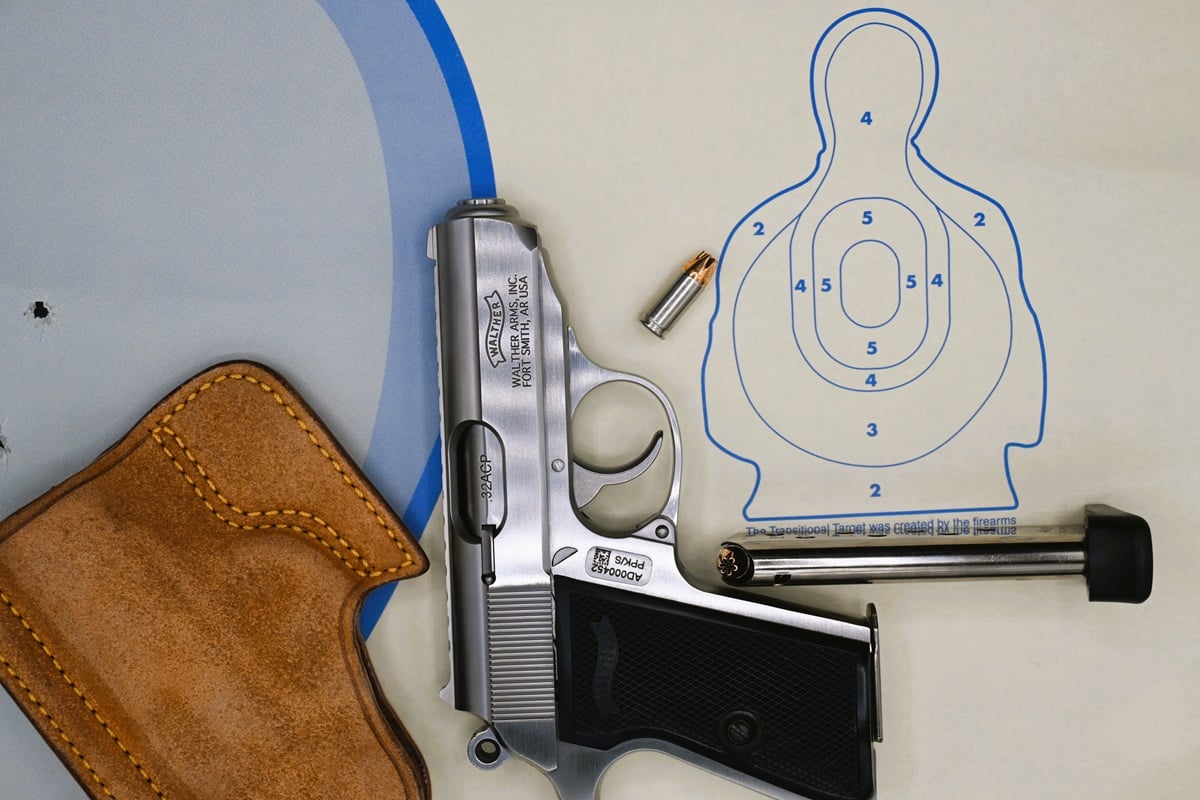
The background of the gun is well established. In a nutshell, Fritz Walter, the heir to the famed Carl Walther rifle works, moved in the early 1900s to expand the company into handguns with a line of simple blowback pocket pistols to compete with models like the Colt Vest Pocket and Pieper Bayard. Moving to more advanced designs using a workable single-action/double-action trigger system by the 1920s, the Polizei Pistole, or PP series, soon became a smash hit, despite it being twice as much as the company's earlier models.
While not the first DA/SA handgun on the market, the PP was much more successful, and soon an abbreviated version pitched as a detective's gun, the Polizei Pistole Kriminal, hit the catalog in 1930. With a 3.25-inch barrel and offerings in not only .32 ACP (the original PP's bread and butter) but also spicier .380 ACP, which was then and still is seen as big medicine for European LE types, the sleek, almost Art Deco, PPK soon filled holsters and desk drawers.
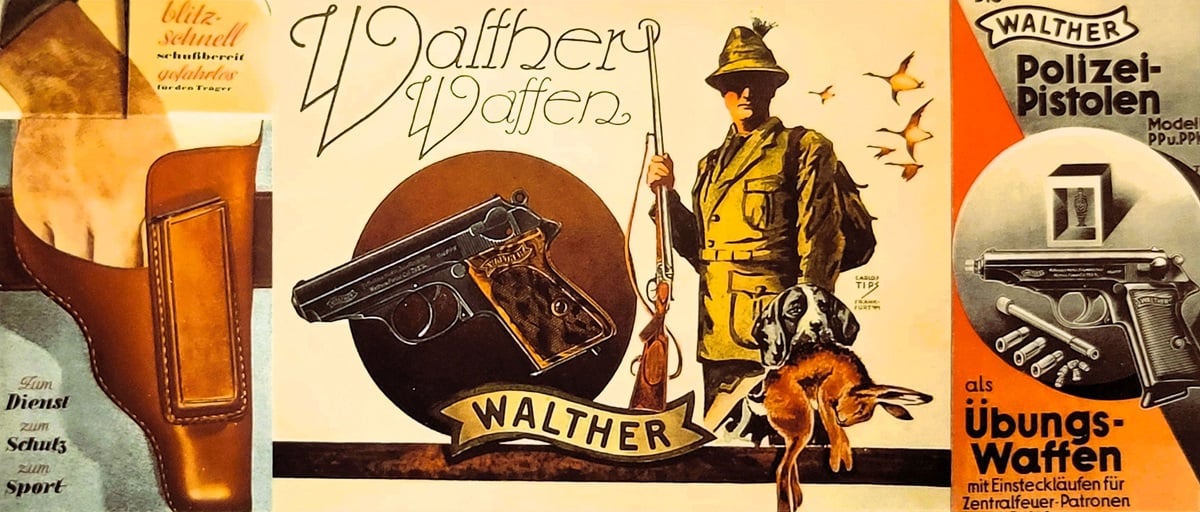
A huge driver for the gun came from pop culture. While the Walther PP series appeared on screen in films as early as 1938, it was the James Bond film franchise that kicked the pistol into the stratosphere. Sean Connery's Agent 007 was first issued a Walther in 1962's "Dr. No" to replace his favored .25 ACP Beretta. It would continue as his standard through his six-film run and go on to be picked up off and on by successive generations of Bonds.

By 2013, with the market demand for the .32 waning in favor of the .380, Walther put the models chambered in the smaller caliber to bed.
Now, with improvements in bullet and propellant design leading to the resurgence of 9mm over .40 caliber, and .380 seen as the new 9mm, and .32 seen as the new .380, the stubby little round is much more popular these days.
So, it should be no surprise that Walther is bringing the "old" caliber back for both the PPK and the PPK/S, in stainless and black variants. We have been testing one for the past couple of months. Of note, Walther has also resurrected the longer PP in .32 and delivered the first factory-threaded barrel PPK, the SD variant.
Overview
Walther long had its hands tied when it came to delivering the PPK to eager American buyers. The Gun Control Act of 1968 left it too small to be imported, so it had to be stretched gently to match a "sporting purposes" test to include the longer grip of the PP, resulting in the PPK/s. Then came years of being made in the U.S. under license by S&W, and finally, a shift to domestic production in Fort Smith, Arkansas starting in 2019.
That said, the German Walther factory in Ulm still makes components to support the PP and PPK series in the U.S., and we saw Fort Smith-marked slides being made there earlier this year.

Related: Factory Tour of Walther's German Plant

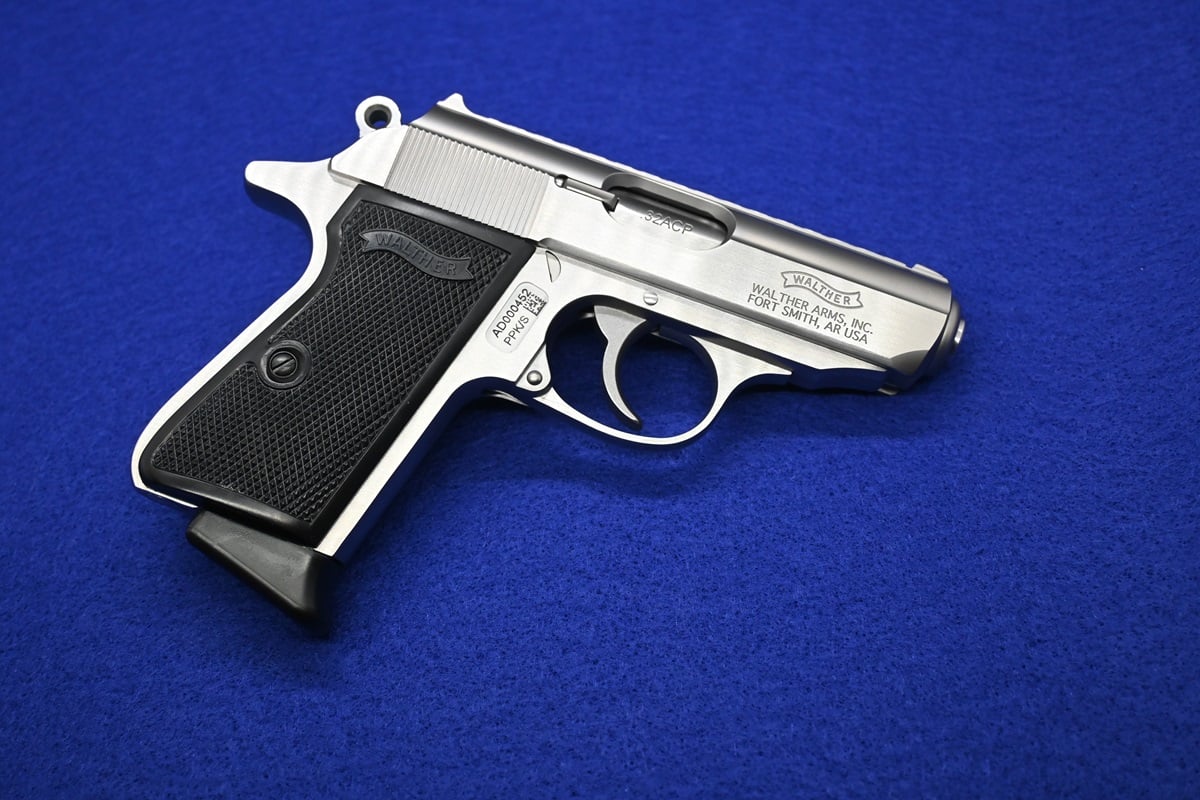


For full disclosure, Walther provided this PPK/S pistol for review purposes. All testing was done on this one gun, which has been under evaluation since September.
The Specs
- Overall length: 6.1 inches
- Barrel length: 3.3 inches
- Overall width: 1 inch
- Overall height: 3.8 inches (flush fit mag), 4.3 inches with extended magazine.
- Magazine capacity: 8+1
- Sights: Fixed
- Trigger pull: 13.2 pounds double-action, 4.8 pounds single-action (10-pull average).
- Weight: 19 ounces (unloaded)
Features


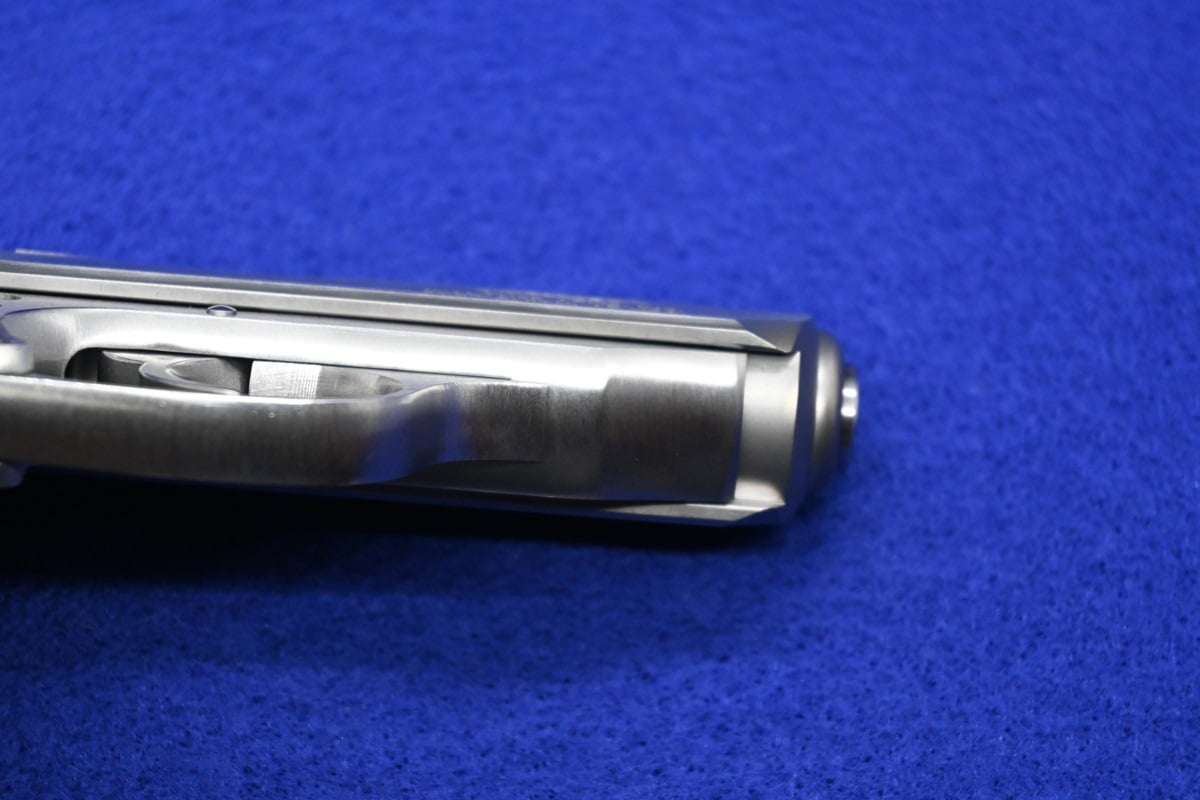
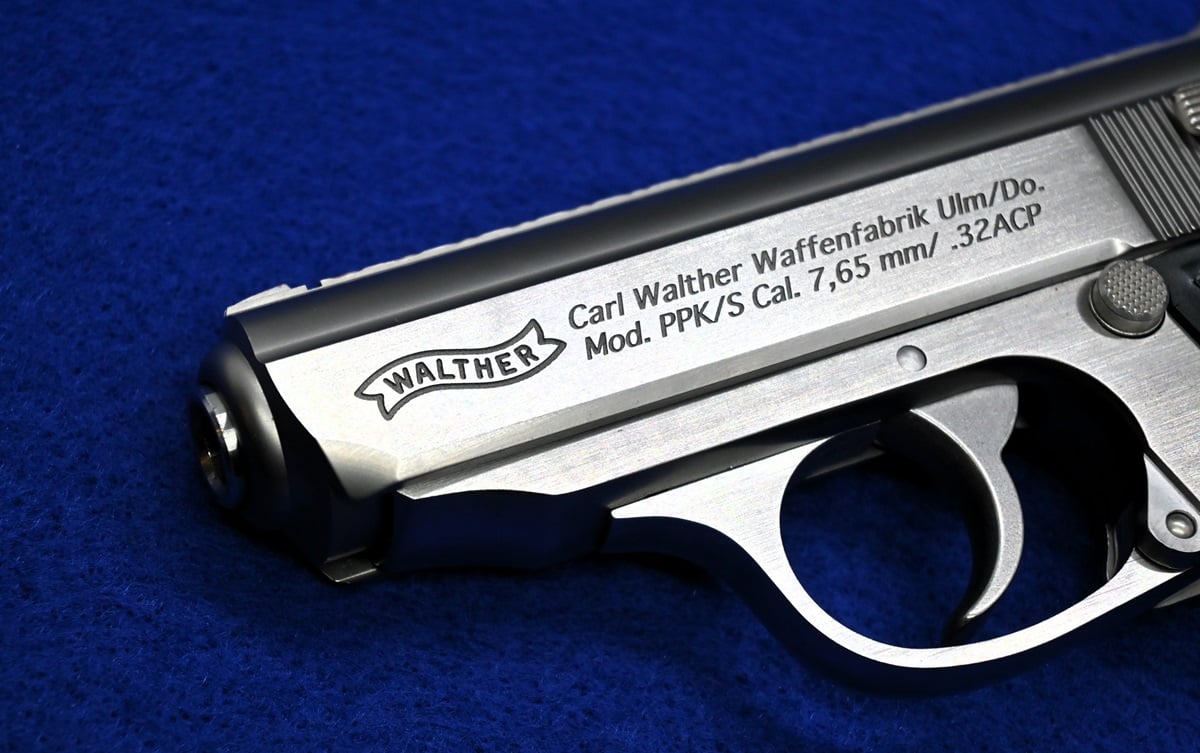
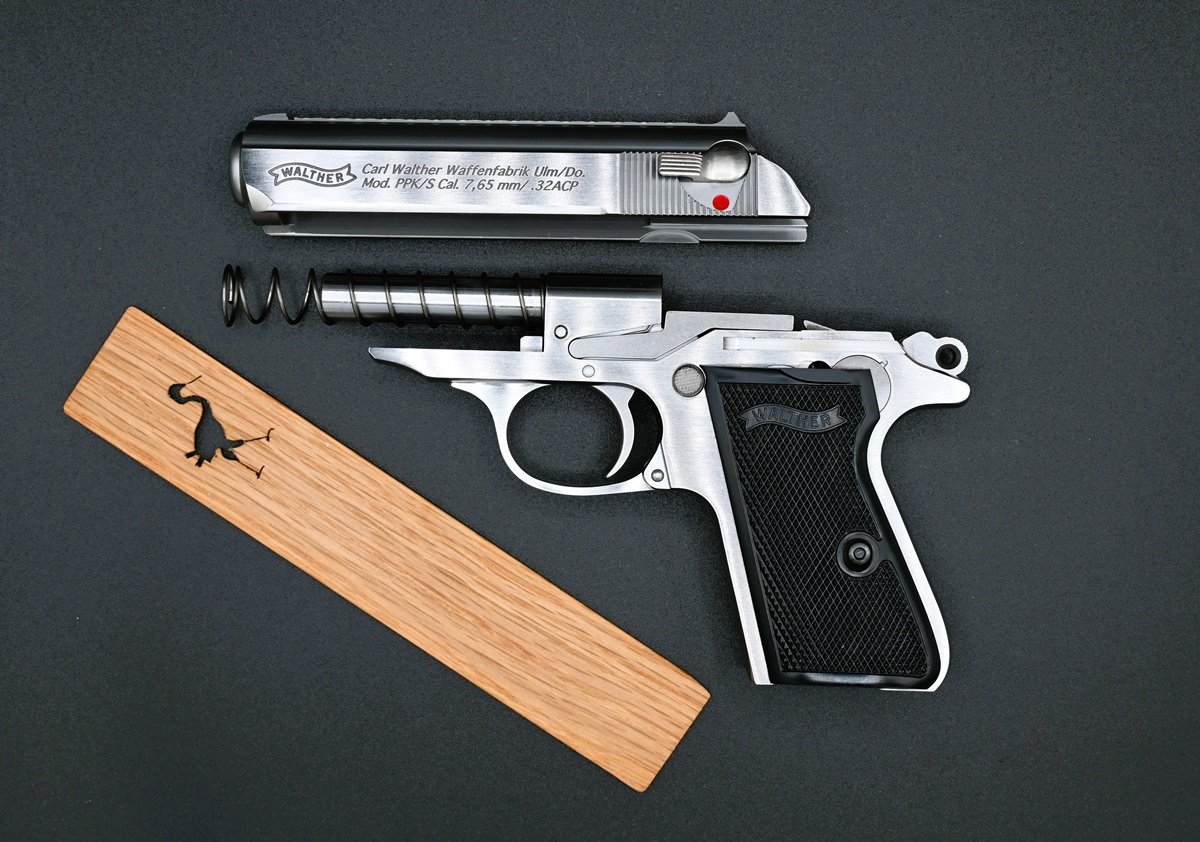
One of the PPK's enduring attributes, besides the fact that it just exudes style and class, is that it is simple to maintain.

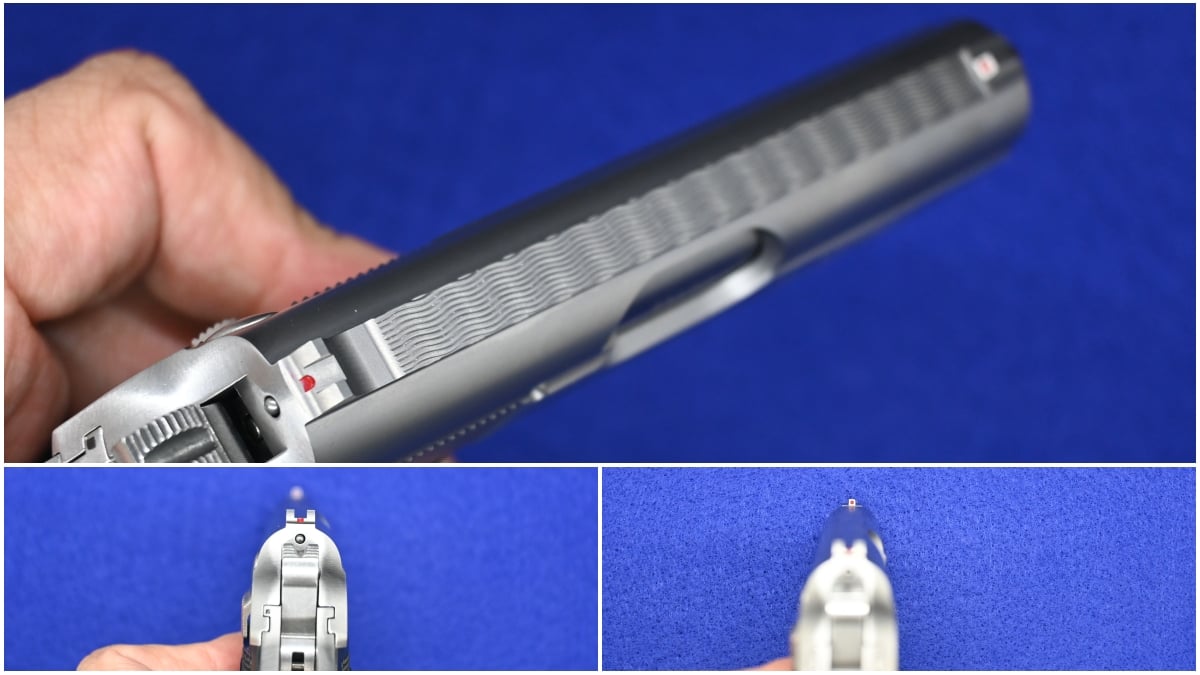


But how does it shoot?
Trigger
The PP and PPK have always used a double-action/single-action trigger system with a slide-mounted safety/decocker lever. If you are confused about how that works, check out this quick demonstration.
I've shot and collected PPKs since Bush 41 was in office, and comparing it to German-made 1940s guns, French-made 1970s guns, Interarms/EMCO guns from the 1980s, and several generations of S&W guns, I found the trigger to be superior to any legacy variant. Still, it is dated compared to more modern designs, with a heavy and long (albeit smooth) revolver-like double-action trigger that breaks in the 13-pound area, resetting to a shorter and gentler single action that breaks at just under 5 pounds. There is no audible or tactile reset.

Reliability
Always the lurking boogeyman when talking about the PPK is the fact that, for decades, these guns had a touch-and-go reputation for reliability. This can be largely chalked up to guns made under license or contract with factors out of Walther's minute control. The facts that it is a direct blowback action design and there were lots of moody and wildly differing .32 and .380 loads on the market also likely contributed.
However, in assessing the newest generation of PPK in .32, we found it to be very dependable. Overall, we ran some 420 rounds of .32 through the little pistol, suffering one malfunction: a stovepipe/FTE on a FMJ towards the end of testing.

When it comes to self-defense ammo, we ran 120 rounds of assorted loads from Federal, including some old stocks of red boxed 65-grain Hydra-Shoks and the new Federal Premium's 68-grain 1,000 fps HST Deep load. These cycled with no issues.
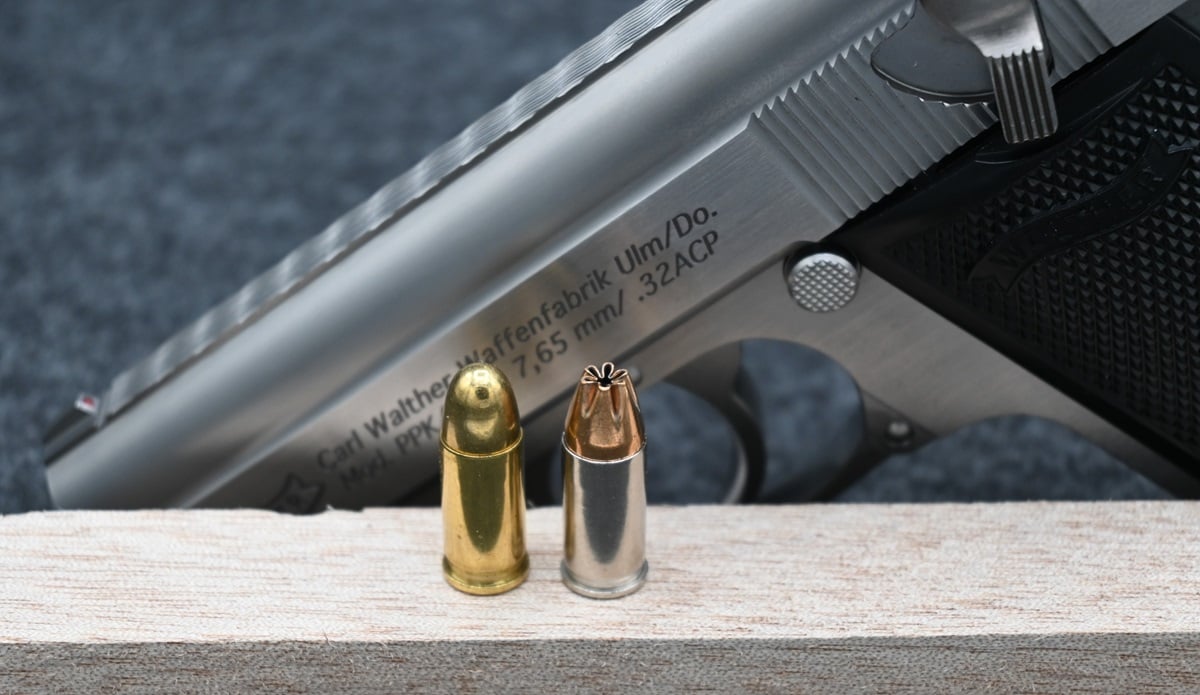
When it comes to recoil impulse and controllability, the little .32 is a joy to shoot, no matter the ammo. While .380 PPKs can be a bit jumpy in the hand, the downsized .32 is a delight, even when running fast.
Accuracy
Although handicapped with a short sight radius, and tiny fixed sights, the PPK benefits from a fixed barrel design that leans towards accuracy, a trait that goes back to the Weimar era. At 7 yards, you can typically get touching groups in offhand shooting. When stepping back to the 15, you are still well within Alfa territory.

Carry
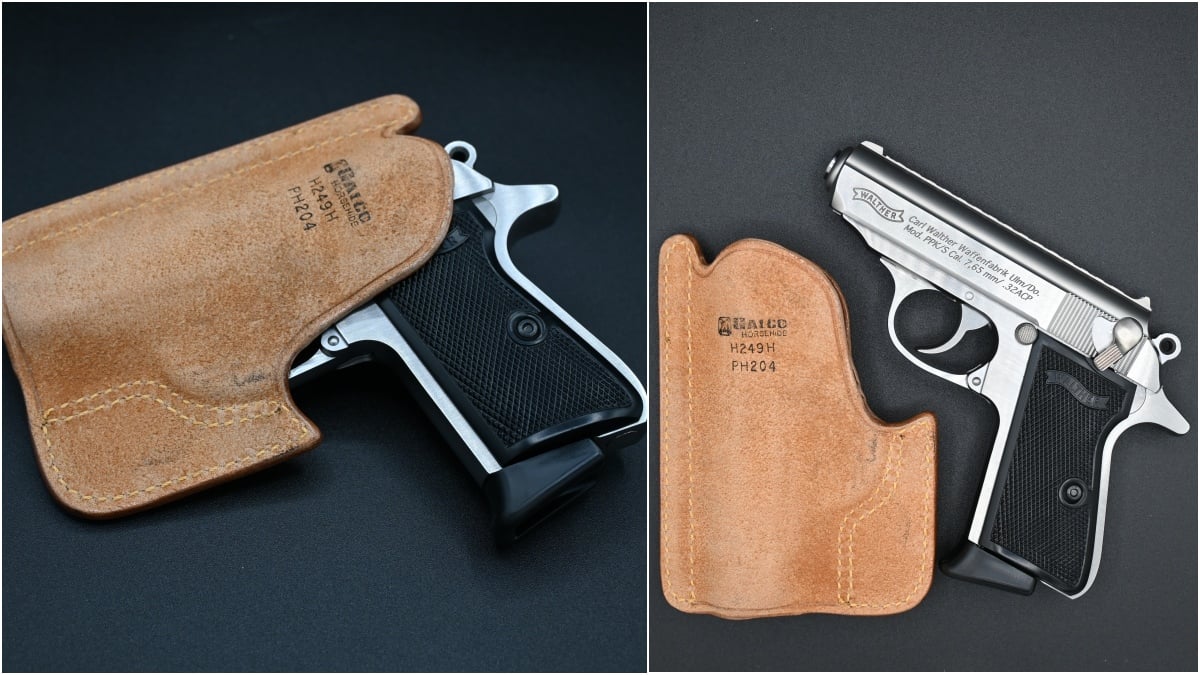
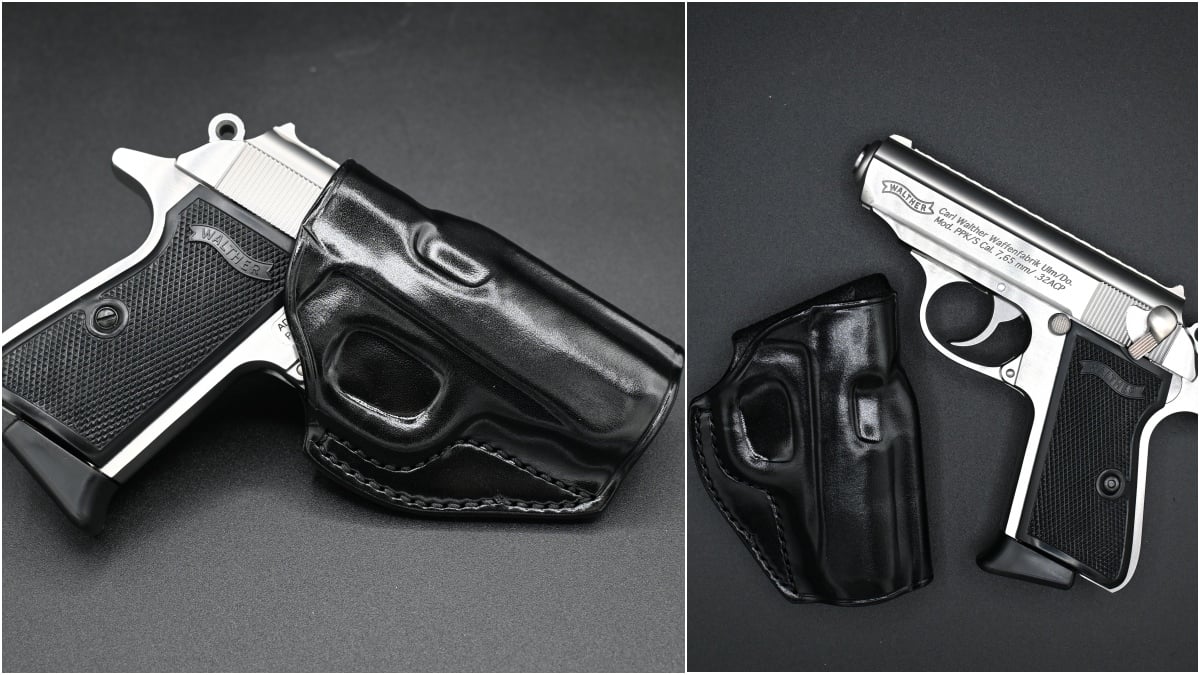
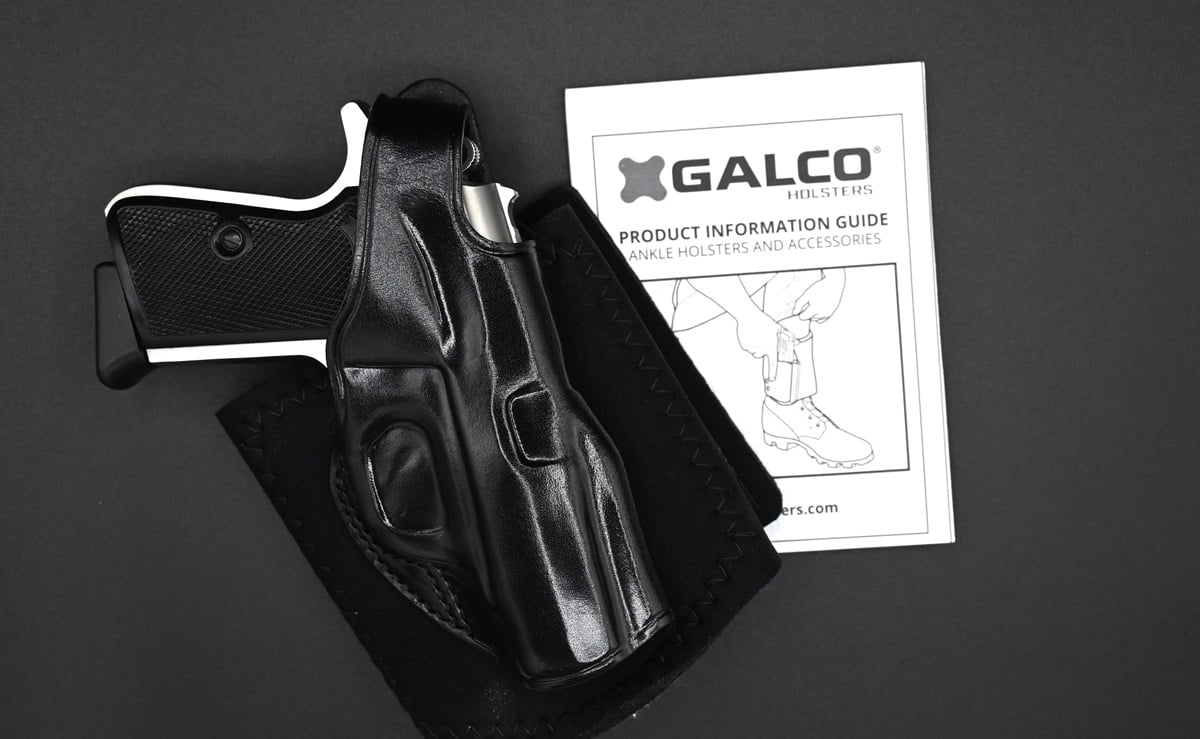
A benefit of the PPK in .32 is that there are already tons of holster and carry style options out there. Check out these four provided by Galco in Arizona.

Pros & Cons
Pros
- Iconic design
- Clean lines
- Well made
- Lots of support in terms of parts and holsters
- Easily concealed
- Reliable
- Easy to control
- Accurate
- Looks great with an Aston Martin
Cons
- Heavy double-action trigger
- Poor sights
- No ambi controls
-
No slide lock
Conclusion
As long as Bond movies and games, along with Ian Fleming's books, remain in circulation, the PPK will always have a place among firearms collectors. For years, it was tough to get a nice one that worked and wasn't ammo-sensitive. For the past decade, the PPK in .32 wasn't even in production.
Now you can get one made in America by Walther – likely with some components from Walther in Germany – and it looks and feels better than any PPK made in generations. Plus, it isn't just a man cave piece. When you take it to the range, it runs. Further, should you want to keep it in the home or carry it for protection, there are new and more modern defensive loads on the market and a wide range of holsters to choose from.
Q would approve.