Testing Procedure
Our testing was done in alignment with NIJ Standard-0101.06. Handgun calibers tested on the soft level IIIA armor were fired at 5 meters. Rifle ammunition tested on the level III and IV plates was fired from a distance of 15 meters.

We strapped each piece of armor to a 2.5-gallon water jug to provide it with a semi-rigid backing that had a weight and hydrostatic effect similar to a human torso. Rifle shot placements were kept at least 2 inches away from the edge and approximately 3 inches apart.
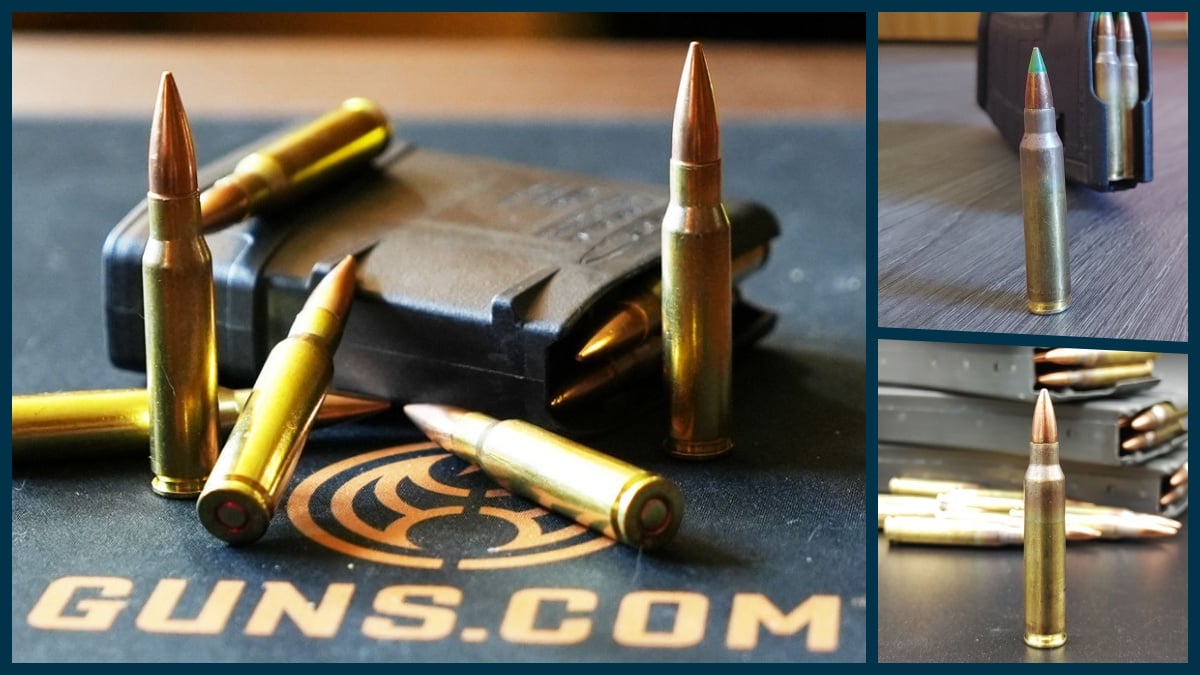
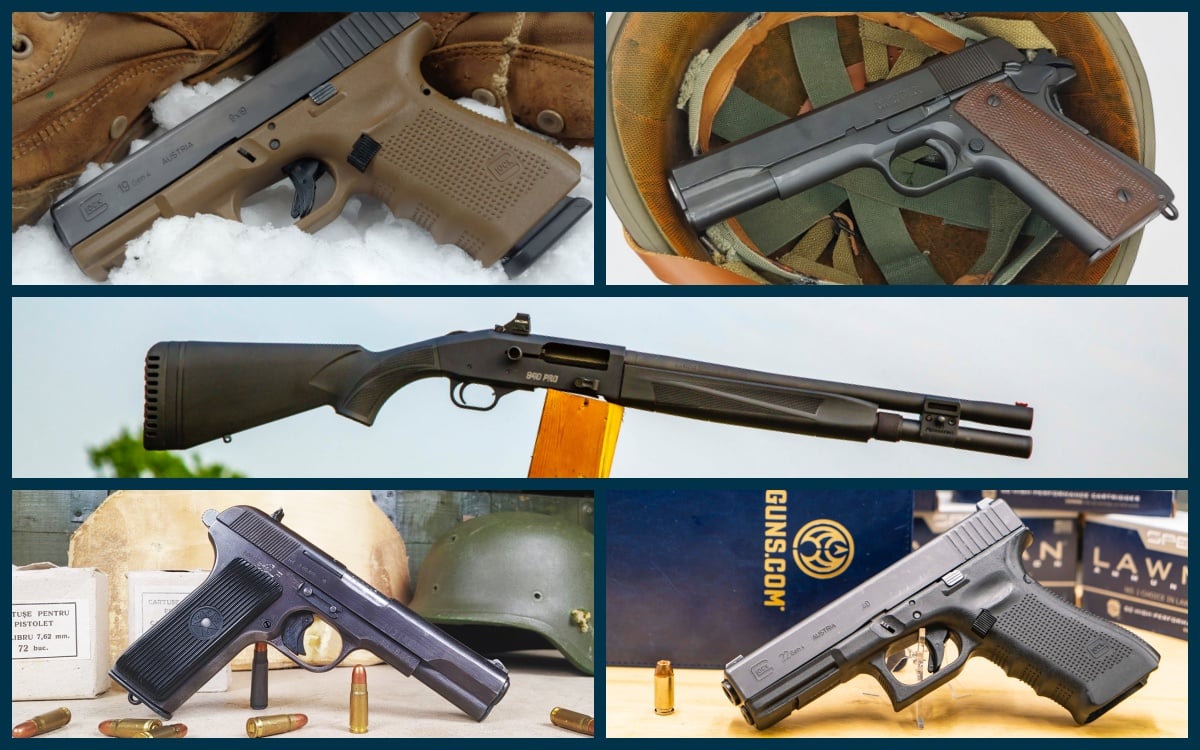
Our soft armor testing deviated somewhat from NIJ standards with an abusive four handgun shots inside a 3-inch area fired from 5 meters. This was followed by two 12-gauge shells loaded with 00 buckshot and fired at 10 meters into the armor. The armor was placed inside a small briefcase before the shotgun test. This was used to determine the armor’s remaining stopping power when used as a backpack/briefcase armor panel.
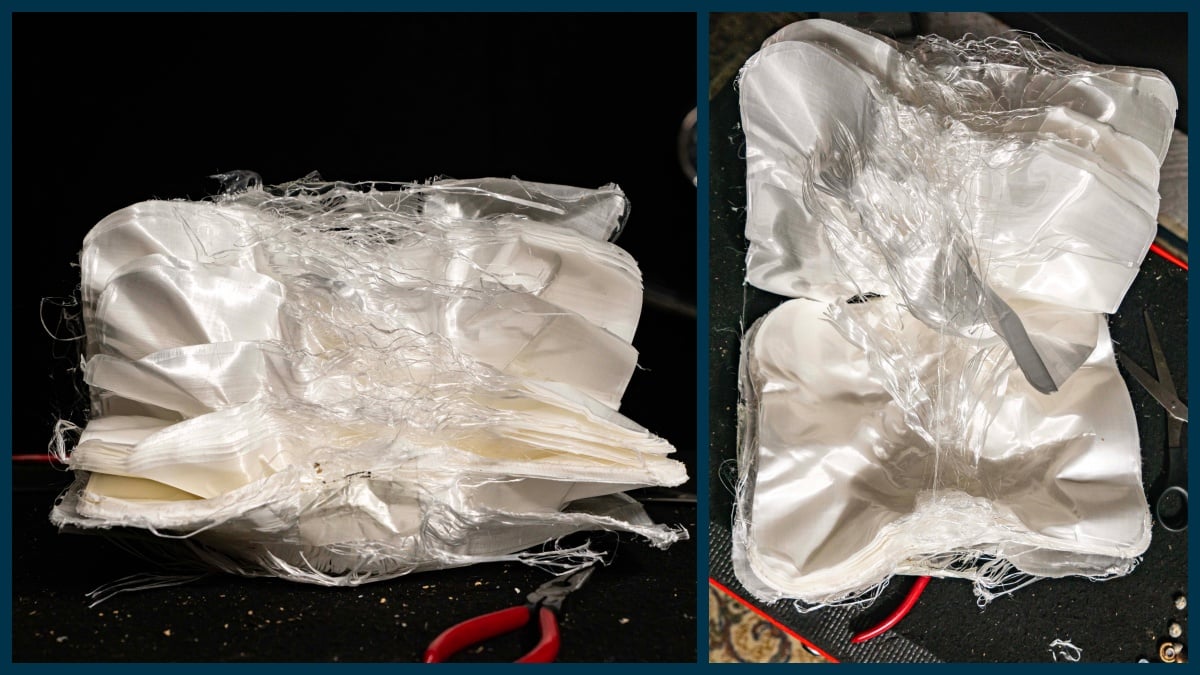
All armor was then dissected so we could examine the internal damage and extract any remaining bullets and shot fragments.
Level IIIA Soft Armor

This soft armor is not made from the classic Kevlar that helped kick off the lightweight body armor craze. It’s actually made from a much stronger UHMWPE material – “polyethylene” to us non-scientists – which is tightly combined into dozens of layers.
Here are some basic specs for our LifePro Shield level IIIA backpack/briefcase insert panels:
- NIJ Ballistic Rating: Level IIIA – stops up to .357 SIG and .44 Magnum (NIJ Standard-0101.06)
- Material: UHMWPE (polyethylene)
- Weight: 1 pound
- Size: 10x12 inches
- Thickness: 0.53 inches
- Warranty: 10 years
Now for the results. LifePro Shield’s level IIIA soft backpack/briefcase armor panel stopped all four of our handgun rounds fired at 5 meters. That included the below calibers:
- 9mm: 115 grain, FMJ, ≈1,160 fps
- .45 ACP: 230 grain, FMJ, ≈890 fps
- .40 S&W: 180 grain, FMJ, ≈1,000 fps
-
7.62x25mm Tokarev: 87 grain, FMJ, ≈1,700 fps
It likewise stopped and captured 11 pellets from our shotgun testing using two shells of 12-gauge nine-pellet 00 buckshot with a velocity of approximately 1,325 fps. One of our test shots was a bit high, so some pellets missed the panel target. No bullets or shot penetrated the polyethylene. We did notice some backface deformation that caused cracking in our water jug from our fourth and final handgun caliber: 7.62x25mm Tokarev.
Previous testing showed the spicy 7.62x25mm Tok bullets moving around 1,700 fps can defeat some older Kevlar mediums. Regardless, backface deformation damage must be accepted on soft armor after multiple shots to a small area.
I think images sum up the results best:

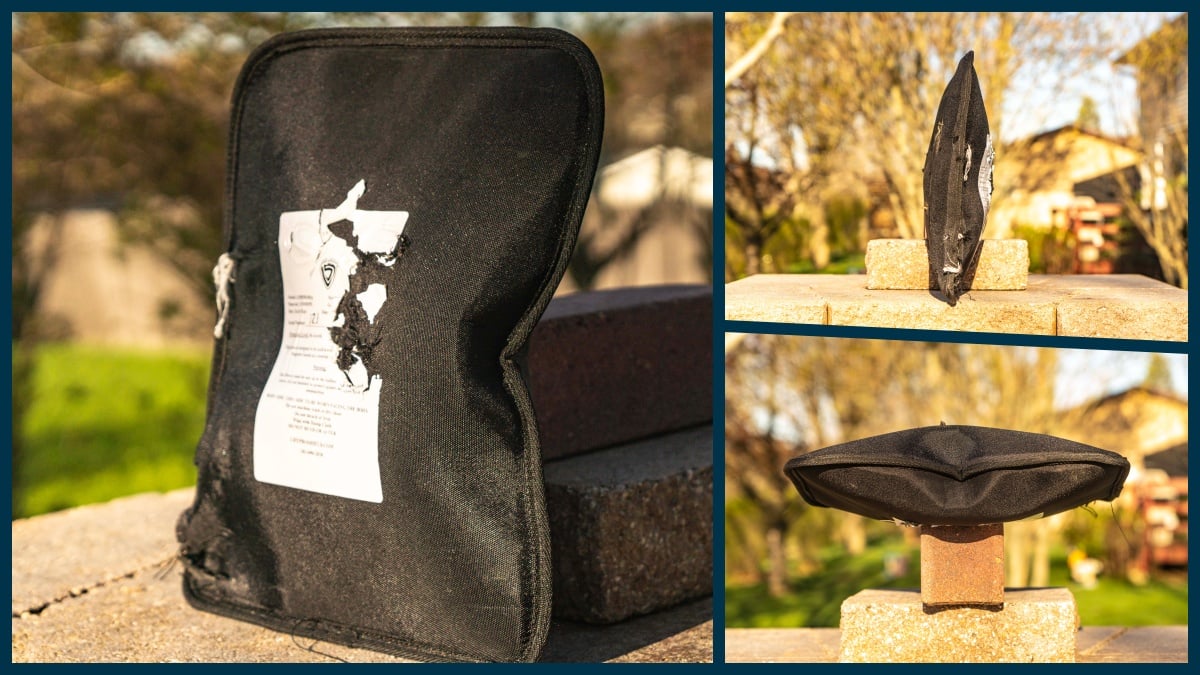
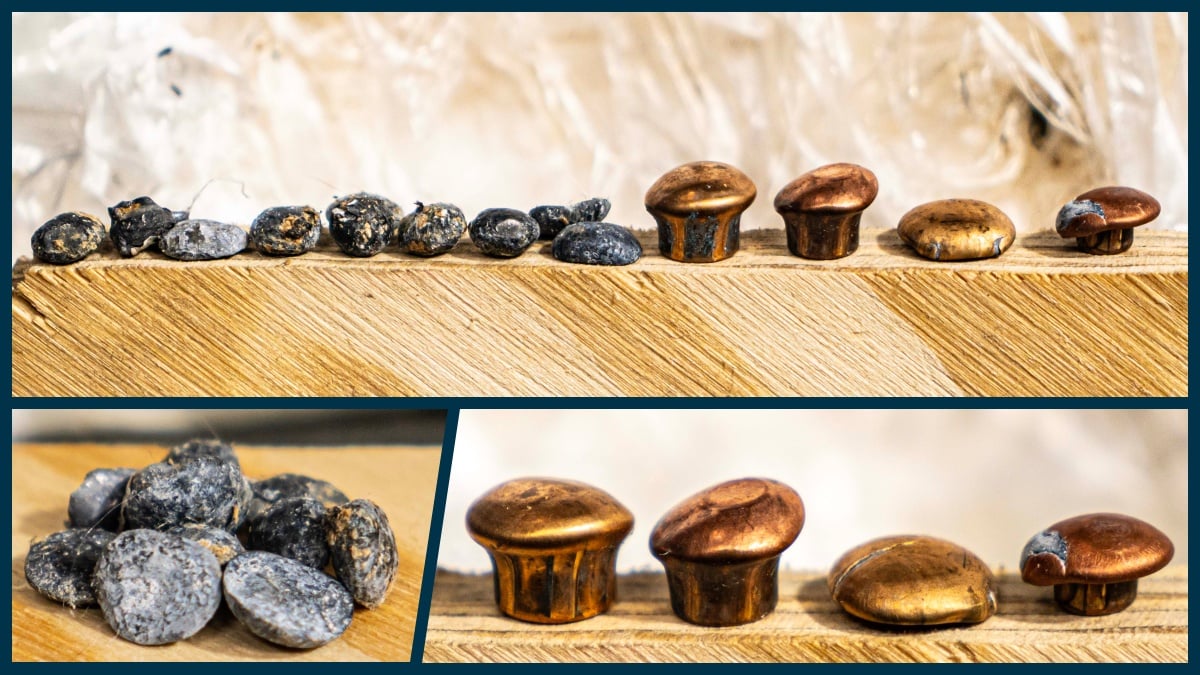
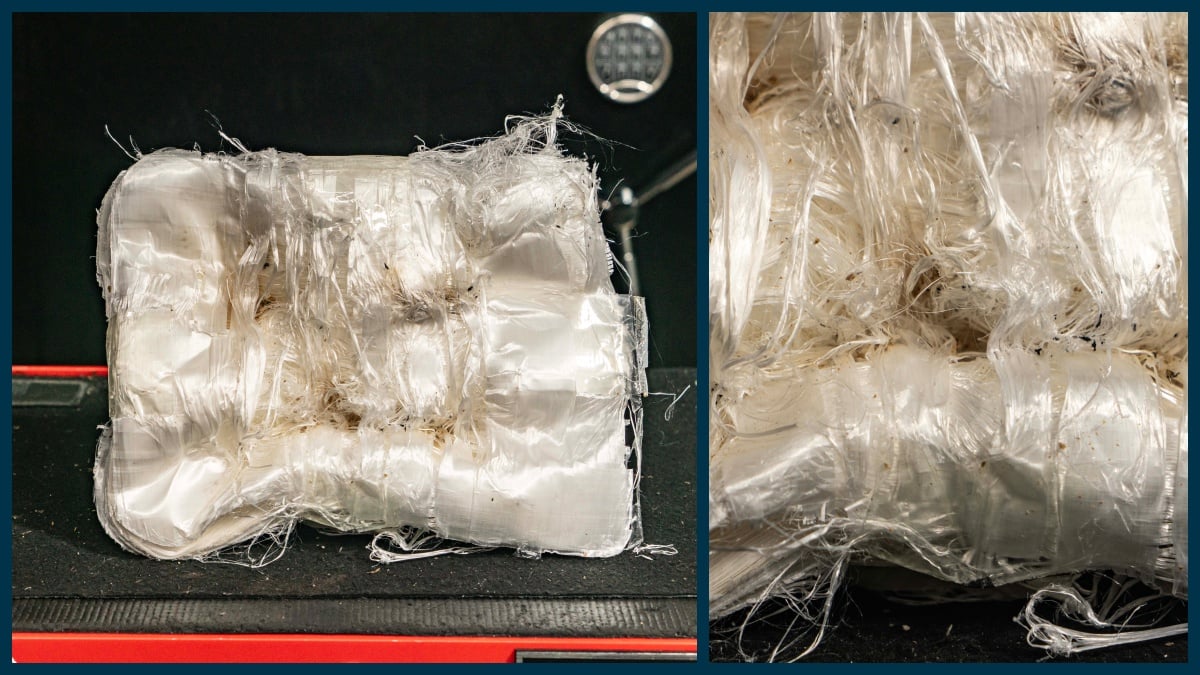
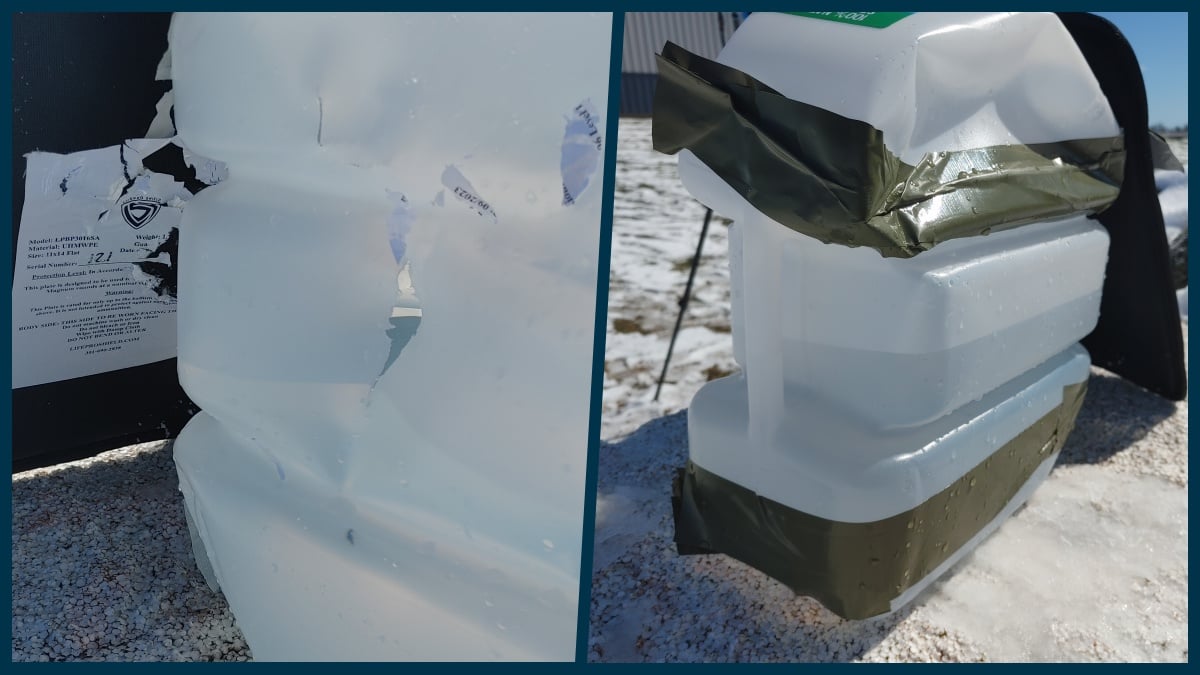
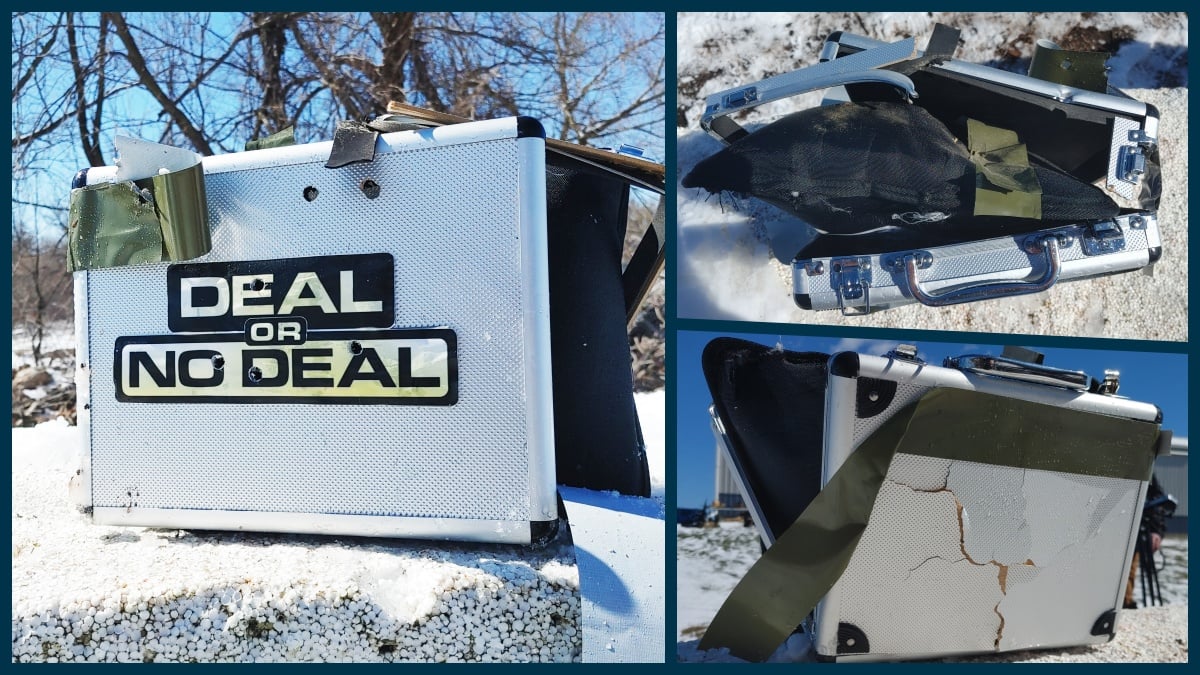
As far as soft armor goes, the LifePro Shield armor falls on the budget-friendly side. It’s well-made, clearly passes abusive testing, and I could see it filling a wide range of off-body armor roles from backpack carry to large purses and messenger bags.
Level III ICW Hard Plate
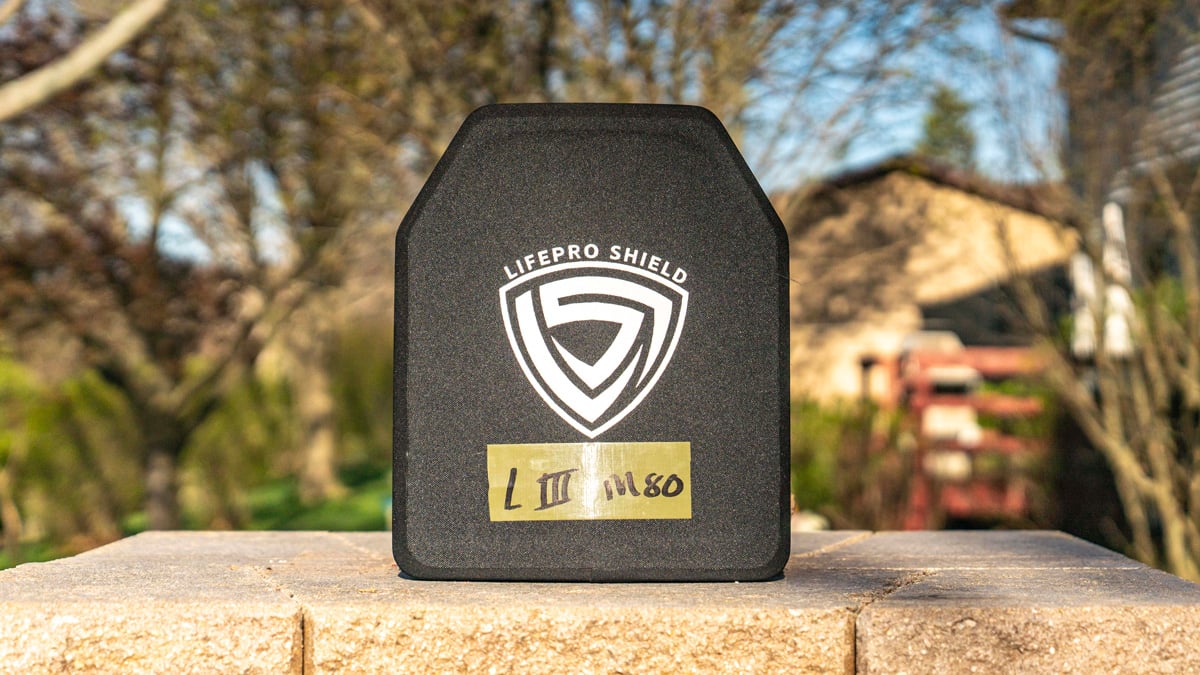
I’m a huge fan of UHMWPE, particularly when it’s formed into a hard polyethylene plate. At just 2.4 pounds, this level III plate is rated to stop up to 7.62 NATO. The plate is so light it can float in water, yet it’s also meant to stop a 147-grain FMJ 7.62mm bullet traveling at 2,790 fps. That’s just dang cool in my book.
This armor is designed to be worn with a level IIIA vest behind it. Hence the “ICW” or in-combustion-with rating. It is not designed for armor-piercing rounds, but LifePro Shield’s level III armor does cover that vast majority of handgun and rifle calibers one would expect to encounter. It’s also designed to survive multiple strikes.
Here are some basic specs for our LifePro Shield level III armor:
- NIJ Ballistic Rating: Level III – stops up to 7.62mm NATO M80 FMJ ball (NIJ Standard-0101.06)
- Material: Hard UHMWPE (polyethylene)
- Weight: 2.4 pounds
- Size: 10x12 inches (single curve)
- Thickness: 0.94 inches
- Guarantee: 5 years
We shot this plate with three rounds spread out by approximately 3 inches. The first two shots were with 5.56 NATO. We ended with a center shot using 7.62 NATO. Specs for those rounds are below:
5.56x45mm NATO (M193): 55 grain, FMJ, ≈3,250 fps
7.62x51mm NATO (M80): 147 grain, FMJ, ≈2,790 fps

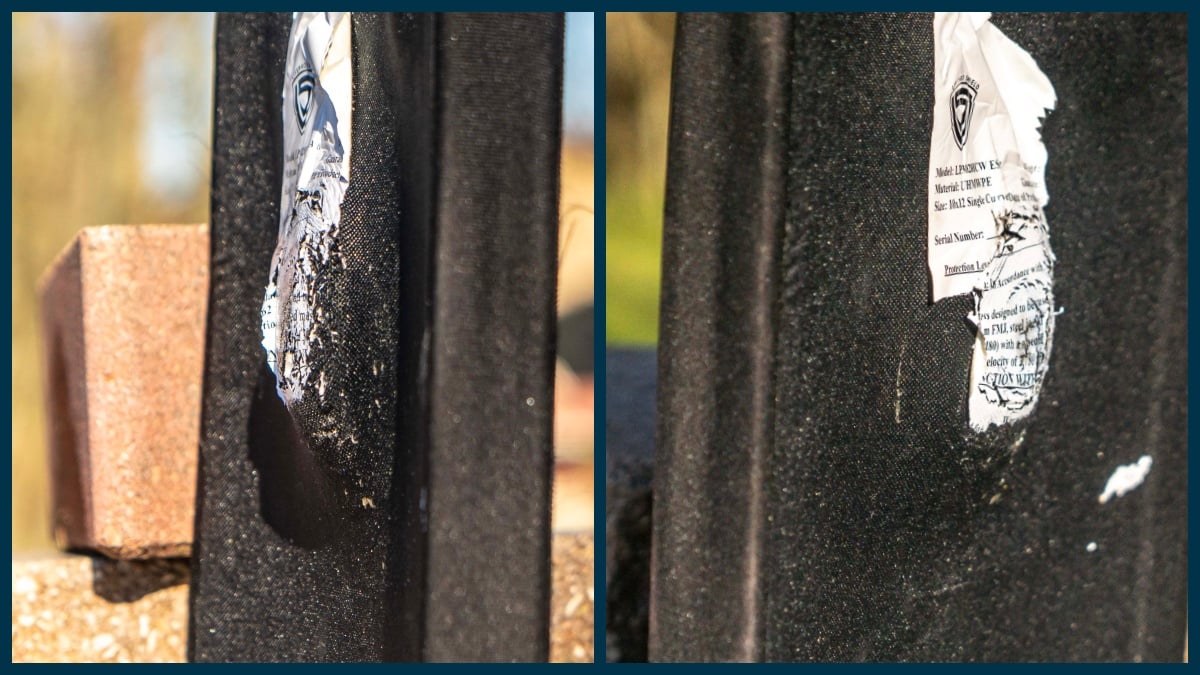
LifePro Shield’s level III plate had no issues stopping all three of our non-armor-piercing bullets at a distance of just 15 meters. We did see some backface deformation, particularly from the potent M80. That was to be expected, and the round caused less deformation than I have seen on some similar plates from past testing.
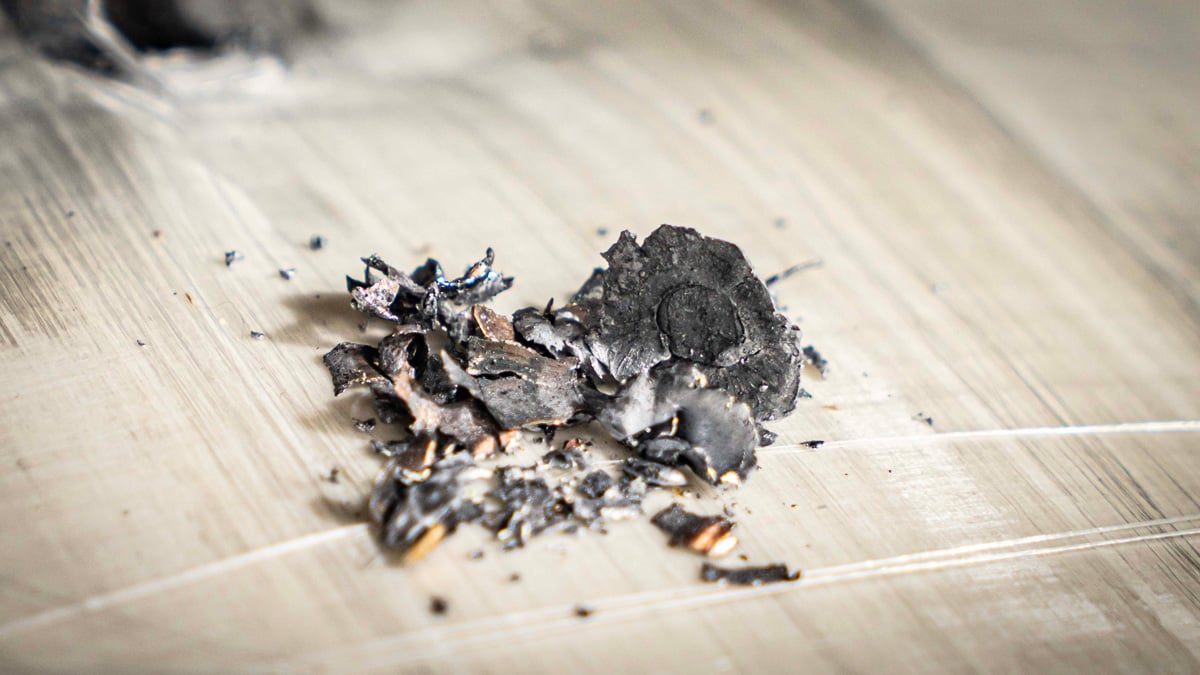
There are various trauma pads that can help reduce damage from backface formation with this type of armor, and it’s designed to be worn with a layer of level IIIA soft armor behind it for additional backface protection. The plate also captured our bullets, or at least what was left of them. That is one of the nicer characteristics of polyethylene.
Here are some images to really capture how the level III plate performed:


Level IV Hard Plate
LifePro Shield’s level IV plate is a hybrid combo of UHMWPE (polyethylene) and alumina (ceramic). This gives it a front face that is extremely hard. Alumina ceramic is several times harder than steel, which makes it ideal for destroying the steel penetrating cores on rounds like 5.56 NATO M855 “Green Tip.”

M855 “Green Tip” ammo was not specifically designed as an armor-piercing round. This round boasts a longer, heavier 62-grain 5.56mm bullet for better flight stabilization and a hard steel penetrator encased at the front for better barrier penetration at range. This newer round proved better at penetrating mild-steel barriers and other common materials that challenged the lightweight 55-grain M193 rounds.
However, that steel penetrator was still designed to defeat a standard steel helmet at 500 yards, and it proved effective against early polyethylene at closer ranges as well. The ceramic in our level IV armor is harder than the bullet’s steel core, and it also cracks and fragments in hundreds of directions to further dissipate the bullet's energy.
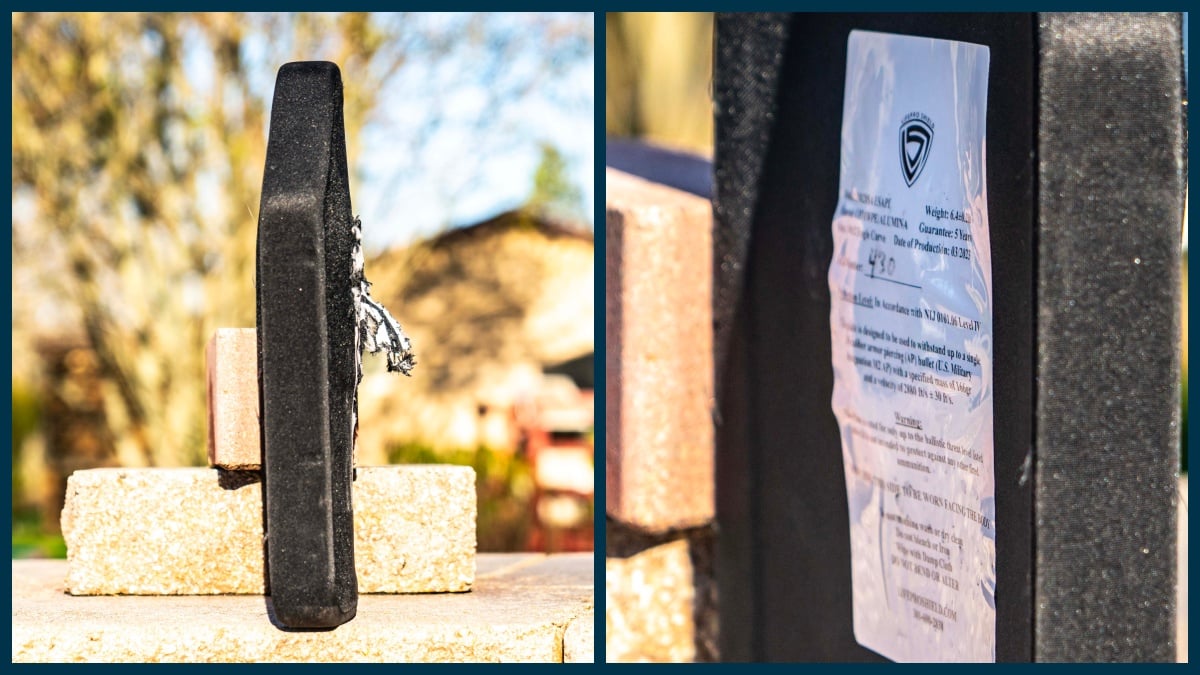
The back layer of UHMWPE provides additional ballistic protection to stop any remaining bullet fragments and limit backface deformation. Here are some basic specs for our LifePro Shield level IV plate:
- NIJ Ballistic Rating: Level IV – stops up to armor-piercing .30-06 Springfield (NIJ Standard-0101.06)
- Material: Alumina (ceramic) backed with hard UHMWPE (polyethylene)
- Weight: 6.4 pounds
- Size: 10x12 inches
- Thickness: 1.06 inches
-
Guarantee: 5 years

We shot this plate with three rounds spread out by approximately 3 inches. The first two shots were with 5.56 NATO M855 “Green Tip.” We ended with a center shot using 7.62 NATO. Specs for those rounds are below:
5.56x45mm NATO (M855): 62 grain, steel-core FMJ, ≈3,060 fps
7.62x51mm NATO (M80): 147 grain, FMJ, ≈2,790 fps
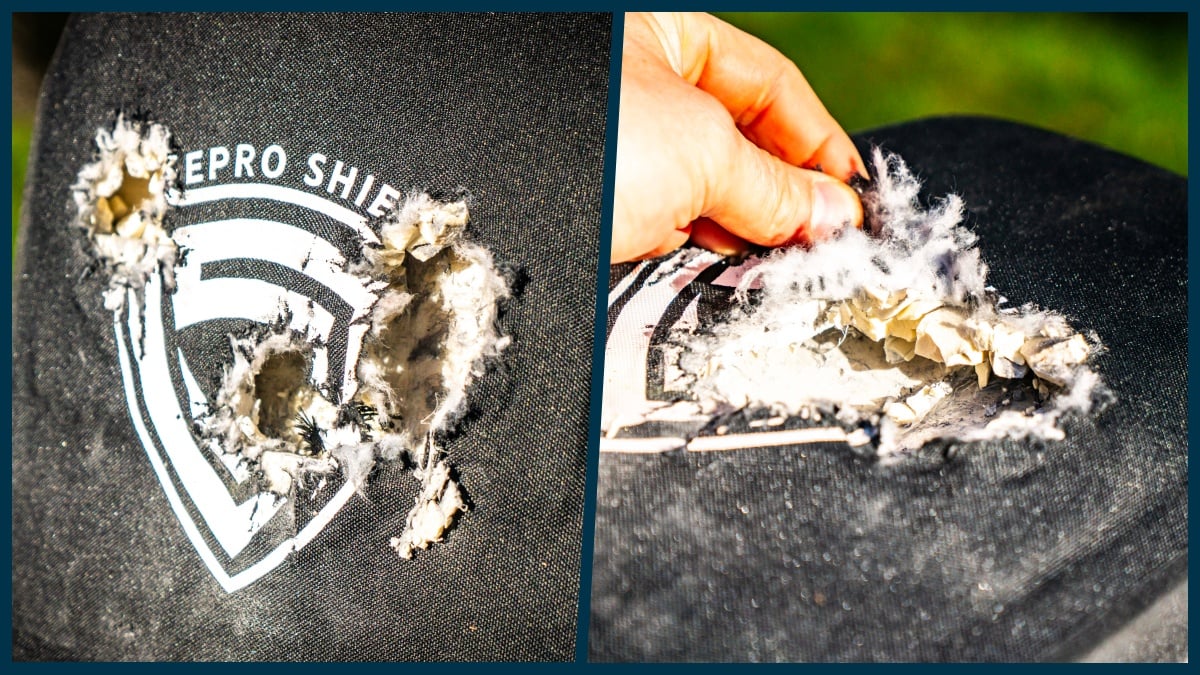
The level IV plate had no issues defeating all three rounds. Unfortunately, I did not have black-tip armor-piercing 7.62 NATO ammo, but the plate shrugged off multiple hits from our M855 “Green Tip.” There was also nearly no backface deformation from any of our rounds.
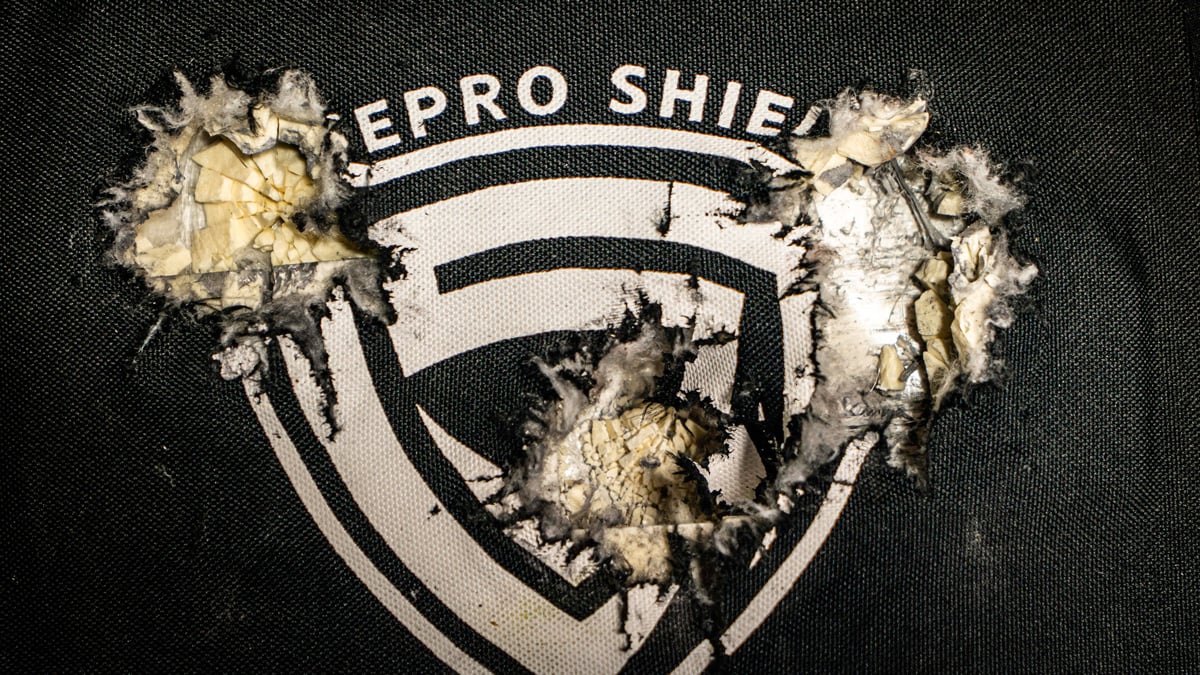
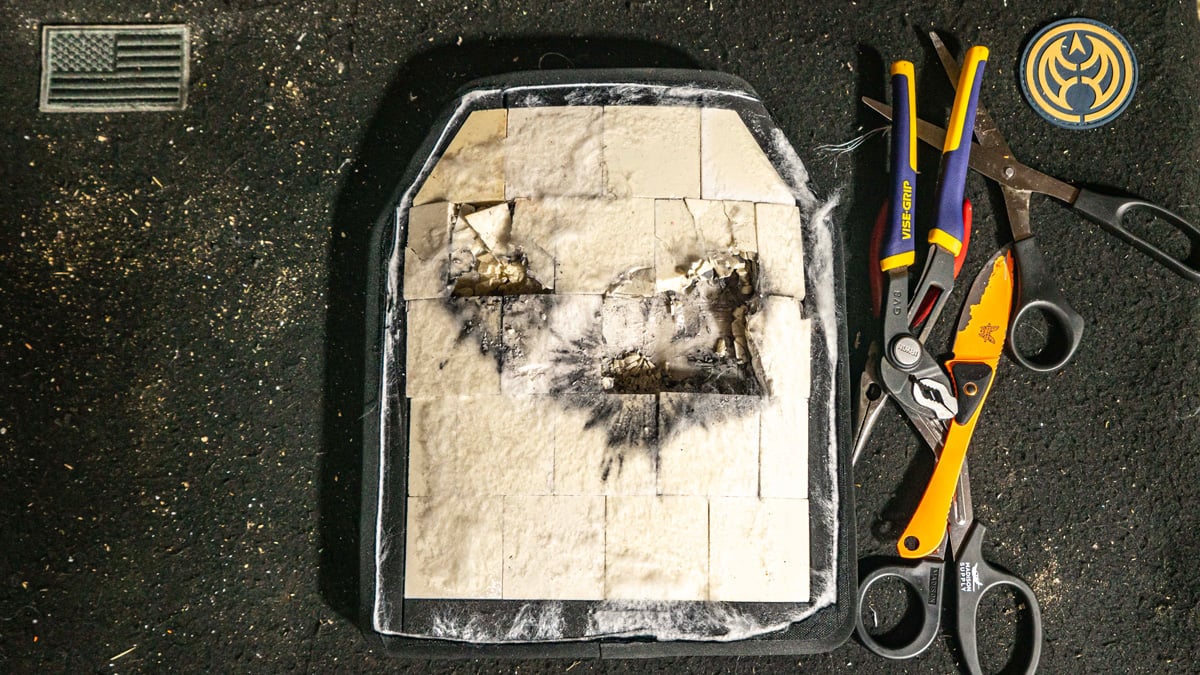
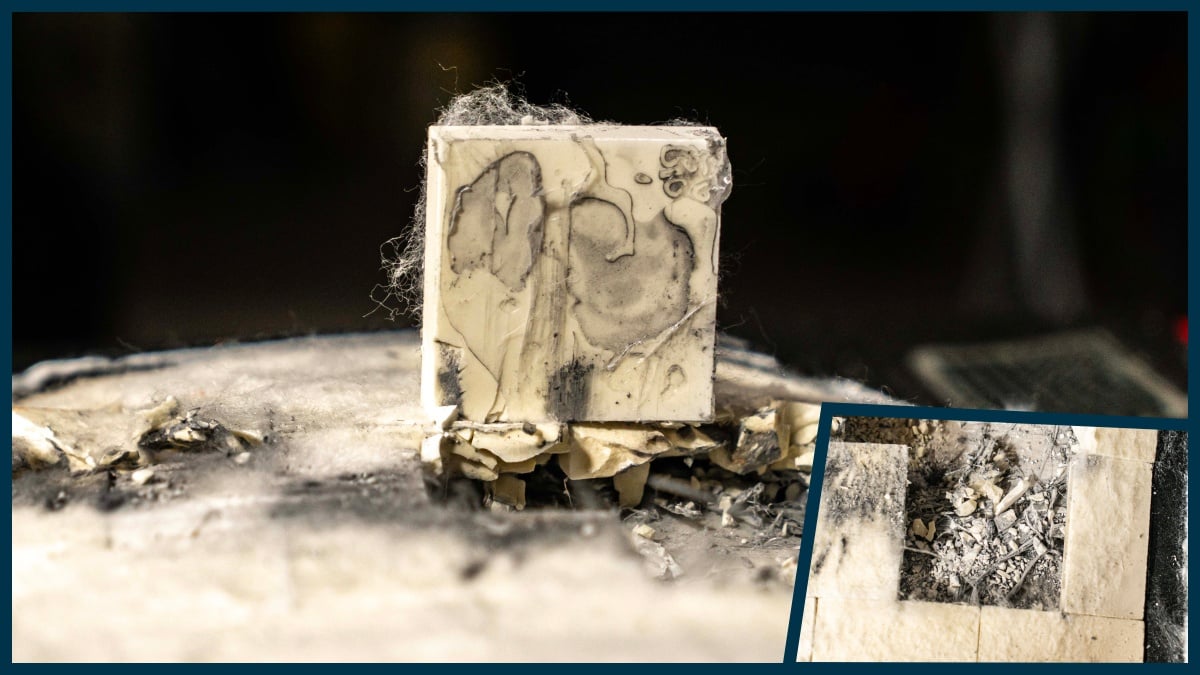
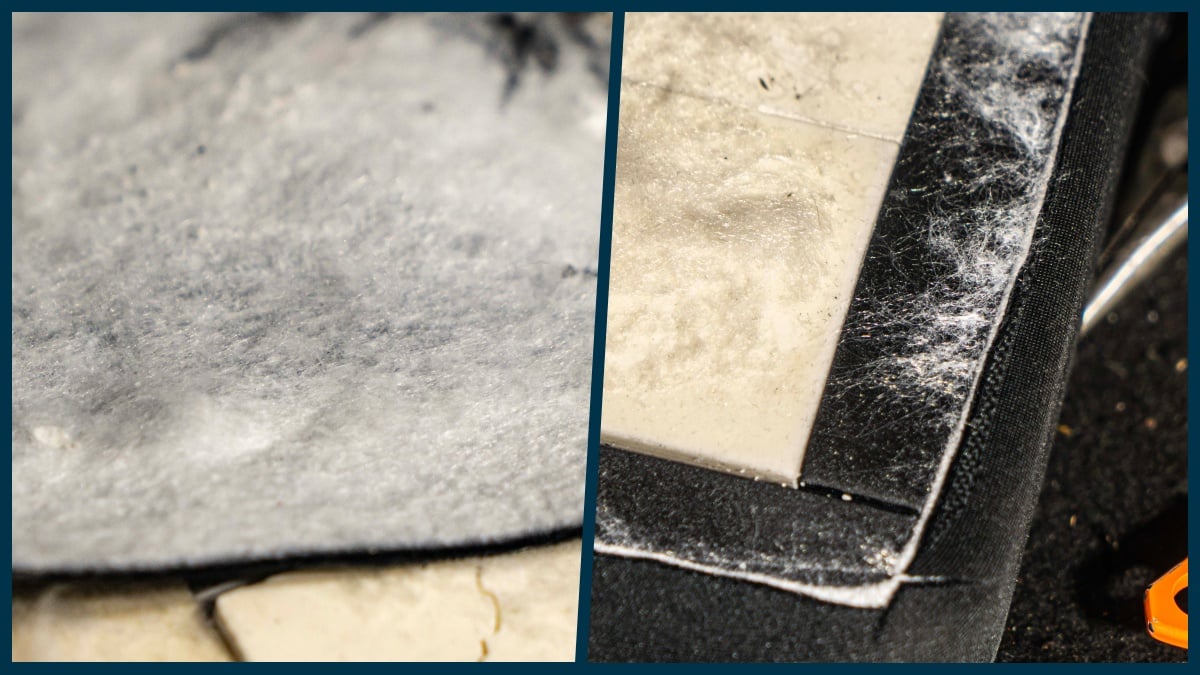
One of the limiting factors of ceramic armor is its ability to survive multiple hits. The blend of alumina and UHMWPE does make this a multi-hit plate, but the ceramic wears out where it gets struck. Pulling the armor apart really reveals how this polyethylene/ceramic duo work together.
Here’s what I found when I pried open this level IV plate:

[BONUS] Ballistic Coaster?
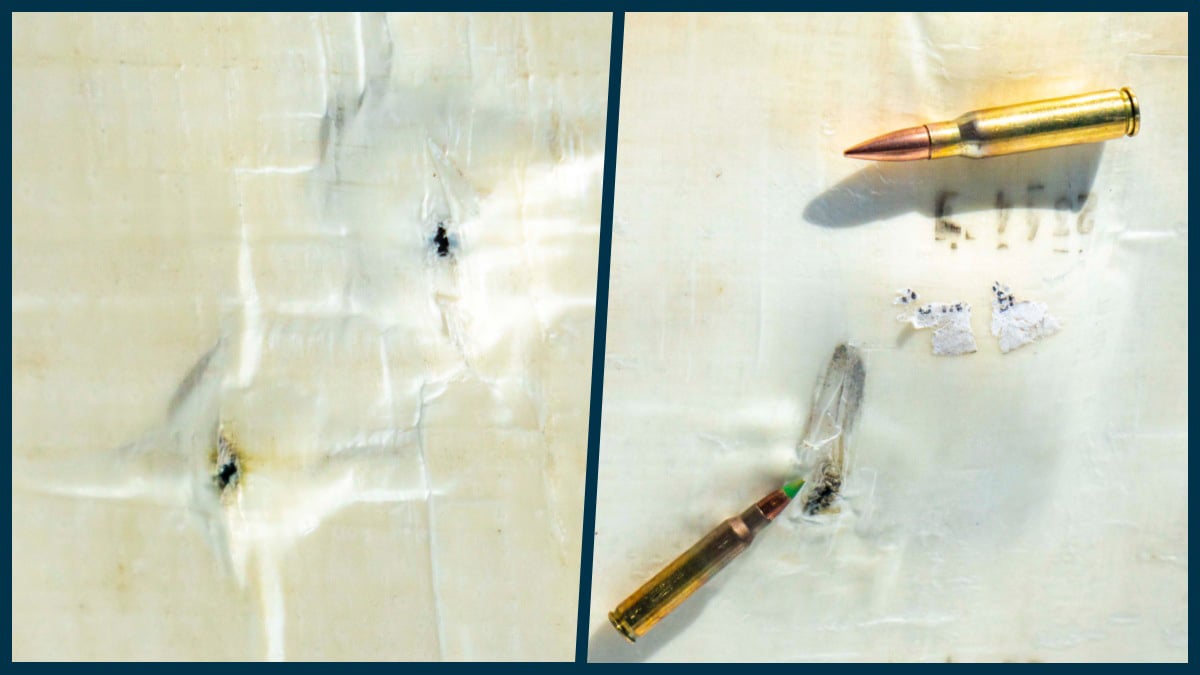
I had to chuckle when I opened the case of armor sent to me by LifePro Shield and found two small ballistic “drink coasters” inside the box. They assured me these were intended mostly as fun gifts and stocking stuffers, but they are indeed made from the same polyethylene armor used in LifePro Shield’s polyethylene plates.
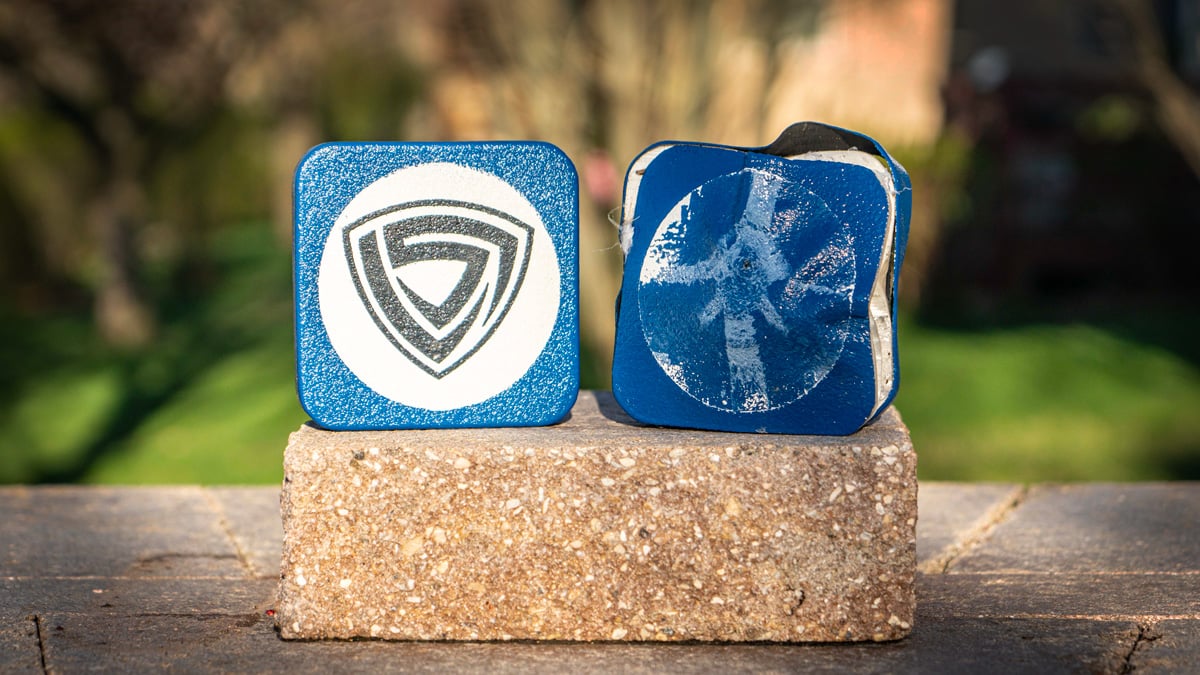
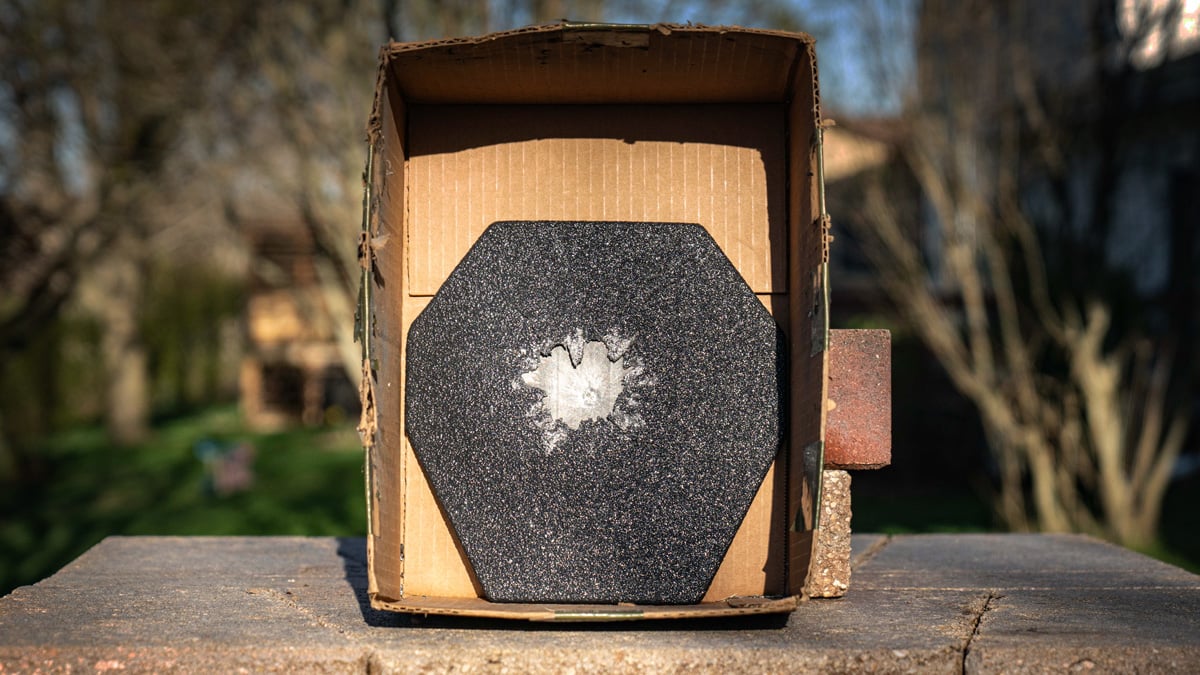
So, I thought, what the heck! Let’s shoot this thing and see what happens. I had just sighted in an old Argentinian Mauser that was rebarreled for .30-06 Springfield back in the 1950s. Here’s what we got when we put a 150-grain FMJ .30-06 bullet into the center of one of these little UHMWPE coasters:
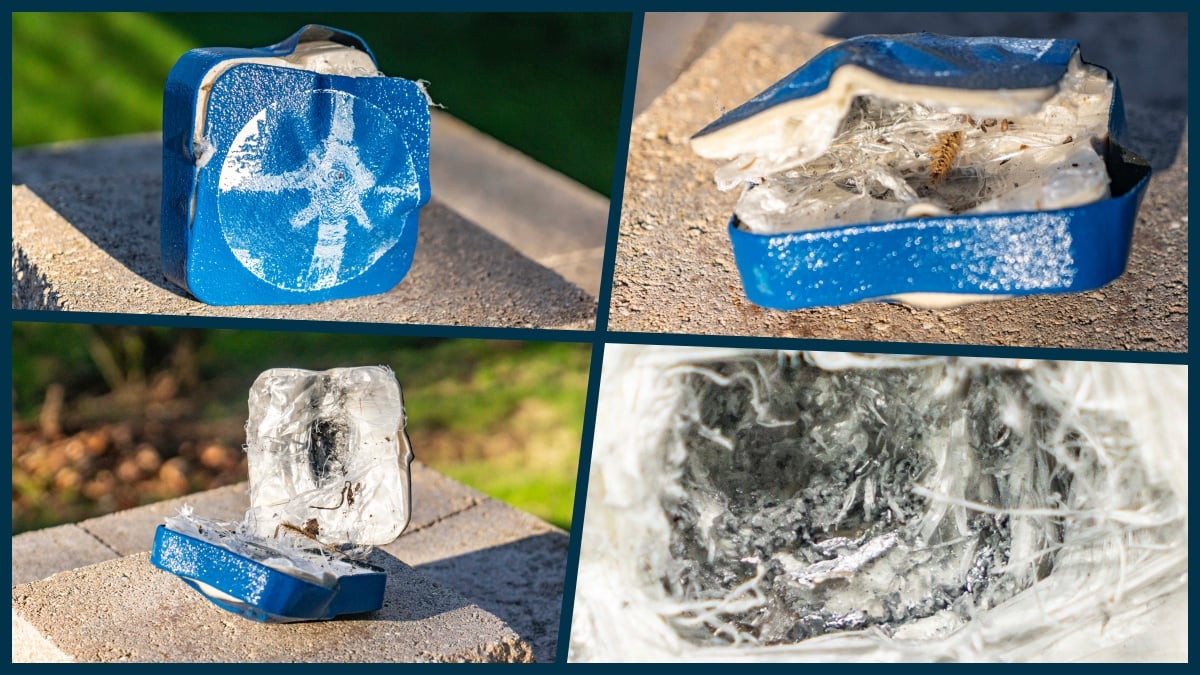
At just $20 a pop, these things are a cool gift idea, but I love the concept of being able to drop just a few dollars on a test target if you are investing in a full armor kit. It’s a great way to get that warm and fuzzy assurance the armor actually works. From our testing, it certainly does.
Steel Comparison
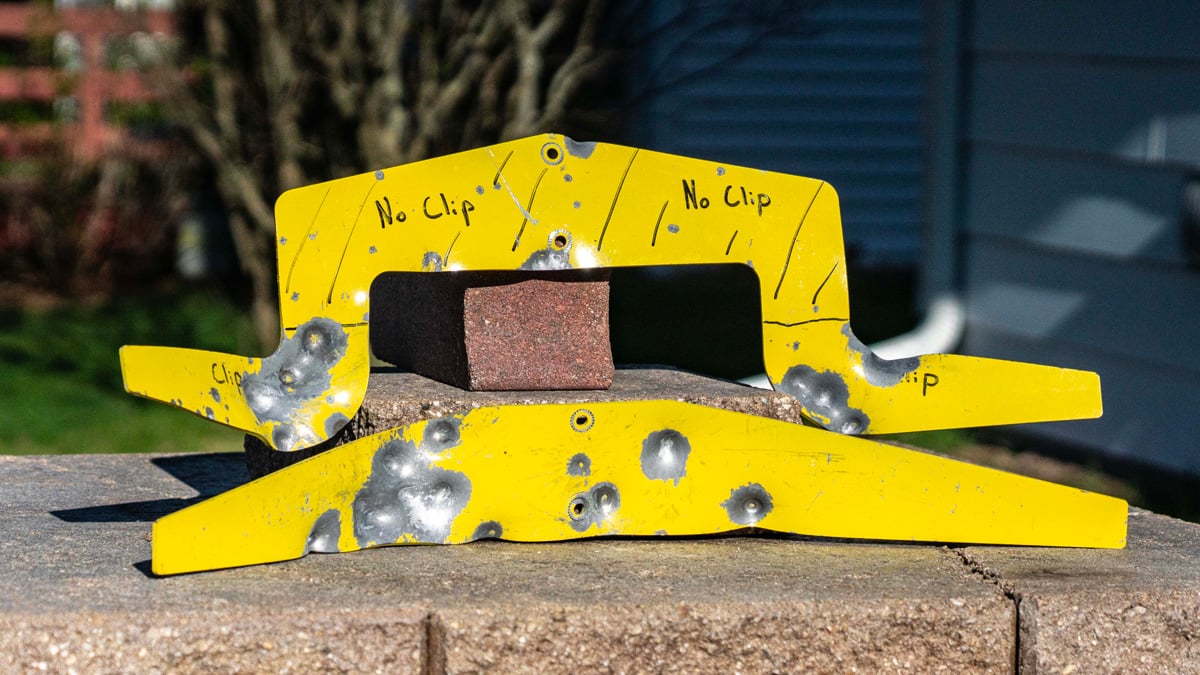
Steel armor is generally a very affordable option with materials like AR500 steel designed specifically to defeat high-velocity bullets. However, it has its limits. Steel armor is very heavy. The small plate we tested here comes in at 5.1 pounds despite being half the size of our 2.4-pound level III plate from LifePro Shield.
The other issue is the danger of splatter or spalling, which is the debris from a bullet that ricochets off the armor. You can see the effects of that below from a single shot of 147-grain 7.62x51mm NATO (M80) ball ammunition fired into the center of a steel plate at 15 meters.

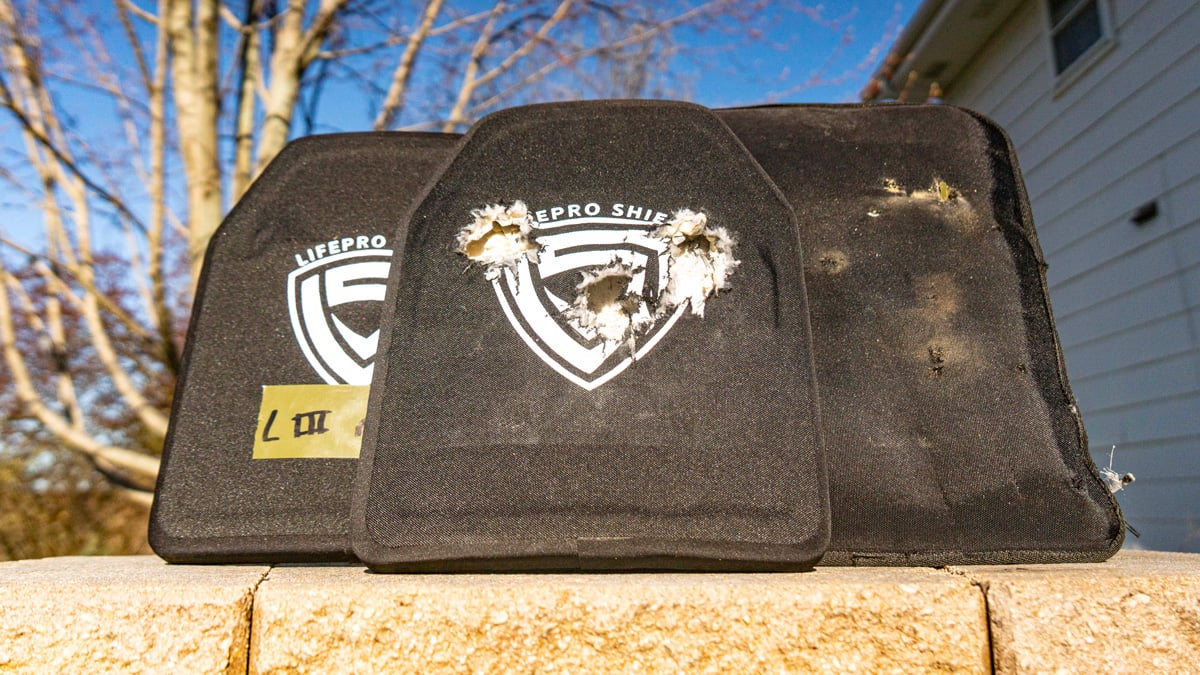
There are different types of anti-spall coatings that are available for steel armor, though this makes the plates heavier. I’ve seen similar issues with other armor like some hard Kevlar. Here’s what we got when we shot a 230-grain FMJ .45 ACP bullet into some hard Kevlar at 5 meters.

I never did find that .45 ACP bullet that hit my test Kevlar panel. The armor did its job, but anyone wearing it would have had to simply hope the bullet didn’t just bounce from the armor into some other part of their/someone’s body.
Pros & Cons
Here’s a breakdown of the pros and cons for each level of LifePro Shield armor we tested:
LEVEL IIIA (Soft Polyethylene Armor)
Pros:
- Proven effective level IIIA ballistic protection
- UHMWPE (polyethylene) stronger than Kevlar
- Multi-hit capability better than Kevlar
- Captures projectiles inside armor
- Lightweight, concealable, flexible, and water resistant
- Affordable price point
- 10-year warranty
Cons:
- Not rated for rifle calibers
- Soft armor can have more backface deformation
-
Polyethylene is less stab resistant than Kevlar
LEVEL III (Hard Polyethylene Plate)
Pros:
- Proven effective level III ballistic protection
- Defeats multiple rifle hits from up to 7.62mm NATO M80
- Very lightweight
- Captures bullets instead of dangerous deflection
- Affordable price point
- Very durable
- Stab proof
- 5-year guarantee
Cons:
- Not made for armor-piercing ammo
- Not flexible
- More backface deformation than steel
-
Works best over a level IIIA vest
LEVEL IV (Hard Ceramic/Polyethylene Plate)
Pros:
- Proven effective level IV ballistic protection
- Rated for armor-piercing .30-06 ammo
- Capable of stopping multiple hits
- Very little backface deformation
- Stab proof
- Affordable price point
Cons:
- Ceramic cracks and breaks after abusive shooting
- Heavier than just polyethylene
-
More expensive than polyethylene
Final Thoughts
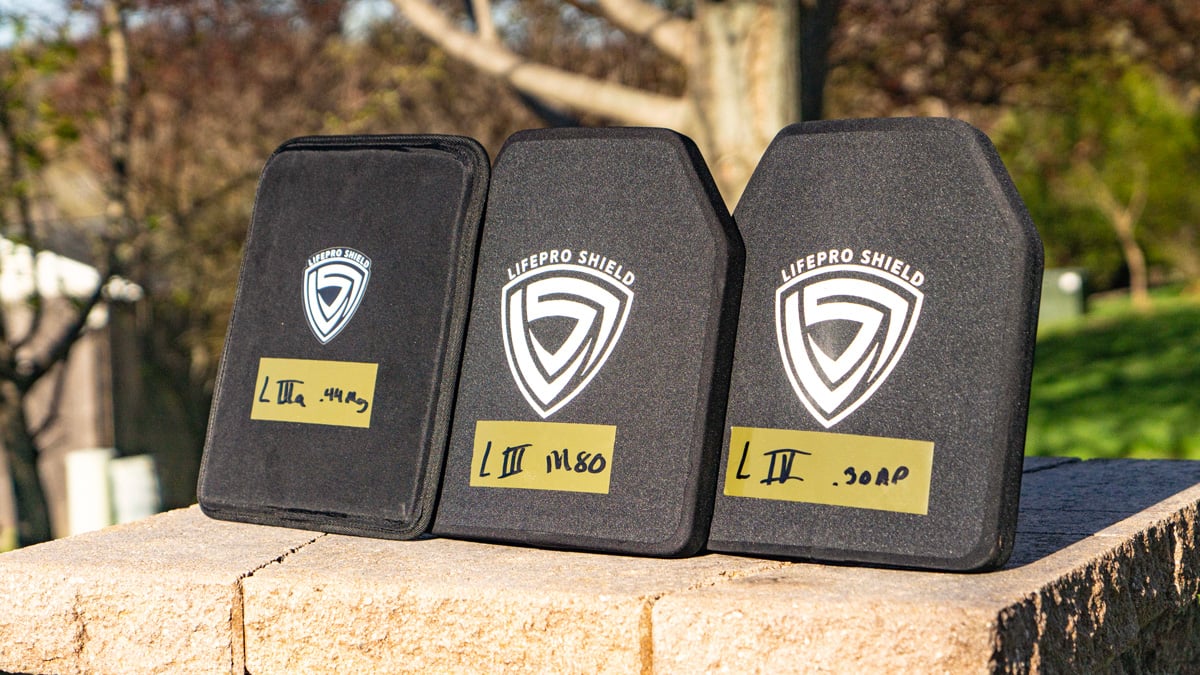
I’ll start by noting that we tested each of these armor options to see if they did what we expected for their stated protection level. Each one clearly had the ability to take further abuse even after we finished our testing. I opted to preserve the armor so we could actually see what happened inside of it instead of simply demolishing it for fun.
There’s no such thing as perfect body armor. There are lots of great options, and most are really good at defeating specific threats. However, each type has its own strengths and weakness.
Fortunately, we now live in a time when armor is readily available at a price that makes it easy for everyday Americans to buy. Our testing showed LifePro Shield’s armor works and does exactly what it’s advertised to do if not much more. It also falls on the budget-friendly yet quality-made side of the armor market, which makes it a high-value armor option in my book.