Brief R. Famage Mauser History

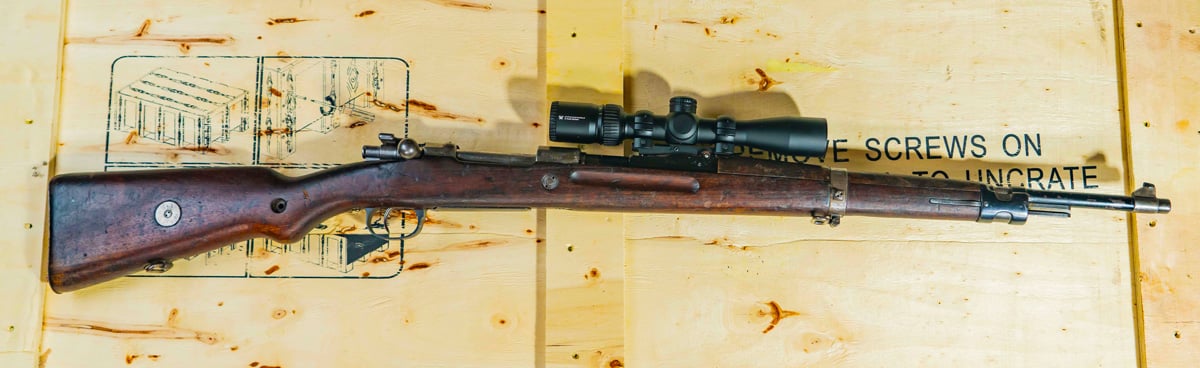
I picked up this unwanted rifle for a song – by today’s standards – at $50 several years ago. It’s a Frankenstein of mismatched serials with a well-weathered stock. I low-key love the fact that this gun was used to the point of only having practical value as a functioning rifle.
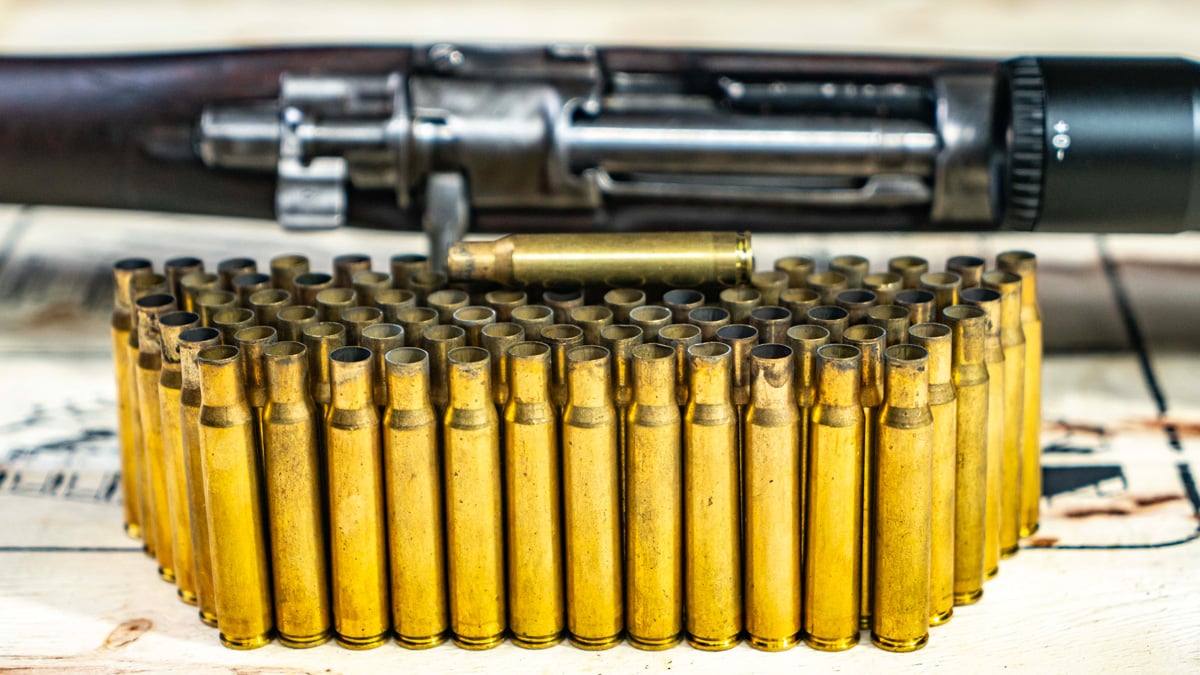
Made along the classic K98 design, the R. Famage 1952 designation is short for “Reformado. Fabrica de Material de Guerra,” roughly meaning “Reworked. Military Materiel Factory.” Basically, the Columbian military purchased a host of Mauser-action rifles made by various manufactures like Steyr, CZ, and Fabrique Nationale and rebarreled for them for .30-06 Springfield.
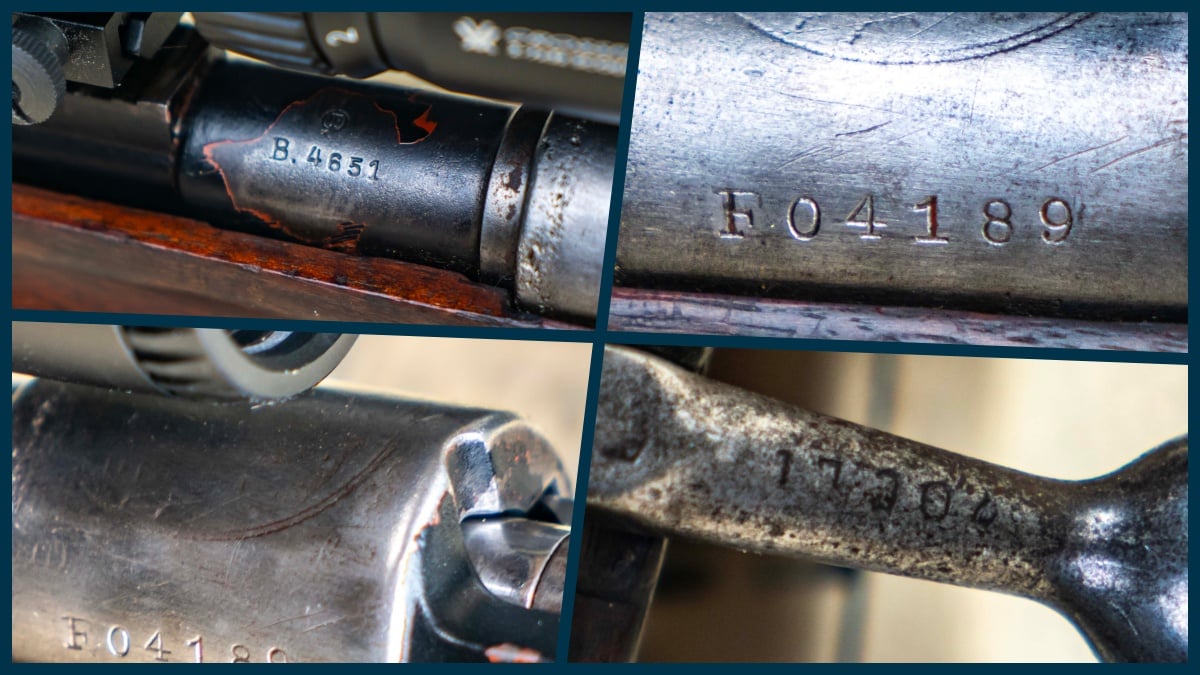

Plenty of these rifles trickled into the American market, and there’s nothing particularly collectible about this one. In fact, it’s a serious mix of different Mauser parts, and it’s taken a beating over the years.
Related: My First Gun – Classic Surplus Mauser
Many of the originals were highly modified for the American hunting and sporting market over the years. This one was beat up but only marginally modified in that someone sawed off a portion of the top handguard.
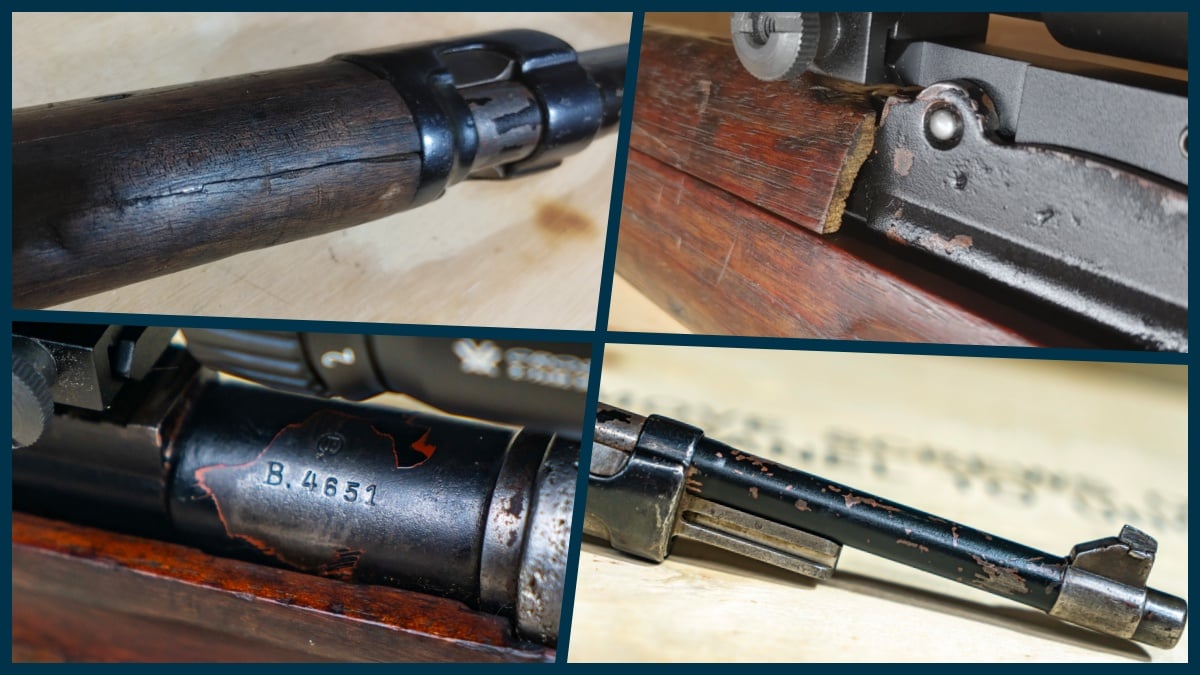
Some of that punishment is likely from previous American owners. Much of the black paint that was placed on the rifle has been scraped away. That paint clearly shows signs that someone removed it looking for serial numbers and other markings.
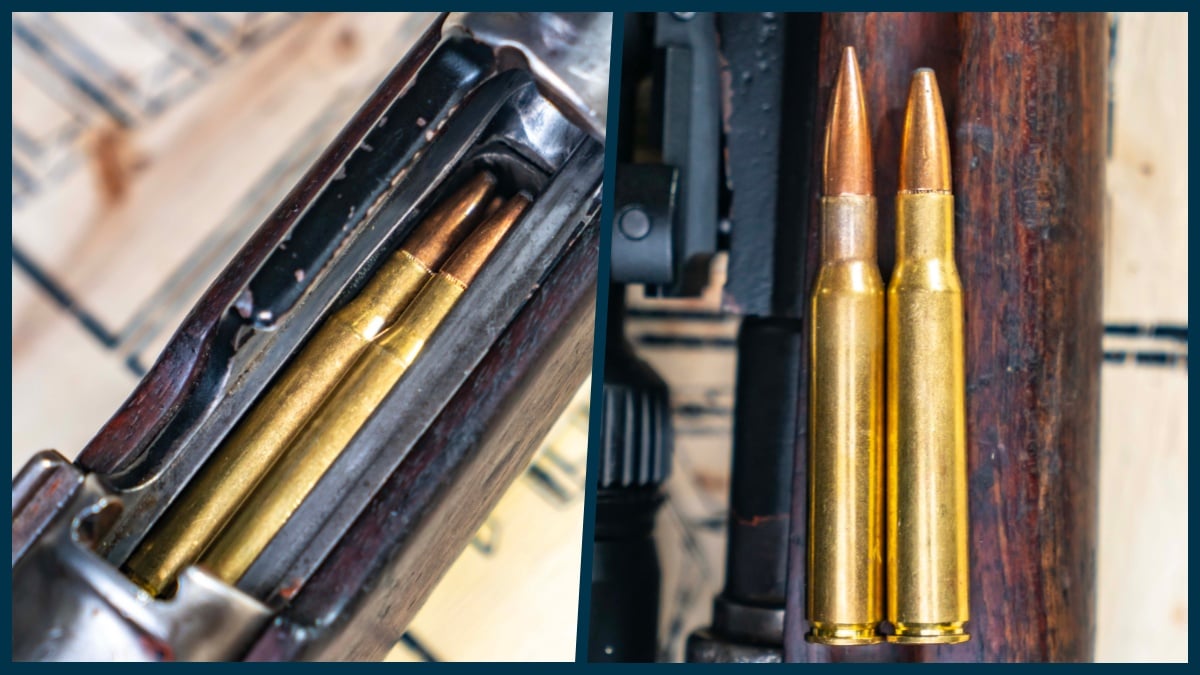
In any case, the .30-06 chambering in an old Mauser action makes this gun an obvious candidate for more affordable shooting here in the states over the various other Mauser chamberings like 8x57mm or 7x57mm.
So, if it’s not collectible and hardly pretty but shoots fine, I feel like it’s a waste to just let it linger. I already have an M48 Mauser I enjoy shooting with iron sights, and turning this one into a scout rifle seemed like a fun project that might result in a new life for the gun.
BadAce’s Scope Mount

With a tagline like “carry on legends,” BadAce Tactical isn’t shy about the company’s fixation on bringing “classic firearms into the modern optic world.” Working with classic guns is basically all they do. The company machines no-drill scout-style and over-action mounts for everything from Russian Mosin-Nagants, semi-auto SKS rifles, and Swiss Schmidt-Rubins to surplus bolt-action Enfields and a slew of Mauser variants.
BadAce’s no-drill designs are made so you can do the work yourself to install a scope rail. In this case, the rail attached to this old R. Famage’s rear sight in front of the gun’s action. That requires a long-eye-relief scope, which I’ll get to below.
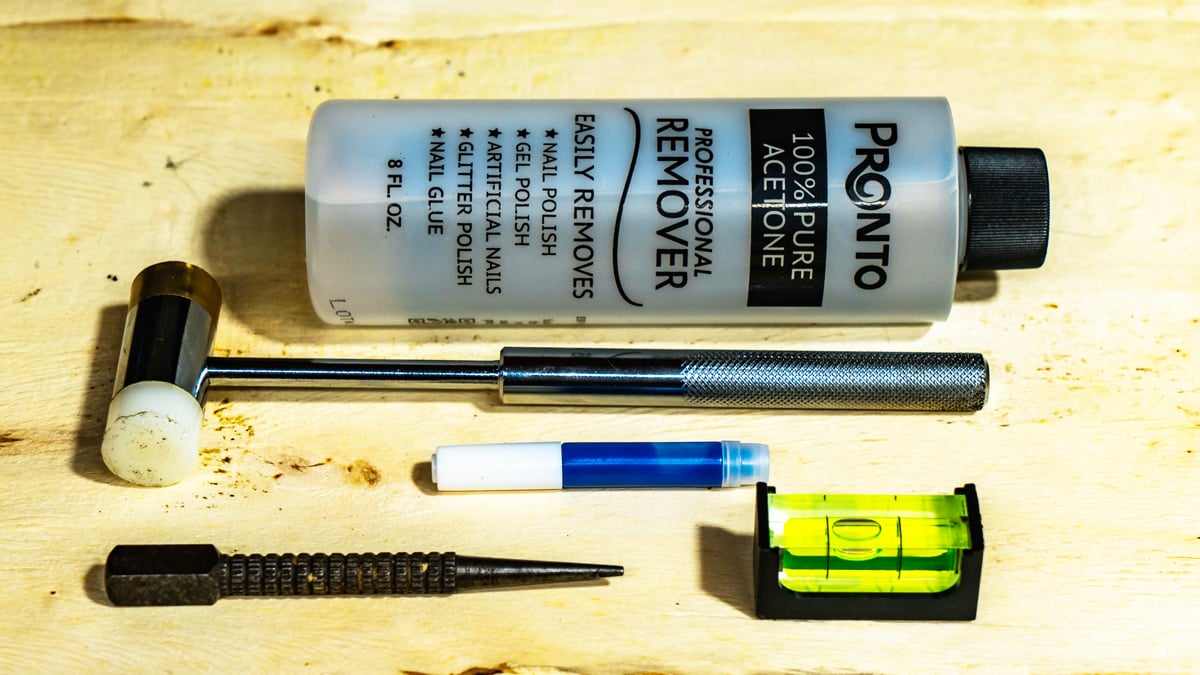
Installation took about 30 minutes of fairly simple labor with just basic tools.
Thankfully, the Mauser design was incredibly popular and offers shooting enthusiasts a level of standardization when it comes to selecting a mount. BadAce Tactical makes several mounts for Mausers, but my mount will fit all the below variants as well:
- Yugo M48, M24/47
- Turkish Model 1938
- Czech vz. 24
- German G24(t)
- Spanish M43
- Argentine Model 1909 rifle (not carbine)
- Persian Mauser M98/29
- Belgium FN Mauser .30-06 (FN 24/30 M1950)
- Serbian/Yugoslavian Model 1924
- Columbian R. Famage .30-06 Mauser
-
Brazilian Mauser 1908, 1908/34 and M954 Mauser

Nothing about the original gun was permanently altered to turn it into a scout rifle. That is basically a must for me when it comes to vintage guns, but it also means the BadAce’s mount saves you a trip to the gunsmith.
Scout Scopes

Popularized by the famed Jeff Cooper, scout rifles are meant to be flexible general-purpose guns. They’re not unlike the concept of a guide rifle, and they tend to use long-eye-relief scout scopes that are great for close and medium-range work. They’re practical workhorses instead of long-range precision or close-range high-volume tactical platforms.

Since this R. Famage was a very budget purchase on my end, I selected a budget optic to pair with it in the Vortex Crossfire II 2-7x32 Scout Scope. This is a second-focal-plane optic with an eye relief of 9.5 inches. That puts it comfortably in focus for my shooting eye with my natural cheek weld on the Mauser stock.
Magnification levels are adjustable from 2x to 7x power. I used Vortex’s low scope rings to keep the optic just 1.5 inches above the bore.

This is your budget option. The Leupold VX-Freedom Scout 1.5-4x28mm and Burris Scout 2-7x32mm would make fine, though more expensive, options for a rifle and mount like the one I used. The Vortex Crossfire II held up great for my testing.

I found the 4x magnification to be the most versatile and clear. The 2x setting was nice for closer work, but you lose some image clarity at range when you swap it over to the 7x magnification. Personally, I just leave it on the 4x setting for my shooting.
Final Rifle Specs & Features
The R. Famage 1952 Mausers were meant to serve as general battle rifles, so they don’t exactly fall into the category of lightweight backpacking guns. Even at 9.62 pounds with the mount and scope, this Mauser actually feels much wieldier in the hand than I expected. That weight puts the rifle in nearly the same class as an unloaded, non-scoped M1 Garand that comes in at 9.5 pounds.
Here’s how all the general specs came out for this rifle at the end:
- Weight: 9.62 pounds
- Length: 43.25 inches
- Barrel Length: 23.5 inches
- Length of Pull: 13.125
- Trigger Pull: 5.47 pounds
- Scope Height: 1.5 inches over bore
- Eye Relief: 9.5 inches
- Chamber: .30-06 Springfield
-
Capacity: 5+1

Again, all the parts on this rifle are like your standard Karabiner 98k rifle. There’s a traditional three-position lever safety at the rear. The trigger is also your standard two-stage surplus Mauser trigger with two camming surfaces. This makes the first stage long and light, while the second stage engages the sear to fire the gun.

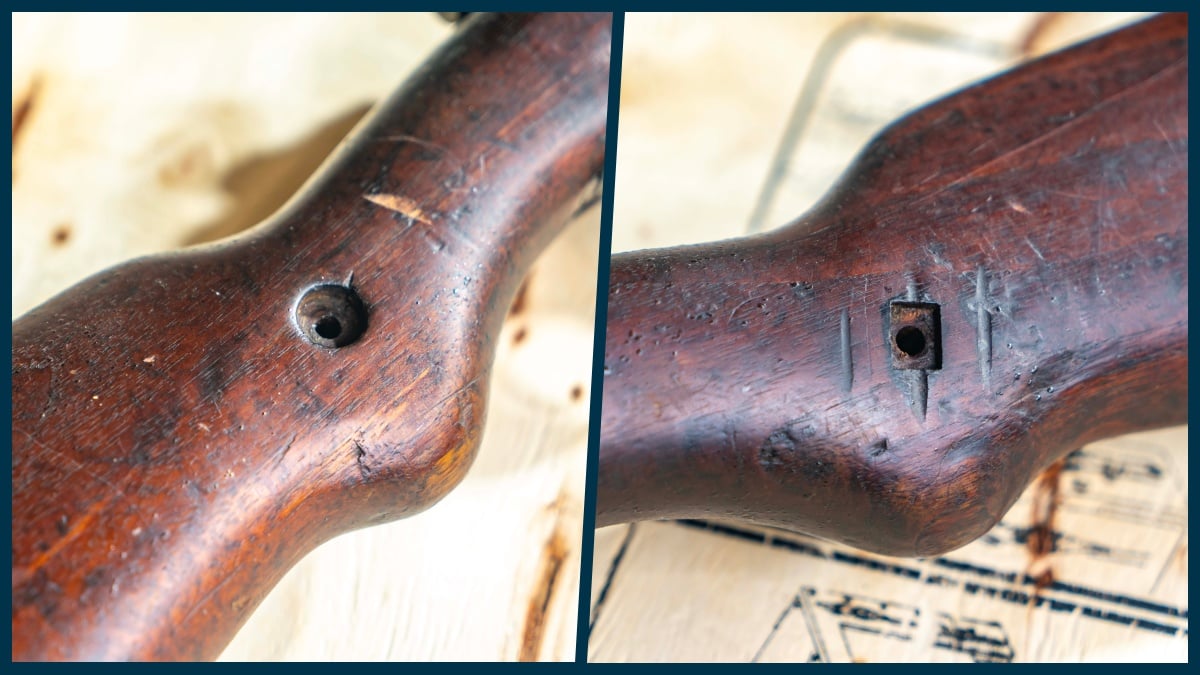
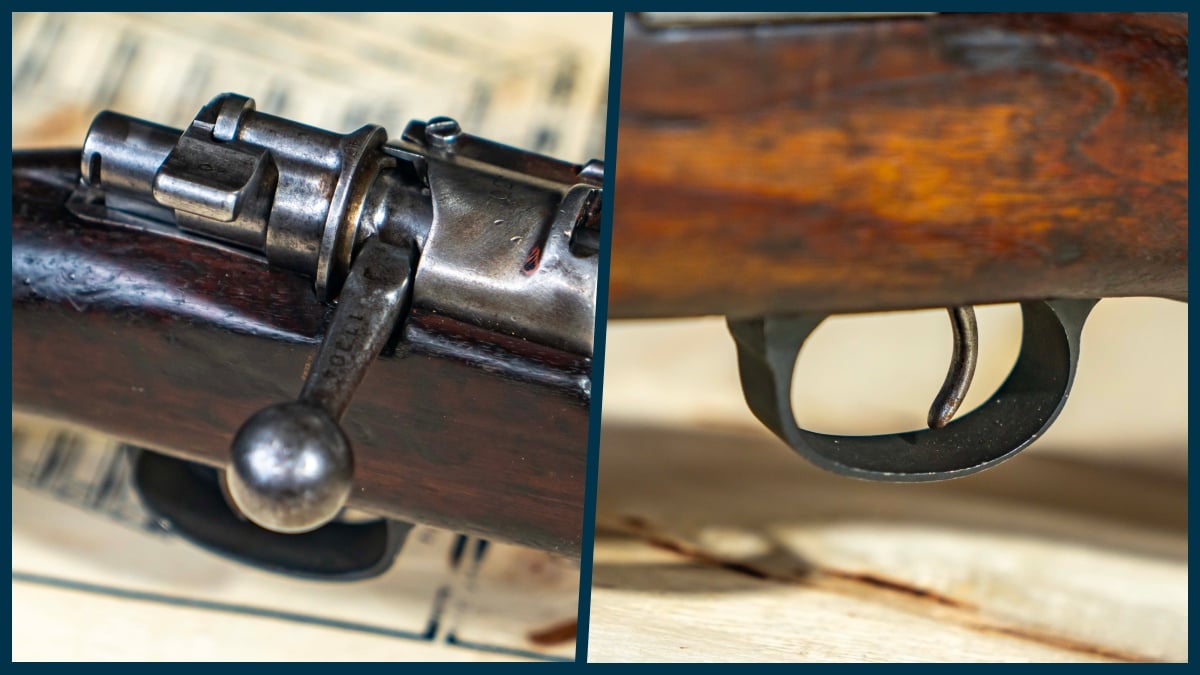
The first stage is nice and light with a smooth, springy feel. The second stage is basically at the wall. It’s a stiff wall with a bit of creep. The break is decent for an old military trigger, at just 5.47 pounds.
While there’s nothing really refined about this non-collectible surplus Mauser, its performance on the range made me glad I finally pulled it out of the safe.
Range Testing & Accuracy
As a guy who spends most of my rifle-shooting time using rear-mounted optics, I must immediately point out the advantage of the scout rifle setup. The forward placement of the scope gives you great situational awareness and the ability to quickly acquire medium-range targets.
I wouldn’t prefer it for longer shots, but there are certainly advantages like avoiding tunnel vision and scope-lock. Plus, you’ll never get a black eye from getting scoped by the recoil.

While .30-06 Springfield is a significantly hotter round than the 7x57mm Mauser this gun was likely originally designed to fire, the Mauser action is strong and certainly capable of handling the load. I was actually surprised by how pleasant the gun was to shoot.
Recoil was manageable and more of a forceful push into my shoulder. I’ve fired a lightweight surplus Arisaka Type 99 that was rechambered for .30-06. It kicked like a mule. This rebarreled R. Famage was downright pleasant by comparison.
Related: Arisaka Type 99 – Japan’s Last World War II Bolt-Action Rifle
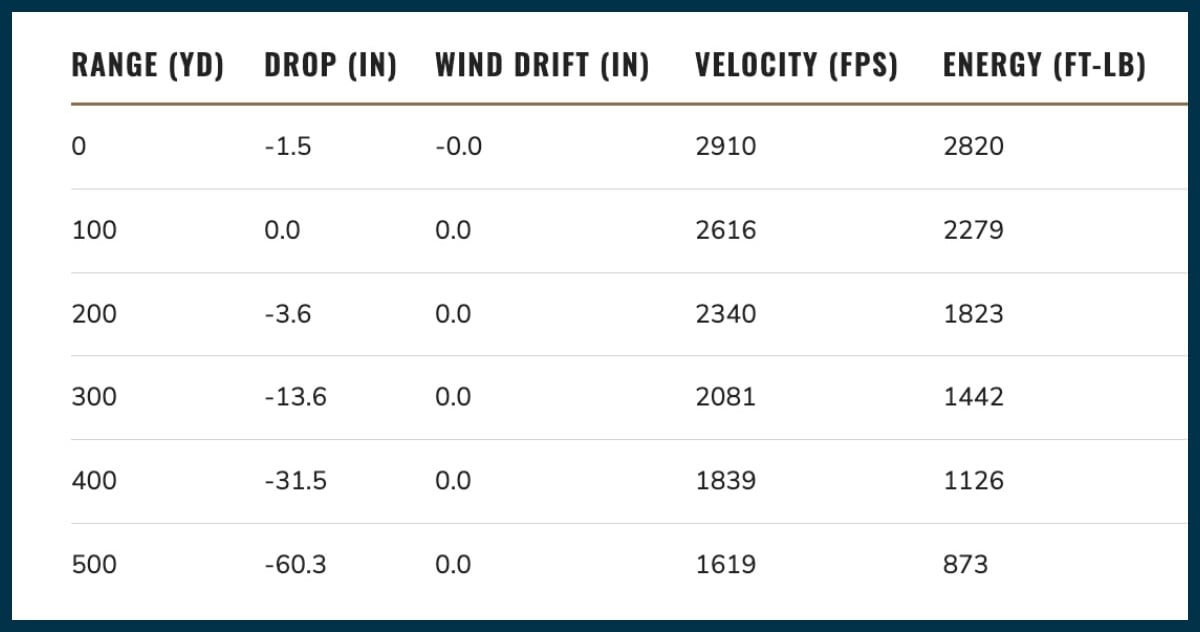
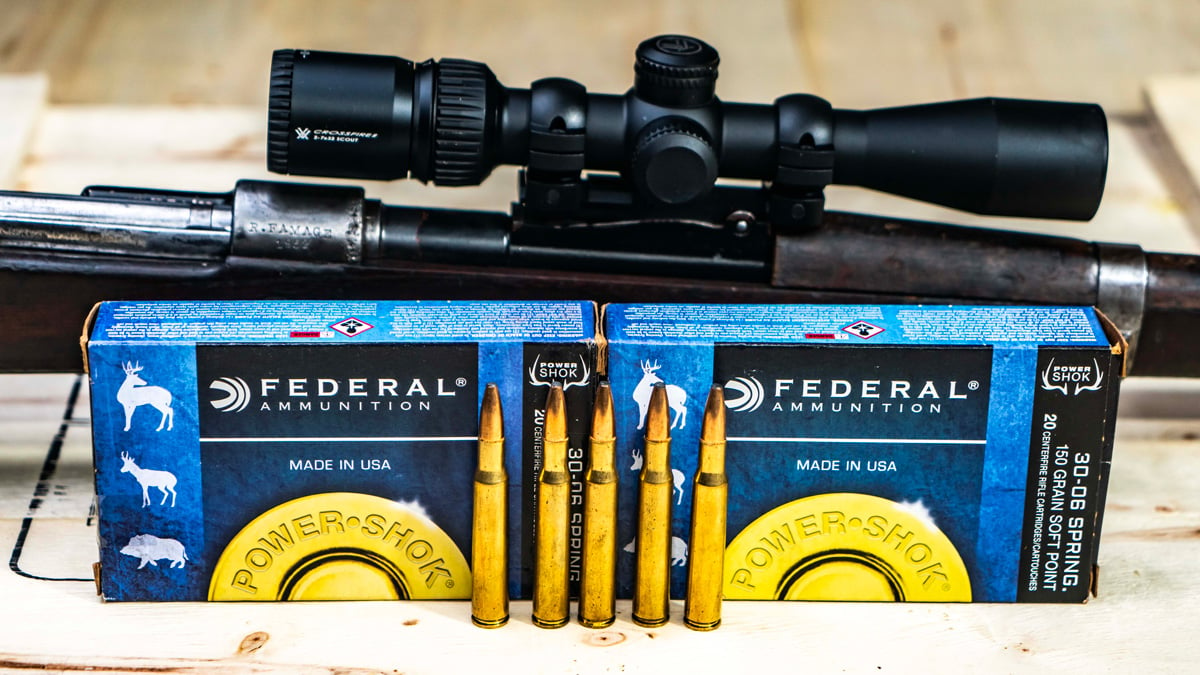
All my targets were shot with Federal Power-Shok 150-grain soft-point .30-06 Springfield factory ammo. With a muzzle velocity of 2,910 fps and a 1.5-inch scope height over the bore, you can see the great flat-shooting performance such a round would have on medium-range targets inside 200 yards:
There are tons of myths and legends about the accuracy of old Mausers. It’s worth remembering that the expectations for accurate rifle fire in the first half of the 20th century for your average soldier were not the same as they are today with your optics-heavy sporting and hunting rifles.
Without digging into things like R50 accuracy calculations, the general average one would expect a service K98k Mauser to hit was around 4 to 5 MOA. It’s also worth noting that relative accuracy was often calculated as an average of several guns and not just a reflection of every gun. That’s not to say many Mausers weren’t capable of far better than this, but that’s a number many shooters would scoff at if it was listed in the specs for even modern budget hunting rifles.
Again, this was all with iron sights. The guns were basically expected to be more accurate than the shooters themselves. Adding a scope can change the game. I’ve never done much better than 4 MOA on iron sights with my surplus Mauser anyway. The front barleycorn sight is chunky, and I generally dislike V-notch rear sights. The gun shoots well enough. I’ve just lacked the necessary consistency with my point of aim at that range as a shooter.
That isn’t to say the gun can’t do better, and now I have proof. Here’s a look at my first targets after a quick zero at 100 yards.

I was just squeaking around the edge of a 1-MOA group on that trip with the above groups offering approximately 1.2 and 1.1 MOA measuring off the center of the impacts.

Perhaps the best news beyond the overall accuracy potential of the new mount was that it didn’t shift over time. This isn’t a competition-level gun, but the scope and mount have handled several 20-round boxes of ammo over my range trips without losing the zero.
Pros & Cons

Here’s my short list of the pros and cons for the BadAce’s mount kit and converting rifles like this in general:
Pros:
- No drilling or permanent modifications
- Easy DIY installation
- Easily uninstalled
- Cost-effective without a gunsmith
- Accurate and reliable
- Better accuracy performance
Cons:
- Added cost to an old gun
- Removes some of the classic looks
- Old guns generally have less user-friendly controls
-
Mil-surp guns are generally heavy already
Last Thoughts
Surplus guns like this have been prowling America’s hunting fields and target ranges for generations. They’re plentiful and often cherished family firearms at this point. BadAce Tactical offers a way to keep them at the top of the list for target shooting and hunting even in the age of affordable modern firearms and optics.
Just as importantly, these mounts don’t take anything away from the original gun. It can always return to its stock configuration. I found the project of adding a scope to this old R. Famage quite enjoyable in and of itself. Plus, the performance on the range would make me far more comfortable pressing it into other target shooting or hunting needs.
Like cool old firearms?
Check out our Military Classics and Collectors Corner for more.